
红旗连锁

Search documents
[7月18日]指数估值数据(市场继续上涨;港股科技、医药估值如何;抽奖福利)
银行螺丝钉· 2025-07-18 14:00
Core Viewpoint - The article discusses the recent strong performance of both A-shares and Hong Kong stocks, highlighting the recovery of the Hong Kong market after a period of decline, driven by various factors including policy support and earnings recovery in key sectors [1][10][18]. Group 1: Market Performance - Both A-shares and Hong Kong stocks have shown strong upward trends, with Hong Kong stocks outperforming A-shares [1][6]. - Large-cap stocks have seen slightly more significant increases compared to small-cap stocks, with both value and growth styles experiencing gains [3][4]. - Key sectors such as consumer and technology have demonstrated robust performance [5][6]. Group 2: Historical Context - The Hong Kong market faced significant declines in 2021-2022, being one of the worst-performing markets globally, with the Hang Seng Index dropping from 33,484 points to a low of 14,597 points, a decline of 56% [13][16][17]. - Contributing factors included aggressive interest rate hikes by the Federal Reserve, fears surrounding Chinese companies listed in the U.S., and a general downturn in corporate earnings [14][15]. Group 3: Recovery Factors - The recovery of the Hong Kong market is attributed to several factors, including the Federal Reserve entering a rate-cutting cycle, which benefits RMB-denominated assets [18]. - Economic stimulus policies introduced in the past year have provided stronger support compared to previous years [19]. - The market is primarily driven by institutional investors who require visible signs of earnings growth before stock prices rise, which has been observed in sectors like technology and pharmaceuticals [20][21]. Group 4: Valuation and Investment Opportunities - Following the recent uptrend, some sectors are returning to normal valuation levels, particularly in technology and pharmaceuticals [23][24]. - The article emphasizes the importance of identifying undervalued opportunities in the market, especially in the context of potential volatility [31]. - A valuation table for various Hong Kong indices is provided, indicating current price-to-earnings ratios and other metrics for reference [32].


21特写|“中国味”席卷东南亚:品牌中餐如何破解出海难题?
2 1 Shi Ji Jing Ji Bao Dao· 2025-07-18 12:35
Group 1 - The core viewpoint of the articles highlights the rapid expansion of Chinese restaurant brands in Southeast Asia, marking a new era of internationalization for Chinese cuisine [1][2][16] - Chinese restaurant brands have opened over 6,100 stores in Southeast Asia by the end of 2024, a significant increase from approximately 1,800 stores in 2022, indicating a growth of more than three times [1][5] - The Southeast Asian restaurant market has shown a year-on-year growth of 4.6%, reaching a scale of $132.9 billion, which is only 17% of the Chinese market size [5][6] Group 2 - The competitive landscape for Chinese restaurants in Southeast Asia is intensifying, with challenges such as supply chain issues, regulatory barriers, and cultural differences affecting consumer habits [2][11] - Localization is crucial for the success of Chinese restaurant brands abroad, as the degree of localization directly impacts the scalability of their overseas operations [2][17] - The preference for Chinese cuisine among Southeast Asian consumers is growing, with popular dishes like hot pot and dim sum gaining traction, reflecting a shift from traditional perceptions of Chinese food [3][12] Group 3 - Brands like Haidilao and Zhang Liang Spicy Hot Pot have successfully expanded into Southeast Asia, with Zhang Liang opening over 60 stores in the region, demonstrating the potential of the market [4][14] - The demographic factors in Southeast Asia, such as a large population and a significant Chinese community, contribute to the high demand for Chinese cuisine [4][5] - The restaurant industry in Southeast Asia is characterized by a high percentage of consumer spending on food and beverages, with Indonesia reaching 48.8% [6][11] Group 4 - The supply chain is a critical factor for the success of Chinese restaurants in Southeast Asia, with many brands adopting a hybrid approach of local and imported ingredients to ensure quality and compliance with local regulations [10][11] - The rapid expansion of Chinese restaurant brands is accompanied by a wave of closures, particularly in Singapore, where the market is becoming saturated [12][13] - Successful Chinese brands in Southeast Asia are those that effectively combine global standards with local adaptations, ensuring they resonate with local consumers [16][17]
零食先行、奶茶殿后:茶颜悦色逆向出海的商业奇袭
Xin Lang Zheng Quan· 2025-07-18 09:42
Core Insights - The article discusses the unique international expansion strategy of the Chinese tea brand, Chayan Yuesheng, which has launched a range of snacks and tea-related products in North America without offering its signature tea drinks [1][2]. Group 1: Market Entry Strategy - Chayan Yuesheng has opted for a "reverse overseas expansion" model, focusing on e-commerce rather than physical stores, which contrasts with competitors like Mixue Ice City and Heytea that are opening numerous overseas locations [1][2]. - The brand acknowledges the challenges of standardizing service and product quality in international markets, leading to its decision to avoid opening physical stores for now [1][2]. Group 2: Supply Chain Considerations - Significant differences in tea inspection systems between China and the U.S. pose challenges for Chayan Yuesheng, as some of its tea suppliers are not yet prepared for overseas operations [2]. - The brand's pragmatic approach helps it avoid the high costs associated with fresh tea drinks, which can be seven times higher in the U.S. compared to domestic prices [2]. Group 3: Product Pricing and Consumer Demand - Chayan Yuesheng's products, such as "Mochi Crispy Strips" and "Crystal Fragrance," are priced at a premium, with some items seeing price increases of up to 300% compared to domestic prices, yet they still attract significant consumer interest [3]. - The cultural value of these products, representing "Chinese flavors," contributes to their appeal among overseas consumers [3]. Group 4: Multi-Platform Strategy - The brand has launched its products across multiple platforms, including Shopify, Amazon, and TikTok Shop, to diversify its sales channels and reduce reliance on any single platform [4]. - This strategy allows for rapid validation of product-market fit through sales data [4]. Group 5: Asset-Light Model - Chayan Yuesheng's approach of prioritizing e-commerce over physical stores represents a new, asset-light model for international expansion in the beverage industry [5]. - This model allows the brand to minimize costs associated with logistics and local operations while still reaching international consumers [5]. Group 6: Data Utilization and Market Insights - The brand leverages consumer feedback and sales data from e-commerce platforms to gain insights into North American market preferences, which is more effective than traditional market research methods [6]. - The establishment of a self-owned R&D production base is set to enhance the standardization of its products, facilitating future overseas expansion [6]. Group 7: Cultural Integration - The brand's strategy includes fostering cultural recognition among North American consumers by integrating Chinese lifestyle elements into their product offerings [6]. - This approach aligns with successful global strategies seen in brands like Muji and K-beauty, focusing on selling cultural identity rather than just products [6].
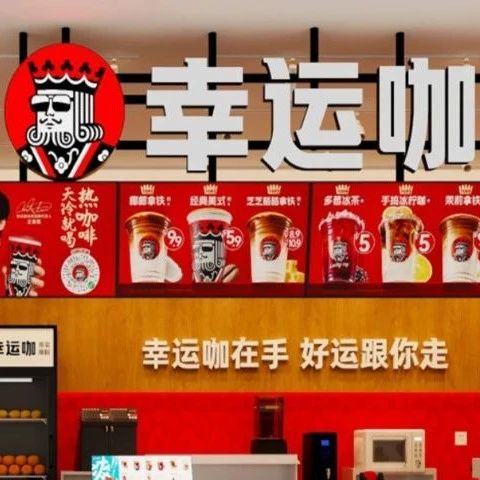
幸运咖2025年门店目标数1万家,下半年主战场转向一二线城市|36氪独家
36氪· 2025-07-18 09:23
Core Viewpoint - Lucky Coffee aims to expand aggressively into high-tier cities, targeting a total of 10,000 stores by 2025, with a current count of nearly 7,000 stores, primarily in lower-tier cities [5][6]. Expansion Strategy - Lucky Coffee has adjusted its expansion strategy to focus on first and second-tier cities, particularly in the Yangtze River Delta and Pearl River Delta regions, with commercial streets as key locations [5]. - The brand's previous focus was on lower-tier markets, with approximately 70% of its stores located in third-tier cities and below as of 2024 [5]. Market Positioning - Lucky Coffee differentiates itself from competitors by maintaining a price point of 6-8 yuan, which is perceived as a real price rather than a subsidized one, thus ensuring profitability [5][6]. - The company benefits from its affiliation with Mixue Ice Cream, allowing for unified sourcing of raw materials and shared logistics, which enhances its competitive edge [6]. Product Strategy - Lucky Coffee has introduced a range of products priced between 6-8 yuan, including 14 new fruit coffee options, signaling its intent to penetrate the first-tier city market [7]. - The brand is also focusing on promoting its "American-style coffee" priced at 5.9 yuan, which has become one of its top-selling products [7]. Competitive Landscape - The coffee market is experiencing intense competition, with major players like Luckin Coffee, Kudi, and others ramping up their store expansion plans [8]. - For instance, Luckin Coffee has increased its store opening target from 4,000 to 8,000 for the year, while Gu Ming has raised its target from 1,000 to 3,000 [8]. Operational Insights - Lucky Coffee's average daily revenue per store reached a peak of 5,732 yuan during a recent promotional event, although the company remains focused on in-store consumption rather than delivery services [7]. - The company has recently launched a new roasting line in Hainan, which is the largest for Mixue Group, enhancing its production capacity [7].
县城没有即时零售
3 6 Ke· 2025-07-17 12:34
Core Insights - Instant retail is thriving in first- and second-tier cities but remains largely unnoticed in lower-tier markets, indicating a significant disparity in consumer engagement and market penetration [2][4][22] Group 1: Market Dynamics - A young consumer from a top 100 county is unaware of instant retail, highlighting a lack of exposure and usage in these regions [3] - In contrast to the bustling promotions in urban areas, such as "Crazy Saturday," consumers in county towns show little interest in similar offers, indicating a disconnect between urban marketing strategies and rural consumer behavior [5][19] - Despite significant investments from major companies in instant retail, the actual consumer demand in many county markets remains stagnant, with preferences leaning towards offline shopping and traditional purchasing methods [4][10] Group 2: Consumer Behavior - Consumers in county towns prioritize price and personal relationships over convenience, often opting to buy directly from local vendors rather than using online platforms [8][10] - The perception of instant retail is that it does not meet the needs of local consumers, who prefer to verify the quality of products in person, especially for fresh produce [10][22] - Seasonal spikes in online consumption occur during holidays when urban residents return to their hometowns, but this does not translate into sustained demand for instant retail services [19][21] Group 3: Business Challenges - Instant retail platforms face significant challenges in penetrating county markets due to a lack of established supply chains and consumer awareness [12][22] - Many local businesses are hesitant to join online platforms due to limited online demand and the complexities of managing inventory and delivery logistics [13][15] - The reliance on third-party delivery services and the high costs associated with instant retail make it less appealing for local merchants, who often find better margins in traditional sales [15][22] Group 4: Future Outlook - Despite the current challenges, major companies like Meituan are still considering the potential of county markets, with plans to focus on these areas in the future [17][19] - The growth of instant retail in county areas is expected to be gradual, with a need for market education and infrastructure development to align consumer habits with service offerings [22][24] - The success of community group buying models in some counties suggests that there is potential for growth in instant retail, provided that it can adapt to local consumer preferences and economic conditions [22][24]
幸运咖2025年门店目标数1万家,下半年主战场转向一二线城市|独家
36氪未来消费· 2025-07-17 11:53
Core Viewpoint - Lucky Coffee is aggressively expanding its presence in high-tier cities, aiming for a total of 10,000 stores by 2025, with a current count of nearly 7,000 stores, primarily in lower-tier cities [3][4]. Expansion Strategy - The company is shifting its focus to first and second-tier cities, particularly in the Yangtze River Delta and Pearl River Delta regions, with commercial streets as key expansion points [3]. - Lucky Coffee's previous strategy concentrated on lower-tier markets, with approximately 70% of its stores located in third-tier cities and below as of 2024 [3]. Financial Performance and Goals - The target of 10,000 stores by 2025 represents a 150% increase in store count from the previous year [3]. - The company experienced a slowdown in store expansion after reaching 2,300 stores in 2022, but resumed growth in 2024, surpassing 4,000 stores by year-end [3]. Competitive Advantages - Lucky Coffee differentiates itself from competitors by maintaining a real price model without heavy subsidies, allowing for profitability despite competitive pricing [4]. - The company benefits from its affiliation with Mixue Ice Cream, which provides unified sourcing of raw materials and shared logistics, enhancing its supply chain efficiency [5]. Market Trends - The coffee market in China is becoming increasingly homogenized, with major brands like Starbucks and Luckin Coffee penetrating lower-tier cities, reducing the gap in consumer perception of coffee [5]. - Lucky Coffee has introduced new products, including 14 types of fruit coffee priced between 6-8 yuan, signaling its intent to compete in higher-tier markets [5]. Industry Competition - The coffee sector is expected to see intensified competition in 2023, with major players like Luckin Coffee and others ramping up their store expansion plans significantly [6].
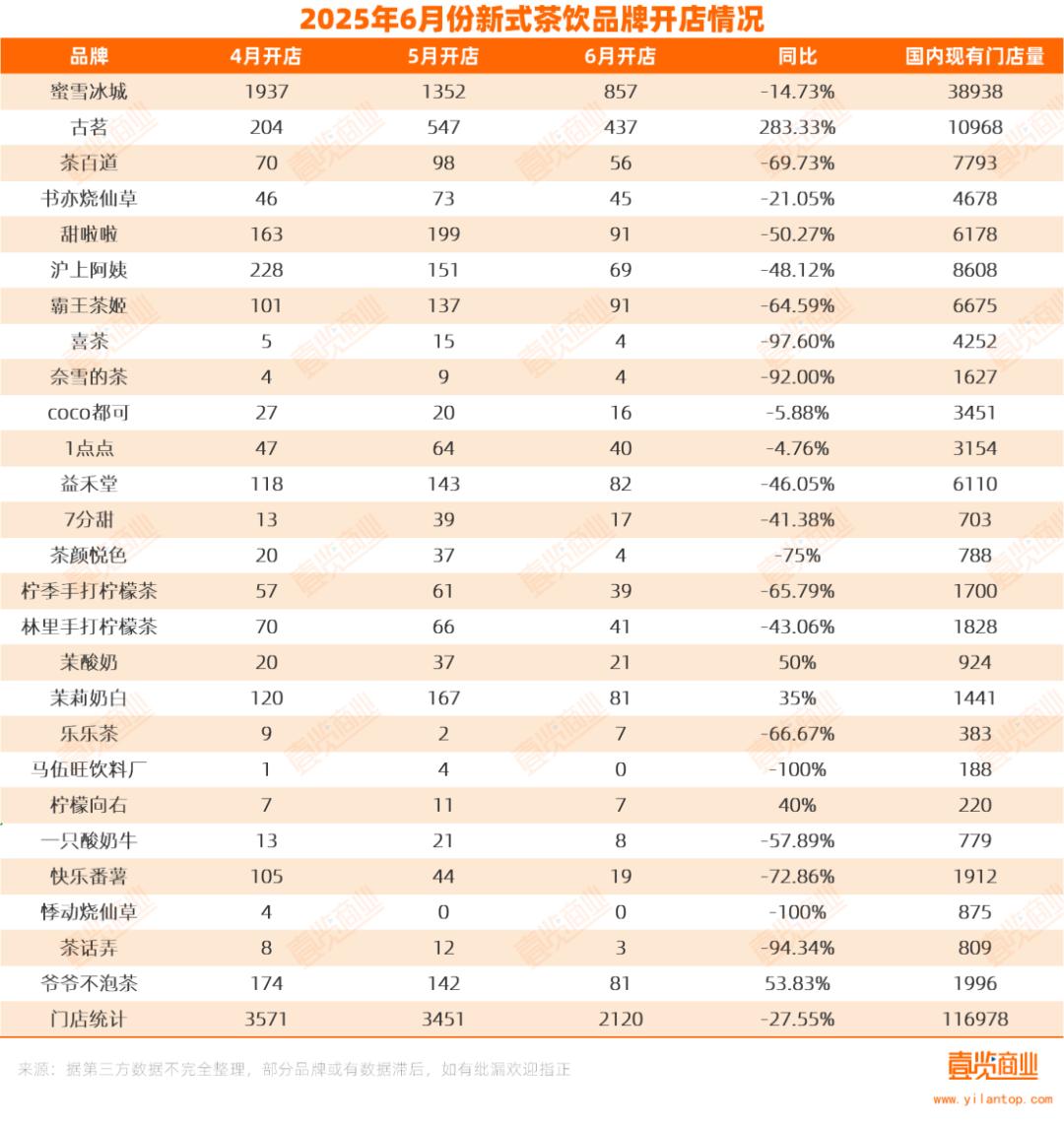
新茶饮,6月开店2120间
3 6 Ke· 2025-07-17 03:28
Core Insights - The new tea beverage market is experiencing a peak in new product launches and marketing as the summer season approaches [1] - In June 2025, 26 tracked tea beverage brands opened a total of 2,120 new stores, representing a year-on-year decline of 27.55% [1][4] - Despite the monthly decline in new store openings, the total number of stores in the industry has reached 116,978, an increase of 3,697 from May [1] Store Opening Trends - The leading brand, Mixue Ice City, opened 857 new stores in June, down from 1,352 in May, maintaining a total of 38,938 existing stores [3][4] - Gu Ming saw a significant increase, opening 437 new stores in June, a year-on-year surge of 283.33%, with a total of 10,968 stores [4][7] - Other notable brands include Bawang Chaji and Tianlala, each opening 91 new stores in June, with Bawang Chaji experiencing a slight decline [4][7] Product Launches - In June, a total of approximately 124 new SKUs were launched across 26 brands, an increase of 19 from May [7] - Leading brands in new product launches include Coco, which introduced 9 new SKUs, and Mixue Ice City, which launched 6 [9][10] - Seasonal flavors such as peach and berry are trending, with multiple brands introducing products featuring these ingredients [10][11] Marketing Strategies - The number of collaborative marketing campaigns has significantly increased, with 14 brands engaging in partnerships, nearly doubling from May [11] - Brands are leveraging celebrity endorsements and cultural collaborations to enhance their marketing efforts, such as Tea Yan Yue Se's partnership with the Suzhou Silk Museum [11][12] - The industry is shifting towards a more integrated marketing approach, focusing on cultural value and consumer engagement rather than relying solely on single hit products [11]

专访淡马锡吴亦兵:继续重仓中国,看好新兴消费和AI应用前景
Di Yi Cai Jing· 2025-07-16 12:52
Core Insights - The net asset value of Temasek's investment portfolio increased by 4 billion SGD compared to the previous fiscal year [1] - Temasek's investment portfolio reached a historical high of 434 billion SGD, with an increase of 45 billion SGD from the previous fiscal year [4] - Temasek's investment activities in the past fiscal year were notably active, with investments totaling 52 billion SGD and divestments reaching 42 billion SGD [5] Investment Focus - Temasek's investment strategy remains focused on China, with a slight decrease in the proportion of its investment portfolio in China to 18% [6] - The company continues to emphasize technology innovation, particularly in AI, as a key investment theme in China [9][10] - Temasek's new private equity fund, established to attract potential RMB limited partners, aims to invest in high-quality assets in China [1][9] Market Dynamics - The investment portfolio is divided into three main segments: Singapore-based investments (41%), global direct investments (36%), and cooperative investment projects (23%) [5] - The company has observed a shift in the investment landscape, with a growing focus on resilient assets and cash flow due to increasing market uncertainties [8] - Temasek's long-term confidence in the Chinese market remains unchanged, despite fluctuations in the investment portfolio's exposure [6][11] Consumer Market Insights - The Chinese consumer market is maturing, with a shift towards service-oriented consumption and the rise of local brands [12][13] - Temasek identifies the potential for growth in service consumption, which has a high multiplier effect, supported by comprehensive consumption promotion policies [13] - The company believes that stabilizing the real estate market is crucial for boosting consumer confidence and overall economic growth [12][13]

“价格战”打到最后,才发现真正的对手不是同行
3 6 Ke· 2025-07-16 10:24
Group 1 - The core issue in the current retail market is not "consumption downgrade," but rather a collective weariness of mediocre offerings from consumers [2][6] - The market has shifted from a "supply shortage" to a "supply surplus" era, leading to a situation where many companies are still using outdated strategies to address modern challenges [3][6] - Price wars are a sign of companies' inability to innovate and meet higher-level consumer expectations, resulting in a cycle of despair and competition without real value creation [3][5] Group 2 - Consumers are not unwilling to spend money; they are simply not finding products that excite them, leading to a silent outcry for better offerings [6][8] - The concept of "pseudo-innovation" is prevalent, where companies focus on superficial improvements rather than addressing the core needs and desires of consumers [5][6] - Successful brands are those that can create genuine desire and excitement among consumers, rather than just competing on price [7][8] Group 3 - The solution lies in shifting from merely meeting basic needs to creating "expectation" and "excitement" demands, as outlined in the KANO model [9][10] - Companies must focus on delivering value resonance rather than just functional satisfaction to engage consumers effectively [10][18] - Examples like Sam's Club and NIO illustrate how understanding and fulfilling consumer expectations and excitement can lead to significant business success [12][14] Group 4 - Companies need to undergo a three-step evolution to escape the cycle of internal competition: mindset revolution, capability upgrade, and cognitive restructuring [20][22] - The first step involves adopting a long-term perspective, akin to farming, rather than seeking quick profits [22][23] - The second step emphasizes the use of scientific methods to understand consumer needs deeply, moving beyond intuition [23][25] Group 5 - The final step is to redefine the company's role from merely selling products to being a partner that helps consumers achieve their goals [27][30] - This shift in perception can lead to a restructured business model that prioritizes experience, community, and emotional value [30][32] - The ultimate goal is to create desire rather than just meet existing needs, which is essential for long-term success in the market [38]
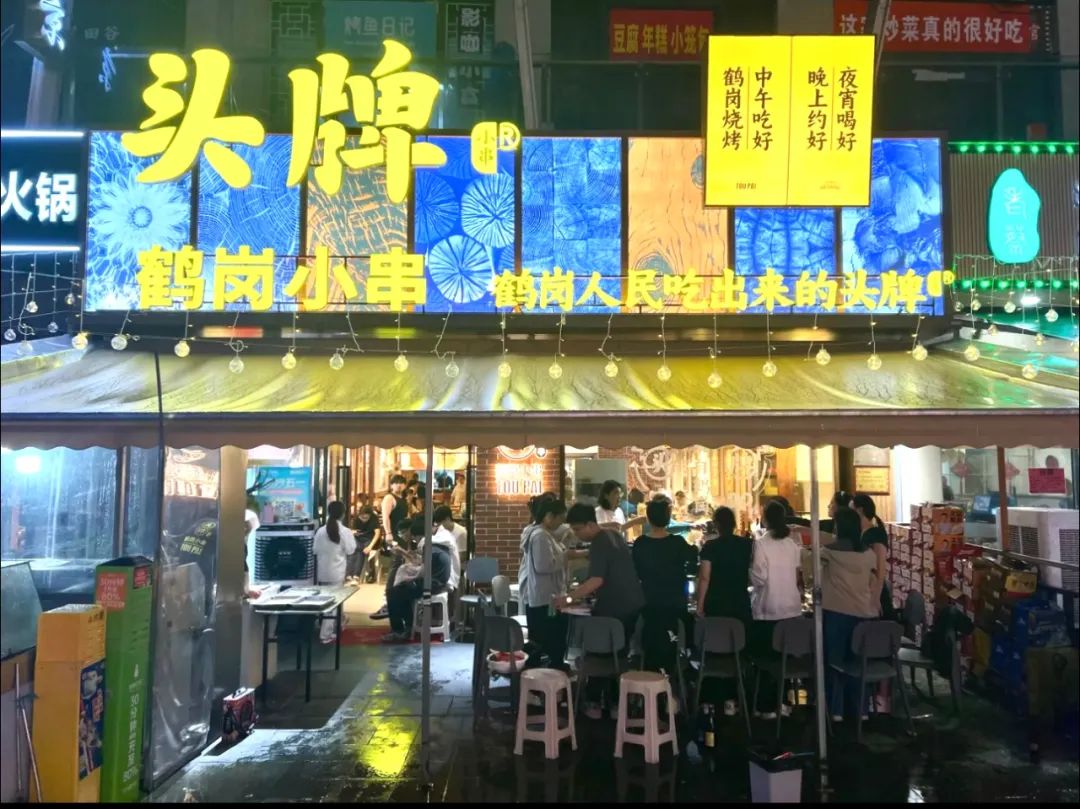
拼好饭等外卖创新模式获央媒认可,成餐饮增长新亮点
Jing Ji Guan Cha Wang· 2025-07-16 06:17
Core Insights - The article highlights the competitive landscape of the food delivery industry, focusing on how companies like Meituan's "Pin Hao Fan" are innovating to capture incremental market growth while ensuring quality and cost efficiency [1][2] - It emphasizes the significant sales growth experienced by merchants on the "Pin Hao Fan" platform, with 90% of merchants reporting a sales increase of over 30% [2] Group 1: Market Dynamics - Meituan announced that its instant retail daily order volume exceeded 150 million, with "Pin Hao Fan" alone surpassing 35 million daily orders [1] - Major international fast-food brands, such as KFC, are actively collaborating with platforms like Meituan to innovate and optimize their supply chains in the Chinese market [1] Group 2: Merchant Benefits - The "Pin Hao Fan" model allows brands to share labor and rental costs, leading to reduced ingredient procurement costs through bulk purchasing [1] - Merchants report that the platform has significantly boosted their revenue, with some small businesses seeing a monthly increase of 5,000 yuan, allowing them to hire additional staff [1] Group 3: Quality Assurance - "Pin Hao Fan" has established food safety standards, conducts regular inspections, and provides training to merchants to ensure compliance and enhance food safety [2] - The platform's commitment to transparency and quality is seen as essential for maintaining reputation and safety, fostering a positive cycle of optimization among merchants [2]