Klarna

Search documents
Corporate layoffs have ramped up in recent weeks. Here are the companies making cuts
CNBC· 2025-06-05 18:47
Core Insights - Mass layoffs continue to impact corporate America despite the end of government cost-cutting initiatives by Elon Musk [1][2] - Companies are under pressure to reduce costs amid global economic uncertainty, leading to layoffs as a strategy to manage expenses [2][3] Company-Specific Layoffs - Procter & Gamble plans to cut 7,000 jobs, approximately 15% of its non-manufacturing workforce, as part of a restructuring program [5][6] - Microsoft announced a reduction of about 6,000 staff, representing around 3% of its total workforce, aimed at reducing management layers [7] - Citigroup intends to cut around 3,500 positions in China, primarily affecting its IT services unit, as part of a broader plan to reduce its global workforce by 10% [10][11] - Walmart is set to eliminate about 1,500 jobs to simplify operations, affecting various teams including global technology and e-commerce fulfillment [12][13] - Klarna has reduced its workforce by 40% and plans to lay off an additional 10% globally, citing investments in AI as a key factor [14] - CrowdStrike will cut 500 employees, about 5% of its staff, attributing the layoffs to the impact of AI on the market [15] - The Walt Disney Company plans to cut several hundred jobs across various divisions as part of an efficiency initiative [16] - Chegg announced layoffs of 248 employees, or about 22% of its workforce, as it adapts to the rise of AI in education [17] - Amazon will eliminate about 100 jobs in its devices and services division, part of ongoing cost-trimming efforts [18] - Warner Bros. Discovery will lay off fewer than 100 employees as part of a reorganization into two divisions [19]





Klarna CEO表示将使用人工提供 VIP 客户服务
Sou Hu Cai Jing· 2025-06-05 16:45
Group 1 - The CEO of Klarna, Sebastian Siemiatkowski, stated that the company previously planned to stop hiring human workers in favor of AI, which could handle the work of approximately 700 employees, but is now looking to hire more human staff [2] - Klarna's workforce has decreased from 5,500 employees two years ago to around 3,000 currently, with the savings from reduced salary costs being reinvested into cash bonuses and equity incentives for employees [2] - Siemiatkowski emphasized that human customer service will always be considered a VIP service, akin to the preference for handmade clothing over machine-made products [2] Group 2 - Siemiatkowski noted the rise of business-savvy individuals who can program, indicating that such talent will become increasingly valuable as they can leverage AI for practical applications [3] - He personally uses ChatGPT to enhance his programming skills and gain a deeper understanding of Klarna's data, which he believes improves the company [3] - The increase in financial fraud cases, particularly in high-trust societies like Sweden, has been highlighted, with AI accelerating this trend [3][4] Group 3 - Klarna has ceased using Salesforce and Workday to better integrate its data for AI processing, recognizing the need for data consolidation across various platforms [4] - The company has stopped using around 1,200 small software services to streamline its operations [4] Group 4 - Siemiatkowski hinted at a potential upcoming IPO for Klarna but did not make any firm commitments, expressing satisfaction with the reduced market volatility [5]

Alphabet to Keep Adding Engineers Despite Investments in AI
PYMNTS.com· 2025-06-05 15:43
Core Viewpoint - Alphabet's CEO Sundar Pichai emphasized that the company's investments in artificial intelligence (AI) will not hinder its plans to increase its engineering workforce over the next year, aiming to enhance productivity by automating mundane tasks [1][2]. Group 1: Company Strategy and Workforce - Pichai stated that the company expects to grow its engineering base, which will allow for greater productivity and efficiency in handling opportunities [2]. - In January 2023, Alphabet announced a reduction of 12,000 jobs, approximately 6% of its workforce, as part of a strategy to adapt to a "different economic reality" while focusing on AI [3]. - In January 2024, Pichai indicated that further job cuts could occur as the company seeks to streamline operations and improve execution speed [4]. Group 2: Industry Trends and Job Market Impact - A report indicated that 54% of U.S. workers believe generative AI poses a significant risk of widespread job displacement, with 74% of frequent users of generative AI believing it could replace aspects of their jobs [4]. - OpenAI's CEO Sam Altman noted that while technological revolutions can lead to job losses, they also create new jobs and enhance efficiency, allowing workers to earn more [5]. - Klarna's CEO mentioned that fewer job cuts occurred in engineering roles compared to other positions, but this trend may shift as more business professionals learn to code, aided by tools like ChatGPT [5].


Meta计划用AI取代人类审核员
财富FORTUNE· 2025-06-05 13:02
Core Viewpoint - The article discusses the increasing trend of companies, including Meta, using AI to replace human workers in various roles, particularly in auditing and customer service, raising concerns about job displacement and the quality of work performed by AI [1][2][5]. Group 1: Meta's AI Implementation - Meta plans to utilize AI to handle 90% of its previous human auditing tasks related to privacy and social risks, indicating a significant shift in its operational strategy [1]. - A Meta spokesperson stated that while AI will manage low-risk decisions, human expertise will still be relied upon for new or complex issues, although internal documents suggest a broader role for AI in sensitive content review [2][3]. Group 2: Other Companies' AI Adoption - Klarna has ceased hiring new employees and is implementing a natural attrition policy, reducing its workforce from 4,500 to 3,500 by 2024, citing significant cost savings from AI in marketing and legal functions [5]. - Salesforce announced a layoff of 1,000 employees while planning to hire more AI sales agents, reflecting a broader trend of workforce reduction in favor of AI solutions [5]. - Duolingo's CEO indicated a shift towards an "AI-first" approach, suggesting a gradual elimination of roles that can be automated, although he later retracted this statement [5][6].


2025年纳斯达克IPO及上市的关键机遇!
Sou Hu Cai Jing· 2025-06-05 06:37
2025年纳斯达克强劲而充满活力的IPO市场无疑将为企业和投资者创造重大机遇: 强劲的经济、较低的波动率指数(VIX)(低于20)以及低于近年来的资本成本,对2025年的IPO市场来说,无疑是利好因 素。对于那些估值合理、管理良好、现金流为正且盈利路径清晰的公司而言,2025年的IPO市场尤为火爆。 4. 成长型和新兴公司的机遇 纳斯达克举办的首届IPO峰会等活动,正在为中小盘股公司提供战略指导和人脉拓展,助力其顺利进入公开市场。成长期 公司正在利用这些资源,进一步优化IPO准备工作,提升投资者曝光度。 5. 特定行业的顺风 生命科学领域有望迎来突破性的一年,因为投资者对具有创新能力和短期盈利能力的企业依然兴趣浓厚。鉴于持续的数字 化转型趋势,金融科技和人工智能导向的公司也受到了一些颇具吸引力的关注。 1. 市场势头强劲、活动活跃 纳斯达克受益于IPO活动的增加,今年迄今已有49家新公司申请IPO,36家公司已定价发行,同比增长63.6%。由于投资者 似乎更愿意承担风险,且宏观经济环境可能比过去更为有利。 2. 知名且多元化的行业代表 许多知名公司正着手IPO,包括Stripe、Klarna、Revolut、 ...

Visa and Klarna Launch Innovative Card With Hybrid Features
ZACKS· 2025-06-04 13:26
Core Insights - Visa Inc. has launched an innovative debit card in partnership with Klarna, designed to enhance payment flexibility for customers [1][9] - The Klarna Card offers immediate debit payments, Pay in 4, and Pay Later options, along with an FDIC-insured wallet [1][9] - The card is currently in trial in the United States, with plans for a broader launch in the U.S. and Europe later this year [2][9] Industry Trends - The buy now pay later (BNPL) market is trending among Gen Z and millennials, with a projected annual growth rate of 12.4% in Europe, reaching $191.3 billion by 2025 [4] - By integrating BNPL features into a Visa-powered debit card, Visa aims to attract new customers and increase transaction volumes [5] Company Performance - Visa's payment volume increased by 8% year over year in the fiscal second quarter, driven by growth in the U.S., Europe, CEMEA, and LAC regions [5] - The cross-border volume for Visa rose by 13% year over year in the same quarter [5] - Over the past year, Visa's stock has increased by 33.2%, outperforming the industry growth of 27.1% [6]


美国人“消费自由”的尽头,是分期买鸡蛋?
Hu Xiu· 2025-06-04 00:46
Core Insights - The increasing trend of American consumers using Buy Now, Pay Later (BNPL) services for everyday purchases like groceries and bills indicates a significant shift in consumer behavior [1][5][49] Group 1: Consumer Behavior - Approximately 19% of American consumers utilized BNPL services in 2023, with nearly a quarter of these users employing it for grocery purchases, up from 14% a year prior [5][8] - The average loan amount for BNPL transactions is around $135, suggesting that these small loans have become a common financial tool for many households [9] - BNPL usage is particularly prevalent among younger consumers, with nearly half of the users being under 36 years old [12][27] Group 2: Market Dynamics - The BNPL market has seen explosive growth since its introduction in the U.S. in 2019, with an estimated 86.5 million users expected by 2024, reflecting a 6.92% increase [14][12] - Major players in the BNPL space, including Affirm, Klarna, Afterpay, Zip, and Sezzle, dominate over 95% of the market share, with a total loan issuance of $24.2 billion in 2021 [19][20] - BNPL platforms charge merchants fees that are typically double those of traditional credit cards, yet many retailers are willing to adopt these services due to increased average order values [40] Group 3: Financial Implications - The average cumulative borrowing amount for BNPL users has reached $2,085, with over a third of users making more than five transactions per quarter in 2023 [18] - The rise of BNPL has raised concerns about potential financial strain, as evidenced by an increase in late payment penalties from 7.8% in 2021 to 10.5% in 2023 [34] - BNPL is often perceived as a convenient option rather than a last resort, with 37.2% of users citing convenience as their primary reason for using the service [36][39] Group 4: Regulatory Environment - The Consumer Financial Protection Bureau (CFPB) has expressed concerns about the potential risks associated with BNPL, particularly for consumers in economic distress, leading to regulatory scrutiny [24][25] - Despite these concerns, the CFPB has indicated it will not prioritize enforcement actions against BNPL providers at this time [25] Group 5: Comparative Analysis - The BNPL model in the U.S. shares similarities with China's installment payment systems, though differences exist in regulatory frameworks and integration within e-commerce platforms [45][46] - Both countries are experiencing a trend towards "lightweight consumption credit," encouraging consumers to spend more through convenient payment options [48]

Affirm Stock Down As Klarna's Buy Now, Pay Later Credit Loss Rises 17%
Forbes· 2025-05-31 18:00
Core Viewpoint - Despite recent growth in the Buy Now, Pay Later (BNPL) industry, concerns about future performance are rising among investors, particularly due to increasing default rates and a weakening economy [2][10][14]. Company Performance - Affirm Holdings' stock has decreased by 17% in 2025 following a prediction of lower-than-expected growth for the current quarter [2]. - In the last three years, Affirm's stock has increased by 126%, reaching $52 per share, while the industry has expanded at an annual rate exceeding 50% [3]. - The company's fiscal third quarter results showed revenue of $783 million, a 36% increase year-over-year, and earnings per share of $0.01, surpassing expectations [5]. - The fourth quarter revenue guidance is set at $830 million, which is $11 million below consensus estimates, while the gross merchandise value (GMV) guidance is $9.55 billion, exceeding expectations by $350 million [5]. Industry Trends - The BNPL market has grown significantly, with an average annual growth rate of 55% since 2021, expanding from $97 billion to an estimated $560 billion in 2025 [10]. - The rise in BNPL loans has led to increased investment in the industry, but also to rising default rates among major players [10][12]. - Nearly two-thirds of BNPL loans are issued to borrowers with risky credit scores, indicating potential credit quality issues [12]. Consumer Behavior - Affirm's business is closely linked to consumer spending in sectors like electronics, apparel, and travel, with a 10% growth in active customers reaching 22 million in the third quarter [6]. - The company has introduced 0% interest loans, which have increased by 44%, as a strategy to drive sales and enhance customer lifetime value [8][9]. Market Sentiment - Wall Street analysts view Affirm's stock as undervalued, trading 29% below the average price target of $67.18 set by 21 analysts [4]. - Despite concerns, some analysts remain bullish on Affirm, citing its leadership in the BNPL space and recent partnerships, such as with Costco [17].


AI为什么还没有替代你的工作?
Hu Xiu· 2025-05-30 05:48
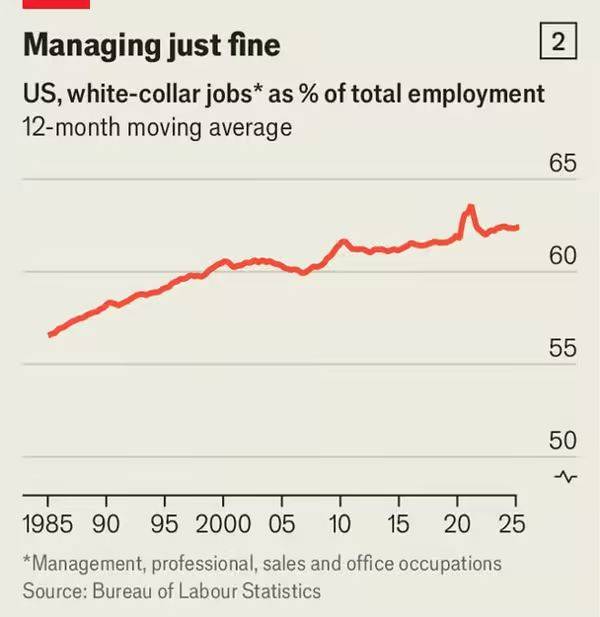
Group 1: Employment Trends - Despite concerns about automation leading to job losses, the number of professionals in interpreting and translation has increased by 7% over the past year in the U.S., indicating that AI may enhance efficiency and create new demand in certain sectors [1] - The unemployment rate for recent graduates is approximately 4%, which is historically low, suggesting that attributing job market challenges solely to AI lacks sufficient evidence [5] - Employment in white-collar jobs has slightly increased over the past year, even in roles considered most susceptible to AI impact [5] Group 2: Corporate Attitudes Towards AI - A notable shift in attitude is observed in companies like Klarna, where the CEO emphasized the continued necessity of human intervention in customer service despite AI automation [3] - Less than 10% of U.S. companies have scaled AI applications in core business processes, indicating that while enthusiasm for AI is high, practical implementation remains limited [7] - AI is primarily enhancing existing employee productivity rather than directly replacing jobs, allowing workers to focus on more creative and strategic tasks [7] Group 3: Investment and Market Sentiment - The capital market has shifted from initial enthusiasm for AI to a more cautious stance, with many companies feeling pressure after failing to achieve expected returns on AI investments [9] - The percentage of companies abandoning AI pilot projects has risen from 17% to 42% over the past year, reflecting challenges in effectively integrating AI into existing business models [9][12] - Major tech companies face significant challenges during this "trough of disillusionment," including data integration issues, talent shortages, high implementation costs, and compliance risks [12] Group 4: Long-term Economic Perspectives - The "Productivity J-Curve" theory suggests that the positive impacts of AI on productivity may not be immediately visible and could initially lead to stagnation as companies invest in necessary adjustments [14] - The "Modern Productivity Paradox" indicates that despite rapid advancements in AI, macroeconomic productivity growth remains sluggish, highlighting a potential disconnect between technological progress and productivity statistics [15] - Historical patterns show that transformative technologies often undergo phases of initial disappointment before leading to significant economic and social changes [16] Group 5: Societal Implications of AI - The focus on whether AI will replace human jobs may distract from more critical discussions about how AI can enhance productivity and overall wealth creation [17] - The historical context of the Industrial Revolution illustrates that while machines replaced many jobs, they also significantly increased overall productivity and wealth [18] - The core question surrounding AI's future is whether it will contribute to overall economic growth or exacerbate wealth distribution issues, impacting societal equity [19][20] Group 6: Future Considerations - Current discussions about AI often center on immediate concerns like job displacement and ethical considerations, potentially overlooking broader strategic issues [21] - The future of AI requires collaborative efforts from businesses, researchers, policymakers, and the public to create supportive frameworks for its development [22] - The ongoing evolution of AI presents both challenges and opportunities, necessitating a collective approach to ensure it serves the greater good of society [23]
多邻国CEO突然改口,放弃人工智能优先的承诺
财富FORTUNE· 2025-05-29 11:44
Core Viewpoint - Duolingo has shifted its stance on artificial intelligence, moving from a position that suggested AI would replace human workers to one that emphasizes AI as a tool to enhance efficiency while maintaining or improving work quality [1][2]. Group 1: Duolingo's Position Change - Duolingo's CEO, Luis von Ahn, clarified that he does not believe AI is replacing employees and stated that the company is still hiring at the same pace [1]. - The company is developing training programs and forming advisory committees to help teams learn and adapt to AI responsibly [1]. - This clarification comes after Duolingo announced plans to gradually stop using contractors for tasks that AI can perform, indicating a significant shift in their approach [1]. Group 2: Industry Trends - Duolingo's self-correction reflects a broader trend among startups, with fintech company Klarna also adjusting its AI strategy after admitting that its chatbot quality was lacking and deciding to resume hiring [3]. - Shopify faced similar criticism for suggesting that AI-driven productivity could replace new employees, highlighting a growing skepticism about the role of AI in the workforce [4]. Group 3: AI's Impact on Productivity - The shift in Duolingo's stance underscores that the concept of "AI-first" is more appealing to investors and management than to the general public [5]. - Research indicates that many AI projects fail to deliver expected returns, with a survey showing that three-quarters of AI initiatives did not meet investment expectations [5]. - A study involving 25,000 AI industry professionals found that AI has not significantly improved productivity or affected income and working hours [5].