
抖音

Search documents
为啥美股可以一直涨,A股却只能震荡
集思录· 2025-10-09 15:02
Core Viewpoint - The article discusses the contrasting nature of the US and A-share markets, highlighting that the US market is a "blood-generating" market while the A-share market is a "blood-letting" market, primarily due to the different regulatory and operational frameworks in place [1][2]. Group 1: Market Dynamics - In 2022, the US market saw a significant inflow of capital through buybacks and dividends totaling $2 trillion, while only $208 million was raised through IPOs, indicating a stark imbalance in capital inflow and outflow [2]. - The A-share market has experienced a net capital outflow of approximately 1.3 trillion yuan annually from 2018 to 2022 due to various factors such as IPOs, private placements, and management fees, which far exceed the capital generated through dividends [2][3]. Group 2: Regulatory Environment - The regulatory framework in A-shares is designed to facilitate capital raising, with policies that encourage IPOs and other fundraising activities, often at the expense of existing shareholders [3]. - Recent measures introduced by the new leadership aim to address the capital outflow issue by limiting the number of IPOs and enhancing the quality of listings, which has led to a temporary bull market [3]. Group 3: Investment Behavior - The article suggests that the lack of short-selling mechanisms in the A-share market contributes to a predominance of bullish sentiment among investors, leading to market volatility [1][12]. - In contrast, the US market allows for short-selling, which can act as a stabilizing force, enabling investors to profit from declining stocks and thus contributing to a more balanced market environment [1][12]. Group 4: Broader Economic Implications - The article posits that the differences in market structures reflect broader economic ideologies, with the US market benefiting from capitalist principles that promote competition and innovation, while the A-share market is seen as more controlled and less dynamic [10][12]. - The implications of these market dynamics extend to the wealth distribution in both countries, with the US market's performance being closely tied to the fortunes of its large corporations, while the A-share market's structure may exacerbate wealth inequality among retail investors [9][18].


万亿AI,谁来买单?
3 6 Ke· 2025-10-09 14:16
Core Insights - The article discusses the potential of AI to create incremental demand and its implications for investment opportunities, drawing parallels with the previous mobile internet boom [1][5][35]. Group 1: AI's Current Market Dynamics - A significant portion of the U.S. economic growth is driven by data center investments, which raises concerns about whether these investments will lead to actual consumer demand or merely replace existing supply [5]. - Current AI applications primarily follow a substitution logic rather than creating new demand, as seen in examples like Perplexity and various AI-generated content platforms [2][3]. - The value chain's upstream players, such as Nvidia, are profiting significantly from the current AI trend, while many application-level companies struggle to monetize effectively [3]. Group 2: Understanding Incremental Demand - Incremental demand is defined as the increased willingness and ability of consumers to purchase more products or services [5][6]. - Consumer willingness to spend is heavily influenced by the effectiveness of advertising and information dissemination [6][8]. - Economic conditions, such as rising incomes during macroeconomic upturns, can lead to the emergence of new consumer demands [9][12]. Group 3: Historical Context from Mobile Internet - The initial wave of mobile internet growth was characterized by the introduction of smartphones, which increased user engagement and time spent on devices [17][19]. - Subsequent innovations focused on reducing delivery costs and enhancing service accessibility, allowing a broader audience to benefit from previously exclusive services [19][20]. - The evolution of mobile internet also saw a rise in new consumer needs as economic conditions improved, leading to a surge in new service offerings [21][23]. Group 4: Future Opportunities in AI - Future growth in AI may hinge on new devices that can further engage users, such as augmented reality glasses [27]. - Enhancing conversion efficiency through advanced advertising techniques is a potential growth area, as demonstrated by companies like AppLovin [30]. - Reducing delivery costs through AI can democratize access to services that were once only available to wealthier individuals, creating new market opportunities [32]. - The rise of "super individuals" or freelancers empowered by AI may lead to new consumer demands, although immediate large-scale consumption increases may not be guaranteed [33]. Conclusion - The article concludes that while AI has the potential to generate incremental demand, it may take time to realize this potential fully, similar to the mobile internet's evolution over nearly a decade [35].

抖音、京东“双11”同日开锣,双双主打“简单直降”
Guan Cha Zhe Wang· 2025-10-09 11:20
Core Insights - Douyin and JD.com have launched their "Double 11" shopping festivals, emphasizing simplicity and direct discounts to enhance consumer shopping experiences [1][2] - Douyin offers discounts of 15% or more through "instant discounts" and "direct price reductions," along with consumer vouchers worth up to 1,000 yuan [1] - JD.com promotes its event with slogans like "official direct discounts, as low as 10%," and offers additional vouchers up to 2,111 yuan [2] Douyin's Strategy - Douyin's "Double 11" features "instant discounts" and "direct price reductions" for core products, allowing consumers to purchase items at discounted prices without complex calculations [1] - The platform will distribute consumer vouchers, with a focus on categories such as clothing, electronics, and beauty products, offering significant discounts [1] - Douyin will provide independent traffic support for high-demand products and introduce limited-time offers through channels like "super value purchase" and "flash sales" [1] JD.com's Strategy - JD.com emphasizes "official direct discounts" and cross-store reductions, allowing for multiple layers of discounts, including national subsidies [2] - The platform will host themed online night markets and special trial days, offering popular products for as low as 1 yuan [2] - JD.com will also feature a "super live broadcast day" with major brands offering limited-time discounts of up to 50% [2] Industry Trends - The focus for e-commerce platforms this year is on providing "affordable," "simple," and "efficient" shopping experiences, with transparent discount mechanisms [2] - The integration of scene-based and content-driven strategies aims to facilitate convenient ordering for consumers [2] - Tmall's "Double 11" rules have been announced, starting later than Douyin and JD.com, from October 17 to October 20, 2025 [2]


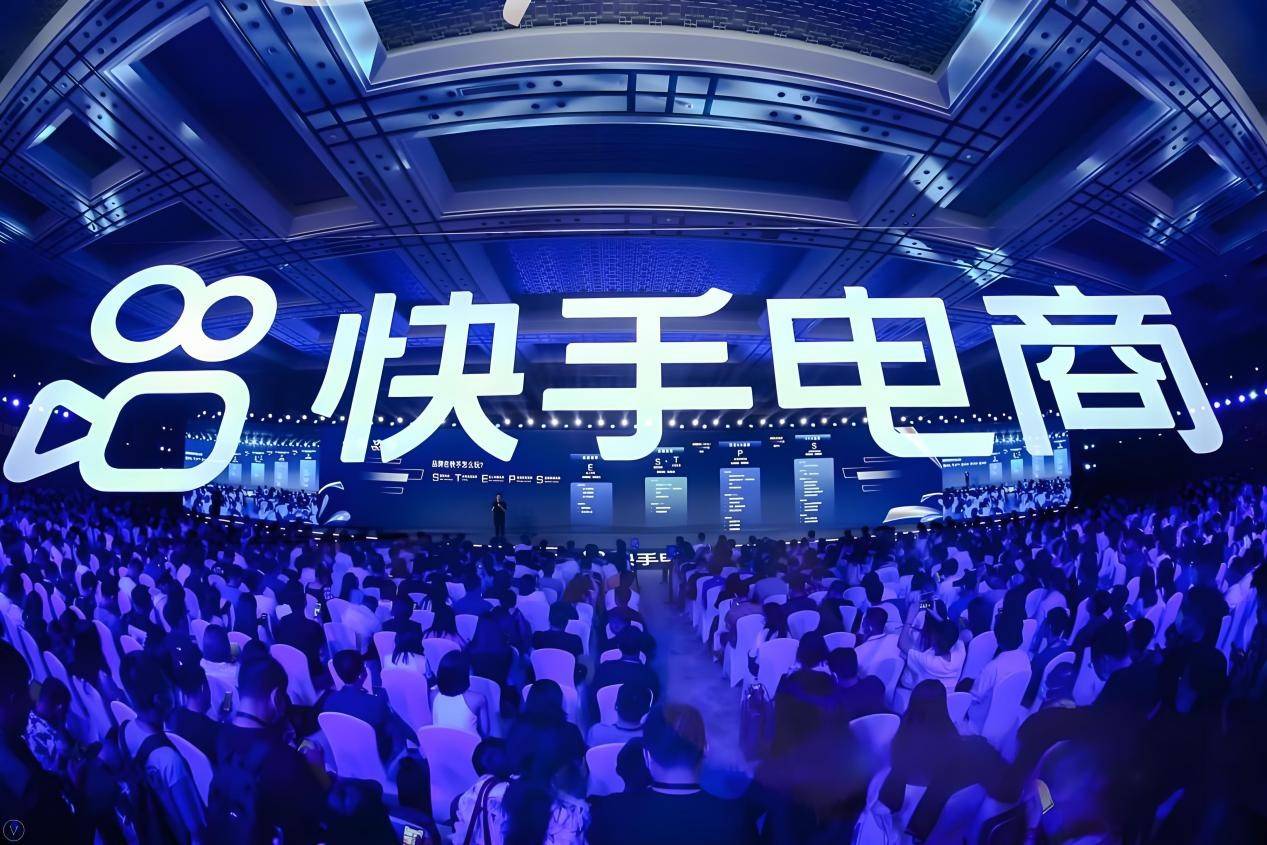
失去辛巴的“第一个”双11,让快手有点急
Sou Hu Cai Jing· 2025-10-09 11:12
Core Insights - Kuaishou is preparing for the 2025 Double Eleven shopping festival, aiming to improve its performance after losing major influencers [2][4] - The overall sales during the 2024 Double Eleven reached 14,418 billion yuan, marking a 26.6% year-on-year increase, primarily due to extended promotional periods across platforms [3] - Kuaishou's e-commerce GMV grew by 17.6% year-on-year in Q2 2025, reaching 358.9 billion yuan, with an average monthly buyer count of 134 million [3] Group 1: Kuaishou's E-commerce Strategy - Kuaishou's e-commerce evolution has shifted from merely increasing GMV to focusing on user growth, repurchase rates, and brand value [7][10] - The platform's user growth has slowed, with a 2.1% year-on-year increase in monthly active users, totaling 712 million [7][8] - Kuaishou's repurchase rate is high at 4.2 times per month, significantly surpassing Douyin and Pinduoduo, but it struggles to attract high-value consumers [7][8] Group 2: Competitive Landscape - Kuaishou's competitors, such as JD and Taobao, have established strong membership programs to retain high-value users, while Kuaishou lags in this area [8] - During the last Double Eleven, Kuaishou's platform saw 55% of categories dominated by private label brands, indicating a need to enhance brand recognition [9][10] - The absence of major influencers during the upcoming Double Eleven poses a challenge for Kuaishou, which has historically relied on them for sales boosts [12][14] Group 3: Market Trends and Consumer Behavior - The trend of consumers prioritizing quality and value is evident, with 45% of shoppers comparing prices before purchasing [22][23] - Kuaishou plans to invest 180 billion yuan in traffic subsidies and user incentives for the upcoming Double Eleven [22] - The overall e-commerce landscape is shifting towards efficiency, quality, and ecosystem competition, moving beyond mere GMV comparisons [25]

双11大战今晚揭幕,旺季快递还会继续涨价吗?
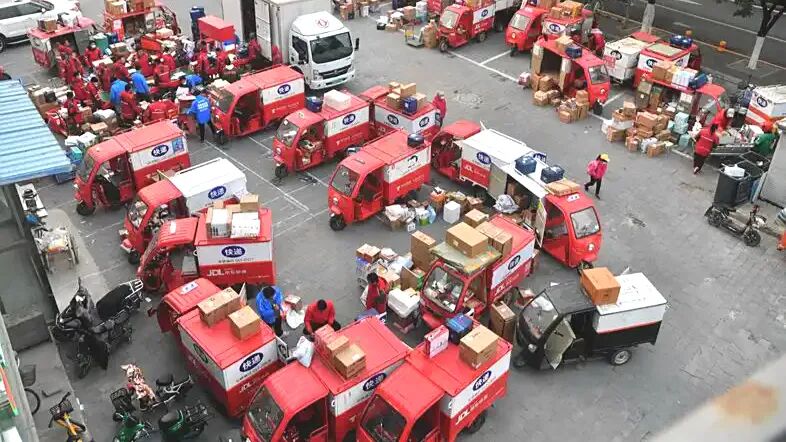
3 6 Ke· 2025-10-09 10:26
Group 1 - The core point of the article highlights the upcoming e-commerce promotional events, with JD.com starting on October 9 and Tmall on October 15, indicating a competitive landscape in the logistics and e-commerce sectors [1][3] - The promotional periods have been extended, reflecting a slowdown in growth within the e-commerce sector, leading to a focus on pricing strategies rather than sheer volume growth in the logistics industry [1][5] - The peak delivery volume during the 2024 Double 11 event is expected to reach 7.01 billion packages, a 9.7% year-on-year increase, with the total volume during the promotional period projected at 127.83 billion packages [3] Group 2 - The logistics industry is shifting its focus from volume growth to maintaining price increases, especially after a nationwide price hike, with emphasis on sustaining these gains during the off-peak season [5][6] - There are challenges in implementing price increases in certain regions, particularly in key agricultural areas, while other regions may see more successful price adjustments during the peak season [6] - Recent legal actions against collusion among logistics companies highlight the need for fair competition and the potential impact of price manipulation on e-commerce businesses, particularly smaller players [7][9]
黄金周“榜单三国杀”,巨头在争什么?
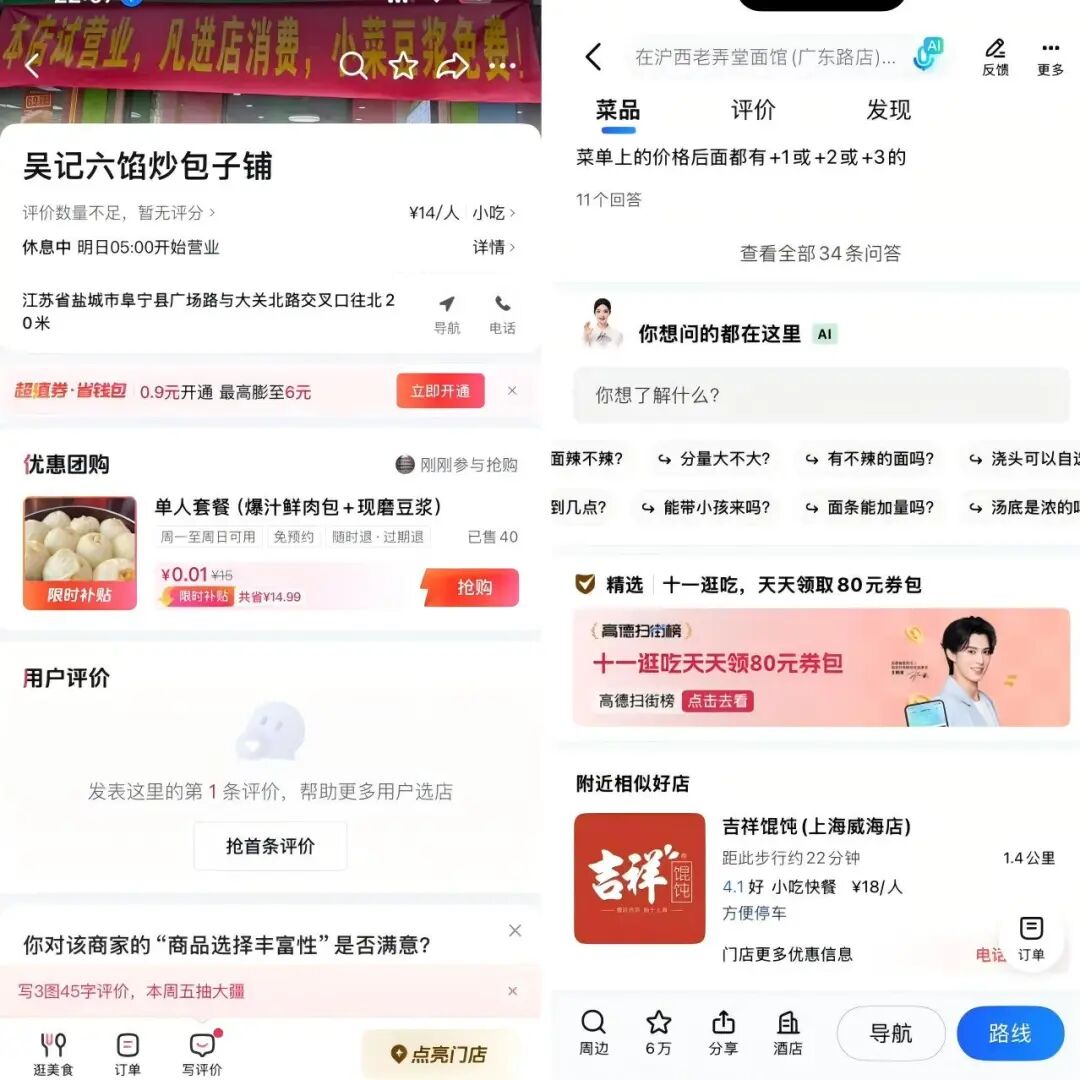
3 6 Ke· 2025-10-09 10:20
Core Insights - The recent National Day holiday saw major platforms like Alibaba, Meituan, Douyin, and Xiaohongshu engaging in a "ranking war" to capture consumer attention in local dining and entertainment [1][2][3] - The competition has expanded from food delivery to in-store services, indicating a shift in focus towards local life and the optimization of supply through enhanced content and promotional strategies [2][3] Group 1: Ranking War Dynamics - The "ranking war" during the National Day holiday involved aggressive coupon distribution and content creation, with platforms competing to enhance their local service offerings [4][6][10] - High-value users are a primary focus for platforms, with strategies like Meituan's "member exclusive prices" and Xiaohongshu's paid membership model aimed at filtering out price-sensitive consumers [8][10] - Platforms are not just competing on rankings but are also enhancing their content ecosystems to improve local life services, with initiatives like Dazhong Dianping's "must-eat flavor collection" and Douyin's "hotel heart-throb list" [10][12][16] Group 2: Market Potential and Strategy - The in-store market is seen as having significant growth potential, with estimates suggesting it could reach 5.4 trillion yuan by 2028, driven by the recovery of offline consumption and the social attributes of short video platforms [18][20] - The synergy between in-store and delivery services is crucial, as platforms leverage their existing capabilities to enhance in-store experiences and drive consumer engagement [21][22] - The competition for in-store consumer mindshare is expected to be a long-term battle, requiring platforms to build robust ecosystems that integrate rankings and group buying effectively [22][25] Group 3: Long-term Challenges and Opportunities - The "ranking war" has the potential to disrupt traditional local service dynamics, empowering both merchants and consumers in the decision-making process [25] - Platforms must address the challenge of converting traffic generated by rankings into sustainable business for merchants, focusing on long-term customer retention beyond initial visits [25]


外卖大战,美团失去一些城池
YOUNG财经 漾财经· 2025-10-09 09:51
Core Viewpoint - The intense competition in the food delivery market has led to significant financial losses for major platforms, with a recent decline in subsidy intensity indicating a shift towards a more rational market environment driven by regulatory guidance and market dynamics [3][4][20]. Group 1: Market Dynamics - The subsidy war among major food delivery platforms has cooled down, with noticeable reductions in promotional activities such as "0 yuan purchase" and large red envelopes, reflecting a return to rational competition [3][4]. - Regulatory bodies have intervened, urging platforms like Meituan, Ele.me, and JD to cease "involutionary" competition and establish a multi-win ecosystem [4][20]. - Financial pressures from continuous subsidies have led to substantial losses, with JD's new business losses expanding to approximately 14.7 billion yuan in Q2 2025, and Meituan's operating profit plummeting by 98% year-on-year [4][6]. Group 2: Competitive Landscape - The entry of JD and Alibaba into the food delivery market has forced Meituan to increase its subsidy efforts, significantly raising operational costs and squeezing profit margins [5][6]. - Meituan's market share has declined from 85% pre-competition to 65%, while Alibaba's share has risen from 11% to 28% [8][9]. - The online food delivery market in China is maturing, with growth rates slowing down, prompting Meituan to seek new growth avenues [9][17]. Group 3: Strategic Responses - Meituan is expanding into instant retail, leveraging its existing delivery network and user base to enhance its service offerings [13][15]. - The company has invested in advanced technologies such as AI and drone delivery to improve its logistics capabilities [18]. - Meituan is restructuring its business focus towards high-growth potential areas, including instant retail and partnerships with high-end hotels to enhance user engagement [19][20]. Group 4: Future Outlook - The instant retail market is projected to grow significantly, with estimates suggesting a market size exceeding 1 trillion yuan by 2025 [17]. - Competition is shifting from short-term price wars to long-term ecological capability battles, emphasizing supply chain integration, technological efficiency, and user loyalty [20].
外卖大战后,巨头混战另一个万亿市场
Hu Xiu· 2025-10-09 06:16
Core Viewpoint - The hotel and travel industry is emerging as a new battleground for major players, similar to the recent competition in the food delivery sector, with Alibaba, Ctrip, Meituan, and Douyin being key competitors in this space [1][6]. Industry Overview - The travel industry is one of the few sunrise industries in China, with significant growth potential [7]. - During the recent 2025 National Day holiday, travel participation reached a record high, with over 2 billion people traveling [8]. - In the first half of 2025, domestic travel spending by residents reached 3.15 trillion yuan, a year-on-year increase of over 15%, outpacing China's GDP growth [9]. Company Performance - Atour Hotel reported a 37% year-on-year revenue growth in the first half of 2025, indicating strong performance in the hotel sector despite a challenging macroeconomic environment [10]. - Ctrip holds a dominant market share of 56% in the travel market, significantly higher than its competitors [13]. - Ctrip's annual profits reach around 2 to 3 billion USD, showcasing the profitability of travel platforms [14]. Competitive Landscape - The second-largest player in the travel industry is Tongcheng Travel, with a market share of approximately 15%, supported by Tencent's investment [15]. - Meituan and Fliggy rank third and fourth, with market shares of 13% and 8%, respectively [16]. - The travel industry is characterized by a fragmented supply of hotels, which increases the value that platforms can capture [20]. Consumer Behavior - Consumers heavily rely on platforms for hotel bookings, as most hotels lack direct customer acquisition capabilities [18]. - Although travel is not a high-frequency activity, the high spending associated with it makes it a significant part of annual expenditures for many consumers [23][25]. Strategic Moves - Alibaba's integration of Fliggy into Taobao signifies a serious commitment to the travel market, aiming to leverage high-frequency shopping to drive low-frequency travel bookings [27][29]. - Fliggy's previous struggles stemmed from service quality issues compared to Ctrip and a strategic misalignment focusing on outbound travel rather than domestic tourism [30][35]. Future Outlook - The integration with Taobao presents a crucial opportunity for Fliggy to enhance its service offerings and tap into the vast user base of Taobao [37]. - The collaboration with 88VIP will allow for better membership benefits, which are highly valued in the travel industry [39]. - Platforms like Taobao and Douyin have the potential to personalize travel recommendations, enhancing consumer experiences [42].

消费专场-2025研究框架线上培训
2025-10-09 02:00
Summary of Key Points from Conference Call Records Industry Overview - The consumer industry is driven by both technology and consumption concepts, transitioning from traditional commerce to e-commerce, significantly enhancing supply chain efficiency [1][2][4] - The rise of e-commerce has disrupted traditional retail, with logistics cost reduction and changing shopping habits being key factors [1][5] - New retail and live-streaming e-commerce have emerged, creating opportunities for consumer goods companies through innovative models and traffic generation [1][8][9] Market Dynamics - The Chinese consumer market exhibits a stratified phenomenon, with significant differences in income levels, birth years, and consumption habits across regions [1][10][11] - Companies need to adopt STP (Segmentation, Targeting, Positioning) strategies to effectively market to diverse consumer groups, as demonstrated by Proya's successful market entry [1][12] - The market has shifted towards quality consumption, with approximately 390 million consumers in lower-tier cities becoming a new growth point [1][15] Investment Insights - Evaluating the market space of emerging industries or single products is crucial for making informed investment decisions in primary and secondary markets [1][18] - High ROE industries like food and beverage, and home appliances are more likely to produce "bull stocks," while industries with barriers, such as liquor, have long-term advantages [1][19][21] Consumer Behavior - The investment framework for the consumer industry requires interdisciplinary knowledge, including economics, finance, sociology, and psychology [2] - Consumer spending is influenced by population size and income levels, with a significant portion of savings remaining unspent due to changing future expectations [2] - Different consumer groups show distinct preferences, with urban consumers leaning towards high-end brands while lower-tier city consumers prefer cost-effective products [16][17] Industry Barriers and Management - Barriers in the consumer industry include brand, operational, technological, and policy barriers, with brand and operational barriers being particularly significant in general consumer goods [3][22] - A company's ability to create value is largely dependent on its management capabilities, which encompass both hardware (organizational structure) and software (corporate culture) [23] Trends and Future Outlook - The consumer industry is characterized as a "long slope, thick snow" type, indicating its potential for substantial growth and the emergence of large-cap companies [19] - The industry is expected to continue evolving with technological advancements, particularly in logistics and information flow, which have historically driven profitability in e-commerce [6][7] Conclusion - The consumer market in China is undergoing significant changes, with emerging trends in e-commerce, consumer behavior, and investment opportunities. Companies must adapt to these changes to capitalize on growth potential and navigate the competitive landscape effectively.


非遗游、味蕾游延续火热体验式消费渐成假期新热点
Zheng Quan Shi Bao· 2025-10-08 17:56
Core Insights - The "Double Festival" holiday period saw a significant increase in tourism activity across China, with a notable rise in both domestic and outbound travel orders, reflecting a shift towards deeper travel experiences and emotional value in tourism [1][2][4] Group 1: Tourism Trends - Online travel platforms reported a robust performance during the "Double Festival" holiday, with Ctrip noting that long-distance travel orders increased by 3 percentage points compared to last year [1] - Meituan Travel indicated that travel orders grew by over 30% year-on-year during the 8-day holiday, with a marked increase in small group tours to destinations like Xinjiang, Inner Mongolia, Sichuan, and Yunnan [2] - Tuniu reported a double-digit growth in user travel numbers compared to the same period last year, with 46% of domestic long-distance travelers opting for 5 to 6-day trips [2] Group 2: Experience-Based Consumption - The popularity of experiential tourism continued, with a significant rise in food-related travel, as evidenced by a near doubling of traffic for the "Must Eat List" on the first day of the holiday [3] - Douyin's data showed that local cuisine sales surged, with Huizhou and Yunnan cuisine experiencing sales growth of 122% and 121% respectively [3] - The trend towards immersive experiences was highlighted by a 270% increase in orders for glass-making and a 206% increase for handmade pottery during the holiday [3] Group 3: Changing Consumer Behavior - Analysts noted that the growth in travel orders reflects a deeper understanding of the meaning of travel among Chinese tourists, moving from popular to niche destinations and from sightseeing to immersive experiences [4]