
洋河股份

Search documents
茅台降速,生态生变
Jing Ji Guan Cha Wang· 2025-11-01 05:48
Core Viewpoint - Guizhou Moutai's Q3 financial report shows the lowest revenue and net profit growth since 2015, indicating a significant slowdown in performance and potential challenges in meeting annual targets [2] Financial Performance - In the first three quarters, Guizhou Moutai's revenue growth was 6.3%, requiring approximately 590 billion yuan in Q4 to achieve a 9% annual growth target, which translates to over 17% year-on-year growth [2] - The company's revenue accounts for 22% of the overall sales in the Chinese liquor industry, reflecting the broader pressure on the sector [2] Market Dynamics - The slowdown has shifted the Moutai ecosystem from a "lying down to earn" model to a "survival" mode for distributors, with the pawn price of Feitian Moutai dropping below 1,000 yuan [2][4] - The demand for Moutai among traditional high-end clients, such as construction and real estate companies, has decreased due to reduced business activities and tighter fiscal policies [3] Leadership Changes - Guizhou Moutai has undergone its fourth leadership change in five years, with the appointment of Chen Hua as the new chairman, raising concerns about potential market strategy shifts and continuity [2][3] Sales and Distribution Challenges - Moutai's series liquor revenue fell by 7.78% in the first three quarters, with the proportion of series liquor in total revenue declining to 13.89% [10] - Distributors are facing inventory buildup and cash flow issues, with some resorting to selling other products to maintain revenue [10][12] Collectors and Pawn Market - The financial appeal of Moutai has diminished, with pawn shops offering significantly lower prices than before, indicating a loss of confidence in Moutai's value as an investment [5][6] - The restructuring of Moutai's collectors' associations has led to a decline in sales prices for collectible Moutai, with many collectors facing financial losses [8] Stock Market Reaction - Moutai's stock price has been stagnant, with a decline of approximately 0.93% since the beginning of the year, reflecting investor sentiment amid the company's performance challenges [13]



洋河三季报出炉,蓄力调整品质护航
Sou Hu Cai Jing· 2025-11-01 04:23
Core Insights - The Chinese liquor industry is experiencing a "bottoming out" phase in 2025, as reflected in the performance reports of various companies, including Yanghe Co., which reported a revenue of 18.09 billion yuan and a net profit of 3.975 billion yuan for the first three quarters [1][3] Industry Overview - In 2025, nearly 80% of liquor companies are facing market challenges, with traditional peak seasons failing to generate expected sales, leading to high channel inventories and price inversions [3] - The industry is transitioning from a phase of simultaneous volume and price growth to a focus on quality preservation among leading companies [3] Company Strategy - Yanghe Co. is adopting a strategy focused on "de-stocking, enhancing momentum, and stabilizing prices," with an emphasis on reducing channel inventory through various promotional measures [3][5] - The company is utilizing a "digital de-stocking" approach, which allows for efficient promotion and demand matching, thereby enhancing channel resilience [5] Product and Brand Development - Yanghe continues to implement a "dual famous liquor, multi-brand, multi-category" strategy, creating a comprehensive product matrix that spans all price ranges [7] - Despite short-term revenue pressures, Yanghe maintains its investment in product quality, with significant resources allocated to premium production facilities and a strong brand identity [7][9] Market Positioning - The company has launched six new products this year, including upgraded versions of existing lines, which have generated excitement in the market [9] - Yanghe's substantial raw liquor inventory and innovative capabilities position it well for future growth, even during challenging market conditions [9]

10月制造业PMI回落,白酒交出最惨三季报 | 财经日日评
吴晓波频道· 2025-11-01 00:30
Group 1: Manufacturing and Economic Indicators - The official manufacturing PMI for October dropped to 49%, a decrease of 0.8% from the previous month, indicating a contraction in the manufacturing sector [2] - Key indices such as production, new orders, and employment are all below the critical point of 50%, reflecting ongoing challenges in demand recovery and production rationalization [2] - The non-manufacturing business activity index slightly increased to 50.1%, but the recovery in service consumption during the holiday period was limited, suggesting that internal demand remains a key constraint on economic recovery [3] Group 2: Local Government Debt and Fiscal Policy - Local governments are allowed to issue an additional 500 billion yuan in bonds to increase spending, on top of the previously arranged 5.2 trillion yuan for the year [4] - The majority of the new debt is aimed at repaying old debts rather than expanding fiscal capacity, indicating a cautious approach to fiscal management amid declining land revenue [4][5] - Infrastructure investment growth remains low at 1.1% year-on-year, highlighting the challenges faced by local governments in stimulating economic activity [4] Group 3: Household Savings and Wealth Distribution - As of the end of 2024, 34 cities have household savings exceeding 1 trillion yuan, with Beijing and Shanghai leading the rankings [6] - The increase in household savings reflects the economic development's impact on overall wealth, particularly in first and second-tier cities [6][7] - However, the strong savings growth also indicates a heightened savings willingness among residents, which could hinder future consumption and investment [7] Group 4: Financial Regulation and Illegal Activities - A meeting was held to address the crackdown on illegal financial activities conducted through apps, emphasizing the need for robust measures to protect citizens' financial security [8][9] - The shift of illegal financial activities from offline to online platforms poses significant challenges for regulatory oversight, necessitating cross-departmental collaboration [9] Group 5: Alcohol Industry Performance - The white liquor industry reported significant declines in performance, with some companies experiencing nearly 100% drops in net profit year-on-year [10] - The overall decline in the industry reflects broader consumer market challenges, with reduced demand for business banquets and gift-giving impacting sales [10][11] - Despite the struggles, leading brands like Kweichow Moutai managed to maintain stable revenue and profit growth, indicating a potential for recovery in the future [11] Group 6: Banking Sector Developments - Agricultural Bank of China surpassed Bank of America to become the second-largest bank globally by market capitalization, with a total market value of approximately 2.74 trillion yuan [12] - The bank's strong performance is attributed to its systemic importance and the recent supportive policies aimed at stabilizing the real estate market [12][13] - However, the bank's growth primarily reflects its domestic focus, suggesting that while the Chinese banking sector is growing, its international influence still has room for improvement [13] Group 7: Apple Inc. Financial Results - Apple reported a 7.9% increase in net sales for the third quarter, reaching $102.47 billion, with net profit soaring by 86.4% to $27.47 billion [14] - The strong performance was driven by solid sales across various product lines, particularly the iPhone, which saw a 6.1% increase in sales [14] - Despite the positive results, concerns remain about the long-term sustainability of iPhone sales growth, particularly in light of competitive pressures and the need for innovative product features [15] Group 8: Stock Market Overview - The stock market experienced fluctuations, with the Shanghai Composite Index falling by 0.81% amid a mixed performance from individual stocks [16] - Despite the overall decline, many stocks saw gains, particularly in the consumer sector, as the market reacted to the completion of third-quarter earnings reports [16] - The market's behavior reflects a tendency to interpret earnings results through a lens of speculation, highlighting the ongoing challenges in achieving value-based investment strategies [16]

洋河股份(002304):业绩低于预期,基本面持续出清
Shenwan Hongyuan Securities· 2025-10-31 13:49
Investment Rating - The investment rating for the company is maintained at "Outperform" [1] Core Insights - The company's performance in Q3 2025 was below expectations, with total revenue of 3.30 billion yuan, a year-on-year decline of 29.0%, and a net profit of -369 million yuan, compared to a profit of 631 million yuan in Q3 2024 [5] - Due to the disappointing performance, the profit forecasts for 2025-2027 have been revised downwards, with expected net profits of 3.90 billion, 4.05 billion, and 4.63 billion yuan respectively, reflecting year-on-year changes of -41.5%, +3.4%, and +14.0% [5] - The company is currently in a phase of channel destocking, with expectations of a fundamental turnaround in 2026 [5] Financial Data and Profit Forecast - Total revenue for 2025 is estimated at 19.33 billion yuan, down 33.1% year-on-year, with a projected net profit of 3.90 billion yuan, a decrease of 41.5% [4] - The gross profit margin is expected to be 71.1% for 2025, with a return on equity (ROE) of 8.1% [4] - The company's earnings per share (EPS) for 2025 is projected to be 2.59 yuan [4] Market Data - As of October 31, 2025, the closing price of the company's stock is 70.80 yuan, with a market capitalization of 106.65 billion yuan [1] - The price-to-earnings (PE) ratio for 2025 is estimated at 27x, which is considered reasonable compared to regional peers [5] - The dividend yield based on the company's cash dividend plan is approximately 6.56% [1]
白酒行业“寒意更浓”!多家上市酒企交出单季最差业绩
Sou Hu Cai Jing· 2025-10-31 13:12
Core Viewpoint - The Chinese liquor industry is experiencing significant performance declines, with many companies, especially regional ones, reporting substantial revenue and profit drops in the first three quarters of 2025, indicating a deepening adjustment period for the sector [1][3]. Financial Performance - Among 20 A-share liquor companies, only Kweichow Moutai and Shanxi Fenjiu reported revenue growth, while the rest faced varying degrees of decline [3]. - Kweichow Moutai's revenue and net profit grew by 6.36% and 6.37% respectively in the first three quarters, but its third-quarter growth was minimal at 0.35% and 0.48% [4][5]. - The largest revenue decline was reported by *ST Rock, with a staggering 84.92% drop, while Water Weaving's revenue fell by 38.01% [5][7]. Seasonal Performance - The third quarter showed intensified pressure, with several companies, including Shunxin Agriculture and Yilite, reporting significant losses and revenue declines [6][7]. - Notably, *ST Rock's third-quarter revenue plummeted by 83.49%, and Water Weaving's net profit fell by 75.01% [7]. Accounts Receivable - The "prepayment before delivery" model is loosening, with Kweichow Moutai's accounts receivable soaring to 5.235 billion yuan, reflecting increased pressure on cash flow [8][10]. - Total accounts receivable and notes receivable for the 20 A-share liquor companies reached 7.756 billion yuan, a 100.41% year-on-year increase [10][11]. Cash Flow and Debt - Cash flow is tightening, with many companies unable to cover interest-bearing liabilities; for instance, Shide Liquor's liabilities exceeded its cash reserves by nearly 700 million yuan [15][18]. - As of the third quarter of 2025, 13 companies reported an increase in interest-bearing liabilities, with Yilite's liabilities rising significantly from 473,200 yuan to 54.4 million yuan [17][19].




五粮液第三季度净利大降超65%,有机构提出左侧布局
2 1 Shi Ji Jing Ji Bao Dao· 2025-10-31 13:01
Core Viewpoint - Wuliangye's Q3 2025 financial results showed significant declines in both revenue and net profit, reflecting broader challenges in the Chinese liquor industry, while leading brand Kweichow Moutai maintained positive growth [2][3][4]. Financial Performance - Wuliangye reported a revenue of 60.945 billion yuan for the first three quarters of 2025, a year-on-year decrease of 10.26%, and a net profit of 21.511 billion yuan, down 13.72% [2]. - In Q3 alone, Wuliangye's revenue was 8.174 billion yuan, a decline of 52.66%, with net profit falling 65.62% to 2.019 billion yuan [2]. - Other liquor companies like Yanghe and Gujing Gongjiu also reported significant declines in revenue and net profit, with Yanghe's revenue down 34.26% and net profit down 53.66% [2][4]. Industry Comparison - Kweichow Moutai, as a leading brand, reported positive growth with revenue of 128.454 billion yuan and net profit of 64.627 billion yuan for the first three quarters of 2025, reflecting a growth of 6.36% and 6.25% respectively [4]. - The overall performance of the liquor sector has been poor, with the liquor index down 10.23% this year, indicating a significant decline from previous high levels of industry prosperity [4]. Market Outlook - Despite the current downturn, institutions remain optimistic about the future of the liquor industry, citing potential recovery driven by domestic demand policies and the strategic adjustments of leading companies [5]. - Analysts suggest that companies like Kweichow Moutai and Wuliangye, positioned at the bottom of the industry cycle, may benefit from a recovery in the market [5].
食品饮料行业2026年度投资策略:底部修复,柳暗花明
KAIYUAN SECURITIES· 2025-10-31 12:42
Core Insights - The food and beverage sector has underperformed the market, with a decline of 1.6% from January to October 2025, lagging behind the CSI 300 by approximately 37.2 percentage points, ranking last among primary sub-industries [4][11][25] - The snack segment has shown better performance with a growth of 32.5%, while beer, seasoning, and liquor have experienced declines of 9.7%, 6.5%, and 4.8% respectively [4][11][25] - The sector's price-to-earnings (PE) ratio has decreased by 10.4% compared to the end of 2024, with an expected net profit growth of 5.4% for 2025, leading to a 5.6% decline in market capitalization [4][17][20] Market Performance - The food and beverage sector has underperformed the market, with a decline of 1.6% from January to October 2025, ranking last among primary sub-industries [4][11] - The snack segment has shown better performance with a growth of 32.5%, while beer, seasoning, and liquor have experienced declines of 9.7%, 6.5%, and 4.8% respectively [4][11] - The sector's PE ratio has decreased by 10.4% compared to the end of 2024, with an expected net profit growth of 5.4% for 2025, leading to a 5.6% decline in market capitalization [4][17] Fund Holdings - In Q3 2025, the allocation of food and beverage in the overall market funds dropped to a new low of 6.4%, down from 8.0% in Q2 2025, marking the lowest level since 2020 [5][37] - The allocation in active equity funds also decreased from 5.6% in Q2 2025 to 4.1% in Q3 2025, indicating a significant reduction in food and beverage exposure [5][37] - The white liquor segment has seen a reduction in fund allocation, with companies like Luzhou Laojiao and Shede Liquor gaining more market favor due to their performance [5][42] Industry Judgment - The macroeconomic environment shows a weak recovery, with China's GDP growth at 4.8% in Q3 2025, slightly down from Q2 2025 [6][46] - Retail sales of consumer goods grew by 3.5% year-on-year in Q3 2025, reflecting a slower recovery pace, primarily due to the impact of the alcohol ban on dining consumption [6][46] - The food manufacturing sector has faced pressure, with revenue growth of only 1.5% and profit growth of 2.1% from January to September 2025, indicating a downward trend [6][52] Investment Opportunities - The food and beverage industry is expected to see a recovery from its bottom, with a focus on resilient consumer spending and improved economic activity [7][65] - The white liquor sector is nearing a left-side layout zone, suggesting gradual investment opportunities in companies like Kweichow Moutai and Luzhou Laojiao [7][68] - The snack segment is recommended for investment due to its growth potential, with companies like Wei Long and Ximai Foods highlighted for their market opportunities [7][69][62]


不为短期波动所扰:洋河三季度报告背后的价值坚守
Sou Hu Cai Jing· 2025-10-31 12:20
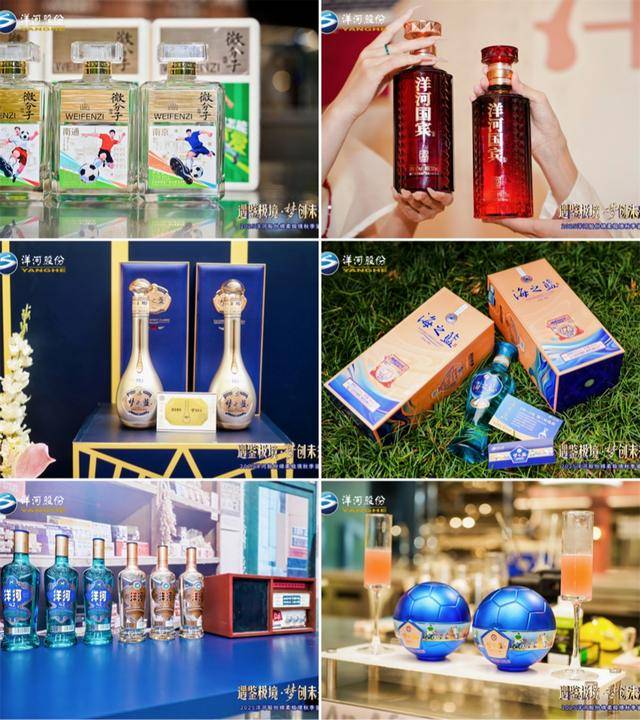
Core Viewpoint - The report highlights a significant divergence in the Chinese liquor industry, with a pronounced "Matthew Effect" leading to market consolidation around leading enterprises, while smaller companies face increasing survival challenges. The competition has shifted from mere distribution to a focus on core competencies and product innovation [1][2]. Group 1: Financial Performance - Yanghe Co., Ltd. reported a revenue of 18.09 billion yuan and a net profit of 3.975 billion yuan for the first three quarters of 2025, indicating a strategic shift from pursuing scale growth to enhancing core capabilities through product innovation and emotional connections with consumers [1][4]. - R&D investment increased by 77.92% year-on-year, with contract liabilities rising to 6.424 billion yuan from 4.966 billion yuan, reflecting a commitment to product upgrades and market share consolidation [4]. Group 2: Strategic Focus - The company emphasizes maintaining strategic consistency by focusing on traditional craftsmanship and quality, while adapting to consumer preferences, particularly among younger demographics, by promoting a "bottle-opening" culture [2][4]. - Yanghe is diversifying its product offerings beyond traditional big items, introducing a matrix of products targeting different market segments, including low-alcohol and cultural products, to capture new growth opportunities [4][9]. Group 3: Brand and Market Engagement - Yanghe has developed a multi-faceted brand communication strategy centered on "content + scene + experience," enhancing consumer engagement and brand recognition through various marketing initiatives [6][7]. - The company has successfully integrated sports and cultural events into its marketing strategy, such as sponsoring major cultural programs and creating interactive consumer experiences, which have significantly increased brand visibility and consumer interaction [7][9]. Group 4: Market Trends and Consumer Insights - The main consumer demographic for liquor is undergoing a generational shift, with individuals born between 1985 and 1994 becoming the primary consumers, making up 34% of the market, while those born after 1995 account for 18%. This shift necessitates a focus on cultural relevance and brand modernization [9]. - Analysts suggest that Yanghe's current strategic positioning is aimed at preparing for a market rebound, with expectations of improved performance by 2026 as inventory levels normalize and pricing structures stabilize [9].
禁酒令导致酒企业绩爆雷?白酒政务消费已锐减近9成
Sou Hu Cai Jing· 2025-10-31 10:05
Core Viewpoint - The Chinese liquor industry is experiencing a significant downturn, with many companies reporting their worst third-quarter results in a decade, primarily due to insufficient market demand rather than the impact of alcohol bans [2][13][16]. Group 1: Performance of Liquor Companies - Most liquor companies have reported accelerated declines in their third-quarter performance, with some leading firms experiencing net profit drops of over 100% year-on-year [2][3]. - Regional liquor companies like Kouzi Jiao and Laobai Gan Jiu reported substantial declines, with Kouzi Jiao's third-quarter revenue down 46.2% and net profit down 92.6% [2]. - Major companies such as Wuliangye and Yanghe also faced significant declines, with Wuliangye's revenue and net profit down 52.66% and 65.62% respectively, marking a new low in nearly eight years [5][6]. Group 2: Market Dynamics and Trends - The overall market for high-end liquor has weakened, with the wholesale price of Moutai dropping below 1700 yuan for the first time, indicating a downward trend in retail prices since early 2023 [7][8]. - The share of government consumption in the liquor market has decreased by nearly 90% over the past 12 years, with Moutai's government channel sales now accounting for less than 1% [11][12]. - Young consumers are increasingly favoring lower-alcohol beverages, with the market for beer, fruit wine, and cocktails growing, while traditional liquor consumption is declining [12]. Group 3: Industry Challenges - The liquor industry is facing challenges such as high inventory levels and price inversions, leading to overall performance pressure [16][17]. - The macroeconomic environment has resulted in a contraction of consumption scenarios, particularly affecting mid-to-high-end liquor sales that rely on business banquets [16]. - Despite the downturn, leading companies like Moutai and Shanxi Fenjiu have managed to maintain slight growth, although their growth rates have significantly slowed [6][7].
三季度又亏了近一个亿,一瓶不到20元的牛栏山也卖不动了?
Guan Cha Zhe Wang· 2025-10-31 09:37
Core Viewpoint - Shunxin Agriculture is facing significant financial challenges, with a sharp decline in revenue and profits, raising concerns about its ability to reverse a five-year trend of declining sales [1][2][3] Financial Performance - In the first three quarters of 2025, Shunxin Agriculture reported revenue of 5.87 billion yuan, a year-on-year decrease of 19.8%, and a net profit of 76.98 million yuan, down 79.9% [1] - The company's revenue for the third quarter of 2025 was 1.28 billion yuan, a decline of 21.7% year-on-year, with net losses expanding from 40.51 million yuan to 95.90 million yuan [2] - Cumulatively, the losses from the second and third quarters are nearing the profits made in the first quarter, which was the only profitable quarter of the year [2] Industry Context - The decline in Shunxin Agriculture's performance is primarily attributed to the underperformance of its white liquor business, which accounts for nearly 80% of its revenue [3] - The white liquor industry is experiencing a shift from "scale expansion" to "value cultivation," with increasing competition and changing consumer habits [3] - The market for light bottle liquor, where Shunxin's main products are positioned, has become highly competitive, with new entrants impacting market share [3] Consumer Behavior - The overall consumption environment is challenging, with insufficient purchasing power among low-income groups leading to consumption tightening and downgrading [5] - The reliance on dining and immediate consumption scenarios for over 70% of revenue is problematic, as the recovery of the dining sector remains slow [5] - The ongoing "ban on alcohol" and reduced social gatherings have further diminished key consumption scenarios, impacting sales despite the low-cost nature of the products [5]

