
宝洁公司

Search documents
Coty Q2 earnings slide as debt falls after Wella sale
Yahoo Finance· 2026-02-06 11:29
Core Viewpoint - Coty reported mixed second-quarter results, with lower earnings offset by significantly reduced debt following strong cash generation and the completion of its Wella divestment [1][4]. Financial Performance - For the three months ending December 31, 2025, Coty recorded net revenue of $1.67 billion, a 1% increase year-on-year on a reported basis but a 3% decline on a like-for-like (LFL) basis [1]. - Reported operating income fell 45% to $148.2 million, while shareholders faced a net loss of $126.9 million compared to a net income of $20.4 million a year earlier, resulting in a 7.6% loss margin [1]. - Adjusted EBITDA decreased 15% to $330.2 million, although adjusted diluted earnings per share improved to $0.14 [2]. - For the first half of the fiscal year, revenue dropped 3% to $3.25 billion, with operating income falling 34% to $333.2 million, and the group posted a net loss of $62.3 million compared to a net income of $100 million in the prior year [2]. - Free cash flow totaled $513.1 million for the quarter and $524.3 million for the half [3]. Debt and Cash Flow - At the end of the quarter, total debt was $3.04 billion, down from $4.06 billion on September 30, 2025, while financial net debt was $2.60 billion compared to $3.20 billion at the end of September 2025 [3]. - Quarterly operating cash flow reached $559.7 million, lifting year-to-date inflows to $624.9 million [2]. Strategic Developments - Coty completed the sale of its remaining 25.8% Wella holding to KKR for $750 million upfront, with most proceeds directed towards long-term debt reduction [4]. - The company withdrew full-year EBITDA and free cash flow guidance, projecting mid-single-digit LFL revenue falls in the third quarter and adjusted EBITDA of $100 million to $110 million [5]. Leadership Changes - Markus Strobel became executive chairman and interim CEO on January 1, 2026, after a long career at Procter & Gamble [3][6].

别再互怼:消费与科技从来不是二选一,而是共生共荣
Sou Hu Cai Jing· 2026-02-06 03:16
冀时007消息:最近互联网上总有一股奇怪的对立风气:一边把消费板块贬得一文不值,张口闭口"中国 不能只靠白酒";另一边又把科技投资说成"烧钱虚火",觉得不如稳稳拿着消费资产踏实。两拨人来回 拉扯、互相诋毁,把科技与消费硬生生掰成了非此即彼的单选题,却忘了最朴素的道理:国家要在全球 竞争中站稳脚跟,科技是尖刀,经济是后盾,二者从来不是敌人,而是唇齿相依的共同体。 更不必把白酒等传统消费标签化、污名化。消费不是落后的代名词,它是经济循环的起点与终点,是民 生福祉的直接体现。白酒产业带动农业种植、包装物流、文旅消费、地方就业,贡献稳定税收,这些都 是实实在在的发展动能。贵州的乡村振兴、基础设施建设、新兴产业培育,背后都有白酒产业的支撑; 全国范围内,食品饮料、家电、服装等消费行业,构筑起经济增长的稳定器。把这些稳定贡献全盘否 定,盲目追捧短期热点,既不理性,也不符合经济规律。 真正健康的产业格局,从来不是非黑即白的站队,而是科技为矛、消费为盾,双轮驱动、协同共进。面 对国际竞争,我们必须坚定不移发展硬核科技,攻克核心技术、掌控产业链主动权;同时也要守住消费 基本盘,让经济有韧性、民生有保障、财政有支撑,为科技长期投 ...


乐舒适:非洲卫品领先者,享受新兴市场成长红利-20260206
Guosen International· 2026-02-06 02:45
Investment Rating - The report assigns a "Buy" rating to the company with a target price of 38 HKD [3][6]. Core Insights - The company, Leshu Shi (2698.HK), is a leading multinational hygiene products company focused on emerging markets such as Africa, Latin America, and Central Asia, specializing in baby diapers, pull-ups, sanitary napkins, and wet wipes [1][2]. - Revenue for the first four months of 2024 and 2025 was 320 million and 160 million USD, respectively, showing year-on-year growth of 10.5% and 15.5%, while net profit was 95 million and 31 million USD, reflecting growth of 47.0% and 8.4% [1]. - The company is expected to see net profits of 106 million, 129 million, and 147 million USD for 2025, 2026, and 2027, respectively, with corresponding EPS of 0.18, 0.21, and 0.24 USD [1][3]. Company Overview - Leshu Shi has established a broad sales network across over 30 countries in Africa, Latin America, and Central Asia, with 18 sales branches and over 2,800 wholesalers, distributors, supermarkets, and other retailers [2][17]. - The company has a strong local production presence in Africa with 8 factories, making it the largest manufacturer of hygiene products in the region [2][20]. Business Growth Factors - Future growth is anticipated from external factors such as demographic growth in emerging markets, ongoing consumption upgrades, and increased penetration of hygiene products [3][12]. - Internal growth factors include localized production creating a competitive moat, extensive sales channel coverage, continuous product category expansion, and replicating successful market experiences in other emerging markets [3][12]. Financial and Valuation Summary - The company’s projected revenues for 2025, 2026, and 2027 are 541 million, 627 million, and 711 million USD, with growth rates of 19.1%, 15.9%, and 13.4% respectively [4]. - The net profit margins are expected to remain stable, with net profit margins of 19.6%, 20.5%, and 20.7% for the years 2025, 2026, and 2027 [4]. - The company is valued at a 23x PE ratio for 2026, corresponding to a stock price of 38 HKD [3][4]. Market Characteristics - Emerging markets, particularly Africa, are characterized by strong economic growth, a young population driving consumption upgrades, and high import demand due to lower local industrialization [46][47]. - The African market is expected to see significant growth in the hygiene products sector, with the baby diaper market projected to grow from 2.037 billion USD in 2020 to 2.590 billion USD by 2024, reflecting a CAGR of approximately 6.2% [49][53].
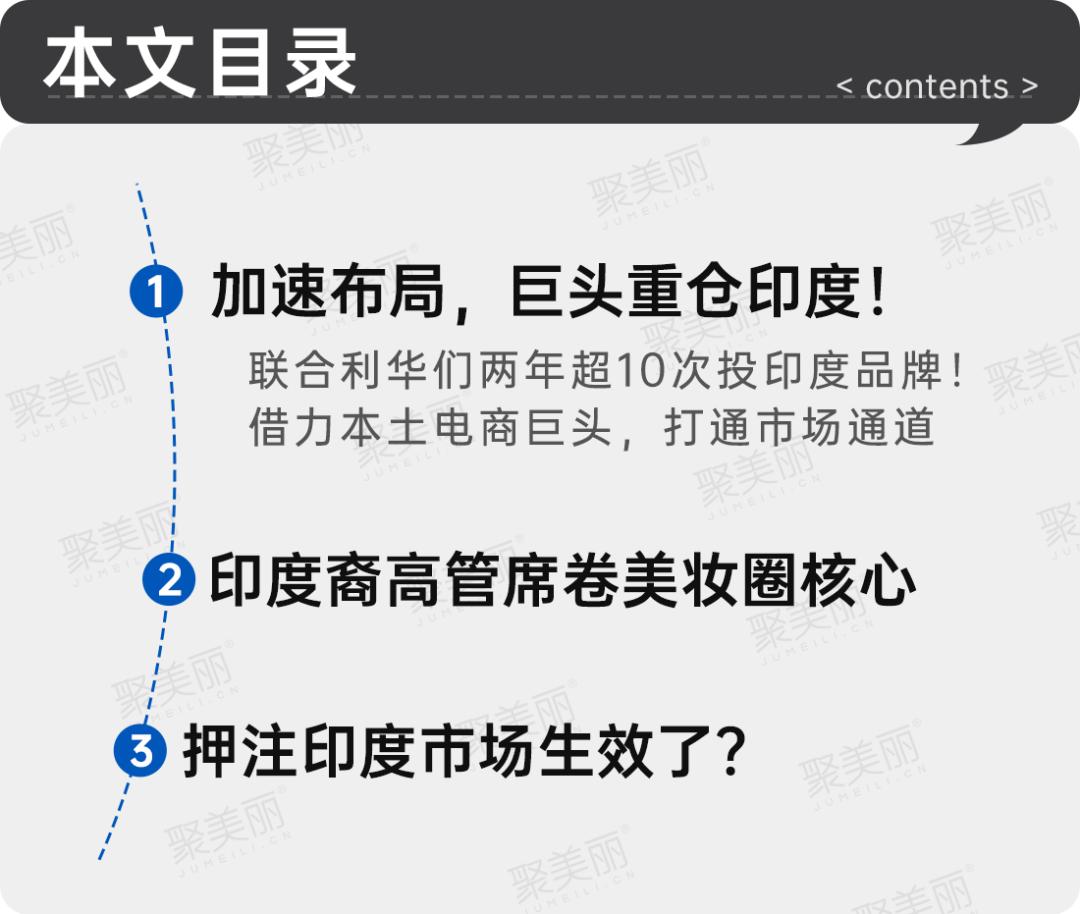
欧莱雅们找到第二个中国市场了?
3 6 Ke· 2026-02-06 01:00
Core Insights - The competition among beauty giants in India has intensified, with Unilever investing millions in local brands and L'Oréal committing nearly 30 billion RMB to establish a global AI beauty technology center in India, indicating a strategic focus on this emerging market [1][2]. Group 1: Market Potential - India's population has surpassed China's, with projections indicating it will reach over 1.6 billion by 2050, creating a significant consumer base for the beauty market [3]. - The Indian beauty market is expected to grow to $40 billion (approximately 278.28 billion RMB) by 2035, with a steady annual growth rate of 5.6% [4]. - The current low penetration of high-end beauty products in India suggests substantial room for market upgrades and potential growth [5]. Group 2: Investment Trends - Unilever has made over ten investments in Indian brands in the past two years, focusing on skincare to enhance its brand portfolio, including a notable acquisition of the high-end beauty brand Minimalist for approximately 2.509 billion RMB [6][7]. - Other companies, such as Kose and LVMH, are also accelerating their investments in India, with Kose acquiring a 10% stake in the DTC skincare brand Foxtale [10]. Group 3: Cultural Insights - Many successful local brands in India are rooted in Ayurveda, reflecting a consumer preference for natural ingredients, with over 47% of Indian consumers prioritizing natural components in skincare products [12][14]. - The Ayurveda market is projected to reach $28.83 billion (approximately 200.59 billion RMB) by 2030, growing at a compound annual growth rate of 12.3% [14]. Group 4: Strategic Approaches - International beauty giants are leveraging established e-commerce platforms like Nykaa to penetrate the Indian market quickly, reducing entry barriers and costs [15]. - L'Oréal has invested 3.5 billion euros (approximately 28.93 billion RMB) to establish a global beauty technology center in India, enhancing its technological capabilities [18]. Group 5: Leadership Dynamics - The rise of Indian-origin executives in key positions within major beauty companies is shaping market strategies, with 14 Indian-origin CEOs leading Fortune Global 500 companies as of 2024 [19][26]. - These leaders are instrumental in bridging cultural gaps and ensuring effective execution of localized strategies [26]. Group 6: Performance Metrics - L'Oréal reported a 12.2% year-on-year growth in the SAPMENA-SSA region, with India being a significant contributor to this growth [30]. - Nykaa's financial performance indicates a 25% year-on-year revenue growth, with beauty products contributing 92% of its total revenue, highlighting the market's potential [32]. Group 7: Competitive Landscape - The competition among beauty giants in India is evolving from mere capital investment to deep operational engagement, focusing on local brand acquisitions, the influence of Indian executives, and the market's growth potential [33]. - Companies face challenges related to consumer preferences, distribution channels, and supply chain complexities, necessitating a balance between global strategies and local insights for sustainable growth [33].




Coty(COTY) - 2026 Q2 - Earnings Call Transcript
2026-02-05 22:47
Financial Data and Key Metrics Changes - The company reported a decline in adjusted EBITDA of 15% year-over-year, totaling $330 million, which was at the lower end of the guidance range [39] - Adjusted gross margin was 64.2%, reflecting a 260 basis point decline from the prior year, primarily due to an intensified promotional environment during the holiday period [37] - Free cash flow in the first half was $524 million, exceeding guidance and last year's performance, driven by better receivables performance [40] Business Line Data and Key Metrics Changes - In the Prestige segment, like-for-like sales declined by 2%, an improvement from a 6% decline in the previous quarter, with innovation contributing positively [31][32] - Consumer beauty saw like-for-like sales decline of 6%, improving from an 11% decline in Q1, indicating some recovery efforts are taking effect [33] - The company plans to streamline its innovation pipeline to focus on core brands, which is expected to improve productivity and drive margin accretion [34] Market Data and Key Metrics Changes - The prestige beauty market grew approximately 5% in Q2, showing a slowdown from 6% growth in Q1, particularly in the U.S. and certain European markets [29] - The U.S. market experienced significant pressure, with the prestige fragrance market growth slowing from 7% to 3% [16] - Emerging regions like Asia Pacific and Latin America showed strong sell-out performance, balancing weaker results in key markets [30] Company Strategy and Development Direction - The company is implementing a new strategic framework called "Coty Curated," focusing on making big brands bigger and stopping initiatives that dilute resources [8][9] - A performance improvement plan named "Color the Future" is being activated to return the consumer cosmetics business to growth and profit expansion [26] - The company is committed to operational discipline and prioritizing investments in core brands to drive sustainable growth [51] Management's Comments on Operating Environment and Future Outlook - Management acknowledged that financial results over the past 18 months have been disappointing, indicating a need for improved operational performance [8] - The leadership transition is seen as an opportunity to provide a balanced view of the business and set realistic financial targets [50] - The company expects mid-single-digit declines in like-for-like revenue trends for Q3, driven primarily by consumer beauty [42] Other Important Information - The company ended its license with the Orveda skincare brand to focus on scale and profitability [27] - A strategic collaboration with OpenAI is being pursued to enhance AI capabilities within the organization [24] - The divestiture of Wella generated $750 million in upfront proceeds, aligning with the company's commitment to divest financial stakes [41] Q&A Session Summary Question: What are the expectations for the upcoming quarters? - The company expects like-for-like sales to decline mid-single digits in Q3, primarily due to consumer beauty challenges [42] - Management is focused on improving market share and operational discipline to drive future growth [51]
Amazon stock falls following earnings, where labor market cracks are emerging
Youtube· 2026-02-05 21:51
Hello and welcome to Market Domination Overtime. Stocks closing lower here with no reprieve from a building tech selloff. Jared Blickery is over at the Wi-Fi Interactive with today's moves.Jared, >> thank you Josh. One hour ago we were looking at some modest selling, but we have se seen some uh losses deepen into the close here. The Dow kind of matching its losses from earlier in the day down 1.2% uh percent or about almost 600 points there.But the selling we saw was really in the NASDAQ and could have been ...


Good news in a sea of pain sends 2 non-tech stocks higher in Thursday's down market
CNBC· 2026-02-05 19:52
Market Overview - The S&P 500 and Nasdaq experienced declines for the third consecutive session, with the S&P 500 down 1% and the Nasdaq down 1.4%, putting both indices in negative territory year-to-date [1][1] - Bitcoin and silver prices fell significantly, while investors shifted towards bonds for safety [1] Company Performances - Bristol Myers Squibb reported strong earnings, leading to a nearly 3.5% increase in its stock [1] - Procter & Gamble also saw a gain of 1% during the session [1] - Salesforce's stock dropped 4.5% amid concerns that AI tools could replace enterprise software solutions [1] - Alphabet shares were down more than 1.5% but recovered from earlier lows after reporting strong cloud growth and AI investments [1] Boeing and Airbus Developments - Boeing shares rose nearly 2% following reports of talks with Saudi Arabia's flagship carrier for a potential record-breaking order of at least 150 jets [1] - Citi analysts have a bullish outlook on Boeing, citing improved deliveries and reiterating a buy rating [1] - Jefferies forecasted potential new orders from China for Boeing, linked to trade negotiations [1] Costco Sales Growth - Costco's stock advanced more than 1%, contributing to a 15% gain year-to-date after reporting a 6.4% increase in core comparable sales for January, surpassing the consensus of 5.1% [1] - The growth was driven by strong sales in non-food items and favorable weather conditions [1] Upcoming Earnings Reports - Amazon is set to release earnings, with expectations on how it will leverage AI to enhance its business [1] - Fortinet's earnings release could impact related cybersecurity stocks like Palo Alto Networks and CrowdStrike, which have been affected by the enterprise software downturn [1]



Why Mid Cap Dividend Stocks Are Gaining an Edge Over Large Caps This Year
Yahoo Finance· 2026-02-05 16:14
Mid-cap dividend stocks haven't even attracted the same crowded trade. Many institutional investors focus on large caps for liquidity reasons, which leaves mid-caps relatively underowned. This creates opportunities for individual investors who are willing to look beyond the Coca-Colas of the world. A mid-cap industrial company growing earnings at 12% annually with a 2.5% yield and room to expand its payout ratio offers a fundamentally different return profile than a mega-cap consumer staple growing earnings ...
广州去年对APEC其他经济体外贸额占外贸总额约六成
Nan Fang Du Shi Bao· 2026-02-05 14:30
Group 1 - The APEC high-level meeting in Guangzhou coincides with the "Integrating APEC, Sharing New Opportunities" policy empowerment and investment promotion salon organized by the Guangzhou Municipal Bureau of Commerce [1] - Approximately 60,000 foreign-funded enterprises are currently operating in Guangzhou, including 368 Fortune 500 companies, with actual foreign investment reaching 25.19 billion yuan in 2025, a year-on-year increase of 9.1% [3] - Foreign enterprises, constituting less than 2% of the total number, contribute nearly 20% of the revenue in the regulated service industry, 30% of total imports and exports, and 40% of the industrial added value in Guangzhou [3] Group 2 - Guangzhou is leveraging systematic institutional innovation to provide high-quality development opportunities for global capital and enterprises, focusing on nine key sectors for foreign investment [5] - The city has established over 50,000 enterprises from APEC economies, with actual foreign investment nearing 120 billion USD, accounting for over 80% of the city's total foreign investment [3] - The salon highlighted recent policies aimed at stabilizing foreign investment and promoting openness, offering a "policy package" for foreign enterprises [5] Group 3 - The Guangzhou Municipal Bureau of Commerce has conducted 73 policy briefings and served over 7,500 enterprises in the past year, enhancing service precision and timeliness [6] - The bureau plans to upgrade its enterprise service initiatives, focusing on domestic circulation and international market connections, particularly with APEC economies [6] - The city aims to create a comfortable development environment for both domestic and foreign enterprises, promoting mutual growth in a diverse industrial ecosystem [5][6]

广州去年新设外资企业超万家 全市实际使用外资251.9亿元
Nan Fang Ri Bao Wang Luo Ban· 2026-02-05 09:09
Group 1 - APEC's first senior officials' meeting in Guangzhou highlighted the city's growing foreign investment landscape, with approximately 60,000 foreign enterprises established, including 368 Fortune 500 companies [1] - By 2025, Guangzhou is projected to utilize $25.19 billion in foreign investment, marking a 9.1% year-on-year increase, with over 10,000 new foreign enterprises established [1] - APEC economies have invested in over 50,000 enterprises in Guangzhou, contributing nearly $120 billion, which accounts for over 80% of the city's actual foreign investment [1] Group 2 - Guangzhou is leveraging systematic institutional innovation to provide high-quality development opportunities for global capital and enterprises, focusing on nine key sectors including elderly care and telecommunications [2] - The city is responding to global market demands with a mature manufacturing and supply chain system, increasing investments in R&D, digital, and green economies, aligning with Singapore's investment needs [2] - Guangdong province and Guangzhou have introduced supportive policies targeting foreign enterprises in cutting-edge industries such as hydrogen energy and biotechnology, aiming to attract more Korean businesses [2] Group 3 - The Guangzhou Municipal Bureau of Commerce has enhanced service precision and timeliness, conducting 73 policy briefings and serving over 7,500 enterprises in the past year [3] - The bureau plans to upgrade its enterprise service initiatives, focusing on strengthening domestic circulation and promoting international connections, particularly with APEC economies [3]