华润啤酒

Search documents
金种子酒陷低毛利亏损循环:营收大幅下滑后又发停货通知 华润系高管黯然离职
Xin Lang Zheng Quan· 2025-07-17 09:51
Core Viewpoint - Jinzhongzi Liquor has shifted from profit to loss, with a projected net profit loss of 60 million to 90 million yuan for the first half of 2025, indicating a continued downward trend in performance after four consecutive years of losses [1][2]. Group 1: Management Changes - He Xiuxia, a senior executive from China Resources, has submitted her resignation, marking a significant leadership change just four months before her term was set to end [2][3]. - He was appointed as the new general manager in July 2022, tasked with reversing the company's declining performance, but failed to do so over three years [2][4]. Group 2: Sales and Product Strategy - The company has faced a continuous cycle of declining sales and increased losses, exacerbated by a failed price increase strategy that led to reduced sales and lower distributor engagement [4][5]. - Jinzhongzi's key product line, Fuhuo Xiang, has been suspended from shipment due to poor sales performance, despite significant investment in marketing and consumer education [5][6]. Group 3: Financial Performance - Jinzhongzi Liquor has reported a significant drop in revenue, with low-end products accounting for 67% of total income in 2024, reflecting a shift in product structure that has not yielded positive results [6][7]. - The overall gross margin for the liquor business has declined to 38.4% in 2024, the lowest in its history, indicating ongoing challenges in profitability compared to industry peers [6][7].

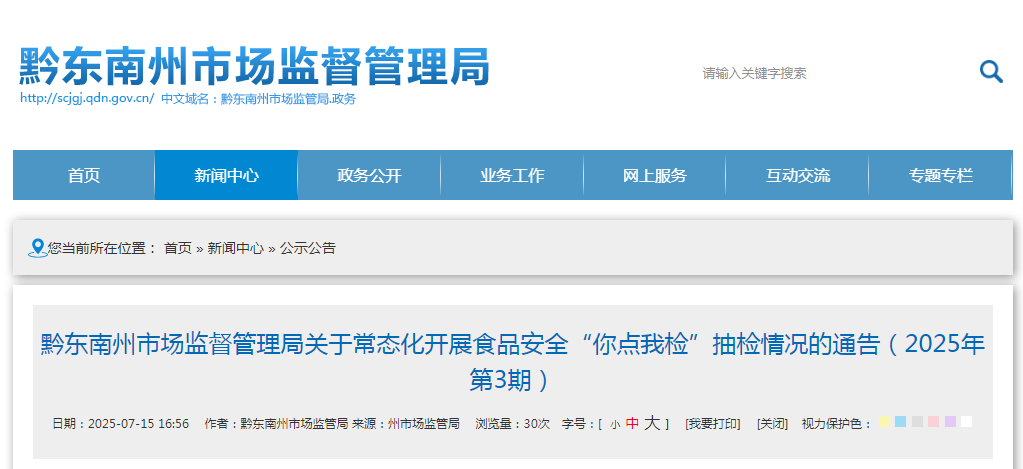
贵州省黔东南州市场监督管理局关于常态化开展食品安全“你点我检”抽检情况的通告(2025年第3期)
Zhong Guo Zhi Liang Xin Wen Wang· 2025-07-17 09:00
Core Viewpoint - The announcement from the Qiandongnan Prefecture Market Supervision Administration highlights the ongoing food safety initiative "You Order, I Inspect," which aims to address public concerns regarding food safety by conducting regular inspections of various food products, with all samples tested this year found to be compliant with national food safety standards [1]. Group 1: Food Safety Initiative - The "You Order, I Inspect" initiative has been implemented to gather public feedback on food safety and inspection processes [1]. - A total of 58 batches of food products were sampled and tested, covering 12 categories including agricultural products, processed grains, condiments, alcoholic beverages, and various types of food [1]. - All samples collected during the inspections were found to be compliant with national food safety standards [1]. Group 2: Sample Information - The announcement includes a detailed list of sampled products, including their production dates and specifications, such as: - Smoked meat from Kai Li City Yun Tao Food Factory, produced on March 2, 2025 [1]. - Sausages from the same factory, produced on March 1, 2025 [1]. - Various tofu products from Kai Li City Ping Hua Tofu Workshop, produced on March 19, 2025 [1]. - Other products sampled include cooking oils, noodles, and various snacks, with specific details on their production dates and manufacturers provided [1].

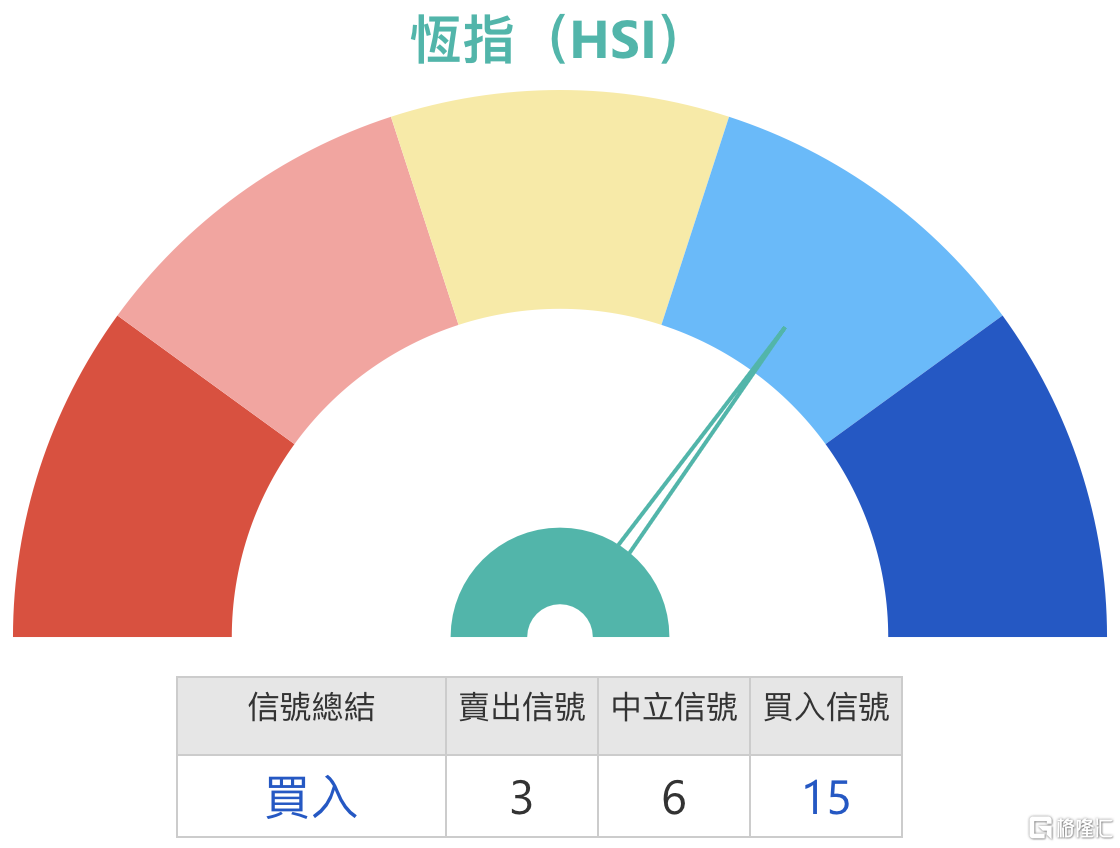
7月16日【港股Podcast】恆指、泡泡瑪特、百度、騰訊、聯通、華潤啤酒
Ge Long Hui· 2025-07-17 03:16
Group 1: Market Overview - The Hang Seng Index (HSI) shows mixed sentiments with bullish investors targeting the heavy resistance zone at 25,100 and bearish investors anticipating a drop to challenge the support level at 24,000 [1] - The index reached a high of 24,867 during the trading session but closed lower at 24,517, indicating a potential buying signal based on technical analysis [1] - Key support levels are identified at 24,100 and 23,700, while resistance levels are at 24,894 and 25,357 [1] Group 2: Individual Stock Analysis - Pop Mart (09992.HK) opened high but closed lower, with bearish investors holding put options at an exercise price of 167.9 HKD, indicating skepticism about further price increases [3] - Baidu Group (09888.HK) is under scrutiny as investors question when it will stabilize above 90 HKD, with some holding call options at 168 HKD [6] - Tencent Holdings (00700.HK) experienced a high of 526 HKD during the session, with investors opting to take profits after a significant rise from 493 HKD, while the buying signal remains [9] - China Unicom (00762.HK) is approaching a resistance level of 9.4 HKD, with a buying signal in place and a potential challenge to reach 10 HKD in the future [12] - China Resources Beer (00291.HK) is anticipated to report mid-term results, with a strong buy signal and resistance levels at 27.8 HKD and 29 HKD, indicating potential upward movement [16]
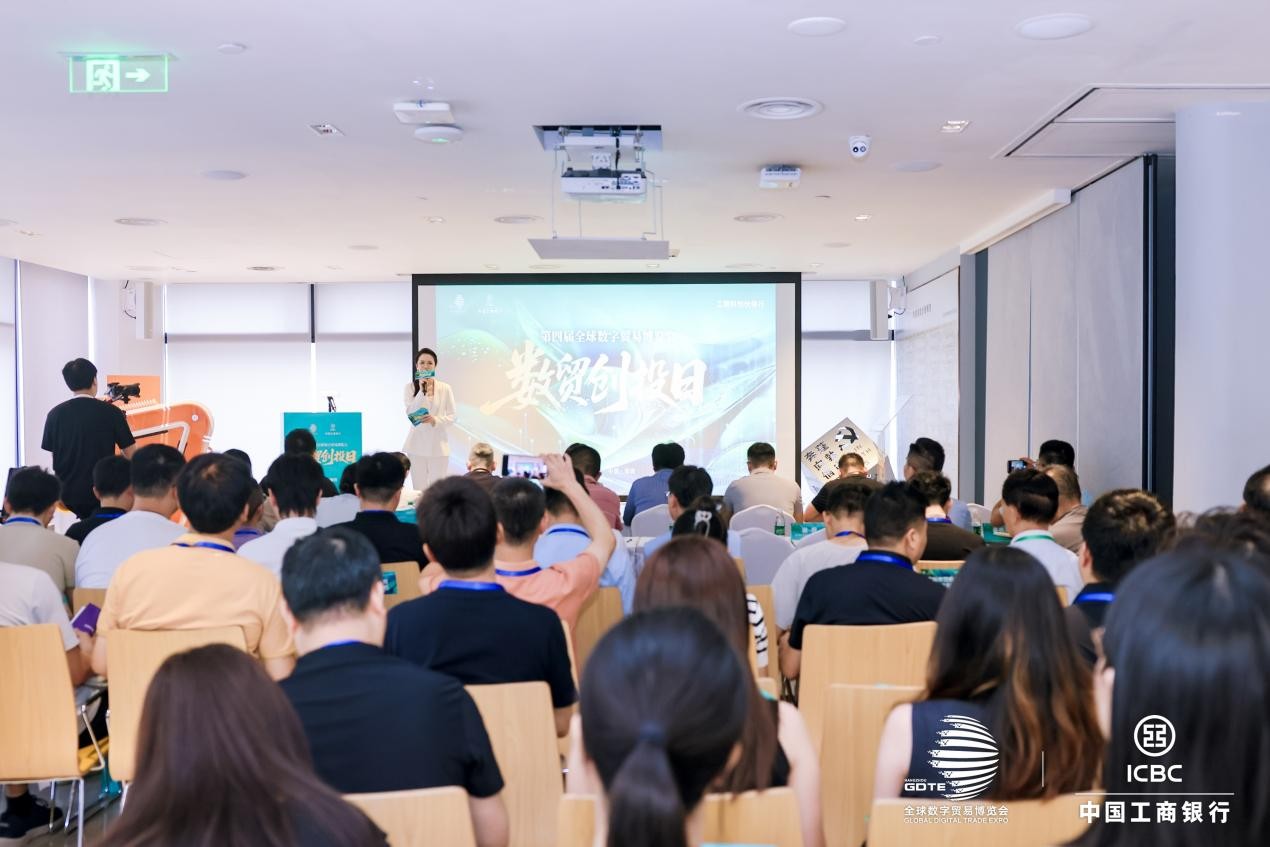
第四届全球数字贸易博览会 “数贸创投日”深圳站成功举办
3 6 Ke· 2025-07-16 12:36
Group 1 - The fourth Global Digital Trade Expo's "Digital Trade Investment Day" was successfully held in Shenzhen on July 15, with over 80 participants including government departments and investment institutions [1][3] - The event aims to leverage capital to promote digital trade and foster cooperation between innovative forces and investment capital in Shenzhen, a hub for innovation and venture capital [3][5] - Various investment opportunities and challenges related to AI and industry integration were discussed, along with insights on digital economy ecosystems and industry fund layouts [5][11] Group 2 - Nine innovative enterprises presented their core technologies and products during the project roadshow, showcasing solutions such as AI toys, composite electrolytes, and AI-driven content production technologies [13][17] - The event facilitated one-on-one discussions between venture capital and project parties, leading to preliminary cooperation intentions among several investment institutions and tech companies [17][19]


拓荒者侯孝海
21世纪经济报道· 2025-07-15 04:43
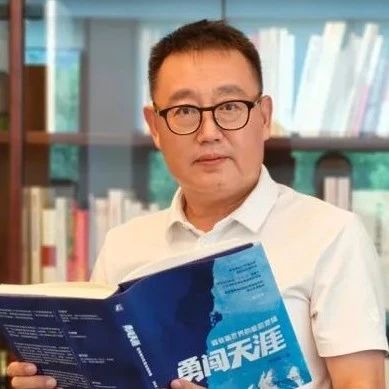
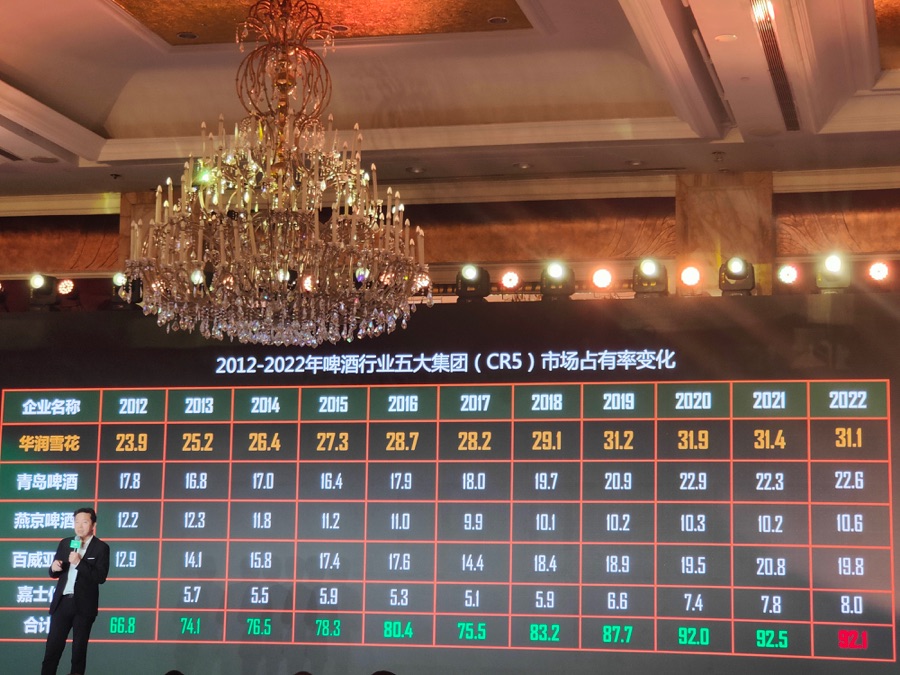
Core Viewpoint - The Chinese beer industry has undergone significant changes and competition, with local companies increasingly challenging international giants, particularly through innovative branding and marketing strategies [2][5][46]. Group 1: Industry Overview - The beer industry in China is one of the most market-oriented sectors since the country's entry into the WTO, characterized by intense competition and aggressive marketing strategies [1][2]. - The industry has seen a shift towards high-end products, with local brands like China Resources Snow Beer (CR Snow) and Yanjing Beer rapidly closing the gap with international competitors [6][34]. Group 2: Leadership and Management - Hou Xiaohai, the former chairman of CR Snow, is recognized as a pioneering figure in the Chinese beer industry, known for his hands-on approach and extensive market engagement [3][5][12]. - Under Hou's leadership, CR Snow has maintained its position as the top-selling beer brand in China for 19 consecutive years, with the Snow brand achieving the highest global sales for 17 years [8][19]. Group 3: Financial Performance - In 2023, CR Snow reported a revenue of 238.7 billion yuan, a 13.6% increase, and a net profit of 46.5 billion yuan, reflecting a 22.3% growth [47]. - By 2024, CR Snow's revenue is projected to approach 400 billion yuan, with a significant increase in profitability compared to 2015 [47]. Group 4: Market Dynamics - The Chinese beer market has experienced a decline in overall production volume since 2013, with a notable drop of 30% compared to that year [34]. - The competition has intensified, with local brands focusing on high-margin products to counteract the dominance of foreign brands like Budweiser and Carlsberg [34][54]. Group 5: Branding and Innovation - The "Yuan Chuang Tian Ya" (Brave to Explore) campaign has been pivotal in establishing a strong brand identity for CR Snow, appealing to a younger demographic [15][18]. - The introduction of high-end products like "Li" represents a strategic move towards premiumization in the Chinese beer market, aiming to elevate the brand's status [44][46]. Group 6: Strategic Acquisitions - CR Snow has engaged in significant acquisitions, including the purchase of Heineken's operations in China, which has sparked debate regarding brand ownership and market strategy [52][53]. - The company's strategy includes leveraging international partnerships to enhance its market presence and brand recognition globally [53][54].
21特写|拓荒者侯孝海
2 1 Shi Ji Jing Ji Bao Dao· 2025-07-15 00:17
Core Viewpoint - The Chinese beer industry has reached a high level of marketization and is characterized by intense competition, with local companies increasingly challenging international giants [1][3][6]. Group 1: Industry Overview - The beer industry in China is one of the most market-oriented sectors since the country's entry into the WTO, marked by fierce competition and aggressive marketing strategies [1][2]. - The industry has seen significant foreign investment and competition, with local companies striving to close the gap with global leaders [3][6]. - The market dynamics have shifted, with local brands like China Resources Snow Beer and Yanjing Beer gaining ground against international players like Budweiser and Carlsberg [7][18]. Group 2: Leadership and Strategy - Hou Xiaohai, the former chairman of China Resources Beer, is recognized as a pioneering figure in the industry, having played a crucial role in the growth and branding of Snow Beer [6][7][18]. - Under Hou's leadership, China Resources Beer adopted a strategy of aggressive market expansion and brand development, leading to significant increases in revenue and market share [42][44]. - The company has focused on high-quality products and brand positioning, with a notable shift towards premium and high-end beer offerings [39][48]. Group 3: Financial Performance - In 2024, China Resources Beer reported revenues of nearly 40 billion yuan, a significant increase from previous years, with net profits reaching over 4.7 billion yuan [42][44]. - The company's market share has consistently grown, with Snow Beer becoming the top-selling beer brand in China and achieving global sales leadership [18][44]. - The financial performance of China Resources Beer has outpaced that of its competitors, with a notable increase in profitability and market presence [49][50]. Group 4: Market Challenges and Innovations - The Chinese beer market has faced challenges such as declining overall sales and increased competition from both domestic and international brands [28][30]. - China Resources Beer has responded by optimizing production capacity and focusing on high-end product development, including the launch of premium brands like "Li" [39][40][41]. - The company has also engaged in strategic acquisitions to enhance its market position and brand portfolio, including partnerships with international brands [45][48].
“美好生活、书香中国”城市行厦门站举办
Zheng Quan Ri Bao Zhi Sheng· 2025-07-13 12:13
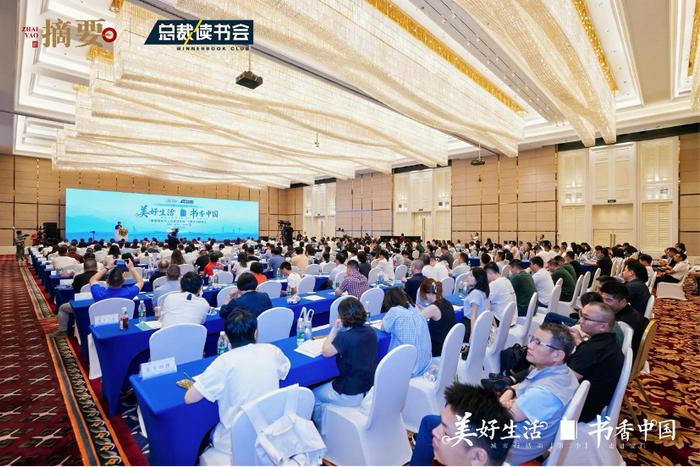
Core Viewpoint - The event "Beautiful Life, Book Fragrance China" held in Xiamen focuses on the theme of "New Consumption Era and High-Quality Development," aiming to explore opportunities and challenges in the new consumption trend and to contribute to sustainable development in the industry and enterprises under the new era context [1][3]. Group 1: New Development Concepts - The new development concept is seen as a fundamental guideline for solving major contradictions in the new era and achieving high-quality development in China, providing a Chinese solution to global governance challenges [3][4]. - The new development concept is positioned as a pathway to promote a community of shared future for mankind, reflecting China's wisdom and approach to global development [3]. Group 2: High-Quality Development in New Consumption Era - Traditional industries can find new growth opportunities through renewal and upgrading, but true revolutionary transformation is necessary to navigate future challenges [4]. - Key insights for high-quality development include recognizing the broader context, understanding industry cycles, and ensuring strategic alignment with organizational culture [4]. Group 3: Case Study - China Resources Beer - China Resources Beer has demonstrated strategic leadership through initiatives like the "Mushroom Strategy" and "Coastal Strategy," which have been crucial for its market dominance [4]. - Continuous self-innovation and the courage to explore new avenues are essential for maintaining strategic advantages [4]. - The leadership capabilities within China Resources Beer have significantly contributed to its strategic success [4]. Group 4: Collaborative Ecosystem for Value Creation - High-quality development requires transcending commercial boundaries to achieve resonance between social and economic values [5]. - Companies should build collaborative ecosystems that foster innovation, co-create value, and ensure safety and control, adhering to a win-win philosophy [5]. - The event also included the launch of the book "Braving the Journey" and recognized exemplary units in the "Book Fragrance Enterprise Creation Project" [5].
星巴克中国回应出售传闻:寻找共同价值观的战略合作伙伴
Guan Cha Zhe Wang· 2025-07-11 09:49
Core Viewpoint - Starbucks is considering selling a portion of its stake in its China business, with multiple potential investors expressing interest in acquiring controlling stakes to align the business with their investment strategies [1][2]. Group 1: Acquisition Interest - Several potential investors have submitted non-binding acquisition proposals for Starbucks' China business, with most seeking controlling stakes [1]. - Over 30 bidders have reportedly made offers for Starbucks' China operations, with valuations ranging from $5 billion to $10 billion, and the final bid expected to approach the upper end of this range [1][2]. Group 2: Valuation and Stake Sale - Starbucks' current market capitalization is approximately $108 billion, with its China business contributing over 8% to global revenue, leading to a reasonable valuation of around $9 billion for this segment [1]. - The company may retain a 30% stake in the China business, with the remaining shares distributed among multiple buyers, each holding less than 30% [1]. Group 3: Company Response - In response to the market rumors, Starbucks emphasized its belief in the long-term potential of the Chinese market and its commitment to finding strategic partners that share its values [2]. - The company aims to maintain a significant portion of its stake in the China business while ensuring that any transaction aligns with the interests of Starbucks and its partners [2].

中炬高新选举新一任董事长 打造多元背景核心团队优化公司治理结构
Zheng Quan Ri Bao· 2025-07-10 16:15
Group 1 - The management of Zhongju Gaoxin has undergone a complete renewal, with Li Ruxiong appointed as the new chairman after the board election [1] - The new board structure features a mix of professional managers and representatives from state-owned shareholders, enhancing the governance model [2] - The company aims to achieve a strategic goal of generating 10 billion yuan in revenue and 1.5 billion yuan in profit from its subsidiary Guangdong Meiwei Xian by 2026 [2] Group 2 - Li Ruxiong brings extensive experience in corporate management, capital operations, and finance, which may accelerate Zhongju Gaoxin's internationalization strategy [3] - The seasoning industry is facing intense competition, with a significant reduction in the number of related enterprises over the past five years [3] - Zhongju Gaoxin has identified three major trends in the industry: health-oriented, premiumization, and internationalization, with a focus on expanding its international market presence [3]

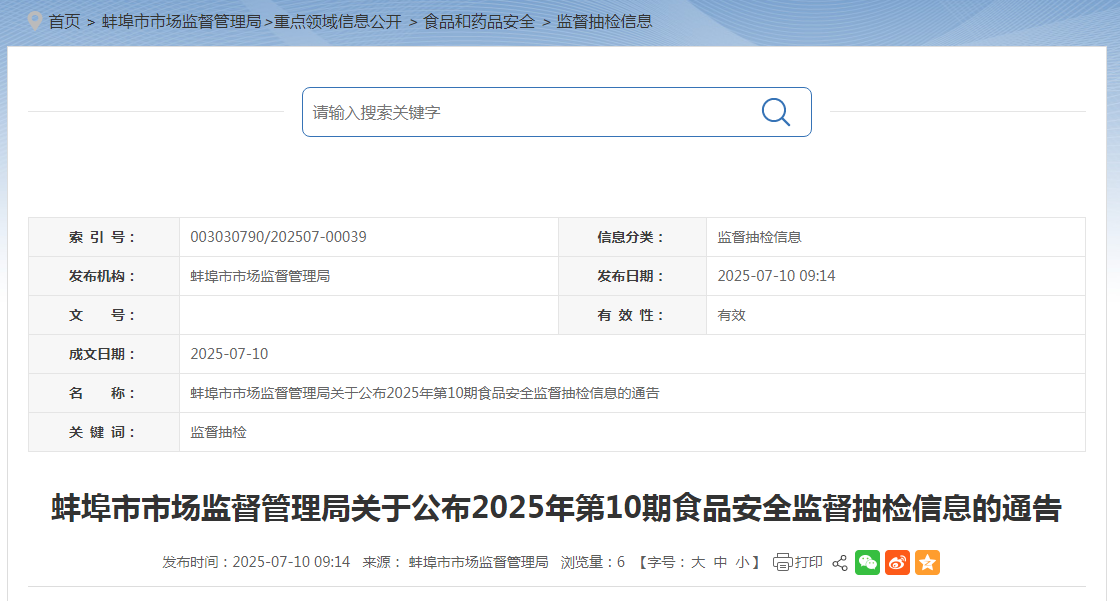
安徽省蚌埠市市场监督管理局关于公布2025年第10期食品安全监督抽检信息的通告
Zhong Guo Zhi Liang Xin Wen Wang· 2025-07-10 10:51
Core Viewpoint - The announcement from the Bengbu Market Supervision Administration reveals the results of food safety inspections, indicating that out of 188 batches tested, 179 were compliant while 9 were found to be non-compliant, highlighting ongoing food safety concerns in the region [2][11]. Summary by Categories Inspection Results - A total of 188 batches of various food products were sampled, including convenience foods, sugar, starch products, canned goods, beverages, condiments, and more [2]. - Among these, 179 batches were found to be compliant with national food safety standards, while 9 batches were deemed non-compliant [2]. Non-Compliant Products - Specific non-compliant products include: - Chopsticks used at Jin Feng Restaurant and Hot Spicy Era Hotpot, both found to contain anionic synthetic detergents exceeding safety standards [3][4]. - Star Anise sold at Century Hualian Supermarket, with sulfur dioxide residue exceeding the limit [5]. - Small Tai Mango sold at Jingyou Fresh Supermarket, containing pyraclostrobin above the permissible level [6]. - Yam sold at Meiyijia Supermarket and Yimufang Tian Fresh Supermarket, both containing excessive levels of mefenoxam and manganese mefenoxam [7][8]. - Fish sold at Sifang Lake Aquatic Store and Bullfrog at Qunli Street Farmers Market, both containing enrofloxacin above the safety threshold [9][10]. - Yangmei sold at Happy Purchase Supermarket, found to contain sodium saccharin, which is prohibited [11]. Regulatory Actions - The local market supervision authorities have mandated the responsible parties to trace the distribution of the non-compliant products, recall them, and take corrective actions to mitigate risks [11].