红旗连锁

Search documents
百胜中国的一场秘密布局
Hu Xiu· 2025-06-28 02:54
Core Insights - The article discusses the integration of AI technology in the restaurant industry, particularly focusing on Yum China and its AI assistant Q-Rui, which aims to enhance operational efficiency and support restaurant managers in various tasks [1][2][3]. Group 1: AI Integration in Restaurant Operations - Yum China is leveraging AI to redefine operational efficiency in the restaurant sector, with Q-Rui being a key development that automates tasks such as inventory management and staff scheduling [1][2]. - Other major players in the industry, including Starbucks and McDonald's, are also adopting AI technologies for various applications, such as dynamic staffing and voice-activated ordering systems [2][3]. - Q-Rui is designed to assist restaurant managers by automating over 20 operational tasks, thereby improving the overall efficiency and experience in restaurant operations [2][3]. Group 2: Historical Context and Development - Yum China began its digital transformation in 2010, moving its data warehouse domestically, and has progressively advanced its digital capabilities, including mobile payments and end-to-end digitalization by 2019 [3][4]. - The company is currently exploring the potential of generative AI, which is seen as the next opportunity for enhancing operational capabilities and supply chain resilience [5][6]. Group 3: Challenges and Opportunities - The application of AI in the restaurant industry presents both challenges and opportunities, particularly in terms of the required investment in infrastructure and data management [4][5]. - The company has established a 100 million yuan innovation fund to encourage frontline employees to contribute ideas for AI applications, highlighting a commitment to employee engagement in the digital transformation process [6]. Group 4: Future Directions and Employee Impact - The deployment of Q-Rui is expected to evolve through continuous testing and feedback, with a focus on ensuring that AI solutions effectively address real operational challenges [12][13]. - The integration of AI is transforming employee roles, requiring them to adapt to new collaborative work models where they work alongside AI tools to enhance productivity and decision-making [15][16]. Group 5: Competitive Landscape - Yum China views other leading companies in the tech space as benchmarks for AI implementation, learning from their agility in adopting technological innovations [17]. - The company emphasizes that all technological advancements are centered around the real needs of restaurant managers, ensuring that innovations are practical and beneficial [10][11].
星巴克中国待价而沽的筹码是什么
Hu Xiu· 2025-06-28 00:30
Group 1 - Hillhouse Capital has shown interest in acquiring Starbucks' China business, which is valued at approximately $5 to $6 billion, with the transaction expected to continue until 2026 [1] - Starbucks believes in the significant growth opportunities in the Chinese market and is evaluating the best ways to capture future growth, focusing on revitalizing its business in China [2][3] - Starbucks' global CEO, Brian Niccol, mentioned that there is considerable interest from potential investors regarding the sale of minority stakes in Starbucks China, highlighting the brand's value and the coffee market's growth [2][3] Group 2 - Starbucks China recently announced a price reduction for non-coffee products, which reflects a cautious approach to pricing while maintaining its premium coffee positioning [3][9] - The company aims to expand its store count from 8,000 to 20,000, with strategies to attract consumers in lower-tier markets [4][17] - The non-coffee product price adjustments are intended to enhance performance and broaden the brand's price range, thereby increasing transaction volumes [14][20] Group 3 - Starbucks China has experienced a decline in same-store sales for ten consecutive quarters, but recent data shows a 4% increase in transaction volume despite a 4% decrease in average ticket price [15][16] - The company is focusing on the lower-tier market, where membership sales are growing at twice the rate of higher-tier cities, indicating significant potential [17][18] - The dual product strategy of coffee and non-coffee beverages is becoming increasingly common in the industry, with competitors also expanding their offerings [18][19] Group 4 - The current market dynamics suggest that Starbucks must balance its high-end brand positioning with the need to appeal to a broader consumer base [21][22] - The coffee industry has seen a downward trend in pricing, prompting Starbucks to consider potential changes in its pricing strategy to remain competitive [23]

五次叩关 IPO 终获突破 菊乐股份北交所上市辅导通过验收
Xin Lang Zheng Quan· 2025-06-27 12:59
Core Viewpoint - Sichuan Jule Food Co., Ltd. has successfully passed the IPO guidance acceptance for the Beijing Stock Exchange, marking a significant step in its fifth attempt to enter the capital market since 2017 [1] Group 1: Company Background and Market Position - Jule Food, established in 1966, entered the dairy sector in 1996 and has become well-known for its "Suanle Milk" product, achieving a market share of 54.6% in Chengdu and 20.7% in Sichuan, ranking fifth nationally in 2022 according to Nielsen [2] - The company is primarily owned by Jule Group, which holds 45.87% of the shares, with Chairman Tong Enwen as the actual controller [2] - From 2020 to 2024, the company's revenue grew from 994 million to 1.641 billion, and net profit increased from 130 million to 232 million, indicating a continuous growth trend [2] Group 2: Challenges and IPO History - Jule Food has faced significant challenges in its IPO journey, with four failed attempts since 2017 due to various issues, including incomplete materials and regulatory warnings [3] - After realizing the increased scrutiny on the main board, the company shifted its focus to the Beijing Stock Exchange and successfully completed the guidance process in a record time of nine months [3] Group 3: R&D and Innovation - The company has historically had low R&D investment, with expenses of 6.3 million, 4.741 million, and 5.149 million from 2022 to 2024, representing only 0.42%, 0.30%, and 0.31% of revenue, respectively [4] - To meet the Beijing Stock Exchange's requirement for intellectual property, Jule Food has applied for 10 patents since September 2024, with 6 granted, which will be crucial for its IPO process [4] Group 4: Future Prospects and Market Strategy - Regional dairy companies like Jule Food face dual challenges of expanding beyond local markets and avoiding the "post-IPO peak" performance trap [5] - The effectiveness of the funds raised and the implementation of a national expansion strategy will be critical in determining the company's ability to overcome industry challenges if it successfully lists on the Beijing Stock Exchange [5]
恒鑫生活(301501):深耕纸质与塑料餐饮用具,可降解产品打开成长空间
Shenwan Hongyuan Securities· 2025-06-27 11:37
Investment Rating - The report assigns an "Accumulate" rating for the company, marking its first coverage [3][7]. Core Viewpoints - The company, Hengxin Life, specializes in paper and plastic dining utensils and is actively expanding its biodegradable product offerings, which opens up growth opportunities [7]. - The company has shown steady revenue and net profit growth, with a CAGR of 30.4% and 40.1% respectively from 2021 to 2024 [7][28]. - The market for dining utensils is benefiting from increased downstream demand, particularly for biodegradable products, which are becoming a significant trend in the industry [9][40]. Financial Data and Profit Forecast - Total revenue is projected to reach CNY 1,594 million in 2024, with a year-on-year growth rate of 11.9% [2]. - The net profit attributable to the parent company is expected to be CNY 220 million in 2024, reflecting a 2.8% increase year-on-year [2]. - The company’s gross margin is forecasted to be 26.3% in 2024, with a return on equity (ROE) of 21.0% [2][28]. Industry Overview - The dining utensils market is experiencing robust growth driven by increased consumer demand, with the retail sales of China's catering industry expected to reach CNY 5.57 trillion in 2024, a 5.3% increase year-on-year [9][40]. - The market for ready-to-drink coffee and new-style tea is rapidly expanding, with significant growth rates projected for the coming years [42][43]. - The industry is characterized by a low entry barrier and a fragmented market, with high-end products maintaining better profit margins due to brand loyalty and advanced production capabilities [48]. Company Competitive Advantages - The company possesses a comprehensive supply chain and core processing technologies, enabling it to meet diverse customer needs effectively [7][15]. - It has established strong relationships with high-profile clients such as Luckin Coffee, Starbucks, and major fast-food chains, which contribute to its revenue stability [7][15]. - The company’s biodegradable product revenue is expected to account for 54.7% of total revenue in 2024, highlighting its commitment to sustainability [9][17]. Profitability and Valuation - The forecasted net profits for 2025, 2026, and 2027 are CNY 262 million, CNY 321 million, and CNY 390 million respectively, with year-on-year growth rates of 19.4%, 22.4%, and 21.5% [2][7]. - The current market capitalization is estimated at CNY 7.1 billion, with corresponding price-to-earnings (PE) ratios of 27, 22, and 18 for the years 2025 to 2027 [7][28].
观茶|近20元一斤!新茶饮或面临“柠檬危机”
Nan Fang Nong Cun Bao· 2025-06-27 08:32
Core Viewpoint - The rising prices of lemons, which have reached nearly 20 yuan per jin, are posing significant challenges for the new tea beverage industry, potentially leading to a "lemon crisis" [1][13]. Price Surge - Lemon prices have surged dramatically this year, with prices in Sichuan's Anyue reaching 15 yuan per jin, up from 3-4 yuan per jin last year, marking a 3-5 times increase [3][4]. - In Guangdong's Jiangmen, the price of fragrant lemons is nearly 20 yuan per jin, compared to only 5 yuan per jin last year [4]. Supply and Demand Imbalance - The primary reason for the price increase is the supply-demand imbalance, exacerbated by extreme weather conditions leading to reduced production in major lemon-growing regions [8]. - The export volume of lemons from Anyue has surged, reaching levels comparable to last year's peak season within just two weeks, resulting in tight market supply [9]. Impact on New Tea Beverage Industry - The significant rise in lemon prices is expected to create severe challenges for the new tea beverage industry, with varying impacts on different types of tea beverage franchises [13][14]. - Smaller brands and those relying on market-sourced lemons face direct cost pressures, risking profit losses [16]. Pricing Strategies - For a cup of lemon tea requiring 5-6 slices of lemon, one lemon can only make two cups, with each cup selling for around 4 yuan, leaving minimal profit margins [17]. - Some tea shops have adjusted prices or removed lemon-based products to mitigate the impact of rising costs [18][19]. Competitive Advantage of Major Brands - Leading new tea brands like Mixue Ice City and Gu Ming have established supply chain advantages, with their own lemon production bases, thus facing relatively smaller impacts from price increases [21][22]. - Mixue Ice City's signature lemon water remains priced at 4-5 yuan, while Gu Ming's is at 9 yuan, with no price adjustments made [23]. Future Outlook - Seasonal price fluctuations are expected, with supply constraints likely easing as new season lemons become available in September-October [24]. - The new tea beverage industry, particularly smaller brands, will need to explore cost control and product adjustment strategies to navigate the ongoing "lemon crisis" [25].


出海品牌,寻找下一个“Labubu”
3 6 Ke· 2025-06-27 00:59
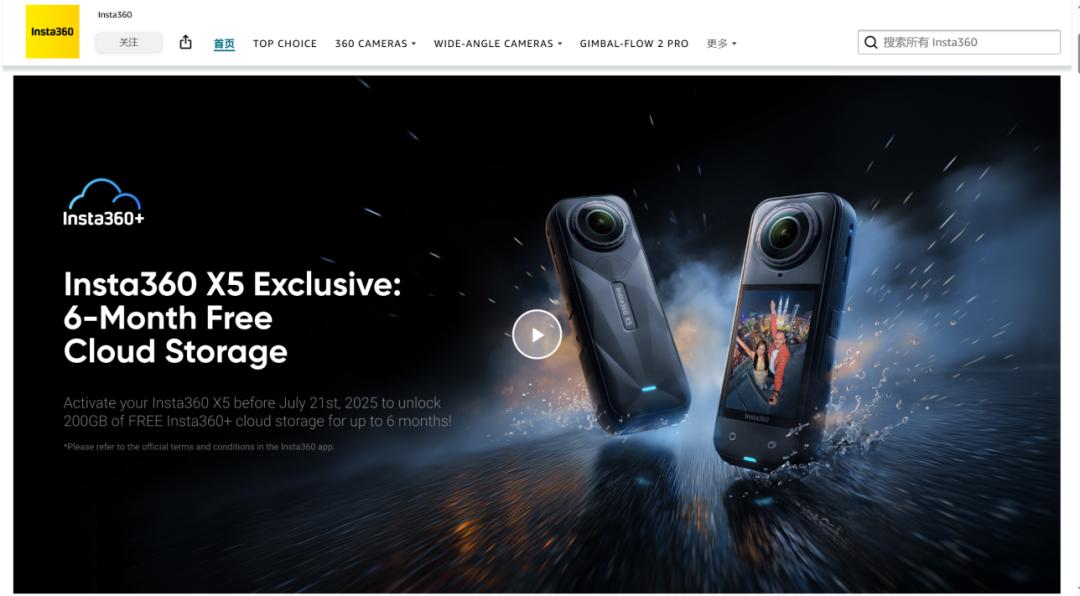
Core Insights - The article highlights the rising global recognition of Chinese brands, particularly through the success of Pop Mart's Labubu, which has gained significant traction in international markets, showcasing a shift from merely selling products to building brand identity [1][3][4]. Group 1: Brand Globalization Trends - The year 2025 is identified as a pivotal moment for Chinese brands to transition from a "selling" approach to a "branding" strategy, emphasizing the importance of brand recognition in overseas markets [3][4]. - The average net trust score for benchmark Chinese brands reached 61.6% in 2024, indicating a growing acceptance and trust among consumers in developed markets like the U.S. and U.K. [3][4]. - The marketing market size for Chinese outbound enterprises is projected to grow from $34.4 billion in 2023 to $51 billion by 2025, reflecting increased investment in brand marketing [4]. Group 2: Challenges in Brand Building - Establishing brand recognition in foreign markets is challenging due to low initial awareness and trust among consumers, necessitating significant marketing investment and strategic planning [2][11]. - Internal challenges include adapting to refined management practices and sourcing higher-quality materials, which can increase costs and time [12][14]. - External challenges encompass logistics, payment method discrepancies, and compliance issues, particularly regarding trademark registration and protection [12][13][14]. Group 3: Successful Brand Strategies - Successful brands like Insta360 have demonstrated the benefits of focusing on brand identity and unique selling propositions, leading to significant market share and recognition [5][10]. - The case of LOFREE illustrates how a well-defined brand identity and targeted marketing can penetrate niche markets, achieving notable sales performance in competitive environments [15][18]. - Tools like Amazon's Brand Name Generator can assist in creating memorable brand names that resonate with target audiences, enhancing brand visibility and recognition [19][20]. Group 4: Importance of Brand Recognition - High brand recognition is crucial for distinguishing products in crowded markets, allowing consumers to quickly identify and trust brands [14][24]. - Establishing a high-quality brand flagship store on platforms like Amazon can significantly boost sales, with high-rated stores achieving up to 50% more sales than lower-rated ones [24]. - The article concludes that the future of successful international expansion lies in building brands that transcend cultural and commercial barriers, moving from a follower to a leader position in global markets [24][25].


感悟中国经济“向新力”(评论员观察)——直击2025经济新现象⑤
Ren Min Ri Bao· 2025-06-26 21:55
Core Insights - The article emphasizes the importance of balancing development and security, suggesting that sustainable growth requires innovation that is resilient and adaptable [1][5] - The consumption patterns of the "Z generation" reflect a shift in the Chinese economy towards new strengths, indicating a generational divide in consumer preferences and values [2][3] Group 1: Economic Transformation - The new generation's consumption capabilities are driving the emergence of new business models, products, and services, leading to a "happy generation gap" with older generations [3][4] - China's manufacturing has rapidly upgraded from being a "world factory" to a symbol of quality and innovation, showcasing a significant transformation in just a few decades [3][4] Group 2: Long-term Strategy - Long-termism is highlighted as a key concept, which involves patience, resilience, and the ability to overcome challenges, contributing to the vitality of the Chinese economy [4][5] - The article notes that the rise of new economic phenomena is not random but is rooted in a strong foundation of traditional industries, which support innovation and growth [4] Group 3: Industry Challenges and Solutions - The article discusses the need for strong regulatory and corrective mechanisms to ensure the sustainable development of new industries, particularly in the context of the booming domestic electric vehicle market [5] - It emphasizes that addressing new challenges in development is part of the process of economic evolution, advocating for a proactive and determined approach to problem-solving [5]
蜜雪冰城加盟商:“现在卖的柠檬水都是请大家喝的!”
财联社· 2025-06-26 10:23
Core Viewpoint - The price of lemons has surged dramatically, increasing over three times compared to the same period last year, leading to significant impacts on both producers and downstream businesses [1][5]. Price Trends - Lemon wholesale prices began to rise in April, reaching an average of 12.86 yuan per kilogram in June, a 29.38% increase from April and a 64.66% increase from the same time last year [1][5]. - On June 26, some wholesale markets reported prices as high as 19 yuan per kilogram, with bulk transaction prices reaching 17 yuan per kilogram [1]. Supply and Demand Factors - Increased demand during the peak purchasing season and a rise in exports from Sichuan's Anju region are contributing to the price surge [5]. - Adverse weather conditions in Turkey have led to reduced lemon production, further driving up domestic prices [5]. - The demand for lemon-based beverages has increased as temperatures rise, adding pressure to lemon prices [5]. Impact on Downstream Businesses - Tea beverage companies, such as Mixue Ice City, are facing challenges due to rising lemon costs, with prices for lemons reaching around 10 yuan per pound, compared to just over 3 yuan last year [5][6]. - Despite rising costs, many tea shops are hesitant to raise prices or remove lemon drinks from their menus due to franchise restrictions [6][7]. Future Price Outlook - Industry insiders predict that while new season lemons will be available in September and October, prices are unlikely to decrease significantly in the short term [9].

CEO锦囊·出海季|出海东南亚,如何招人、做品牌?
3 6 Ke· 2025-06-26 06:54
Core Insights - Southeast Asia is emerging as a key growth market for Chinese companies due to the slowdown in growth in Europe and the US, as well as the restructuring of the global consumer landscape [1] - The market presents challenges such as changing platform dynamics, rising labor costs, and complex local compliance [1] Group 1: Understanding Southeast Asia Market - Southeast Asia is the primary destination for Chinese companies due to its geographical proximity and cultural similarities [3] - Key markets to focus on include Singapore, Indonesia, Thailand, Malaysia, and Vietnam, with the Philippines being suitable for labor outsourcing [3][4] - The entry of Chinese brands is not just about product export but also about lifestyle penetration, leveraging high-quality, cost-effective products to stimulate local consumption [3][4] Group 2: Notable Countries in Southeast Asia - Singapore has high talent costs and is suitable for regional management roles, while Malaysia offers a multilingual talent pool [5][6] - Indonesia, as a populous nation, has a rapidly growing consumer base with a strong inclination towards high-end brands despite lower starting salaries [6] - The Philippines is favored for its high English proficiency, making it a popular choice for offshore teams [6] Group 3: Common Misconceptions in Southeast Asia - Cultural differences can lead to significant marketing missteps, such as ignoring local customs and taboos [10] - The perception that hard work guarantees success does not hold in overseas markets, where understanding local dynamics is crucial [11] Group 4: Platforms for Brand Sales - Major e-commerce platforms include Shopee, TikTok, and Lazada, with Shopee holding approximately 50% market share [13] - TikTok has seen rapid growth, with its GMV in Southeast Asia reaching approximately $25-30 billion in Q1 2023, surpassing the US [13][14] Group 5: Talent Retention Strategies - Local teams prioritize work-life balance, and companies should avoid high-pressure environments to retain talent [16] - Building a supportive team culture and understanding local customs are essential for effective management [17][18] Group 6: Localization Strategies - Companies should focus on understanding local consumer needs and preferences to tailor their products and marketing strategies [21][23] - Establishing a physical presence in key cities can enhance brand visibility and consumer trust [23] Group 7: Advantages of Chinese Companies in Southeast Asia - Chinese brands have competitive advantages in supply chain management, marketing strategies, and service systems [24] - The demand in Southeast Asia is high, but local supply is often insufficient, creating opportunities for Chinese brands [24][25] Group 8: AI's Role in Marketing - AI can significantly enhance marketing efficiency by facilitating localization and content creation [25][26] - The application of AI in Southeast Asia can help overcome language and cultural barriers, making it a valuable tool for market entry [27] Group 9: Recommendations for Market Entry - Companies should adopt a pragmatic approach, understanding local market dynamics rather than relying solely on their domestic success [28] - Investment in brand building and employee compensation is crucial for long-term success in Southeast Asia [29]

8点1氪: 猫王音响创始人回应炮轰雷军不尊重人;脉动3D立体户外广告被吐槽挤占公共空间;多地机场明确禁止携带召回批次充电宝
36氪· 2025-06-26 00:07
Group 1 - Xiaomi's AI glasses will be officially launched on June 26, 2025, as part of their "human-vehicle-home" ecosystem event [18] - Beijing BlueFocus Data Technology Group has submitted a listing application to the Hong Kong Stock Exchange [2] - KUSAI Intelligent Technology Co., Ltd. has also submitted a listing application to the Hong Kong Stock Exchange, with CITIC Securities as the sole sponsor [3] Group 2 - Hanyu Pharmaceutical's subsidiary received approval from the National Medical Products Administration for the domestic sale of Acetate Degarelix, a drug for advanced prostate cancer treatment [1] - The founder of Cat King Sound, Zeng Dejun, clarified his previous comments about Xiaomi and Lei Jun, stating he has no negative opinions about them [4] - Multiple airports have banned carrying certain models of Romoss and Anker power banks due to safety concerns [5] Group 3 - Nissan expects an operating loss of 200 billion yen (approximately 99 million RMB) for Q2 2025, compared to a profit of 9 million yen in the same period last year [17] - BlackBerry reported a revenue of $121.7 million for Q1 2026, with expectations for Q2 revenue between $115 million and $125 million [17] - FedEx announced an adjusted operating profit of $2.02 billion for Q4 [17] Group 4 - DJI is experiencing severe shortages of drones in the U.S., leading to speculation about their potential exit from the market [12] - The founders of Mixue Ice Cream have become the new richest individuals in Henan with a net worth of 117.94 billion RMB [13] - Neta Auto Thailand may need to repay over 2 billion Thai Baht (approximately 439 million RMB) in government subsidies if production targets are not met [14]