
李宁

Search documents
告别羽毛球自由,中产迷上匹克球
Hu Xiu· 2025-10-13 13:28
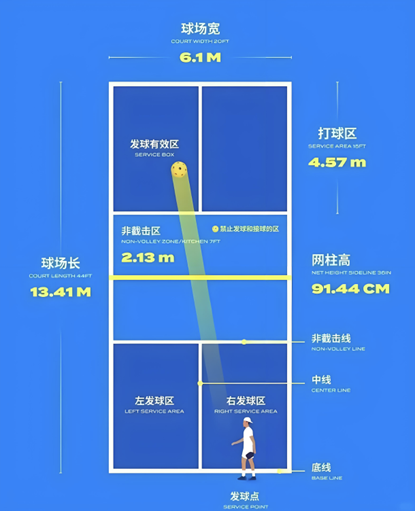
Core Viewpoint - The rise of pickleball and squash in urban China is attributed to the increasing costs of traditional sports like badminton and tennis, leading to a shift towards more affordable and accessible alternatives [4][5][6]. Group 1: Market Trends - The cost of badminton courts in major cities has surged, with peak hours in Beijing reaching 200 yuan for two hours [2][4]. - Pickleball courts are being introduced in existing tennis facilities, allowing for higher utilization rates and lower costs for participants [4]. - The price of entry-level pickleball equipment ranges from 100 to 200 yuan, significantly lower than professional badminton rackets which can exceed 1,000 yuan [5]. Group 2: Social Dynamics - Pickleball is becoming a new social activity for various age groups, bridging generational gaps and providing a platform for interaction [8][10]. - The sport's low entry barrier and friendly atmosphere make it appealing for those who may feel intimidated by traditional sports [15][16]. - Participants report that pickleball serves as a remedy for modern loneliness, fostering connections among urban dwellers [11][42]. Group 3: Growth Statistics - Sales of pickleball equipment on platforms like Tmall surged by 1,100% during the 2025 "618" shopping festival [30]. - Over 20,000 people in Guangdong Province regularly play pickleball, with Shanghai reporting 130 courts as of April 2025 [31]. - The establishment of a structured competition system, including national tournaments, indicates the sport's rapid institutional growth [31]. Group 4: Cultural Impact - Pickleball is perceived as a low-pressure, enjoyable activity that contrasts with the competitive nature of traditional sports [48][49]. - The sport encourages a sense of community and shared experience, allowing individuals to connect beyond their professional identities [48][52]. - It provides a platform for social interaction that is less formal than traditional gatherings, enhancing the quality of connections among participants [24][42].

坦博尔IPO前,突击分红2.9亿元
中国基金报· 2025-10-13 10:18
Core Viewpoint - The article discusses the upcoming IPO of the domestic outdoor brand Tamboor, highlighting its impressive revenue growth and recent financial maneuvers, including a significant pre-IPO dividend distribution of 290 million yuan [2][20]. Revenue Growth - Tamboor has demonstrated remarkable revenue growth, increasing from 732 million yuan in 2022 to 1.302 billion yuan in 2024, representing a compound annual growth rate of over 33%. In the first half of 2025, revenue reached 658 million yuan, marking an 85% year-on-year increase [5][12]. - The Chinese professional outdoor apparel market is rapidly expanding, with market size projected to grow from 688 billion yuan in 2019 to 1.319 trillion yuan in 2024, and expected to exceed 2.87 trillion yuan by 2029 [7]. Profitability Challenges - Despite strong revenue growth, Tamboor's net profit has shown significant volatility. Net profit was 85.77 million yuan in 2022, peaked at 139.24 million yuan in 2023, but fell to 107.31 million yuan in 2024, a year-on-year decline of 23%. In the first half of 2025, net profit was 35.94 million yuan [9][10]. - The net profit margins have also been under pressure, with net profit margins of 11.7%, 13.6%, 8.2%, and 5.5% for the years 2022, 2023, 2024, and the first half of 2025, respectively [9][10]. Channel Transformation - Tamboor has actively pursued channel transformation, with online channel revenue increasing from 226 million yuan in 2022 to 626 million yuan in 2024, accounting for 48.1% of total revenue by 2024. In the first half of 2025, online revenue surpassed offline for the first time [12][13]. - However, the rapid growth of online channels has led to increased marketing expenses, with sales and distribution expenses reaching 508 million yuan in 2024, accounting for 39% of revenue, an increase of nearly 12 percentage points from 2022 [12]. Inventory Issues - As of June 30, 2025, Tamboor's inventory value surged to 931 million yuan, a 262% increase from the end of 2023, and further rose to 1.103 billion yuan by the end of August 2025. The inventory turnover days increased significantly from 242 days in 2023 to 485 days in the first half of 2025, indicating a slowdown in inventory movement [14][15]. Pre-IPO Dividend Distribution - Prior to its IPO, Tamboor distributed a substantial dividend of 290 million yuan to shareholders, which is over eight times the 35 million yuan distributed in 2022. This distribution resulted in a decrease in the company's net assets from 741.5 million yuan at the end of 2024 to 487.5 million yuan by June 30, 2025 [20]. - The family controlling Tamboor, led by founder Wang Yongping, received a significant portion of this dividend, raising concerns about the company's liquidity and the necessity for IPO fundraising to support future growth initiatives [18][20].

李宁入围《经济观察报》2024—2025年度受尊敬企业
Jing Ji Guan Cha Wang· 2025-10-13 09:35
2025年10月13日,李宁在优质运营、创新突破、社会贡献等指标中表现优异,根据经观受尊敬企业组委 会初步评估,入围《经济观察报》2024—2025年度受尊敬企业。 ...

2025年北京市青少年篮球俱乐部联赛总决赛收官
Zhong Guo Xin Wen Wang· 2025-10-13 02:32
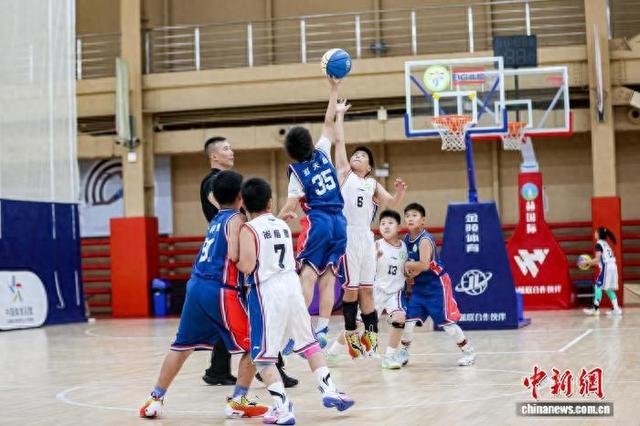
Core Insights - The "Run, Youth" Li Ning Cup 2025 Beijing Youth Basketball Club League Finals showcased the achievements of the youth basketball system in Beijing, featuring teams from 12 districts competing across nine age groups [1][3] Event Overview - The 2025 season marked a significant upgrade in the league's structure, transitioning from a two-tier system to a three-tier system that includes preliminary rounds, regional competitions, and finals, enhancing competitive balance and coverage [3] - A record 740 teams and 6,821 youth players participated, covering age groups from U8 to high school, reflecting a comprehensive age structure in youth basketball development [3] Operational Enhancements - A three-tier operational mechanism was established to ensure standardized management across various aspects such as organization, refereeing, medical support, and security [4] - The introduction of an intelligent information system improved efficiency and transparency in event management, allowing for real-time updates and data management [4] Integration of Education and Sports - The league emphasizes the integration of sports and education, promoting a holistic development model where competitions enhance training and learning opportunities for youth athletes [5] - The league connects school sports with social club resources, creating a seamless "learn-train-compete" cycle [5] Cultural Development - The 2025 season focused on cultural construction, introducing a new logo and mascot inspired by local culture, and engaging youth in creating event slogans, fostering a sense of community and belonging [6][10] - The league aims to build a unique cultural ecosystem for youth basketball in Beijing, enhancing the emotional connection to the sport [5][6] Professional Standards - The league adopted a standardized event management system, ensuring that referees and coaches are certified and trained, and that logistical support is well-coordinated [8][9] - High-quality facilities and training resources have been highlighted as crucial for athlete performance, contributing to a positive competitive environment [9] Long-term Vision - Since its inception in 2017, the league has aimed to popularize basketball and nurture talent, becoming a key component of Beijing's youth sports ecosystem [10] - The finals represent not just a culmination of the season but a new starting point for high-quality development in youth basketball in Beijing [10]
中国运动服饰:专家电话会议核心要点- 国庆假期销售不及预期;关注各品牌竞争态势-China Sportswear_ Key takeaways from expert call_ National holiday sales below expectation; eyes on competition dynamics across brands
2025-10-13 01:24
Summary of Key Takeaways from China Sportswear Expert Call Industry Overview - The call focused on the **China sportswear industry**, highlighting recent sales trends and competitive dynamics among major brands such as Nike, adidas, Anta, and Li Ning [1][6][7]. Core Insights 1. **Weak Demand Trends**: - Demand in July remained weak due to the spillover effect from the 618 promotions and unfavorable weather conditions. August showed similar weak growth, while September saw modest improvement with all brands reporting positive growth. However, national holiday sales were significantly below expectations due to a high base from the previous year and warmer weather in many regions [1][10]. 2. **Discounts and Inventory Management**: - Discounts in the third quarter to date (3QTD) were deeper year-over-year (yoy). adidas managed to control discounts effectively, while Nike and Anta faced more pressure. Nike's inventory pressure gradually eased due to active discounting, contrasting with the diverging inventory trends across brands [1][10][14]. 3. **Brand Observations**: - Li Ning showed emerging positive signs, while Anta had several areas for improvement, particularly in product differentiation and store performance. Nike is undergoing a challenging brand reform with no immediate solutions, while adidas has achieved solid year-to-date growth driven by effective product and marketing strategies [1][11][14]. 4. **Impact of Arcteryx's Marketing Controversy**: - The expert noted a short-term sales impact on Arcteryx, especially in online channels, with a decline of 30-50% yoy in Tmall flagship store sales. However, the negative effects moderated after 10 days due to the arrival of the outdoor activity peak season and national holiday travel boost [1][13][14]. Additional Insights - **Future Outlook**: - The expert predicts that the China sports and outdoor market will experience high single-digit to low double-digit growth driven by rising health consciousness and the expansion of sportswear as daily wear. The mass market remains highly competitive, while the premium/professional sports market is seeing a trend of consumers willing to pay more for innovation and brand storytelling [7][8]. - **Discounting Trends**: - A significant discount pressure is expected in Q4 due to long double-11 promotions and year-end inventory clearance. The expert highlighted a trend towards 'tiered and segmented discounting' which will depend on brands' management capabilities [7][8]. - **Brand-Specific Challenges**: - Anta faces challenges with product differentiation and store closures impacting short-term revenue. Li Ning is believed to be overcoming historical burdens, while Nike's brand reform is complicated by industry-wide demand pressures [11][14]. Conclusion - The expert call provided a comprehensive overview of the current state of the China sportswear industry, emphasizing the challenges and opportunities faced by major brands. The insights into consumer behavior, inventory management, and brand strategies will be crucial for stakeholders looking to navigate this competitive landscape [1][6][7][8].
消费策略&组合配置:Q3业绩前瞻与全年展望
2025-10-13 01:00
Summary of Conference Call Records Industry or Company Involved - Consumer Sector - Clean Energy Sector - AI Application Sector - Alcoholic Beverage Sector - Home Appliance Sector - Food and Beverage Sector - Livestock Farming Sector Key Points and Arguments Consumer Sector - Market sentiment is cautious, but the decline in risk assets and VIX index is not extreme, indicating improved market response to negotiations and tariff adjustments [1][3] - Internal structural changes in the consumer sector are evident, with external demand affected by U.S. Federal Reserve policies and trade tensions, while internal demand benefits from policy expectations and price recovery [1][3] - Q4 2025 is expected to present opportunities for internal demand consumption driven by style and policy, with significant performance expected during the Double Eleven shopping festival [1][5] Clean Energy Sector - The clean energy sector, particularly companies like Stone Technology, is performing well and expanding into overseas markets, aiming to become platform companies [2][21] AI Application Sector - Companies like Yiwan Yichuang and Jihong Co. are leveraging AI to enhance efficiency and are expected to see significant growth, especially in non-U.S. markets [1][9] Alcoholic Beverage Sector - The white wine market saw a decline in sales during the recent holiday period, but banquet sales remained strong, indicating a shift in consumer price sensitivity [1][10][11] - The overall performance of the white wine sector is stable, with expectations for gradual recovery in sales as the market adjusts to pricing changes [1][14] Home Appliance Sector - The home appliance industry is showing steady performance, with notable growth in the clean energy segment, particularly for companies like Stone Technology and Ecovacs [2][21] - Recommendations include focusing on companies with stable growth potential such as Stone Technology, Ecovacs, Midea, and Haier [22] Food and Beverage Sector - The consumer goods sector is experiencing mixed performance, with strong results from snack and soft drink leaders, while dining establishments face challenges [15] - Companies like Angel Yeast and Haitian Flavoring are expected to outperform due to strong competitive barriers and product optimization [15] Livestock Farming Sector - The pig farming sector is facing losses due to declining prices, with average prices around 14 RMB/kg and significant profit reductions expected [25] - Future price recovery is anticipated as production capacity is reduced, benefiting from policy stability regarding breeding sows [26] Other Important but Possibly Overlooked Content - The consumer sector is expected to attract capital inflows, particularly in low-valuation, policy-aligned internal demand consumption areas such as food and beverage, agriculture, and retail [4] - The performance of the consumer sector is expected to be driven by companies with high certainty in earnings, particularly in the restaurant service sector [7] - The cost of operating restaurants is decreasing, leading to improved profitability and an expected increase in store openings by 20-30% [8] - The AI application sector is becoming increasingly important, with companies focusing on AI-driven efficiency improvements and market expansion [6][9]
纺织服装行业四季度策略:制造期待复苏,品牌分化持续
ZHESHANG SECURITIES· 2025-10-12 13:39
Group 1: Export Chain - The export chain is expected to see improved sentiment and performance, with clarity on tariff arrangements boosting order placement by brands [1][9] - Major brands like Nike and Adidas are cautiously optimistic about demand recovery, with Nike reporting a slight revenue and gross margin beat in its recent quarterly results [2][12] - Leading manufacturers have begun to see performance improvements in Q3, with companies like Xin'ao and Bailong Dongfang anticipating revenue growth driven by increased orders [3][19] Group 2: Investment Themes - Key investment themes include leading sports and leisure brands such as Nike, Adidas, and Uniqlo, along with their core suppliers like Shenzhou International and Huayi Group, which have attractive PE ratios for 2025 [4][21] - Upstream manufacturers showing short-term order improvements and medium-term market share gains include Xin'ao and Weixing, which are expected to benefit from rising raw material prices [4][21] Group 3: Brand Apparel - The brand apparel sector continues to show signs of divergence, with retail performance impacted by fluctuating offline traffic and intense online competition [5][22] - Despite challenges, companies like Hailan Home and Luolai Life are expected to maintain positive revenue growth due to strong online and offline sales strategies [6][26] Group 4: Market Outlook - The overall market outlook for the textile and apparel industry remains cautiously optimistic, with expectations of gradual recovery in demand and performance improvements across various segments [1][9][22] - The consumer confidence index shows slight recovery, but consumers remain focused on product functionality and value for money [5][22]




纺织服装行业周报:中美关税再度博弈,全球化产能布局企业价值凸显-20251012
Shenwan Hongyuan Securities· 2025-10-12 11:44
Investment Rating - The report maintains a "Buy" rating for companies like Yanjiang Co., New Australia Co., and Shenzhou International, highlighting their advantages in global capacity layout and supply chain [2][10][16]. Core Views - The textile and apparel sector has shown strong performance against the market, with the SW textile and apparel index increasing by 1.6% from October 9 to October 10, outperforming the SW All A index by 2.0 percentage points [2][3]. - The recent U.S. announcement of a 100% additional tariff on Chinese imports starting November 1, 2025, emphasizes the value of companies with established global production capabilities, allowing them to mitigate tariff costs and capture market share in favorable overseas markets [9][10]. - The report identifies a significant opportunity in the Australian wool market, with prices reaching record highs, benefiting companies like New Australia Co. [13][14]. Industry Data Summary - Retail sales in the apparel and textile category totaled 940 billion yuan from January to August, reflecting a year-on-year growth of 2.9% [27]. - In August, China's textile and apparel exports amounted to $26.54 billion, a year-on-year decline of 5.0%, with apparel exports specifically down by 10.1% [34]. - Cotton prices have shown slight fluctuations, with the national cotton price B index at 14,775 yuan per ton, down 0.3% this week [37]. - The Chinese sportswear market is projected to reach 408.9 billion yuan in 2024, growing by 6.0% year-on-year, with Anta's market share increasing [40].


金融工程周报:又一次TACO交易,但不会是再一次解放日-20251012
Huaxin Securities· 2025-10-12 11:34
- The report does not contain any specific quantitative models or factors for analysis or construction[1][2][3] - The content primarily focuses on macroeconomic strategies, asset allocation, and tactical trading recommendations, without detailing quantitative models or factor-based methodologies[5][6][34] - No quantitative backtesting results or specific factor performance metrics are provided in the report[1][2][3]
家用电器:假期消费专题:出境游、线下演出高景气——25W40周观点-20251012
Huafu Securities· 2025-10-12 10:11
Investment Rating - The report maintains an "Outperform" rating for the industry [7] Core Insights - The report highlights a significant increase in holiday travel and consumption, with an average of 3.04 billion people traveling daily from October 1 to 8, a year-on-year increase of 6.3% [3][11] - Domestic consumption is showing steady improvement, with average daily sales in related sectors increasing by 4.5% during the holiday period, driven by strong performance in digital products, jewelry, and cultural services [3][15] - The offline performance of the entertainment sector is robust, with a 39.5% year-on-year increase in audience numbers for live performances during the holiday [3][20] Summary by Sections Holiday Consumption Trends - The report notes a rise in domestic travel, with 8.88 billion domestic trips taken during the holiday, an increase of 1.23 billion trips compared to the previous year [11][12] - The average spending per person decreased by 13% despite the increase in total expenditure, which reached 809 billion yuan [11][12] Retail and E-commerce Performance - Key retail and catering enterprises saw a 2.7% year-on-year increase in sales during the holiday [19] - E-commerce platforms experienced a surge in sales of green organic foods (up 27.9%), smart home products (up 14.3%), and domestic fashion brands (up 14.1%) [19][20] Investment Recommendations - The report suggests focusing on several sectors for potential investment, including: 1. Major appliances benefiting from trade-in programs, recommending companies like Midea Group, Haier Smart Home, and Gree Electric [4][23] 2. The pet industry, which is expected to remain resilient, with recommendations for companies like Guai Bao Pet and Zhongchong Co [4][23] 3. Small appliances and branded apparel, which may see a rebound in demand, with recommendations for companies like Bear Electric and Anta Sports [4][23] 4. Electric two-wheelers, with a strong outlook for domestic sales improvement, recommending companies like Ninebot and Yadea [4][23] Global Market Opportunities - The report emphasizes the long-term theme of international expansion, recommending companies like Ecovacs and Roborock in the cleaning appliance sector, and Midea and Haier in the major appliance sector [5][24] - It also highlights the potential for motorcycle brands to increase their market share overseas, suggesting companies like Chunfeng Power and Longxin General [5][24] Market Data - The home appliance sector saw a slight decline of 0.4% this week, with specific segments showing varied performance: white goods up 0.8%, black goods down 0.3%, and kitchen appliances down 1.0% [25]

