博时基金

Search documents
黄金惊现高台跳水,300亿追涨资金短线被套,基金经理解读
Zhong Jin Zai Xian· 2025-10-23 00:25
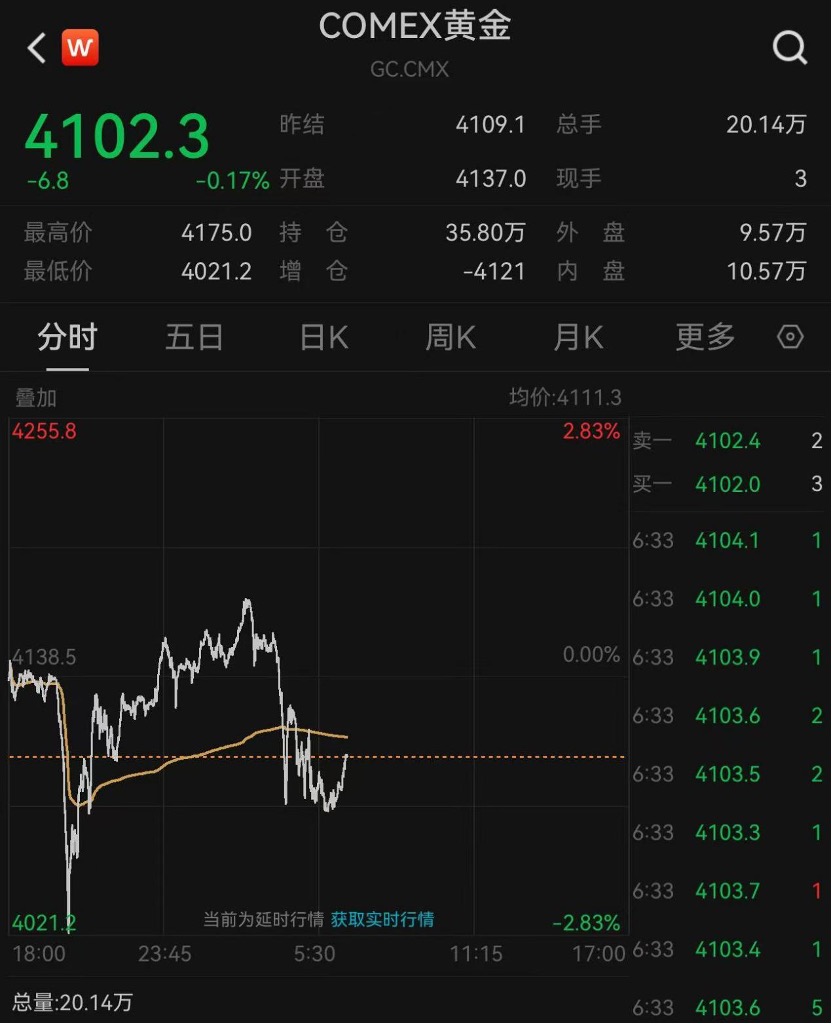
Core Viewpoint - Recent fluctuations in gold prices have left investors confused, with significant volatility observed in the market, including a drop of over 5% in gold prices on October 22, marking the largest single-day decline since April 2013 [1][6] Investment Trends - Despite the recent price drop, there has been a substantial inflow into gold ETFs, with nearly 60 billion yuan entering on October 21 alone, and a total of approximately 375.94 billion yuan flowing into gold ETFs in October [1][6][4] - Year-to-date, gold ETFs have seen a remarkable performance, with an average increase of over 50%, indicating strong investor interest despite short-term losses [4][6] Market Dynamics - The recent decline in gold prices is attributed to several factors, including easing geopolitical tensions, high market congestion from previous price increases, increased margin requirements by exchanges, and a rebound in the US dollar index [8][9][10] - Fund managers acknowledge the short-term risks but maintain a long-term bullish outlook on gold, citing macroeconomic conditions and ongoing geopolitical uncertainties as supportive factors for future price increases [12][13][14] Institutional Insights - Fund managers emphasize that the long-term drivers for gold remain intact, with expectations of continued inflows from both domestic and international investors, particularly in light of the current economic environment and the trend of "de-dollarization" [14][15][16] - External analysts, including those from Morgan Stanley and UBS, also express confidence in gold's potential, predicting further price increases based on historical performance during interest rate cuts and ongoing geopolitical risks [14][15]

从“过热”快速切换至“急冻” 黄金打折季开启了?
Sou Hu Cai Jing· 2025-10-22 16:36
Group 1: Market Overview - The price of precious metals, particularly gold and silver, has experienced a significant decline, with London spot gold dropping to a low of $4002 per ounce and silver to $47 per ounce on October 22 [1] - The sharp decline in gold prices was triggered by a sudden drop on October 21, where gold fell by 6.18%, marking the largest single-day drop since April 2013 [1] - Domestic gold assets also plummeted, with A-share gold stocks experiencing heavy losses and gold futures in Shanghai hitting a low of 933 yuan per gram [1][3] Group 2: Consumer Behavior - Despite the drop in gold prices, consumer sentiment remains strong, with some retail brands adjusting prices upward in anticipation of future increases [2] - For instance, Lao Pu Gold plans to raise prices on October 26, marking its third price increase this year, while Chow Tai Fook also announced a price hike expected to be between 12% and 18% [2] - The decline in gold prices has led to increased foot traffic in physical stores, as consumers rush to purchase before anticipated price increases [2] Group 3: Investment Sentiment - Investor sentiment is showing signs of divergence, with some investors seizing the opportunity to buy during price corrections, viewing it as a chance to "re-enter" the market [5] - The recent volatility has raised questions about whether the long-term bullish trend for gold has changed, despite the short-term fluctuations [5][6] - Analysts suggest that the current market dynamics, including high volatility and profit-taking, indicate a need for caution among investors [1][6] Group 4: Long-term Outlook - Analysts remain optimistic about the long-term prospects for gold, citing strong central bank purchases and ongoing concerns about U.S. fiscal policy as key drivers [9][10] - HSBC forecasts that gold's upward momentum could continue until 2026, with a target price of $5000 per ounce, driven by central bank buying and fiscal concerns [9] - The trend of "de-dollarization" and the potential for further monetary easing are expected to support gold prices in the long run [10]


31万亿!深圳财富管理书写“十四五”亮眼答卷 ——相约香蜜湖·打造国际财富管理中心新名片
Sou Hu Wang· 2025-10-22 10:27
Core Insights - The "2025 Xiangmi Lake Wealth Management Week" is a significant annual event in Shenzhen aimed at promoting the city's wealth management ecosystem and aligning with national financial strategies [1][5][6] - The event attracted over 900 representatives from various financial institutions, highlighting the collaborative efforts between government, enterprises, and financial sectors [1][5] - Shenzhen's wealth management industry has reached an asset management scale of over 31 trillion, comparable to Hong Kong and Singapore, marking a significant achievement in the city's financial development goals [6][8] Group 1: Event Overview - The event was guided by the Shenzhen Municipal Financial Committee and supported by the China Insurance Asset Management Association, featuring multiple activities focused on high-quality development in wealth management [1][5] - Key government and financial leaders attended, including representatives from the People's Bank of China and various financial institutions, emphasizing the importance of collaboration in the sector [3][5] Group 2: Industry Growth and Statistics - As of now, there are 135 asset management institutions in China, with a total managed asset scale exceeding 100 trillion, reflecting a growth rate of nearly 6% year-to-date and over 15% year-on-year [5][7] - Shenzhen's wealth management scale is nearing that of Hong Kong and Singapore, with significant contributions from banks and private equity funds [6][8] Group 3: Strategic Directions - The wealth management sector in Shenzhen is focusing on enhancing its professional capabilities, supporting the real economy, and protecting investor rights [5][7] - The city aims to develop a multi-layered international wealth management center, with a focus on deepening cooperation between Shenzhen and Hong Kong [6][19] Group 4: Future Initiatives - The event included the signing of a 7 billion AIC fund to support innovation in technology enterprises, showcasing the commitment to fostering a robust financial ecosystem [15][19] - Future activities will include exploring family office services and roadshows for innovative enterprises, reinforcing Shenzhen's role as a key player in the wealth management landscape [25][26]

英华号周播报|金价破“4”之后,下一步怎么走?坚守价值投资是否是“固执己见”?
中国基金报· 2025-10-22 09:39
Core Insights - The article discusses the divergence in performance between traditional value assets and emerging growth assets in the A-share market since the second half of this year, highlighting a significant debate in the investment community [21]. Group 1: Investment Strategies - Wang Qian, General Manager of the Equity Research Department at Yongying Fund, emphasizes the importance of adhering to a contrarian value investment framework despite the popularity of growth strategies [21]. - The article notes that value investors may feel isolated when growth style performers excel, but the key to successful investing lies in enduring solitude and maintaining long-term effective strategies to generate absolute returns for investors [21]. - Wang Qian asserts that the commitment to value investing is based on a rational choice grounded in long-term market patterns and in-depth research, rather than mere stubbornness [21]. Group 2: Market Trends - The article highlights the ongoing competition between "old growth stocks" and "new growth stocks," referred to as the "battle of the growth styles," which has sparked widespread discussion in the market [21]. - It is mentioned that the divergence in asset performance has led to a reevaluation of investment strategies among market participants [21].

中国科创重塑全球竞争格局,普通投资者如何把握投资机遇?
Zhong Guo Jing Ji Wang· 2025-10-22 08:36
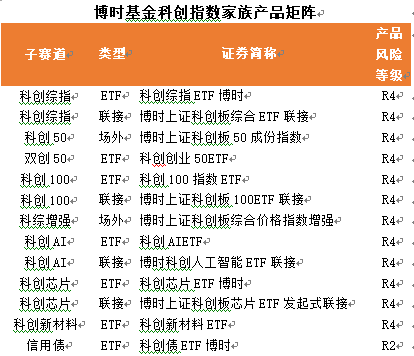
Group 1 - The A-share market has entered a phase of high volatility after reaching a new high, with active trading despite mixed performance [1] - The hard technology sector, including artificial intelligence, chips, and large model computing power, is a key driver of the current market trend [1] - Bosera Fund has established a strong investment research platform and quantitative team to navigate market fluctuations and identify asset value [2] Group 2 - Bosera Fund was one of the first five fund management companies approved by the China Securities Regulatory Commission and has been a pioneer in the industry since its establishment in 1998 [2] - The company initiated its technology investment strategy in 2016, three years before the launch of the Sci-Tech Innovation Board, and established a dedicated research team focusing on TMT, new energy, biomedicine, and high-end equipment [2] - Bosera Fund has developed a dynamic valuation model to address the valuation challenges of Sci-Tech enterprises, enhancing the efficiency of research outcomes into investment [2] Group 3 - As of the end of 2024, Bosera Fund's holdings in technology companies have increased by nearly 50% since 2019, with the number of equity public products in the technology sector rising by 218% [7] - The Sci-Tech 100 Index ETF has shown strong performance, with a one-year net asset value growth of 39.42%, outperforming its benchmark [7] - The Sci-Tech AI ETF, managed by Li Qingyang, has grown from 235 million yuan to over 6.3 billion yuan since its inception, with a net value increase of 17.02% [7] Group 4 - The Sci-Tech Chip ETF has also performed well, with a net value increase of 62.19% since its inception, and its benchmark return at 66.22% [8] - Bosera Fund's product matrix covers the entire Sci-Tech industry chain, offering both actively managed thematic funds and passive products tracking the Sci-Tech 50 Index [8] - The company has launched an AI + Semiconductor ETF, which has successfully captured opportunities in both artificial intelligence and domestic substitution, with an initial scale exceeding 8 billion yuan [8]
美股下行后反弹,美国联邦政府停摆继续
Xin Lang Ji Jin· 2025-10-22 08:24
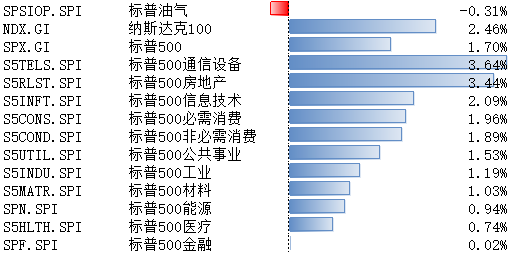
Group 1: Macroeconomic Indicators - The NFIB Small Business Optimism Index for September recorded 98.8%, below the expected 100.6% and the previous value of 100.8% [1] - The NAHB Housing Market Index for October exceeded expectations, recording 37, higher than the expected 33 and the previous value of 32 [2] Group 2: Index Performance - The S&P Oil & Gas Index fell by 0.31% over the past week, while the Nasdaq 100 Index rose by 2.46% and the S&P 500 Index increased by 1.70% [3][4] - All 11 sectors of the S&P 500 Index saw gains, with the Communication Equipment sector leading at 3.64% [4] Group 3: Market Trends and Investment Opportunities - Following a decline, U.S. stocks rebounded last week, with gold prices reaching nearly $4,400, setting a new historical record [5] - Concerns about credit quality arose from reports of regional banks, but the market recovered due to easing tariffs and solid performance from several regional banks [5] - The S&P 500 Index is recognized as a benchmark for U.S. stocks, covering over 500 representative companies across 11 sectors, accounting for approximately 80% of the total market capitalization of U.S. stocks [5]
超120亿,跑了!
中国基金报· 2025-10-22 06:49
Core Viewpoint - On October 21, the stock ETF market experienced a net outflow of over 12 billion yuan, despite a cumulative inflow of over 75 billion yuan in October, indicating a mixed sentiment among investors [2][3][10]. Fund Flow Analysis - The stock ETF market saw a net outflow of over 12 billion yuan on Tuesday, October 21, while the A-share market indices collectively rose [3][6]. - In October, stock ETFs have attracted a total of over 75 billion yuan, with major inflows into thematic ETFs such as Hang Seng Technology, banking, securities, and rare earths [3][10]. - The commodity gold ETFs have gained significant attention, with a net inflow of nearly 23 billion yuan over the last five trading days, and over 6 billion yuan on October 21 alone [3][6]. Top Performing ETFs - The top three ETFs by net inflow on October 21 were: 1. Guotai Coal ETF: 533 million yuan 2. E Fund Sci-Tech 50 ETF: 502 million yuan 3. Huaxia A500 ETF: 374 million yuan [6][8]. - The top 20 ETFs by net inflow included three related to the CSI A500 index and four related to Hong Kong stocks, covering sectors like innovative drugs, technology, dividends, and the internet [7]. Notable Outflows - On the outflow side, 52 ETFs experienced net outflows exceeding 1 billion yuan, with notable losses in the ChiNext, Sci-Tech 50, and CSI 300 ETFs [10]. - The top outflowing ETFs included: 1. ChiNext ETF: -1.218 billion yuan 2. Sci-Tech 50 ETF: -810 million yuan 3. CSI 300 ETF: -757 million yuan [12]. Market Sentiment and Outlook - According to E Fund's fund manager, the domestic macro environment remains stable, and investor risk appetite is improving, leading to increased trading activity in the A-share market [10]. - Guotai Fund suggests that the A-share market is in a "slow bull" trend, with potential in sectors like new energy and technology growth [11].

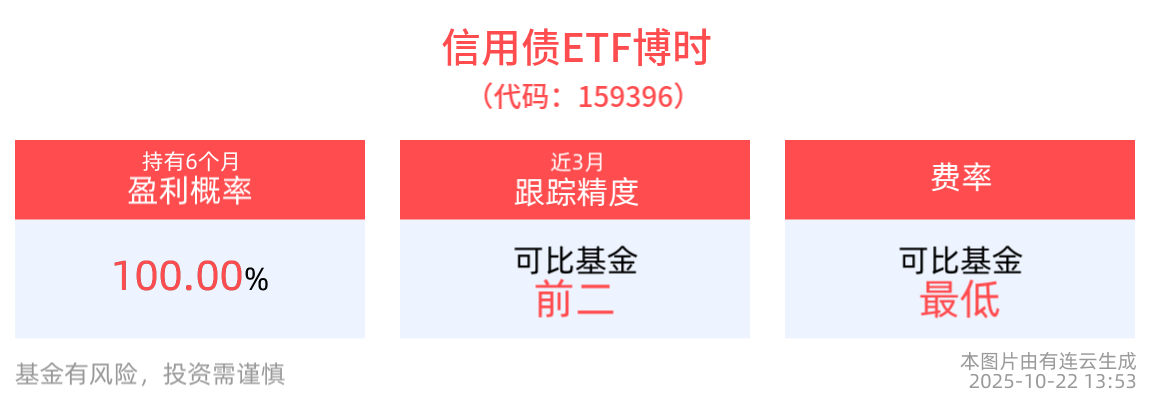
9月地产信用债融资大增9成,信用债ETF博时(159396)今日小幅上涨
Sou Hu Cai Jing· 2025-10-22 06:12
Group 1 - The core viewpoint of the news highlights the performance and trends in the credit bond ETF market, particularly focusing on the BoShi Credit Bond ETF, which has shown a slight increase in value and significant trading volume over the past year [2] - As of October 21, the credit bond ETF BoShi has a recent trading volume of 2.611 billion yuan on average per day over the past year, indicating strong market activity [2] - In September, the total bond financing in the real estate sector reached 56.1 billion yuan, marking a year-on-year increase of 31%, with credit bond financing contributing significantly to this growth [2] Group 2 - The report from CITIC Securities suggests that inflation predictions for 2026 may show a steady increase in PPI, influenced by various economic indicators, while CPI may experience fluctuations [3] - Huaxi Securities notes that the demand for credit bonds may decline in the fourth quarter due to seasonal trends and institutional profit-taking pressures, which could hinder the performance of the credit bond market [3] - The latest scale of the credit bond ETF BoShi is reported to be 10.034 billion yuan, closely tracking the Shenzhen benchmark credit bond index [3]
权益基金业绩爆发,哪些基金大厂亮剑?
Xin Lang Cai Jing· 2025-10-22 04:04
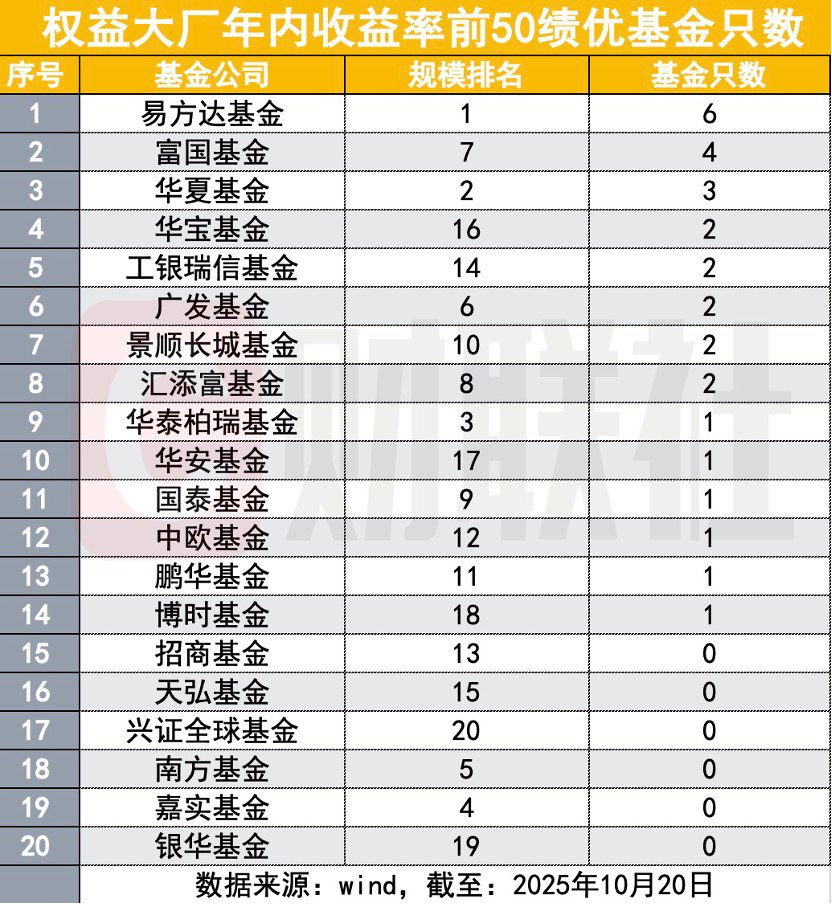
Core Viewpoint - The A-share market has shown signs of recovery in 2023, with public equity funds seizing opportunities for performance improvement, particularly among established fund companies that are transforming their strategies and moving beyond reliance on "star fund managers" [1][4]. Group 1: Market Performance and Fund Company Rankings - As of October 20, 2023, 29 out of the top 50 performing funds in terms of annual returns are from the top 20 equity fund companies, with notable contributions from E Fund (6 funds), Fortune (4 funds), and Huaxia (3 funds) [2][3]. - The average return of active equity funds across all fund companies is 25.93%, with large and medium-sized firms showing better performance due to their comprehensive research and investment systems [6][7]. - The top-performing fund company for the third quarter of 2023 is Zhongou Fund, achieving a return of 41.26%, followed by Huitianfu Fund at 40.28% and E Fund at 39.63% [8][9]. Group 2: Long-term Performance and Strategy Shifts - Over the past five years, the top 20 fund companies have faced varying performance pressures, with Huatai Baichuan leading with a return of 39.3%, followed by Huaxia and Huabao with 36.64% and 32.99% respectively [9][10]. - The industry is witnessing a shift from individual fund manager reliance to a more systematic approach in investment research and operations, aiming for sustainable growth and investor trust [4][6]. - Zhongou Fund's reform in its investment research system emphasizes a collaborative and industrialized approach to enhance long-term performance and adaptability in the market [6][7].
多只通信相关ETF涨超6%丨ETF基金日报
2 1 Shi Ji Jing Ji Bao Dao· 2025-10-22 02:46
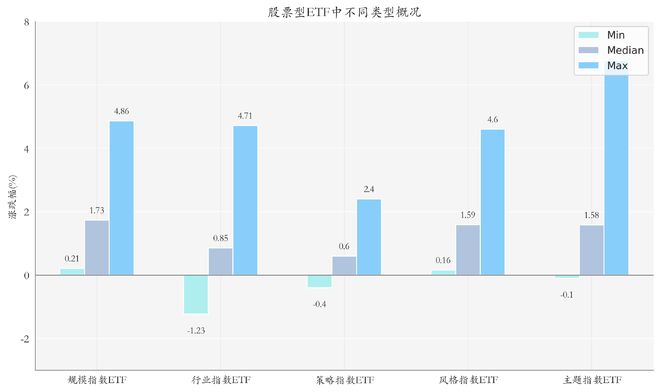
Market Overview - The Shanghai Composite Index rose by 1.36% to close at 3916.33 points, with a daily high of 3919.32 points [1] - The Shenzhen Component Index increased by 2.06% to close at 13077.32 points, reaching a high of 13100.08 points [1] - The ChiNext Index saw a rise of 3.02%, closing at 3083.72 points, with a peak of 3101.93 points [1] ETF Market Performance - The median return for stock ETFs was 1.52%, with the highest return from the Bosera CSI Star Market 50 ETF at 4.86% [2] - The highest performing industry ETF was the Harvest National Communication ETF, returning 4.71% [2] - The top thematic ETF was the China Tai National Communication Equipment ETF, achieving a return of 6.76% [2] ETF Performance Rankings - The top three ETFs by return were: - Guotai CSI National Communication Equipment ETF (6.76%) - Yinhua CSI 5G Communication Theme ETF (6.4%) - Huaxia CSI 5G Communication Theme ETF (6.2%) [4] - The worst performing ETFs included: - Guotai CSI Coal ETF (-1.23%) - Huitianfu CSI Energy ETF (-0.56%) - GF CSI National Energy ETF (-0.43%) [4] ETF Fund Flows - The top three ETFs by inflow were: - Guotai CSI Coal ETF (5.33 billion) - E Fund CSI Star Market 50 ETF (5.02 billion) - Huaxia CSI A500 ETF (3.74 billion) [6] - The largest outflows were from: - Huaxia CSI Star Market 50 ETF (8.1 billion) - Huatai-PB CSI 300 ETF (7.57 billion) - Fuguo CSI A500 ETF (6.25 billion) [6] ETF Margin Trading Overview - The highest margin buy amounts were for: - Huaxia CSI Star Market 50 ETF (710 million) - Guotai CSI National Securities Company ETF (523 million) - E Fund ChiNext ETF (488 million) [8] - The largest margin sell amounts were for: - Huatai-PB CSI 300 ETF (61.76 million) - Southbound CSI 500 ETF (29.19 million) - Southbound CSI 1000 ETF (21.79 million) [8] Industry Insights - Zheshang Securities forecasts steady growth in the communication industry, with a projected revenue increase of 2.8% and a net profit growth of 7.8% in the first half of 2025 [9] - The growth is driven by advancements in AI infrastructure, particularly in segments like optical modules and liquid cooling [9] - Shenwan Hongyuan emphasizes three main lines for 2025 in the communication sector: differentiated computing networks, strengthened satellite industry, and optimized economic cycles [11]