
奔驰

Search documents
汽车视点丨降价超四成,进口豪车承压下行,本土高端品牌迎来机会?
Xin Hua Cai Jing· 2025-07-29 07:56
Core Viewpoint - The recent adjustment of the luxury car consumption tax in China has led to significant changes in the pricing and sales strategies of luxury car brands, particularly affecting high-end imported brands like Porsche and Land Rover, while also providing opportunities for domestic luxury brands to gain market share [1][2][3]. Group 1: Impact of Tax Policy - The luxury car tax threshold has been lowered from 1.3 million yuan to 900,000 yuan, primarily affecting models priced between 1.02 million and 1.45 million yuan, which constitute about 0.1% of the overall car market [2][3]. - Major luxury brands such as Porsche and Land Rover are implementing "full tax subsidy" policies to stimulate sales, with Porsche reporting an increase in orders due to these incentives [1][2]. Group 2: Sales Performance and Market Trends - Porsche's global deliveries fell by 6% in the first half of the year, with a 28.4% decline in the Chinese market from January to May 2023 [4][5]. - Other luxury brands, including Maserati and Mercedes-Benz, also experienced significant sales declines, with Maserati's domestic sales dropping by 43.6% [4][5]. Group 3: Competitive Landscape - Domestic luxury brands are increasingly entering the high-end market, with models like the Hongqi "Guo" series and the Zeekr 009 positioned to avoid the new tax impact due to their pricing strategies [8][9]. - Analysts suggest that the new tax policy may benefit domestic luxury brands more than traditional imported brands, as domestic brands have greater flexibility in pricing and configuration adjustments [8][9]. Group 4: Future Outlook - The luxury car market is undergoing a transformation, with domestic brands like BYD's Yangwang planning to enter the European market, indicating a potential reshaping of the global luxury automotive landscape [9][10].
内幕揭晓:欧盟砸1.35万亿?特朗普胜了,欧洲也会失去三十年
Sou Hu Cai Jing· 2025-07-29 04:50
Core Points - The article discusses a significant economic agreement between the European Union and the United States, highlighting the implications of a $1.35 trillion deal that involves a 15% tariff reduction in exchange for substantial European investments in U.S. energy and military products [1][4][11]. Group 1: Economic Agreement Details - The EU agreed to purchase $750 billion worth of U.S. energy products and invest an additional $600 billion, while also allowing U.S. goods to enter the European market with zero tariffs [4][6]. - The agreement is perceived as a modern version of an unequal treaty, where Europe is seen as conceding to U.S. demands, akin to a robbery scenario where the U.S. reduces tariffs from 30% to 15% in exchange for significant financial commitments from Europe [4][6]. Group 2: Historical Context - The article draws parallels between this agreement and the Marshall Plan, suggesting that the U.S. is once again exerting influence over Europe, but this time for its own economic recovery rather than altruistic reasons [10][11]. - The historical dependency of Europe on U.S. support is emphasized, indicating that this relationship has evolved into one of subservience, particularly in the face of economic threats [13][31]. Group 3: Impact on European Industry - Major European automotive companies, which account for 18% of EU exports to the U.S., face significant profit losses due to the imposed tariffs, amounting to approximately €9.7 billion annually [6][14]. - The acceptance of U.S. industrial standards by the EU is highlighted as a critical aspect of the agreement, which could lead to a loss of control over European industrial production and standards [6][18]. Group 4: Global Economic Implications - The agreement signals a shift in international economic rules, with the U.S. moving away from its previously advocated free trade principles, potentially destabilizing the global economic order [18][20]. - The article notes a trend of companies relocating to countries like Vietnam and Mexico in response to the new tariff environment, indicating a significant shift in global supply chains [20][22]. Group 5: China's Position - The article suggests that as Europe compromises, China has the opportunity to assert its independent development model, contrasting sharply with Europe's dependency on the U.S. [29][34]. - China's approach to trade and development is presented as a viable alternative for countries seeking to avoid U.S. economic pressures, emphasizing cooperation over confrontation [33][34].

都在喷育儿补贴太少?购车政策早已打了个样
3 6 Ke· 2025-07-29 01:06
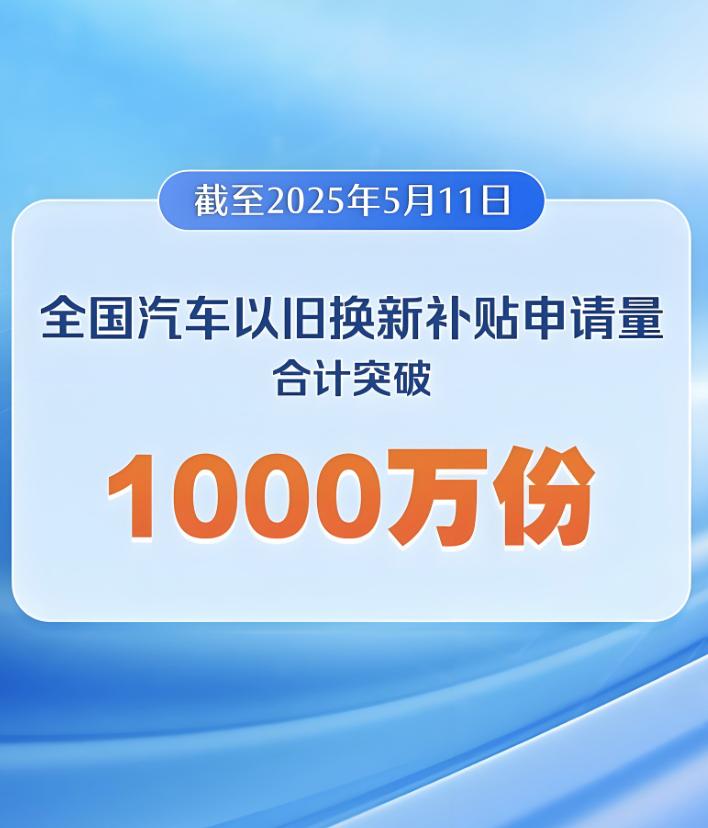
7月28日,国家公布了育儿补贴制度实施方案。方案显示,从2025年1月1日起,无论一孩、二孩、三孩,每年均可领取3600元补贴,直至年满3周岁。 该政策一出引发了热议,多数网友认为每年3600元远低于实际育儿成本。以上海为例,0-17岁孩子平均养育成本超百万元,补贴仅覆盖总成本的1%。中 产家庭更是直言"给100万才考虑生",凸显补贴金额与预期差距巨大。 当舆论场对育儿补贴的效用争论不休时,中国车市却用一组组硬核数据展示了"真金白银"政策组合拳的威力。 截至5月底,汽车"以旧换新"补贴累计申请量突破412万份!在国家战略引领、地方配套加码、车企积极响应形成的"政策红包雨"浇灌下,2025年上半年车 市不仅成功抵御寒流,更迎来结构性增长,其中新能源零售546.8万辆更是成为耀眼亮点。如果从2024年政策推动伊始开始算起,至今的累计申请量已经 突破1000万份。 而随着第三批"以旧换新"资金在7月正式下达,这场"促消费大戏",正为下半年车市注入更强动能,也为理解"育儿补贴是否有效"提供了实际样本。 政策提振车市,成效显著 从2009年"汽车下乡"的初次探索,到2019-2021年"新能源汽车下乡"的深化,再到20 ...
特斯拉加注的新一代电池,上海公司已量产关键新材料,成本比欧洲日本巨头低10%|早起看早期
36氪· 2025-07-29 00:02
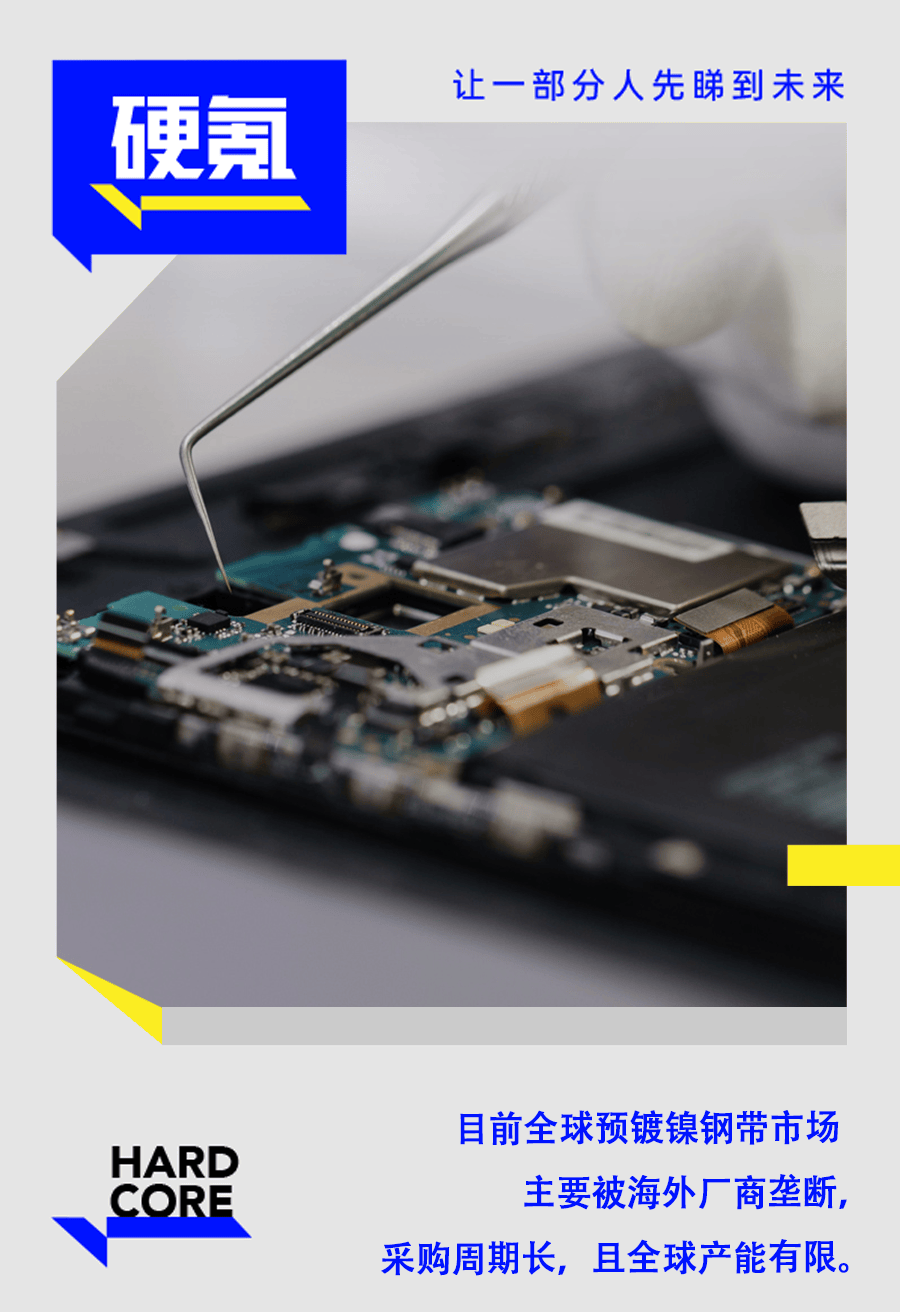
Core Viewpoint - The article highlights the significant market opportunity for Tean Lithium (Shanghai) New Energy Co., Ltd. in the pre-plated nickel steel strip market, which is currently dominated by foreign manufacturers, and discusses the company's recent funding and product developments [4][5]. Company Overview - Tean Lithium was established in July 2023 in Shanghai and has production facilities in Jiangsu and Shandong [4]. - The company has completed nearly 100 million yuan in Series A financing, with funds allocated for production line enhancement and capacity expansion [4]. Market Context - The global pre-plated nickel steel strip market is primarily monopolized by overseas companies, leading to long procurement cycles and limited global capacity, which is significantly below market demand [3][4]. - Tean Lithium aims to leverage its 30 years of industry experience to capitalize on this market opportunity [5]. Product Development - Tean Lithium's core technology is pre-plated nickel, which offers advantages over traditional nickel plating methods, such as more uniform coating thickness and improved corrosion resistance [4][5]. - The company has initiated a project to produce 15,000 tons of cylindrical battery pre-plated nickel steel strips in 2023, with an expected output of 12,000 tons of related products by the end of the year [5]. Competitive Advantage - Tean Lithium's pre-plated nickel products are comparable in performance to those from leading Japanese and European manufacturers, while offering a cost reduction of approximately 10% [5]. - The pre-plated nickel cylindrical batteries are gaining traction among major automotive companies like Tesla, BMW, and Mercedes-Benz, particularly in the electric vehicle sector [5]. Additional Products - Besides pre-plated nickel products, Tean Lithium has commercialized aerogel insulation films, which are used in electronic devices to address overheating issues [6]. - The company is also supplying electromagnetic shielding materials to Samsung and is developing new composite materials for other clients, including Lenovo and BOE [6].
熊猫债发行为何创纪录
Jing Ji Ri Bao· 2025-07-28 21:50
近日,亚洲基础设施投资银行(以下简称"亚投行")在我国银行间债券市场首次发行2年期熊猫债,募 集20亿元人民币。此次熊猫债发行有"两个创纪录"——发行认购倍数创亚投行熊猫债发行纪录,并吸引 了超30家机构参与,创下亚投行熊猫债发行参与机构数量纪录。另外,从投资者分布来看,境外投资者 占比近六成,包括多家曾参与认购亚投行美元债的境外央行及其他官方机构。这折射出境内相对较低的 融资成本与不断优化的制度环境。 (文章来源:经济日报) 熊猫债的扩大发行,也有力推动了人民币的国际化进程。熊猫债体量增加有利于构建起离岸人民币资金 池,同时,跨境使用人民币也将有利于更多境外机构投资者参与中国债券市场,进一步畅通人民币的回 流渠道,建立起人民币国际化使用的闭环,提升人民币的流动性。从中长期看,熊猫债市场不断提质扩 容,对人民币的广泛应用将起到提振作用。而且,熊猫债市场发展会进一步促进人民币境内外流通配套 设施的建设和完善,为人民币国际化打下更坚实的基础。 如今,熊猫债正成为境外机构重要的人民币融资渠道。亚投行、新开发银行等国际开发机构,匈牙利、 埃及等外国政府,以及奔驰、宝马等跨国公司纷纷进入熊猫债市场。熊猫债发行主体区域覆 ...
基于14个主流20万以上品牌看理想市占率变化
理想TOP2· 2025-07-28 09:23
Core Viewpoint - The article analyzes the market share trends of various automotive brands, particularly focusing on Li Auto and its competitors, highlighting fluctuations in market share from January 2023 to June 2025 [1][2]. Market Share Trends - Li Auto's market share increased from 6.97% in January 2023 to a peak of 13.14% in October 2023, before declining to 11.33% and 11.59% in November and December respectively [1]. - In 2024, Li Auto's market share fluctuated between 8.34% and 9.77% until June, when it rose to between 11.17% and 14.36% following the delivery of the L6 model [1]. - By June 2025, Li Auto's market share dropped to 9.35%, indicating a significant decline compared to the previous year [2]. Competitor Analysis - The article notes that while some readers perceive Seres/Wenjie as having a faster iteration speed compared to Li Auto, Seres' market share has not surpassed its peak since February 2024 [3]. - The market share of Seres reached a high of 10.66% in June 2024, but overall sales have not significantly increased despite a higher market share in the 400,000+ price segment [3]. - A comparison of market share changes from July 2024 to June 2025 shows declines for several brands, including Li Auto, NIO, and BMW, while Seres saw a slight increase of 0.38% [4]. Combined Market Share Insights - The combined market share of Li Auto and Seres reached a high of 25.49% in July 2024, suggesting that increases in one brand's share do not necessarily correlate with decreases in the other's [5]. - The expectation is that with the ongoing deliveries of new models, the combined market share of Li Auto and Seres could surpass the previous high of 25.49% [5].


欧美贸易协议或使宝马、奔驰等利润提升40亿欧元
news flash· 2025-07-28 08:15
Group 1 - The core point of the article is that the EU's decision to reduce car import tariffs from 27.5% to 15% is expected to boost profits for European car manufacturers like BMW and Mercedes by €4 billion [1] - Analysts indicate that this trade agreement will significantly benefit the European automotive sector, leading to a rise in stock prices for these companies [1] - Despite the reduction in tariffs, the German automotive industry association warns that the new agreement will still have a detrimental impact on the automotive industry compared to the previous 2.5% tariffs before Trump's trade measures [1]
特斯拉加注的新一代电池,上海公司已量产关键新材料,成本比欧洲日本巨头低10%|硬氪首发
Sou Hu Cai Jing· 2025-07-28 07:22
Group 1 - The core viewpoint of the article highlights the significant market opportunity for Tean Lithium in the pre-plated nickel steel strip sector, which is currently dominated by foreign manufacturers [6][7]. - Tean Lithium has completed nearly 100 million yuan in Series A financing, which will be used for production line supplementation and capacity expansion [6]. - The company has established a strategic supply agreement with South Korea's POSCO, becoming the first domestic supplier in this partnership [6][7]. Group 2 - Tean Lithium's pre-plated nickel process offers advantages over traditional methods, including more uniform coating thickness, reduced internal short circuits, and improved corrosion resistance and airtightness of battery shells [6][7]. - The company plans to launch a 15,000-ton cylindrical battery pre-plated nickel steel strip project in 2023, with an estimated output of 12,000 tons of related products this year [7]. - The demand for pre-plated nickel products is increasing in the electric vehicle sector, with major automakers like Tesla, BMW, and Mercedes showing interest [7][8]. Group 3 - Tean Lithium has also commercialized aerogel insulation films, which are used in electronic devices to address overheating issues during charging and gaming [7]. - The company supplies electromagnetic shielding materials to Samsung's wireless division, which helps reduce precious metal usage and material costs while enhancing performance [8]. - Tean Lithium is also developing new composite materials for other clients, including Lenovo and BOE, and is targeting the new energy vehicle sector for specialized applications [8].
浙江荣泰(603119):主业稳健增长,传动业务卡位优越
Shanxi Securities· 2025-07-28 05:44
Investment Rating - The report assigns an "Accumulate-A" rating for the company, marking its first coverage [1][8]. Core Views - The company's main business is experiencing steady growth, particularly in the transmission sector, which is strategically positioned for future opportunities [1][8]. - The acquisition of a 15% stake in Jinli Transmission expands the company's robotics business footprint, enhancing its product matrix [2][8]. - The company has a robust customer base, including major international automotive manufacturers, which supports its strong cash flow and profitability [4][5][8]. Summary by Relevant Sections Company Overview - The company specializes in high-temperature insulation mica products, primarily for the new energy vehicle sector, with a revenue growth from 522 million to 1.135 billion from 2021 to 2024, reflecting a compound annual growth rate (CAGR) of 29.6% [4][8]. - The net profit increased from 104 million to 230 million during the same period, with a CAGR of 30.2% [4][8]. Financial Performance - As of March 31, 2025, the company reported a gross margin of approximately 35% and a net margin of around 20% [4][8]. - The projected earnings per share (EPS) for 2025, 2026, and 2027 are 0.87, 1.15, and 1.52 respectively, with corresponding price-to-earnings (P/E) ratios of 62.8, 47.7, and 36.0 [8][11]. Market Position and Strategy - The company is well-positioned to leverage its relationships with leading automotive manufacturers to expand its robotics business through strategic acquisitions [4][8]. - The acquisition of a 51% stake in Dizi Precision and the 15% stake in Jinli Transmission are part of the company's strategy to enhance its capabilities in micro transmission components [6][8]. Future Outlook - The company anticipates significant revenue growth, with projected revenues reaching 2.719 billion by 2027, representing a year-on-year growth of 30.8% [11][15]. - The company is expected to benefit from the ongoing industrialization of robotics, positioning it for long-term growth [8].

宏观周度观察:关注7月中央政治局会议的政策接续和长期衔接-20250728
Guo Lian Qi Huo· 2025-07-28 01:42
Report Industry Investment Rating There is no information provided regarding the report's industry investment rating. Core Viewpoints of the Report - China needs to maintain strategic focus in the second half of the year, with an unchanged policy expansion and a focus on boosting domestic demand. The July Politburo meeting is expected to introduce policies in areas such as central government leveraging, improving people's livelihoods, promoting consumption, infrastructure construction, stabilizing the real - estate and stock markets, and addressing over - competition [2]. - The US - Japan trade agreement sets a tariff negotiation template. In the US - EU and US - China trade negotiations, the former may follow the US - Japan model, while the latter will likely focus on consolidating previous agreements [5][7]. - The increase in US average global tariff rates will likely lead to higher - than - expected inflation, causing the Fed to adjust its interest - rate cut plans, with a more cautious and smaller - scale approach [8]. Summary According to the Table of Contents 1. This Week's Macroeconomic Observations 1.1 Focus on the Policy Continuity and Long - term Linkage of the July Politburo Meeting - China faces challenges both externally and internally. The supply - side has issues of "excess stock" and "insufficient increment," and the demand - side suffers from "shrinking external demand" and "weak domestic demand." Policy should focus on addressing over - competition and promoting industrial capacity upgrades, and boost domestic demand through multiple means [2]. - The July Politburo Meeting may announce policies in areas such as expanding domestic demand, accelerating infrastructure, stabilizing the real - estate market, and strengthening anti - over - competition measures. It is also an important node for the "15th Five - Year Plan" [3][4]. 1.2 US - Japan Agreement Reached, Preliminary Model for Trade Negotiation Tariffs Formed - The US is using tariffs as a bargaining chip to achieve multi - dimensional goals. The US - Japan agreement sets a template for future trade negotiations [5]. - In the US - EU trade negotiation, the EU is divided, and the negotiation may follow the US - Japan model. In the US - China trade negotiation, the priority is to "suspend tariff escalation," and the upcoming meeting in Sweden will likely consolidate previous agreements [7]. 1.3 Tariff Rates Higher than Expected, Fed's Interest - Rate Cuts "Scaled Down and More Cautious" - The average US global tariff rate is expected to reach 15% - 21%, higher than the pre - Trump level and market expectations, which will likely lead to higher inflation and force the Fed to adjust its interest - rate cut plans [8]. - Trump's intervention complicates the Fed's decision - making. The Fed's future interest - rate cuts may be more cautious and of a smaller scale, and a rate cut in September is likely [10]. 2. Domestic Key Events and Important Economic Data - The one - year and five - year LPR remain unchanged. The central bank has a net capital injection this week. The government is implementing a subsidy project for the elderly, and measures are being taken to address over - competition in the market [11]. - The growth rate of real - estate loans has rebounded. The "Housing Rental Regulations" will be implemented. China and the US will restart trade talks in Sweden, and China has put forward three proposals for China - EU relations [11]. 3. Overseas Key Events and Important Economic Data - In the US, the initial jobless claims decreased, consumer confidence changed little, inflation expectations declined, and the leading indicator slightly dropped [13]. - In the Eurozone, business activity growth reached an 11 - month high, and corporate inflation expectations decreased. Germany plans large - scale investment, and the EU may cooperate with Japan in rare - earth mining [13]. - In Japan, the ruling coalition lost control of the Senate. The US has reached trade agreements with multiple countries, and South Korea is considering concessions to avoid tariffs [13][16]. 4. Next Week's Key Data/Events - There are various important economic data releases in the US next week, including housing price indices, consumer confidence, GDP, and employment data. China will release the Caixin Manufacturing PMI [17].