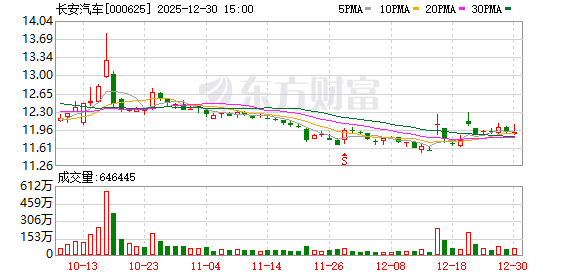
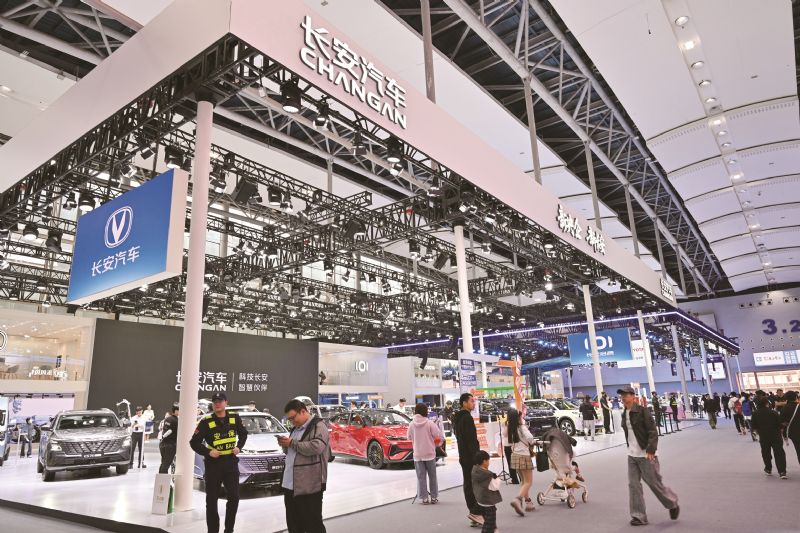
长安汽车

Search documents
重庆固态电池黑马,又融4个亿
3 6 Ke· 2025-12-31 01:00
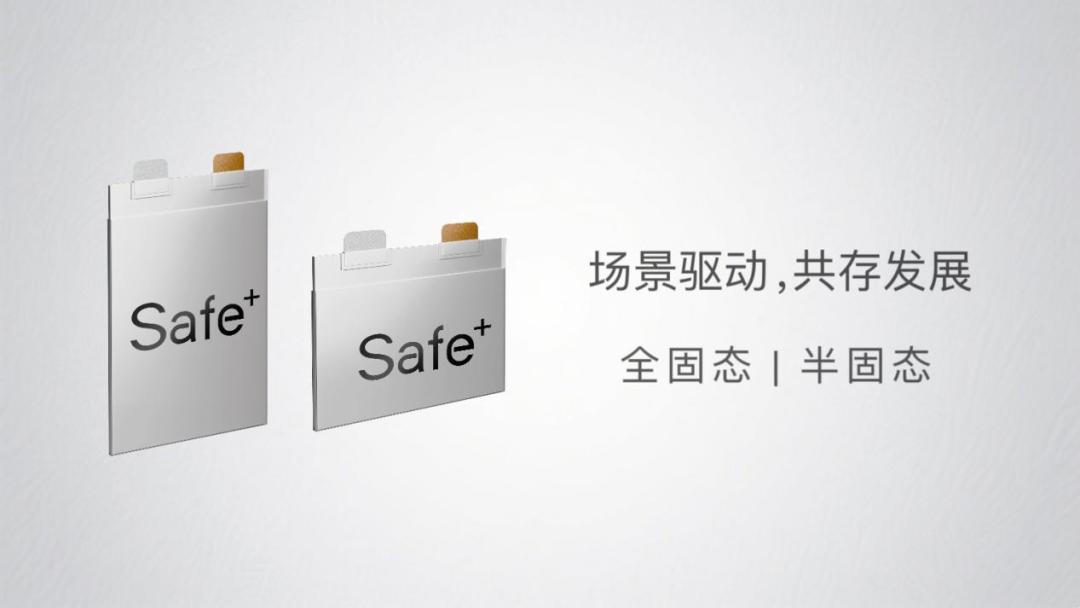
Core Insights - Chongqing Tailan New Energy Co., Ltd. has completed over 400 million yuan in B+ round financing to accelerate the industrialization of automotive-grade solid-state battery products and enhance key technology research and development [1][11] - The company aims to strengthen its talent system and maintain its first-mover advantage in various solid-state battery applications [1][4] Company Background - The founder, Gao Xiang, is a returnee PhD who has extensive experience in solid-state battery development, having worked with Toyota and Oak Ridge National Laboratory [2] - Tailan New Energy was established in 2018, focusing on technological innovation and industrial application of solid-state batteries [2] Technological Advancements - The company has made significant breakthroughs in solid-state battery industrialization, launching the "Safe+" solid-state battery solution and a full range of products that enhance overall performance [4] - Tailan's products have been validated by leading customers in the new energy vehicle, two-wheeler, and energy storage markets, entering the mass delivery phase [6] Strategic Partnerships and Market Position - By 2025, Tailan New Energy is set to participate in a national key research and development program for disruptive technologies and has established strategic partnerships with listed companies [8] - The company is building an industrial ecosystem that integrates core technology, key materials, high-end manufacturing, and application scenarios [8] Investment Landscape - Tailan New Energy has attracted significant investment interest, having completed multiple funding rounds since 2021, including Pre-A, A, A+, A++, and B rounds [9][10] - The recent B+ round financing is seen as a positive indicator of the value of hard-tech companies with core technologies and scalable delivery capabilities [11] Market Potential - The global solid-state battery shipment is projected to reach approximately 5.3 GWh in 2024, a substantial increase of 430% year-on-year, with expectations to reach 614 GWh by 2030 [11] - The Chinese solid-state battery market is expected to grow from 1.7 billion yuan in 2024 to 20 billion yuan by 2030, reflecting a 70% year-on-year growth [11][12] Future Outlook - The application range of solid-state batteries is expanding beyond automotive to include low-altitude economy, humanoid robots, consumer electronics, and energy storage [12] - The Chinese government has identified solid-state batteries as a key area for development, aiming to create 3-5 global leading enterprises by 2027 [12]

60亿,中国长安加码长安汽车
3 6 Ke· 2025-12-31 00:49
Core Viewpoint - The Chinese automotive market is experiencing intense competition, making funding crucial for major automakers like Changan Automobile, which has initiated a new round of refinancing with a planned investment of 6 billion yuan from the newly established state-owned enterprise, China Changan [1][2]. Group 1: Financing and Investment - Changan Automobile plans to raise 6 billion yuan through a private placement of A-shares, with the issuance of 630 million shares at a price of 9.52 yuan per share [2][3]. - The funds raised will be allocated to two main projects: 4.5 billion yuan for the development of new energy vehicles and smart platforms, and 1.5 billion yuan for the construction of a global R&D center [5]. - China Changan, as the indirect controlling shareholder, will increase its stake in Changan Automobile from 35.07% to 38.95% following the completion of the private placement [4]. Group 2: Financial Performance - Changan Automobile's net profit for 2023 is projected to decline by 35.37% to 7.32 billion yuan, despite a 3.58% increase in revenue to 114.9 billion yuan in the first three quarters [9]. - The company achieved a cumulative sales volume of 2.6582 million vehicles from January to November, representing a year-on-year growth of 9.25%, with new energy vehicle sales increasing by 54.66% [10]. Group 3: Subsidiary Developments - Changan's subsidiaries, Deep Blue Automobile and Avita, are actively seeking funding through various means, including capital increases and IPOs [2][14]. - Deep Blue Automobile raised 6.122 billion yuan through a capital increase, with Changan contributing 3.122 billion yuan, while also maintaining a 50.9959% stake [11][12]. - Avita, backed by Changan, CATL, and Huawei, is facing challenges in achieving significant market breakthroughs, with cumulative losses projected to reach 11.3 billion yuan from 2022 to 2024 [15].

走车企,看中国汽车产业的“三个三千万”(深度观察)
Ren Min Wang· 2025-12-31 00:42
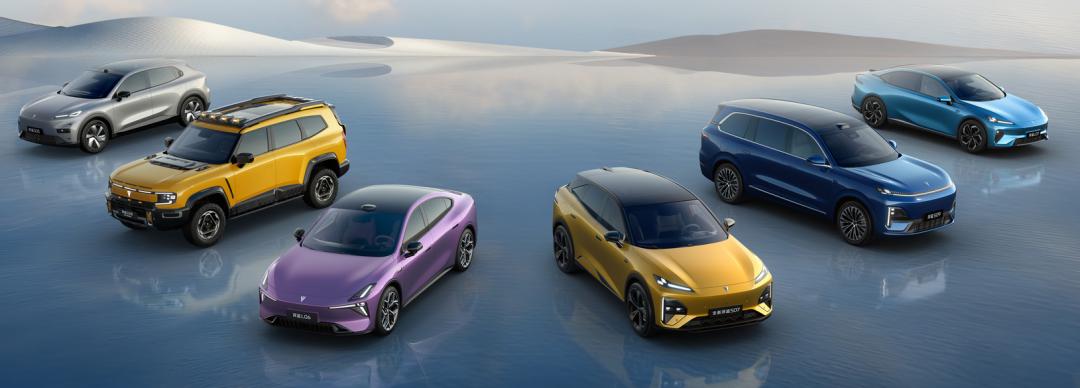
Core Insights - The automotive industry in China is experiencing significant growth, with three major companies achieving the milestone of producing 30 million vehicles each, highlighting the strength of Chinese manufacturing and market vitality [1] Group 1: China Changan Automobile - Changan Automobile achieved the production of its 30 millionth vehicle in December 2025, marking a rapid growth from 20 million to 30 million in just 4.5 years [2] - The company emphasizes self-research in core technologies, having established a global R&D network and applied for over 14,000 patents in the last three years [2][3] - Changan has developed a multi-brand matrix to cater to diverse consumer needs, aiming for over 1 million sales in new energy vehicles by 2025 [3] Group 2: FAW-Volkswagen - FAW-Volkswagen has produced over 30 million vehicles since its establishment 34 years ago, generating over 5.5 trillion yuan in revenue and creating over 500,000 jobs [6] - The company is transitioning to a "Joint Venture 2.0 Era," focusing on independent R&D and local supply chain management, with 155 innovation projects initiated in 2025 [7][9] - FAW-Volkswagen is collaborating with Huawei on advanced driver assistance systems, showcasing its shift from technology importation to independent development [8] Group 3: NIO - NIO has positioned itself in the high-end electric vehicle market, achieving significant delivery milestones for its ES8 model, with over 40,000 units delivered within 100 days of launch [10][11] - The company has invested nearly 70 billion yuan in R&D, developing a comprehensive technology stack and applying for over 9,900 patents [11][12] - NIO has innovated in business models, introducing battery swapping and a full lifecycle service concept, enhancing customer engagement and operational efficiency [12][13]

2025年汽车行业研究报告
艾瑞咨询· 2025-12-31 00:04
Core Insights - The automotive industry is undergoing significant transformation, with domestic brands emerging as the primary growth engine, and new energy technologies reshaping value rules and pricing strategies [1][2][4] Group 1: Domestic Brand Growth - Domestic brands have become the sole growth driver in the automotive market, with sales increasing by 20.3% year-on-year, translating to a net increase of 1.855 million vehicles, contributing to a 9.2% overall market growth [2][4] - The share of domestic brands in the market has risen significantly, with their market share increasing from 90% to 97% in the under 100,000 yuan segment [8] Group 2: Pricing and Value Restructuring - The application of new energy technologies has led to a redefinition of pricing standards, where product value now supersedes brand symbolism [4][6] - The competition landscape is shifting towards price tier management, with a focus on cost reduction and efficiency becoming a new operational challenge [9][8] Group 3: Advertising and Marketing Trends - Overall advertising investment in the automotive industry has decreased compared to the previous year, with a notable contraction in the number of advertisers [12][14] - The luxury segment (vehicles priced above 300,000 yuan) accounted for 41.3% of advertising investment, while the mainstream market (10,000-200,000 yuan) represented 38.5% [17] Group 4: AI and User Engagement - Baidu's automotive ecosystem is leveraging AI to enhance user experience and marketing workflows, with a 5.3% increase in automotive search volume and a 34.4% rise in user reading volume [25][21] - AI is transforming the search engine into an AI engine, reshaping user interaction and content consumption patterns [37][39] Group 5: User Behavior and Decision-Making - The average decision-making period for users has shortened, with a 37.5% increase in the number of models compared during the search process [48][53] - Users are increasingly favoring content that provides strong comparative references and purchase recommendations, indicating a shift towards more informed decision-making [53][48]

长安汽车280万辆年销目标11月已实现95% 中国长安包揽60亿定增加码智能化
Chang Jiang Shang Bao· 2025-12-30 23:21
Core Viewpoint - Changan Automobile plans to raise up to 6 billion yuan for investment in new energy vehicles and R&D projects, aiming to enhance its competitiveness in the electric vehicle market [2][8]. Group 1: Fundraising and Investment Plans - Changan Automobile announced a new fundraising proposal to raise no more than 6 billion yuan, which will be fully subscribed by its indirect controlling shareholder, China Changan Automobile Group [2][8]. - The funds will be allocated to the "New Energy Vehicle and Intelligent Platform Development Project" (total investment of 9.095 billion yuan, with 4.5 billion yuan from this fundraising) and the "Global R&D Center Construction and Core Capability Enhancement Project" (total investment of 1.731 billion yuan, with 1.5 billion yuan from this fundraising) [8]. - The issuance will involve up to 630 million shares, representing no more than 30% of the company's total share capital before the issuance, with China Changan's stake potentially increasing to 38.95% post-issuance [8]. Group 2: Sales Performance and Growth - In the first 11 months of 2025, Changan Automobile's sales reached 2.6582 million units, a year-on-year increase of 9.25% [4][11]. - The company's self-owned brand sales accounted for approximately 85% of total sales, while new energy vehicle sales made up about 37% [5][12]. - Changan has achieved about 95% of its annual sales target, indicating a strong likelihood of exceeding its goal of producing and selling over 2.8 million vehicles in 2025 [6][13]. Group 3: Financial Health and Debt Management - As of September 2025, Changan Automobile reported total assets of 185.63 billion yuan and total liabilities of 106.83 billion yuan, resulting in a debt-to-asset ratio of 57.55% [9]. - The company anticipates that the completion of the fundraising will enhance its financial strength, increase total assets and net assets, and reduce the debt-to-asset ratio, thereby optimizing its financial structure [9].
雷军跨年直播将拆车;特斯拉第900万辆电动汽车下线丨汽车早参
Mei Ri Jing Ji Xin Wen· 2025-12-30 23:04
丨2025年12月31日星期三丨 NO.1 长安汽车拟定增募资不超60亿元 12月29日晚间,长安汽车发布预案,拟募资不超60亿元,由间接控股股东中国长安汽车集团有限公司以 现金方式全额认购。发行价9.52元/股,拟发6.3亿股,限售期严格。其中,45亿元募资将用于新能源车 型及数智平台开发,15亿元募资将用于全球研发中心建设及核心能力提升。 NO.3 雷军跨年直播将拆车 12月30日,小米集团创始人、董事长兼CEO雷军微博预告12月31日晚跨年直播将现场拆车,应网友建议 拆YU7,边拆边聊硬核跨年。 点评:雷军在跨年直播中拆车的创意活动,不仅增加了小米汽车与用户之间的互动,也展示了品牌的透 明度和自信。通过现场拆解YU7,雷军直面消费者关切,同时强调了小米在严峻市场环境下的交付能 力。这种独特的市场营销模式可能吸引潜在买家的关注。 NO.4 特斯拉第900万辆车在上海超级工厂下线 据特斯拉微博消息,12月30日,特斯拉全球第900万辆电动车在上海超级工厂下线,下线车辆为一台 Model Y。 点评:特斯拉在上海超级工厂下线的第900万辆电动车,反映出其制造效率和在市场份额上的稳固地 位。随着产量的提升,特斯 ...


走车企 看中国汽车产业的“三个三千万”(深度观察)
Ren Min Ri Bao· 2025-12-30 22:04
Core Insights - The automotive industry in China is experiencing significant growth, with three major milestones of 30 million vehicles produced by FAW-Volkswagen, Changan Automobile, and overall industry production, highlighting the strength of Chinese manufacturing and market vitality [1][2][7]. Group 1: Changan Automobile - Changan Automobile achieved the production of its 30 millionth vehicle in December 2025, marking a rapid growth from 20 million to 30 million in just 4.5 years [2][3]. - The company emphasizes core technology research and development, establishing a global R&D network and applying for over 14,000 patents in the last three years [3][4]. - Changan has developed a multi-brand matrix to cater to diverse consumer needs, aiming for over 1 million sales in new energy vehicles by 2025 [4][5]. Group 2: FAW-Volkswagen - FAW-Volkswagen has produced over 30 million vehicles since its establishment 34 years ago, generating over 5.5 trillion yuan in revenue and creating over 500,000 jobs [7][8]. - The company is transitioning to a "Joint Venture 2.0 Era," focusing on independent research and development, with 155 innovation projects launched in 2025 [8][9]. - FAW-Volkswagen is collaborating with Huawei on advanced driving assistance systems, showcasing a shift from technology importation to independent development [9][10]. Group 3: NIO - NIO has seen significant demand for its high-end ES8 model, achieving over 40,000 deliveries within 100 days of launch [11][12]. - The company has invested nearly 70 billion yuan in R&D, developing a comprehensive technology stack and applying for over 9,900 patents [12][13]. - NIO is innovating in business models and user engagement, establishing over 8,400 charging and battery swap stations across China [13][14].
破解“内陆困局” 构筑“价值高地”——“十四五”期间重庆辖区上市公司蝶变观察
Shang Hai Zheng Quan Bao· 2025-12-30 19:19
Core Viewpoint - During the "14th Five-Year Plan" period, the Chongqing Securities Regulatory Bureau has focused on serving the real economy, preventing financial risks, and deepening reform and opening up, leading to a significant increase in both the quantity and quality of listed companies in the region, thereby injecting strong momentum into the high-quality development of Chongqing's economy [1] Group 1: Growth of Listed Companies - As of September 2025, the number of listed companies in Chongqing reached 78, an increase of 20 from 58 at the beginning of 2021, covering various stock exchange segments [1] - The total market capitalization of listed companies surpassed 1.25 trillion yuan, reflecting a growth of 28.87% since the end of 2020 [1] - Key performance indicators such as total revenue, R&D investment, and tax contributions have seen significant improvements, with R&D investment increasing by 127.45% over five years and the number of effective patents growing by 133.93% [1] Group 2: Institutional Innovation - Chongqing has utilized institutional reconstruction to address the "inland development dilemma," transforming capital power into institutional productivity, providing a replicable model for other inland cities [2] - The integration of resources between China National Pharmaceutical Group and Tai Chi Group in the pharmaceutical sector has broken down industry barriers, showcasing deep integration between central enterprise capital and local market networks [2] - The light asset transformation of China Communications Construction Company has improved asset turnover by 37%, shifting focus from "land development" to "urban operation," providing a replicable path for urban renewal in the Chengdu-Chongqing economic circle [2] Group 3: Bankruptcy Restructuring - For companies in operational difficulties, Chongqing has adopted a more challenging path through legal and market-oriented bankruptcy restructuring, exemplified by Jinke Properties' transformation into a comprehensive real estate operator [3] - The Chongqing Securities Regulatory Bureau emphasizes that bankruptcy restructuring is not an endpoint but a test of the long-term governance capabilities of the capital market [3] Group 4: Innovation Ecosystem - Chongqing's innovation has transitioned from "input quantity" to "ecological" stages, establishing an innovation ecosystem rooted in industry [3] - Leading companies like Changan Automobile have made significant breakthroughs, such as establishing the first national key laboratory for intelligent vehicle safety technology, marking a shift from "following" to "defining" safety standards in China's intelligent automotive sector [3] - Collaborative laboratories between Chongqing University, Southwest University, and Changan Automobile have achieved a technology conversion rate of 42%, significantly higher than the national average of 28% [3] Group 5: Green Transformation - The number of listed companies in Chongqing disclosing sustainability reports has doubled since 2021, reaching 41, indicating a growing integration of environmental responsibility into corporate governance [5] - Companies like Seres have achieved the highest MSCI ESG rating of AAA, attracting international capital and facilitating entry into the EU market [5] - The issuance of innovative green bonds linked to carbon reduction by companies like Sanfeng Environment has transformed green finance into a dynamic value creation mechanism [5] Group 6: Strategic Positioning - Chongqing's listed companies have found a clearer positioning within the national strategy, actively participating in regional coordinated development and the construction of the new western land-sea corridor [6] - The integration of data platforms has significantly reduced financing approval times for companies, enhancing regional collaboration [6] - Chongqing's leading enterprises are transitioning from "product export" to "standard export," with Changan Automobile leading the formulation of international standards [6] Group 7: Future Development - The achievements during the "14th Five-Year Plan" period lay a solid foundation for the development of Chongqing's listed companies in the "15th Five-Year Plan" period, with goals to elevate from an "industrial highland" to an "innovation source" [7] - Chongqing aims to deepen exploration and establish a western science and technology financial reform pilot zone, integrating R&D expenses into the ESG evaluation system [7]

2025: 大风大浪里的中国与世界
Sou Hu Cai Jing· 2025-12-30 17:05
Group 1: Anti-Competition Measures - The core focus of the 2025 economic work report is the comprehensive rectification of "involution-style" competition, emphasizing legal governance of low-price disorderly competition and guiding companies to enhance product quality [1] - The newly revised Anti-Unfair Competition Law and Price Law provide institutional support for the "anti-involution" initiative, which has shown positive results in various sectors including platform economy, automotive, photovoltaic, and power batteries [1][2] - The photovoltaic industry has seen the establishment of a "polysilicon capacity integration acquisition platform," and manufacturers of lithium iron phosphate cathode materials have collectively raised prices [1] Group 2: State-Owned Enterprise Reform - 2025 marks the concluding year of the deepening reform of state-owned enterprises, with significant progress reported by the State-owned Assets Supervision and Administration Commission [2] - The reform has led to a clearer strategic function, more standardized corporate governance, and more scientific and effective state asset supervision [2] Group 3: Private Economy Promotion Law - The "Private Economy Promotion Law," effective from May 20, 2025, is China's first foundational law specifically for the development of the private economy, establishing multiple systems to promote fair competition and protect rights [3] Group 4: Local Government Debt Resolution - The resolution of local government debt risks is progressing rapidly, with a plan to replace 10 trillion yuan of hidden debts over five years, achieving nearly 6 trillion yuan in debt replacement by the end of 2025 [4] - The balance of hidden local government debt is expected to drop from 14.3 trillion yuan at the end of 2023 to below 8 trillion yuan by 2025, with significant savings in interest expenses [4] Group 5: Special Long-Term Bonds - The issuance of special long-term bonds reached 1.3 trillion yuan in 2025, an increase of 300 billion yuan from 2024, with 800 billion yuan allocated to support major projects and 500 billion yuan for expanding consumption policies [5] - The bonds have gained favor among institutions, showcasing their advantages in long-term investment and resource allocation [5] Group 6: Consumption Promotion Initiatives - The "Consumption Promotion Special Action Plan" launched in March 2025 includes seven major actions aimed at increasing residents' income and improving consumption quality [6][7] - The plan emphasizes stable employment and reasonable growth of wage income, marking a shift towards demand-side policies [6] Group 7: Social Security Regulations - 2025 is a pivotal year for the social security system, with new regulations encouraging flexible employment and ensuring comprehensive coverage for all workers [8] Group 8: A-Share Market Performance - The Shanghai Composite Index reached 4,000 points for the first time in ten years, driven by a recovery in the technology sector and supported by state funds [8][9] - A-share trading volume exceeded 400 trillion yuan for the first time, with total market capitalization surpassing 100 trillion yuan [9] Group 9: Gold Price Surge - Gold prices experienced a historic rise, reaching a peak of 4,550 USD per ounce, with a year-to-date increase of 70% [10] - The surge is attributed to macroeconomic factors, geopolitical tensions, and significant purchases by central banks [10] Group 10: Innovation in AI and Robotics - The introduction of the "Innovation Growth Layer" on the Sci-Tech Innovation Board has accelerated the IPO process for unprofitable companies, marking a significant step in capital market support for technology innovation [11] - The robotics industry saw a surge in new orders, indicating a shift from concept to practical applications in 2025 [12] Group 11: Changes in the Food Delivery Industry - The food delivery sector underwent significant changes with the entry of new players like JD.com and the upgrade of Ele.me, leading to increased competition and consumer choice [13] Group 12: Challenges in the Animation Industry - The success of "Nezha 2" with a box office of 15.446 billion yuan highlights the rise of Chinese animation, but the industry still faces challenges in global recognition and talent shortages [14][15] Group 13: Regulatory Changes in the Charging Industry - A safety crisis in the charging industry led to the implementation of stringent new regulations, resulting in a significant reshaping of the market [16] Group 14: Automotive Industry Marketing Issues - The automotive market is facing intense competition and marketing irregularities, prompting regulatory responses to restore order and promote healthy industry growth [17]

对话|深蓝汽车邓承浩:L2级跨越到L3级 责任主体发生转变
Xin Jing Bao· 2025-12-30 13:50
Core Insights - Changan Automobile's Deep Blue has received the first batch of L3 conditional autonomous driving vehicle permits from the Ministry of Industry and Information Technology, with 46 L3 vehicles officially on the road in Chongqing as of December 26 [2] - The L3 autonomous driving technology is still in the exploratory phase, focusing more on B-end applications rather than C-end [2][7] Group 1: Financial and Operational Insights - Deep Blue has nearly achieved breakeven and aims to enter a self-sustaining profit cycle while reducing its debt ratio [3] - The recent C-round financing will be allocated to three main areas: new generation technology supply, brand positioning, and enhancing marketing capabilities [3] Group 2: Market Outlook - The company is cautiously optimistic about the automotive market in the coming year, expecting positive growth driven by domestic demand and supportive policies [4] - The automotive industry is transitioning from high-speed growth to a phase of low-speed but high-quality development, emphasizing the need for companies to enhance their capabilities [4] Group 3: Regulatory and Responsibility Insights - The responsibility for traffic accidents involving L3 vehicles will be more complex, with liability determined based on existing traffic regulations [6][7] - The L3 vehicles will initially be available in high-end models, with plans for broader adoption as technology advances and costs decrease [7] Group 4: Technical and Development Insights - The next generation of L3 vehicles aims to control cost increases to within 30,000 yuan, with potential for further cost reduction at scale [7] - Deep Blue plans to conduct large-scale road trials to enhance system capabilities and develop L3 and L4 functionalities for future models [7]