三星

Search documents
消费电子出海国别机会洞察
特易资讯· 2026-01-13 06:10
1. Report Industry Investment Rating No relevant content provided. 2. Core Viewpoints of the Report - The consumer electronics industry will undergo a comprehensive upgrade from products to ecosystems. Technological advancements will make devices smarter and more flexible, and environmental protection will become a key requirement. The global consumer electronics market is rapidly differentiating, with emerging markets presenting new opportunities [64]. - Chinese consumer electronics exports face new development opportunities in 2024, with emerging markets playing an increasingly important role. Green compliance and local production are crucial for companies to break through [4]. 3. Summary by Directory 3.1 China's Overall Consumer Electronics Export Situation - In 2024, China's consumer electronics exports had new opportunities. For example, the total export value of laptops was about $78.8 billion, a year - on - year increase of 4.1%. Chinese consumer electronics led globally with full - industrial - chain advantages and technological iteration capabilities [4]. - Emerging markets such as Southeast Asia, Latin America, and the Middle East had increasing contributions. Smartphones dominated in some emerging markets, while wireless headphones and power banks grew explosively in Africa and Southeast Asia through cross - border e - commerce. Green compliance and local production became key factors for companies [4]. 3.2 Export Statistics of Major Chinese Consumer Electronics from 2022 to June 2025 3.2.1 Smartphones - From 2022 to 2024, the total export value of smartphones decreased slightly from $137.31 billion to $133.08 billion. In the first half of 2025, the main export destinations were Hong Kong, China, the US, and Japan, accounting for 47.7% of the total export volume. Japan and the Netherlands had relatively large export increments [6]. 3.2.2 Tablets - From 2022 to 2024, the total export value of tablets decreased from $30.55 billion to $23.34 billion. In the first half of 2025, the main export destinations were Hong Kong, China, the US, and Japan, accounting for 58.5% of the total export volume. Singapore and Japan had relatively large export increments [9]. 3.2.3 Laptops - From 2022 to 2024, the total export value of laptops decreased and then remained stable, from $95.94 billion to $78.85 billion. In the first half of 2025, the main export destinations were the US, the Netherlands, and Japan, accounting for 43.2% of the total export volume. Japan and India had relatively large export increments [12][15]. 3.2.4 Wireless Headphones - From 2022 to 2024, the total export value of wireless headphones first decreased and then increased, from $10.1 billion to $9.85 billion. In the first half of the 2025, the main export destinations were the US, the Netherlands, and Hong Kong, China, accounting for 42.5% of the total export volume. Australia and Germany had relatively large export increments [18]. 3.2.5 Power Banks - From 2022 to 2024, the total export value of power banks decreased from $2.13 billion to $1.86 billion. In the first half of 2025, the main export destinations were the US, Germany, and the Netherlands, accounting for 22% of the total export volume. Mexico and Thailand had relatively large export increments [21][24]. 3.2.6 Multi - Speaker Speakers - From 2022 to 2024, the total export value of multi - speaker speakers remained stable, slowly decreasing from $4.36 billion to $4.04 billion. In the first half of 2025, the main export destinations were the US, the Netherlands, and Germany, accounting for 35.8% of the total export volume. The Netherlands and Poland had relatively large export increments [27]. 3.3 Analysis of Consumer Electronics Procurement and Supply in Emerging Markets from January to June 2025 3.3.1 Russia - From January to June 2025, there were 156 purchasers, 202 suppliers, 5,900 transactions, and the transaction amount was about $400 million. The average transaction amount per purchaser was $2,589,234, with an average of 37 transactions and an average transaction cycle of 142 days. The average transaction amount per of the top 800 suppliers was $1,971,085, with an average of 27 transactions and an average transaction cycle of 145 days [34]. 3.3.2 Mexico - From January to June 2025, there were 164 purchasers, 316 suppliers, 4,500 transactions, and the transaction amount was about $200 million. The average transaction amount per purchaser was $1,217,639, with an average of 28 transactions and an average transaction cycle of 121 days. The average transaction amount per supplier was $581,756, with an average of 12 transactions and an average transaction cycle of 142 days [37]. 3.3.3 Vietnam - From January to June 2025, there were 1,000 purchasers, 2,000 suppliers, 70,000 transactions, and the transaction amount was about $2.25 billion. The average transaction amount per purchaser was $2,244,470, with an average of 69 transactions and an average transaction cycle of 65 days. The average transaction amount per of the top 1000 suppliers was $2,244,746, with an average of 67 transactions and an average transaction cycle of 64 days [44]. 3.4 Briefing on Relevant Policies for Consumer Electronics Imports in Emerging Markets 3.4.1 Russia - It is the 11th largest economy globally, with a growing consumer electronics market but relying on imports. China is the main source of its consumer electronics imports. It has differential tariff policies, requires EAC certification, and restricts parallel imports. Importers are required to use rubles for settlement [52][58]. 3.4.2 Mexico - It is the second - largest consumer electronics market in Latin America. There is a significant "near - shore manufacturing" trend. It has zero - tariff policies for locally assembled products, and all products need NOM certification. There are also tax incentives for new - energy logistics and solar energy transformation in warehousing [55][56]. 3.4.3 Vietnam - It is the fastest - growing consumer electronics market in Southeast Asia. It has differential tariff policies, requires import model registration, and offers tax incentives for foreign technology companies [60]. 3.5 Future Development of the Global Consumer Electronics Industry - The industry will experience a comprehensive upgrade from products to ecosystems. Technology will make devices smarter, and environmental protection will be a hard requirement. The global market pattern is differentiating, and companies need to adopt different strategies in different markets [64]. 3.6 Appendices - Include the top 50 lists of consumer electronics purchasers in Russia, Mexico, and Vietnam [66][68][70].
智能手机同比增2%!消费电子ETF(159732)下跌1.93%,信维通信跌8%
Mei Ri Jing Ji Xin Wen· 2026-01-13 05:53
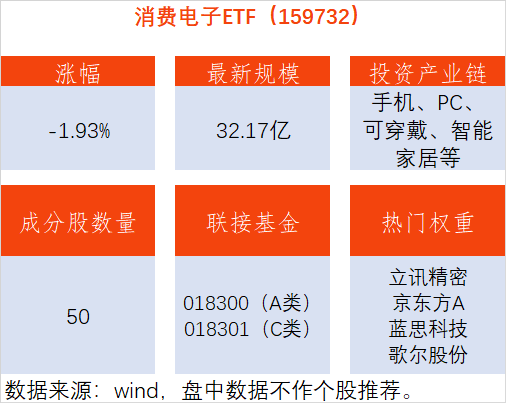
Group 1 - The A-share market experienced a collective decline on January 13, with the Shanghai Composite Index dropping by 0.26% during the session [1] - The biotechnology, precious metals, and cultural media sectors showed strong performance, while aerospace and chemical fiber sectors faced significant declines [1] - The Consumer Electronics ETF (159732) fell by 1.93%, with individual stocks like Baiwei Storage, Sanhuan Group, and Zhaoyi Innovation showing gains of 3.11%, 2.31%, and 1.41% respectively, while Hengxuan Technology saw a decline of 8.86% [1] Group 2 - According to Counterpoint Research, global smartphone shipments are expected to grow for the second consecutive year in 2025, with a year-on-year increase of 2% [3] - Apple leads the market with a historical high of 25% market share in global shipments, while Samsung holds the second position with 17% [3] - Strong demand for AI is driving growth in PCB prices and volumes, with many AI-PCB companies experiencing robust orders and planning significant expansions, indicating potential high growth in Q4 and next year [3]


机构:2025Q4苹果以全球出货市占率1/4居首,三星17%居次
Mei Ri Jing Ji Xin Wen· 2026-01-13 05:20
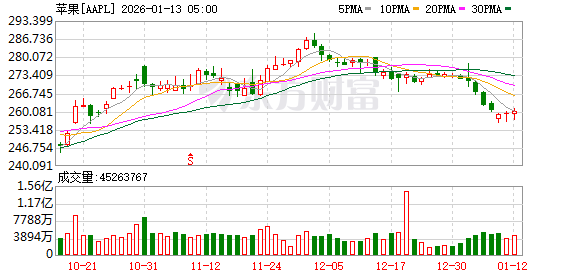
每经AI快讯,1月13日,根据Counterpoint Research市场监测的初步数据,2025年全球智能手机出货量连 续第二年实现增长,同比增长2%。2025年全年市场整体保持增长态势,主要由支付方案与有效营销推 动的高端化趋势,以及新兴市场5G设备普及率提升所带动。2025年Q4智能手机出货量以相对温和的态 势收官,受此前季度库存积压影响,同比仅增长1%。苹果以全球四分之一的出货量市场份额在该季度 领先,创历史新高,三星以17%的市场份额位居次席。 (文章来源:每日经济新闻) ...

OpenAI 1亿美元收购医疗AI初创公司Torch,ChatGPT Health迎来“最强大脑”
Zhi Tong Cai Jing· 2026-01-13 04:38
智通财经获悉,继推出ChatGPT Health后,OpenAI今日正式宣布完成对医疗保健初创公司Torch的收 购。这家由四名员工于去年创立的企业,专注开发可将实验室检测结果、用药信息及就诊录音等多维度 医疗数据统一整合的解决方案。据公开报道,本次收购交易金额约1亿美元,且Torch全体成员已确认将 加入OpenAI团队。 在微软(MSFT.US)与软银(SFTBY.US)的双重战略支持下,OpenAI于上周正式推出医疗健康领域新产品 ChatGPT Health。据公司官方声明,该产品核心目标在于赋能用户——通过智能化健康管理工具,让用 户对自身健康状态实现"更全面的知情度、更充分的准备度及更坚定的信心"。 Torch 表示:"我们创办 Torch,是为了给 AI 构建一份医疗记忆,把分散的记录统一进一个上下文引 擎,帮你看清全貌、串联线索,并确保重要信息不再被噪音淹没。如今,我们加入 OpenAI,以更大规 模实现这一愿景,这是仅凭我们无法做到的。" OpenAI在社交媒体平台X上发布动态称:"将这一创新工具与ChatGPT Health深度融合,为理解和管理 个人健康开辟了全新路径。" 过去几年,大型 ...
开年第一炸:Vision Pro被曝半停产,「空间计算」故事讲不下去了?
3 6 Ke· 2026-01-13 03:20
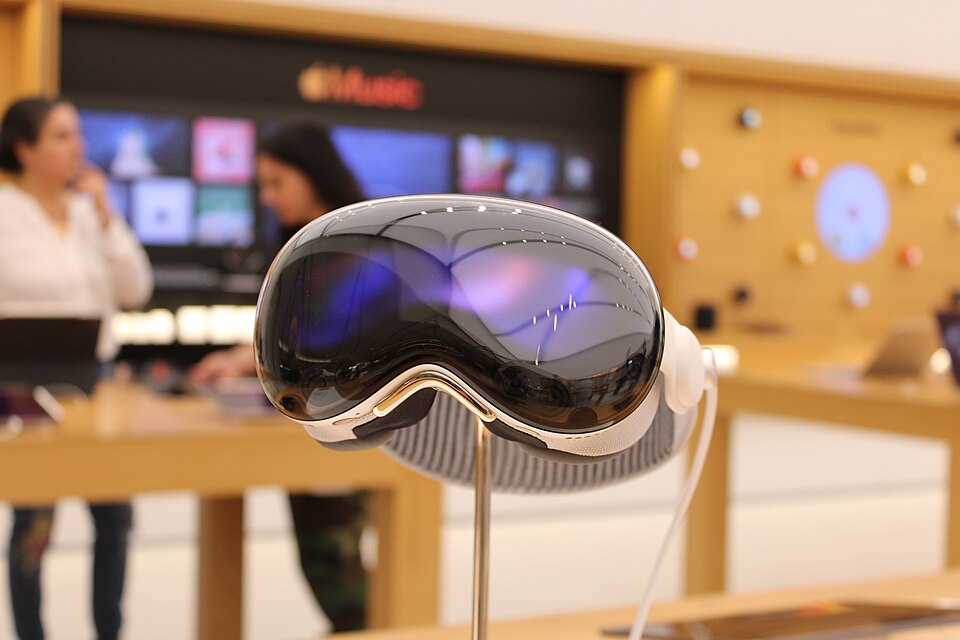
Core Viewpoint - Apple's Vision Pro appears to be in a state of decline, with reports indicating that the company has largely halted maintenance and development for the product, suggesting it may not see further releases in the next two to three years [1][3]. Group 1: Product Status and Market Position - Vision Pro has reportedly entered a semi-production phase, maintaining only minimal capacity and parts lines for future maintenance needs [1]. - The product, once seen as a flagship for ushering in a "post-iPhone era," has quickly devolved into a mere reference model within two years of its launch [3]. - Apple's shift in focus from immersive headsets to lightweight AR glasses indicates a significant pivot away from the already struggling XR market [3]. Group 2: Pricing and Consumer Perception - The initial pricing of Vision Pro was set at $3,499 in the U.S. (approximately 24,000 yuan), 29,999 yuan in mainland China, and €3,999 (around 32,000 yuan) in the EU, which positioned it beyond mainstream accessibility [4]. - The high price point was intended to establish Vision Pro as a "professional tool," but it failed to deliver corresponding productivity or unique experiences, leading consumers to opt for more practical alternatives [4]. Group 3: Developer Challenges and Ecosystem Issues - Developers have expressed frustration with Vision Pro's restrictive development environment, including stringent privacy limitations and a lack of direct access to camera feeds, which stifles innovation [6][8]. - The absence of compatibility with established XR ecosystems like OpenXR and reliance on proprietary frameworks has resulted in a cycle of "no applications—no users—fewer applications," further isolating Vision Pro from potential growth [8]. - The lack of official peripherals, such as controllers, has hindered developers from creating engaging applications, as existing XR ecosystems are primarily built around controller-based interactions [8]. Group 4: Competitive Landscape - As Apple retreats from the XR space, Samsung has introduced its Galaxy XR, which is seen as a potential successor to Vision Pro, although it faces similar challenges regarding user experience and application availability [11][13]. - Galaxy XR's reliance on the Android XR ecosystem provides it with a broader application library, but it still struggles with issues like high pricing and fragmented development environments [13][14]. Group 5: Future Outlook - The failure of Vision Pro serves as a lesson for Apple, emphasizing the importance of aligning advanced technology with user needs and market realities [15]. - Future AR glasses from Apple may reflect a more cautious approach, leveraging the existing Apple ecosystem to create interconnected experiences across devices like iPhone, MacBook, and iPad [15].
OpenAI1亿美元收购医疗AI初创公司Torch,ChatGPT Health迎来“最强大脑”
Zhi Tong Cai Jing· 2026-01-13 03:16
OpenAI在社交媒体平台X上发布动态称:"将这一创新工具与ChatGPT Health深度融合,为理解和管理 个人健康开辟了全新路径。" 越来越多的科技公司正瞄准利润丰厚的医疗保健市场,押注人工智能的进步能够帮助解析用户健康数据 中的模式,以提供个性化的医疗建议。但这些举措也引发了人们对AI服务处理更敏感的个人数据、并 为更高风险的健康问题提供建议所带来的隐私和安全风险的担忧。 继推出ChatGPT Health后,OpenAI今日正式宣布完成对医疗保健初创公司Torch的收购。这家由四名员 工于去年创立的企业,专注开发可将实验室检测结果、用药信息及就诊录音等多维度医疗数据统一整合 的解决方案。据公开报道,本次收购交易金额约1亿美元,且Torch全体成员已确认将加入OpenAI团 队。 在微软(MSFT.US)与软银(SFTBY.US)的双重战略支持下,OpenAI于上周正式推出医疗健康领域新产品 ChatGPT Health。据公司官方声明,该产品核心目标在于赋能用户——通过智能化健康管理工具,让用 户对自身健康状态实现"更全面的知情度、更充分的准备度及更坚定的信心"。 Torch表示:"我们创办Torc ...
每日投资策略-20260113
Zhao Yin Guo Ji· 2026-01-13 02:14
Global Market Overview - The Hang Seng Index closed at 26,608, up 1.44% for the day and 3.82% year-to-date [1] - The Hang Seng Tech Index rose by 3.10% for the day and 6.29% year-to-date, indicating strong performance in the technology sector [1] - The Shanghai Composite Index increased by 1.09% for the day and 4.95% year-to-date, reflecting positive sentiment in the Chinese market [1] Hong Kong Stock Performance - The Hang Seng Financial Index closed at 50,080, with a slight increase of 0.14% year-to-date [2] - The Hang Seng Industrial Index saw a rise of 2.26% for the day and 4.53% year-to-date, indicating robust performance in industrial stocks [2] - The Hang Seng Real Estate Index increased by 1.02% for the day and 6.95% year-to-date, suggesting a positive trend in the real estate sector [2] Chinese Market Dynamics - Chinese stocks saw gains, particularly in consumer discretionary, information technology, and materials sectors, while energy, finance, and utilities lagged [3] - Southbound capital recorded a net inflow of 7.306 billion HKD, with notable net purchases in Kuaishou, Tencent, and Xiaomi [3] - A surge in demand for storage chips is impacting the testing and packaging industry, with companies raising prices due to high capacity utilization [3] U.S. Market Insights - U.S. stocks opened lower but closed slightly higher, with consumer staples, industrials, and materials leading the gains [3] - The U.S. Department of Justice is investigating Federal Reserve Chairman Jerome Powell, which initially pressured the market but was mitigated by reassurances from the White House [3] - Google’s market capitalization surpassed 4 trillion USD, and Apple announced plans to use Google’s Gemini model for future AI products, indicating significant developments in the tech sector [3] Investment Trends - Emerging market ETFs attracted a net inflow of 3.97 billion USD, with Chinese ETFs leading in capital attraction, reflecting growing investor interest in Chinese assets [3] - The demand for AI data centers is reshaping the DRAM market, with AI-related demand accounting for 50%-60% of the market, indicating a structural shift in supply and demand dynamics [3]
全球最大的液冷展会来了|2026深圳国际液冷产业展会及论坛
Sou Hu Cai Jing· 2026-01-13 01:51
Group 1 - The 2026 Shanghai International Liquid Cooling Industry Exhibition will take place from December 9-11, 2026, at the Shanghai New International Expo Center [3] - The 2026 China (Shenzhen) International Liquid Cooling Industry Technology Exhibition is scheduled for June 10-12, 2026, at the Shenzhen International Convention and Exhibition Center [3] - The 2026 Suzhou Exhibition will occur from September 16-18, 2026, at the Suzhou International Expo Center [5] Group 2 - The rapid growth of big data has increased the demands on data center servers, necessitating higher power density in server cabinets [14] - Liquid cooling technology is becoming essential for data center efficiency, especially with the rise of 5G, edge computing, and AI applications [14][18] - The exhibitions aim to showcase the latest products and technologies in the liquid cooling industry, attracting professional audiences from data centers, power, electronics, edge computing, AI, and renewable energy sectors [14] Group 3 - The 2026 IDC exhibition is expected to cover an area of 15,000 square meters and will feature participation from major organizations such as the National Supercomputing Center in Shenzhen and Tencent [18] - Various technical exchange activities will be held during the IDC 2026 exhibition, focusing on industry hot topics and promoting diversified marketing strategies [19] - The exhibition will include a wide range of products covering cooling liquids, refrigerants, and various cooling devices, showcasing over a thousand new products across the entire industry chain [56] Group 4 - Shenzhen Angpai Technology Co., Ltd. is currently in the A-share IPO guidance stage, with plans to expand production capacity and R&D investment to capture market growth in liquid cooling [66] - The company has a registered capital of 90 million RMB and aims to leverage its professional R&D team and partnerships with universities to enhance its technological capabilities [66][68] - Angpai Technology's product offerings include liquid cooling module design, thermal management system integration, and innovative compressor technologies, with a focus on high reliability and efficiency [71][72]
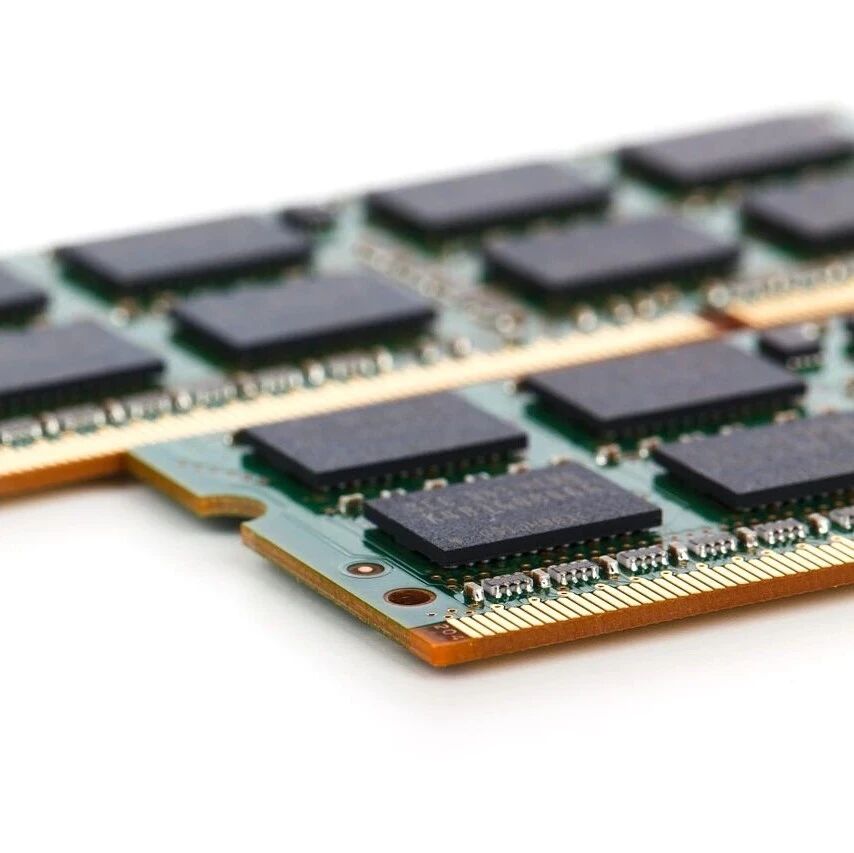
DDR5内存价格,高得离谱
半导体行业观察· 2026-01-13 01:34
Core Viewpoint - The price of DDR5 memory is continuously rising, driven by increasing demand in the artificial intelligence sector, with prices in the Korean market reaching up to $500 for a single memory stick and even higher for entry-level kits [1][2]. Group 1: Memory Price Trends - In the Korean market, a 16GB DDR5-5600 memory stick is priced around 270-300 USD, while a 32GB DDR5-5600 kit ranges from 450-500 USD [1]. - Entry-level memory kits supporting Intel XMP and AMD EXPO are priced between 500 to 650 USD, significantly higher than a few months ago when similar kits could be purchased for much less [2]. - The U.S. market is expected to see a significant price increase, with an average rise of 30% anticipated within a month, aligning with industry expectations [2]. Group 2: Impact on Smartphone Manufacturing - The BOM cost for smartphones is projected to increase by 25% by 2026 due to skyrocketing DRAM prices, with mobile LPDDR RAM prices rising over 70% and NAND flash prices doubling [5]. - Memory costs have risen from 10-15% of total smartphone manufacturing costs to 20%, impacting manufacturers who may need to reduce specifications or pass costs onto consumers [6][7]. - Major companies, including Apple, are facing challenges due to DRAM shortages, with reports of executives negotiating directly with manufacturers to secure supplies [5][7]. Group 3: Long-term Outlook - The memory shortage is expected to persist until at least Q4 2027, indicating a prolonged period of high prices and supply constraints [7].
台积电在美国,再建5座晶圆厂
半导体行业观察· 2026-01-13 01:34
Core Viewpoint - The Trump administration is finalizing a trade agreement with Taiwan that aims to reduce tariffs on Taiwanese exports and encourage significant investments from Taiwan's largest chip manufacturer, TSMC, in the U.S. [1][2] Group 1: Trade Agreement Details - The agreement is expected to lower U.S. tariffs on Taiwanese goods to 15%, aligning with the tariff rates agreed upon with Japan and South Korea [1]. - TSMC has committed to building at least five additional semiconductor factories in Arizona, effectively doubling its presence in the state [1][2]. - The negotiations have been ongoing for several months and are currently undergoing legal review, with an announcement anticipated this month [1]. Group 2: TSMC's Investment Plans - TSMC has already established one factory in Arizona since 2020, with a second factory under construction set to begin operations in 2028, and plans for four more factories in the coming years [2]. - The total investment by TSMC in the U.S. is projected to reach $165 billion, including a previously announced $100 billion investment [5][6]. Group 3: U.S.-Taiwan Trade Relations - The trade negotiations have faced challenges, particularly regarding tariff disputes, with Taiwan's products currently subject to a 20% tariff on imports to the U.S. [2][3]. - The U.S. government has exempted semiconductors and many electronic products from tariffs under national security provisions [2][3]. - Taiwan's government has reached a broad consensus on the trade agreement, which includes tariff reductions and favorable treatment under Section 232 of U.S. trade law [3].