宝马

Search documents
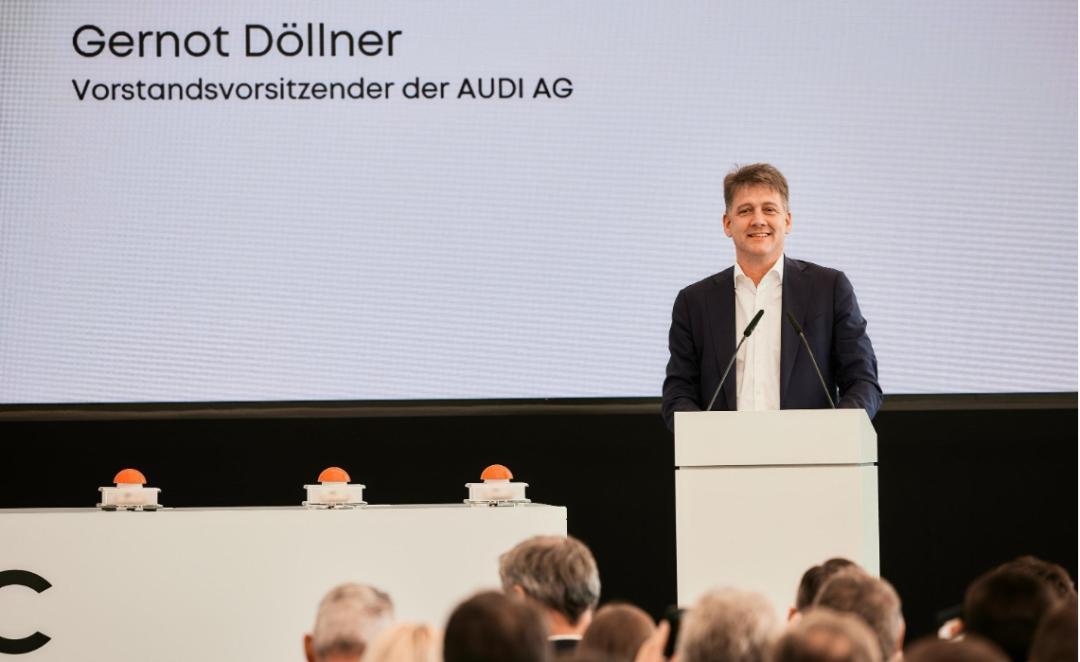
向现实低头,奥迪撤回全面电动化目标
3 6 Ke· 2025-06-19 03:45
Core Viewpoint - Traditional automotive giants are collectively retreating from aggressive electric vehicle (EV) commitments, signaling a shift towards a more pragmatic approach in the face of market realities [1][3][14] Strategic Retreat - Audi has officially withdrawn its goal for full electrification by 2033, abandoning a clear timeline for phasing out internal combustion engines [1] - The cancellation of Audi's "odd-even naming system" in early 2025 is seen as a metaphor for the contraction of its electrification strategy [4] - The closure of Audi's Brussels factory, a historical site for EV production, highlights the challenges faced in the electric vehicle market, with Q8 e-tron sales declining significantly [4][6] Market Realities - Audi's global sales are projected to drop by 11.8% in 2024, the largest decline among major competitors, with electric vehicle sales down 8% to 164,000 units, representing only 9.81% of total sales [6] - The cancellation of EV subsidies in Germany has led to a 33% drop in Audi's domestic electric vehicle sales, reflecting broader market weaknesses in Europe [6] - The overall European EV market has seen a decline of 10.8% in July 2024 and a staggering 43.9% in August 2024, marking the lowest sales in three years [6] Dual-Track Strategy - Audi plans to introduce 10 plug-in hybrid models by 2025, allowing for a transitional approach while meeting emission regulations [8] - The SSP platform will be designed to accommodate both electric and combustion engines, providing flexibility to adjust production based on market conditions [8][10] - Other traditional automakers are also adopting a dual-track strategy, balancing electric and combustion models to mitigate risks associated with a full transition to electric vehicles [10] Technological and Economic Considerations - The transition to full electrification poses significant supply chain challenges for major manufacturers, with electric vehicle production costs being substantially higher than their combustion counterparts [7] - The reliance on software development has hindered the rollout of new electric models, as seen with Audi's Q6 e-tron delays due to issues at its software subsidiary [6][10] Market Adaptation - Audi is pursuing a more aggressive strategy in the Chinese market, collaborating with local companies to develop tailored electric vehicle offerings [11] - The shift in strategy reflects a broader industry trend where traditional automakers are reassessing their approaches to electrification, focusing on profitability and sustainability rather than solely on electric vehicle production [13][14]

汽车反“内卷”第二枪打响:车企承诺“60天返利”治理拖延症
Bei Ke Cai Jing· 2025-06-19 01:17
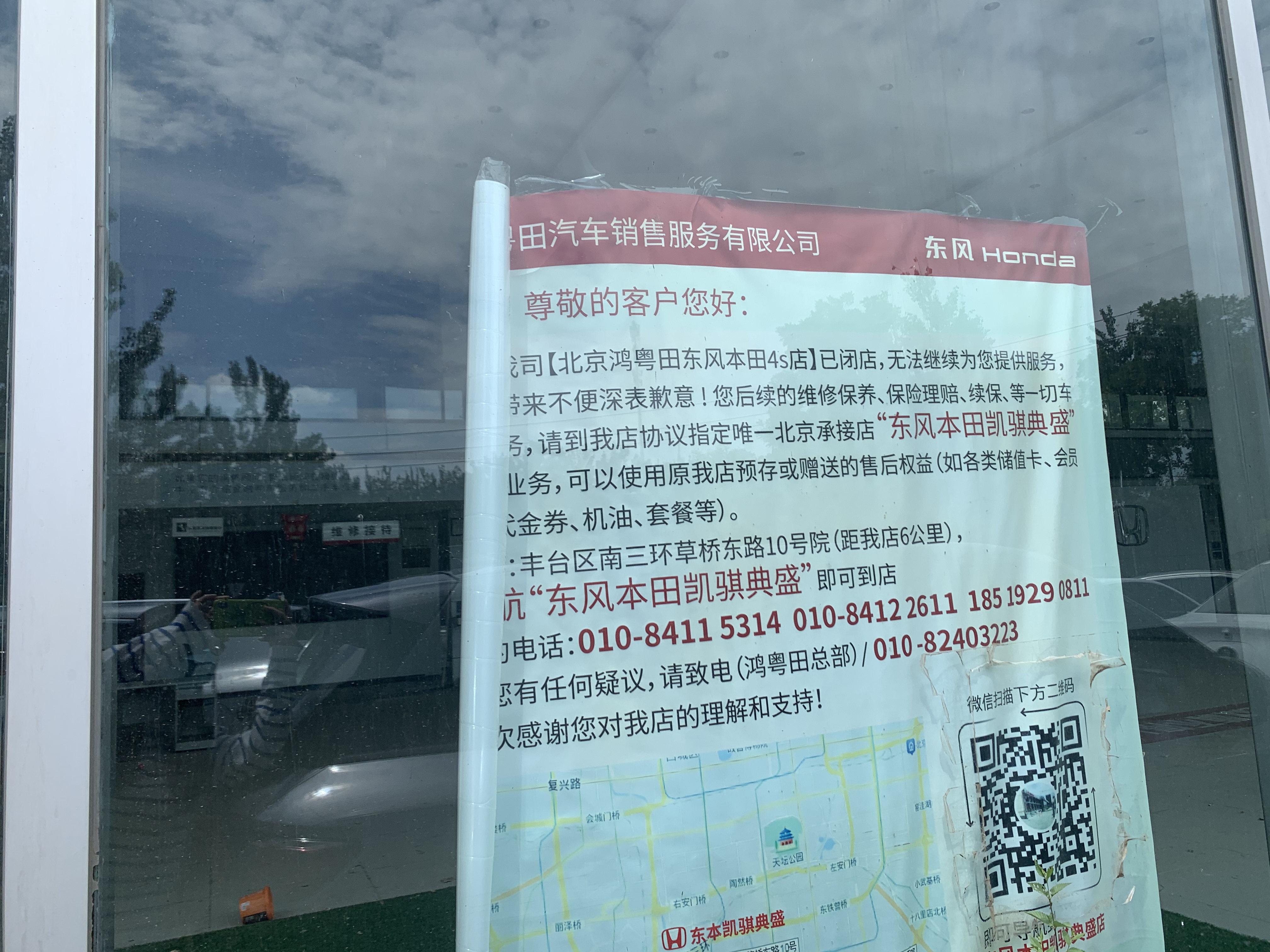
Core Viewpoint - The automotive industry is experiencing a severe "price war," prompting dealers to optimize operations and seek survival and transformation opportunities [1] Group 1: Industry Developments - In June, 17 automakers publicly committed to a "60-day payment term" for suppliers, marking the beginning of a response to internal competition [2] - GAC Group announced a commitment to ensure "60-day rebate payment" to dealers, responding to the call for healthy industry development [5] - Several major manufacturers, including GAC Group, BMW, and others, have pledged to complete rebate payments to dealers within 60 days [3][4] Group 2: Dealer Conditions - A survey of 10 dealerships revealed a stark contrast in operational conditions, with 6 facing difficulties and some having closed, while 4 reported better performance [3][9] - Dealers are experiencing a significant decline in profitability, with some reporting annual losses between 6 million to 10 million yuan [10][18] - The traditional profit model for dealers, heavily reliant on new car sales and after-sales services, is becoming unsustainable due to increased competition and price transparency [18] Group 3: Inventory and Financial Management - High inventory levels are a pressing issue, with some brands having stock that exceeds three months, leading to financial strain on dealers [20][24] - The average inventory turnover days for several major dealer groups have increased, indicating a growing challenge in managing stock [22] - A significant percentage of dealers (84.4%) are facing price inversion, with 60.4% experiencing a price drop of over 15%, severely impacting cash flow [31] Group 4: Strategic Responses - Dealers are urged to prioritize cash flow management, seek timely rebates from manufacturers, and optimize inventory structures to avoid financial collapse [32] - The industry is expected to undergo a "Matthew effect," with weaker brands and inefficient stores likely to exit the market, while stronger dealer groups may expand through acquisitions [33] - The Ministry of Commerce is taking steps to address the "involution" in the automotive sector, aiming to maintain fair competition and support the industry [34]
雷军手动点赞,中国车手勒芒赛“一飞”冲天
3 6 Ke· 2025-06-18 23:32
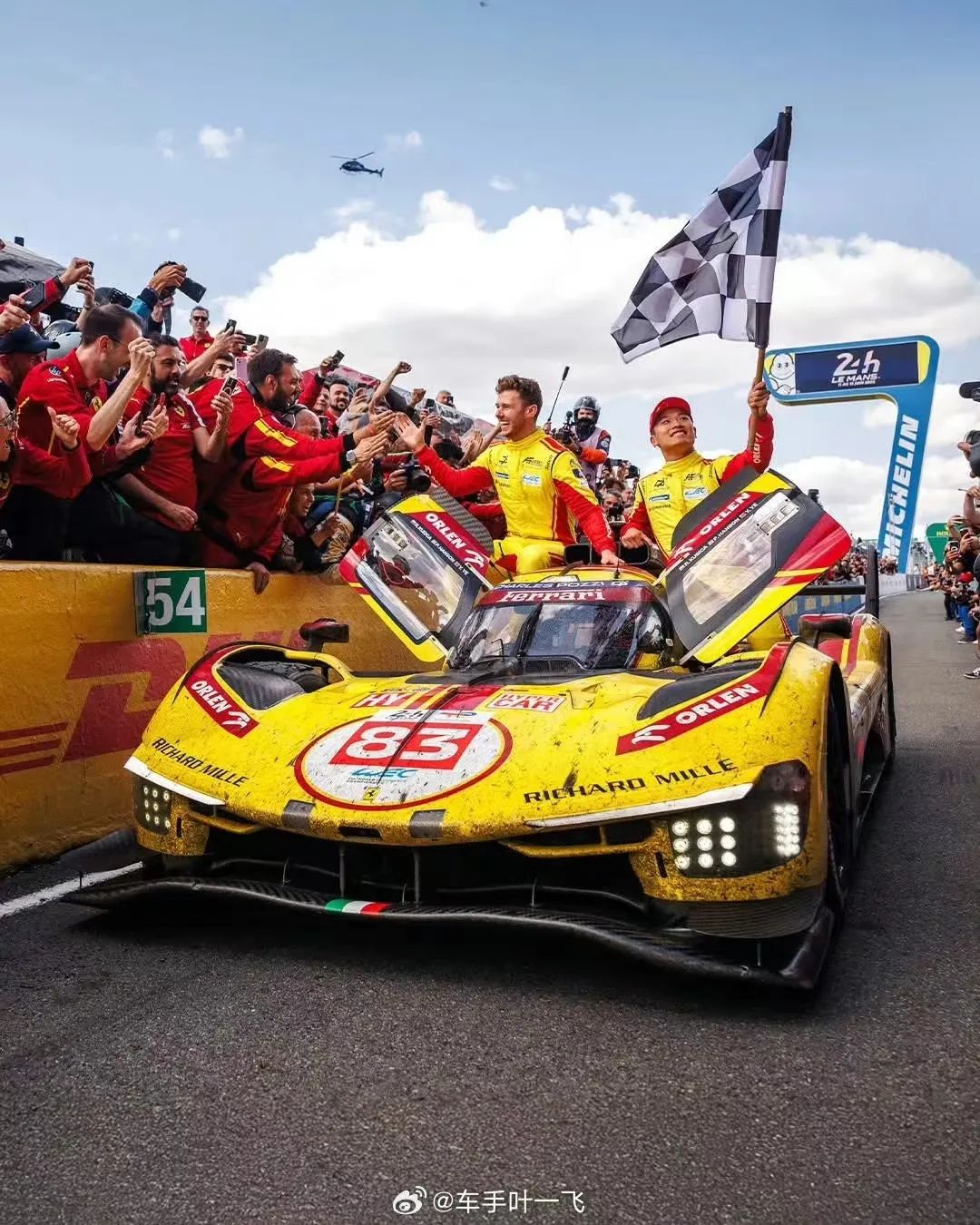
创办于1923年,勒芒24小时耐力赛与F1、WRC(世界汽车拉力赛)并称为世界汽车三大赛。不同于传统的汽车竞速赛事通过固定距离来比拼最少用时, 勒芒赛在固定24小时用时的前提下比拼行驶的圈数,在兼顾速度的情况下,将焦点放在了赛车的可靠性以及燃料利用的高效性比拼上。汽车的燃油、轮 胎、刹车系统、悬挂等各种硬件,包括赛车手的耐力和体能都将在24小时当中面临高强度的考验。 24小时可以做什么?在勒芒,可以开五千公里的车! 北京时间6月15日,当征战过F1的波兰老将库比卡驾驶法拉利499P赛车轻松跑完最后一圈,象征完成比赛的黑白格子旗在赛道上挥舞,勒芒24小时耐力赛 (以下简称勒芒赛)在法国西北小城勒芒结束史上第93届赛事。代表法拉利出战的AF Corse车队第83号车组以14.084秒的优势率先完成387圈(5272.54公 里),为法拉利拿下队史12冠,实现2023-2025三连冠。 当83号赛车缓缓驶过人群,车上一个中国面孔成为场上焦点。叶一飞,一位来自西安的00后车手,挥舞着黑白格子旗,尽情庆祝着自己刚刚完成的成就: 勒芒赛102年历史上首位夺得全场总冠军的中国车手,就连小米董事长雷军也在个人微博上为叶一飞送 ...

特斯拉下乡,宝马狂降18万,防晒衣不防晒,618你消费了啥?
Sou Hu Cai Jing· 2025-06-18 13:18
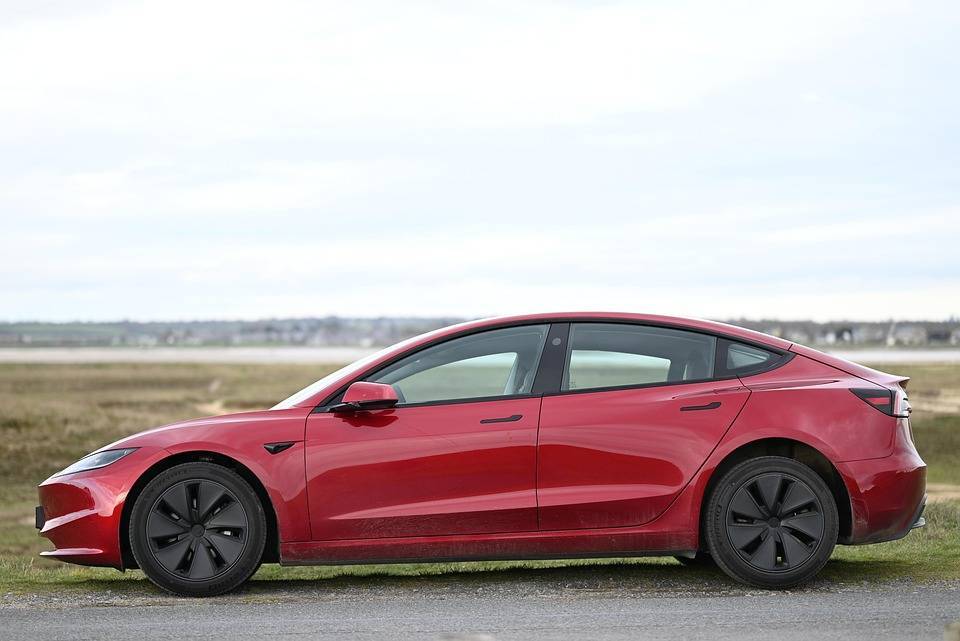
Group 1: Tesla and New Energy Vehicles - The Ministry of Industry and Information Technology, along with other government bodies, has launched a campaign for new energy vehicles to enter rural markets, with 124 models including Tesla's Model 3 and Model Y being selected [1] - Tesla's entry into the rural market is driven by increasing demand for quality, performance, and environmental attributes among rural consumers, supported by improved infrastructure and stable electricity coverage [1] - Tesla's pricing strategy aligns well with the needs of rural consumers, providing an attractive purchasing option and enhancing its competitive edge in this market [2] Group 2: Luxury Car Market Dynamics - The automotive industry is experiencing a price war, with traditional luxury brands like Mercedes-Benz and BMW facing declining sales, prompting them to seek partnerships with local Chinese companies [4][5] - In 2024, the combined global investment of luxury brands (BBA) is projected to exceed €35 billion (approximately ¥270 billion), indicating their commitment to maintaining competitiveness in the Chinese market [4] - The ongoing price reductions by luxury brands create challenges for new entrants in the automotive market, suggesting that the competition is far from over [5] Group 3: Consumer Trends and Product Categories - During the 618 shopping festival, sunscreen clothing emerged as a hot-selling category, with various subcategories being highlighted on e-commerce platforms [7] - The UPF (Ultraviolet Protection Factor) is a critical factor for consumers when purchasing sunscreen clothing, but the increasing number of small and unregulated manufacturers has led to inconsistent UPF labeling [7][8] - The high-end ice cream market in China is becoming increasingly competitive, with Häagen-Dazs facing challenges from brands like DQ, which offers lower prices and a larger number of stores [10] Group 4: Digital Transformation in E-commerce - Digital influencers have transitioned from being supplementary to primary figures in live-streaming sales, with a penetration rate exceeding 60% in the market [13] - JD.com's digital influencers have shown a significant impact on sales, with an average conversion rate increase of 30% during the 618 shopping festival [14] - The ability of digital influencers to operate continuously without downtime provides a competitive advantage in the e-commerce landscape [14] Group 5: Consumer Behavior and Market Impact - The national subsidy program has stimulated consumer spending in various categories, but its recent tapering has led to a split in consumer behavior, with some rushing to purchase before the subsidy ends [16][17] - The subsidy program has primarily benefited larger brands and distributors, exacerbating the market divide and impacting smaller players negatively [17] - The emotional consumption trend among younger consumers is driving significant market growth, with the emotional consumption market projected to reach ¥1.2 trillion this year [19]
加大科技创新债券、绿色债券支持力度!车企“60天账期”获配套融资新支撑
Hua Xia Shi Bao· 2025-06-18 09:05
Group 1 - The automotive industry is responding to government calls to shorten payment terms to 60 days, aiming to avoid "involution" competition and improve financial conditions for companies [2][6] - A meeting was held on June 16 by the Trading Association to support high-quality development in the automotive sector, with major automakers and underwriters participating to discuss financing needs and challenges [2][3] - Nine automakers, including FAW, SAIC, BYD, and NIO, committed to a 60-day payment term for suppliers, highlighting the industry's efforts to optimize financing environments [2][3] Group 2 - The Trading Association emphasized the introduction of new financing tools, such as technology innovation bonds and green bonds, to enhance the convenience of bond financing for automotive companies [3][5] - Green bonds are specifically aimed at funding environmentally beneficial projects, with a total issuance of 375 green bonds amounting to 188.37 billion yuan by the Shenzhen Stock Exchange by the end of 2024 [3][4] - The automotive industry is capital-intensive and requires long-term funding for R&D and production, especially during the transition to electrification and smart technologies [4][5] Group 3 - The commitment to a 60-day payment term is part of a broader effort to alleviate financial pressure on upstream suppliers and stabilize the supply chain [6][8] - GAC Group has pledged to complete dealer rebate payments within two months, which is crucial for maintaining dealer stability and ensuring customer service [6][7] - The automotive industry is experiencing significant challenges, with over 4,000 dealers exiting the market in 2024 due to financial pressures, highlighting the need for improved cash flow and support [7][8] Group 4 - The Trading Association aims to strengthen bond market infrastructure and product innovation to better serve the automotive industry's financing needs, promoting a shift towards intelligent, high-end, and green development [5][8] - The ongoing support from the bond market is expected to facilitate a virtuous cycle of reduced payment terms, improved financing, and innovation within the automotive sector [8]

弘则科技-小米新品玄戒O1芯片和yu7汽车怎么看
2025-06-18 00:54
Summary of Xiaomi's Conference Call Industry and Company Overview - The conference call discusses Xiaomi's advancements in technology and product offerings, particularly focusing on self-developed chips and their impact on the high-end smartphone and automotive markets [1][3][5]. Key Points and Arguments 1. **Self-Developed Chips**: Xiaomi has launched its self-developed chips to enhance core technology, improving competitiveness against brands like Apple, Samsung, and Huawei, especially in the high-end smartphone market [1][3]. 2. **Product Performance**: The Xiaomi 15S Pro, equipped with the new chip, has met performance expectations, indicating a successful initial attempt at optimizing hardware performance [5]. 3. **Automotive Expansion**: Xiaomi plans to release a new SUV in 2025, targeting users of high-end brands like Apple and BBA (Benz, BMW, Audi), focusing on aesthetics, performance, and technology [1][9]. 4. **Market Recovery**: Following significant events such as stock market declines and tariff issues, Xiaomi's stock has shown recovery due to better-than-expected financial results, indicating a return to fundamental trends [2]. 5. **Production Capacity**: The first phase of Xiaomi's automotive factory is fully operational, with an expected annual output of 28,000 to 29,000 vehicles. Future phases could increase total capacity to 900,000 to 1,000,000 vehicles [3][10]. 6. **High-End Market Strategy**: Xiaomi's strategy includes a focus on high-end products, with significant growth potential in overseas markets, while domestic competition remains intense [11]. 7. **Long-Term Investment in Technology**: Despite facing potential sanctions, Xiaomi's investment in chip technology is seen as a long-term strategy to overcome technological bottlenecks and enhance product competitiveness [7][8]. 8. **Future Product Launches**: The upcoming SUV is positioned similarly to the previously launched sedan, with a price range of 250,000 to 300,000 yuan, competing primarily with Tesla in the electric vehicle market [9]. Other Important Insights - **Technological Integration**: Xiaomi aims to integrate its self-developed chips across various devices, including wearables and vehicles, to create a seamless smart ecosystem [5][6]. - **Global Competitiveness**: By enhancing its core technology and product offerings, Xiaomi is positioning itself to compete more effectively on a global scale, particularly in the high-end segment [6][11]. - **Market Dynamics**: The automotive market in China is still evolving, presenting both challenges and opportunities for Xiaomi as it seeks to establish itself in this competitive landscape [11].
今日新闻丨曹操出行将于6月25日港股上市!宝能集团及观致汽车被强制执行2.73亿元!远景动力将为宝马新车供应46系大圆柱电池!
电动车公社· 2025-06-17 16:28
Core Viewpoint - The article discusses significant developments in the automotive industry, focusing on financial challenges faced by companies, IPO activities, and advancements in battery technology. Group 1: Financial Challenges - Baoneng Group and Qoros Auto have been subjected to enforcement actions amounting to 273 million yuan [2][3] - Baoneng issued a statement asserting that all business operations remain unaffected and new vehicles are set to launch soon [4][6] Group 2: IPO Activities - Cao Cao Mobility has initiated its IPO process, planning to list on the Hong Kong Stock Exchange on June 25, with expected fundraising of 1.853 billion HKD and a valuation of approximately 22.823 billion HKD [7][8] - The IPO will involve the global offering of 44.1786 million shares at a price of 41.94 HKD per share, with significant backing from industry giants like Mercedes-Benz and Guoxuan High-Tech [9] Group 3: Battery Technology Advancements - Envision AESC has commenced production of its 46-series cylindrical batteries, which will supply power to BMW models such as X3, X5, X6, and X7 [10] - The new battery features a maximum energy density of 310 Wh/kg and supports rapid charging, with a 10-minute charge time from 10% to 80% [10]

21辟谣|宝能汽车被清算解散?公司回应:经营正常
2 1 Shi Ji Jing Ji Bao Dao· 2025-06-17 11:07
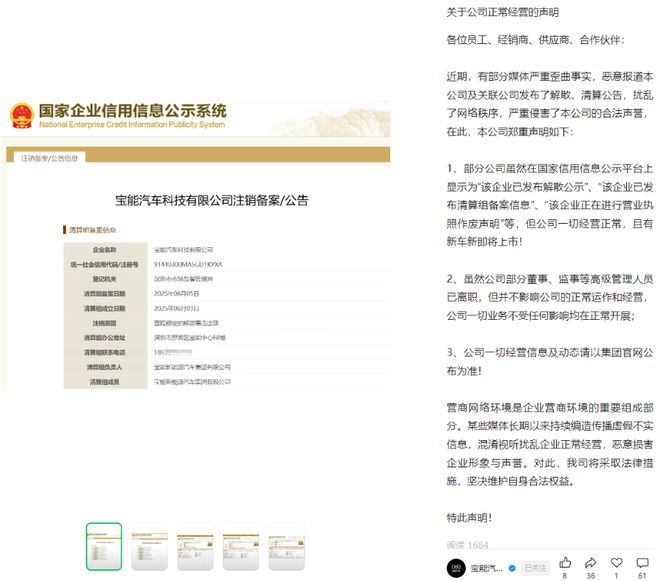
6月17日,《辟谣财知道》注意到,宝能汽车客户服务中心发布声明称,近期,有部分媒体歪曲事实, 恶意报道公司及关联公司发布了解散、清算公告,扰乱了网络秩序,侵害了公司的合法声誉。 宝能汽车表示,部分公司虽然在国家信用信息公示平台上显示为"该企业已发布解散公示"、"该企业已 发布清算组备案信息"、"该企业正在进行营业执照作废声明"等,但公司一切经营正常,且有新车即将 上市。 此外,该公司表示,虽然部分董事、监事等高级管理人员已离职,但并不影响公司的正常运作和经营, 公司一切业务不受任何影响,均在正常开展。 图片来源:宝能汽车客户服务中心 对于最新造车进展,宝能发布的月报显示,4月25日至26日,宝汽集团管理层组织项目、造型、研发、 制造、销售等40余人参观上海车展。重点参观了比亚迪、吉利、华为、大众、奔驰、宝马等整车企业, 以及博世、地平线、Momenta、鸿蒙等先进智能辅助驾驶零部件企业,重点关注了新设计、新造型、新 产品、新工艺,以及三电系统、智能驾驶、线控底盘等先进技术。 值得一提的是,尽管宝能汽车方面透露将有新车发布,但其官方微博在2023年就已停更,宝能招聘官网 上一次发布招聘信息还是在2024年8月, ...
“7月前不办,以后没机会了”!有大行已全部停办,买车分期“高息高返”加速退场
21世纪经济报道· 2025-06-17 09:53
Core Viewpoint - The "high interest high rebate" auto financing model is being phased out due to regulatory pressures and banks' profitability challenges, leading to a transformation in the auto finance industry [1][4][16]. Group 1: Industry Changes - Major banks have begun to halt the "high interest high rebate" auto financing model, with a significant bank announcing the cessation of this model effective June 1 [4][16]. - As of July 1, multiple banks will stop offering high-interest auto loans with rebates, indicating a shift in the market dynamics [1][4]. - Regulatory bodies have been actively promoting the standardization of auto finance practices, with various regions implementing self-regulatory agreements to curb excessive commission practices [17]. Group 2: Consumer Impact - Consumers are being advised to take advantage of existing auto financing options before the cessation of high-rebate loans, as these opportunities may not be available in the future [1][4]. - New financing options are emerging, such as zero-interest loans for two years, which are being promoted as more consumer-friendly alternatives [6][9]. - The shift away from high-rebate loans may lead consumers to reassess their financing choices, focusing on lower interest rates and more transparent terms [1][4][17]. Group 3: Bank Strategies - Banks are facing challenges with the high rate of early loan repayments, which undermines their profitability in the "high interest high rebate" model [15][16]. - Financial institutions are expected to unify their auto financing strategies, moving towards more sustainable and profitable models [15][16]. - The competition among banks for auto loans is intensifying, with banks increasing their focus on this segment as traditional mortgage lending slows down [14][15].
金融价取消致购车价格上涨?有4S店称“北京社保用户不受影响”
第一财经· 2025-06-17 02:00
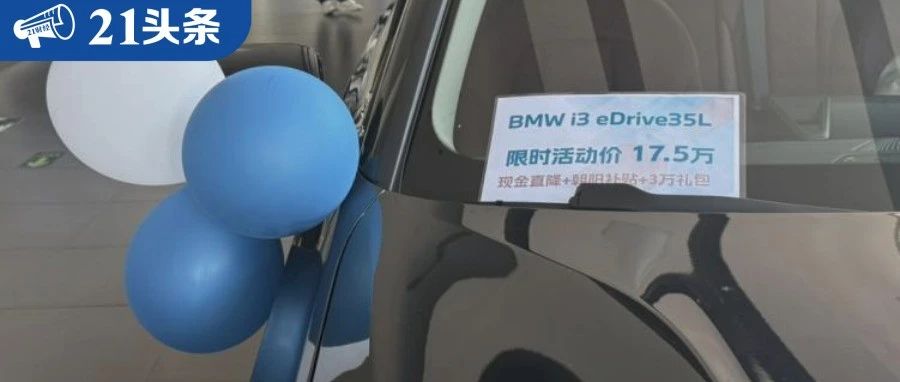
Core Viewpoint - Recent regulatory actions to halt high-interest and high-rebate automotive financing are expected to tighten terminal price discounts for automotive brands, leading to potential price increases for various models [1][2]. Group 1: Regulatory Changes - Regulatory bodies in regions such as Beijing, Sichuan, and Henan have mandated banks to reduce car loan rebate ratios to below 4%, with annual interest rates decreasing from 6.5% to 3.2% [3]. - The adjustments in policies are rapidly affecting the terminal market, with significant price increases observed for models like the BMW i3 and reductions in discounts for mainstream models such as the Mercedes-Benz C-Class and Audi A4L [4]. Group 2: Market Dynamics - The luxury car market has seen substantial price fluctuations due to intense competition, with dealerships relying on after-sales and automotive finance for profitability rather than new car sales [2]. - The "high-interest high-rebate" model, where banks provide significant loan rebates to dealers, has led to a distorted pricing system and hidden financial risks in the market [2][4]. Group 3: Consumer Impact - Current market conditions still offer considerable discounts, with models like the BMW 3 Series and Audi A4L having discounts up to 13.2 million and 14.8 million respectively, despite the tightening of financing options [4]. - While high rebates have temporarily benefited consumers, the long-term sustainability of such practices is questioned, as they may degrade the service capabilities of financial institutions and ultimately affect car sales [4]. Group 4: Industry Trends - The automotive industry is experiencing a shift away from chaotic price wars, with various industry bodies advocating for a reduction in "involution" and a move towards sustainable and high-quality development [5].