优衣库

Search documents
“织”道系列7-申洲国际(02313.HK)深度:格局增势 或跃在渊
Ge Long Hui· 2025-11-17 19:55
Core Viewpoint - Shenzhou International is a leading vertically integrated knitwear manufacturer in China, maintaining strong partnerships with premium apparel brands like Nike, Adidas, PUMA, and Uniqlo, which positions the company favorably in the market [1] Group 1: Company Overview - Shenzhou International is recognized as an "invisible champion" in the domestic knitwear manufacturing sector, achieving a vertical integration strategy that enhances operational efficiency [1] - The company has experienced steady revenue growth over the years, with gross margins ranging from 25% to 30%, although recent challenges such as factory shutdowns and rising labor costs have impacted profitability [1] Group 2: Industry Dynamics - In the short term, the apparel industry is transitioning from inventory destocking to a potential replenishment phase as major brands like Nike are expected to see operational improvements, which may lead to increased order volumes for upstream manufacturers [1] - Long-term trends indicate stable growth in downstream apparel consumption, diversification of brands, and an increase in outsourcing by brand owners, which will likely benefit upstream suppliers [1] Group 3: Competitive Advantages - Shenzhou International has shifted its focus to higher-growth segments, particularly in sportswear, which has resulted in a higher concentration of clients and reduced revenue volatility [2] - The company has established a manufacturing system with R&D and high-end production in China and major production bases in Southeast Asia, leveraging labor and tax advantages while enhancing production efficiency through automation [2] Group 4: Investment Outlook - As of September 30, 2025, the company's price-to-earnings ratio (PE_TTM) is projected to decline to 13X, indicating a low valuation compared to historical levels [2] - The company is expected to achieve double-digit revenue growth this year, driven by increased contributions from existing clients like Adidas and Uniqlo, alongside a recovery in Nike's performance [3] - Forecasted net profits for 2025, 2026, and 2027 are estimated at 6.78 billion, 7.72 billion, and 8.76 billion yuan, respectively, with corresponding PE ratios of 14, 13, and 11X, suggesting potential for valuation recovery [3]
申洲国际(02313):“织”道系列7:格局增势,或跃在渊
Changjiang Securities· 2025-11-16 00:36
Investment Rating - The report assigns a "Buy" rating for the company, marking its first coverage [12]. Core Insights - The company has established a strong vertical integration model, enhancing production efficiency through overseas capacity, specialized factories, and rapid response to large orders. This has resulted in a solid binding with top clients and a leading fabric R&D capability, indicating that the current valuation is low and expected to gradually recover [4][10]. - Revenue is anticipated to grow by double digits this year, driven by increased market share from existing clients like Adidas and Uniqlo, alongside a recovery in Nike's performance and an overall improvement in industry conditions [4][10]. - Profitability is expected to accelerate in the second half of the year, with stable labor costs and tax rates, and a better profit elasticity anticipated next year as Nike recovers [4][10]. Company Overview - The company is recognized as the largest vertically integrated knitwear manufacturer in China, with long-term partnerships with premium brands such as Nike, Adidas, PUMA, and Uniqlo. Its strategic foresight and close collaboration with upstream enterprises have facilitated a comprehensive vertical integration of its business [7][19]. - The company has maintained steady revenue growth over the years, achieving a gross margin of 25-30% due to its product selection and vertical integration, although profit margins have fluctuated recently due to factory shutdowns and rising labor costs [7][33]. Industry Dynamics - In the short term, the apparel industry is transitioning from a destocking phase to a potential recovery, with expectations of improved order volumes as major brands like Nike reach operational turning points [8][40]. - Long-term trends indicate steady growth in downstream apparel consumption, diversification of brands, and an increase in outsourcing by brand owners, which will drive expansion for upstream suppliers [8][40]. - The company has shifted its focus towards the higher-growth and more certain sportswear segment, benefiting from a higher proportion of sports apparel and greater client concentration, which helps mitigate revenue volatility [9][30]. Financial Projections - The company's projected net profits for 2025, 2026, and 2027 are estimated at 6.78 billion, 7.72 billion, and 8.76 billion respectively, reflecting year-on-year growth rates of 9%, 14%, and 13% [10]. - The price-to-earnings ratio (PE) is expected to decrease to 13x by September 2025, indicating a low valuation compared to historical levels [10].
电商运营:2025秋冬衣橱灵感洞察报告
Sou Hu Cai Jing· 2025-11-13 22:29
Group 1 - The 2025 autumn and winter apparel market shows robust growth, with retail sales of clothing, shoes, and textiles increasing by 3.1% year-on-year from January to June 2025 [12][14] - The core consumer group consists of women aged 25-34 in high-tier cities, accounting for 62.6% of the market, who are willing to try new brands and styles while focusing on cost-effectiveness, functionality, and fashion expression [24][25] - The demand for apparel has shifted from basic warmth to fashion expression and quality experience, with popular styles including "elegant," "freedom," and "vintage" [28][29] Group 2 - The main categories of consumer interest are tops, with down jackets, sweaters, and hoodies dominating, while jeans serve as a basic item in bottoms, and running shoes and hats are favored in footwear and accessories [26][30] - Different consumption scenarios show distinct preferences, with sweaters/knitwear preferred for commuting, while outdoor activities focus on hoodies, jackets, and down jackets [34][36] - The emotional value and aesthetic experience have become primary market drivers, with consumers increasingly prioritizing fashion sense and quality in their purchasing decisions [28][30]


流量红利褪去,服饰商家的“双11”这一仗还能怎么打?
Sou Hu Cai Jing· 2025-11-13 12:20
Core Insights - The fashion industry is shifting from aggressive channel expansion and price competition to a focus on quality growth and brand value, as indicated by the keywords "steady growth" and "stock competition" [2] - E-commerce platforms are expected to leverage their data capabilities to enhance brand management and operational quality, especially during peak sales events like Double 11 [2][4] - Brands that emphasize originality and cater to niche markets are showing higher growth potential during this year's Double 11 [4] Group 1: Market Trends - The first phase of Double 11 saw Tmall's apparel sales exceed 50% of the total market, with a growth rate of 15.8%, leading the industry [2] - Brands like Uniqlo, Bosideng, and Snow Flying achieved significant sales milestones, indicating strong market demand and recovering consumer confidence [4] - The focus on "long-term value" and "high-quality growth" is becoming crucial for fashion brands to resist homogenization and enhance brand loyalty [4] Group 2: Consumer Behavior - Consumers are becoming more rational, prioritizing value over price, especially in the apparel sector where emotional satisfaction and individual expression are key [11] - The rise of domestic luxury brands reflects a shift towards quality and design, with brands like Songmont achieving over 10 million in sales within the first 10 minutes of Double 11 [11][18] - The trend of "cloud down jackets" emerged from consumer demand for lightweight, warm, and stylish options, showcasing the importance of trend alignment in product development [12][18] Group 3: Brand Strategies - Tmall's approach includes providing brands with trend insights and resources to optimize product launches and marketing strategies, enhancing the likelihood of success [17] - Successful brands during Double 11 are those that have consistently focused on quality and innovation over the past year, leading to significant sales growth [23] - The collaboration between brands and platforms is essential for creating trends, with a focus on shared insights and consumer feedback driving product development [15][16] Group 4: Future Opportunities - The evolving consumer landscape presents opportunities for brands to innovate and capture new market segments, as consumer preferences become more nuanced [28] - Tmall aims to be a steadfast partner for brands, helping them identify trends and create high-quality digital content that resonates with consumers [29] - The continuous refinement of products and brand values is crucial for long-term success, beyond just peak sales events [29]


金价涨疯!没人买金镯了?
Jing Ji Guan Cha Wang· 2025-11-13 05:17
Core Viewpoint - The buying logic for gold is undergoing a transformation, with a decline in consumer demand for jewelry and a simultaneous rise in investment and reserve demand [3][4]. Group 1: Consumer Demand Trends - The price of gold jewelry has surpassed 1300 RMB per gram, leading many consumers to hesitate or abandon purchases of traditional gold ornaments [3]. - In the first three quarters of 2025, China's gold jewelry consumption dropped by 32.50% year-on-year, contributing to an overall decline in gold consumption of 7.95% [3][4]. Group 2: Investment Demand Dynamics - Investment demand for gold bars, coins, and ETFs is increasing, contrasting with the decline in jewelry consumption [3]. - Central banks globally are significantly increasing their gold reserves, with China's central bank adding 3,000 ounces (approximately 1 ton) in October, marking the twelfth consecutive month of increases [4]. Group 3: Macroeconomic Influences - The shift in gold demand is driven by a profound restructuring of the global macro environment, including fluctuating U.S. monetary policy, increased dollar credit volatility, and ongoing geopolitical conflicts [4]. - The demand for gold as a sovereign risk-free asset is rising, with its strategic importance in national balance sheets increasing [4][5]. Group 4: Private Sector Investment Behavior - In the first three quarters, consumption of gold bars and coins in China increased by 24.55%, while gold ETFs benefited from tax exemptions, attracting significant investment [6]. - The introduction of differentiated VAT policies has accelerated the market's shift towards an investment-led structure [6]. Group 5: Supply-Side Developments - New discoveries in gold mining, such as the Dandong gold mine with an estimated resource of nearly 1,500 tons, are expected to enhance China's long-term resource security [6]. Group 6: Market Outlook - Despite a recent slight pullback in gold prices from a high of 4,100 USD per ounce, institutions maintain an optimistic outlook, with UBS setting a 12-month target of 4,200 USD per ounce [7]. - The assessment of gold's value is shifting from traditional metrics to a focus on central bank reserve changes, global open interest, and ETF flows [7].

为什么那个能力强的员工,越来越不服管?
3 6 Ke· 2025-11-13 03:25
Core Insights - The article discusses the phenomenon of "strategic misalignment" within organizations, where capable employees begin to resist management due to unclear strategic direction [1][2][3] - Strategic misalignment is characterized by three main issues: disappearing boundaries, internal organizational friction, and innovation stagnation, all stemming from a lack of clear strategic direction [4][13] Disappearing Boundaries - Strategic boundaries define where a company should compete and what it should avoid, but when these boundaries blur, decision-making shifts from "should we do this" to "can we do this" [5][6] - This shift leads to a proliferation of initiatives that dilute focus, resulting in a situation where the organization becomes busy but lacks clear priorities [7][8] Internal Organizational Friction - As organizations grow, the collaboration between departments often deteriorates, leading to silos where each department operates independently, resulting in inefficiencies [9][10] - This internal friction manifests as increased meetings, slower decision-making, and a lack of clarity on what drives growth, ultimately eroding the organization's judgment and collaborative spirit [11][12] Innovation Stagnation - Continuous strategic misalignment and organizational dysfunction lead to a decline in innovation, where new ideas become scarce and the organization becomes risk-averse [11][12] - The focus shifts from bold experimentation to merely maintaining stability, which can result in long-term decline despite outward appearances of activity [12][13] Rebuilding Strategic Focus - To address strategic misalignment, organizations must re-establish clear strategic direction, which involves making tough choices about priorities and resource allocation [14][15] - The process of strategic focus includes four key cycles: convergence, transmission, boundaries, and feedback, which help to clarify direction and ensure alignment across the organization [17][30] Case Studies - Procter & Gamble's transformation involved shedding around 100 brands to focus on 70-80 core brands, demonstrating the importance of strategic convergence [19][20] - Schneider Electric's "China Hub" strategy illustrates how clear communication and local empowerment can enhance strategic transmission and execution [24][25] - Airbnb's response to the COVID-19 pandemic showcases the importance of strategic feedback, as the company refocused on its core offerings to navigate through crisis [32][33] Conclusion - The article emphasizes that true strategic focus is not about doing less but about doing the right things more effectively, which requires a clear understanding of direction and boundaries [44][45] - Organizations that can align their strategic focus with employee motivation will foster a culture where capable individuals are not seen as disruptive but as catalysts for evolution [47][48]

年销230万件冲锋衣,年赚17亿“始祖鸟平替”再冲上市,为何急着高端化?
3 6 Ke· 2025-11-11 23:59
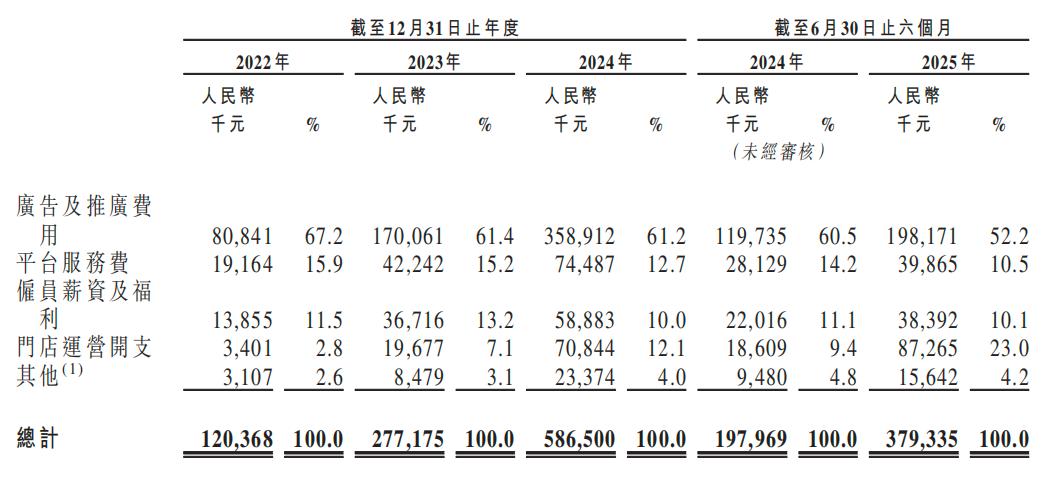
近年来,从露营、徒步到滑雪,年轻人带火了一项又一项户外活动,顺便撑起了一个千亿级市场。 2023年被称为"冲锋衣元年",2024年进一步升温。据国信证券研报,运动户外所有品类中冲锋衣的增长断崖领先,超过40%,瑜伽裤下滑,防晒服显颓 势,曾经翻山越岭才派得上场的冲锋衣被穿成了日常时尚服装。 进入2025年,资本市场变得愈发热闹。前脚安踏刚以2.9亿美元全资收购德国户外品牌狼爪,后脚中国本土户外品牌伯希和(PELLIOT)就向港交所递交 了招股书,意欲成为"中国高性能户外生活方式第一股"。 风口下,伯希和正在高速增长。招股书显示,2022年到2024年,伯希和营收从3.78亿元跃升至17.66亿元,三年时间增长近4倍。若按零售额计,其复合年 均增长率达到127.4%,是中国内地市场十大高性能户外服饰品牌中,增速最快的一个。 根据11月7日,伯希和更新的招股书显示,其在今年上半年的营收从2024年同期的5.63亿元增长62.3%至9.14亿元,依然保持着可观的增速。 可惜,在户外活动市场更追逐"物以稀为贵",奉技术含量所体现的专业性为信仰。顶着"始祖鸟平替"之一的伯希和,已经迫不及待试水高端市场了。 用性价比突围 ...
消费者对“双十一”祛魅
21世纪经济报道· 2025-11-11 11:14
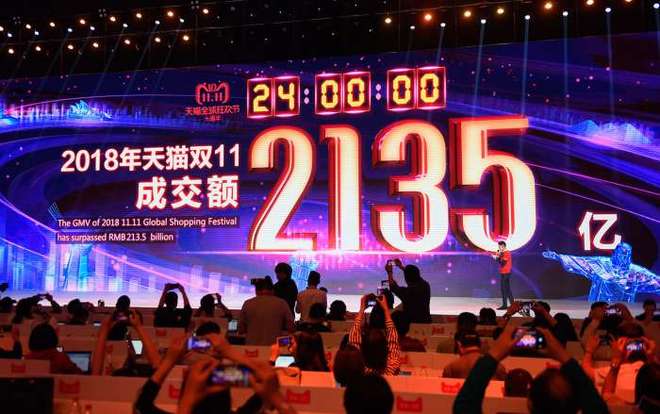
Core Insights - The article discusses the evolution of the Double Eleven shopping festival initiated by Tmall, highlighting its transformation from a simple promotional event to a significant cultural phenomenon in China [1][2][4]. Group 1: Historical Context - The first Double Eleven event in 2009 was a hasty decision aimed at boosting sales, featuring only 27 merchants and a simple discount strategy [1]. - Over the years, Tmall has become synonymous with "the lowest prices of the year," creating a massive retail event that has set numerous sales records [2][3]. Group 2: Current Trends - The shopping festival has seen a decline in consumer enthusiasm, with fewer people actively participating in the event compared to previous years [4]. - The shift in consumer behavior reflects a growing preference for emotional value and cultural significance over mere material possession [6]. Group 3: Market Dynamics - Brands are now facing pressure to move beyond single-target sales strategies, with new pricing constraints imposed by e-commerce platforms [5]. - The overall e-commerce growth rate is slowing, with a decrease in penetration from 27.6% in 2023 to 26.8% in 2024 [5]. Group 4: Future Outlook - The retail landscape is evolving, with the rise of live-streaming e-commerce and the blurring of online and offline retail boundaries [6]. - The focus is shifting towards emotional connections and value recognition, as consumers seek deeper relationships with brands [7].

双十一祛魅:当促销不再是集体朝圣丨力见消费
2 1 Shi Ji Jing Ji Bao Dao· 2025-11-11 06:59
Core Insights - The evolution of the Double Eleven shopping festival reflects a shift from a frenzied consumer culture to a more rational and meaningful approach to consumption [3][7][8] Group 1: Historical Context - The Double Eleven event originated in 2009 when Tmall, then known as Taobao Mall, initiated a promotional campaign to boost sales during a relatively quiet shopping period [2] - The first event featured 27 merchants and was more about public relations than actual sales, marking the beginning of Tmall's competition with various B2C platforms [2] Group 2: Changing Consumer Behavior - Over the years, Double Eleven has transformed into a significant social event, with consumers engaging in collective shopping experiences and sharing strategies [3] - Recent trends indicate a decline in consumer enthusiasm, with fewer people sharing their purchases on social media and a noticeable reduction in the excitement surrounding the event [3][4] Group 3: Market Dynamics - The marketing value of Double Eleven has shifted, with brands now focusing on sustainable business practices rather than solely on sales volume during promotional events [4][6] - The e-commerce growth rate is slowing, with a reported decrease in e-commerce penetration from 27.6% in 2023 to 26.8% in 2024 [4] Group 4: Technological Influence - E-commerce platforms utilize sophisticated algorithms to analyze consumer preferences and extend user engagement through complex promotional strategies [5] - A significant portion of consumers (nearly 70%) report feeling indifferent or even negative towards marketing content, indicating a shift in consumer sentiment [5] Group 5: Future Trends - The future of retail is expected to prioritize emotional connections and value recognition over mere price incentives, as consumers seek deeper relationships with brands [8] - The rise of live-streaming e-commerce and the digital transformation of offline retail are reshaping the traditional shopping landscape, making events like Double Eleven just one part of a more complex retail ecosystem [6][8]
从机械重工到生活消费,实探进博上的“智造”力量
Di Yi Cai Jing· 2025-11-11 05:44
Core Insights - The rapid development of AI technology is driving foreign industrial enterprises to accelerate their establishment of smart factories in China, transforming the manufacturing sector towards intelligence and digitization [1][2]. Group 1: AI in Manufacturing - AI is playing a crucial role across the entire manufacturing chain, from research and development to production, inspection, and operation [1]. - Major companies like Tesla and Michelin are showcasing their advancements in AI-driven manufacturing at the China International Import Expo, highlighting the importance of AI in enhancing production efficiency and precision [2][4]. - Schneider Electric is integrating AI with energy technologies, resulting in an 82% increase in labor efficiency at its Shanghai factory through AI-assisted production planning [5]. Group 2: Investment and Production Capacity - Tesla's Shanghai energy storage super factory, which began operations in February 2023, aims to produce 10,000 Megapack systems annually, with a storage capacity of nearly 40 GWh [2]. - Michelin is investing in the expansion of its Shanghai factory, with the first phase of the "White Magnolia" project expected to increase tire production capacity from 8.5 million to 9.5 million units by the end of 2026 [4]. Group 3: AI in Consumer Goods - AI applications are extending from production to product innovation in the consumer goods sector, enhancing both production efficiency and product quality [6]. - Uniqlo is focusing on regional markets and plans to deepen its presence in China, showcasing new sustainable clothing technologies at the expo [6]. Group 4: AI's Impact on Retail - AI is becoming a strategic lever for the retail industry in China, helping to enhance operational efficiency and drive profitability amid competitive pressures [12]. - A report indicates that by 2030, the global retail sector could see an additional $310 billion in annual operating profits due to the industrial application of AI, representing a nearly 20% increase in overall operating profits [12].