
奔驰

Search documents
“广进”时代的生存逻辑:“好员工”失业,“差员工”幸存?
Hu Xiu· 2025-06-13 08:46
Core Viewpoint - The article discusses the complexities and reasons behind layoffs in companies, emphasizing that individual performance is not the primary factor in determining who gets laid off. Instead, layoffs are often a result of broader company issues and strategic decisions. Group 1: Reasons for Layoffs - Layoffs are often initiated due to business mistakes, requiring companies to "re-solve" their problems, with employees bearing the brunt of these decisions [6] - The "first cause" of layoffs acts as an invisible filter, determining which employees are let go and the future of those who remain [5] - Companies may undergo different types of layoffs, including efficiency-driven, economic, strategic adjustment, and replacement layoffs, each targeting different employee groups [33][28] Group 2: Types of Layoffs - Efficiency-driven layoffs typically target younger or less experienced employees to improve team performance [8][9] - Economic layoffs focus on high-salaried, senior employees when business stagnates, often leading to significant job cuts [13][15] - Strategic adjustment layoffs occur when companies shift focus away from certain business areas, often impacting non-core teams [21][24] - Replacement layoffs are driven by automation and AI, affecting employees with easily replaceable skills [28][31] Group 3: Employee Reactions and Future Planning - Employees often react to layoffs with feelings of fear, guilt, or anger, but should instead focus on understanding the reasons behind the layoffs and planning their career paths [6][38] - It is crucial for employees to assess their situation and consider alternative income sources or career opportunities, especially in uncertain times [39][48] - The stigma around being laid off is diminishing, as it is increasingly recognized as a company issue rather than a personal failure [51][54]

阿里自曝被DeepSeek逼急了,春节加班搞研发;曝中金系高管加盟蔚来,或将负责融资找钱;Temu美区全托管7月底将全面恢复运营
雷峰网· 2025-06-13 00:43
Key Points - The article discusses various significant developments in the automotive and technology sectors, highlighting the challenges and strategic moves of companies like NIO, Alibaba, and others in response to market pressures and competition [4][5][8][21]. Group 1: NIO's Financial Challenges and Leadership Changes - NIO has appointed Bagrin Angelov as Vice President of Capital Markets, aiming to enhance its financing capabilities amid severe financial challenges, including a net loss of 6.27 billion yuan in Q1 and a cash reserve of only 26 billion yuan [4][5]. - The company's gross margin has dropped to 10%, and it is actively seeking external funding to support operations over the next 12 months [5]. Group 2: Alibaba's Response to Competition - Alibaba's leadership, under Chairman C. Z. Cai, has acknowledged a crisis triggered by competitor DeepSeek, leading to a decision to have engineers work through the Spring Festival to accelerate development of their AI models [8]. - The company has launched the Qwen series of models in response to competitive pressures, emphasizing the importance of open-sourcing to enhance AI adoption and support its core cloud computing business [8]. Group 3: Automotive Industry Developments - Neta Auto has announced a shift to remote work and entered a restructuring process, indicating significant operational challenges [9]. - GAC has unveiled its first mass-produced flying car, priced under 1.68 million yuan, as part of a broader strategy to enter the low-altitude economy, with other companies like Xpeng and Geely also accelerating their efforts in this area [21]. Group 4: Regulatory and Market Responses - Temu is set to fully restore its operations in the U.S. by the end of July, following adjustments to its logistics and promotional strategies amid regulatory scrutiny [26]. - Tesla's CEO Elon Musk has urged European regulators to expedite the approval of its Full Self-Driving (FSD) technology, citing safety benefits compared to traditional driving [27][28].


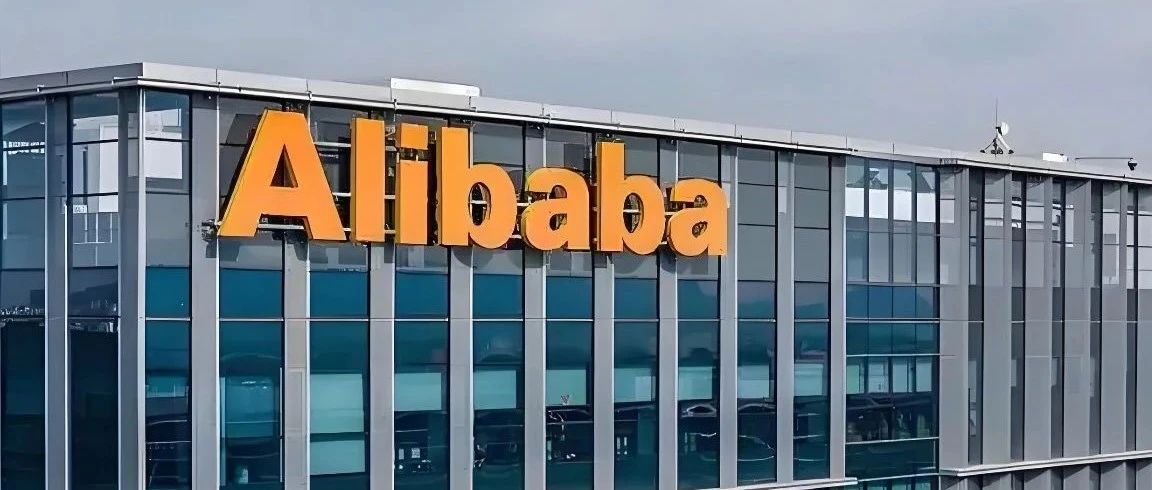
阿里自曝被DeepSeek逼急了,春节加班搞研发;曝中金系高管加盟蔚来,或将负责融资找钱;Temu美区全托管7月底将全面恢复运营
雷峰网· 2025-06-13 00:40
Key Points - The article discusses various significant developments in the automotive and technology sectors, highlighting key personnel changes, financial challenges, and strategic moves by companies like NIO, Alibaba, and others [4][5][8][18][22]. Group 1: NIO Developments - NIO has appointed Bagrin Angelov as Vice President of Capital Markets, expected to enhance the company's financing capabilities [4]. - The company faces severe financial challenges, with a reported net loss of 6.27 billion yuan and a cash reserve of only 26 billion yuan as of Q1 [5]. - NIO's gross margin has dropped to 10%, and it is actively seeking external funding to support operations [5]. Group 2: Alibaba's Response to Competition - Alibaba's Chairman, C. Z. Cai, revealed that the company felt pressured by DeepSeek's advancements, prompting engineers to work through the Spring Festival to accelerate development [8]. - The company launched the Qwen series of AI models in response to competitive pressures, emphasizing the importance of open-sourcing to enhance AI adoption [8]. Group 3: Automotive Industry Challenges - Neta Auto has announced a shift to remote work and is entering a restructuring process amid financial difficulties [9]. - Multiple Mercedes-Benz owners reported issues with their vehicle's infotainment systems, indicating potential widespread technical problems [12][13]. Group 4: Emerging Technologies and Investments - GAC's first mass-produced flying car, the GOVY AirCab, is set to be priced under 1.68 million yuan, with plans for operational trials in the Guangdong-Hong Kong-Macao Greater Bay Area [22]. - Nvidia and Samsung are investing in AI robotics company Skild AI, which is valued at approximately $4.5 billion, indicating a growing interest in the robotics sector [35]. Group 5: Regulatory and Market Developments - Temu is set to fully restore its operations in the U.S. by the end of July, following adjustments to its business model [27]. - Ant International plans to apply for a stablecoin license in Hong Kong, aiming to contribute to the region's financial ecosystem [10].

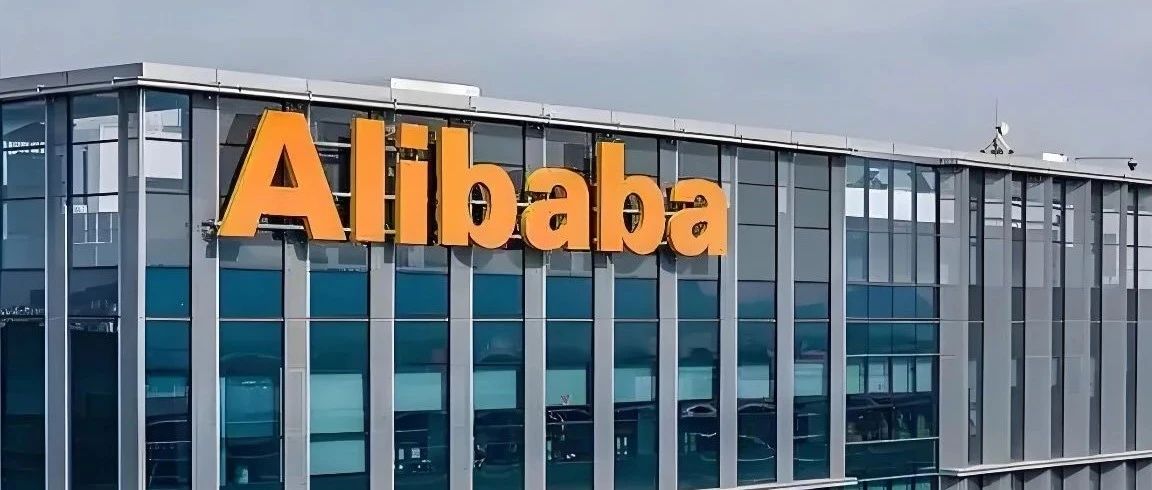
美国总统特朗普:如果你未来想买奔驰车,它将在美国制造。
news flash· 2025-06-12 15:56
Core Viewpoint - President Trump stated that future purchases of Mercedes-Benz vehicles will be manufactured in the United States, indicating a push for domestic production and potential implications for the automotive industry [1] Group 1 - The statement reflects a broader trend of encouraging American manufacturing and may influence consumer perceptions of foreign brands [1] - This move could lead to increased competition among automakers to localize production in the U.S. [1] - The emphasis on U.S. manufacturing aligns with the administration's economic policies aimed at boosting domestic job creation [1]
激光雷达:AEBS新规催化标配预期,割草机+无人城配快速放量
2025-06-12 15:07
Summary of Key Points from Conference Call Industry and Company Involved - The conference call focuses on the **LiDAR (Light Detection and Ranging)** technology industry, particularly its applications in the automotive sector and emerging markets like smart lawn mowers and unmanned urban delivery vehicles. Core Insights and Arguments 1. **Impact of AEBS Regulations**: The release of the AEBS (Advanced Emergency Braking System) regulation draft is expected to catalyze the adoption of LiDAR in L2 and below vehicles, enhancing basic safety and perception functions [3][12][10]. 2. **Market Growth in Smart Lawn Mowers**: The demand for LiDAR in smart lawn mowers and unmanned urban delivery is rapidly increasing, with expected shipment volumes to expand significantly by 2025, potentially reaching a market size of **5 to 6 billion** [5][17]. 3. **High Potential in LiDAR Market**: The global automotive-grade LiDAR market is projected to cultivate companies with a market value of **hundreds of billions** of RMB, although current valuations of leading companies like Hesai and RoboSense do not fully reflect their growth potential [6][9]. 4. **Concentration of Supply and Demand**: The supply side is highly concentrated with strong certainty, while the pricing and valuation have not yet fully captured the accelerating demand, indicating a high potential for returns [8][7]. 5. **Trends in LiDAR Technology**: LiDAR technology is trending towards downscaling, diffusion, and high-end applications, with prices rapidly decreasing, making it more accessible for various vehicle types [4][14][16]. 6. **Unmanned Delivery Vehicles**: The use of LiDAR in unmanned delivery vehicles (RoboVan) is justified by significant cost savings in last-mile delivery, with potential reductions in delivery costs by **67%** [19][20]. 7. **Growth of Unmanned Freight Vehicles**: The unmanned freight vehicle market is expanding quickly, with major companies planning substantial deliveries in 2025, indicating a market potential of **200 to 400 billion** [21][23]. 8. **Technological Advancements**: The latest models of unmanned freight vehicles are equipped with multiple LiDAR units, with costs decreasing significantly, enhancing their commercial viability [22][23]. 9. **Future Market Dynamics**: The future of the unmanned delivery vehicle market is promising, with a focus on cost control and the need for stricter automotive-grade requirements as speeds increase [24][25]. Other Important but Possibly Overlooked Content 1. **LiDAR's Role in Technology**: LiDAR is crucial for simulating human interaction with the environment, serving as a key technology in various sectors including smart driving and safety monitoring [2]. 2. **Market Penetration of LiDAR in Smart Lawn Mowers**: The penetration rate of LiDAR in smart lawn mowers is expected to rise significantly, with a notable increase from **10% to 30%** in just one year [18]. 3. **Regulatory Changes**: The shift of AEBS from a recommended to a mandatory standard will require M1 and N1 class vehicles to install AEBS systems, directly impacting the adoption of LiDAR technology [12]. 4. **Long-term Investment Opportunities**: Companies like Hesai and RoboSense are positioned for long-term growth, with the potential for significant returns in the high-risk, high-reward segments of the market [26].
赋能千行百业 业界以技术创新推动AI普惠
Ren Min Wang· 2025-06-12 10:11
Core Insights - The core viewpoint of the articles emphasizes the democratization of AI technology through innovative pricing models and advanced capabilities, enabling more businesses to access top-tier AI tools at affordable rates [1][2][3] Group 1: AI Technology and Pricing Model - The launch of the Doubao Model 1.6 and Seedance 1.0 Pro at the Force Original Power Conference highlights a shift towards an "AI cloud-native" strategy [1] - The new "interval pricing" model allows businesses to pay based on input data length, making advanced AI functionalities more accessible and reducing costs [1] - Fire Mountain Engine's technological innovations have led to an 80% efficiency in processing requests, allowing for a scalable deployment of GPU computing power [1] Group 2: Impact on Various Industries - The Doubao Model 1.6 has been integrated into the AI programming product TRAE, demonstrating significant reductions in development time and costs, with 85% of code generated by AI [2] - Fire Mountain Engine holds a 46.4% market share in China's public cloud large model service usage, processing an average of 16.4 trillion tokens daily [2] - Various industries, including automotive and education, are leveraging Fire Mountain Engine's AI tools to enhance services and operational efficiency [2] Group 3: Future Outlook - The company plans to continuously optimize its technology stack and aims to release 1-2 iterations of large models annually, integrating AI capabilities into all production processes [3] - Experts suggest that the transformation driven by technological innovation in AI is reshaping the industry landscape and contributing to the construction of a digital China [3]
一群硬科技投资人、产业人,又要组团去德国
芯世相· 2025-06-12 06:19
Core Viewpoint - The article emphasizes the importance of exploring overseas markets for the chip industry, particularly in Europe, as a strategy for industry upgrade and sustained growth amidst intense domestic competition and technological innovation [3]. Group 1: Market Exploration - Since last year, an increasing number of chip professionals have shifted their focus to overseas markets, with "going abroad" becoming a new option for industry growth [3]. - A business investigation activity in Germany is planned from September 4 to September 14, focusing on key cities and major exhibitions to understand the real demands and development directions in the consumer electronics and automotive electronics sectors [3][4]. Group 2: Key Exhibitions - IFA, one of the largest international consumer electronics exhibitions, attracted over 1,800 exhibitors and more than 210,000 visitors from 138 countries in its last edition, with AI being a significant theme [4]. - IAA, one of the top five auto shows globally, had 750 exhibitors from 38 countries and over 500,000 visitors, covering the entire automotive supply chain [4][5]. Group 3: Networking Opportunities - The investigation will include organizing deep-dive salons to facilitate connections among local resources, industry professionals, and participants, enhancing communication and collaboration [6]. - Previous events, such as the automotive and chip exchange cocktail during the last IAA, successfully brought together industry leaders and stakeholders for networking [6]. Group 4: City Visits - The itinerary includes visits to five key German cities: Berlin, Leipzig, Dresden, Stuttgart, and Munich, each representing significant industrial characteristics [7]. - Past business investigations in Germany have provided valuable resources and experiences, allowing for firsthand insights into the local industry atmosphere [7][10]. Group 5: Expert Guidance - The trip will be led by industry experts with extensive experience, ensuring participants gain effective industry information regardless of their prior experience in international trade [12]. - Participants will have the opportunity to build trust and consensus among peers from various sectors during the high-density exchanges throughout the trip [13].


黄仁勋巴黎演讲:AI的下一波浪潮是机器人,数据中心将成为“AI工厂”
Feng Huang Wang· 2025-06-11 11:46
Core Insights - AI technology is fundamentally reshaping the future of computing and industry, marking the arrival of a new industrial revolution driven by "AI factories" [1] - Traditional data centers are evolving into AI factories that generate "intelligent tokens," providing power across various industries [1] - NVIDIA's new architecture, Blackwell, is designed to meet the increasing inference demands of AI models, achieving a significant performance leap [1] Group 1 - Huang Renxun predicts the next phase of AI, termed Agentic AI, which will understand tasks, reason, plan, and execute complex tasks, with robots as its physical embodiment [2] - The demonstration of a robot named "Greg" showcased the ability to learn and interact within a digital twin environment before being deployed in the physical world [2] - Major companies like BMW, Mercedes-Benz, and Toyota are utilizing Omniverse to create digital twins of their factories or products [2] Group 2 - NVIDIA has made significant progress in quantum computing, viewing it as a pivotal moment, and plans to connect quantum processors (QPU) with GPUs for enhanced computational tasks [2] - The entire cuQuantum quantum computing algorithm stack is now capable of accelerating on the Grace Blackwell system [2] - Huang Renxun emphasized deep collaboration with European partners, including the establishment of a large AI cloud with French company Mistral and partnerships with Schneider Electric for future AI factory design [2] Group 3 - NVIDIA is establishing AI technology centers in seven different countries to promote local ecosystem development and collaborative research [3] - A new computing era has begun, with NVIDIA providing a full-stack platform from chips to software and AI models to empower global developers and enterprises [3]

从“全景”到“光感”,汽车上的“诗与远方”经历了什么?
Zhong Guo Qi Che Bao Wang· 2025-06-11 03:54
Core Insights - The article discusses the evolution of automotive sunroofs, highlighting the emergence of "light-sensitive canopies" as a significant advancement over traditional panoramic sunroofs [3][4][6] - The light-sensitive canopy technology offers enhanced heat insulation and space efficiency, addressing common user complaints associated with traditional sunroofs [3][5] Evolution of Sunroofs - The history of sunroofs can be traced back to the 1930s with the introduction of small opening windows, evolving through various technological advancements to the current light-sensitive canopies [3][4] - The transition from mechanical sunroofs to electric sunroofs in the 1980s marked a shift in user experience, making sunroofs a standard feature in mid to high-end vehicles [3][4] - The introduction of panoramic sunroofs in the early 21st century revolutionized the perception of car interiors, enhancing the sense of space and connection with the outdoors [3][4] Light-Sensitive Canopy Technology - The light-sensitive canopy utilizes third-generation EC solid-state electrochromic glass technology, allowing for seamless transitions between transparency and opacity [4][5] - This technology provides a transparency rate of 70% and a deep blue state with a 10% transparency rate, significantly improving user experience by offering privacy and clarity [4][5] - The canopy's ability to automatically adjust transparency based on environmental light conditions represents a major leap in automotive design and functionality [4][6] Benefits and Features - The light-sensitive canopy achieves a UV blockage rate of 99.9%, far exceeding traditional sunshades, and can reduce interior temperatures by 5-8°C during summer [5][6] - Unlike traditional sunroofs that require additional maintenance, the light-sensitive canopy is designed to be maintenance-free, enhancing aesthetic appeal and user convenience [5][6] - The integration of micro-control chips allows for multiple control modes, including automatic adjustments based on light intensity, enhancing the overall driving experience [4][6] Future Prospects - Experts predict that the applications of light-sensitive technology will extend beyond sunroofs, potentially transforming glass surfaces into interactive interfaces for navigation and information display [7] - The evolution of sunroofs reflects a broader trend in automotive design, where user experience is prioritized through intelligent and adaptive features [7] - The ongoing development of light-sensitive canopies signifies a shift towards creating "smart skins" for vehicles, capable of responding to user needs and environmental changes [7]

观车 · 论势 || 流量营销终是“虚火”
Zhong Guo Qi Che Bao Wang· 2025-06-11 01:39
Core Viewpoint - Xiaomi is facing a significant trust crisis in the automotive sector, stemming from safety controversies and misleading marketing claims, which contrasts sharply with its previous success in consumer electronics [1][2][3] Group 1: Trust Crisis and Consumer Expectations - The controversy surrounding the SU7 Ultra carbon fiber hood highlights the mismatch between Xiaomi's marketing strategies and the rigorous standards of traditional automotive manufacturers [1][2] - Consumers' expectations for technology in the electric vehicle era have been amplified, leading to a conflict between internet-driven marketing and engineering ethics [2][3] Group 2: Response and Accountability - Xiaomi's response to the carbon fiber hood issue, including offering compensation, has been criticized as inadequate compared to its previous handling of other issues, such as the full reimbursement for parking assistance flaws [2][3] - Legal implications suggest that if false advertising is confirmed, Xiaomi could face substantial penalties, emphasizing the importance of maintaining technical integrity in the automotive sector [2] Group 3: Industry Implications and Regulatory Changes - The crisis has prompted a broader industry reflection, with consumer-driven testing and increased regulatory scrutiny reshaping marketing practices and standards in the automotive field [3][4] - Recent regulations from the Ministry of Industry and Information Technology and the State Administration for Market Regulation require truthful and comprehensive information regarding smart connected vehicles, indicating a shift towards more regulated industry practices [4] Group 4: Future Outlook - The current trust crisis may serve as a pivotal moment for Xiaomi, potentially marking its transition from a cross-industry challenger to a mature automotive enterprise [4] - The situation underscores the necessity for companies to embed sincerity into every aspect of vehicle production to thrive in the competitive electric vehicle market [4]
