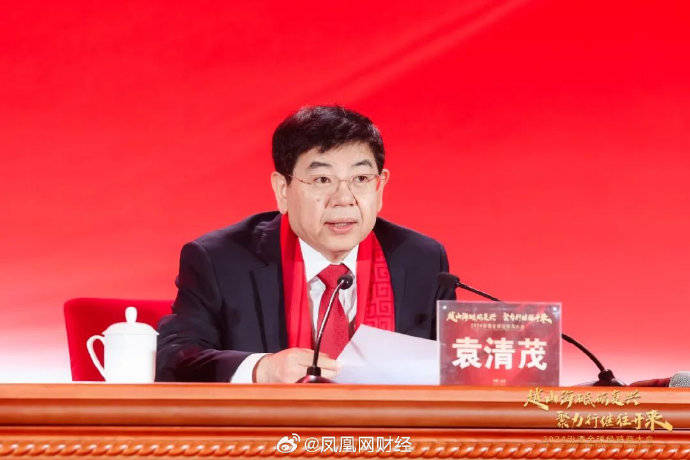
五粮液

Search documents
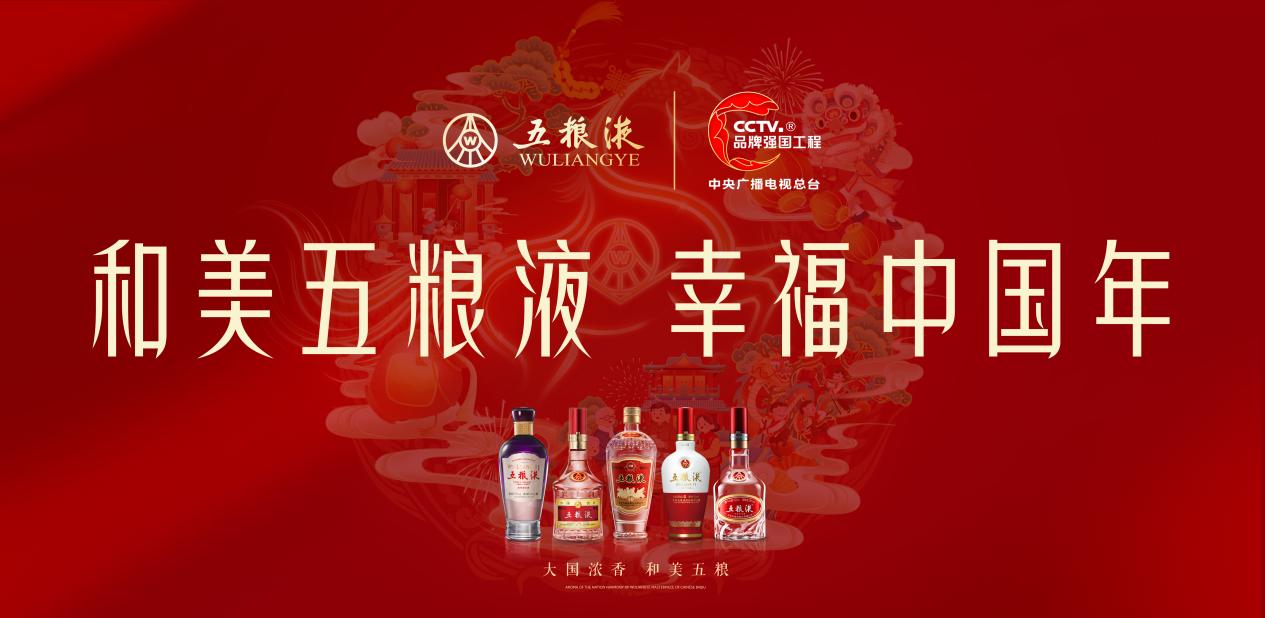
四度携手央视总台春晚,五粮液以“和美”祝福点亮2026中国年
Jin Rong Jie· 2026-02-19 07:59
Core Insights - In 2026, Wuliangye will partner with the Central Radio and Television Station for the Spring Festival Gala for the fourth consecutive year, enhancing its brand presence among global Chinese audiences [1][4] - The collaboration has evolved from simple interaction to deep content integration, establishing Wuliangye as a significant cultural symbol during the New Year celebrations [4][10] Group 1: Partnership and Cultural Integration - Wuliangye's partnership with the Spring Festival Gala will see the event's first sub-venue in Yibin, the birthplace of Wuliangye, merging the brand's identity with local cultural heritage [3][8] - The event will showcase Yibin's unique cultural charm and brewing heritage, with performances that integrate local customs and the brand's history [8][10] Group 2: Marketing and Consumer Engagement - Wuliangye will distribute 100,000 "He Mei Hao Li" gifts during the gala, creating emotional connections with consumers through high-frequency interactions [4][6] - The interactive gift list includes various products and experiences, such as special wine gift boxes and a chance to win a high-value prize, reinforcing the brand's tradition of conveying emotions through gifts [6][12] Group 3: Comprehensive Marketing Strategy - The brand has developed a full-scenario communication matrix around the theme "He Mei Wuliangye, Happy Chinese New Year," targeting both young and traditional consumer groups [11][12] - Innovative collaborations with popular artists and IPs aim to resonate with younger audiences, enhancing brand visibility and sales [11][14] Group 4: Experiential Marketing and Brand Value - Wuliangye's flagship store, set to open on February 17, will serve as a physical embodiment of the brand's values, offering a space for cultural engagement and product experience [16] - The brand's marketing strategy emphasizes the integration of cultural symbols into consumer experiences, aiming to deepen connections with customers during the festive season [16]


五粮液:回应打假投诉渠道及品牌保护工作相关问题
Xin Lang Cai Jing· 2026-02-19 04:37
Core Viewpoint - The company emphasizes its commitment to brand protection and the importance of addressing counterfeit products, assuring investors and consumers of its proactive measures against such activities [1] Group 1: Brand Protection Efforts - The company takes reports of counterfeit activities seriously and encourages the public to report any leads through its official channels, including the consumer hotline 95195 and the "complaint against counterfeiting" section on its website [1] - The company has a "zero tolerance" policy towards the production and sale of counterfeit products, highlighting its ongoing efforts to combat such activities [1] - The company has increased its investment in anti-counterfeiting measures and collaborates with market regulation and law enforcement agencies to conduct special rectification actions against infringement and counterfeiting [1] Group 2: Communication and Feedback - The company aims to enhance feedback channels for reporting counterfeit activities and strengthen its anti-counterfeiting efforts to create a cleaner market environment [1] - The company is committed to maintaining the brand's reputation and protecting the legitimate rights of consumers and investors [1]
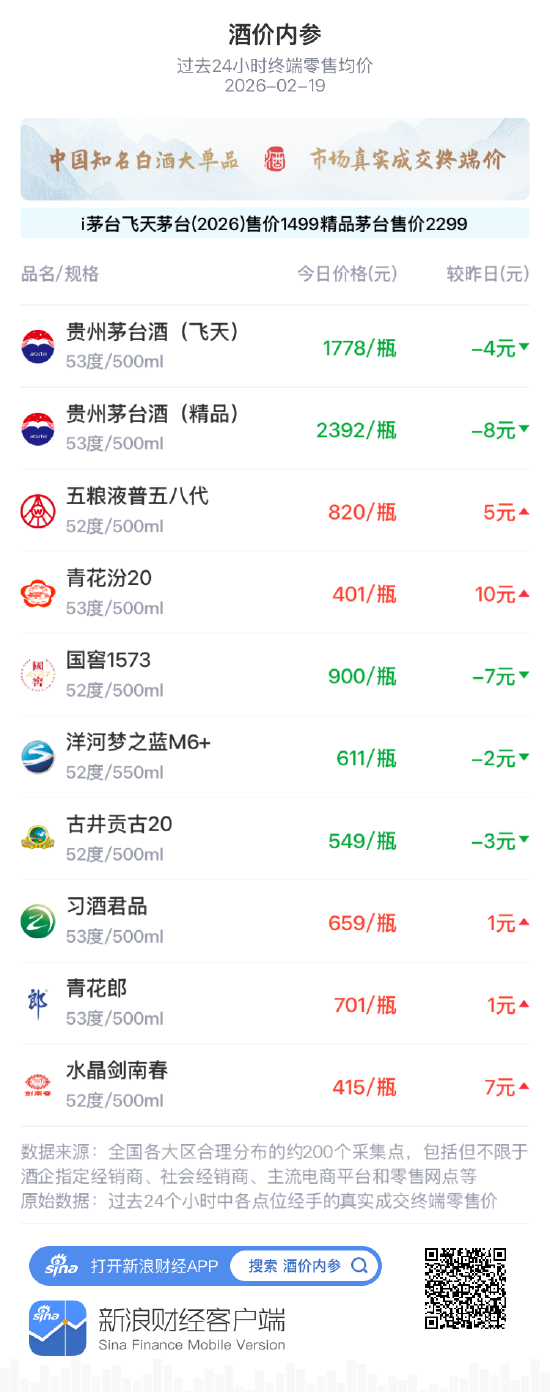
酒价内参2月19日价格发布 整体价格持平于年内高点
Xin Lang Cai Jing· 2026-02-19 00:49
新浪财经"酒价内参"重磅上线 知名白酒真实市场价尽在掌握 新浪财经"酒价内参"过去24小时收集的数据显示,中国白酒市场十大单品的终端零售均价在2月19日呈 现涨跌互现格局。如果十大单品各取一瓶整体打包售卖,今日总售价为9226元,与昨日持平,继续保持 在2026年以来的最高纪录水平。市场在创下年内新高后进入高位整理,多空力量相对均衡。 【点击进入酒价内参,查看真实酒价】 今日市场呈现五涨五跌的均衡分化态势。上涨产品方面,青花汾20表现突出,价格大幅上涨10元/瓶, 突破400元关口创下一个月新高;水晶剑南春价格环比上涨7元/瓶,时隔多日重返415元上方;五粮液普 五八代价格上涨5元/瓶,稳中有升;习酒君品与青花郎价格均小涨1元/瓶,保持温和上行态势。下跌产 品中,精品茅台回调幅度居前,环比下跌8元/瓶;国窖1573价格下跌7元/瓶,结束连续上涨势头;飞天 茅台价格下跌4元/瓶;古井贡古20价格下跌3元/瓶;洋河梦之蓝M6+价格微跌2元/瓶。市场整体研判, 前期强势单品进入短暂休整,部分次高端单品接棒领涨,整体价格中枢保持稳定。 | | | 中国知名白酒大单品 圈 市场真实成交终端价 | | | --- | - ...

白酒企业仍然青睐春晚舞台,但玩法变了
Xin Lang Cai Jing· 2026-02-18 09:20
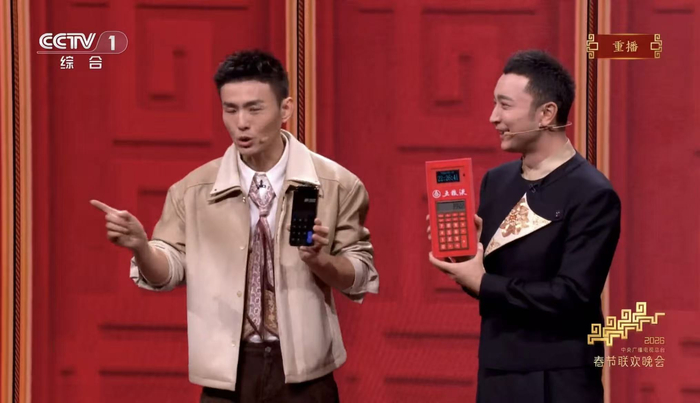
Core Viewpoint - The competition for sponsorship of the 2026 CCTV Spring Festival Gala is intensifying among liquor companies, particularly in the white liquor sector, which has a long-standing partnership with the event due to its alignment with the festive atmosphere and consumer behavior during the Spring Festival [1][5]. Group 1: Sponsorship and Marketing Strategies - CCTV has officially announced four white liquor sponsors for the 2026 Spring Festival Gala, with Wuliangye being the most talked-about due to its prominent presence in the magic performance segment [2][4]. - Wuliangye has been the exclusive interactive partner for the "Heavenly Gifts" segment of the Spring Festival Gala for four consecutive years, distributing 136,000 gifts valued at 100 million yuan during the event [4]. - Yanghe has been the exclusive timekeeping partner for the seventh consecutive year, while Gujinggongjiu and Langjiu also maintain significant sponsorship roles [4][5]. Group 2: Industry Trends and Consumer Behavior - The number of white liquor sponsors for the 2026 Spring Festival Gala has increased by one compared to the previous year, indicating sustained enthusiasm for sponsorship despite economic pressures [5]. - White liquor companies are increasingly focusing on creative and engaging marketing strategies, moving beyond traditional advertising to more integrated product placements in various segments of the gala [5][6]. - Local television stations are also seeing increased collaboration with liquor companies, showcasing a broader marketing strategy that emphasizes regional brand recognition and consumer engagement [5][6]. Group 3: Financial Performance and Market Challenges - The financial outlook for white liquor companies is challenging, with significant profit declines reported by major players such as Yanghe and Kweichow Moutai, indicating a tough market environment [6][8]. - Despite the high costs associated with sponsoring the Spring Festival Gala, companies view it as a strategic investment to maintain brand visibility and consumer engagement during a period of economic downturn [6][10]. - The industry is shifting towards more cost-effective marketing strategies, focusing on key moments and channels that can directly influence sales, rather than relying solely on broad advertising campaigns [10].


现场直击春晚分会场,解码一座川南城市的“潮头”基因
Mei Ri Jing Ji Xin Wen· 2026-02-18 08:29
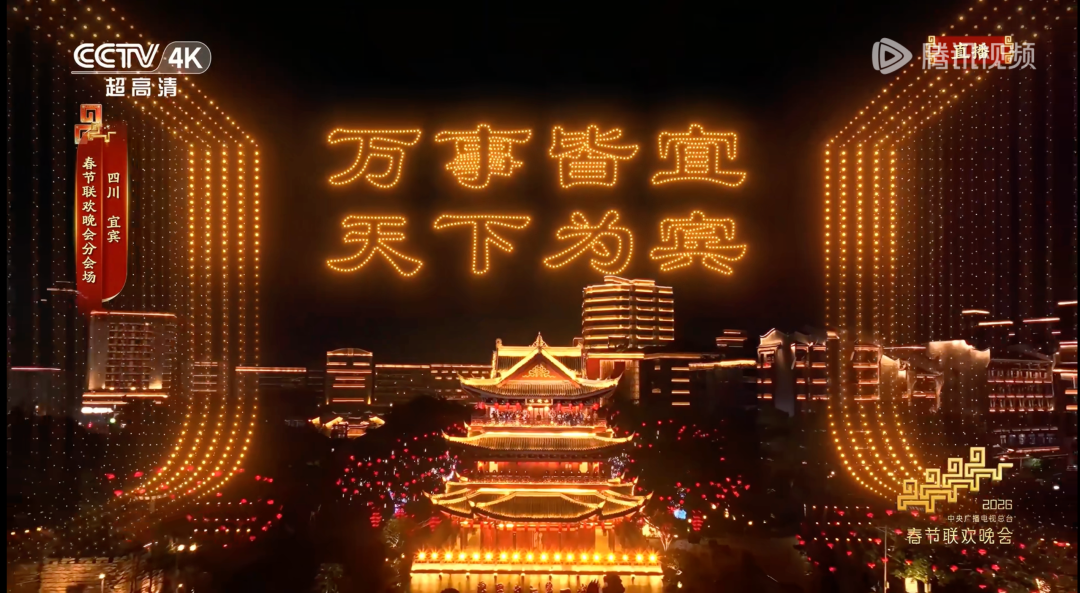
Core Viewpoint - Yibin is emerging as a hub for advanced technology and artificial intelligence, leveraging its historical strengths in industries like liquor and new energy to transition into a new era of innovation and development [3][12][16]. Group 1: Technological Advancements - The 2026 Spring Festival Gala showcased Yibin's integration of cutting-edge technology, featuring a 30-meter bamboo shoot stage and thousands of drones, highlighting the city's commitment to ecological and technological innovation [1][3]. - Yibin has established the first robot data collection center in Southwest China, creating a closed loop of data collection, model training, and application, with a projected team of over 500 people and more than 200,000 hours of high-quality data [6][9]. - The city has attracted over 100 artificial intelligence companies, with total signed investments exceeding 23 billion yuan, and has created a robust ecosystem covering data applications, hardware manufacturing, and computing infrastructure [11][12]. Group 2: Investment and Capital Logic - Yibin's innovative "fund + scene + data" model has led to the establishment of eight AI-focused funds with a total scale of 3 billion yuan, driving the headquarters of various enterprises to settle in the city [8][9]. - The city has opened urban application scenarios to encourage companies to incubate locally, exemplified by the deployment of the "space capsule" vending machine, which has been expanded to major cities like Beijing and Chengdu [4][8]. - Yibin's strategy includes providing preferential data supply and benchmark scenario resources to attract leading robotics companies, fostering local applications and driving sales and production [9][20]. Group 3: Industrial Transformation - Yibin has successfully transitioned from a liquor-centric economy to a new energy powerhouse, with the battery industry projected to exceed 100 billion yuan in output value by 2025, making it a significant player in the global electric vehicle market [14][15]. - The city has also developed a strong photovoltaic industry, with a projected output value of 37 billion yuan by 2025, marking a 28.5% year-on-year growth [14]. - Yibin's approach to industrial development emphasizes precision in key segments, focusing on core areas like power batteries and robotics, which are interconnected through shared supply chains [15][16]. Group 4: Urban Development and Environment - Yibin's urban planning integrates industrial, residential, and ecological spaces, with a focus on creating a high-quality living environment that attracts talent and supports industry [21][22]. - The city has implemented a one-stop service model for businesses, significantly reducing the time from project signing to production, as seen in the rapid deployment of the Chasing Technology project [22]. - Yibin's commitment to enhancing its business environment is reflected in its proactive approach to fulfilling promises and providing efficient services to enterprises [22].


酒价内参2月18日价格发布 市场涨跌互现整体价格小幅回升
Xin Lang Cai Jing· 2026-02-18 01:17
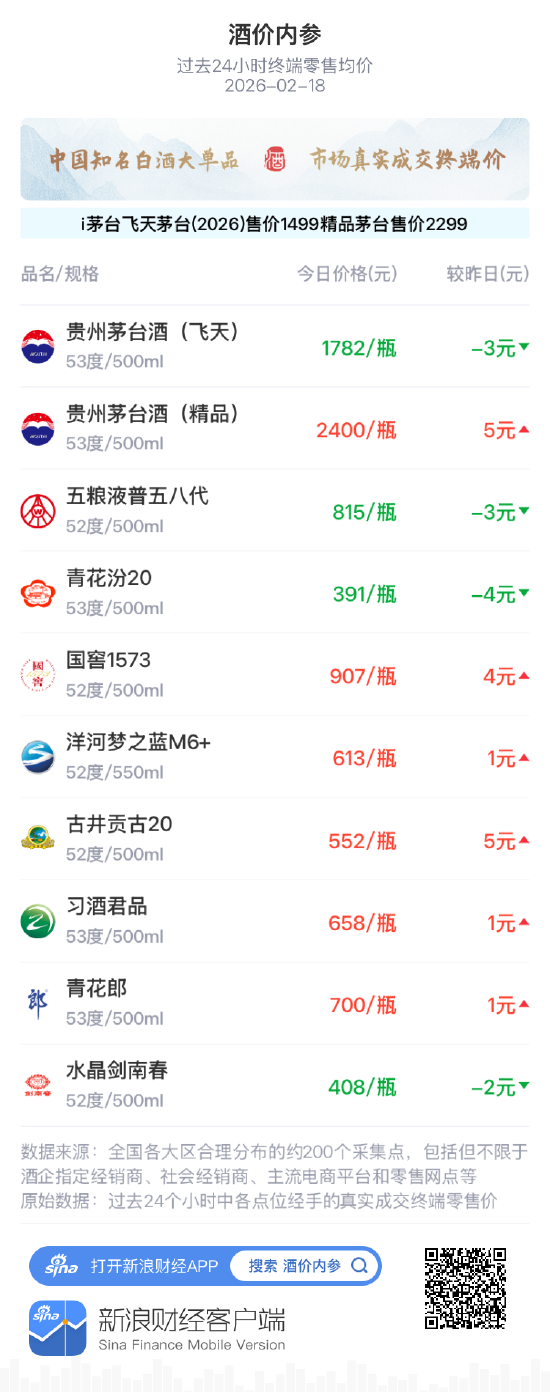
Core Insights - The article highlights the fluctuating prices of China's top ten liquor products, indicating a mixed market trend with a slight overall increase in retail prices, reaching a new high since 2026 [1][6]. Price Trends - The total retail price for a package of the top ten liquor products is 9226 yuan, up by 5 yuan from the previous day, marking a new high for 2026 [1][6]. - The market shows a pattern of six products increasing in price and four decreasing, indicating structural characteristics of price movements [1][6]. Specific Product Price Changes - Notable price increases include: - Premium Moutai and Gujing Gong 20, both up by 5 yuan per bottle [1][6]. - National Cellar 1573, up by 4 yuan per bottle [1][6]. - Yanghe Dream Blue M6+, Xijiu Junpin, and Qinghua Lang, each up by 1 yuan per bottle [1][6]. - Price decreases include: - Qinghua Fen 20, down by 4 yuan per bottle [1][6]. - Wuliangye Pu 58 and Flying Moutai, both down by 3 yuan per bottle [1][6]. - Crystal Jian Nan Chun, down by 2 yuan per bottle [1][6]. Market Analysis - The data for "Liquor Price Reference" is collected from approximately 200 points across various regions, aiming to provide an objective and traceable market price for well-known liquors [4][9]. - The recent introduction of official sales channels for Moutai products has begun to influence market prices significantly [4][9]. - The analysis suggests that the price increase during the 2026 Spring Festival is a short-term effect driven by supply contraction and holiday demand, without altering the underlying "volume reduction and price increase" issue in the industry [5][9].


“宇树IPO更稳了”
投资界· 2026-02-17 07:20
Core Viewpoint - The 2026 Spring Festival Gala showcased a significant presence of technology and innovation, particularly in robotics and AI, marking a shift in China's industrial landscape towards hard technology innovation [4][22]. Group 1: Robotics and AI - The gala featured over 20 partners, with a notable focus on robotics, including companies like Yushutech, Magic Atom, and Galaxy General, highlighting the evolution of embodied intelligence in China [3][4]. - Yushutech's performance demonstrated advanced capabilities, contributing to its valuation exceeding 10 billion RMB and accelerating its IPO process [10]. - Galaxy General, a newly established company, achieved a valuation of 3 billion USD after raising 300 million USD, showcasing the rapid growth in the robotics sector [10]. - The event served as a platform for these companies to compete not just in performance but also in intelligence and practical applications, indicating a maturation of the robotics industry in China [11]. Group 2: New Media and Consumer Engagement - The integration of platforms like Bilibili, Xiaohongshu, and Douyin into the gala reflects a shift in how younger audiences engage with traditional media, emphasizing real-time interaction and content creation [16]. - Douyin's role as the exclusive partner for "Vertical Screen Viewing" and Bilibili's position as the exclusive bullet screen video platform illustrate the diversification of media consumption among younger generations [16]. - The rise of emotional consumption brands like Miniso and KAYOU at the gala indicates a cultural shift towards valuing emotional and cultural connections over traditional material consumption [17][18]. Group 3: Industry Transformation - The gala serves as a microcosm of China's industrial transformation, moving from traditional consumer goods to advanced technology and cultural products, reflecting changing consumer preferences [20][22]. - The reduction in alcohol brand presence at the gala signifies a broader trend away from traditional industries towards tech-driven sectors, highlighting the evolving landscape of consumer engagement [20]. - The emphasis on technology and innovation at the gala marks a pivotal moment in China's industrial evolution, suggesting a future focused on hard tech and sustainable growth [22][23].
春晚“含酒量”降低,头部酒企营销逻辑正在重构?
Sou Hu Cai Jing· 2026-02-17 06:57
Core Viewpoint - The participation of liquor companies in the Spring Festival Gala has decreased, reflecting a shift in the industry dynamics and marketing strategies, as companies adapt to changing market conditions and consumer behaviors [1][2][5]. Group 1: Industry Participation Trends - In 2026, only four liquor companies participated in the Spring Festival Gala, a decline from nine in 2024 and seven in 2025, raising questions about the effectiveness of traditional advertising methods [1]. - The correlation between the participation of liquor brands in the Spring Festival Gala and the industry's overall health is evident, with a significant increase in brand participation during periods of industry growth [1]. - The liquor industry saw a sales revenue growth of over 36% from 2020 to 2024, which coincided with an increase in the number of brands participating in the gala [1]. Group 2: Marketing Strategy Shifts - Companies are becoming more cautious about high-cost traditional advertising methods like the Spring Festival Gala, opting instead for more effective digital marketing strategies that offer better tracking and conversion rates [2][4]. - The traditional notion that only first-tier brands must participate in the gala is being challenged by inventory pressures and cash flow needs, leading to a reallocation of resources towards direct consumer engagement strategies [4]. - Brands that continue to invest in the Spring Festival Gala are doing so strategically, using it to reinforce brand presence and consumer confidence rather than merely for short-term sales boosts [5]. Group 3: Future Industry Outlook - The reduction in liquor brands at the Spring Festival Gala signifies a transition towards a more mature marketing approach, focusing on long-term value rather than short-term visibility [5][7]. - The shift from traditional liquor advertising to digital platforms and community engagement reflects a broader change in the industry, moving from mass marketing to targeted communication [7]. - The evolution of marketing strategies in the liquor industry indicates a necessary adaptation to changing consumer preferences and market conditions, emphasizing the importance of understanding consumer needs and quality of operations [5][7].
春晚白酒品牌三十年浮沉:从'标王'争霸到'四强'鼎立,行业营销迈入高质量新阶段
Jing Ji Guan Cha Bao· 2026-02-17 06:48
Group 1 - The article discusses the evolution of the Chinese liquor industry as reflected through the partnerships with the Spring Festival Gala, highlighting three distinct phases: rapid expansion, recovery, and consolidation [1][2] - From the 1990s to 2012, liquor brands aggressively competed for prime advertising spots, with notable brands like Langjiu and Moutai establishing strong presences [1] - The period from 2016 to 2019 saw a resurgence of liquor brands returning to the Gala through special partnerships, with Guqingongjiu becoming a representative brand during this phase [1] Group 2 - Since 2020, the industry has entered a phase of solidified leadership, with top brands like Yanghe and Wuliangye forming a stable partnership structure, reducing the number of participating brands significantly [2] - The 2026 Spring Festival Gala will feature a reduced lineup of four leading brands, marking a new low in brand participation over the past six years, indicating a shift towards high-quality development rather than industry decline [2] - The evolution from competitive bidding to a focus on a few leading brands reflects a broader transformation in the liquor industry towards brand-driven strategies and rational marketing approaches [2]
未来白酒市场的竞争格局会因营销策略变化而如何发展?
Sou Hu Cai Jing· 2026-02-17 05:06
Core Viewpoint - The article discusses the significant transformation in the Chinese liquor industry, particularly focusing on Kweichow Moutai's shift from traditional distribution to a direct sales model, marking a consumer-centric evolution in the market landscape [1]. Group 1: Channel Revolution - The traditional long-chain distribution model in the liquor industry is rapidly disintegrating, with Kweichow Moutai canceling its traditional distribution system in 2026 to establish a multi-dimensional marketing network [2]. - The new model aims to reduce intermediaries and control channel inventory, allowing prices to reflect genuine supply and demand [2]. - The average gross margin for liquor distributors has dropped from over 20% in 2019 to around 15% by 2025, with net profit margins falling below 5% [2]. - The chairman of Moutai stated that the era of excessive profits for agents has ended, emphasizing the importance of enhancing consumer engagement and real consumption scenarios [2]. Group 2: Marketing Focus Shift - Traditional high-profile marketing strategies are losing effectiveness, as evidenced by the decline in participation of major liquor brands in the 2026 CCTV Spring Festival Gala [3]. - Three refined marketing strategies are emerging: 1. Scene penetration strategy focusing on high-frequency consumption scenarios [3]. 2. Regional precision strategies leveraging brand IP to break through homogeneous competition [3]. 3. Content value binding to create differentiated recognition through emotional connections [3]. - The industry consensus is shifting marketing focus from channel push to consumer pull, with a significant reduction in the primary consumer demographic [3]. Group 3: Future Market Structure - The transformation in marketing strategies is expected to redefine competition rules, leading to three major trends: 1. Supply chain efficiency becoming critical, with DTC models and O2O retail gaining prominence [4]. 2. A dual pricing system where high-end brands penetrate the mass market, with Moutai's price drop stimulating higher opening rates [4]. 3. Innovation capabilities becoming essential, as the demand for healthier, lower-alcohol, and personalized products rises [4]. Conclusion: Return to Essential Competition - The future competition in the liquor industry will be defined by "real opening rates" rather than "channel inventory levels" [6]. - The transformation in marketing strategies is fundamentally about dismantling speculative chains and rebuilding consumer trust [6]. - Leading companies will rely on direct sales efficiency and scene penetration, while regional brands will leverage differentiated IP to navigate challenges [6].