
长安汽车

Search documents
阿维塔赴港冲刺IPO:“国家队”新能源稀缺标的,115亿押注华为背后
Di Yi Cai Jing Zi Xun· 2025-12-23 14:37
Core Viewpoint - The Chinese electric vehicle (EV) industry is facing challenges as market saturation approaches and profitability pressures increase, particularly for new entrants. Avita Technology's IPO represents a strategic move to navigate these challenges and serves as a case study for high-end smart EV survival logic in China [1][18]. Group 1: Industry Context - By 2025, the penetration rate of China's new energy vehicles is expected to approach 60%, leading to a saturated incremental market and increased competition [1]. - UBS predicts a potential 2% year-on-year decline in domestic passenger car sales in 2026, highlighting the industry's transition from "wild growth" to "refined cultivation" [1][2]. Group 2: Avita's Competitive Advantages - Avita's unique advantage lies in its "central enterprise background + industrial giant" collaborative ecosystem, which includes partnerships with Changan Automobile, Huawei, and CATL [2]. - The company has secured over 19 billion yuan in financing and has achieved a gross margin of 10.1% as of mid-2025, indicating strong financial performance [1][4]. Group 3: Business Model and Financial Performance - Avita adopts a light-asset model, focusing on product definition and brand building while outsourcing manufacturing and energy solutions to partners, enhancing operational efficiency [5][6]. - The company reported a revenue of 151.95 billion yuan in 2024, a 169% increase year-on-year, and 122.08 billion yuan in the first half of 2025, a 98.5% increase [6][9]. Group 4: Product Strategy and Market Response - Avita has developed a clear product matrix covering price ranges from 200,000 to 700,000 yuan, ensuring a solid sales foundation while exploring brand elevation [7][9]. - The company achieved a record sales figure of 14,057 vehicles in November 2025, with total sales surpassing 220,000 units [9]. Group 5: Global Expansion Strategy - Avita has initiated an aggressive global expansion strategy, entering 38 countries and regions since September 2024, with a goal of achieving 10% overseas sales by 2026 [10][13]. - The company plans to implement local assembly and production to reduce costs and improve market responsiveness in the long term [13]. Group 6: Capital Market and IPO Insights - Avita's IPO is not merely a financial necessity but aligns with its strategic goals, aiming to enhance corporate governance and attract talent [14][15]. - The capital market's valuation logic is shifting towards ecological rarity, technological control, and profitability certainty, areas where Avita excels [14]. Group 7: Strategic Partnerships and Ecosystem Development - Avita is expanding its ecosystem through partnerships, including a comprehensive collaboration with JD Retail to enhance marketing, after-sales service, and supply chain optimization [17]. - The company is actively building an open collaborative ecosystem to create a competitive advantage in a saturated market [17][18].

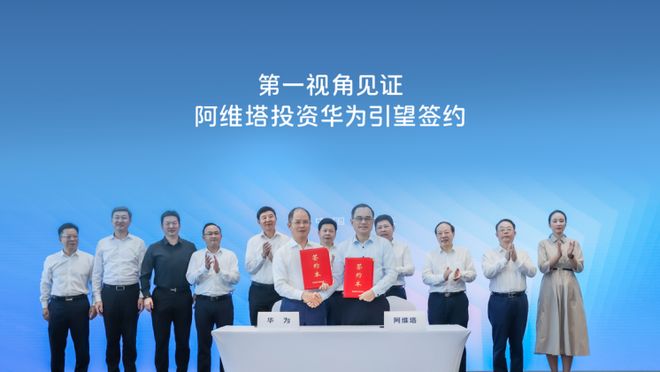
阿维塔赴港冲刺IPO:“国家队”新能源稀缺标的,115亿押注华为背后
第一财经· 2025-12-23 14:13
Core Viewpoint - The Chinese electric vehicle (EV) industry is facing challenges as market saturation approaches and profitability pressures increase, particularly for new entrants. The IPO of Avita Technology represents a significant move in this context, showcasing its unique business model and strategic partnerships with major industry players [1][23]. Group 1: Industry Challenges and Market Dynamics - By 2025, the penetration rate of electric vehicles in China is expected to approach 60%, leading to a saturated incremental market and increased competition [1]. - UBS predicts a potential 2% year-on-year decline in domestic passenger car sales in 2026, highlighting the industry's shift from rapid growth to a more competitive landscape [1]. - The transition from a price war to a value war is critical, with companies needing to adapt to survive [1]. Group 2: Avita's Unique Positioning - Avita's IPO is backed by a strong ecosystem involving Changan Automobile, Huawei, and CATL, which provides a competitive edge through resource integration [2][3]. - The company has achieved significant milestones, including over 19 billion yuan in financing and a gross margin of 10.1% as of mid-2025, indicating strong operational performance [1][6]. Group 3: Business Model and Financial Performance - Avita employs a light-asset model, focusing on product definition and brand building while outsourcing manufacturing and technology to partners, enhancing operational efficiency [8]. - The company has reported substantial revenue growth, with 2024 revenue reaching 15.195 billion yuan (up 169%) and 2025 first-half revenue at 12.208 billion yuan (up 98.5%) [8]. - R&D investment has also increased significantly, with over 1.2 billion yuan in 2024 (up 80%) and over 830 million yuan in the first half of 2025 (up 167%) [8]. Group 4: Product Strategy and Market Response - Avita has developed a clear product matrix covering price ranges from 200,000 to 700,000 yuan, ensuring a solid sales foundation while exploring brand elevation [10]. - The company achieved record sales of 14,057 vehicles in November 2025, with total sales exceeding 118,300 units from January to November [12]. Group 5: Global Expansion Strategy - Avita has initiated international expansion, entering 38 countries and regions since September 2024, with a goal of achieving 10% overseas sales by 2026 and 30% within five years [14][17]. - The company differentiates itself in global markets by offering a luxurious smart EV experience, contrasting with traditional European brands and Tesla [15]. Group 6: Capital Market Confidence and Future Outlook - Avita's fundraising efforts have garnered significant attention, with over 19 billion yuan raised, reflecting strong market confidence in its business model and value [19]. - The upcoming IPO is not merely a financial necessity but aligns with the company's strategic goals, aiming to enhance governance and market competitiveness [20]. - Avita's proactive strategy in expanding its ecosystem through partnerships with companies like JD.com and Haier positions it well for future growth [22].
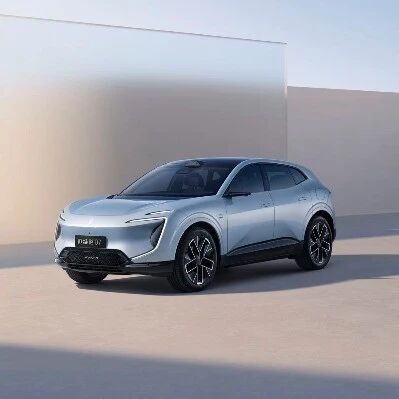
首批3个号牌落户北汽极狐,北京L3级自动驾驶获准合法上路
Bei Jing Shang Bao· 2025-12-23 12:43
Core Viewpoint - The development of Level 3 (L3) conditional autonomous driving in China is making significant progress, with the issuance of special license plates for L3 vehicles marking a transition from testing to commercial use [2][3]. Group 1: Policy and Implementation - Beijing has issued the first batch of special license plates for L3 autonomous vehicles, including the BAIC Arcfox Alpha S (L3 version), which has received legal road qualifications [2]. - The Ministry of Industry and Information Technology has granted approval for the first L3 conditional autonomous driving models, allowing Changan Automobile and BAIC Arcfox to conduct road trials in designated areas [2]. - The first L3 special license plate "渝AD0001Z" was issued in Chongqing, indicating a shift to compliant commercial use of autonomous vehicles [2]. Group 2: Technical Advancements - The BAIC Arcfox Alpha S (L3 version) is the only model in the first batch equipped with LiDAR technology, which is crucial for its autonomous capabilities [3]. - The vehicle can perform dynamic driving tasks under specific conditions, achieving a maximum speed of 80 km/h on designated highways and urban expressways, although a driver must remain in the seat to take control in emergencies [3]. - The successful deployment of L3 autonomous driving is attributed to BAIC's long-term technological investments in intelligent networking, new energy, and safety [3]. Group 3: Industry Impact and Future Trends - The rollout of L3 autonomous driving is expected to accelerate the iteration of core technologies such as sensors, chips, and algorithms, promoting the integration of "vehicle-road-cloud" infrastructure [5]. - New business models, including subscription services and data services, are anticipated to emerge, shifting the profit focus from hardware to software and services [5]. - The market is expected to undergo a reshuffle, with companies possessing comprehensive self-research capabilities likely to dominate as L3 functionalities become more mainstream and accessible [5].

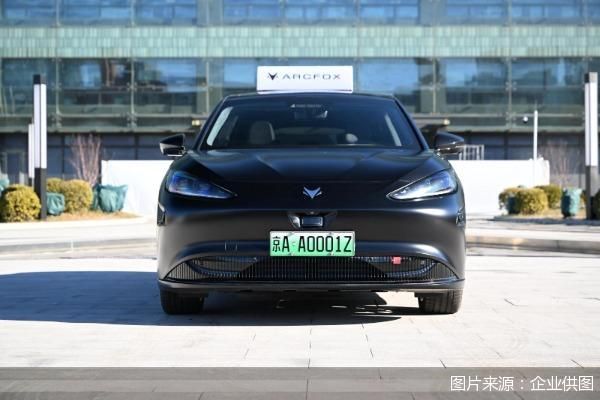
渝AD0001Z,国内首块!
Xin Hua Wang· 2025-12-23 12:31
Group 1 - The first official license plate for L3 level autonomous driving, "渝AD0001Z," was issued in Chongqing, marking a significant milestone for the industry [1] - Changan Automobile is the first company in China to officially enter the L3 level autonomous driving era [1] - The L3 level autonomous driving system from Changan has completed over 5 million kilometers of real road testing in Chongqing [1]

华源晨会精粹20251223-20251223
Hua Yuan Zheng Quan· 2025-12-23 12:24
Group 1: Consumer Sector Insights - The central economic work conference prioritizes expanding domestic demand, with "reward economy" expected to drive consumption growth, reshaping consumer behavior and enhancing supply-side requirements [2][6] - The "reward economy" is projected to boost the emotional economy market in China, with a forecasted market size of 23,077.67 billion yuan in 2024, potentially exceeding 45,000 billion yuan by 2029 [6] - The report identifies key consumer companies listed on the Beijing Stock Exchange, including those in cultural IP, pet food, cosmetics, and food and beverage sectors, which are expected to thrive under favorable policies [6][7] Group 2: Intelligent Driving Industry - The Ministry of Industry and Information Technology has conditionally approved two L3 autonomous driving models, marking a transition from technology validation to mass production in China's autonomous vehicle industry [11] - The autonomous driving market in China reached a scale of 330.1 billion yuan in 2023, with a projected growth to nearly 450 billion yuan by 2025 [11] - Eleven companies in the intelligent driving supply chain are identified, including Audiwei and Kaiter, which are positioned to benefit from this market expansion [11][12] Group 3: Construction Materials and Fireworks - The upcoming Spring Festival has led to renewed interest in investment opportunities related to fireworks, as policies shift from prohibition to restrictions, enhancing market attention [16] - The report highlights the potential for investment in companies like Guotai Group, which may benefit from these regulatory changes [16] - The IPO market is heating up, with companies like Yuxin Semiconductor receiving approval, indicating a positive trend for the construction materials sector [17] Group 4: Logistics and Transportation - The express delivery industry saw a 5% year-on-year increase in package volume in November, with significant performance variations among major players [21] - The report notes that the average price per package for major express companies has improved, indicating a recovery in profitability within the logistics sector [21][32] - The report emphasizes the resilience of the e-commerce logistics sector, with companies like YTO Express and Shentong Express expected to benefit from ongoing demand and operational improvements [32] Group 5: Shipping and Port Operations - The report discusses the impact of U.S. sanctions on oil tankers, suggesting that compliant oil transport markets may benefit from these geopolitical developments [27] - The Shanghai export container freight index has shown an increase, indicating a positive trend in shipping rates [28] - The report highlights the potential for recovery in the shipping market, driven by OPEC+ production increases and a favorable economic environment [33]
智能汽车系列报告(七):首批L3级自动驾驶车型获准入
Shanghai Aijian Securities· 2025-12-23 12:15
Investment Rating - The report assigns an "Outperform" rating for the automotive industry, particularly focusing on the advancements in L3 autonomous driving technology [3]. Core Insights - The approval of the first batch of L3 autonomous driving vehicles in China marks a significant transition from testing to commercial application, with the responsibility for driving during system activation shifting to the vehicle manufacturers or system suppliers [3][4]. - The L3 level is expected to enhance the value chain within the automotive industry, as it requires advanced perception, computing power, and system integration, leading to increased value per vehicle in components such as cameras, LiDAR, and high-performance driving chips [3][10]. - The report highlights a shift in market focus from L2 penetration rates to the reliability of L3 technology, indicating a new phase characterized by engineering implementation and regulatory oversight [4][7]. Summary by Sections Event Overview - On December 15, the Ministry of Industry and Information Technology officially announced the approval of the first batch of L3 autonomous driving vehicles, specifically the Arcfox Alpha S5 and Changan Deep Blue SL03, for trial operations in designated areas of Beijing and Chongqing [4][10]. Policy Insights - The L3 regulations stipulate that the responsibility during system activation lies with the vehicle manufacturers or system suppliers, addressing the ambiguity present in L2 systems where the driver is the sole responsible party [15][22]. Technical Aspects - The report discusses the technological requirements for L3 autonomous driving, emphasizing the need for enhanced sensor configurations, data transmission capabilities, and computing power, which are critical for the successful deployment of L3 vehicles [23][24]. - The anticipated increase in the number of cameras and the integration of LiDAR technology are expected to significantly elevate the value of components in L3 vehicles, with projections indicating a doubling of the value of high-frequency connectors and chips [25][26]. Global Comparison - The report notes the differentiated progress in L3 development across countries, with Germany leading in legislation and responsibility clarity, while the U.S. focuses on L4 commercial applications, and Japan adopts a more conservative approach [31][34]. Investment Recommendations - The report suggests that companies with leading smart technology, system engineering capabilities, and strong supply chain management are likely to benefit from the commercialization of L3 autonomous driving. Recommended companies include Xpeng Motors, Li Auto, Xiaomi, and Changan Automobile, along with component suppliers like Horizon Robotics and Baolong Technology [3][31].

站在3个3000万辆新起点
Xin Lang Cai Jing· 2025-12-23 12:14
Group 1 - The Chinese automotive industry has achieved significant milestones, with major manufacturers like FAW-Volkswagen and Changan Automobile reaching their 30 millionth vehicle production mark, contributing to a total production and sales exceeding 31 million units, both up over 10% year-on-year [2][7] - Technological innovations are advancing rapidly, particularly in solid-state battery development and intelligent connected vehicles, with 64% of new passenger cars featuring combined driving assistance functions [2][7] - Despite growth, the industry faces challenges such as irrational competition leading to price wars and declining profit margins, alongside persistent issues of "involution" that threaten long-term brand value and sustainable development [2][7] Group 2 - The recent Central Economic Work Conference outlined eight key tasks, six of which are directly related to the automotive industry, emphasizing the need for a demand-driven approach, innovation, reform, and international openness [3][8] - Policies aimed at stimulating domestic demand have been effective, with over 11.2 million applications for vehicle trade-ins from January to November, and projections indicating that the trade-in market could exceed 180 billion yuan by 2025 [3][8] - The focus on addressing "involution" competition is set to intensify, with new guidelines for pricing behavior expected to shift competition from price to value, encouraging investment in technology and brand development [4][9] Group 3 - The establishment of the Hainan Free Trade Port is expected to enhance trade relations and provide opportunities for the automotive industry to explore cross-border data and vehicle modification [5][10] - By 2026, the automotive industry is anticipated to transition from growth based on scale to one focused on quality and efficiency, driven by domestic demand activation, competition regulation, and innovation [5][10]

政策破冰,资本竞逐!上市公司加速抢滩无人驾驶新赛道
Xin Lang Cai Jing· 2025-12-23 12:09
Core Insights - The Chinese autonomous driving industry has reached a significant milestone with the issuance of the first L3 conditional autonomous driving vehicle permits by the Ministry of Industry and Information Technology on December 15, 2025, marking the transition to commercial applications [2][4] - Starting from December 16, 2025, at least eight listed companies have added the "autonomous driving" concept to their business strategies, indicating substantial advancements in perception, decision-making, execution, and application scenarios [2][5] Company Summaries - Haicheng Bonda introduced the "autonomous driving" concept on December 16, 2025, with a project in Hefei that utilizes "unmanned vehicles and unmanned warehouses" to enhance logistics efficiency [2][5] - Changguang Huaxin also added the "autonomous driving" concept on December 16, focusing on the development of laser radar light source solutions, including VCSEL laser chips for automotive applications [2][5] - Hanxin Technology entered the "autonomous driving" space on December 16, with products related to vehicle-road collaboration, including edge computing devices and cloud control platforms [3][5] - Hikvision joined the "autonomous driving" sector on December 17, providing a full-stack sensor solution for various levels of intelligent driving systems, including cameras and radars [3][5] - Century Hengtong added the "autonomous driving" concept on December 17, specializing in multi-modal data fusion and automated processing capabilities to support high-level autonomous driving development [3][6] - Lian Microelectronics entered the field on December 18, focusing on compound semiconductor chip manufacturing, with VCSEL chips widely used in laser radar for intelligent driving [3][6] - Lingyun Co., Ltd. announced on December 18 that it has completed the design of a steering system for unmanned logistics vehicles, which is a critical component for achieving autonomous driving [3][6] Industry Outlook - The issuance of L3 permits is seen as a starting gun for the commercial race in China's autonomous driving sector, with the eight companies' responses reflecting the industry's readiness for policy changes and technological advancements [7]

乘联分会秘书长崔东树:前11月新能源车出口表现好于预期
Jin Rong Jie· 2025-12-23 11:07
Group 1 - The core viewpoint of the articles highlights the strong performance of China's automotive exports, particularly in the electric vehicle (EV) sector, with significant year-on-year growth in both total and new energy vehicle exports [1][3] - In November 2025, China exported 810,000 vehicles, marking a 48% increase year-on-year, although it saw a slight decrease of 2% month-on-month [1] - For the period from January to November 2025, total vehicle exports reached 7.33 million units, reflecting a robust year-on-year growth rate of 25% compared to the same period in 2024 [1] Group 2 - The export of new energy vehicles (NEVs) in November 2025 reached 350,000 units, representing a remarkable year-on-year increase of 156% [1] - From January to November 2025, NEV exports totaled 3.01 million units, with a year-on-year growth rate of 62%, indicating a recent surge in growth [1] - The growth in exports is attributed to the rising popularity of plug-in hybrid and hybrid vehicles, which are becoming new growth points, particularly with strong performance in the export of plug-in hybrid pickups [3]
面壁智能完成数亿元融资,国科投资等参投
Xin Lang Cai Jing· 2025-12-23 11:00
Core Insights - Mianbi Intelligent has recently completed a financing round of several hundred million yuan, with participation from various investors including Jingguorui, Guoketouzi, CICC Porsche Fund, Mijucapital, and Heji Investment [1][2] - The funds raised will primarily be used to enhance research and development of efficient edge large models and accelerate the commercialization of edge AI [1][2] Company Developments - The successful completion of this financing round is attributed to the expanding market space for edge intelligence and the investors' recognition of Mianbi's technological strength, market position, and industry prospects [2] - Mianbi's MiniCPM edge model has achieved large-scale deployment across multiple sectors, including automotive, mobile, PC, and smart home, collaborating with well-known companies such as Geely, Changan, Volkswagen, and Huawei [2] Industry Context - Mianbi's CEO, Li Dahai, emphasized the commitment to partnering with industry chain collaborators to enable efficient edge large models to operate on a vast number of terminals, providing innovative and inclusive smart experiences for consumers [2] - The company is positioned to leverage favorable national policies, accelerated technological iterations, and emerging consumer scenarios, aiming to strengthen its leadership in the edge AI market following this financing [2]