欣旺达

Search documents
“一芯难求”!头部企业开启“加班”模式
起点锂电· 2025-09-30 08:20
Core Viewpoint - The article highlights a significant shift in the lithium battery market, transitioning from concerns about insufficient demand to worries about supply constraints, particularly in the energy storage sector, which is now a key driver of lithium battery demand [2][3]. Group 1: Market Dynamics - The lithium battery sector has seen a strong rebound in stock prices for major companies like CATL and Ganfeng Lithium, indicating a market sentiment shift [2]. - Energy storage has transitioned from a secondary role to a primary focus, with unexpected growth driving demand [3]. - Major manufacturers are experiencing order backlogs, with some companies unable to meet demand and having to forgo lower-margin orders [3]. Group 2: Production and Capacity Utilization - In 2025, the top 10 domestic energy storage cell manufacturers maintained a capacity utilization rate above 80%, with many exceeding 90% since the second quarter [5]. - CATL's capacity utilization reached approximately 89.86%, with a backlog of over 48 GWh in energy storage orders extending into Q1 2026 [6]. - Companies like EVE Energy and Aoxin Energy reported full production capacity, with significant year-on-year increases in shipment volumes [6][8]. Group 3: Demand and Supply Imbalance - The "chip shortage" phenomenon is attributed to a mismatch between supply and demand, with energy storage demand significantly outpacing supply capabilities [12][13]. - The domestic energy storage market has seen a 150% year-on-year increase in new tenders, with a total of over 210 GWh from January to August [15]. - Internationally, Chinese energy storage companies have experienced explosive growth in overseas orders, exceeding 180 GWh, a year-on-year increase of over 200% [16]. Group 4: Price Trends and Future Outlook - The article notes a potential continuation of the supply-demand gap until Q1 2026, with a forecasted compound annual growth rate of 30%-50% for global energy storage over the next 3-5 years [20]. - Prices for energy storage batteries are expected to rise due to increased costs of raw materials like lithium carbonate, although competitive pressures may limit price increases in the system integration market [21]. - The introduction of larger capacity cells (500Ah+) may eventually replace some of the demand for 314Ah cells, potentially stabilizing prices [21].






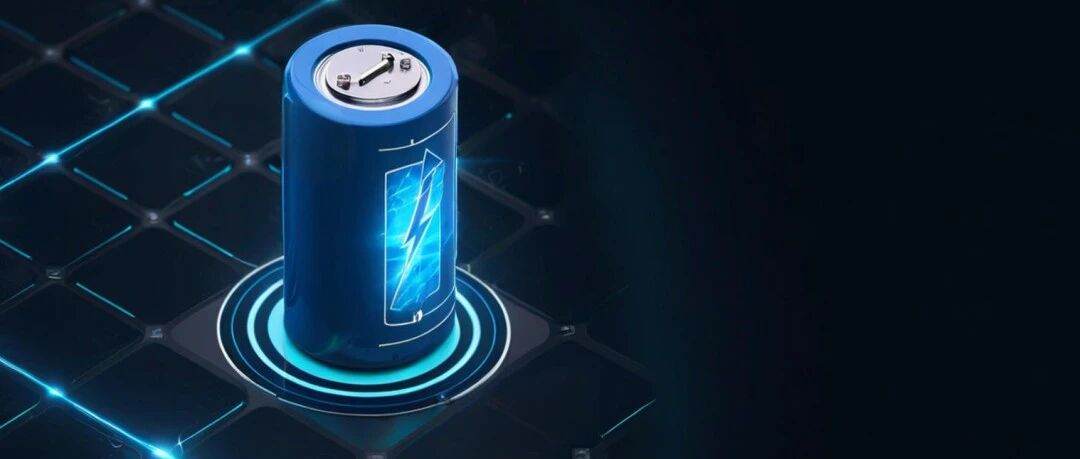
广西设100亿元人工智能产业基金;维信诺参设8.18亿元基金,债转股投控股公司 | 09.22-09.28
创业邦· 2025-09-30 00:09
Core Insights - The article highlights significant developments in the private equity fund market, focusing on various regional funds established to support emerging industries and technological advancements [5]. Government-Backed Funds - Guangxi has established a 100 billion yuan artificial intelligence industry fund, focusing on AI, digital economy, and AI chips, with a funding model of "sub-funds + direct investment" [7]. - Hubei has launched a 100 billion yuan data industry fund, with an initial scale of 20 billion yuan, targeting big data and AI sectors, aiming for a core industry value of 5,742.93 billion yuan by 2024 [8]. - Chengdu has set up a 40 billion yuan future industry fund, focusing on equity investment in various sectors [9]. - Shenzhen's Guangming district has initiated a 50 billion yuan innovation fund, emphasizing early-stage investments in technology [8]. - Zhengzhou is seeking fund management institutions for a 10 billion yuan angel investment fund to enhance innovation and entrepreneurship [10]. Market-Driven Funds - Dongjiu Xinyi has completed fundraising for a 35 billion yuan new economic infrastructure fund, focusing on logistics and smart manufacturing [15]. - A 6 billion yuan commercial energy storage fund has been established by XWANDA and partners, targeting industrial energy storage projects [16]. - VisiNova has set up an 818 million yuan fund for equity investment, focusing on the biomedical sector [17]. - A 1.4 billion yuan medical fund has been initiated by Jiuzhoutong's subsidiary, focusing on innovative medical devices and life sciences [19]. - A 502 million yuan fund has been established by Jizhi Technology, focusing on new materials and integrated circuits [20].

东吴证券晨会纪要-20250930
Soochow Securities· 2025-09-29 23:31
Macro Strategy - The macroeconomic indicators show a marginal recovery in infrastructure work volume since September, with expectations for continued monetary policy support to stabilize the funding environment [1][21] - Strong economic data from the US has tempered interest rate cut expectations, with analysts raising growth forecasts for the US economy for Q3 2025 to Q2 2026 [1][22] Fixed Income - The secondary market for capital bonds saw a weekly transaction volume of approximately 229.9 billion yuan, an increase of 52.1 billion yuan compared to the previous week [2] - The issuance of green bonds totaled 30.974 billion yuan this week, a decrease of 0.414 billion yuan from the previous week [3] Banking Sector - The bond investment yield for 42 listed banks in the first half of 2025 was approximately 1.42 trillion yuan, a slight increase of 3.82% from the same period in 2024 [4][6] - Different types of banks show varied performance, with state-owned banks maintaining relatively stable profitability due to their larger bond portfolios [6] Gas Industry - The gas industry is expected to benefit from cost optimization and a more rational pricing mechanism, with a focus on companies with US gas sources potentially mitigating tariff impacts [7] - Recommended companies include Xin'ao Energy, China Gas, and Kunlun Energy, with dividend yields ranging from 4.0% to 6.4% [7] Retail Industry - The planned spin-off of TOP TOY from Miniso is anticipated to help realize value re-evaluation for the parent company, with TOP TOY's valuation reaching 10 billion HKD [8] Automotive Industry - The automotive sector is witnessing a 12.9% week-on-week increase in passenger car sales, with significant developments from companies like Chery and Li Auto [9][10] - The industry is at a crossroads, transitioning from electric vehicle benefits to a focus on smart vehicle innovations [10] Power Equipment Industry - The demand for energy storage is expected to grow by 30-40% in the coming years, driven by new policies and market needs [11] - The lithium battery sector is also projected to see increased production, with prices expected to rise further [11] Non-Bank Financial Sector - The insurance sector is benefiting from economic recovery and rising interest rates, with a significant increase in sales of savings products [13] - Securities firms are expected to see growth from market recovery and favorable policy environments [13] Electronic Industry - The PCB industry is undergoing significant upgrades driven by AI and high-speed communication needs, with a projected market value of 94.7 billion USD by 2029 [14][15] - Key players are ramping up high-end production capabilities to meet increasing demand [15] Construction Materials Industry - The construction materials sector is expected to benefit from government policies aimed at stabilizing growth, with recommendations for companies like Huaxin Cement and Conch Cement [12] Precious Metals - Precious metals are expected to perform well due to favorable macroeconomic narratives, with gold prices showing a significant increase [18]
全球粤商齐聚这5场专题会,碰撞出哪些智慧火花?
Sou Hu Cai Jing· 2025-09-29 14:48
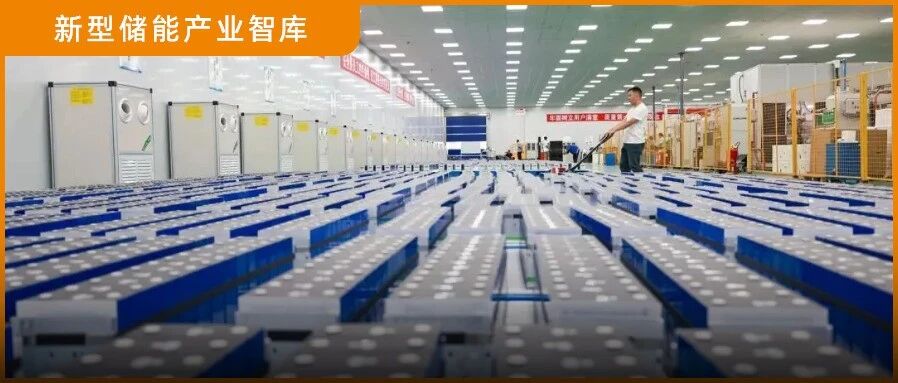
Group 1: Core Themes of the Conference - The 2025 World Cantonese Business Conference focused on modern industrial system construction, high-quality development projects, international cooperation, youth innovation, and financial support for development [1][4][8] - The conference gathered renowned Cantonese business leaders, experts, and scholars to discuss industrial upgrading and open cooperation opportunities [1][4] Group 2: International Cooperation and Global Market Expansion - Cantonese businesses have historically played a significant role in China's internationalization, evolving from product exports to global supply chain establishment [4][5] - The need for innovation and unique technological capabilities is emphasized for Cantonese businesses to remain competitive in the changing international landscape [5][6] - Businesses are encouraged to integrate local economic development with their operations when expanding internationally, fostering collaboration and cultural respect [5][6] Group 3: Modern Industrial System Development - Guangzhou's economic output has surpassed 3 trillion yuan, with six advanced manufacturing clusters and seven service industry clusters each exceeding 100 billion yuan [6][7] - The city is focusing on five future industrial sectors, including intelligent vehicles, biomedicine, new displays, low-altitude economy, and artificial intelligence [6][7] - Systematic policies and strong support for resources are crucial for the elevation of industrial capabilities in Guangdong [6][7] Group 4: Financial Support for High-Quality Development - Guangdong's financial system is actively supporting the transformation and upgrading of industries, with a significant increase in loans to private and small enterprises [7][8] - As of August, the loan balance for private enterprises reached 8.68 trillion yuan, with a year-to-date increase of 275.9 billion yuan [7][8] Group 5: Youth Engagement and Innovation - The conference highlighted the role of youth in driving innovation and contributing to high-quality development in the Greater Bay Area [11][12] - Young Cantonese entrepreneurs are encouraged to build collaborative platforms to share resources and enhance collective strength in supporting national strategies [11][12] Group 6: Regional Development and Cultural Integration - Cantonese businesses are actively participating in regional development initiatives, such as supporting industries in Tibet through resource development and cultural preservation [12] - The integration of local culture and economic activities is seen as vital for sustainable development and community engagement [12]
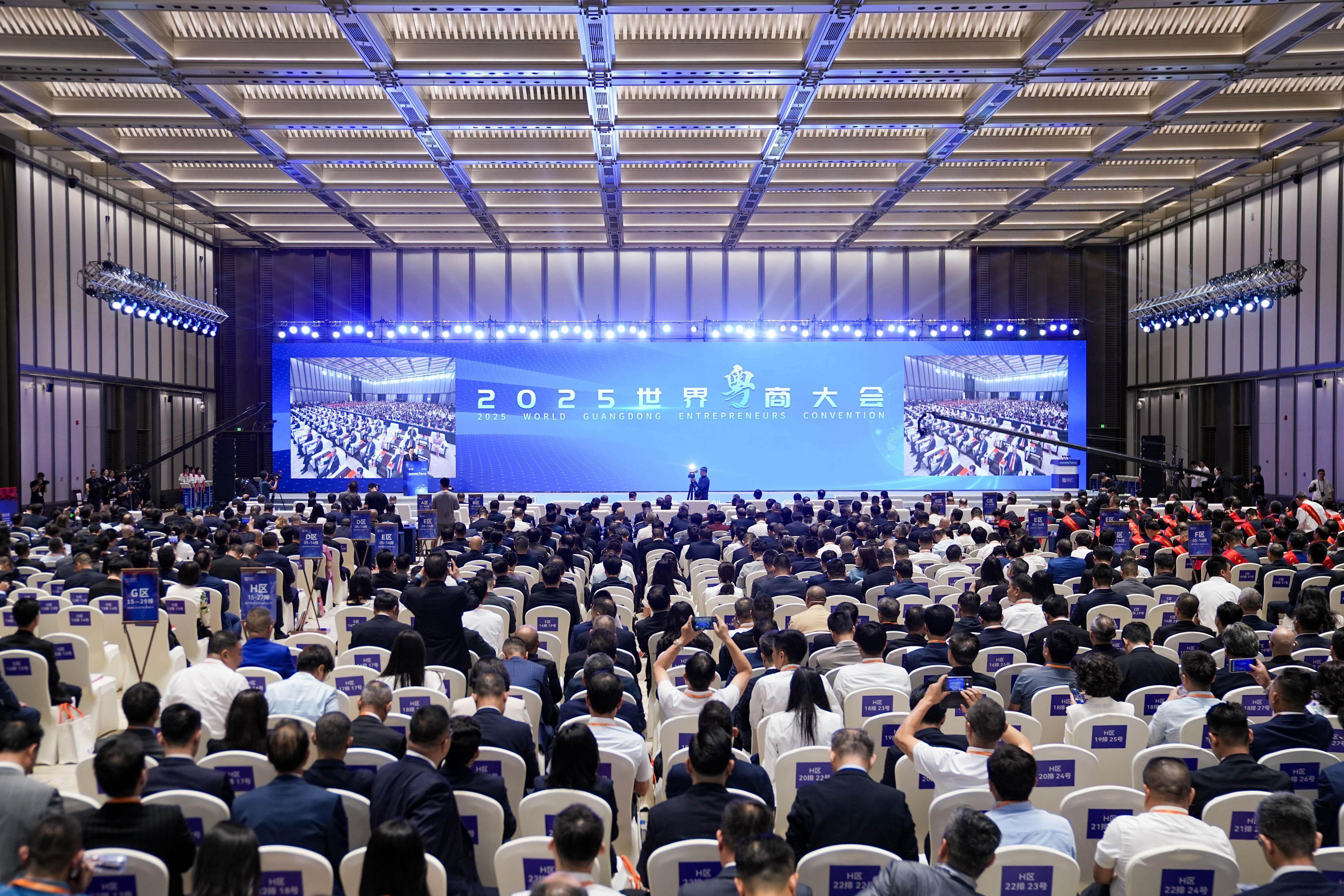
314Ah满产!储能电芯彻底爆单
行家说储能· 2025-09-29 12:10
Core Viewpoint - The energy storage sector is experiencing significant growth due to unexpected recovery in industry prosperity and event catalysts, leading to high demand for energy storage batteries and near-full production capacity among major manufacturers [2]. Group 1: Production Capacity and Utilization - Major battery manufacturers are reporting full orders and tight production capacity, with some companies having their energy storage battery orders nearly filled through 2026 [3]. - The production capacity and utilization rates for leading companies in 2025 and 2026 are as follows: - CATL: 160 GWh (89.86% utilization) in 2025, 230 GWh (85% utilization) in 2026 - EVE Energy: 80 GWh (100% utilization) in 2025, 130 GWh (88% utilization) in 2026 - Hicharge: 75 GWh (93% utilization) in 2025, 102 GWh (98% utilization) in 2026 - Others also show high utilization rates, with a total capacity of 552 GWh (87% utilization) in 2025 and 937 GWh (85% utilization) in 2026 [4]. Group 2: Demand and Pricing Trends - The demand for large-capacity energy storage cells, such as the 314Ah model, is outstripping supply, with orders extending into 2026. However, the overall industry capacity utilization remains around 65%, indicating structural shortages [14]. - The price trends for various energy storage cell models show significant increases, with the 100Ah and 314Ah cells experiencing price hikes of 10%-15% and 5%-10% respectively, while lower-capacity cells are facing oversupply [15][17]. Group 3: Company-Specific Updates - CATL has a utilization rate of 89.86% for its energy storage systems, with orders extending to October, and some overseas projects requiring "premium pricing for priority production" [6]. - EVE Energy reported full production status for its energy storage batteries as of September 28 [7]. - Hicharge's Chongqing base has orders extending to October, with a 220% increase in overseas orders and a gross margin exceeding 40% [8]. - Ruipu Lanjun has maintained a production utilization rate above 90% since Q2 2025, reaching 100% in July [9]. - Ganfeng Lithium announced that its energy storage cells have achieved large-scale production and established long-term supply partnerships with major industry players [10]. - Penghui Energy reported full production for its major energy storage products, with some price increases compared to the first half of the year [11]. - Chuangneng New Energy has received over 80 GWh in new orders as of September, with a monthly shipment exceeding 8 GWh [12]. Group 4: Strategic Collaborations and Orders - The total announced energy storage cell orders since 2025 have reached 152.879 GWh, accounting for 56.19% of all related orders [18]. - Various companies have signed significant collaboration agreements, including: - Envision Technology Group with over 10 energy system companies for 40 GWh - EVE Energy with strategic cooperation agreements totaling 10 GWh [19].
到2035年新能源汽车将成主流
Dong Zheng Qi Huo· 2025-09-29 11:14
1. Report Industry Investment Rating - Not provided in the given content 2. Core Viewpoints of the Report - By 2035, new energy vehicles will become the mainstream of newly sold vehicles in China, with the net greenhouse gas emissions in the entire economic scope decreasing by 7%-10% from the peak, non-fossil energy consumption accounting for over 30% of the total energy consumption, and other goals to be achieved [1][109][118]. - The penetration rate of the Chinese new energy vehicle market exceeded 30% in 2023 and 50% in 2024. In 2025, high - competitiveness new car products are continuously launched, and price wars are gradually stopped. Overseas markets face trade protectionism in Europe and the United States, so attention should be paid to new growth points such as countries along the Belt and Road and the Middle East. The market share of independent brands continues to expand [3][120]. 3. Summary According to Relevant Catalogs 3.1 Financial Market Tracking - The one - week price changes of related sectors and listed companies are presented in charts. For example, BYD's one - week price decline was 1.65%, while Seres' was 9.48% [12][15]. 3.2产业链数据跟踪 3.2.1 China New Energy Vehicle Market Tracking - **Sales and Exports**: Data on China's new energy vehicle sales, penetration rate, domestic sales, exports, and sales of EV and PHV are presented in charts [16][21][23]. - **Inventory Changes**: Charts show the monthly new additions to new energy passenger vehicle channel inventory and manufacturer inventory [24][25]. - **Delivery Volumes of Chinese New Energy Vehicle Enterprises**: Monthly delivery volumes of enterprises such as Leapmotor, Li Auto, XPeng, NIO, etc., are presented in charts [27][28][32]. 3.2.2 Global and Overseas New Energy Vehicle Market Tracking - **Global Market**: From January to July, global new energy vehicle sales reached 9.233 million, a year - on - year increase of 25.9%. Except for China, Europe and other regions also had significant growth, with year - on - year increases of 29.5% and 53.4% respectively [2]. - **European Market**: Data on European new energy vehicle sales, penetration rate, and sales of EV and PHV in countries like the UK, Germany, and France are presented in charts [44][50][55]. - **North American Market**: In August, US new energy vehicle sales and penetration rate reached record highs. Due to the expiration of the federal electric vehicle tax credit on September 30, high market enthusiasm is expected to continue in September, followed by a sharp decline. Data on North American new energy vehicle sales, penetration rate, and sales of EV and PHV are presented in charts [2][119]. - **Other Regions**: Data on new energy vehicle sales, penetration rate, and sales of EV and PHV in regions such as Japan, South Korea, and Thailand are presented in charts [62][70][72]. 3.2.3 Power Battery Industry Chain - Data on power battery installation volume, export volume, weekly average price of battery cells, material costs, and the operating rates and prices of various battery materials are presented in charts [79][81][85]. 3.2.4 Other Upstream Raw Materials - Data on the daily prices of rubber, glass, steel, and aluminum are presented in charts [102][103][104]. 3.3 Hot News Summaries 3.3.1 China: Policy Dynamics - By 2035, new energy vehicles will become the mainstream of newly sold vehicles in China. From 2026, export license management will be implemented for pure - electric passenger vehicles [109]. 3.3.2 China: Industry Dynamics - From September 1 - 21, new energy vehicle retail sales increased by 10% year - on - year, and cumulative retail sales since the beginning of the year increased by 24%. In the 38th week (September 15 - 21), new energy passenger vehicle retail sales were 299,000, a year - on - year increase of 5.9%, and cumulative retail sales since the beginning of the year were 8.214 million, a year - on - year increase of 23.0% [111][112][113]. 3.3.3 China: Enterprise Dynamics - Chery Automobile was listed on the Hong Kong Stock Exchange, raising HK$9.14 billion. Li Auto and Sunwoda Power jointly established a battery company [114]. 3.3.4 Overseas: Policy Dynamics - Australia announced a 2035 emission reduction target, aiming to reduce emissions by 62 - 70% compared to 2005. The US lowered the import tariff on EU cars to 15%, and Turkey imposed new tariffs on imported passenger cars [114][116][119]. 3.3.5 Overseas: Enterprise Dynamics - BYD's Brazilian factory obtained an international green certificate. Porsche adjusted its product strategy, slowing down electrification and lowering its 2025 performance expectations [117][118]. 3.4 Investment Advice - Pay attention to new growth points such as countries along the Belt and Road and the Middle East. Focus on enterprises with strong product capabilities, smooth overseas expansion, and stable supply [3][120].





换电市场打响两轮车“去铅酸”第一枪
高工锂电· 2025-09-29 10:43
Core Viewpoint - The article discusses the rapid transition from lead-acid batteries to lithium batteries in the two-wheeler battery swapping market, driven by new regulations and consumer demand for better performance and efficiency [1][2]. Group 1: Market Dynamics - The implementation of the new national standard for electric bicycles has accelerated the shift towards lithium batteries, as they provide superior power experience and endurance compared to lead-acid batteries [1]. - The economic advantages of lithium batteries are highlighted, as they allow for a higher number of batteries to be stored in the same space compared to lead-acid batteries, which are heavier and require reinforced cabinets [2]. - The battery swapping market is characterized by strict regulations that mitigate risks associated with battery modifications, promoting the adoption of lithium batteries [2]. Group 2: Operational Efficiency - Lithium batteries support faster charging times (2-4 hours) compared to lead-acid batteries (6-8 hours), enhancing the turnover rate of battery swapping stations [2]. - The lifespan of lead-acid batteries (300-500 cycles) is significantly shorter, increasing operational costs for battery swapping operators [2]. - Battery swapping stations currently offer services for various voltage specifications (48V, 60V), catering to different user needs, particularly for delivery riders who require higher performance [2]. Group 3: Business Models - Two-wheeler battery swapping operators generate revenue through battery rental fees, swapping fees, and partnerships with vehicle manufacturers [4]. - The business model for consumer-facing services typically involves a deposit and monthly rental fee structure, while B2B services often charge franchise fees [4]. - Innovative pricing models, such as "pay for what you use," are being introduced to attract more users [5]. Group 4: Market Growth and Future Trends - The electric bicycle battery swapping market is projected to exceed 32.85 billion yuan by 2025, with a penetration rate expected to surpass 50% by 2026 [5]. - The transition to lithium batteries is anticipated to create a market worth hundreds of billions in the future [6]. - Sodium-ion batteries are emerging as an alternative, particularly in specific scenarios and regions, due to their fast charging and safety features [7][10].

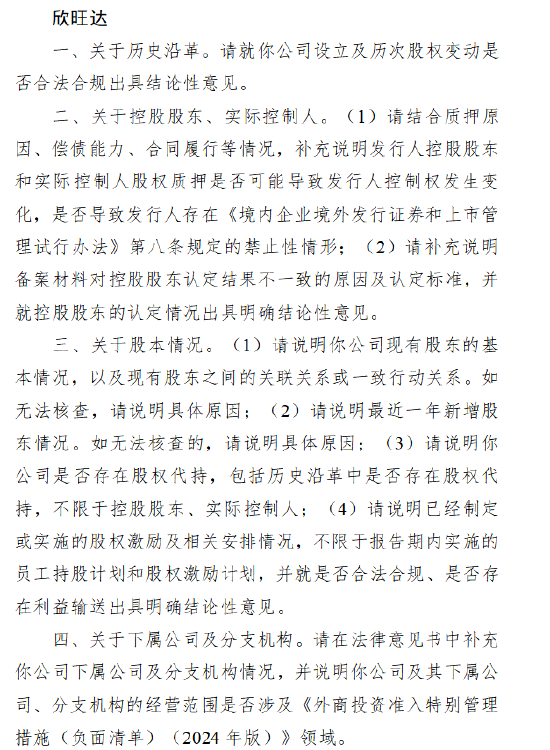
欣旺达A+H收证监会反馈意见:结合质押原因、偿债能力、合同履行,说明大股东质押是否会导致控制权发生变化
Xin Lang Zheng Quan· 2025-09-29 09:41
Core Viewpoint - XINWANDA is preparing for an IPO in Hong Kong, facing challenges such as a significant drop in battery prices and declining sales from major clients [1] Company Overview - XINWANDA Electronic Co., Ltd. is located in Shenzhen, Guangdong, established on December 9, 1997, and listed on A-shares on April 21, 2011 [3] - The company specializes in the research, design, production, and sales of lithium-ion battery modules [3] - Revenue composition includes consumer batteries (51.47%), electric vehicle batteries (28.18%), other (16.63%), and energy storage systems (3.72%) [3] - As of June 30, the number of shareholders is 114,600, an increase of 5.76%, with an average of 14,946 circulating shares per person, a decrease of 5.45% [3] Financial Performance - For the first half of 2025, XINWANDA achieved revenue of 26.985 billion yuan, a year-on-year increase of 12.82%, and a net profit attributable to shareholders of 856 million yuan, up 3.88% [3] - Cumulatively, the company has distributed 1.661 billion yuan in dividends since its A-share listing, with 645 million yuan in the last three years [4] Shareholding Structure - As of June 30, 2025, the second-largest circulating shareholder is Hong Kong Central Clearing Limited, holding 90.6951 million shares, a decrease of 5.8824 million shares [5] - The third-largest shareholder is E Fund's ChiNext ETF, holding 33.9136 million shares, down by 859,400 shares [5] - The sixth-largest shareholder is Southern CSI 500 ETF, with 21.9120 million shares, an increase of 300,960 shares [5]
【生态环境周观察】中国宣布2035年前风电、光伏装机力争达到36亿千瓦目标;天合储能管理层变动;理想汽车与欣旺达成立合资公司
Tai Mei Ti A P P· 2025-09-29 08:46
Group 1 - China aims to achieve a total installed capacity of wind and solar power reaching 3.6 billion kilowatts by 2035, which is over six times the capacity in 2020 [3] - The new national contributions include a target for non-fossil energy consumption to account for over 30% of total energy consumption [3] - The forest stock volume is targeted to exceed 24 billion cubic meters by 2035 [3] Group 2 - Four departments in China have issued guidelines to promote the development of a high-quality energy equipment system, aiming for significant advancements in the energy equipment industry by 2030 [4] - The guidelines emphasize the need for long-life, wide-temperature, low-degradation lithium batteries, sodium batteries, and solid-state batteries [4] - The focus is also on developing low-cost, long-duration flow battery systems and enhancing the safety performance of energy storage batteries [4] Group 3 - The steel industry is set to achieve an average annual growth of around 4% in value added from 2025 to 2026, with a focus on optimizing industrial structure and enhancing green and digital development [5] - The plan includes ten specific measures across five areas, such as precise control of production capacity and promoting quality upgrades of bulk products [5] Group 4 - The petrochemical industry aims for an average annual growth of over 5% in value added from 2025 to 2026, with a focus on enhancing technological innovation and achieving collaborative benefits in pollution reduction and carbon reduction [6] - The plan emphasizes the transition of chemical parks from standard construction to high-quality development [6] Group 5 - Li Auto and battery giant Xinwanda plan to establish a joint venture for the production and sale of lithium-ion batteries for electric vehicles, with each holding a 50% stake [7] - This follows a strategic cooperation agreement with CATL to collaborate on battery safety and ultra-fast charging technology [7] Group 6 - Four exchanges in the Guangdong-Hong Kong-Macao Greater Bay Area have signed a memorandum to promote the development of the carbon market and green finance ecosystem [8] - The collaboration aims to enhance professional capabilities in carbon market operations and green finance [8] Group 7 - Trina Solar's energy storage division has undergone management changes, with a new president appointed to focus on energy storage while the previous president shifts focus to the solar module sector [9] - Trina Solar aims for energy storage shipments to exceed 8 GWh by 2025, with a target of maintaining over 50% year-on-year growth in 2026 [9] Group 8 - China's first green energy supply railway project has been launched, integrating renewable energy and storage into the railway power supply system [10] - The project is expected to provide an average of 7.39 million kilowatt-hours of green electricity annually, saving 2,218.3 tons of standard coal and reducing carbon dioxide emissions by 5,804.53 tons [10]



A股新能源板块,拉升
Di Yi Cai Jing Zi Xun· 2025-09-29 06:20
Group 1: Market Performance - The A-share new energy sector showed strong performance, with significant rebounds in energy storage stocks, solid-state battery stocks, and green methanol stocks [2][6] - Notable stocks include Tongrun Equipment (002150.SZ) with a 2-day increase, Sunshine Power (300274.SZ) rising over 7%, and multiple stocks in the solid-state battery sector hitting the daily limit [2] Group 2: Supply and Demand Dynamics - The energy storage market is experiencing a temporary "squeeze" due to unexpected demand, leading to a situation where "one chip is hard to find" [2] - Major battery manufacturers have reported monthly operating rates exceeding 90% since Q2, nearing full production capacity [2] - The global energy transition, mature business models, and enhanced economic viability of storage systems are driving unexpected growth in the energy storage market [3] Group 3: Cost and Economic Viability - The cost of energy storage systems has decreased by approximately 80% compared to three years ago, with some regions achieving electricity costs below 0.2 yuan per kilowatt-hour [3] - The commercial model for energy storage is becoming increasingly viable, with developed markets like Europe and Australia experiencing explosive growth [3] Group 4: Emerging Markets and Policy Support - Emerging markets, particularly in the Middle East, are driving demand for GWh-level new energy and supporting storage projects due to national energy strategies [4] - China's new policy aims for a new energy storage installation capacity of over 180 million kilowatts by 2027, requiring significant investment [5] Group 5: Technological Advancements - The solid-state battery sector is witnessing significant technological advancements, with a new polymer electrolyte developed that achieves an energy density of 604 Wh/kg [6] - The green methanol market is characterized by a severe supply-demand imbalance, with current prices ranging from $900 to $1,000 per ton, approximately three times the price of traditional gray methanol [6]