
三全食品

Search documents
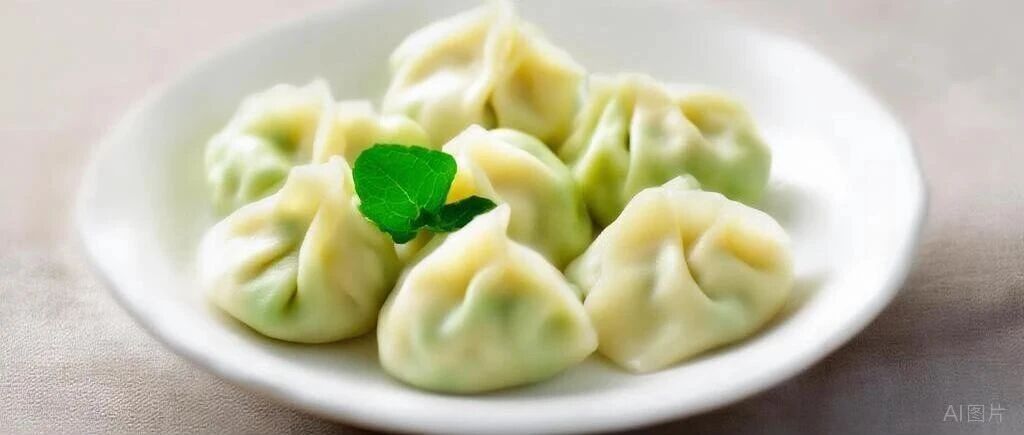
白象羽衣甘蓝水饺18小时卖出3万盒,新茶饮“顶流”卷向中式面点
新消费智库· 2025-11-10 13:03
Core Viewpoint - The article discusses the rising trend of using kale as an ingredient in various food products, particularly in dumplings, highlighting its popularity and market potential driven by consumer health consciousness and innovative marketing strategies [5][12][39]. Group 1: Product Launch and Sales Performance - White Elephant launched a seasonal product "Kale and Reed Dumplings," which sold out 31,616 boxes within 18 hours of its release [5][14]. - The product was re-listed on Douyin with 6,688 units sold shortly after [7]. - This is not the first kale product from White Elephant; they previously introduced "Kale Light Noodles" in March, which sold over 70,000 units by the end of October [21][24]. Group 2: Market Trends and Consumer Insights - Multiple brands have incorporated kale into their products, including Hema and Three Squirrels, indicating a broader trend in the market [10][25]. - Kale has gained acceptance among consumers, particularly younger demographics, who are health-conscious and open to trying new ingredients [12][39]. - The popularity of kale has been bolstered by its association with health and wellness, as seen in the success of kale-based drinks from brands like Heytea [12][38]. Group 3: Product Development Strategy - White Elephant's product development is influenced by online consumer discussions, focusing on trending ingredients like kale, cilantro, and other "flow food" [11][12]. - The company aims to create products that resonate with young consumers, emphasizing health and novelty [12][39]. - The choice of kale as a filling is strategic, as it is perceived as a healthy ingredient with a high level of consumer recognition [12][39]. Group 4: Culinary Adaptation and Consumer Acceptance - Kale, traditionally consumed raw, is now being adapted for cooked dishes, such as dumplings, which align better with local culinary preferences [16][18]. - The combination of kale with familiar ingredients like reed adds to the appeal, enhancing texture and flavor [17][18]. - Consumer feedback highlights the refreshing and non-greasy nature of the dumplings, aligning with preferences for lighter vegetarian options [18].

三全食品(002216.SZ):目前已与多家主流商超系统开展深度产品定制合作
Ge Long Hui A P P· 2025-11-10 08:23
Core Viewpoint - The company emphasizes the trend of customized products and is actively enhancing product quality and responsiveness to customer demands [1] Group 1 - The company has established deep product customization collaborations with several mainstream supermarket systems [1] - The number of customized products is rapidly increasing [1]

三全食品:目前已与多家主流商超系统开展深度产品定制合作
Ge Long Hui· 2025-11-10 08:18
Core Viewpoint - The company emphasizes the importance of customized products and is actively enhancing product quality and responsiveness to customer demands [1] Group 1 - The company has established deep product customization collaborations with several mainstream supermarket systems [1] - The number of customized products is rapidly increasing [1]
品牌工程指数 上周收报2021.77点
Zhong Guo Zheng Quan Bao· 2025-11-09 22:51
Market Performance - The market experienced a volatile upward trend last week, with the Shanghai Composite Index rising by 1.08%, the Shenzhen Component Index by 0.19%, and the ChiNext Index by 0.65% [2] - The China Securities Index reported a decrease of 0.40%, closing at 2021.77 points [2] Strong Stock Performances - Notable strong performers included Zhongwei Company, which increased by 10.66%, and Darentang, which rose by 8.80% [2] - Other significant gainers were Yangguang Electric Power and Yiwei Lithium Energy, with increases of 5.90% and 5.04% respectively [2] Year-to-Date Stock Gains - Since the beginning of the second half of the year, Zhongji Xuchuang has surged by 236.32%, leading the gains [3] - Yangguang Electric Power follows with a rise of 198.52%, while Yiwei Lithium Energy, Zhaoyi Innovation, and Zhongwei Company have increased by 91.34%, 75.11%, and 69.86% respectively [3] Market Outlook - Short-term market sentiment is expected to remain volatile, with basic economic factors potentially having a reduced impact on stock structure [4] - Long-term perspectives suggest that the current market risk premium is at a historical median level, with equity asset valuations remaining reasonable [4] - The market is anticipated to shift from valuation-driven growth to fundamental-driven growth as domestic economic stability improves [4] Investment Focus - Investment strategies should focus on sectors with structural growth potential, particularly in emerging growth areas such as AI technology innovation, energy infrastructure, and semiconductors [4] - Additionally, attention should be given to cyclical sectors that may benefit from "anti-involution" policies and leading companies actively expanding into overseas markets [4]



2025中国速冻食品行业现状与发展趋势报告
Sou Hu Cai Jing· 2025-11-09 20:51
Core Insights - The Chinese quick-frozen food industry is undergoing a structural transformation and sustained growth, driven by the "lazy economy," smaller family structures, the rise of restaurant chains, and the trend of prepared dishes. The market size is expected to approach 600 billion yuan in 2024, with a projected compound annual growth rate (CAGR) of 8%-10% over the next five years [11][12][13]. Industry Overview - The industry is characterized by significant differentiation, with traditional quick-frozen rice and noodle products stabilizing in growth, while quick-frozen hot pot ingredients and dishes (core forms of prepared dishes) are emerging as dual engines of growth. Quick-frozen dishes are experiencing explosive growth driven by cost reduction and efficiency demands in the B-end and convenience needs in the C-end [11][12][13]. Market Structure and Competition - The market competition exhibits a dual structure of "one strong player and many strong competitors" alongside a highly fragmented landscape. Anjuke Foods has become the industry leader due to its deep B-end layout and supply chain advantages, while Sanquan and Si Nian dominate the C-end rice and noodle market. Qianwei Central Kitchen focuses on serving large B-end clients, and the quick-frozen dishes sector remains primarily composed of regional small and medium enterprises, indicating significant consolidation potential [11][12][13]. Consumer Behavior Insights - The main consumer groups are Generation Z and emerging white-collar workers, with a focus on safety, taste, and health. Purchasing channels are shifting towards O2O instant retail, and social media has a significant influence on consumer choices [11][12][13]. Industry Challenges and Opportunities - The industry faces challenges such as high cold chain logistics costs, uneven development, food safety risks, product homogenization, and consumer stereotypes. However, the explosion of prepared dishes, the upgrade of restaurant chains, health-conscious consumption, and channel penetration present substantial opportunities [11][12][13]. Future Development Trends - The industry is expected to exhibit four major trends: product premiumization and health orientation, deep integration of prepared dishes, B/C channel collaboration and differentiation, and intelligent supply chain upgrades. Companies that can enhance supply chain efficiency, gain insights into C-end consumers, and balance B/C transformations will lead industry development [11][12][13].

餐饮供应链专题报告:经营拐点渐现,价值重估在即
CAITONG SECURITIES· 2025-11-08 14:30
Investment Rating - The report maintains a "Positive" investment rating for the food and beverage industry [1] Core Insights - Supply and demand are rebalancing, with capital expenditure peaks passing and demand gradually recovering under policy and consumption recovery [5][10] - New growth drivers are emerging through product innovation and channel expansion, breaking the price competition [5][36] - The industry logic is strengthening, with the standardization of prepared dishes and an increase in chain rates driving industry concentration [5][36] - Investment recommendations focus on the supply chain opportunities in the restaurant sector, highlighting major companies and smaller firms with growth potential [5][36] Summary by Sections Supply and Demand Rebalancing - Capital expenditure in the industry has significantly declined after 2023, with a focus on improving capacity utilization [5][10] - The price war is gradually coming to an end, and the third quarter of 2025 may mark an operational turning point for the industry [5][22] - Demand is stabilizing, with restaurant openings and closures balancing out, and consumption showing resilience during peak holiday periods [5][26][27] New Growth Drivers - Companies are shifting focus from price competition to product innovation and channel expansion, with retail trends becoming more pronounced [5][36] - Major companies are launching new products and optimizing channels to adapt to the changing market landscape [5][44] Strengthening Industry Logic - Recent regulatory developments in prepared dishes are expected to raise industry entry barriers, benefiting compliant leading companies [5][36] - The chain rate in the restaurant sector is projected to increase from 19% in 2021 to 23% in 2024, indicating a trend towards consolidation [5][36] Investment Recommendations - The report suggests focusing on major companies like Anjuke Food, Angel Yeast, and Haitian Flavoring, as well as smaller firms like Baoli Food and Lihigh Food for potential growth [5][36] - The overall market is expected to improve with a favorable chip structure and policy expectations [5][36]

嘉世咨询-2025速冻食品行业现状与发展趋势报告-251108
Xin Lang Cai Jing· 2025-11-08 06:30
Core Insights - The Chinese frozen food industry is undergoing a structural transformation while maintaining strong growth, driven by trends such as the "lazy economy," smaller family structures, increased restaurant chain rates, and the rise of prepared dishes [1] - The overall market size for frozen food (including B2B and B2C) is estimated to approach 600 billion RMB by 2024, with a projected compound annual growth rate of 8%-10% over the next five years [1] - Traditional frozen staple foods are stabilizing, while frozen hot pot ingredients and frozen dishes are emerging as key growth drivers, particularly in the context of cost reduction and convenience demands from both B2B and B2C sectors [1] Competitive Landscape - The industry exhibits a dual structure of "one strong leader and many strong players" alongside a "highly fragmented" market, with Anjuke Foods leading in market share due to its deep B2B channel presence and strong supply chain capabilities [2] - Sanquan Foods and Si Nian Foods hold traditional advantages in the B2C rice and noodle market while expanding into B2B and prepared dish sectors [2] - The overall market concentration (CR5) remains low, especially in the frozen dish segment, indicating significant potential for future industry consolidation [2] Challenges and Opportunities - Key challenges include high cold chain logistics costs, consumer perceptions of frozen food as "unhealthy," product homogeneity, and price wars [2] - Opportunities arise from the increasing standardization demand in B2B restaurant chains, consumer upgrades pushing for healthier and functional products, and the rise of new retail channels like O2O and community group buying reshaping distribution paths [2] Future Trends - The industry is expected to see four major trends: product structure becoming more premium and health-oriented, deep integration and explosive growth of prepared dishes from B2B to B2C, collaboration and refined division between B2B and B2C channels, and smart supply chain upgrades through automation and intelligent cold chain solutions [3] - Companies that successfully leverage the prepared dish opportunity, balance B2B and B2C development, and build efficient and flexible supply chains will thrive in this industry transformation [3]
2025中国速冻食品行业现状与发展趋势报告-MCR嘉世咨询
Sou Hu Cai Jing· 2025-11-08 01:08
Core Insights - The Chinese quick-frozen food industry is undergoing a structural transformation while maintaining continuous growth, with the market size approaching 600 billion RMB in 2024 and expected to grow at a compound annual growth rate (CAGR) of 8%-10% over the next five years [1][13][15] - The industry is characterized by a clear differentiation in product categories, with traditional quick-frozen rice and noodle products stabilizing in growth but still holding nearly 50% market share in the consumer segment [1][14] - Quick-frozen hot pot ingredients are experiencing rapid growth driven by the booming hot pot industry, while quick-frozen dishes (the core form of prepared dishes) are emerging as a key growth driver due to demand for convenience and cost efficiency in both B2B and B2C segments [1][14] Market Size and Structure - The overall market size of the quick-frozen food industry in China was approximately 420 billion RMB in 2018, growing to over 550 billion RMB by 2023, with projections nearing 600 billion RMB in 2024 [33][34] - The market growth is driven by both B2B and B2C structural demands, with B2B demand for standardized products in the restaurant sector being particularly strong [33][38] - The consumer segment is increasingly focused on convenience, with trends such as the "lazy economy" and smaller household sizes driving demand for quick-frozen foods [33][38] Industry Chain Analysis - Upstream raw materials account for 60%-70% of total costs, making price fluctuations a direct influence on company profits [2] - Midstream processing relies on automation, fresh-lock technology, and nationwide capacity layout as core competitive advantages [2] - Downstream cold chain logistics face challenges such as high costs and uneven development, but are improving with policy support and the rise of third-party logistics [2] Competitive Landscape - The market exhibits a "one strong, many strong" and highly fragmented structure, with Anjuke Foods leading the B2B channel and brands like Sanquan and Si Nian dominating the C2C rice and noodle market [2][14] - Core competitive barriers are concentrated in supply chain efficiency, channel coverage, and brand R&D capabilities, with new entrants and cross-industry players enriching the competitive landscape [2][14] Consumer Behavior Insights - The primary consumer demographic includes Generation Z and young professionals, with 1-2 person households being the main consumption unit [2] - Consumer motivations have shifted from mere sustenance to convenience, quality, and situational needs, with health consciousness and ingredient quality becoming significant purchasing factors [2] - O2O instant retail and community group buying have emerged as mainstream purchasing channels [2] Future Development Trends - The industry is expected to evolve towards four major trends: product structure high-end and health-oriented, deep integration of prepared dishes, B/C channel collaboration and differentiation, and intelligent supply chain upgrades [2][15] - Companies that can seize opportunities in prepared dishes, balance B/C development, and build efficient supply chains will gain advantages in the industry transformation [2][15]

2025年1-9月食品制造业企业有10999个,同比增长4.9%
Chan Ye Xin Xi Wang· 2025-11-07 03:35
2016-2025年1-9月食品制造业企业数统计图 数据来源:国家统计局,智研咨询整理 相关报告:智研咨询发布的《2025-2031年中国食品饮料制造行业发展动态及投资前景评估报告》 2025年1-9月,食品制造业企业数(以下数据涉及的企业,均为规模以上工业企业,从2011年起,规模 以上工业企业起点标准由原来的年主营业务收入500万元提高到年主营业务收入2000万元)为10999个, 和上年同期相比,增加了514个,同比增长4.9%,占工业总企业的比重为2.11%。 上市公司:黑芝麻(000716),双汇发展(000895),千味央厨(001215),青岛食品(001219),三 全食品(002216),得利斯(002330),金字火腿(002515),洽洽食品(002557),克明食品 (002661),煌上煌(002695),海欣食品(002702),麦趣尔(002719),龙大美食(002726),桂 发祥(002820) 知前沿,问智研。智研咨询是中国一流产业咨询机构,十数年持续深耕产业研究领域,提供深度产业研 究报告、商业计划书、可行性研究报告及定制服务等一站式产业咨询服务。专业的角度、品质化的服 ...

食品饮料2025年三季报总结:白酒主动释放压力,速冻迎来行业拐点,软饮、零食量贩高景气维持
China Post Securities· 2025-11-06 05:06
Industry Investment Rating - The investment rating for the food and beverage industry is "Outperform" [1] Core Insights - The report highlights that the liquor sector is actively releasing pressure on financial statements, with the industry gradually bottoming out. The frozen food sector is witnessing a turning point, while the soft drink and snack sectors maintain high levels of prosperity [3][4][30] Summary by Sections 1. Liquor - The liquor sector's total revenue for the first three quarters of 2025 was CNY 319.23 billion, a year-on-year decrease of 5.76%, with net profit down 6.85% to CNY 122.67 billion. In Q3 alone, revenue fell 18.38% to CNY 78.48 billion, and net profit dropped 22.00% to CNY 28.09 billion [14][28] - High-end liquor brands like Moutai showed stable growth, while others like Wuliangye and Luzhou Laojiao faced significant declines. Moutai's revenue grew by 9.28% year-on-year, while Wuliangye's fell by 10.26% [17][19] - The second-tier liquor brands, such as Fenjiu, showed resilience with a revenue increase of 5.00%, while others like Shui Jing Fang and Shede experienced declines [26][22] 2. Soft Drinks - The soft drink sector saw significant growth, with companies like Dongpeng Beverage reporting a 34.13% increase in revenue year-on-year. The energy drink segment, particularly, showed robust growth [30][31] - The introduction of new flavors and products, such as Dongpeng's summer limited edition, contributed to the sustained high growth rates in this sector [30] 3. Dairy Products - The dairy sector, led by Yili, maintained stable performance despite high base effects, with significant growth in milk powder and cold drink products. New Dairy's low-temperature products continued to show double-digit growth [4][31] 4. Frozen Foods - The frozen food industry is experiencing a turning point, with companies noting that the price war has peaked. The focus is shifting towards rational competition and value [7][30] 5. Snacks - The snack sector is undergoing strategic adjustments, with member stores and instant retail becoming key growth channels. The overall consumption environment remains weak, but the snack sector is adapting with targeted strategies [7][30]




