华为

Search documents
我们该如何看待6G?
3 6 Ke· 2026-01-23 10:40
Core Viewpoint - The article discusses the ongoing debate surrounding 5G technology and the upcoming 6G, emphasizing the necessity of research and investment in 6G to maintain technological leadership and address industry needs [1][3][5]. Group 1: Importance of 6G Research - Researching 6G technology and establishing standards is essential as ICT technology is at the core of the fourth industrial revolution [3][4]. - Maintaining a leading position in 6G is crucial for the overall communication industry, as it relates to various wireless communication methods beyond just mobile networks [5][6]. Group 2: 5G Evaluation - It is premature to conclude the success of 5G, as its primary goal was to transition from consumer internet to industry internet, which requires more time for application development [7][8]. - The success of 6G is expected to be higher than that of 5G due to the lessons learned and the evolving industry landscape [8]. Group 3: Demand-Driven Development - The primary demand driving 6G development is expected to come from the AI wave, with AI applications requiring higher network performance [9][11]. - 6G will also address other communication scenarios, such as integrated communication across various domains [11]. Group 4: Evolution of Network Upgrades - The traditional ten-year upgrade cycle for mobile communication technology may change based on emerging demands, which could lead to more frequent or delayed upgrades [12][13]. - The current 5G infrastructure, with over 483.8 million base stations in China, highlights the need to maximize the value of existing investments before moving to 6G [13]. Group 5: Challenges Ahead for 6G - There are significant technical risks associated with achieving the ambitious goals of 6G, including limitations in frequency efficiency and the need for new technologies [16][18]. - The potential for standard fragmentation due to geopolitical tensions poses a risk to the unified development of 6G [20][21]. - The competition in the communication sector is expected to intensify, necessitating continuous innovation and investment to maintain a competitive edge [21][23].


内存条涨速超金条!100根可换上海一套房,你的手机电脑汽车都逃不过涨价
量子位· 2026-01-23 10:25
Core Viewpoint - The memory chip market is experiencing a significant price surge, driven primarily by the demand from AI servers, which require substantially more memory than traditional servers. This has led to a supply shortage that is expected to last until at least 2026, with prices projected to continue rising in the near term [6][19][20]. Group 1: Price Surge and Market Dynamics - The price of DDR5 server memory has skyrocketed, with a single 256G DDR5 module costing over 40,000 yuan, leading to a total price of 4-5 million yuan for 100 modules, which is comparable to the price of a residential property in Shanghai [1]. - From the second half of 2025, DDR5 memory prices have increased by over 300%, while DDR4 prices have risen by more than 150% [2]. - The market is characterized by extreme volatility, with prices changing daily, marking one of the most intense periods in the storage industry [3]. Group 2: Supply Shortage and Industry Response - Investment banks like UBS have indicated that the storage industry is entering a severe supply shortage phase, surpassing the historical highs seen in 2018 [4]. - Major manufacturers such as Samsung, SK Hynix, and Micron are reallocating production resources towards higher-margin High Bandwidth Memory (HBM), which is consuming a significant portion of general DRAM capacity [6][7]. - AI servers currently account for 53% of global memory production capacity, leading to a drastic reduction in the supply of general memory types like DDR5 and LPDDR5 [9]. Group 3: Manufacturer Strategies and Challenges - Manufacturers are cautious about expanding production due to previous losses during the industry downturn from 2023 to early 2024, with some companies like Micron exiting consumer markets to focus on data centers [10][11]. - Despite DDR5 becoming mainstream, there is still a high demand for DDR4, but major manufacturers have cut back on DDR4 production, leading to price anomalies where DDR4 prices exceed those of DDR5 [11]. Group 4: Impact on Various Industries - The price increases are affecting downstream industries, with PC brands like Lenovo and Dell beginning to raise prices, forcing consumers to either accept higher costs or opt for devices with reduced storage capacity [15][16]. - The automotive industry is particularly impacted, as the demand for memory has surged from a few GB to 256GB or even TB levels due to increased vehicle intelligence [18]. - Companies with strong supply chain management, such as Apple and Huawei, are less affected, while smaller firms with thin profit margins are facing significant challenges [18]. Group 5: Future Outlook - The peak of the supply shortage is expected in the first and second quarters of 2026, with prices likely to maintain a growth rate of over 20% quarter-on-quarter during that period [19]. - The price surge cycle is anticipated to last at least until the end of 2026, with a projected 26% increase in DRAM demand against a 20% increase in supply [19]. - Historical patterns suggest that the price surge will eventually correct once AI infrastructure stabilizes and new production capacity comes online, but this is not expected before 2027 [20].

马斯克说“中国将最终赢得AI竞争”,有什么深意?
创业邦· 2026-01-23 10:15
Core Viewpoint - Musk's assertion that "China will be the biggest winner in AI competition" is based on the premise that electricity is the bottleneck for AI development, and China possesses the largest power infrastructure globally, which will enable it to surpass other regions in AI computing power [6]. Group 1: AI Competition Landscape - The AI competition has shifted from a focus on chips to the entire industrial infrastructure, revealing electricity shortages as a critical issue [8]. - From 2023 to 2025, the AI arms race centers around chip capabilities, particularly Nvidia's GPU architecture, which has seen limited power improvements [10]. - Despite advancements in domestic chip production, challenges such as ecological constraints and high-end equipment embargoes hinder progress, resulting in major AI firms like ByteDance and Alibaba not meeting their capital expenditure plans for AI [10]. Group 2: Electricity as a Bottleneck - By mid-2025, the focus of AI infrastructure development will pivot to electricity, as the power demands of AI systems outpace chip advancements [11]. - China has a total installed power capacity of 3.8 billion kilowatts, with projected electricity consumption of approximately 10.4 trillion kilowatt-hours in 2025, indicating a significant surplus even if global data centers were to rely solely on Chinese power [12]. - In contrast, the U.S. has an installed capacity of about 1,300 GW, with electricity generation only half that of China, and a lower redundancy level compared to China [14]. Group 3: Future Electricity Demand - The U.S. electricity consumption has stagnated over the past 20 years, with industrial electricity demand declining, leading to a projected increase in electricity prices due to rising AI power consumption [15][17]. - By 2030, AI electricity demand in the U.S. is expected to reach 10% of total consumption, potentially rising to 800-1,000 TWh by 2035, which could account for nearly 20% of total electricity use [17]. - The U.S. faces a structural electricity supply issue, with a significant risk of power shortages by 2027 if new capacity is not added [22]. Group 4: China's Electricity Advantage - China's electricity development strategy has resulted in a robust and redundant power supply system, with a projected total generation of 15 trillion kilowatt-hours by 2035, significantly outpacing the U.S. [25]. - The electrification rate in China is expected to reach 35% by 2030, surpassing the OECD average by 8 percentage points [25]. - In contrast, the U.S. is experiencing rising electricity prices, with residential and industrial rates higher than in China, indicating a shift away from historically low prices [28]. Group 5: U.S. Electricity Market Challenges - The U.S. electricity market is characterized by regional disparities and a lack of cohesive infrastructure, complicating the resolution of electricity supply issues [19][30]. - Proposed solutions include allowing large tech companies to build localized power grids, but this approach does not address the underlying generation and grid issues [28]. - The U.S. is exploring options such as gas turbines and nuclear power to meet future electricity demands, but these solutions face significant implementation challenges [30].


三大核心人群决胜商业版图!新消费下半场的增长密钥
Sou Hu Cai Jing· 2026-01-23 10:13
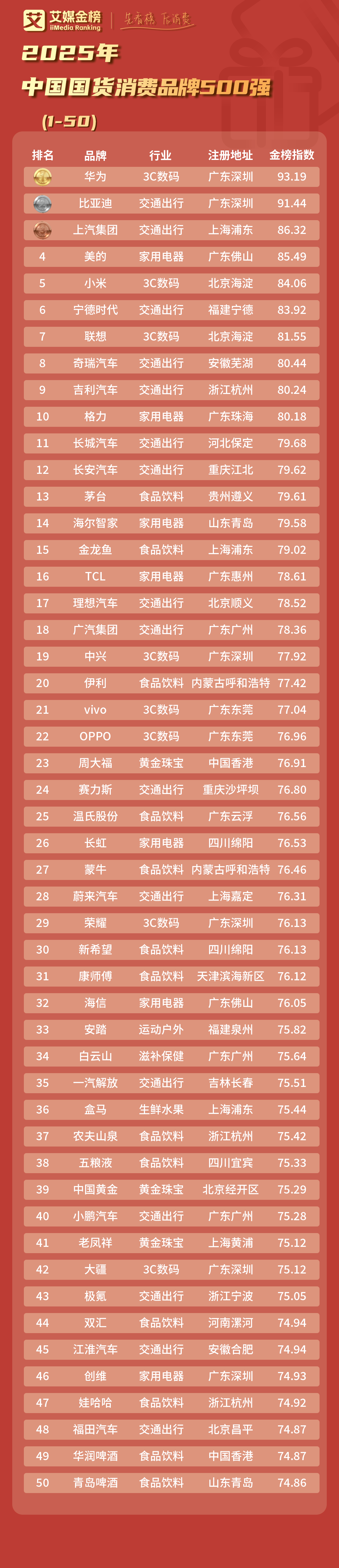
2026年1月19日,艾媒新消费盛典暨"预见2026"张毅年度演讲的圆满举办,为新消费行业注入了强劲动力。除了备受关注的"2025中国国货消费品牌500 强"榜单揭晓,艾媒咨询CEO兼首席分析师张毅博士的演讲更是聚焦人群迭代与需求变革,深入剖析新消费下半场的核心增长逻辑,指出Z世代、新中产 与银发族三大人群将成为决定品牌生死的关键,为现场及线上观看直播的从业者提供了清晰指引。 在演讲中,张毅强调,随着消费市场从同质化竞争进入代际分层阶段,人群结构的重塑正在改写行业规则。过去"一款产品打天下"的时代早已过去,企业 必须聚焦核心人群,精准匹配其需求,才能实现高效增长。艾媒咨询数据显示,新青年群体消费优先级已明确为品质>社交与精神需求>实用功能,这一 变化也倒逼品牌重新审视自身的产品设计与营销策略。 三大核心人群中,逐渐成熟的Z世代虽不再是新生代主力,但仍占据重要市场份额。这一群体成长于物质丰富的时代,对消费的诉求早已超越实用功能, 更注重情感共鸣与自我表达,500强榜单中的华为、小米等品牌,正是凭借个性化的产品设计与年轻化的品牌沟通,收获了Z世代的青睐。 消费升级的中坚力量新中产,介于高端与大众市场之间,既追求品 ...
共拓数智新局|魔数智擎受邀参加第三届区域银行数智融合创新研讨会
Sou Hu Cai Jing· 2026-01-23 10:13
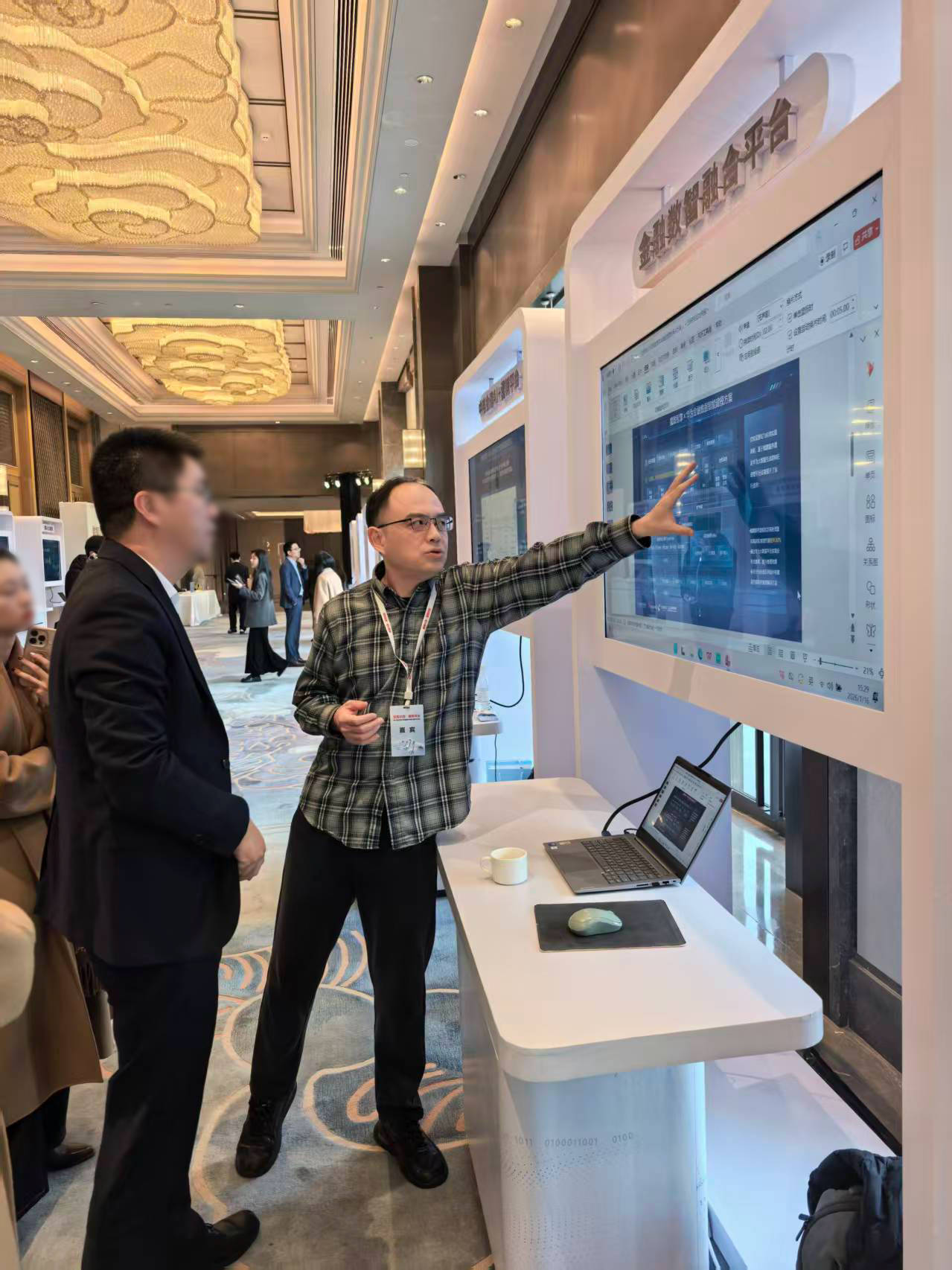
Core Insights - The third Regional Bank Digital Integration Innovation Seminar was held in Chengdu, focusing on new paths and opportunities for the digital transformation of regional banks [1] - A financial intelligent modeling platform named ME was launched by Tianyang Technology, Moshu Zhiying, and Huawei, aimed at addressing pain points in model development and application for banks [1][7] Group 1: ME Platform Features - The ME platform allows business analysts to build models through a five-step click-based process, increasing modeling efficiency by 30-40 times compared to traditional methods [11] - It incorporates explainable modeling technology, providing multi-dimensional interpretability to assist in rapid business decision-making [11] - The platform features a patented technology that enables one-click conversion of model results into business rules, ensuring alignment between AI-generated strategies and business logic [12] Group 2: Integration and Monitoring - The ME platform supports seamless deployment and integration with existing banking systems, allowing models to be deployed in various formats such as Java, Python, SQL, and PMML [13] - It offers a comprehensive model asset management and monitoring system, covering real-time performance monitoring, strategy effect tracking, and feedback loops [14] - The platform aims to create a smart, transparent, and efficient risk control decision-making system, addressing traditional challenges in risk management [8][14]
瞄准英伟达 H20,阿里平头哥要上市
3 6 Ke· 2026-01-23 09:46
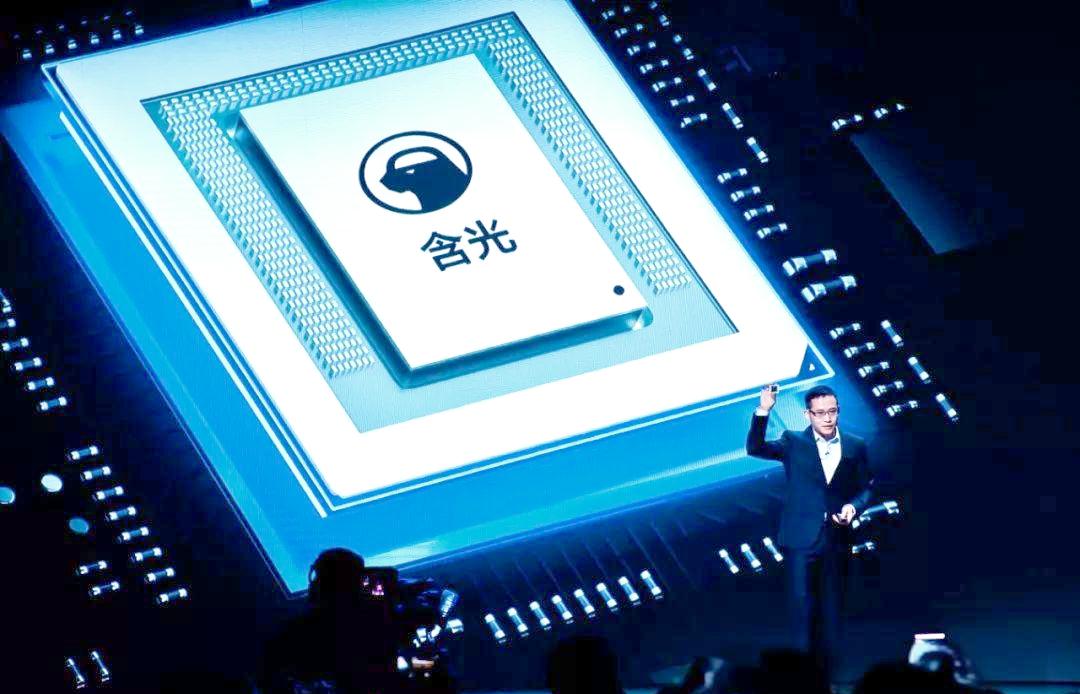
Core Viewpoint - Alibaba has decided to support its chip subsidiary, T-Head, for an independent IPO, marking a significant development in the AI chip sector after eight years of preparation [1][3]. Group 1: Market Reaction - Following the IPO news, Alibaba's stock surged over 5% in pre-market trading in the US, increasing its market value by more than 200 billion RMB in a single day [2]. - In Hong Kong, Alibaba's shares jumped approximately 4% at the market opening on January 23, becoming a market highlight [2]. Group 2: T-Head's Background - T-Head was established in 2018 through the integration of the acquired Zhongtian Micro and Alibaba's self-developed chip team, positioning it as a significant player in the AI chip market [5][6]. - The company has primarily served Alibaba's internal needs, focusing on enhancing the efficiency and cost-effectiveness of Alibaba Cloud's data centers through self-developed chips [6][8]. Group 3: Product Development - T-Head's first-generation general-purpose GPU, PPU, has been reported to match NVIDIA's H20 in performance, with specifications indicating it could outperform older models like the A100 [10][12]. - Other notable products include the Yitian 710 server CPU, which has been deployed at scale in Alibaba Cloud, and the Xuantie series, which has achieved significant market penetration through licensing [12][13]. Group 4: Competitive Landscape - T-Head occupies a unique position among domestic fabless chip companies, excelling in design capabilities but facing challenges in direct comparisons with competitors like Huawei and Baidu [13][16]. - The PPU emphasizes energy efficiency and cost-effectiveness for high-concurrency inference scenarios, contrasting with competitors that focus on large-scale training capabilities [15][16]. Group 5: IPO Challenges - T-Head's IPO journey may face hurdles due to its fabless model, which relies on external manufacturing partners, exposing it to risks associated with supply chain uncertainties [19][21]. - The AI chip market has seen inflated valuations, raising expectations for T-Head, which may lead to increased scrutiny and pressure to meet high market demands [24][25][29].

秒空、溢价……华为、京东等大厂为何盯上这门生意?
3 6 Ke· 2026-01-23 09:46
Core Insights - The article discusses the launch and market performance of Huawei's AI companion product "Smart Hanhai," which sold out within seconds of its release, indicating strong consumer demand for AI toys [1][2]. Industry Overview - The AI toy market is experiencing rapid growth, with global market size expected to exceed 100 billion yuan by 2030, and a compound annual growth rate (CAGR) of over 70% in China [8]. - Major companies like JD.com and Baidu are entering the AI toy sector, with JD.com launching its JoyInside brand and integrating AI capabilities into various toy products [8][10]. Consumer Behavior - Consumers are willing to pay a premium for AI toys, with "Smart Hanhai" initially selling for 399 yuan but reaching market prices as high as 699 yuan, reflecting a 75% markup [2][5]. - The demand for emotional companionship is driving the value of AI toys, as consumers shift from functional satisfaction to emotional connection [11][12]. Product Features - "Smart Hanhai" offers unique features such as multi-modal emotional interaction, personality evolution, and long-term memory capabilities, making it more akin to a pet than a traditional toy [12][13]. - The product's design and functionality cater to various age groups, addressing emotional needs and enhancing user engagement [11][12].


6亿日元一个的“28蓄电所”,中国厂商正在疯抢
3 6 Ke· 2026-01-23 09:41
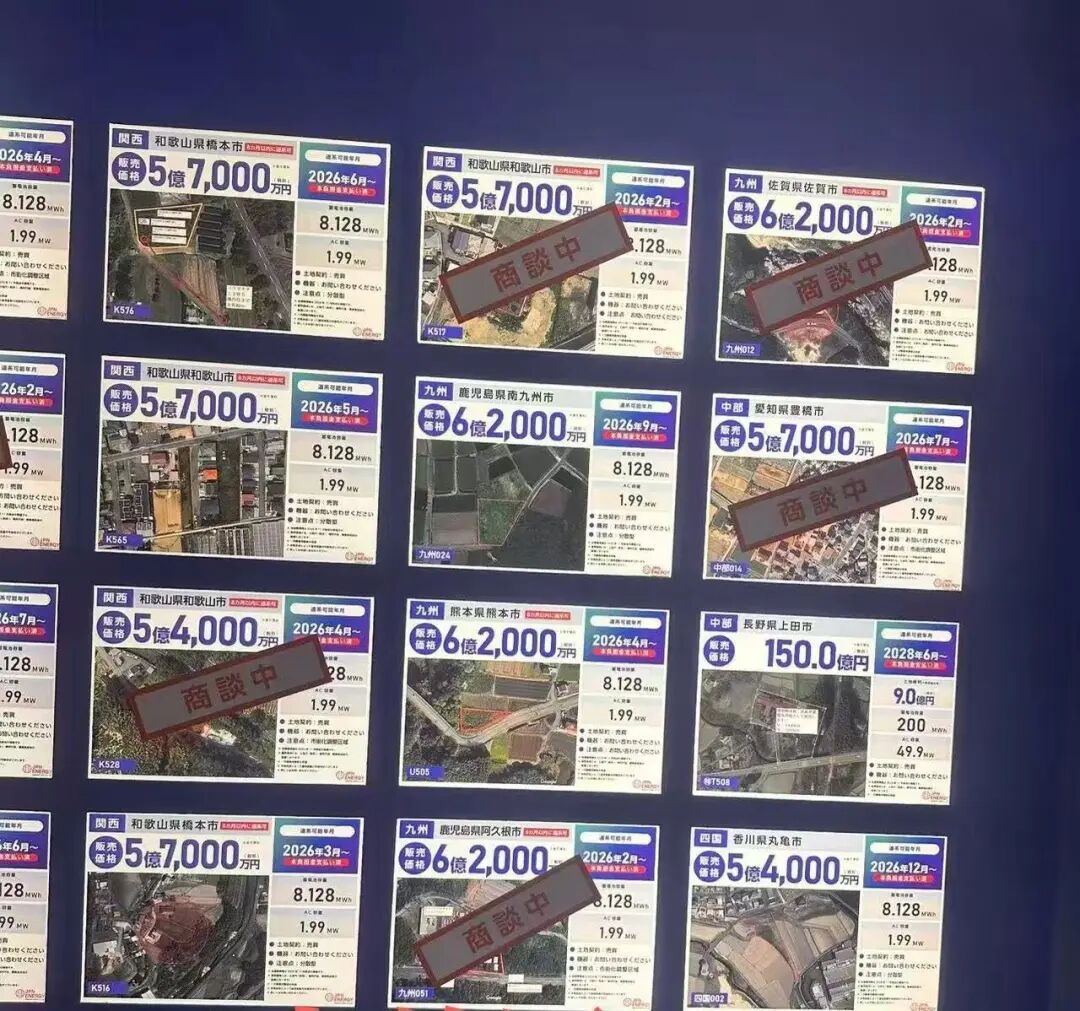
这些蓄电所大多数有着统一的规格:1.99MW/8.128MWh。 在日本出海圈,它们被简称为"28系统",是日本储能界供应量最大,最为主流的"硬通货"。 展位现场,金钱流动的声音清晰可见。 一边是有人在计算器上飞快地按着汇率,有人正对着手机那头的合伙人焦急地喊道:"路条价格又涨了!现在一张开发许可(路条)的售价基本都过亿了" 半年就回本,现在去日本还来得及吗 在今年东京国际智慧能源周(Smart Energy Week)上,出现了一个非常反差的画面。 本应是科技含量十足的展商化身新宿街头的房产推介,在展板上密密麻地贴出彩色的小传单,上面印着地块的卫星图、复杂的单线图,一大半还盖上了的 鲜红色印章:"商谈中"或"售完" 这些传单指向的是同一个主角:"蓄电所"。这是一个非常有日本风格的称呼,实际上就是国内的储能电站。 这让日本这个在大储领域毫无存在感的国家,忽然成为了海外资本和中国设备商的淘金地。 另一边则是海外来的投资商试图深入询问东电(TEPCO)或关电(KEPCO)的并网检讨细节。 这一切都来自于一个"全球最高收益"的神话。圈内疯传:2024-2025年,第一批"蓄电所"做到了半年多回本,IRR冲到了45% ...

奇富借条所属奇富科技参编两项金融大模型标准 获评“五佳团标”
Cai Fu Zai Xian· 2026-01-23 09:28
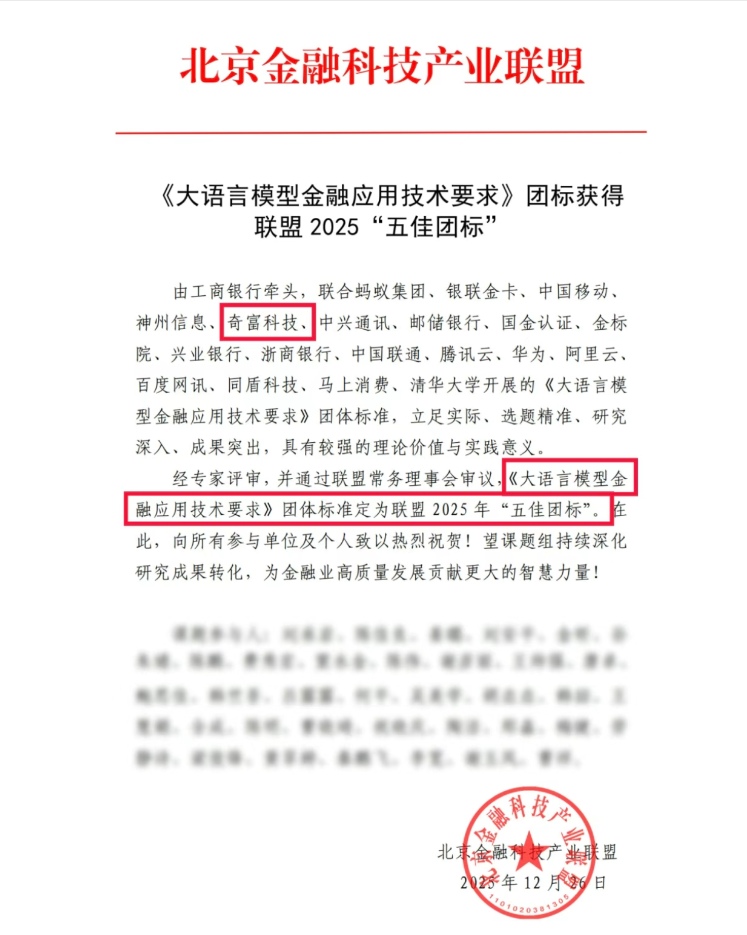
Core Insights - The Beijing Financial Technology Industry Alliance announced the results of the "Top Five Group Standards" for 2025, recognizing the contributions of Qifu Technology in the standardization of financial large models [1][5] - Qifu Technology's participation in the development of two important group standards, namely "Technical Requirements for Financial Applications of Large Language Models" and "Evaluation Specifications for Financial Applications of Large Language Models," has been acknowledged as a significant achievement [1][3] Group 1: Standardization Efforts - Qifu Technology, as a core participating unit, has leveraged nine years of experience in financial technology to provide essential support across dimensions such as technology implementation, risk control, and business adaptation [3] - The standards were led by Industrial and Commercial Bank of China and involved collaboration with major industry players like China Mobile, Huawei, Tencent, and Alibaba, addressing the lack of unified norms in the application of large models in the financial sector [3][4] - The standards define core requirements including application framework, task capabilities, and security trustworthiness, establishing a comprehensive evaluation system for financial institutions' model construction, assessment, and risk management [3][4] Group 2: Company Initiatives - Qifu Technology is one of the early entrants in the financial large model sector, consistently advancing both "technology research" and "standard development" in tandem [4] - In 2023, the company formed a specialized large model team and collaborated with the China Academy of Information and Communications Technology to compile the first financial industry large model standard [4] - The company aims to launch a super intelligent agent in 2025 that enhances core lending operations by integrating modules for credit decision-making, credit assessment, and compliance assistance, thereby providing a practical example of standardized technology implementation [4][5] Group 3: Future Directions - The recognition as one of the "Top Five Group Standards" is seen as a positive affirmation of Qifu Technology's efforts in promoting industry standardization [5] - The company plans to continue collaborating with academic and research partners to deepen technological research and practical transformation, actively participating in the construction of industry standard ecosystems [5]
AI芯片公司估值高企 阿里拟拆分平头哥
BambooWorks· 2026-01-23 09:24
Core Viewpoint - Alibaba is considering the spin-off of its semiconductor division, Pingtouge, for independent listing, aiming to join the ranks of high-valuation Chinese AI chip companies [2][3] Group 1: Spin-off Consideration - Alibaba is evaluating the feasibility of spinning off Pingtouge, which is closely related to its cloud intelligence business, to unlock shareholder value [3][5] - The spin-off plan comes nearly three years after Alibaba's previous restructuring announcement, which ultimately did not materialize [3] - The recent surge in stock prices of competitors like Biren Technology and Moore Threads, which have seen significant increases since their IPOs, is influencing Alibaba's decision [2][5] Group 2: Market Context and Valuation - The current high valuations of Chinese chip companies, with some trading at over 200 times their price-to-sales ratios, provide a favorable backdrop for Alibaba's potential spin-off [6][7] - In contrast, Nvidia's price-to-sales ratio is only 24, highlighting the disparity in valuations between Chinese and Western chip firms [6] - The expectation of substantial policy and financial support for Chinese chip companies is also a motivating factor for Alibaba's consideration [6] Group 3: Competitive Landscape - Alibaba is not alone in pursuing a spin-off; Baidu has also announced plans to spin off its Kunlun chip division, potentially raising up to $2 billion [8] - Both Pingtouge and Kunlun have begun selling chips externally, targeting major telecom operators in China, which are investing heavily in AI infrastructure [8][9] Group 4: Financial Performance - Alibaba's recent financial performance shows a year-on-year revenue growth of 5% to 248 billion yuan, with a more substantial growth of 15% when excluding certain asset sales [10] - The cloud business remains a strong growth driver, with a 34% year-on-year revenue increase, contributing approximately 16% to total revenue [11] - The potential spin-off, combined with robust growth in cloud services and instant retail, could provide further momentum for Alibaba's stock price recovery [12]