
洋河股份

Search documents
酒企纷纷布局光瓶酒,低线市场竞夺激烈!
Zhong Guo Jing Ying Bao· 2025-08-03 05:36
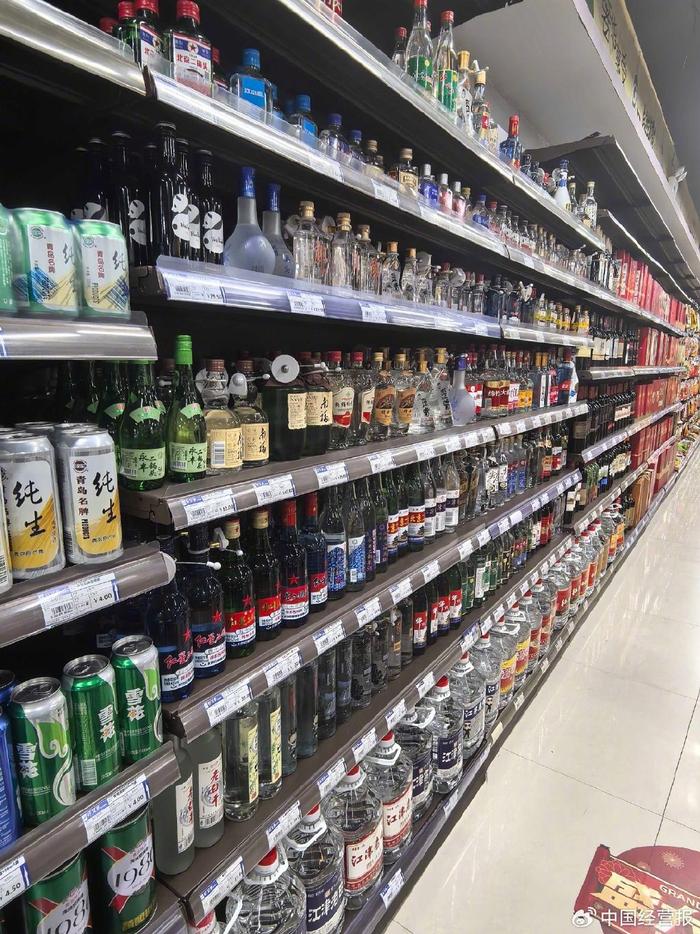
Core Viewpoint - The light bottle liquor market in China is experiencing intense competition, with various companies launching new products priced under 60 yuan, aiming for national expansion and targeting lower-tier markets [3][4][5]. Industry Overview - The light bottle liquor industry has grown from 35.2 billion yuan in 2013 to 98.8 billion yuan in 2021, with projections to exceed 150 billion yuan by 2024 and 200 billion yuan by 2025 [3][5]. - The market for high-end light bottles priced between 50-100 yuan is expected to grow over 40% [3]. Company Strategies - Companies like Yanghe and Yilite are launching new products and expanding their market presence. Yilite introduced two new products priced at 28 yuan and 35 yuan, with plans for national expansion by 2028 [4][5]. - Yanghe's new product, Yanghe Daqu, is positioned as a strategic offering to capture the growing light bottle market, emphasizing quality and value [4][5]. Market Dynamics - The light bottle liquor segment is becoming increasingly competitive, with numerous brands vying for market share in the 60 yuan price range, including Yanghe Daqu, Huanggai Glass Fen, and others [4][5][6]. - The industry is witnessing a shift towards rational consumption, with consumers prioritizing price and quality, leading to a demand for high cost-performance products [5][6]. Challenges and Opportunities - The entry of many brands into the light bottle market has led to increased competition and challenges in differentiation, particularly in lower-tier markets [6][7]. - Companies are investing heavily in brand building and marketing strategies to penetrate these markets, with some reporting over 100 million yuan in investments [6][7]. Consumer Engagement - Engaging directly with consumers is crucial for light bottle brands, as they need to establish strong communication channels to drive sales [9]. - Innovative marketing strategies, such as collaborations with e-commerce platforms and community group buying, are being explored to enhance market penetration [9][10].


酒类即时零售调查:市场规模突破360亿元,低价产品占比较高,倒逼厂商变革,经销商呼吁不跟风价格战丨酒业电商系列专题
Sou Hu Cai Jing· 2025-08-02 06:09
Core Insights - The article discusses the transformation of the liquor industry through the rise of e-commerce and instant retail, highlighting the shift from traditional sales methods to digital platforms and consumer-driven demand [2][6][10] Industry Trends - Instant retail in the liquor sector is experiencing explosive growth, with the market size expected to reach approximately 1 trillion yuan by 2027, up from around 200 billion yuan in 2023 [8][10] - The penetration rate of instant retail in the liquor market is projected to increase from 1% in 2023 to 6% by 2027, indicating a significant shift in consumer purchasing behavior [8] Consumer Behavior - Consumers are increasingly favoring instant retail for its convenience, particularly for low-cost, high-frequency products like beer, which constitutes a significant portion of sales in this segment [12][13] - The demand for customized and scenario-based purchasing experiences is rising, as consumers seek quality assurance from official channels [8][10] Company Strategies - Major liquor companies are rapidly adapting to the instant retail model, with brands like Moutai and Luzhou Laojiao launching initiatives to integrate with platforms like Meituan and Douyin [4][9] - Companies are encouraged to refine their supply chain and product offerings to meet the demands of both online and offline channels, ensuring a balanced pricing strategy [21][22] Market Dynamics - The competition in instant retail is intensifying, with concerns about profitability due to price wars and the influx of low-cost products [16][18] - Traditional liquor retailers are facing pressure to transition from wholesale to service-oriented retail models, as consumer preferences shift towards online purchasing [10][11] Operational Challenges - The need for diverse product offerings and effective operational strategies is critical for success in the instant retail space, as companies must avoid price wars and focus on sustainable profit models [17][22] - The integration of high-margin products alongside popular low-cost items is essential for maintaining profitability in the instant retail environment [18][22]

酒企纷纷布局光瓶酒 低线市场竞夺激烈
Zhong Guo Jing Ying Bao· 2025-08-01 21:21
Core Insights - The light bottle liquor market in China is experiencing intense competition, with major brands like Yanghe, Yilite, and Yangshao launching new products priced under 60 yuan, aiming for national expansion [1][2] - The market size of the light bottle liquor industry has grown from 35.2 billion yuan in 2013 to 98.8 billion yuan in 2021, with projections to exceed 150 billion yuan by 2024 and 200 billion yuan by 2025 [1][3] - The shift towards rational consumption and the demand for high cost-performance products are driving the growth of the light bottle liquor segment, as consumers prioritize quality and price [3][4] Industry Trends - The light bottle liquor segment is becoming a key focus for many liquor companies as they adapt to changing consumer preferences and market conditions [3][4] - The introduction of new national standards is expected to eliminate inferior products, further enhancing the quality of light bottle liquors [3][4] - The competition in the light bottle liquor market is intensifying, with numerous brands vying for market share, particularly in lower-tier cities [4][5] Company Strategies - Yilite has launched its light bottle liquor strategy with products priced at 28 yuan and 35 yuan, aiming for a national presence by 2028 [1][2] - Yanghe's new product, Yanghe Daqu, is positioned as a strategic offering to capture the expanding light bottle liquor market, leveraging its extensive distribution network [2][5] - Companies are increasingly focusing on direct-to-consumer (To C) strategies, requiring strong communication capabilities to reach consumers effectively [6][7] Market Dynamics - The light bottle liquor market is characterized by a high density of competition, with established brands like Shunpinlang and Green Neck Xifeng dominating in lower-tier markets [4][5] - The market is witnessing a trend of brands utilizing innovative marketing strategies, such as collaborations with e-commerce platforms and community group buying, to enhance market penetration [6][7] - The rise of instant retail and digital supply chains is seen as a critical factor for the future growth of the light bottle liquor segment [6][7]

中国消费品7月价格报告:多数白酒批价回归平稳,液奶与啤酒折扣降低
Haitong Securities International· 2025-08-01 13:32
Investment Rating - The report assigns an "Outperform" rating to multiple companies in the consumer staples sector, including Guizhou Moutai, Wuliangye, Luzhou Laojiao, and others [1]. Core Insights - The report highlights that most baijiu wholesale prices have stabilized, with specific price changes noted for various brands. For instance, the price of Feitian Moutai (case) is 1915 yuan, down by 35 yuan from the previous month, and down 665 yuan year-on-year [3][9]. - Discounts on liquid milk and beer have decreased compared to previous months, indicating a shift in pricing strategies within the consumer goods market [5][22]. Summary by Sections Baijiu Pricing - Guizhou Moutai's prices for different products have shown a decline, with Feitian Moutai (case) at 1915 yuan, down 35 yuan month-on-month and 665 yuan year-on-year [3][9]. - Wuliangye's eighth-generation price is 930 yuan, stable compared to last month and unchanged year-on-year [4][9]. - Luzhou Laojiao's Guojiao 1573 remains at 860 yuan, unchanged from last month and down 40 yuan year-on-year [4][9]. Consumer Goods Discounts - The average discount rate for liquid milk has decreased to 79.1% from 73.8% at the end of June, while the median discount rate increased to 80.3% [5][22]. - Beer discounts have also seen a slight increase, with average and median rates at 83.6% and 87.0%, respectively, compared to 81.1% and 84.6% in late June [5][22]. - Discounts for infant formula and instant foods have remained stable, with average rates at 93.0% and 94.3%, respectively [7][22].





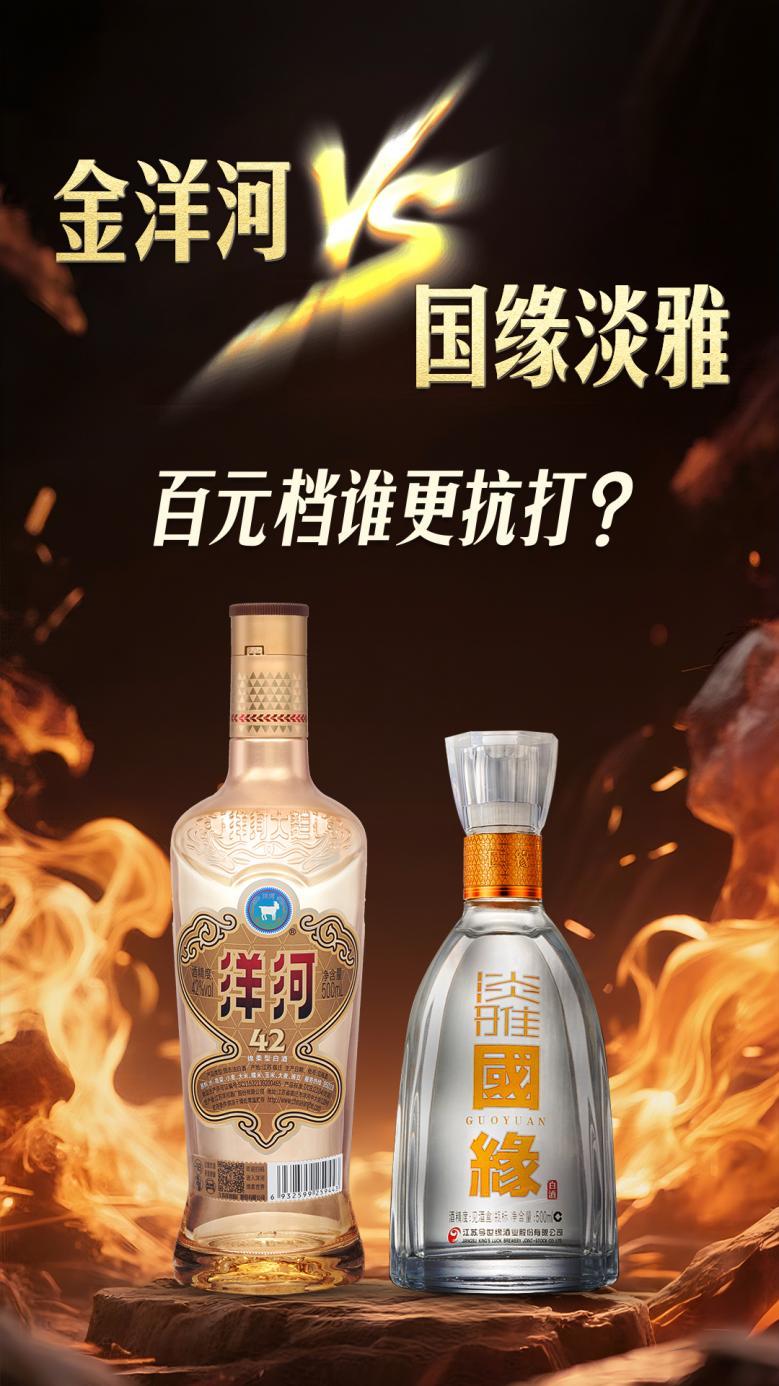
百元白酒新风向!当绵柔遇上淡雅,究竟谁才是性价比之王?
Zhong Jin Zai Xian· 2025-08-01 12:39
Core Viewpoint - The comparison between the emerging brand Jin Yang He and the well-established Guo Yuan Dan Ya highlights the competitive landscape in the mid-range liquor market, particularly focusing on consumer preferences and product quality [1][3]. Group 1: Product Comparison - Jin Yang He has gained significant popularity, topping sales charts on platforms like JD.com and attracting over 100,000 consumers in a short time [3]. - Guo Yuan Dan Ya is positioned as a mature product in the mid-range market, emphasizing a refined and formal drinking experience, often referred to as "happy little sweet water" due to its smooth taste [6]. - Jin Yang He stands out for its unique quality, being the only light bottle liquor in its price range with a genuine three-year aging certification, which is rare among similar products [7]. Group 2: Market Dynamics - Jin Yang He has effectively partnered with JD.com to enhance distribution efficiency, catering to high-frequency drinking occasions like gatherings and parties [7]. - The price point of Jin Yang He is designed to appeal to everyday consumers, emphasizing value for money in casual drinking settings [7]. - The light bottle liquor market is projected to exceed 150 billion yuan in 2024, with a compound annual growth rate of 17%, indicating a shift in consumer preferences towards quality and value over brand prestige [8].
白酒董秘盘点:迎驾贡酒董秘孙汪胜年薪23.1万为行业最低 任职超七年
Xin Lang Zheng Quan· 2025-08-01 10:47
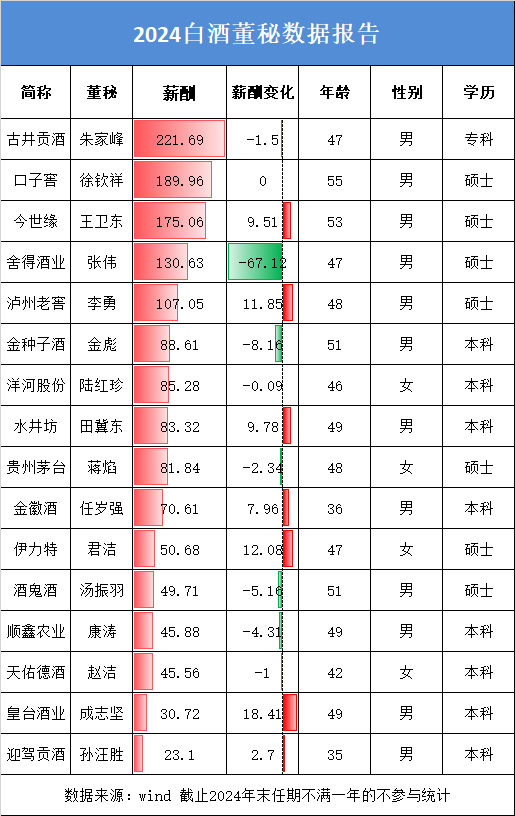
董秘作为连接投资者与上市公司的"桥梁",在上市公司资本运作中发挥着关键作用。新浪财经《2024年 度A股董秘数据报告》显示,2024年A股上市公司董秘薪酬合计达40.86亿元,平均年薪75.43万元。 分行业来看,白酒行业(根据申万二级行业分类)上市公司中,2024年度董秘薪酬总额为1479.7万元 (仅统计2024年度完整任期董秘),平均薪酬达92.48万元,远高于市场平均值。 古井贡酒董秘朱家峰以221.69万元年薪蝉联行业薪酬榜首,虽同比微降1.5%,但仍为唯一一位年薪突破 200万元董秘。口子窖董秘徐钦祥以189.96万元紧随其后,薪酬与上年持平。今世缘董秘王卫东以175.06 万元位列第三,年薪增长9.51%,增幅显著。 舍得酒业董秘张伟虽以130.63万元居第四,但其薪酬同比大幅下滑67.12%,成为行业最大降幅。泸州老 窖董秘李勇薪酬107.05万元,同比增长11.85%,跻身前五。 专题:专题|2024年度A股董秘数据报告:1144位董秘年薪超百万 占比超21% 从薪酬涨跌幅来看,2024年有完整任期的董秘中,有7位董秘薪酬上涨,皇台酒业董秘成志坚因2023年 任期不满一年而涨薪最多,达18. ...


白酒董秘盘点:舍得酒业董秘张伟大幅降薪 去年公司股价跌46.20%为行业跌幅最大
Xin Lang Zheng Quan· 2025-08-01 10:45
Core Insights - The report highlights that in 2024, the total salary of A-share listed company secretaries reached 4.086 billion yuan, with an average annual salary of 754,300 yuan, indicating a significant role in capital operations [1] Salary Overview - A total of 1,144 company secretaries earned over 1 million yuan, accounting for more than 21% of the total [1] - The white wine industry had a total salary of 14.797 million yuan for secretaries, with an average salary of 924,800 yuan, significantly higher than the market average [1] Top Earners - Zhu Jiafeng, the secretary of Gujing Gongjiu, topped the salary list with 2.2169 million yuan, despite a slight decrease of 1.5% year-on-year [1][2] - Xu Qinxiang from Kouzi Jiu followed with 1.8996 million yuan, maintaining his salary from the previous year [1][2] - Wang Weidong from Jinshiyuan ranked third with a salary of 1.7506 million yuan, showing a notable increase of 9.51% [1][2] Salary Changes - Zhang Wei from Shede Jiuye experienced the largest salary drop, from 1.9775 million yuan to 1.3063 million yuan, a decrease of 67.12% [4] - Li Yong from Luzhou Laojiao had a salary of 1.0705 million yuan, reflecting an increase of 11.85% year-on-year [1][4] Age and Education - The age of secretaries in the white wine industry ranges from 35 to 60 years, with over half aged between 40 and 50 [4] - The majority hold a bachelor's degree, accounting for over 40%, with only one having an associate degree [4] Stock Performance - In 2024, the stock prices of 16 listed white wine companies declined, with Shede Jiuye experiencing the largest drop at 46.2% [4][5] - Other notable declines included Jinzongzi Jiu at 43.68% and Gujing Gongjiu at 41.11% [5]
白酒三巨头,江苏一哥消失了
盐财经· 2025-08-01 10:11
Core Viewpoint - Jiangsu Yanghe, once a leading player in the Chinese liquor industry, is facing significant challenges following a leadership change and declining financial performance, prompting a strategic pivot towards lower-priced products to regain market share [2][4][22]. Group 1: Leadership Change - Yanghe's former chairman, Zhang Liandong, resigned unexpectedly in July 2024, just a week after promoting a new product that received mixed reviews [2][4]. - Gu Yu, a 47-year-old local official with no prior experience in liquor sales, was appointed as the new chairman, marking a significant shift in leadership [4][5]. Group 2: Financial Performance - In 2024, Yanghe's revenue fell by 12.83% to 28.876 billion yuan, and net profit dropped by 33.37% to 6.673 billion yuan, resulting in a decline in industry ranking from third to fifth [4][9][11]. - The first quarter of 2025 saw further declines, with net profit plummeting by 40% [4][15]. Group 3: Market Challenges - Yanghe is grappling with high inventory levels, unclear brand positioning, and a loss of trust among distributors, with inventory turnover days soaring to 898 days in 2024 [7][17]. - The company's core products, particularly the high-end "Dream Blue," are struggling to sell, and competition from brands like Jinshiyuan and Shanxi Fenjiu is intensifying [4][33]. Group 4: Strategic Shift - Yanghe has launched a new low-cost product, a 59 yuan light bottle liquor, in collaboration with JD.com, which quickly sold out, indicating a potential shift towards the mass market [22][24]. - The company aims to leverage its existing inventory of 700,000 tons of aged base liquor to support this new product line and reduce inventory pressure [7][24]. Group 5: Industry Context - The liquor industry is undergoing a significant transformation, with high-end liquor demand weakening and a shift towards value-driven products as consumers become more price-sensitive [25][26]. - Yanghe's challenges reflect broader industry trends, including increased competition and changing consumer preferences, necessitating a reevaluation of its market strategy [26][37].
国家“个贷与服务业贷款贴息”战略,对A股影响(一)
Sou Hu Cai Jing· 2025-08-01 03:56
Core Insights - The State Council held a meeting on July 31, 2025, to implement personal consumption loan interest subsidy policies and service industry loan interest subsidy policies, aimed at reducing credit costs for residents and financing costs for service industry entities, thereby stimulating consumption potential and enhancing market vitality [1] Group 1: Beneficiary Analysis - The "policy intensity - industry elasticity - valuation safety margin" three-dimensional model was constructed to identify beneficiaries, leading to three main beneficiary lines [2] - Key beneficiaries in the consumer finance infrastructure layer include: - China Merchants Bank (招商银行) with over 20% market share in consumer loans, expected to see growth in its consumer loan business due to the subsidy policy [2] - BYD (比亚迪) benefiting from reduced car purchase costs through auto loan subsidies, likely to boost sales in the electric vehicle sector [2] - Hengsheng Electronics (恒生电子) anticipated to receive numerous orders for bank subsidy system upgrades due to increased demand [2] - Tongqinglou (同庆楼), a regional restaurant leader, expected to expand operations and improve service quality due to reduced financing costs [2] - Ningbo Bank (宁波银行), which has the highest proportion of small and micro loans in the industry, will see new growth opportunities from the subsidy policy [2] Group 2: Consumption Recovery and Upgrade - Beneficiaries in the consumption recovery layer include: - Wuliangye (五粮液), a high-end liquor brand, expected to benefit from the recovery of high-end consumption in banquet scenarios [3] - Songcheng Performance (宋城演艺), a leader in the cultural tourism sector, likely to attract more visitors and enhance performance due to tourism subsidies [3] - Yili (伊利股份), a dairy industry leader, expected to benefit from the upgrade in dairy consumption and cost reductions [3] - Midea Group (美的集团), anticipated to see increased demand for home appliances due to the combination of old-for-new policies and interest subsidies [3] - Haitian Flavoring (海天味业), expected to experience growth in demand for condiments as the restaurant industry recovers [3] - Yanghe (洋河股份), benefiting from the recovery of banquet consumption in the mid-range liquor segment [3] Group 3: Long-term Value and Innovation - Beneficiaries in the consumption upgrade empowerment layer include: - Heng Rui Medicine (恒瑞医药), expected to see growth in innovative drugs and medical consumption due to increased resident spending [5] - Aier Eye Hospital (爱尔眼科), benefiting from rising demand for refractive surgery as consumer spending on eye health increases [5] - Haier Smart Home (海尔智家), anticipated to see growth in high-end smart home product sales due to interest subsidies [5] - China Duty Free Group (中国中免), expected to benefit from the recovery of inbound tourism and support for duty-free consumption [5] - Gree Electric (格力电器), likely to see increased demand for home appliances due to favorable policies and channel reforms [5] Group 4: Economic Impact - The "double interest subsidy" policy is distinct from traditional infrastructure stimulus, as it aims to precisely activate consumer demand to drive economic circulation, demonstrating stronger targeting and effectiveness [7]





食品饮料行业上市公司财务总监PK:洋河股份去年净利润下滑33.37%总监尹秋明薪酬从141.79万降至125.47万
Xin Lang Cai Jing· 2025-08-01 03:10
专题:专题|2024年度A股CFO数据报告:美的集团钟铮年薪946万,比亚迪周亚琳896万 金字火腿CFO周国华年纪最大,达到64岁。周国华目前身兼数职,是金字火腿董事、总裁、财务总监,2021年12月开始担任CFO一职。元祖股份CFO刘政年纪最小,仅32岁,从2023年10月开始 从学历来看,以本科为主,占比达到58%;其次是硕士,达到28%。专科有16名,占比达到12.4%。此外博士有1名,为立高食品财务总监王世佳;中职也有一名,为春雪食品财务总监郝孔臣。 从薪酬来看,A股食品饮料行业CFO薪酬总金额为1.01亿元,薪酬均值为77.78万元。 薪酬最高的是水井坊CFO蒋磊峰,去年薪酬高达464.75万元。蒋磊峰现年46岁,从2020年9月开始担任财务总监一职,目前还担任董事、副总经理等职务。值得一提的的是,蒋磊峰2024年薪酬 其次是伊利股份财务总监赵成霞,薪酬达到390.13万元。双汇发展财务总监刘松涛则以359.34万元的薪酬排第三。 作为上市公司核心管理层关键成员,财务总监CFO的地位与作用至关重要。新浪财经《2024年度A股CFO数据报告》显示,2024年A股上市公司财务总监CFO群体薪酬规模合计 ...
