
地平线

Search documents
A股申购 | 强一股份(688809.SH)开启申购 客户包括摩尔线程、地平线等芯片设计厂商
智通财经网· 2025-12-18 22:59
12月19日,强一股份(688809.SH)开启申购,发行价格为85.09元/股,申购上限为0.75万股,市盈率48.55倍, 属于上交所,中信建投证券为其保荐人。 据招股书,公司是一家专注于服务半导体设计与制造的高新技术企业,聚焦晶圆测试核心硬件探针卡的研 发、设计、生产与销售。公司具备探针卡及其核心部件的专业设计能力,是市场地位领先的拥有自主MEMS 探针制造技术并能够批量生产、销售MEMS探针卡的厂商,打破了境外厂商在MEMS探针卡领域的垄断。 探针卡是一种应用于半导体生产过程晶圆测试阶段的"消耗型"硬件,是半导体产业基础支撑元件。作为晶圆 制造与芯片封装之间的重要节点,晶圆测试能够在半导体产品构建过程中实现芯片制造缺陷检测及功能测 试,对芯片的设计具有重要的指导意义,能够直接影响芯片良率及制造成本,是芯片设计与制造不可或缺的 一环,对半导体产业链具有重要意义。因此,在人工智能、数字化技术不断革新的趋势下,探针卡的性能保 证了在通信、计算机、消费电子、汽车电子以及工业等领域发挥决定性作用的半导体产品的可靠性。 凭借深入的需求理解、扎实的技术实力、丰富的交付经验以及可靠的规模化生产能力,公司产品及服务得到 ...


具身智能产业动态:希迪智驾启动全球招股,众擎机器人完成10亿元A1加及A2轮融资
GUOTAI HAITONG SECURITIES· 2025-12-18 13:06
Investment Rating - The report does not explicitly state an investment rating for the industry Core Insights - The embodied intelligence industry is primarily represented by embodied robots and smart vehicles, which are mutually reinforcing in development. The core concept of embodied intelligence emphasizes real-time interaction with the environment, integrating perception, decision-making, and action [8][9] - Recent trends in the embodied robot sector include significant orders and partnerships, such as the 1,000-unit order for the Bumi humanoid robot and collaborations between major companies like Mercado Libre and Agility Robotics [12][13][14] - In the smart vehicle sector, notable developments include the delivery rankings of new energy vehicles, with Hongmeng Zhixing leading with 81,864 units delivered in November [21][27] Summary by Sections 1. Embodied Robot Industry Dynamics - Songyan Power secured an order for 1,000 Bumi humanoid robots, which are lightweight and under 1 meter tall, with a pre-sale price of 9,998 yuan [12] - Mercado Libre partnered with Agility Robotics to deploy the Digit robot in its logistics system, marking a significant step towards automation in Latin America [13] - EQT plans to facilitate the deployment of up to 10,000 humanoid robots from 1X across its portfolio companies from 2026 to 2030 [14] - Stardust Intelligence launched the Lumo-1 model, enhancing the reasoning-action loop for robots [15] - Lingchu Intelligent introduced the Psi-SynEngine, a data collection engine for real-world applications [16] - Zhiyuan announced the production of its 5,000th general-purpose humanoid robot [18] - Horizon released two foundational models, HoloMotion and HoloBrain, aimed at advancing embodied intelligence [19] - Lichong Group signed a procurement agreement worth 75 million yuan for humanoid robot components [20] 2. Smart Vehicle Industry Dynamics - The delivery rankings for November show Hongmeng Zhixing leading with 81,864 units, followed by Leap Motor and Xiaomi [21] - Jiusi Intelligent signed a strategic cooperation agreement with Jiangling to accelerate the deployment of RoboVan ecological unmanned vehicles [22] - Collaborations with major public transport groups aim to integrate autonomous driving technology into urban logistics [23][24] - New Stone and Linglong Tire's partnership marks a significant step in the application of unmanned delivery in the automotive service market [26] 3. Investment and Financing Events - From December 8 to December 14, 2025, there were 16 financing events in the embodied intelligence sector, including significant rounds for companies like Shaping Technology and Cloud Deep Technology [29][30][32][36] - Notable financing events include a 10 billion yuan round for Zhongqing Robotics, which also launched the T800 humanoid robot [36] - Other companies like Ling Sheng Technology and Lumos Robotics also secured substantial funding to enhance their product offerings and market presence [39][40]
智驾人才涌入具身智能,热钱有了新叙事
晚点LatePost· 2025-12-18 11:56
Core Viewpoint - The article discusses the current state and investment trends in the field of embodied intelligence, highlighting the influx of venture capital into this sector and the challenges faced by startups in delivering viable products and technology [4][5][12]. Investment Trends - In September, a venture capitalist visited a startup in Shenzhen focused on embodied intelligence, amidst a storm that caused citywide disruptions, indicating the high interest in this sector [4]. - The investment landscape for embodied intelligence has seen over a hundred active investment firms in China, with early-stage funding exceeding $10 billion [5]. - Investors are optimistic about startups with backgrounds in intelligent driving, as they are believed to have practical experience in solving real-world problems [6]. Entrepreneurial Backgrounds - The article notes a shift in investor preferences towards entrepreneurs with experience in intelligent driving, moving away from traditional robotics backgrounds [7]. - Notable entrepreneurs in the field include graduates from prestigious universities like UC Berkeley, CMU, and MIT, who are now leading startups in embodied intelligence [6][7]. Startup Financing - Several startups have recently secured significant funding, such as "It Stone Intelligent Navigation" raising over 1.22 billion yuan and "Zhi Jian Power" receiving approximately $5 million in angel funding [8]. - The article lists various startups, their founders, backgrounds, and recent financing rounds, showcasing the active investment environment [8]. Technical Challenges - The transition from intelligent driving to embodied intelligence faces challenges, particularly in the need for high-quality interaction data and the cost of developing viable products [11]. - The article highlights the limitations of current models in executing complex tasks and the need for advancements in algorithms to improve performance [11]. Market Sentiment - There is a growing pessimism in the secondary market regarding embodied intelligence startups, with some analysts suggesting that the best opportunities may have passed [12]. - The National Development and Reform Commission has issued warnings about the risks associated with the rapid growth of humanoid robot companies, emphasizing the need for balance between speed and potential market saturation [12]. Investment Logic - Investors are focusing on projects that prioritize the development of embodied intelligence systems, including decision-making models and robotic components, but caution is advised regarding the prevalence of similar investment strategies [13][14]. - The article concludes that while venture capital is flowing into the sector, the sustainability of these investments remains uncertain, with a need for substantial funding to ensure long-term success [14].

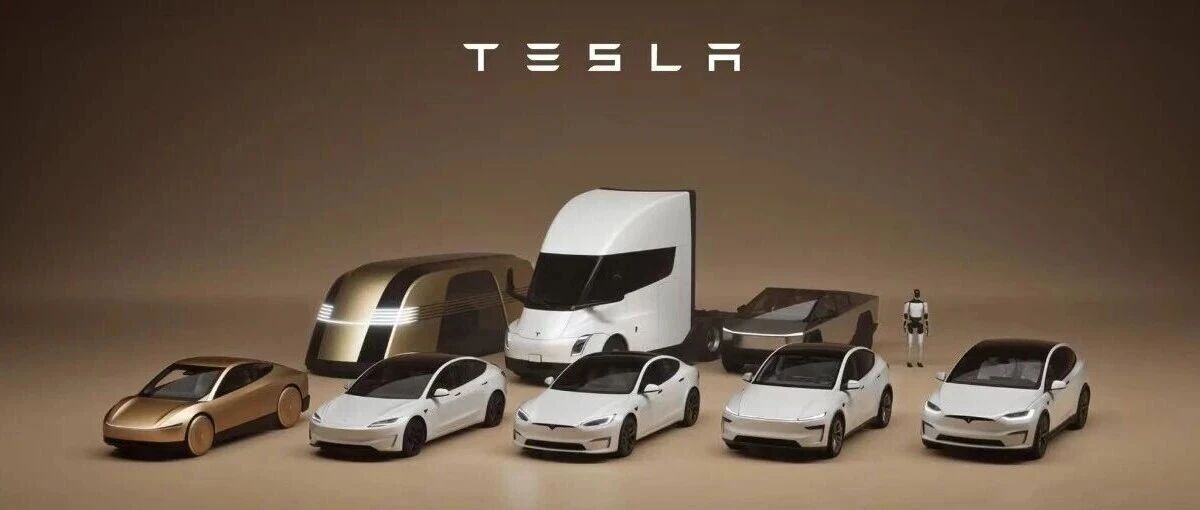
特斯拉再一次预判潮水的方向
自动驾驶之心· 2025-12-18 09:35
Core Viewpoint - Tesla's AI leader Ashok Elluswamy revealed the technical methodology behind Tesla's Full Self-Driving (FSD) in a recent article, emphasizing the choice of an end-to-end neural network model and addressing the challenges faced in practice [4][6]. Group 1: End-to-End Neural Network Model - Tesla's decision to adopt an end-to-end neural network model is driven by the need to address complex driving scenarios that cannot be pre-defined by rules, such as the "trolley problem" and second-order effects [6][10]. - The end-to-end model is described as a complete overhaul of previous architectures, fundamentally changing design, coding, and validation processes, leading to a more human-like driving experience [11][19]. - The model outputs driving instructions alongside interpretable "intermediate results," utilizing technologies like generative Gaussian splatting to create dynamic 3D models of the environment in real-time [8][17]. Group 2: VLA and World Model Concepts - VLA (Vision-Language-Action) is an extension of the end-to-end model that incorporates language information, allowing for a more visual representation of driving behavior [12][14]. - The world model aims to establish a high-bandwidth cognitive system based on video/image data, addressing the limitations of language models in understanding complex, dynamic environments [15][19]. - The relationship between end-to-end, VLA, and world models is clarified, with end-to-end serving as the foundation, VLA as an upgrade, and the world model as the ultimate form of understanding spatial dynamics [12][19]. Group 3: Industry Perspectives and Trends - The industry is divided into three main technical routes: end-to-end, VLA, and world model, with companies like Horizon Robotics and Bosch primarily adopting end-to-end due to lower costs and higher stability [13][19]. - VLA has faced criticism from industry leaders who argue that its reliance on language models may not be essential for effective autonomous driving, emphasizing the need for spatial understanding instead [16][19]. - Tesla's recent publication has reignited discussions in the industry, positioning the company at the forefront of current technological directions and providing a systematic analysis of practical applications [20].

智驾人才涌入具身智能,热钱有了新叙事
晚点Auto· 2025-12-17 16:01
Core Viewpoint - The article discusses the current state and investment trends in the field of embodied intelligence, highlighting the influx of new startups and the challenges they face in terms of technology and market viability [3][11]. Investment Trends - In 2023, there has been a significant interest in embodied intelligence, with over 100 active investment firms in China and early-stage funding exceeding $10 billion [4]. - Investors are increasingly favoring teams with backgrounds in intelligent driving, as they bring practical experience and operational knowledge to the table [4][5]. - The emergence of new entrepreneurs from the intelligent driving sector is seen as a positive development, as they are expected to address real-world problems more effectively [4][5]. Entrepreneurial Landscape - Notable startups in the embodied intelligence space include those founded by alumni from prestigious universities like UC Berkeley, Carnegie Mellon, and MIT, reflecting a shift in investor preferences towards teams with substantial product experience [5][6]. - Several startups have secured significant funding, such as "It Stone Intelligent Navigation" raising over 1.22 billion yuan and "Zhi Jian Power" receiving approximately $50 million in angel funding [6][7]. Technological Challenges - The transition from intelligent driving to embodied intelligence involves complex challenges, including the need for high-quality interaction data and the high costs associated with robot production [10]. - The current market for embodied robots is hindered by the high initial costs, with robots priced around 600,000 yuan, which is expected to decrease to 350,000-400,000 yuan by 2027 [10]. Market Sentiment - There is a growing pessimism in the secondary market regarding embodied intelligence startups, with some analysts suggesting that the best opportunities may have already passed [11]. - The Chinese government has issued warnings about the risks of oversaturation in the humanoid robot market, emphasizing the need for balance between speed and potential market bubbles [11]. Investment Logic - Investors are focusing on projects that prioritize the development of embodied intelligence models and control systems, indicating a trend towards investing in companies with similar technological foundations [12]. - The article notes that while small investments are common, larger investments exceeding $20 million are rare, which are crucial for the long-term success of startups [13].

“凯式布道”和“苏式焦虑”背后 地平线的野心是什么?
Xin Lang Cai Jing· 2025-12-17 14:19
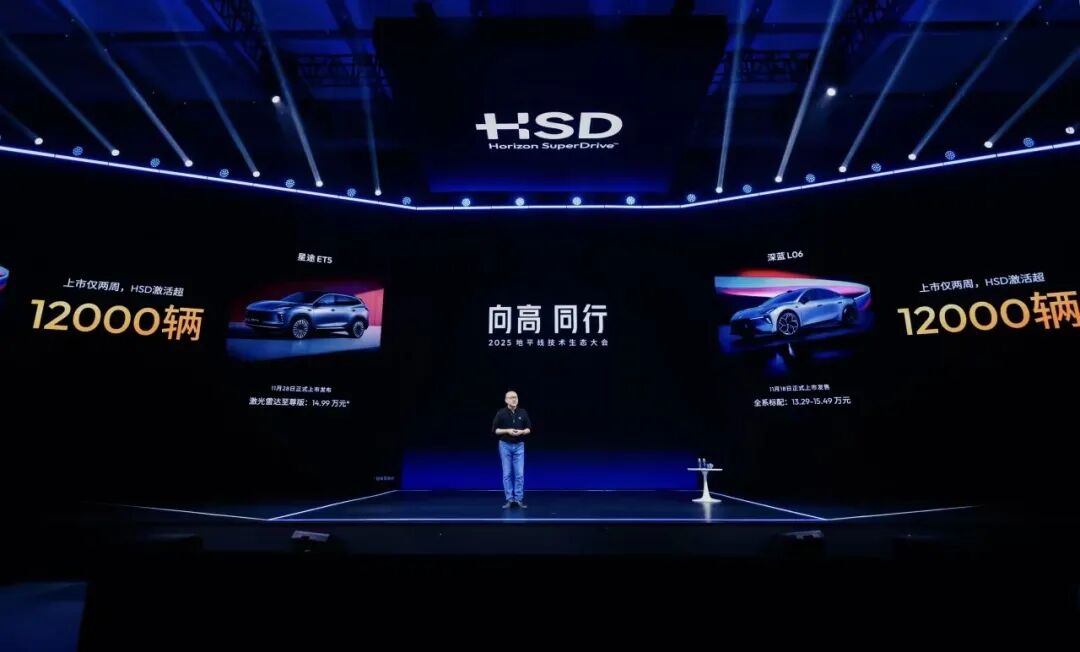
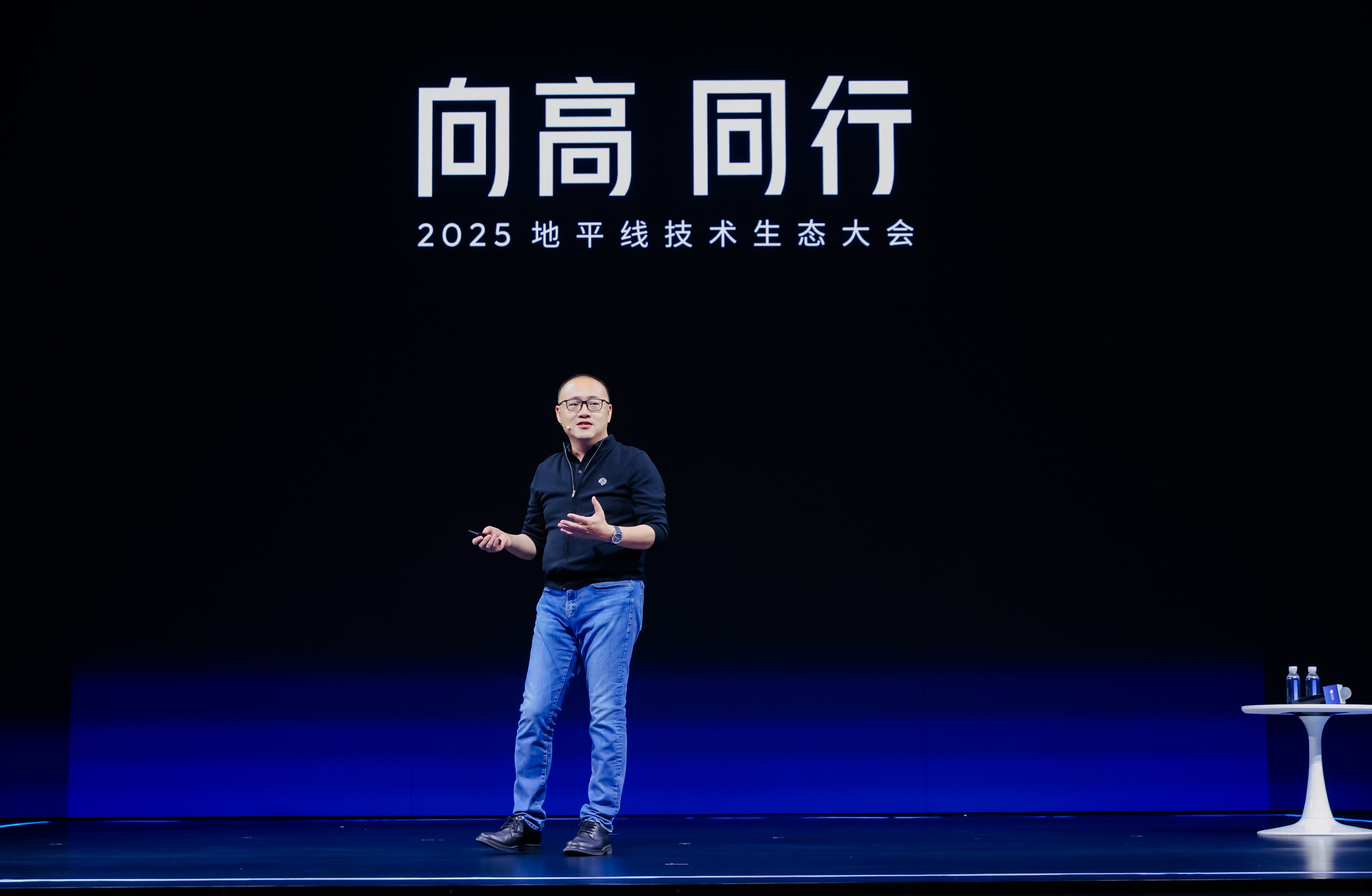
Core Insights - Horizon Robotics, led by CEO Yu Kai, aims to solidify its position in the smart technology sector through its first technology ecosystem conference, showcasing its ADAS and AD solutions [2][15] - The company is transitioning from a chip supplier to an integrated technology service provider, emphasizing the importance of ecosystem collaboration over in-house development by automakers [3][16] Group 1: Company Strategy and Vision - Yu Kai's vision includes making advanced driving technology accessible to the mass market, with the goal of integrating smart driving into vehicles priced under 150,000 yuan [18] - Horizon Robotics has launched the HSD (Horizon City Driving) system, achieving over 12,000 activations within two weeks of its launch, indicating strong market demand [18] - The company plans to expand its ecosystem by offering a full-stack solution that includes chips, algorithms, and reference designs, which can significantly reduce development cycles for automakers [19][20] Group 2: Technological Developments - The HSD system's mass production marks a significant step towards Yu Kai's vision of becoming a foundational player in the robotics era, likening the company to a "Wintel" for the robotics industry [19] - Horizon Robotics is focusing on three technological pillars: BPU, compilers, and algorithms, with the fourth-generation BPU architecture and compiler serving as the foundation for both smart driving and general robotics [19] - The introduction of the "HSD Together" model aims to alleviate challenges faced by automakers, such as high training costs and talent shortages, by allowing them to build on Horizon's validated algorithms [20][25] Group 3: Market Position and Competition - Horizon Robotics is positioning itself to capture a significant share of the market by targeting vehicles priced at 130,000 yuan and below, with plans to enter the 100,000 yuan national car market [21][26] - The company views Tesla as its primary competitor, with the upcoming release of Tesla's FSD V12 expected to set a new standard in the industry [23] - The automotive ecosystem is becoming increasingly competitive, with various players, including Huawei, also vying for dominance in the smart driving space [17][26] Group 4: Industry Challenges and Collaboration - The industry faces significant challenges, including high costs of AI training, scarcity of top talent, and imbalanced iteration speeds, which Horizon aims to address through collaborative ecosystem models [20][25] - There is a consensus among industry players that building a collaborative ecosystem is essential for overcoming the technological and scalability gaps in smart driving [25][27] - The shift in supplier roles is evident, with companies like Horizon Robotics moving from behind-the-scenes support to defining technology routes and participating in standard-setting [27]
L3级别自动驾驶落地,但我们还没准备好
3 6 Ke· 2025-12-17 12:22
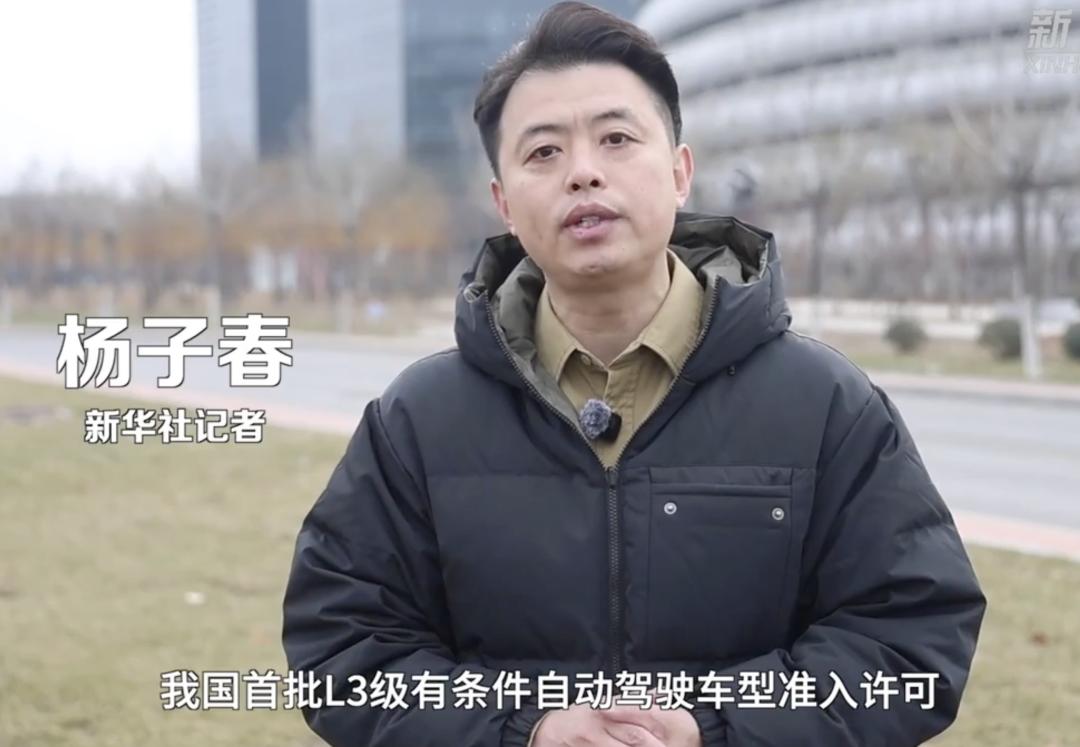
Core Insights - The Chinese automotive industry is entering a new era with the approval of the first L3 conditional autonomous driving models by the Ministry of Industry and Information Technology, specifically the Changan Deep Blue and BAIC Arcfox electric sedans [1][4] - This marks a significant transition from "driver assistance" to "autonomous driving," allowing vehicles to operate on designated roads under certain conditions [4][20] - The introduction of L3 technology signifies a shift in the automotive landscape, where the roles of the driver and the system are reversed, with the system taking primary control [12][21] Group 1: Importance of L3 Level - The approval of L3 vehicles is a milestone, as it represents a new classification in autonomous driving, fundamentally different from previous levels [6][20] - L3 and higher levels (L4, L5) indicate a significant advancement in technology, where the system can make driving decisions independently, reducing the driver's role to that of a safety monitor [12][21] - The transition to L3 is crucial as it implies that the driver is no longer the absolute authority in driving, allowing for greater freedom in activities while the vehicle is in operation [21][30] Group 2: Technical Requirements for L3 - Achieving L3 autonomy requires advanced technology, including powerful chips and various sensors to process environmental data and make real-time decisions [23][24] - The computational power needed for L3 starts at 30 TOPS, significantly higher than the 10 TOPS required for L2, indicating a substantial increase in data processing capabilities [23][27] - The L3 approval is not just beneficial for automotive brands but also for chip manufacturers and sensor suppliers, highlighting the interconnected nature of the industry [29] Group 3: Challenges Ahead - Despite the progress, there are significant hurdles to overcome before L3 can be widely adopted, including legal frameworks that currently center around human drivers [31][32] - Social acceptance and trust in L3 technology remain critical issues, as the public must adapt to the new dynamics of autonomous driving [31][32] - Infrastructure compatibility is another challenge, as existing road designs and traffic behaviors are primarily based on human drivers, which may not align with L3 system capabilities [32]

地平线生态联盟扩张,抵御Momenta的猛攻
3 6 Ke· 2025-12-17 11:00
Core Viewpoint - Horizon Robotics aims to democratize urban assisted driving technology by making it available for vehicles priced at 100,000 yuan, targeting the mass market [3][8]. Group 1: Market Dynamics - In the first three quarters of this year, vehicles priced above 200,000 yuan accounted for 30% of the market share, while those below 130,000 yuan made up 50%, with the latter lacking urban assisted driving features [3]. - The competition in the intelligent driving sector is consolidating around a few leading companies, with Huawei and Momenta establishing strong positions in the high-end market [4]. - Horizon Robotics is rapidly expanding its market presence by introducing new algorithm service models and collaborating with various partners, including major automotive suppliers [6][10]. Group 2: Technological Developments - Horizon Robotics has transitioned from being solely a chip manufacturer to a full-stack solution provider, emphasizing the integration of hardware and software [6][10]. - The company plans to equip vehicles priced as low as 70,000 yuan with its urban assisted driving solutions next year, targeting a significant portion of the Chinese passenger car market [8][12]. - The introduction of the HSD Together model allows Horizon to collaborate with international partners, facilitating its entry into overseas markets [17][18]. Group 3: Competitive Landscape - The competition between Horizon Robotics and Momenta is intensifying, with both companies vying for market share in the L2+ segment and preparing for a direct confrontation in the lower-priced vehicle market [13][16]. - Momenta is also developing its own chips, which are expected to enhance its competitive edge in the intelligent driving space [14][15]. - The ongoing competition is characterized by a race to achieve higher performance at lower costs, with both companies focusing on production efficiency and ecosystem collaboration [15][19].
四维图新:新鉴智将作为Tier 2为四维图新提供基于地平线与高通的双平台研发与量产能力
Zheng Quan Ri Bao Wang· 2025-12-17 08:49
证券日报网讯12月17日,四维图新(002405)在互动平台回答投资者提问时表示,四维图新会持续聚焦 汽车智能化主赛道,力争成为行业领先的头部Tier1。新鉴智将作为Tier2为四维图新提供基于地平线与 高通的双平台研发与量产能力,和覆盖低、中、高阶的智能驾驶软硬一体产品布局。 ...

智能汽车ETF(159889)涨超1.2%,行业加速与结构性机会受关注
Mei Ri Jing Ji Xin Wen· 2025-12-17 07:14
Group 1 - The smart driving industry is expected to accelerate its development by 2025, with leading OEMs like BYD increasing their investment in smart driving, leading to a continuous rise in penetration rates [1] - In 2026, despite ongoing price competition among OEMs and pressure from subsidy reductions, there are still structural opportunities in the industry: 1) The competition landscape for smart driving chips is favorable, with significant room for domestic production rate improvement, as local manufacturers like Horizon Robotics, Black Sesame Intelligence, and Huawei have achieved mass production capabilities [1] - The overseas market is becoming an important growth driver, with low penetration rates in regions like Europe, the US, and Japan, allowing local Tier 1 and lidar companies to accelerate their international expansion based on product competitiveness [1] Group 2 - The new autonomous driving sector is witnessing breakthroughs from 0 to 1, with policies accelerating the commercialization of Robotaxi, and companies like Pony.ai are going public [1] - The commonality of technical architecture allows for the reuse of core components such as smart driving chips and sensors in the robotics field, creating industrial synergy effects [1] - The Smart Car ETF (159889) tracks the CS Smart Car Index (930721), which selects listed companies providing terminal perception and platform applications for smart cars from the Shanghai and Shenzhen markets, reflecting the overall performance of securities related to the smart car industry [1]