三星

Search documents
持续推荐存储行业
2025-12-29 01:04
Summary of Storage Industry Conference Call Industry Overview - The storage market is expected to remain in a tight supply-demand situation until 2027, primarily due to major manufacturers like Samsung, SK Hynix, Micron, and Kioxia unable to achieve large-scale capacity releases in the short term, leading to supply constraints [1][3] Core Insights and Arguments - The negotiations for storage contract prices for Q1 2025 have commenced, with expected increases surpassing the previously anticipated 20%-30%, reaching 30%-40% or more, with some customers potentially facing even higher increases, solidifying a seller's market [1][4] - Overseas storage manufacturers are projected to achieve revenue and profit growth exceeding expectations, while A-share module companies such as Demei Li, Jiangbolong, and Xiangnong Xinchuan Baiwei are expected to benefit from low-cost inventory, with promising performance anticipated in the next two quarters [1][4][5] - Niche storage IC design companies like Zhaoyi Innovation, Beijing Junzheng, Puran Technology, Dongxin Co., and Hengkuo Technology are expected to realize performance gains in 2026, with Zhaoyi Innovation's profits projected to reach 3.5-4 billion yuan next year [1][5] Additional Important Points - Beijing Junzheng is expected to achieve comprehensive price increases in automotive-grade storage, providing growth momentum for the company in the upcoming quarters [1][5] - Expansion plans by Samsung, SK Hynix, and Micron are anticipated to gradually release capacity from the second half of 2027 to 2028, maintaining the tight supply-demand situation until then, benefiting related companies in foundry, packaging, testing, and equipment materials [1][6] - Companies such as Jinghe Integration and China Resources Micro (foundry), Huiteng Co. (packaging and testing), and Jingce Electronics, Tuojing Technology, Weidao Nano, Jingzhida, Northern Huachuang, and Zhongwei Company (equipment materials) are expected to benefit from the ongoing expansion plans of Changxin and Yangtze [2][6]
科技•存储行业更新
2025-12-29 01:04
Summary of Key Points from the Conference Call Industry Overview - The storage industry is experiencing significant growth driven by AI server demand, with an annual growth rate exceeding 50%, replacing smartphones as the key market. Future industry dynamics will heavily depend on changes in server-side demand [1][4] - The global storage market is facing a supply-demand gap, with a projected DRAM shortfall of 10%-15% and NAND shortfall of 5%-6% by 2026, primarily due to a substantial increase in orders from major cloud providers, which will provide strong support for storage product prices [1][7] Price Trends - Storage product prices have been on the rise, with DRAM shipment prices increasing by 10%-15% quarter-over-quarter in Q3/Q4 2023. A further increase of 20% is expected in Q4 2025, and a sequential growth of 10%-15% is anticipated in the first half of 2026 [1][8] - High prices in the storage market are likely to persist, although the rate of increase may gradually narrow over time due to supply constraints and potential pushback from downstream customers [1][9] Supply Chain Dynamics - The production of High Bandwidth Memory (HBM) is significantly encroaching on DRAM capacity, consuming 2-3 times more than DRAM. This, combined with limited new factory investments from major manufacturers, will restrict supply growth in the short term, although a larger capacity release is expected around 2027 [1][5][6] - Major companies like Micron and SK Hynix have increased capital expenditures by approximately 50% this year, with an expected further expansion of 30% next year, leading to a gradual release of new capacity around 2027 [1][5][6] Market Demand and Trends - The demand cycle in the storage industry is shifting, with servers now being the core market, particularly driven by AI applications. This shift is expected to continue, even as traditional consumer electronics show signs of weakness [1][4][6] - Despite a projected decline of 5%-6% in total smartphone shipments in 2026, high-end brands like Samsung, Apple, and Huawei are expected to be less affected. AI applications may also drive new demands for storage capacity on the terminal side [1][5] Regional Insights - Taiwanese niche storage companies have begun to raise prices due to the exit of low-end overseas capacity and an increase in high-end product production. This has allowed mainland Chinese and Taiwanese manufacturers to capture part of the market, leading to a phase of improved market conditions [1][11] - Local mature process wafer fabs in China, such as SMIC and Hua Hong Semiconductor, are operating at high capacity utilization rates of 96% and 110%, respectively. An increase in storage orders could squeeze the capacity of other categories, potentially leading to price increases in those areas, although the overall demand in consumer electronics and industrial sectors remains weak [2][12] Conclusion - The storage industry is poised for a significant transformation driven by AI and server demand, with strong price support expected due to supply constraints. The dynamics of the market will be influenced by both demand shifts and supply chain adjustments, particularly in the context of emerging technologies and regional market developments [1][6][10]

当前时点如何看2026年AIDC电气设备投资机会
2025-12-29 01:04
Summary of AIDC Electrical Equipment Market Conference Call Industry Overview - The conference call focused on the AIDC (Artificial Intelligence Data Center) electrical equipment market, particularly in North America, highlighting the impact of energy shortages and the increasing demand for electrical equipment such as transformers and power supplies [1][2][3]. Key Points and Arguments 1. Energy Supply and Pricing - North American terminal electricity prices have risen by over 5% due to energy shortages, particularly in the PJM region, indicating a tight electricity supply that may worsen with AI development [1][2]. - The construction of data centers in the PJM region has significantly increased spot electricity prices, suggesting a growing demand for electrical equipment [2]. 2. Transformer Demand - There is a surge in demand for high-voltage transformers, with orders from companies like ABB, Siemens, and General Electric reaching 3-4 times their annual revenue, leading to long delivery cycles [1][3]. - Chinese companies, leveraging production capacity and cost advantages, are expected to expand exports to the U.S., with firms like Siyuan, Jinpan, and Igor already achieving exports [1][3]. 3. AIDC Power Supply Trends - The trend towards high-voltage direct current (HVDC) power supplies is expected to gain momentum, with significant applications anticipated in 2026, particularly with Meta's new product launches [1][4]. - Domestic companies such as Oulitong and New Energy are making marginal breakthroughs in power supply technology, indicating a competitive edge in customization speed [4]. 4. Growth in Gas Turbine Orders - Gas turbine orders have seen a significant increase, with a growth rate of approximately 50%-60% as of September 2025, and hydrogen turbine orders growing even faster [1][8]. - Major manufacturers like Baker Hughes, Ansaldo, and Kawasaki are experiencing increased demand, with light gas turbine production ramping up while heavy gas turbine delivery cycles remain long [8]. 5. PCB Industry Developments - The PCB (Printed Circuit Board) industry is witnessing an increase in the usage and value of drilling needles due to material upgrades, with leading manufacturers like Dingtai and Zhongtung exceeding 50% production capacity [2][15]. - The P4B technology is nearing maturity, leading to increased equipment performance requirements and a strong growth outlook for equipment demand and value [15]. 6. Competitive Landscape for Chinese Companies - Chinese companies are positioned to play a crucial role in the global AIDC electrical equipment market, particularly in traditional components like transformers and emerging technologies such as HVDC and SST products [5][6]. - The ability to respond quickly and provide customized services is expected to give Chinese firms a competitive advantage [5]. 7. Infrastructure and Modular Data Centers - The construction cycle for modular data centers is shortening due to AI infrastructure demands, with companies like Schneider and CIMC participating in total or partial contracting [1][14]. - Significant growth is anticipated in this sector by 2026, driven by increased penetration rates [14]. 8. Liquid Cooling Technology - Liquid cooling technology is expected to see substantial growth, supported by changes in demand and the introduction of new products into the overseas supply chain [11][13]. - Companies are actively preparing talent to support the development of this technology, indicating its importance in the AI industry [11]. Additional Important Insights - The overall sentiment for the AIDC electrical equipment market is optimistic, with expectations of price elasticity and valuation expansion across various sectors, including power, infrastructure, and PCB [16]. - Companies like Yingliu, Hangyu Technology, and Jereh are highlighted as having strong growth potential in the AI power sector due to solid customer relationships and strategic partnerships [9][10].
从谷歌AI体系看应用叙事
2025-12-29 01:04
Summary of Key Points from Google AI Conference Call Industry and Company Overview - The conference call primarily discusses Google's advancements in AI technology, particularly focusing on the Gemini model and its applications in various sectors, including search, video generation, and cloud services [1][2][10]. Core Insights and Arguments Gemini 3.0 Pro Features - Gemini 3.0 Pro, released on November 19, 2025, supports multiple input modalities: text, images, audio, video, and PDF files [2] - It features a context window of 1 million tokens, significantly enhancing its reasoning capabilities compared to competitors like OpenAI's GPT 5.1 and Anthropic's Claude 4.5 [2][3] - The model's single-user session duration reached 7.2 minutes by October 2025, surpassing ChatGPT's 6 minutes, indicating increased user engagement [5] Video Generation Model VO Series - The VO series, particularly VO 3.0 and VO 3.1, has achieved native audio-visual synchronization and precise video control, maintaining a competitive price of $0.4 per second [4][6] - VO 3.1 utilizes a latent space diffusion model integrated with Transformer modules, enhancing its ability to generate high-quality video content [6] NanoBanana Image Generation Model - NanoBanana, developed on the Gemini framework, excels in high-resolution image generation and real-time knowledge integration through Google Search [7][8] - It operates on a token-based pricing model, charging $120 per million tokens, with each image consuming between 1,200 to 2,000 tokens [9] Financial Performance and AI Impact - Google's Q3 2025 revenue reached $102.3 billion, with search revenue at $56.5 billion and cloud revenue at $15.1 billion, driven by AI enhancements [11] - AI has become a key growth driver across Google's services, improving ad monetization efficiency and increasing cloud customer acquisition by 34% year-over-year [11][14] Additional Important Insights Market Trends and User Engagement - The AI browser Perplexity saw its traffic nearly double in 2025, with domestic AI search users reaching approximately 500 million and daily queries around 2 billion [15] - The domestic large model market experienced a daily token usage of 10.2 trillion, with significant contributions from companies like Alibaba and ByteDance [21] B2B and C2B Developments - Google Workspace has integrated AI capabilities into its suite, surpassing 1 million paid enterprise users by Q3 2025, enhancing user willingness to pay [23] - The company is actively engaging with various industries, including manufacturing and electronics, to deploy its AI models for applications like content creation and customer service [19][20] Future Investment Directions - The advancements in multi-modal models like NanoBanana Pro and VO 3.1 indicate potential growth areas in creative fields and consumer hardware, suggesting a broad market for AI applications in both B2B and C2B contexts [24]

积极履行社会责任 更好展现担当作为
Ren Min Wang· 2025-12-28 22:35
Group 1 - China Electric Power Construction Group Co., Ltd. emphasizes its role in national development, executing nearly 4,000 projects in 139 countries, contributing to local economic growth and improving livelihoods [2] - The company has over 50 million kilowatts of installed capacity in renewable energy projects and actively participates in global energy governance, having developed 13 international standards and translated over 1,100 advanced standards [2] - China Electric Power integrates innovation with responsibility, overcoming key technical challenges in major projects and developing advanced technologies such as laser 3D scanning and underwater robots [2] Group 2 - Kweichow Moutai focuses on high-quality development through industrial transformation, leveraging its unique brewing ecosystem and exploring high-value utilization of by-products [3][4] - The company has invested over 400 million yuan in watershed protection and has achieved a vegetation coverage rate of 49.7% in the Chishui River basin, promoting a positive cycle of ecological protection and industrial development [4] - Moutai has contributed over 500 million yuan to social welfare projects, benefiting more than 5 million people through various initiatives [4] Group 3 - Lenovo Holdings integrates social responsibility into its overall strategy, focusing on innovation to overcome development bottlenecks and drive industrial upgrades [5] - The company has supported over 3,000 students from underdeveloped areas through its "Lenovo Progress Class" project and has helped over 400 rural women start their own businesses [5] - Lenovo promotes green development through its green carbon reduction system, contributing to the low-carbon transition in the industry [5] Group 4 - 3D printing technology is becoming a key driver of innovation in modern manufacturing, significantly shortening product development cycles and enabling low-cost production of complex structures [6] - The technology is widely applied in various sectors, including aerospace, military, and automotive, enhancing manufacturing precision and performance [6] - Companies are encouraged to focus on integrating technology development with industrial innovation to maintain a competitive edge in the global additive manufacturing landscape [6] Group 5 - Shaanxi Yanchang Petroleum Group has maintained stable oil production for 19 years, with a natural gas output exceeding 12 billion cubic meters, aiming for an oil and gas equivalent of over 20 million tons in 2024 [9] - The company achieved a profit of 60 billion yuan during the 14th Five-Year Plan period, marking a sixfold increase compared to the previous period [9] - Yanchang Petroleum has built over 50 high-quality projects, contributing to infrastructure improvement and industrial transformation in the Shaanxi region [10] Group 6 - Shaanxi Construction Holding Group integrates social responsibility into its development strategy, establishing local companies across the country to support national strategic initiatives [12] - The group has invested over 41 million yuan in skill training for farmers and has completed numerous projects in healthcare, education, and housing, benefiting over 2.3 million people [12] - The company is committed to high-quality development while addressing national strategic needs and enhancing industrial upgrades [12] Group 7 - China Copper Corporation emphasizes high standards in social responsibility, integrating it into its development framework [13][14] - The company has established 12 national and 13 provincial-level green factories, focusing on sustainable resource supply and low-carbon upgrades in its operations [14] - China Copper is involved in rural revitalization projects, supporting collective economies and education in various regions [14] Group 8 - Samsung has been committed to sharing its business success with society, focusing on rural development, technology education, and environmental protection [16] - The company has launched initiatives to support rural revitalization and has provided technology training to over 70,000 young people [16] - Samsung integrates low-carbon principles into its product lifecycle management and collaborates with nearly 3,000 supply chain partners to promote green development [16] Group 9 - JD.com prioritizes employee welfare, providing comprehensive benefits and investing in housing for delivery personnel [18] - The company emphasizes customer trust and community growth, sharing profits with employees and partners [18] - JD.com has initiated green logistics and supply chain projects to promote environmental sustainability [18] Group 10 - Gu Yu Biotechnology Group combines technology and culture to drive brand vitality and high-quality development [19] - The company has established a research center and is expanding its raw material library to enhance innovation capabilities [19] - Gu Yu is committed to sustainable practices, including eco-friendly production methods and community engagement through environmental initiatives [19]

2025年,国产手机在哪些地方走在了前面?丨唐探
Xin Lang Cai Jing· 2025-12-28 14:15
Core Insights - The Chinese smartphone market is expected to see significant growth in 2025, with a reported shipment of 282 million units from January to November, maintaining a year-on-year growth trend [1] - Innovations in the industry are shifting focus from hardware competition to enhancing user experience and addressing user pain points [1][2] Group 1: Innovations and Product Launches - Xiaomi's latest 17 Ultra series emphasizes color accuracy and creative photography experiences, featuring a collaboration with Leica to enhance user shooting experiences [4] - Honor's new WIN series gaming phone incorporates an active cooling fan within the body, addressing the critical need for heat management during high-performance gaming [4] - The sales success of these new models reflects a broader trend among Chinese manufacturers to prioritize practical user experiences over mere technical specifications [4] Group 2: Market Dynamics and User Trends - The saturation of mobile internet users and smartphone penetration indicates a need for growth strategies within a mature market [5][6] - Companies are moving away from numerical parameter competition to genuinely understanding and meeting user needs, as seen with Huawei's innovative folding phone designed for productivity [7] - The integration of AI capabilities in smartphones, such as Honor's AI system for business applications, highlights the industry's focus on enhancing functionality for specific user groups [7][8] Group 3: Standardization and Future Outlook - The adoption of China's UFCS fast charging protocol as a global standard by the International Telecommunication Union marks a significant milestone in addressing compatibility issues across different brands [11] - The ongoing emphasis on user experience-driven innovation is expected to lead the industry towards a more mature and rational development phase [11] - The competitive landscape in 2026 is anticipated to be dynamic, with various players vying for market leadership [11]
伏达半导体启动北交所上市辅导 专注高性能充电芯片赛道
Ju Chao Zi Xun· 2025-12-28 13:02
Core Viewpoint - Voda Semiconductor (Hefei) Co., Ltd. is preparing for an initial public offering (IPO) on the Beijing Stock Exchange, focusing on power management chips and solutions, with a strong emphasis on research and innovation as its development foundation [1][2] Group 1: Company Overview - Voda Semiconductor was established in 2016 and specializes in power management chips, covering wireless and wired charging management chips, wireless charging modules, and complete products [1] - The company has accumulated 94 patents, including 88 invention patents, 32 integrated circuit layout design rights, and 14 software copyrights, establishing a solid technological barrier in the high-performance power management field [1] Group 2: Market Presence - In the consumer electronics sector, Voda's products have entered the supply chains of major global smartphone brands such as Samsung, Xiaomi, OPPO, and Lenovo, and are used in flagship smartphones and TWS earphones [2] - In the automotive electronics sector, Voda has partnered with well-known automotive suppliers like Huayang Group and Luxshare Precision, with its automotive-grade charging products being used in various models from brands like BYD, NIO, and Honda [2] Group 3: Shareholding Structure - The shareholding structure of Voda Semiconductor is relatively dispersed, with no single shareholder holding more than 30%, indicating the absence of a controlling shareholder or actual controller [2]
这项互联技术,要超越CPO!
半导体行业观察· 2025-12-28 02:49
Core Viewpoint - The speed of training large AI models ultimately depends on two concepts: scaling up and scaling out, which involve different physical connection technologies [1][2]. Group 1: Scaling Technologies - Scaling out refers to increasing the number of interconnected AI computers to handle large tasks, while scaling up involves integrating as many GPUs as possible within each computer [1]. - Scaling out relies on photonic chips and optical fibers for data transmission, while scaling up uses copper cables, which are simpler and more economical [1]. - The network density achieved through scaling up is approximately ten times that of scaling out, but the data transfer rates required for high-performance computing are approaching the physical limits of copper cables [1][2]. Group 2: Challenges with Copper Cables - Copper cables face limitations due to the skin effect, which causes high-frequency signals to concentrate near the surface, increasing resistance and requiring thicker cables and more power [7][8]. - Active electrical cables (AECs) have been developed to mitigate these issues, but they increase complexity and power consumption [8]. Group 3: Innovations in Data Transmission - Point2 Technology and AttoTude propose a new solution that combines the low cost and reliability of copper cables with the fine size and long-distance capabilities of optical fibers [2][4]. - Point2 plans to mass-produce cables capable of 1.6 terabits per second using polymer waveguides, while AttoTude is developing similar technology using terahertz frequencies [4][11]. - Both companies claim their technologies can easily surpass copper cables in transmission distance, achieving 10-20 meters without significant loss [4][5]. Group 4: Future Prospects - The wireless technology being developed is expected to be more reliable and easier to manufacture than photonic technology, potentially replacing some copper cables in printed circuit boards [5][14]. - The market for vertical expansion networks is growing, with companies looking to integrate more GPUs while minimizing cooling technology needs [15][16]. - Both Point2 and AttoTude are working on versions of their technology that can be directly integrated into GPUs, which could further enhance performance and efficiency [15][16].


玻璃基板,量产前夜
半导体行业观察· 2025-12-28 02:49
Core Viewpoint - The semiconductor industry is shifting from process competition to packaging innovation, with glass substrates emerging as a key material to overcome performance bottlenecks in advanced packaging [1][2]. Group 1: Industry Dynamics - Major companies like Samsung, Intel, AMD, and Nvidia are actively exploring glass substrates for next-generation chip development, indicating a strategic focus on this material [1]. - Recent developments include Japan's Rapidus exploring glass substrate technology and Samsung's plans to establish a joint venture with Sumitomo Chemical for glass substrate production [1][2]. Group 2: Advantages of Glass Substrates - Glass substrates offer significant advantages over traditional organic substrates and silicon interposers, including lower dielectric loss, excellent thermal stability, and high flatness [3][4]. - The electrical performance of glass substrates is superior, with signal transmission loss at 10GHz being only 0.3dB/mm, and dielectric loss reduced by over 50% compared to organic substrates [4]. - Glass substrates can achieve a thermal expansion coefficient (CTE) of 3-5ppm/°C, matching silicon chips and reducing warpage by 70% during thermal cycling [4]. Group 3: Types of Glass Substrates - Glass substrates are categorized into glass interposers and glass core substrates, each serving different roles in advanced packaging scenarios [3][6]. - Glass interposers are primarily used in 2.5D packaging, enabling high-density interconnections between multiple chips [6]. - Glass core substrates are aimed at 3D packaging and chiplet integration, providing a stable solution for increasing chip sizes and I/O counts [8]. Group 4: Industry Competition - The competition in the glass substrate market is intensifying, with companies like Intel, Samsung, TSMC, and new entrants like Rapidus and Absolics making significant investments and strategic moves [12][14][20]. - Intel has invested over $1 billion in developing glass substrate technology and aims for large-scale application by 2026-2030 [12][13]. - Samsung is pursuing a dual-line strategy, focusing on both rapid commercialization and long-term technological breakthroughs in glass substrates [14][15]. Group 5: Challenges and Barriers - The glass substrate industry faces challenges in scaling production, with many companies still in the early stages of development and validation [34][39]. - Key technical challenges include the efficiency and yield of TGV (Through Glass Via) processes, high-density wiring, and bonding reliability [35][41]. - Cost remains a significant barrier, with the production costs of glass substrates being substantially higher than traditional organic substrates, limiting their application in price-sensitive markets [39][40]. Group 6: Domestic Developments - Domestic companies in China are actively pursuing opportunities in the glass substrate market, leveraging their expertise in glass processing and precision manufacturing [23][30]. - Companies like BOE and Wog Glass are making strides in developing glass substrates for semiconductor packaging, with plans for mass production and technological advancements [24][25]. - The establishment of industry alliances and collaborations between academia and industry is fostering innovation and addressing common technical challenges in the glass substrate sector [30][31].




年终盘点|2025年全球彩电市场微跌,中国双雄进一步逼近三星
Di Yi Cai Jing· 2025-12-28 02:36
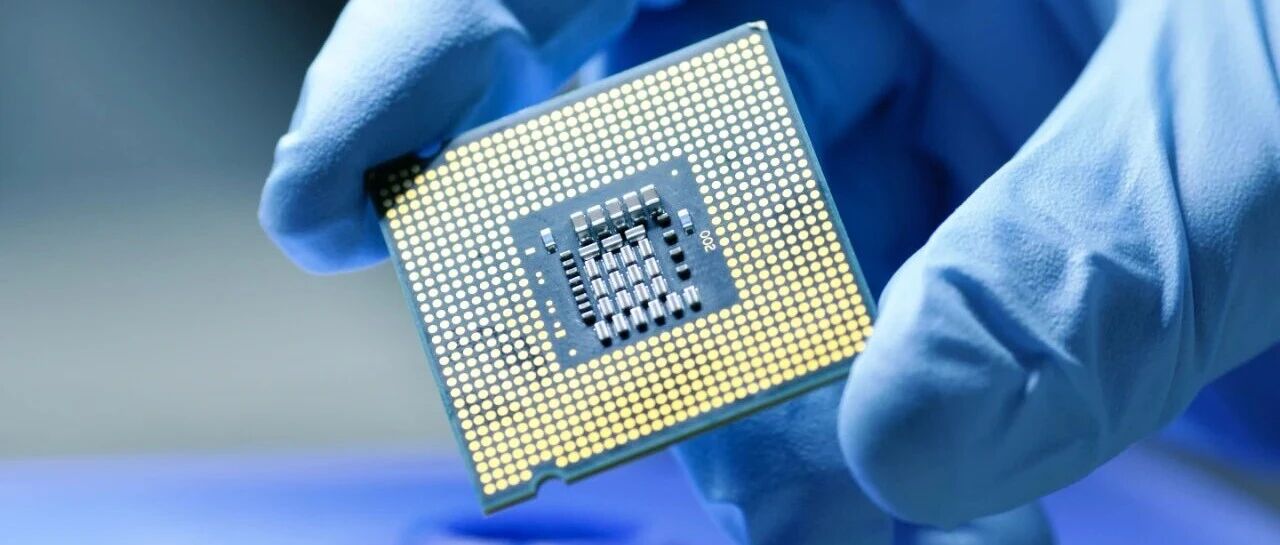
Core Insights - The market share gap between TCL, Hisense, and Samsung in the global TV market has narrowed to 2.2 and 2.7 percentage points respectively [1] Group 1: Market Trends - Despite a slight decline in overall global TV sales, leading Chinese companies are gaining market share, with TCL and Hisense approaching Samsung's dominance [4] - Global TV shipment volume is projected to decrease by 0.7% to 221 million units in 2025, while TCL's shipments are expected to grow by 5.4% to 30.41 million units, increasing its market share to 13.8% [4] - Hisense is projected to ship 29.26 million units in 2025, a 1.4% increase, raising its market share to 13.3% [4] Group 2: Mini LED Opportunity - The global TV market is under pressure, but there is significant growth potential in Mini LED TVs, with shipments expected to rise by 57.8% to 12.39 million units globally in 2025 [5] - In China, Mini LED TV shipments are projected to surge by 92.7% to 8.02 million units, capturing a market share of 23.9% [5] - TCL and Hisense are capitalizing on this opportunity, with TCL's Mini LED TV shipments increasing by 153.3% to 2.24 million units in the first three quarters of the year [6] Group 3: Competitive Landscape - Samsung's global TV shipment volume is expected to remain stable at 35.27 million units in 2025, with a slight market share increase of 0.1% to 16% [6] - The competitive advantage of Samsung over Chinese brands is diminishing, as Hisense is set to launch RGB-Mini LED TVs, prompting responses from Samsung and Sony [6] - Chinese brands are increasingly challenging the dominance of Korean brands in the high-end TV market, particularly with the rise of Mini LED technology [6] Group 4: Supply Chain and Market Expansion - Changing tariff policies are impacting manufacturing bases in China and Southeast Asia, affecting retail prices and consumer demand [7] - TCL and Hisense are expanding their market presence in North America and Europe while leveraging production capabilities in Vietnam, Brazil, and Mexico to mitigate tariff impacts [7] - Hisense is enhancing its localized operations and expanding production capacity in Vietnam to target Southeast Asia and the EU markets [8] Group 5: Brand Performance - Chinese brands like TCL, Hisense, Xiaomi, and others are gaining market share, while Japanese brands like LG and Sony are experiencing declines [9] - TCL and Hisense are positioned to challenge for the top global TV sales spot within three years, driven by technological advancements and market strategies [11] - The upcoming 2026 sports events, including the World Cup and Winter Olympics, are expected to boost TV demand, with TCL and Hisense sponsoring these events [10]