欧莱雅集团

Search documents
“开放的中国将继续为世界提供重要机遇”——外资企业坚定在华长期发展信心
Ren Min Ri Bao· 2026-01-04 22:24
Group 1 - In 2025, China's economy is expected to maintain a stable, advancing, and resilient pattern, boosting global economic confidence as foreign enterprises continue to invest in the Chinese market [1][2] - The number of newly established foreign-invested enterprises in China reached 61,207 in the first 11 months of 2025, marking a year-on-year increase of 16.9%, with November alone seeing 7,425 new enterprises, a 35.3% increase [2] - A report by KPMG indicates that 94% of multinational companies surveyed plan to continue investing in China, reflecting a more optimistic outlook compared to the global economy [2] Group 2 - Significant foreign investments include Bosch's commitment of 10 billion RMB to an intelligent driving control project in Suzhou and Danfoss's 2.7 billion RMB investment in a future factory in Zhejiang [2] - The establishment of the Hainan Free Trade Port is expected to create a more open trade environment, enhancing international competitiveness for companies like Charoen Pokphand Group, which has invested 2 billion RMB in the region [3] - In the first 11 months of 2025, foreign investment in high-tech industries such as e-commerce services, medical equipment manufacturing, and aerospace manufacturing grew by 127%, 46.5%, and 41.9% respectively, indicating a shift towards high-tech sectors [3] Group 3 - Schneider Electric's Shanghai factory has improved production efficiency by 82% and reduced order delivery time by 67% through the integration of AI technologies, highlighting China's role as a global hub for AI innovation [4] - Qualcomm's Snapdragon Summit marked its first event in China, emphasizing the importance of AI and connectivity in driving technological advancements and industry collaboration [5] - Philips has established a comprehensive manufacturing base in Suzhou, underscoring China's significance as a key hub for global innovation and manufacturing [5] Group 4 - The Chinese government is implementing measures to boost domestic consumption, which is expected to unlock significant potential in the service sector, creating a more favorable environment for foreign enterprises [6][7] - L'Oréal's investment in a local skincare brand reflects confidence in China's market, with the company emphasizing the importance of long-term commitment to meet consumer expectations [6] - Panasonic's global vice president noted that China's policies to expand market access and enhance domestic demand will create a more transparent and predictable business environment for foreign companies [7]
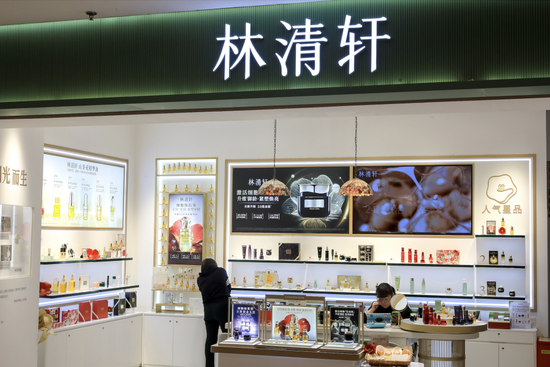
林清轩敲钟,欧莱雅躺赢!拆解全球美妆TOP1的投资版图
Xin Lang Cai Jing· 2025-12-31 05:19
Core Viewpoint - Lin Qingxuan, known as the "first stock of high-end domestic skincare," officially listed on December 30, 2025, with a market capitalization of HKD 11.87 billion, reflecting a 9.3% increase from its IPO price of HKD 77.77 per share [1][19]. Investment Activities - In 2025, L'Oréal Group completed over 18 investments globally, with 7 specifically targeting the Chinese market, showcasing a proactive investment strategy in a cautious environment [1][26]. - L'Oréal's investment in Lin Qingxuan was made through the Kewen Future Fund, acquiring 691,620 shares for HKD 105 million, representing a 2.75% stake [1][22]. - The investment in Lin Qingxuan is part of L'Oréal's broader strategy, which included investments in four Chinese beauty brands within six months, surpassing the total number of investments made in the previous three years [1][6][25]. Market Trends - The high-end beauty market in China is experiencing a slowdown, with a projected compound annual growth rate of -3% from 2021 to 2024, leading to a strategic focus on high-end investments by L'Oréal [11][28]. - L'Oréal's financial report for the first three quarters of 2025 indicated modest growth across its various divisions, with the high-end cosmetics division showing the slowest growth [11][28]. Strategic Focus - L'Oréal's investment strategy emphasizes both consolidating its high-end market position and betting on high-growth segments, reflecting a dual approach of defense and offense [9][28]. - The company is diversifying its high-end portfolio by acquiring brands like Jacquemus and Amouage, while also investing in emerging technologies and biotech firms to enhance its product offerings [29][30][32]. Investment Philosophy - L'Oréal's shift from acquiring established brands to investing in innovative local brands indicates a strategic evolution towards nurturing local market dynamics and capturing emerging consumer trends [34]. - The company is focusing on upstream investments in biotechnology and sustainable materials, aiming to strengthen its competitive edge through technological advancements [32][34].


从林清轩到珀莱雅:国货美妆为何排队上港股?
Xin Lang Cai Jing· 2025-12-30 10:29
Core Viewpoint - The recent surge in Hong Kong stock listings reflects a shift in domestic beauty brands from chasing traffic to focusing on brand value and product strength, marking a long-term competition in the industry [3][25]. Group 1: Company Overview - Lin Qingxuan, a domestic beauty brand, officially listed on the Hong Kong Stock Exchange on December 30, 2025, with a share price of HKD 77.77 and a total issuance scale of approximately HKD 1.086 billion [3][25]. - The company achieved a market capitalization exceeding HKD 12.4 billion shortly after its listing, with a share price increase of 14.18% on the first day [3][25]. - Lin Qingxuan's revenue reached over CNY 1 billion in the first half of 2025, with a net profit nearly matching the total for the previous year [4][26]. Group 2: Market Trends - By 2024, domestic skincare brands are expected to surpass international brands in market share, with Proya's revenue exceeding CNY 10 billion and Beitaini dominating the sensitive skin segment [4][37]. - The market landscape is shifting, with international brands experiencing sluggish growth while domestic brands gain momentum [4][37]. - The rise of domestic brands is attributed to their ability to adapt to new marketing channels and consumer preferences, particularly among younger demographics [39][40]. Group 3: Financial Performance - Lin Qingxuan's revenue grew from CNY 690 million in 2022 to CNY 1.21 billion in 2024, with a compound annual growth rate of 32.3% [7][30]. - The company turned a profit in 2023 with a net income of CNY 85 million, and by the first half of 2025, net profit reached CNY 182 million [9][32]. - Online sales accounted for 65.4% of total revenue in the first half of 2025, with Douyin contributing significantly to this growth [11][34]. Group 4: Strategic Shifts - The capital strategy for domestic beauty brands is shifting from A-shares to Hong Kong stocks, with several brands, including Lin Qingxuan and Proya, seeking listings in Hong Kong to enhance their valuation and international presence [5][27]. - The transition to online sales and digital marketing has been crucial for Lin Qingxuan's recovery and growth, especially following the pandemic [35][36]. - The competitive landscape is evolving, with domestic brands focusing on technology development and brand value rather than just marketing [29][41].

突发 | 科蒂换帅,宝洁退休老将“接棒”救火
FBeauty未来迹· 2025-12-23 13:56
Core Viewpoint - Coty Group is undergoing a significant leadership change with Markus Strobel appointed as Executive Chairman and Interim CEO, marking a strategic shift aimed at restructuring and enhancing the company's market position in high-end fragrances and mass beauty sectors [1][2][3]. Leadership Transition - Markus Strobel, a veteran from Procter & Gamble with over 30 years of experience, will lead Coty during a critical phase of strategic review and business transformation [1][2]. - Strobel's dual role as Executive Chairman and Interim CEO indicates he will have substantial authority to drive change during the transition period, despite the CEO title being temporary [3][4]. Background of New Leadership - Strobel's career at Procter & Gamble includes various roles across multiple sectors, with notable success in revitalizing the SK-II brand, particularly in the Chinese market [4][5]. - His leadership at SK-II resulted in 18 consecutive quarters of growth, with a 30% sales increase in 2018, showcasing his capability in brand rejuvenation and digital transformation [4][5]. Strategic Context - The leadership change reflects Coty's transition from a phase of "repair and stabilization" to one of "strategic restructuring and accelerated growth," indicating a potential overhaul in strategic focus, operational models, and organizational culture [8][10]. - Coty faces structural challenges post-pandemic, with approximately 60% of its net revenue derived from high-end fragrance business, which is increasingly vulnerable due to reliance on a few key licensed brands [12][20]. Financial Performance and Challenges - Coty's financial performance has been under pressure, with a reported net revenue of $1.577 billion for the first quarter of fiscal 2026, down 8% year-over-year, and a market capitalization around $2.9 billion against a debt of $3.8 billion [20]. - The company is also experiencing a decline in its mass beauty segment, with a reported 11% drop in net revenue for the first quarter of fiscal 2026, continuing a trend from the previous fiscal year [20]. Strategic Initiatives - To mitigate risks from core license losses, Coty is expanding its brand portfolio by signing new beauty licensing agreements and launching its own fragrance brand, INFINIMENT COTY PARIS, which aims to innovate in the fragrance sector [16][18]. - The new leadership is expected to introduce a more targeted strategy, potentially focusing on high-end skincare and re-evaluating Coty's approach in the color cosmetics sector [23][25]. Future Outlook - The appointment of Strobel signifies a new strategic cycle for Coty, with expectations for a systematic approach to brand management and operational efficiency, leveraging his extensive experience from Procter & Gamble [21][27]. - The beauty industry will closely monitor how Coty adapts its market strategies, particularly in key markets like China, under Strobel's leadership [27].

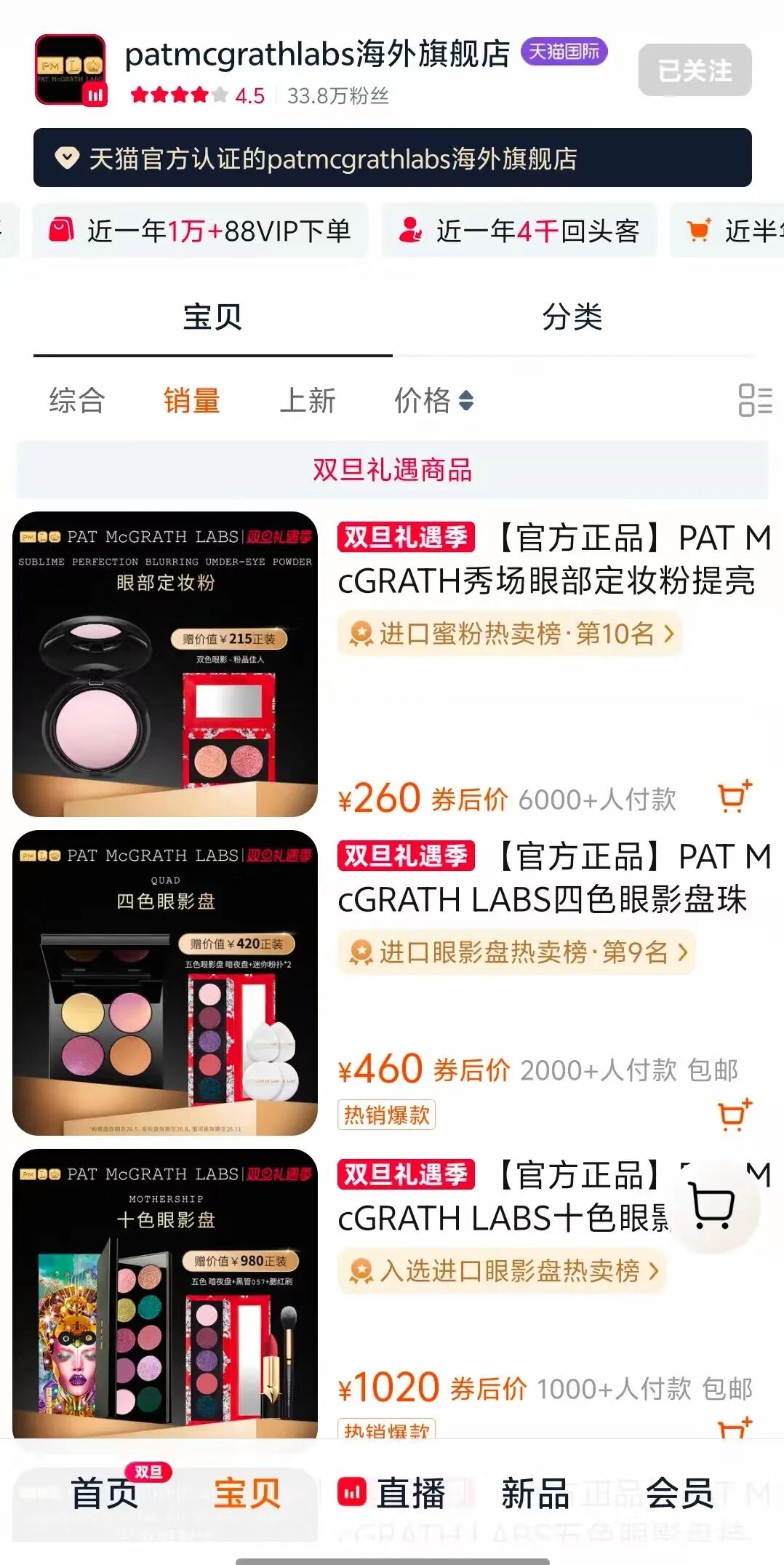
10亿美金的彩妆品牌要卖了
3 6 Ke· 2025-12-23 01:08
Core Viewpoint - Pat McGrath Labs, the makeup brand founded by the renowned "makeup queen" Pat McGrath, is reportedly pursuing asset sales, with Hilco Global leading the transaction process. The brand, valued at over $1 billion shortly after its inception in 2015, is facing challenges that have led to this decision [1][7]. Group 1: Company Overview - Pat McGrath Labs was founded in 2015 and quickly gained recognition, achieving a valuation exceeding $1 billion by 2018 [1][6]. - The brand has a strong presence in the high-end market, targeting consumers with high demands for makeup quality, color, and creativity, primarily selling through its website and major retailers like Sephora and Ulta Beauty [2][6]. - The brand's sales are projected to reach approximately $50 million (about 352 million RMB) in 2024, indicating significant growth since early 2025 [2]. Group 2: Founder and Brand Influence - Pat McGrath, known for her innovative and artistic makeup styles, has been a prominent figure in the fashion industry since the 1990s, working with luxury brands like Prada and Louis Vuitton [8][10]. - She has received numerous accolades, including being the first makeup artist to be honored by the CFDA and receiving a damehood from Queen Elizabeth II [12][13]. - McGrath's influence extends beyond her brand, as she has recently taken on the role of creative director for Louis Vuitton's makeup line, further enhancing her profile in the industry [15][13]. Group 3: Market Dynamics and Strategic Moves - The decision to sell Pat McGrath Labs is seen as a strategic move rather than a sign of decline, as many makeup brands founded by artists often seek larger capital or established beauty companies to enhance their operational capabilities and market reach [15][20]. - The trend of makeup brands founded by artists being acquired by larger companies is common, as these brands typically possess strong personal aesthetics and professional reputations, making them attractive to major beauty groups [15][18]. - Examples of successful acquisitions include brands like NARS and Urban Decay, which have thrived under the ownership of larger corporations, indicating a potential positive trajectory for Pat McGrath Labs if a suitable acquisition occurs [16][18].
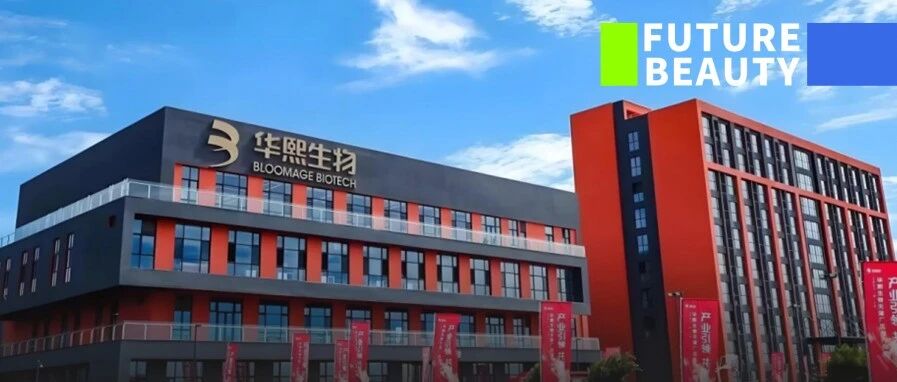
当美妆以科技定价,华熙生物被低估了?
FBeauty未来迹· 2025-12-22 10:53
Core Viewpoint - The beauty industry is transitioning from a "traffic-driven" growth model to a "technology-driven" endurance model, necessitating a reevaluation of value assessment based on technological innovation and manufacturing capabilities [6][10]. Group 1: Policy and Industry Trends - The National Medical Products Administration released two significant documents emphasizing "raw material innovation" and the establishment of internal raw material incubators in leading companies, marking a long-term strategic direction for the beauty industry [4]. - The focus on biomanufacturing as a key future industry has been reiterated in government reports, indicating a systemic push from research to industry regulation [8]. Group 2: Company Strategy and Positioning - Companies like Huaxi Biological, which have built biotechnological and manufacturing capabilities over the past two decades, are now being reassessed for their strategic significance in the new industry landscape [5]. - Huaxi Biological's consistent investment in R&D, exceeding 2.2 billion yuan since its listing in 2019, positions it among the industry leaders in innovation [12]. Group 3: Technological Advancements - Huaxi Biological is pioneering the synthetic biology approach to PDRN production, addressing traditional issues related to safety and efficacy through innovative methods [17][18]. - The establishment of a large-scale synthetic biology pilot transformation platform, with over 3 billion yuan invested, enables the systematic conversion of research outcomes into scalable products [21]. Group 4: Market Dynamics and Valuation Logic - The market is shifting its focus from immediate sales performance to long-term capabilities, emphasizing the importance of a company's ability to anchor itself for the next five to ten years [9][10]. - Huaxi Biological's ability to maintain a stable cash flow from its raw materials and medical terminal businesses supports its ongoing R&D efforts, allowing it to navigate industry fluctuations without sacrificing long-term goals [28]. Group 5: Future Outlook - The beauty industry's core competitiveness is increasingly centered on biotechnological and biomanufacturing capabilities, as evidenced by international giants investing in similar technologies [22]. - Huaxi Biological's comprehensive biotechnological and manufacturing system is seen as a "ticket" to navigate through industry cycles, with its true value beginning to be recognized by the market [31].

欧莱雅加仓高德美股权至20%,这场跨界融合玩得多大?
Sou Hu Cai Jing· 2025-12-19 07:42
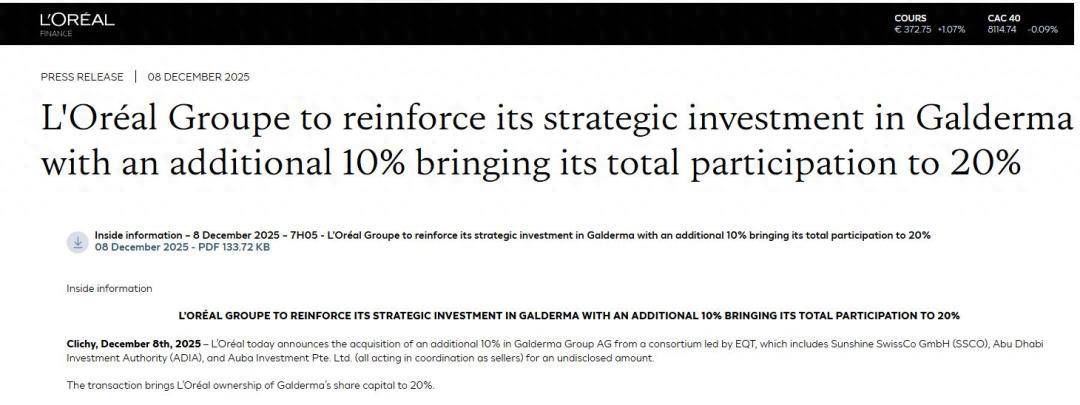
Core Viewpoint - The boundary between beauty and medical aesthetics is increasingly blurred, with major beauty companies like L'Oréal investing in medical aesthetics firms, reflecting a strategic shift in the industry towards a more integrated approach to consumer beauty needs [1][5]. Group 1: Company Actions - L'Oréal announced the acquisition of an additional 10% stake in Galderma, increasing its ownership from 10% to 20%, marking a significant move into the medical aesthetics sector [1][3]. - The transaction involves Sunshine SwissCo GmbH, backed by EQT, Abu Dhabi Investment Authority (ADIA), and Auba Investment Pte. Ltd., and is expected to finalize in Q1 2026 [3]. - L'Oréal plans to nominate two non-independent directors with L'Oréal backgrounds to Galderma's board, enhancing its influence over strategic decisions [4]. Group 2: Industry Trends - The integration of beauty and medical aesthetics is becoming a necessity, with companies like Estée Lauder and Shiseido also making moves into the medical aesthetics space, indicating a broader industry trend [7]. - The driving force behind this trend is the demand for a comprehensive ecosystem that combines daily skincare, medical devices, and professional medical aesthetics [7]. - The Chinese medical aesthetics market is seen as a key growth area for beauty companies, as consumer demand for "scientific beauty" continues to rise [7]. Group 3: Challenges and Opportunities - The fusion of beauty and medical aesthetics presents challenges due to differing business models and channel logic, with beauty companies focusing on mass production and marketing, while medical aesthetics emphasize personalized services and compliance [9]. - The entry of beauty companies into the medical aesthetics field is expected to enhance consumer education and push for safer, more convenient medical technologies [9]. - Successful integration of technology transfer, channel adaptation, and compliance operations will be crucial for capturing opportunities in the rapidly growing medical aesthetics market [10].

埃森哲:中国消费市场的新主张和新机遇
财富FORTUNE· 2025-12-18 13:06
Core Insights - The article discusses the evolving landscape of consumer behavior in China, emphasizing the shift from passive acceptance to active engagement in the market, driven by changing values, emotional connections, and technological advancements [1][2]. Group 1: Changes in Consumer Preferences - Domestic brands are gaining popularity, with consumers prioritizing local products over international ones. For instance, the percentage of consumers preferring domestic beauty and skincare brands rose from 12% in 2021 to 43% in 2025, while preference for domestic 3C digital products increased from 23% to 55%, and for home appliances from 33% to 69% [3]. - Consumers are re-evaluating their life priorities, focusing more on health and financial stability. The proportion of consumers valuing health increased by 9 percentage points to 87%, and those valuing wealth rose by 12 percentage points to 47% [8]. Group 2: Shifts in Information Channels and Brand Loyalty - The channels through which consumers obtain shopping information are diversifying, with traditional marketing methods becoming less effective. E-commerce platforms remain the primary source for 60% of consumers, but video platforms like Douyin and Kuaishou have become significant, with usage rising to about 50% [9]. - Brand loyalty is diminishing, with 55% of consumers frequently comparing multiple brands even if they have a favorite, an increase of 13 percentage points since 2021. Nearly 70% of consumers feel indifferent or resistant to marketing content [10]. Group 3: The Role of AI in Consumer Behavior - AI is becoming a crucial factor in consumer decision-making, with nearly 80% of Chinese consumers using AI weekly or daily. About 37% have utilized AI tools in shopping, primarily for assistance in unfamiliar categories or for quick comparisons [10][21]. - Brands must adapt to interact with AI as a representative of consumers, providing structured and accurate content to influence AI-generated recommendations, which will affect brand visibility and conversion rates [18][21]. Group 4: Brand Strategies in a Changing Landscape - Brands are encouraged to demonstrate tangible value to consumers, moving beyond just price to emphasize visible and verifiable product benefits. This shift is evident in the focus on quantifiable effects and scientific backing in product descriptions [12][15]. - Creating integrated experiences that resonate emotionally with consumers is essential. Brands should aim for a multi-channel ecosystem that combines online and offline experiences, enhancing consumer engagement and satisfaction [16]. Group 5: Consumer Expectations and Brand Accountability - Consumers are increasingly seeking stability and meaningful engagement from brands, evaluating their relevance, consistency, and ability to fulfill promises. This reflects a deeper human need for trust and connection [22]. - Companies aiming to capture the Chinese consumer market face challenges from outdated growth models but also have opportunities to respond effectively to these profound changes with courage and adaptability [22].


奢侈品2025:确实复苏了,但问题很多
3 6 Ke· 2025-12-16 09:01
Core Insights - The luxury goods industry is experiencing a resurgence, marked by a wave of new store openings in major cities like Shanghai and Beijing, indicating a positive economic sentiment among consumers [1][3] - Despite the recovery signs, executives from major luxury groups remain cautious, highlighting ongoing uncertainties in the market [3][4] Market Performance - The Asia-Pacific market has shown significant recovery, with notable performance differences between China and Japan [4] - Hermès reported a 15.2% year-on-year sales increase in Japan, while LVMH and Richemont faced declines in the same market [5][6] - Overall, luxury brands are seeing improved sales, with Hermès, Prada, and Richemont all reporting positive growth figures in recent quarters [6] Business Segmentation - Different product categories are showing varied performance, with leather goods remaining a stronghold for brands like Hermès, which saw a 12.6% increase in sales [11] - Jewelry sales have rebounded significantly, with Richemont's jewelry brands experiencing a 17% increase, driven by rising demand for investment-grade jewelry [14] - The beauty segment presents a mixed picture, with some brands expanding while others, like Kering, are divesting from beauty lines [16] Channel Strategy - Luxury brands are focusing on core markets and reducing presence in non-core areas, with a strategy of "grabbing big and letting go of small" [18][21] - Major brands are investing in flagship stores in key locations, such as Louis Vuitton's "Louis Number" in Shanghai, which has exceeded sales expectations [19][21] - There is a trend towards closing underperforming outlets in lower-tier cities to concentrate resources on more profitable areas [21] Marketing Approaches - Luxury brands are increasingly localizing their marketing strategies, engaging with local culture and consumers through collaborations and street-level activities [22][24] - The emphasis on cultural resonance is seen as a key advantage for local brands, with a significant percentage of consumers valuing cultural connection [25] Resource Integration - The luxury sector is witnessing a wave of acquisitions and investments in supply chains, with brands like Chanel and Hermès actively acquiring suppliers to strengthen their market position [26][28] - This trend reflects a broader strategy of vertical integration as brands seek to enhance their resilience and market influence during the recovery phase [29][32]
2025消费行业年度趋势分析报告
Sou Hu Cai Jing· 2025-12-15 17:11
Core Trends in the Consumer Industry - The consumer industry in 2025 is characterized by market polarization, organizational restructuring, multi-point industry explosions, and talent resilience [1] - Understanding these trends is essential for businesses, investors, and professionals to seize opportunities amid uncertainty [1] Market Trends: New Opportunities in Polarization - The consumer market is undergoing significant transformation, with the "middle price range" cooling, rational consumption rising, and the silver economy booming [3] - High-income consumers are pursuing quality upgrades, while low- to middle-income consumers focus on cost-effectiveness, leading to a notable "polarization" in consumption [4] - The core driver of consumption upgrade is "value recognition," with high-income consumers willing to pay a premium for innovative, socially responsible, and health-oriented products [4] - The tea beverage industry exemplifies this trend, with low-cost brands like Mixue Ice Cream seeing over 40% profit growth, while mid-range and high-end brands face declining profits [5] Rational Consumption Rise - The brand premium is diminishing, with consumers now prioritizing quality and effectiveness over brand recognition [6] - Consumers are increasingly pragmatic, utilizing both online and offline channels for price comparison and product selection [6] - The rise of "ingredient-focused" consumers and the popularity of private label products reflect this shift, with significant growth in ingredient searches on platforms like Tmall [7] Silver Economy: A New Growth Frontier - The silver economy is transitioning from a niche market to a trillion-dollar sector, driven by an aging population and stable income for retirees [8] - By 2035, the number of individuals aged 60 and above in China is expected to reach 480 million, providing a solid foundation for this market [9] - Various sectors, including finance, entertainment, and consumer goods, are witnessing significant growth, with health products and senior-friendly smart devices gaining traction [9] Organizational Trends: Streamlining and Empowerment - Consumer companies are undergoing profound changes in organizational structure, focusing on efficiency and agility [11] - Many companies are engaging in "slimming down" initiatives, shedding non-core operations to concentrate resources on key business areas [12] - Strategic roles are evolving from advisory to operational, requiring personnel to be deeply involved in business execution [14] Industry Trends: Diverse Growth Across Segments - The beauty and personal care sector is shifting from online dominance to a blend of online and offline experiences, emphasizing the importance of physical retail [20] - The food and beverage industry is experiencing steady growth, with a focus on health and quality, as well as a shift towards high-quality price competition [22] - The health supplement market is booming, with a projected market size of 355.4 billion yuan in 2024, driven by diverse consumer demands and innovative product forms [24] - The pet industry is expanding, with a focus on emotional spending and professional services, reflecting a shift towards health and companionship [26] - Outdoor sports are experiencing explosive growth, driven by increased health awareness and diverse leisure activities [28] - The tourism sector is evolving towards quality and experiential offerings, with new business models reshaping the industry landscape [32] Talent Market: Opportunities Amidst Challenges - The talent market is characterized by intensified competition and a focus on immediate capabilities, with companies prioritizing recent industry experience [38] - The demand for social e-commerce talent is surging, driven by the transformation of traditional fast-moving consumer goods (FMCG) channels [39] - Building career resilience is essential for professionals to navigate the evolving job landscape and seize emerging opportunities [41]