奔驰

Search documents
限量1000辆仍“滞销”,smart销量已连续两年下跌
Di Yi Cai Jing· 2026-01-26 03:51
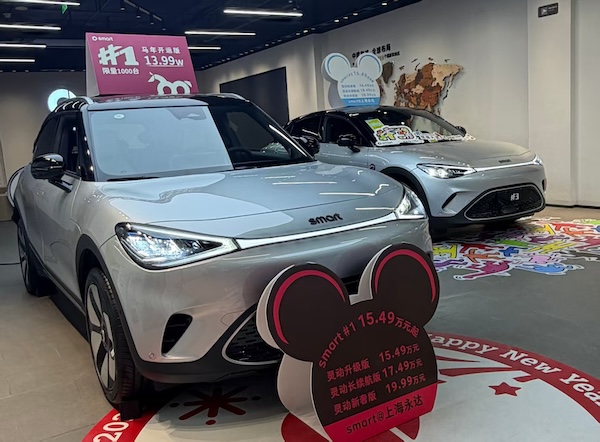
传统豪华品牌的背书,在中国市场也无济于事了。 "smart精灵1号马年开运版还没卖完。"近日,上海一家smart门店的管理人员吴阳向第一财经记者表示。 这款车型在今年1月1日推出,号称限量1000辆,售价13.99万起,比普通版本的smart精灵1号门槛价低 1.5万元。 和中国市场众多造车新势力不同,smart可谓是含着金汤匙出生,由戴姆勒(梅赛德斯-奔驰母公司)与 瑞士手表公司Swatch在1994年共同创建,以生产小巧独特的双门微型车为特色,全球年销量最高达到15 万辆。 据吴阳介绍,之所以未售罄,主要是因为这款车型需要全额缴纳约1.2万元的汽车购置税,因为smart公 司操作失误,该车未被纳入2026年减免车辆购置税的新能源汽车车型目录。 即便如此,smart精灵1号马年开运版仍比普通版本优惠了近3000元,仍未售罄也体现了smart当下的销售 困境。 "这批精灵1号均在去年生产,以限量1000辆的形式进行清库处理,清库背后的根本原因还是smart去年 销量未达目标。"吴阳称,smart 2025年的销售目标最初定为12万辆,后下调至8万辆。 smart并未公开其年销量目标和具体销量数字。但上险量数据 ...

模塑科技
2026-01-26 02:50
Summary of Conference Call on Magic Technology Company Overview - **Company Name**: Magic Technology - **Industry**: Automotive Parts, specifically focusing on plastic components and exterior parts like bumpers - **Position**: Leading private enterprise in the automotive bumper sector in China with over 30 years of experience in the industry [1][4] Key Insights and Arguments - **Market Position**: Magic Technology is positioned as a leading player in the automotive exterior parts market, benefiting from the domestic automotive supply chain's localization and the growth of new energy vehicles (NEVs) [1][2] - **Market Growth**: The automotive exterior parts market is expected to grow at a rate faster than the overall automotive market due to increasing demands for lightweight materials and smart automotive technologies [1][8] - **Competitive Landscape**: The competitive landscape is stabilizing, with leading companies like Magic Technology expected to gain market share as the industry matures [2][9] - **Client Base**: The company serves a diverse client base, including traditional automotive giants like BMW and Mercedes, as well as NEV manufacturers like Tesla [5][6] - **Revenue Trends**: Despite challenges from the pandemic, the company has maintained a solid revenue trend, with expectations for steady growth in profits, particularly from overseas markets [6][10] Additional Important Points - **Innovation in Robotics**: Magic Technology is exploring new growth opportunities in the robotics sector, leveraging its expertise in lightweight materials and manufacturing processes that are applicable to both automotive and robotic components [2][10][12] - **Production Capabilities**: The company has established a robust production network, including factories in various regions and overseas, which enhances its ability to meet client demands [4][9] - **Financial Projections**: The company is projected to achieve a profit of approximately 600 million by 2026, with significant potential for stock price appreciation based on current market valuations [13] Conclusion - Magic Technology is well-positioned for future growth in both the automotive and robotics sectors, with a strong focus on innovation and market expansion. The company’s strategic initiatives and solid client relationships are expected to drive sustained profitability and market share growth in the coming years [1][13]

38岁姚班天才,又有了新身份
3 6 Ke· 2026-01-26 02:22
Core Insights - The AI industry in China is witnessing a clear division among leading companies, particularly with the recent appointment of Yin Qi as chairman of the AI startup Jumpspace, while also leading Qianli Technology [1][6]. Group 1: Leadership and Strategic Moves - Yin Qi, co-founder of Megvii and now chairman of Qianli Technology, has taken on the role of chairman at Jumpspace, indicating a strategic focus on integrating AI with physical products [1][3]. - Jumpspace, founded in 2023, is recognized as a significant player in the AGI sector, attracting top talent and achieving notable success in international model evaluations [3][5]. Group 2: Company Developments and Collaborations - Qianli Technology has been actively collaborating with Geely and has launched the "Qianli Haohan" intelligent driving system, marking its entry into commercial solutions [5][6]. - The recent launch of the G-ASD brand at CES 2026 signifies Qianli's commitment to bringing its intelligent driving solutions to market [5]. Group 3: Industry Trends and Challenges - The AI model industry is facing challenges, including a lack of real-world applications and data, while terminal companies require advanced AI capabilities [7]. - The combination of Jumpspace's AI expertise and Qianli's engineering capabilities is expected to enhance the practical application of AI technologies in vehicles and robotics [7][6]. Group 4: Personal Background and Vision - Yin Qi's background in software and sensor research reflects a strong interest in the intersection of AI and the physical world, emphasizing a long-term vision for practical applications [7][8]. - Despite past commercial challenges, Yin Qi maintains a consistent judgment approach, focusing on delivering clear customer and business value [8].
中欧电动汽车博弈进入“双轨时代”
Zhong Guo Neng Yuan Wang· 2026-01-25 13:56
Group 1: Core Insights - The recent trade arrangement between China and Europe regarding electric vehicles is seen as a positive sign for bilateral relations, reflecting a complex interplay of internal European policies [1] - The EU's strategy has shifted from using tariffs to establish a regulatory framework that sets a "minimum import price" for Chinese electric vehicles, aiming to reshape market competition [2][3] - Germany's decision to reintroduce a €3 billion subsidy plan for electric vehicles, without brand restrictions, contrasts with the EU's protective stance, indicating a pragmatic approach to market dynamics [4][5] Group 2: Regulatory Developments - The EU's new regulatory framework aims to create a long-term system that defines "fair competition" by establishing a price floor for imports, which is a strategic upgrade from punitive tariffs [2][3] - The EU's focus on preventing "cross-subsidization risks" through detailed regulations indicates a proactive approach to market oversight [2] Group 3: Market Dynamics - Germany's subsidy plan is designed to stabilize domestic demand for electric vehicles, which has seen a significant drop in new registrations, thus supporting local manufacturers like Volkswagen and Mercedes [4] - The subsidy plan is also viewed as a competitive strategy to leverage the strengths of Chinese companies in supply chain efficiency and product innovation [5] Group 4: Challenges for Chinese Companies - Chinese electric vehicle manufacturers face a dual challenge of complying with EU regulations while simultaneously expanding their market presence in Europe [6][7] - The need for deep localization, including establishing R&D centers in Europe and adapting to local market demands, is critical for long-term success [7][8] Group 5: Future Outlook - The evolving landscape of EU regulations and Germany's market openness presents both challenges and opportunities for Chinese electric vehicle companies, necessitating a strategic focus on compliance and innovation [6][8] - The competition will increasingly revolve around regulatory influence, supply chain management, and the ability to shape future standards in the electric vehicle sector [7][8]
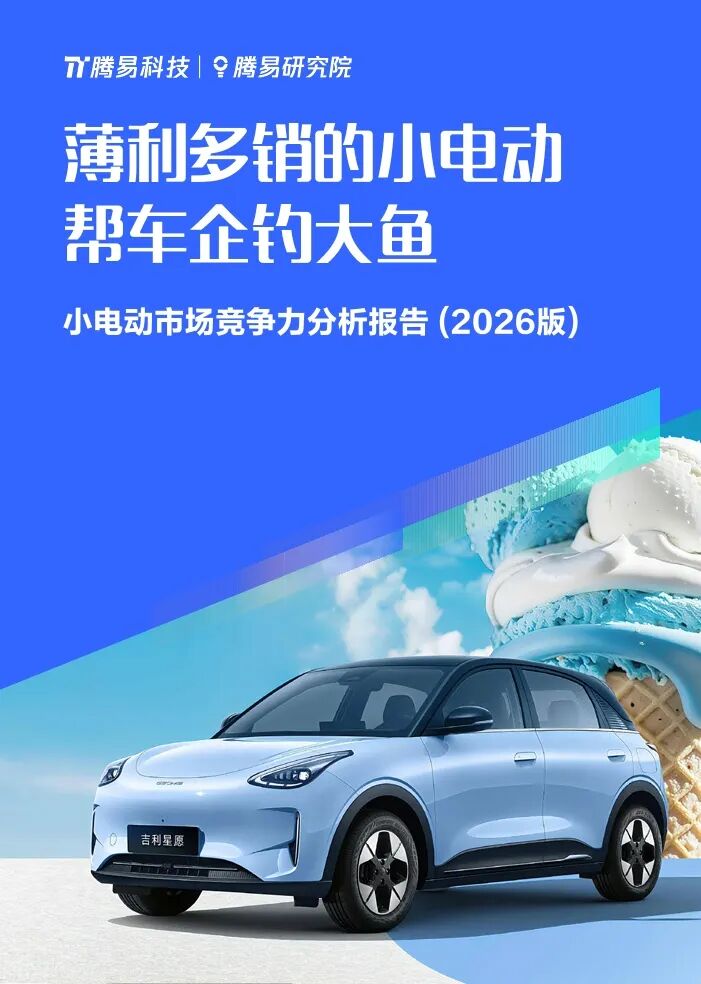
腾易:薄利多销的小电动帮车企钓大鱼:小电动市场竞争力分析报告(2026版)
Xin Lang Cai Jing· 2026-01-25 13:14
Core Insights - The core insight of the article is that the sales of small electric vehicles (EVs) in China have surged from less than 500,000 units in 2020 to over 3 million units by 2025, with Chinese brands being the primary beneficiaries, capturing nearly 96% of the market share in this segment [4][6][95]. Group 1: Market Growth - From 2020 to 2025, the sales of small electric vehicles in China increased more than sixfold, with their market share rising from less than 3% to over 14% of total passenger vehicle sales [6][95]. - The contribution of small electric vehicles to the overall market has been significant, accounting for over 10% of the market sales and helping to boost the market share of Chinese brands from over 30% to more than 60% [6][95]. Group 2: Brand Performance - Chinese brands have been the sole beneficiaries of the small electric vehicle boom, maintaining a sales ratio of over 90%, which is expected to approach 96% by 2025 [6][95]. - Notable Chinese brands such as Wuling and Geely have experienced a rebound in sales due to their small electric vehicle offerings, with Geely's sales projected to reach nearly 2 million units by 2025 [11][13]. Group 3: User Demographics and Preferences - By 2025, nearly 60% of small electric vehicle users will come from households that previously owned foreign brands, with over 80% of these users being female [25][33]. - The satisfaction and recommendation rates for small electric vehicles are higher than the overall market, indicating a positive shift in consumer perception towards Chinese brands [33][36]. Group 4: Competitive Landscape - As of January 2026, major foreign brands like Volkswagen and Toyota have struggled to respond effectively to the rise of Chinese small electric vehicles, lacking systematic strategies to counter this trend [12][103]. - The article suggests that if the sales of small electric vehicles continue to approach 5 million units and capture over 20% market share by 2030, foreign brands will face significant challenges [12][103]. Group 5: Strategic Implications - The rise of small electric vehicles has not only created new market opportunities for Chinese brands but has also disrupted the traditional user upgrade ecosystem established by foreign brands [55][62]. - The article emphasizes the importance of viewing small electric vehicles as a key component in building a user upgrade ecosystem rather than merely low-margin products [55][68].


从“多生孩子好打架”到“优生优育” 车企平台战略为何集体收缩?
经济观察报· 2026-01-25 04:58
Core Viewpoint - The automotive industry is shifting from a multi-platform strategy to a more integrated and compatible platform approach, reflecting the efficiency anxiety among companies in a competitive market [1][11]. Group 1: Platform Strategy Transition - Companies are moving from having multiple dedicated platforms for different vehicle types to developing universal platforms that can accommodate various vehicle categories and powertrains [2][4]. - Great Wall Motors has introduced a new platform called "Guiyuan," which can cover seven vehicle categories and five powertrain types, aiming to produce over 50 models based on this platform [2][4]. - International automakers like Volkswagen and BMW are also consolidating their platforms to enhance compatibility and efficiency [2][4]. Group 2: Reasons for Platform Strategy Shift - The shift is driven by a change in competitive focus from mechanical capabilities to intelligent features, where software and electronic architecture have become core elements [4][5]. - Companies are seeking to mitigate technological risks associated with betting solely on electric platforms, as the market now supports a coexistence of fuel, hybrid, and electric vehicles [5][6]. - The high hidden costs of developing and maintaining new platforms are pushing companies to adopt compatible platforms that can share components and reduce material costs significantly [6]. Group 3: Competitive Landscape and Future Trends - Despite the trend towards compatibility, some companies like Toyota and Hyundai continue to pursue multi-platform strategies, indicating a divergence in approaches based on company size and market needs [8][9]. - The future may see a reduction in the number of platforms to one or two super platforms, with a focus on standardized "skateboard" chassis that allow for flexible combinations of body styles and power sources [9][10]. - The competition will increasingly hinge on the sophistication of electronic architecture and software capabilities, rather than just platform diversity [10][11]. Group 4: Brand Structure Adjustments - The intensifying market competition is prompting companies to streamline their brand architectures, with several automakers integrating their brands into unified systems to enhance operational efficiency [10].
BBA正在布一个大局,但有用吗?
Xin Lang Cai Jing· 2026-01-25 03:53
Core Insights - BBA (Benz, BMW, Audi) has experienced a significant decline in sales, with a total drop of 260,000 units in one year, highlighting the fading prestige of traditional luxury brands in the expanding luxury car market [1][21] - The focus for BBA in 2026 is shifting from expansion to stabilizing prices and market share due to increased competition and changing consumer preferences [1][33] Group 1: Sales Performance - In 2025, BBA faced a challenging year with notable declines in the Chinese market: Mercedes-Benz sold 552,000 units (down 19%), BMW 626,000 units (down 12.5%), and Audi 617,000 units (down 4.9%) [2][22] - Global sales for BMW reached 2.464 million units (up 0.5%), while Mercedes-Benz's global sales fell to approximately 1.8 million units (down 9%) and Audi's to 1.6236 million units (down 2.9%) [2][22] - BBA's profits were severely impacted in the first half of 2025, with Mercedes-Benz's net profit down 55.8%, Audi's down 37.5%, and BMW's down 29% [2][22] Group 2: Market Dynamics - The luxury car market is undergoing a transformation, with BBA struggling to keep pace with the rapid growth of the Chinese electric vehicle market, which saw penetration rates rise from under 10% in 2020 to 54% in 2025 [7][26] - BBA's market share in the luxury segment has decreased from a peak of 70% to around 35%, as new energy luxury car sales surged from 220,000 units to 2.88 million units from 2020 to 2024 [9][28] Group 3: Competitive Landscape - Domestic high-end brands like AITO and Li Auto are gaining traction, with AITO selling over 420,000 units in 2025, directly challenging BBA's core models [6][25] - New entrants in the luxury market are expected to capture nearly 60% of the high-end market share by 2025, indicating a significant shift in consumer preferences [6][25] Group 4: Strategic Adjustments - BBA is adjusting its strategies to focus on stabilizing prices and maintaining market share, with experts predicting a more competitive landscape in 2026 [14][33] - The introduction of new models based on advanced platforms is planned for 2026, with BBA aiming to enhance its competitiveness through localized development and technological partnerships [19][39]
城市NOA“向下走”
Zhong Guo Jing Ying Bao· 2026-01-25 03:31
Core Insights - The implementation of a 128 TOPS chip for city NOA (Navigate On Autopilot) has been successfully launched, challenging the previous consensus that a minimum of 200 TOPS was required for such technology, indicating a shift towards mainstream adoption in the market [1] - A report by the China Automotive Industry Economic and Technological Research Institute forecasts that by November 2025, the cumulative sales of passenger cars equipped with city NOA will reach 3.129 million units, with a penetration rate of 15.1%, an increase of 5.6 percentage points from 2024 [1] - The trend shows that city NOA is moving from high-end vehicles to mainstream passenger cars, with over 68.9% of city NOA-equipped vehicles priced below 300,000 yuan [1] Market Penetration - In 2024, the penetration rate of NOA in the domestic automotive market is projected to be 7.3%, with city NOA at 1.52%, indicating a significant increase in adoption within a year [3] - By November 2025, 15 out of every 100 passenger vehicles are expected to be equipped with city NOA, marking a rapid scale-up in its market presence [3] Competitive Landscape - The focus of the industry has shifted from highway NOA to city NOA, with the latter being more complex to implement [4] - Over 78.3% of city NOA-equipped vehicles sold by November 2025 are expected to be self-developed by automakers, indicating a strong market position for companies that invest in in-house technology [4] Key Players - Notable brands in the self-developed city NOA segment include Tesla, NIO, Xpeng, Li Auto, and Xiaomi, each leveraging their unique technological capabilities to enhance their offerings [5] - Approximately 21.7% of city NOA-equipped vehicles are developed in collaboration with third-party suppliers, with traditional automotive brands making up 64.4% of these partnerships [5] Supplier Dynamics - The market for third-party city NOA suppliers is dominated by Momenta and Huawei, which together account for about 80% of the market share [6] - By November 2025, Momenta is expected to have a leading position with 414,400 units, while Huawei's HI model will account for approximately 19.76% of the third-party supplier market [6] Future Outlook - The upcoming mandatory national standard for intelligent connected vehicles is expected to set a clear safety baseline and further promote the marketization of related technologies [7] - The integration of end-to-end large models is seen as a key driver for the acceleration of city NOA, enhancing safety and user experience [8] - By 2030, city NOA is projected to become a mainstream feature in advanced driver assistance and autonomous driving systems, with significant market penetration expected in the 150,000 to 200,000 yuan price range [6][9]
2026,解码汽车营销六大趋势
汽车商业评论· 2026-01-24 23:07
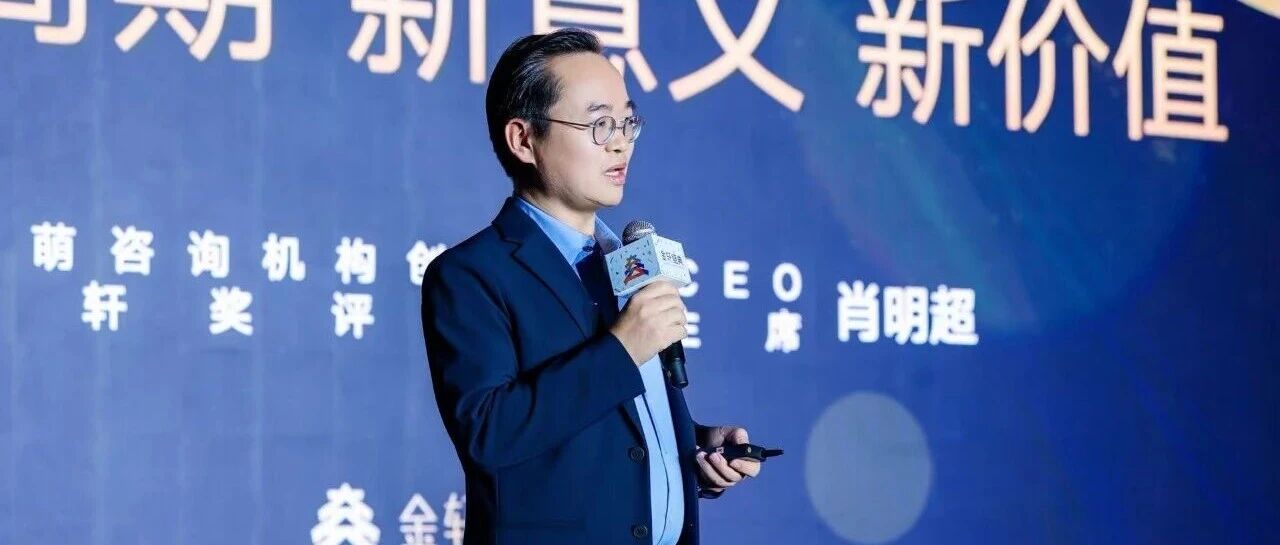
Core Viewpoint - The article emphasizes the transition from an era focused on scale and speed to a new value-driven era, highlighting the importance of meaning and value in consumer behavior and marketing strategies for 2026 [6][12][18]. Group 1: New Consumer Trends - The year 2026 is identified as a new cycle where consumer focus shifts towards "meaning and value," indicating that marketing must revolve around the reconstruction of product significance and value [6][18]. - Chinese consumers are entering a "value-price ratio" era, which transcends traditional concepts like cost-performance ratio, emphasizing the dual need for basic satisfaction and new experiences [20][21]. - Consumers are becoming "rational emotionalists," seeking self-actualization even in small purchases, which complicates marketing strategies [22][18]. Group 2: Marketing Trends from Award Cases - Six major marketing trends have been identified from the 84 benchmark cases in the 12th Golden Xuan Award, including: 1. **Personalization and IPization**: Brands are encouraged to express their spirit in a personalized manner to build long-term relationships with consumers [26]. 2. **Authenticity**: Consumers prefer relatable stories over grand narratives, seeking genuine emotional connections [30]. 3. **Cross-industry Integration**: Effective cross-industry collaborations should resonate on emotional and value levels rather than just superficial branding [32]. 4. **Beyond Newness**: New product launches should focus on ongoing engagement with users rather than being a one-time event [36]. 5. **Sustained Philanthropy**: Brands are encouraged to integrate long-term social responsibility into their strategies rather than treating it as a marketing event [39]. 6. **AI Scene Power**: The importance of utilizing AI tools effectively in marketing is highlighted, although notable AIGC cases are currently lacking [41].
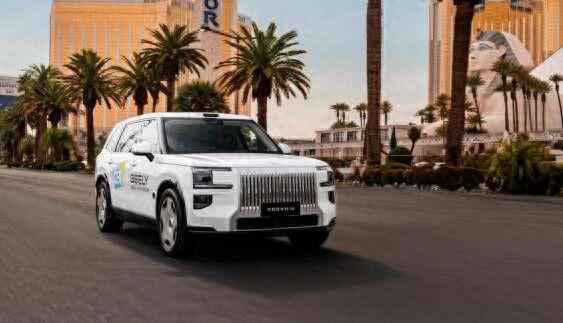
CES 2026剧透“智能化革命”演进方向?吉利秀出多项黑科技
Zhong Guo Qing Nian Bao· 2026-01-24 07:43
Core Insights - The CES 2026 showcased the acceleration of the automotive industry's smart transformation, highlighting that artificial intelligence (AI) is becoming a core element in redefining automotive products rather than just an additional feature [2] Group 1: Company Developments - Geely announced the evolution of its AI technology system to version 2.0, integrating AI across various domains of vehicle development, and introduced the Eva super-human emotional intelligent system as the central smart hub for vehicles [2] - The company launched the Qianli Haohan G-ASD advanced driver assistance system, along with several new electric vehicle models, demonstrating its technological advancements at CES 2026 [2] - Geely's sales reached 3.02 million units in 2025, with nearly 1.69 million units being new energy vehicles, marking a 90% year-on-year increase [3] Group 2: Industry Trends - The automotive industry is expected to see AI applications accelerate into large-scale implementation across the entire value chain, including research and development, production, marketing, and services [4] - The year 2026 is anticipated to be a historic opportunity for Geely as it aims to become a global leader in smart vehicles, supported by national strategies and policies promoting AI integration in the automotive sector [4]