
世纪华通

Search documents
营收超1700亿元!浦东文创出海迈向“全球共创”丨出海观察
21世纪经济报道· 2026-01-15 06:04
Core Viewpoint - The article highlights the rapid growth of China's cultural industry, particularly in the context of cultural products going global, with Shanghai as a key player in this transformation [1][2]. Group 1: Cultural Industry Growth - The significant increase in overseas revenue is a prominent feature of China's cultural industry development, especially in gaming and online literature [3][5]. - The self-developed products generated overseas sales revenue of $20.455 billion (approximately 143.056 billion RMB), marking a year-on-year growth of 10.23% [5]. - The overseas market for Chinese online literature is projected to reach 4.815 billion RMB in 2024, with a year-on-year growth of 10.68% [5]. Group 2: Evolution of Cultural Products - The evolution of online literature has progressed through three stages: translation of content, establishment of overseas platforms, and deep integration into global entertainment industries [5][6]. - The current phase of cultural products going global is characterized by a shift from mere content export to collaborative creation across various cultural sectors [6][7]. Group 3: Localized Strategies and Globalization - Localized strategies are crucial for gaming companies expanding into overseas markets, with teams established in key regions to enhance community engagement and user feedback [11][12]. - The trend of simultaneous global launches and prioritizing overseas versions reflects the growing capabilities of cultural enterprises in international markets [12][13]. Group 4: Regional Support and Policy Framework - Regional policies, such as those from Shanghai's Pudong New Area, provide comprehensive support for cultural enterprises going global, including investment, financial services, and legal assistance [7][13]. - The establishment of the "Micro Short Drama Outbound Base" aims to facilitate the entire industry chain for micro short dramas, enhancing cultural exchange and dissemination [20][24]. Group 5: Industry Collaboration and Ecosystem Building - The cultural industry's success in going global relies on a collaborative ecosystem that supports content creation, distribution, and local operations [16][18]. - The "Cultural IP Industry Development Pudong Initiative" aims to strengthen innovation, reform systems, and enhance global resource allocation capabilities [18][24].



世纪华通20260114
2026-01-15 01:06
Summary of Century Huatong Conference Call Company Overview - Century Huatong is positioned in the media and gaming industry, with a low valuation compared to peers, approximately seven times lower than other media stocks, indicating potential for growth in the coming years [2][3]. Core Insights and Arguments - **Revenue Growth**: The company expects significant revenue growth in 2025, particularly from the game "Endless Winter," which is projected to maintain high revenue streams throughout 2025 and into 2026. The reduction in marketing expenses is anticipated to improve net profit margins [2][3]. - **New Game Releases**: "KingShots," launched in February 2025, has shown continuous revenue growth and is expected to become profitable by the end of 2025 or early 2026. Additionally, the company is expanding into casual gaming with titles like "Tasty Travel Merge" and "Trackstar," which are performing well in the European and American markets, promising substantial incremental revenue [2][3]. - **Technological Advancements**: Century Huatong is actively investing in new technologies such as AI and brain-computer interfaces to enhance player experiences and product competitiveness, potentially opening new market opportunities [2][6]. - **Shareholder Returns**: The management is committed to returning value to shareholders through stock buybacks and dividends, having executed two significant stock repurchases totaling 1 billion yuan by the end of 2025, and has canceled some shares, indicating strong financial health and cash flow [2][5]. Future Outlook - **Market Positioning**: The company is optimistic about its future, with plans to launch more new games in the next two to three years, which will contribute to revenue growth. The favorable national policies supporting new consumption and cultural exports are expected to bolster Century Huatong's position as an industry leader, maintaining robust growth [4][7]. - **Index Inclusion**: Century Huatong anticipates entering major indices such as the CSI 300 and Zhongzheng by June 2027, which is expected to attract more capital inflow and enhance its performance in the capital markets [5]. Additional Important Points - **Management Confidence**: The management team expresses strong confidence in the company's ability to sustain high growth through successful product launches in the SLG and casual gaming sectors, supported by favorable government policies for the cultural industry [7]. - **Financial Health**: The company's financial status is solid, with ample cash flow, which supports its strategic initiatives and shareholder return programs [5]. This comprehensive analysis highlights Century Huatong's strategic positioning, growth potential, and commitment to innovation and shareholder value, making it a noteworthy player in the media and gaming industry.
传媒行业1月投资策略:GEO重构流量与内容服务生态,AI应用开启向上新周期
Guoxin Securities· 2026-01-14 13:27
Group 1: Market Overview - In December 2025, the media sector (Shenwan Media Index) declined by 1.60%, underperforming the CSI 300 Index by 3.88 percentage points, ranking 25th among 31 industries [4][18][23]. - The current TTM-PE for the Shenwan Media Index is 45.8x, which is at the 69.7th percentile over the past five years, indicating a relatively high valuation [4][23][27]. - Notable stock performances in December included gains from Sanrenxing (30%), Baina Qiancheng (25%), and Guangxi Guangdian (19%), while ST Fanli and Zhejiang Wenlian saw declines of 20% and 19% respectively [4][28][29]. Group 2: Gaming Sector - In December 2025, a total of 144 domestic games and 3 imported games were approved, with a cumulative issuance of 1,772 game licenses in 2025, representing a year-on-year increase of 25.1% [4][38]. - The Chinese gaming market is projected to generate revenues of 350.79 billion yuan in 2025, reflecting a growth of 7.7%, with mobile and client games expected to reach 257.1 billion and 78.2 billion yuan respectively, growing by 7.9% and 15.0% [4][39][46]. - The self-developed games' overseas revenue is expected to reach 20.5 billion USD in 2025, with a year-on-year growth of 10.2% [4][49]. Group 3: Film and Television Sector - The total box office in December 2025 reached 3.712 billion yuan, a significant increase of 58.0% year-on-year, primarily driven by the success of "Zootopia 2" [4][59]. - The top five films in December by box office included "Zootopia 2" (2.097 billion yuan), "Avatar 3" (774 million yuan), and "The Amazing Heist 3" (380 million yuan) [4][66]. - In the drama market, "The Big Businessman" led with 754 million views, followed by "Old Uncle" and "Tang Dynasty Mystery" with 667 million and 567 million views respectively [4][75]. Group 4: AI Applications - The global GEO market is expected to reach 24 billion USD by 2026 and 100 billion USD by 2030, with the domestic market projected to reach 11.1 billion yuan by 2026 [6]. - GEO is reshaping the flow of traffic and content service ecosystems, transitioning from "list links" to "direct answers," which compresses intermediary value and amplifies the value of content sources [6][7]. - The application of AI is anticipated to enhance the overall valuation of the sector, with a focus on gaming and publishing industries benefiting from strong new product cycles [7].




疯牛踩刹车!交易所提高融资保证金比例至100%,半年8000亿杠杆资金杀入,60股买入超流通市值10%,蓝色光标、易点天下、中文在线等“妖股”火爆
Sou Hu Cai Jing· 2026-01-14 06:37
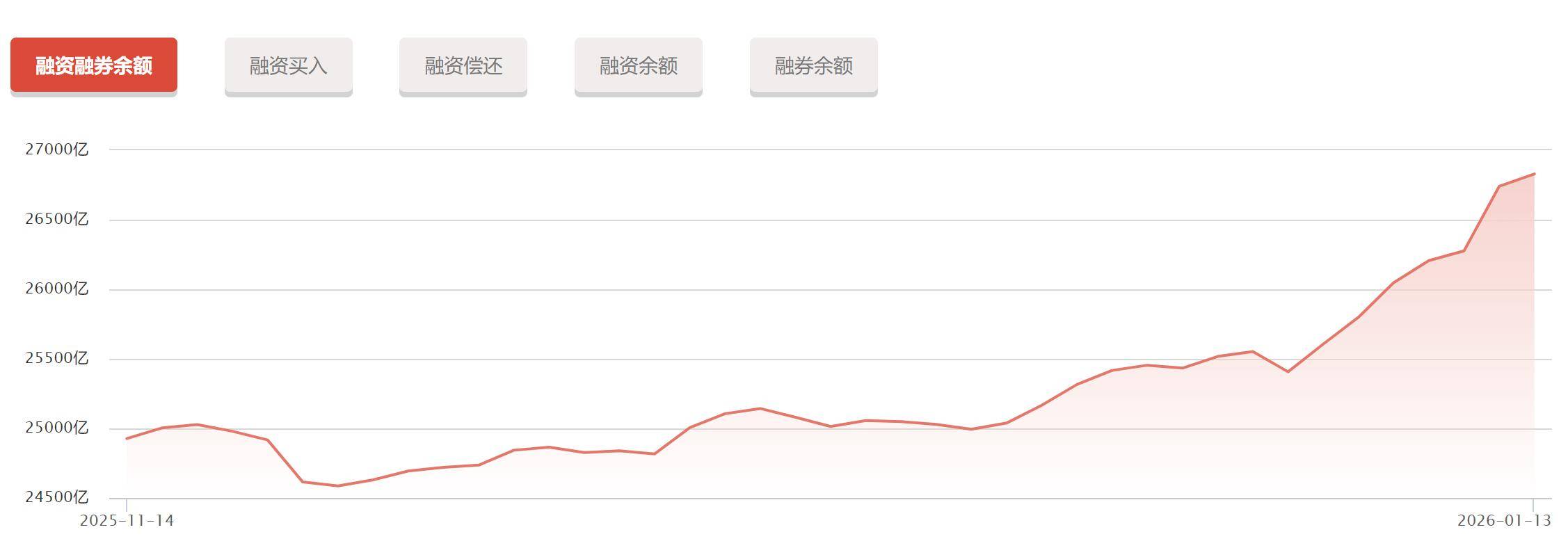
周三午间,A股重磅消息传来,沪深北三大交易所集体发布通知,将投资者融资买入证券时的融资保证金最低比例从80%提高至100%。 通知显示,2023年8月,沪深北交易所将融资保证金比例从100%降低至80%,融资规模和交易额稳步上升。近期,融资交易明显活跃,市场流动性相对充 裕,根据法定的逆周期调节安排,适度提高融资保证金比例回归100%,有助于适当降低杠杆水平,切实保护投资者合法权益,促进市场长期稳定健康发 展。 需要说明的是,此次调整仅限于新开融资合约,调整实施前已存续的融资合约及其展期仍按照调整前的相关规定执行。 最新数据显示,截止1月13日,沪深京三市融资融券余额为2.68万亿元,其中融资余额高达2.67万亿元。自去年下半年以来,融资融券余额稳步攀升,从1.80 万亿元升至2.68万亿元,半年增长约8000亿元,近期有加速迹象。 从个股来看,当前60多家公司融资余额占流通市值比例超过10%,排名前十的个股分别为:美硕科技(19.27%)、福建水泥(15.33%)、嘉曼服饰 (14.62%)、恒兴新材(14.17%)、溯联股份(14.03%)、福达合金(13.93%)、天马科技(13.15%)、华海诚科(1 ...

29股获融资净买入额超2亿元 拓尔思居首
Zheng Quan Shi Bao Wang· 2026-01-14 01:59
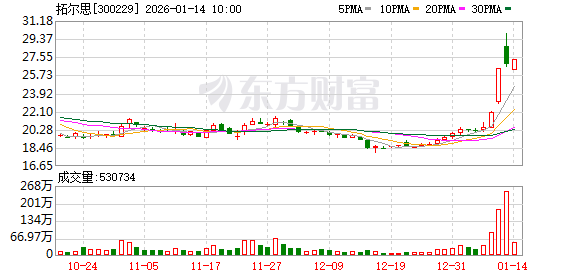
Wind统计显示,1月13日,申万31个一级行业中有21个行业获融资净买入,其中,医药生物行业获融资 净买入额居首,当日净买入30.65亿元;获融资净买入居前的行业还有计算机、传媒、家用电器、机械 设备、汽车、公用事业等。 个股方面,1月13日,有1993股获融资净买入,净买入金额在1亿元以上的有89股。其中,29股获融资净 买入额超2亿元。拓尔思获融资净买入额居首,净买入5.71亿元;融资净买入金额居前的还有用友网 络、易点天下、新易盛、世纪华通、中文在线、润泽科技、美的集团、航天动力等股。 (文章来源:证券时报网) ...

AI的入口变革与供给爆炸将重塑互联网产业逻辑
Tai Mei Ti A P P· 2026-01-14 00:43
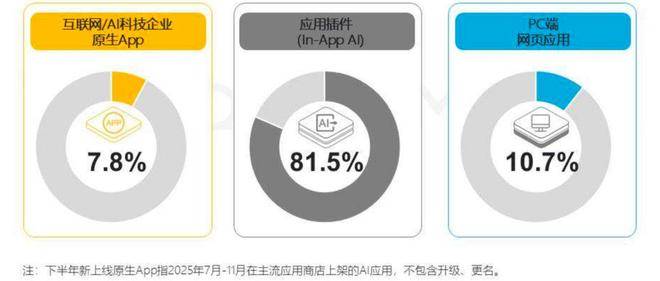
Core Insights - The internet industry is at the beginning of a structural transformation driven by AI, which will redefine interaction forms, business models, and value assessment systems by 2026 [1] - AI Agents and AIGC (AI-generated content) will collaborate to reshape the underlying logic of industries, marking a shift from traditional app-based user engagement to intent-driven interactions [2][5] Group 1: AI Agents and User Interaction - AI Agents will fundamentally change the flow distribution model, moving from traditional app matrices focused on user time consumption to efficient understanding and execution of user intent [2] - The transition from graphical user interfaces (GUI) to intent user interfaces (IUI) signifies a new era of human-computer interaction [2] - In 2025, 81.5% of newly launched AI applications will integrate as plugins within existing ecosystems, indicating a shift from plugin-based AI to system-level AI [2] Group 2: Competitive Landscape - Major tech companies are competing for the AI Agent entry point, which is expected to become an operating system-level traffic hub [4] - Google and OpenAI are enhancing their platforms to seamlessly integrate third-party services, while Alibaba, ByteDance, and Tencent are developing their own AI agents to connect various ecosystems [4][5] - The competition is fundamentally about migrating from attention economy to efficiency economy, where the most successful companies will be those that create indispensable entry points [5] Group 3: AIGC and Content Supply - AIGC is expected to lead to an explosion in content supply, lowering the production threshold for various content types to near-zero marginal costs [6] - The abundance of content will result in a devaluation of mediocre content, while high-quality, emotionally resonant, and culturally unique content will become more valuable [6] - Content consumption will evolve from passive viewing to active engagement, with new forms of interactive content emerging to fill the time saved by AI Agents [6] Group 4: Industry Impacts - In the gaming sector, AI is transitioning from a supportive tool to a core engine driving gameplay innovation, significantly enhancing asset generation efficiency [8] - The domestic gaming market is projected to reach a record revenue of 350.79 billion yuan in 2025, setting the stage for a significant year in 2026 [9] - In the film industry, competition among AI video models is intensifying, with companies focusing on industrialization and controllability to reshape the production chain [11] Group 5: Advertising and Efficiency - The transformation in the internet industry necessitates a closed-loop business model, with advertisers increasingly focusing on return on investment (ROI) [12] - Programmatic advertising platforms that leverage AI for precise matching and real-time optimization are outperforming the market [12] - Companies like AppLovin are experiencing significant revenue growth, indicating a shift in advertising from an art to a data-driven science [12] Group 6: Investment Opportunities - Investment opportunities are polarizing, with one side focusing on "entry builders" that can integrate large ecosystems and understand user intent, such as Alibaba, Tencent, and ByteDance [13] - The other side includes "supply cores" that possess scarce content and emotional connection capabilities, highlighting the value of top IPs and trusted brands [13] - Specific companies to watch include Giant Network, Century Huatong, and Kyeong Network in gaming, as well as Light Media and Huace Film in the film sector [13]


7成上市游戏公司看好的赛道,也要变天了?
Xin Lang Cai Jing· 2026-01-13 11:33
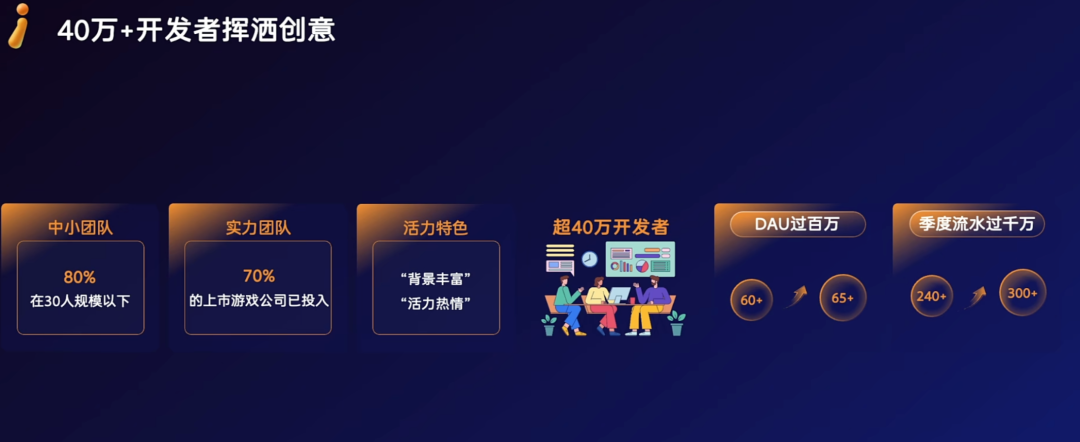
Core Insights - The mini-game market in China has become a focal point in the gaming industry, with significant growth and revenue data attracting numerous developers, but the market dynamics are shifting as competition intensifies and growth rates slow down [1][27] - By 2025, the domestic mini-game market is projected to generate revenue of 53.535 billion yuan, with a year-on-year growth rate of 34.39%, although this represents a slowdown compared to previous explosive growth [1][27] - Major companies are increasingly dominating the market, with over 70% of listed gaming companies investing heavily in mini-games, raising the industry entry barriers to the level of native apps [1][27] Platform Development - WeChat mini-games remain the largest platform in China, with over 400,000 developers and more than 300 teams generating over 10 million yuan in quarterly revenue [2][28] - The active user base on WeChat mini-games has surpassed 500 million, with a 10% increase in user online time expected in 2025 compared to 2024 [2][28] - Douyin mini-games have also seen remarkable growth, with revenue increasing by 100% and active user numbers rising by 120% in 2025 [4][30] Product Trends - WeChat mini-games have successfully explored heavy game genres, with several SLG, RPG, and card games achieving stable growth [4][30] - Douyin's unique short video ecosystem enhances content distribution, significantly impacting player engagement and revenue generation [6][31] - The revenue scale of WeChat and Douyin mini-games is expected to account for over 90% of the total domestic mini-game market [6][31] Manufacturer Segmentation - The mini-game market has seen a clear tiered structure, with large companies dominating the first tier, including over 70% of listed gaming firms [11][33] - Companies like Sanqi Interactive and Diandian Interactive lead the first tier, leveraging strong operational capabilities to produce multiple blockbuster games [13][35] - The second tier consists of niche market leaders that have emerged from the mini-game sector, maintaining high hit rates through rapid product iteration [15][37] Competitive Landscape - The competition in the mini-game market has evolved from a focus on traffic to a comprehensive strength competition involving product quality, traffic acquisition, long-term operations, and technological reserves [20][42] - The demand for higher quality mini-games is pushing developers to innovate and differentiate their products, moving towards a model that closely resembles native apps [21][43] - AI technology is becoming a critical competitive barrier, significantly enhancing the efficiency of game development, marketing, and customer service [25][47] Market Evolution - The mini-game industry is transitioning from rapid growth to a phase of meticulous cultivation, indicating that future opportunities will favor those who focus on quality content and technological mastery [26][48] - The market's slowdown is not a sign of diminishing returns but rather a necessary evolution towards sustainable growth and high-quality development [26][48]
押中AI芯片、大模型IPO,世纪华通、游族等游戏企业图啥
Nan Fang Du Shi Bao· 2026-01-13 11:04
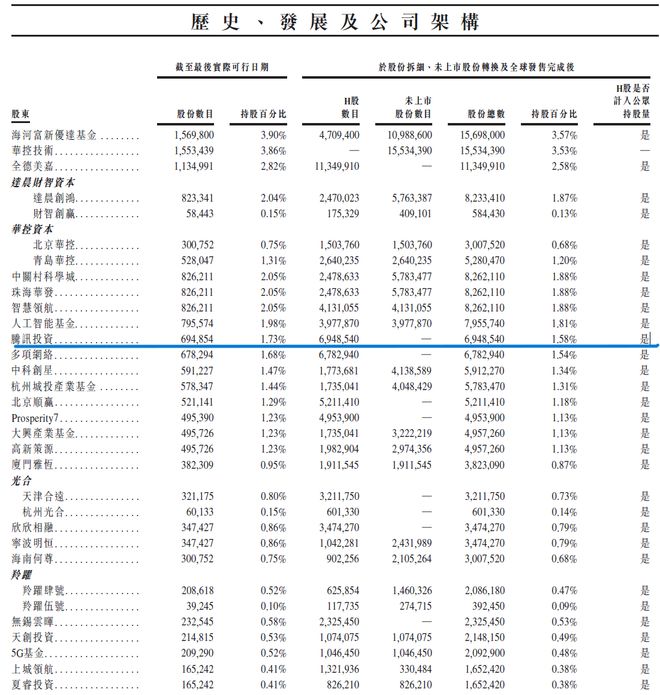
Core Insights - The recent surge in IPOs for AI and semiconductor companies in China has attracted significant market attention, with notable performances from companies like MiniMax and Zhipu [1][2][3] - Major gaming companies such as Tencent, Mihayou, and others are increasingly investing in AI and semiconductor firms, indicating a trend of deep integration between the gaming industry and advanced technologies [1][12][15] Investment Highlights - MiniMax, an AI unicorn, debuted on the Hong Kong Stock Exchange with a first-day increase of 109%, reaching a market capitalization of over HKD 100 billion [1] - Mihayou, an early investor in MiniMax, holds approximately 6.1% of the company, with a current stake valued at around HKD 6.5 billion, reflecting a nearly 70-fold increase in valuation since its initial investment [2] - Zhipu, another AI company, saw its market cap exceed HKD 570 billion upon listing, with significant price increases shortly after [2][3] Strategic Investments by Gaming Companies - Tencent led a USD 250 million Series B funding round for MiniMax and has also invested in Zhipu, holding 1.58% and 2.58% stakes in these companies, respectively [3][12] - Other gaming companies, such as 37 Interactive Entertainment and Youzu Interactive, are also making strategic investments in AI and semiconductor firms, indicating a broader trend within the industry [3][11] Market Dynamics - The gaming industry is increasingly viewed as a significant player in the tech investment landscape, with analysts noting that gaming companies are leveraging their cash flow to support advancements in AI and semiconductor technologies [12][15] - The shift in perception of gaming companies from mere entertainment providers to strategic investors in high-tech sectors reflects a growing recognition of their role in driving technological innovation [15][16] Future Outlook - Analysts suggest that the investments made by gaming companies are not merely opportunistic but are driven by internal needs for enhanced computational power and AI tools to improve game development processes [13][14] - The trend of gaming companies investing in upstream technologies is expected to continue, fostering a symbiotic relationship between gaming and technological advancements [14][15]
营收超1700亿元!浦东文创出海迈向“全球共创”丨出海观察
2 1 Shi Ji Jing Ji Bao Dao· 2026-01-13 10:33
Core Insights - The article highlights the rapid growth of China's cultural industry, particularly in the context of cultural products going global, with Shanghai as a key player in this transformation [1][3][21] Group 1: Cultural Products and Globalization - Shanghai's cultural products, which blend traditional elements with modern creativity, are increasingly popular among international tourists [1] - The overseas revenue of China's cultural industry, especially in gaming and online literature, has seen significant growth, with self-developed games generating $20.455 billion in overseas sales, a 10.23% increase year-on-year [3] - The cultural industry is transitioning from merely exporting content to creating a global collaborative ecosystem, enhancing the value of Chinese IPs in international markets [4][14] Group 2: Industry Evolution and Trends - The evolution of online literature has progressed through three stages: translation, platform establishment for local creators, and deep integration into global entertainment industries [4][5] - The demographic of creators is becoming younger, with 50% of WebNovel's signed authors being born after 2000, indicating a shift in creative dynamics [5] - The cultural industry is increasingly focusing on localizing content for international markets, enhancing user engagement and acceptance [10][11] Group 3: Policy Support and Infrastructure - Shanghai's Pudong New Area has implemented supportive policies for cultural enterprises going global, providing comprehensive services in investment, finance, and legal support [6][12] - The establishment of the "Micro Short Drama Export Base" aims to facilitate the global distribution of Chinese cultural products, leveraging Shanghai's unique policies [17] - The region's cultural industry cluster is rapidly developing, with 603 registered cultural creative enterprises and a total revenue of 172.8 billion yuan in 2024 [21]
营收超1700亿元!浦东文创出海迈向“全球共创”
2 1 Shi Ji Jing Ji Bao Dao· 2026-01-13 10:18
Core Insights - The article highlights the rapid growth of China's cultural industry, particularly in the context of cultural products going global, with Shanghai as a key player in this transformation [1][2][5]. Group 1: Cultural Products and Globalization - Shanghai serves as a vibrant hub for cultural exchange, blending traditional elements with modern creativity, attracting international tourists [1]. - The overseas revenue from China's cultural industry, especially in gaming and online literature, has seen significant growth, with self-developed games generating $20.45 billion (approximately 143.06 billion RMB) in overseas sales, marking a 10.23% year-on-year increase [2]. - The online literature sector is also expanding, with projected overseas revenue of 4.815 billion RMB in 2024, reflecting a 10.68% growth [2]. Group 2: Industry Transformation - The cultural industry's evolution is marked by a shift from mere content translation to a more integrated approach involving local creators and global co-creation [3]. - The CEO of a leading online literature company notes that the industry has progressed through three stages: translation, platform establishment, and global co-creation, enhancing the value of Chinese IP in international markets [3]. - The focus has shifted from simply exporting content to creating mechanisms and platforms that foster deeper engagement with global audiences [3][4]. Group 3: Ecosystem Development - The establishment of supportive regional policies, such as those from Shanghai's Pudong New Area, has been crucial in facilitating cultural enterprises' international expansion [5]. - These policies provide comprehensive support, including investment, cross-border finance, and legal services, enabling cultural companies to focus on creativity and overseas growth [5]. - The cultural industry is increasingly leveraging local insights and experiences to enhance its global operational capabilities, moving towards simultaneous global launches of products [7]. Group 4: Local Adaptation and Global Strategy - Local teams are essential for cultural companies to effectively engage with overseas markets, adapting strategies to fit regional preferences and cultural nuances [7][8]. - The gaming sector exemplifies this trend, with companies developing products from a global perspective to ensure broader acceptance among international users [7]. - The integration of local cultural elements into products, such as the incorporation of Chinese folklore in games, helps bridge cultural gaps and enhances user engagement [8]. Group 5: Collaborative Efforts and Industry Events - The cultural industry's success relies on collaborative efforts across the entire value chain, from content creation to local operations [10]. - The establishment of a micro-short drama export base in Pudong aims to create a comprehensive ecosystem for the micro-short drama industry, facilitating cultural exchange and innovation [11]. - Major international events hosted in Pudong, such as ChinaJoy and various esports tournaments, further enhance the region's role as a key platform for cultural dissemination [13]. Group 6: Future Outlook - The cultural industry in Pudong is poised for a critical transformation, shifting from scale expansion to quality enhancement, driven by digital innovation and consumer upgrades [13]. - The region's cultural creative industry comprises 603 enterprises, employing 77,000 people and generating a total revenue of 172.8 billion RMB, indicating a robust growth trajectory [13].