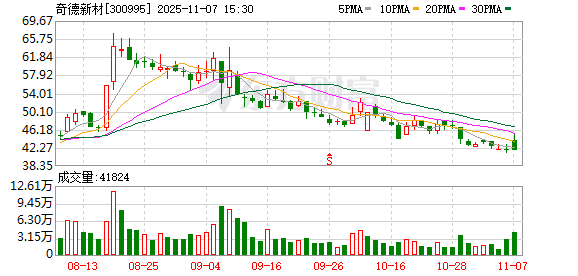
小米汽车

Search documents
长达十余年的购置税免征要退坡了,几家欢喜几家忧?
3 6 Ke· 2025-11-11 03:16
Core Insights - The article discusses the impending end of the vehicle purchase tax exemption for new energy vehicles (NEVs) in China, which has been in place for over a decade, and highlights the strategies adopted by various automakers to cope with this change [1][10][11]. Summary by Sections Purchase Tax Policy Changes - The exemption on vehicle purchase tax for NEVs will end by the end of 2025, with a new policy starting in 2026 that will halve the tax, allowing a maximum deduction of 15,000 yuan per vehicle [5][10]. - The current exemption allows for a maximum tax exemption of 30,000 yuan per vehicle, which will be reduced to 15,000 yuan starting next year [5][10]. Automaker Strategies - Automakers like Li Auto and Xiaomi are implementing sales strategies to encourage purchases before the tax exemption ends, including tax reimbursement policies for orders placed before the deadline [1][10]. - Many car manufacturers are launching new models in the second half of the year to boost sales, while some are offering subsidy guarantees for certain models to attract consumers [10][11]. Market Dynamics - The tightening of NEV incentives is leading to a shift in consumer behavior, with many potential buyers moving from a wait-and-see approach to making actual purchases [10][11]. - The overall market for NEVs has seen significant growth, with over 8.3 million applications for vehicle trade-ins this year, indicating a strong consumer interest in upgrading to new vehicles [11]. Impact of Subsidy Reductions - The reduction of subsidies and the tightening of policies are expected to impact the sales dynamics of different brands, with high-end brands like Li Auto and NIO seeing increased consumer inquiries, while mass-market brands like BYD are not experiencing the same urgency [15][16]. - The new regulations will also impose stricter requirements on the electric range of plug-in hybrid vehicles, potentially affecting around 40% of these models' eligibility for subsidies [16][17]. Industry Maturity - The article suggests that the NEV industry in China is transitioning from a policy-driven growth model to a market-driven one, emphasizing the need for automakers to focus on product quality, cost control, and market adaptability [17].



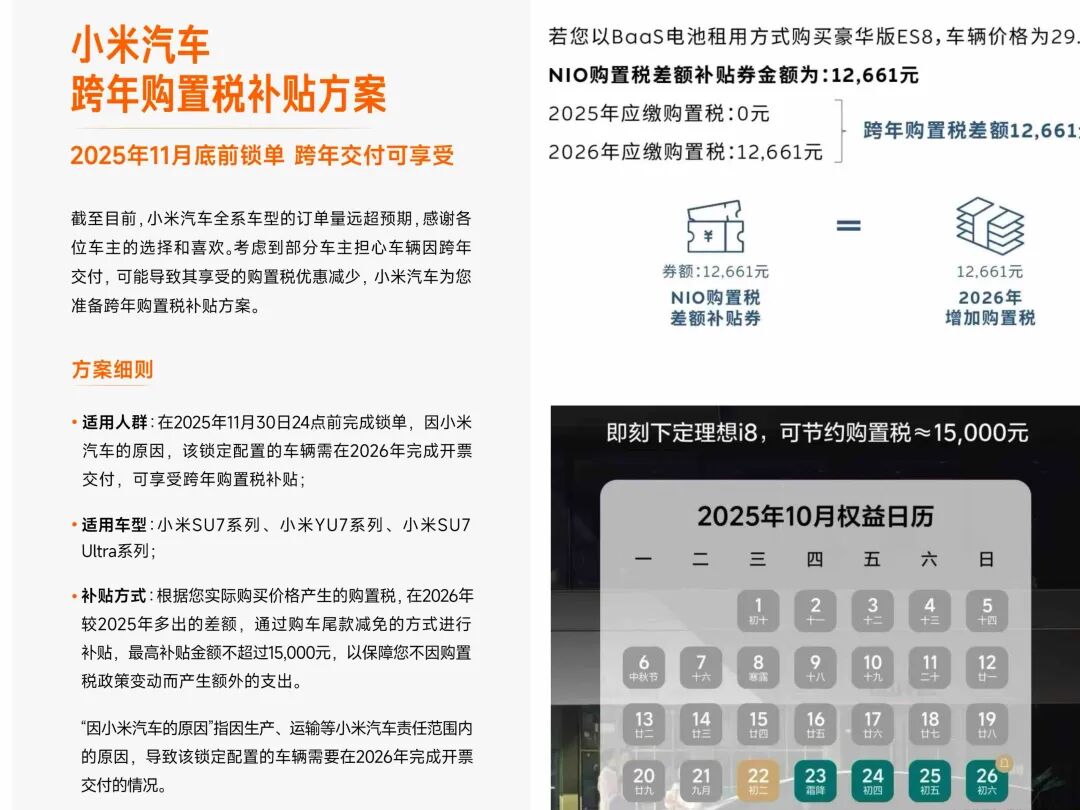
年轻人捡漏倒闭车企“烂尾车”,有人半价买哪吒,有人12万元抄底高合
Mei Ri Jing Ji Xin Wen· 2025-11-09 06:24
Core Viewpoint - The trend of young consumers purchasing "abandoned cars" from bankrupt car companies has gained attention, with many seeing it as an opportunity to buy vehicles at significantly reduced prices due to the companies' failures [1][2][5]. Group 1: Consumer Behavior - Young consumers are increasingly opting for vehicles from bankrupt brands like Neta, Jiayue, and HiPhi, viewing them as cost-effective options [1][5]. - A consumer named Jiang purchased a Neta L for 77,700 yuan, benefiting from a discount of 63,000 yuan after the company's bankruptcy, which he attributes to the attractive pricing [2][5]. - Another consumer, identified as Guan, bought a Jiayue 07 for 150,000 yuan, previously priced at 219,900 yuan, highlighting the perceived value in these "abandoned cars" [5][7]. Group 2: Market Dynamics - The automotive industry is undergoing a "淘汰赛" (elimination race), with many well-known new energy vehicle brands facing bankruptcy or restructuring, indicating a significant shake-up in the market [9]. - Industry experts predict that between 2025 and 2027, many car companies will be eliminated due to intense competition and a lack of sustainable business models [9]. - The current market is characterized by a rapid growth in new energy vehicles, with significant sales increases reported by major players like BYD and Geely, indicating a shift towards high-quality development in the automotive sector [10][11].
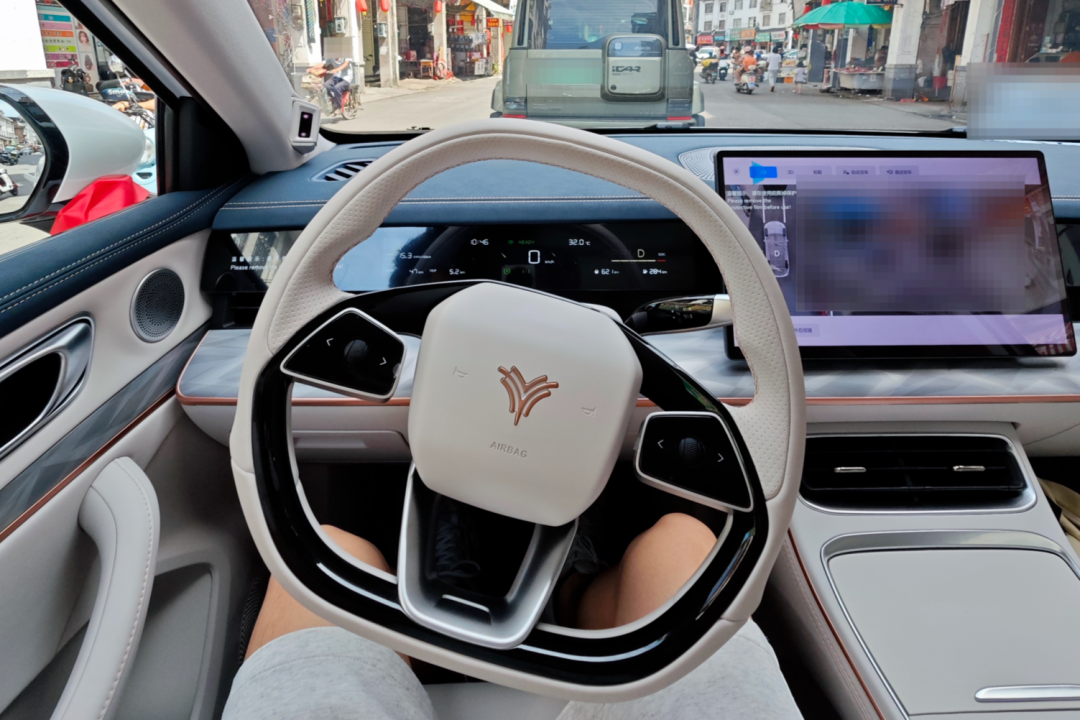
突然火了!年轻人捡漏倒闭车企“烂尾车” 有人半价买哪吒 有人12万元抄底高合 “开10万公里就回本了”
Mei Ri Jing Ji Xin Wen· 2025-11-08 15:53
Core Viewpoint - The trend of young consumers purchasing vehicles from bankrupt car companies, referred to as "zombie cars," is gaining attention, with brands like Neta, Jiayue, and HiPhi being popular choices among this demographic [1][4][5]. Group 1: Consumer Behavior - Young consumers are motivated to buy "zombie cars" due to lower prices resulting from the bankruptcy of these companies, allowing them to afford vehicles that would otherwise be out of their budget [2][4]. - Consumers like Jiang and Guan have shared their experiences of purchasing vehicles at significantly reduced prices, with discounts reaching up to 63,000 yuan for Neta L and 6,999 yuan for Jiayue 07 [4][5]. - The perception of value has shifted, with many young buyers focusing on the practical utility of these vehicles rather than brand reputation or resale value [6]. Group 2: Market Dynamics - The automotive industry is undergoing a "淘汰赛" (elimination race), with many well-known new energy vehicle brands facing bankruptcy or restructuring, indicating a significant shake-up in the market [7][8]. - Industry experts predict that between 2025 and 2027, many companies will be eliminated from the market due to intense competition and a lack of innovation [8]. - The current market is characterized by rapid growth, with the retail sales of new energy vehicles in China reaching 1.4 million units in October 2025, a 17% year-on-year increase, and a penetration rate of 58.7% [9]. Group 3: Sales Performance - Leading companies like BYD and Geely are experiencing substantial sales growth, with BYD achieving a record monthly sales figure of 441,700 units in October [10]. - New energy vehicle sales from emerging brands are also increasing, with companies like Leap Motor and Hongmeng Zhixing reporting record deliveries, indicating a competitive landscape [10]. - The overall automotive market in China is transitioning towards a model dominated by new energy vehicles and exports, suggesting a shift in industry focus and strategy [10].
突然火了!年轻人捡漏倒闭车企“烂尾车”,有人半价买哪吒,有人12万元抄底高合,“开10万公里就回本了”
Mei Ri Jing Ji Xin Wen· 2025-11-08 15:19
Core Insights - Young consumers are increasingly purchasing vehicles from bankrupt car companies, viewing them as opportunities for cost savings and value [1][2][4] - The phenomenon reflects a broader trend in the automotive industry, where many new energy vehicle brands are facing significant challenges and potential closures [8][9] Group 1: Consumer Behavior - Young consumers, such as a 28-year-old named Jiang, are motivated to buy vehicles from bankrupt brands like Neta due to substantial discounts, with one vehicle's price dropping from 149,900 yuan to 77,700 yuan after the company's bankruptcy [2][4] - Another consumer, referred to as Guan, purchased an Extreme A07 model for 150,000 yuan, down from an original price of 219,900 yuan, highlighting the appeal of these "abandoned cars" for budget-conscious buyers [4][6] - The trend is not impulsive; many buyers had previously considered these vehicles but were deterred by high prices and long wait times, with bankruptcy providing a new purchasing opportunity [6][7] Group 2: Industry Context - The automotive industry is undergoing a "淘汰赛" (elimination race), with numerous well-known new energy vehicle brands like WM Motor, HiPhi, Neta, and Extreme facing operational difficulties or closures [8][9] - Industry experts predict that between 2025 and 2027, many companies will either grow stronger or be eliminated from the market due to intense competition and a potential end to price wars [9] - Despite the challenges, the overall Chinese automotive market is experiencing rapid growth, with significant increases in new energy vehicle sales and market penetration [10][11]

镇江经开区:精准培育激活产业创新“一池春水”
Zhen Jiang Ri Bao· 2025-11-08 00:09
Group 1: Core Insights - The Jiangsu Province's "Three New Two New" recognition system highlights the significant achievements of the Zhenjiang Economic Development Zone in developing new productive forces and technological innovation [1][2][5] - Seven new technologies and products from the Zhenjiang Economic Development Zone were included in the 2025 recognition list, covering strategic emerging industries such as high-end equipment manufacturing, new energy, new materials, and medical devices [1][2] Group 2: Company Innovations - Aerospace Haiying (Zhenjiang) Special Materials Co., Ltd. is a key supplier for the C919 passenger aircraft, providing nearly 50% of its composite materials and developing new materials to ensure battery safety in the growing new energy sector [2] - The company has achieved large-scale production of aerogel insulation blankets, which are recognized as a new material project by Jiangsu Province for 2025, and expects an annual output value exceeding 100 million yuan in 2024 [2] - Zhongjie Energy Solar Technology (Zhenjiang) Co., Ltd. has developed lightweight flexible photovoltaic components that are only 2mm thick and weigh 3 kg per square meter, significantly reducing weight by 70% compared to traditional panels [3] - This product fills a market gap for low-bearing roofs, which account for approximately 40% of total roof area, and has already established partnerships with well-known companies and exported to Germany [3] - Zhenjiang Best New Materials Co., Ltd. has developed a low-temperature C2-N'Bass sound-absorbing material for smartphone speakers, breaking the foreign monopoly in this technology and enhancing speaker performance [4] Group 3: Support and Development Strategies - The Zhenjiang Economic Development Zone is focusing on high-end, intelligent, and green development, promoting industrial transformation and the growth of emerging industries [5][6] - The local government is implementing various support policies, building platforms for industry-academia-research cooperation, and facilitating the efficient transformation of technological achievements [5] - The zone aims to enhance the market competitiveness of enterprises by encouraging them to establish R&D centers and overcome core technological challenges [6]
险企加码布局“智驾险” “三小一高”待破局
Zhong Guo Jing Ying Bao· 2025-11-07 19:16
Core Insights - The rise of smart vehicles is reshaping the automotive industry and presenting significant opportunities and challenges for insurance services [1] - The penetration rate of new cars with Level 2 (L2) driving assistance functions in China reached 62.58% from January to July this year, with predictions indicating that over 90% of new cars will have L2 or higher capabilities in about ten years [1] - Regulatory bodies are emphasizing the need for the insurance industry to adapt to the impacts of smart driving and rapid vehicle model iterations [1][2] Group 1: Opportunities in Smart Driving Insurance - The insurance industry is expected to innovate products to meet new demands arising from smart driving technologies, shifting responsibility from human drivers to technology [1][4] - There is a vast potential for insurance products based on traditional car insurance, with extensions for smart driving responsibilities, including software/hardware failures and cybersecurity risks [4][7] - The establishment of a cross-industry communication platform for smart driving insurance is underway, aiming to connect insurance companies and the automotive industry [2] Group 2: Challenges in Smart Driving Insurance - The complexity of responsibility identification in smart driving accidents poses significant challenges for insurance companies, as multiple parties are involved [5][8] - The current smart driving insurance market in China is characterized by small premium volumes, low policy counts, and high uncertainty regarding risks [8] - Many existing "smart driving insurance" products are more service-oriented rather than traditional insurance contracts, indicating a need for regulatory clarity [8] Group 3: Market Trends and Innovations - Customized and exclusive insurance products are emerging, driven by the unique risk characteristics of different vehicle models and software versions [6][7] - Insurance companies are collaborating with automakers to embed insurance into the usage and activation scenarios of smart features, enhancing customer retention [4][6] - The insurance value chain is evolving from mere risk compensation to a model that includes services, risk control, and data-driven pricing [7]


汽车行业年度投资策略:品牌化、全球化、智能化,迎接AI浪潮下的产业升级机遇
Guoxin Securities· 2025-11-07 14:40
Core Insights - The automotive industry in China is transitioning from a growth phase to a mature phase, with a compound annual growth rate (CAGR) of 4% from 2010 to 2023, and is expected to see wholesale sales exceed 34 million vehicles in 2025, representing an 11% increase [1][18][24] - The report emphasizes the importance of branding and globalization as key strategies for automotive companies to maintain volume and profitability amidst intensifying competition in the electric vehicle (EV) sector [2][18] - The advent of AI and advancements in smart driving technology are set to reshape the automotive landscape, with significant investment opportunities anticipated in the components related to autonomous driving systems [3][18] Industry Characteristics and Changes - The automotive market in China is experiencing a gradual decline in total volume dividends, with annual growth rates expected to stabilize at low single digits as the industry matures [18][24] - The penetration rate of new energy vehicles (NEVs) is projected to rise significantly, with sales expected to grow from 1.21 million in 2019 to 14 million by 2024, reflecting a CAGR of 63% [18][32] - The shift from traditional fuel vehicles to electric vehicles is creating structural changes in production capacity, leading to both challenges and opportunities for manufacturers [18][32] Investment Opportunities - Recommended investments include companies in the electric vehicle sector such as XPeng Motors, Jianghuai Automobile, and Yutong Bus, as well as firms involved in smart technology and robotics [4][6] - The report highlights the potential for domestic automotive parts manufacturers to expand their global footprint, leveraging their established production capabilities and cost management skills [2][18] - The anticipated mass production of robots in 2026 is expected to create new investment opportunities in related component sectors, particularly those overlapping with automotive technologies [3][18]

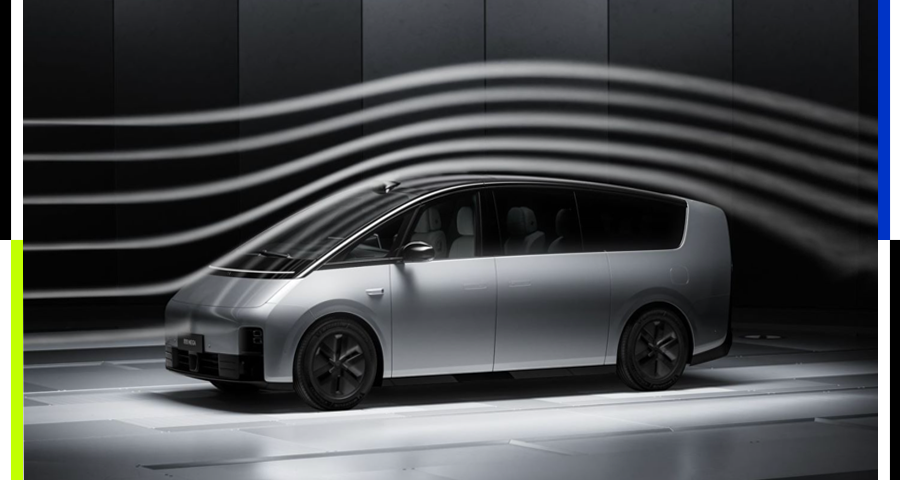
10元每升的「致命」冷却液,让理想痛失20亿
3 6 Ke· 2025-11-07 11:49
Core Viewpoint - The recall of 11,411 units of the Li Auto MEGA electric vehicle is expected to cost the company around 2 billion yuan due to a fire incident caused by inadequate corrosion resistance of the coolant used in the vehicle's cooling system [2][3]. Group 1: Incident Overview - A fire incident involving a Li Auto MEGA occurred in Shanghai, leading to significant consumer panic regarding electric vehicle safety [2]. - The company announced a recall for the 2024 MEGA models produced between February 18, 2024, and December 27, 2024, to replace the coolant and address potential battery overheating issues [2][3]. Group 2: Technical Details - The coolant used in the 2024 MEGA is a low-conductivity type, which was intended to meet insulation design requirements but has shown insufficient corrosion resistance compared to traditional coolants [3][7]. - The low-conductivity coolant is a newer solution, costing approximately 10 yuan per liter, and is designed to prevent issues like foaming and stratification that can occur with traditional coolants [8][9]. Group 3: Industry Implications - The incident raises concerns about the validation processes for coolant and cooling system components within the automotive industry, particularly for new energy vehicles [11][12]. - The rapid corrosion of the cooling plates in the MEGA, which typically should last over a decade, has prompted scrutiny of both the vehicle manufacturer and the battery supplier regarding their testing and validation protocols [10][16]. Group 4: Future Considerations - Following the incident, Li Auto has established a dedicated materials laboratory to enhance research in basic materials, fluids, and chemicals, indicating a shift in focus towards the underlying material science in automotive safety [23]. - Other companies using the same battery technology, such as Xiaomi Auto, are also conducting urgent reviews of their cooling systems to prevent similar issues [20].
奇德新材:公司碳纤维业务已获得多家主机厂或零部件企业的项目定点
Zheng Quan Ri Bao Zhi Sheng· 2025-11-07 10:09
Core Viewpoint - The company, Qide New Materials, has secured project designations for its carbon fiber business from several major manufacturers, including BYD and Xiaomi Automotive, indicating potential growth opportunities in the automotive sector [1] Group 1 - The carbon fiber business has received project designations from multiple leading manufacturers and component suppliers [1] - The actual order volume and its specific impact on the company's performance remain uncertain, highlighting a level of risk for investors [1]
奇德新材:公司积极参与人形机器人及低空飞行业的产品技术研究和市场开发
Zheng Quan Ri Bao· 2025-11-07 09:11
Core Viewpoint - The company has focused on lightweight and high-end applications in the new energy vehicle sector, actively participating in product technology research and market development for humanoid robots and low-altitude aviation, achieving significant results [2] Group 1: New Energy Vehicle Developments - The company has secured multiple new product designations through collaborations with major automotive manufacturers such as Xiaomi, Xpeng, BYD, GAC Aion, GAC Trumpchi, and Changan [2] - Notably, the company has received designations for carbon fiber products from a leading new energy vehicle client, including projects for front hoods, wheel covers, and air outlets [2] - The company has also obtained designations for carbon fiber interior components for a high-end MPV model from another client [2] Group 2: Market Participation and Uncertainty - The designations mentioned do not guarantee actual orders, and the final order amounts and delivery timelines remain uncertain, highlighting the need for caution among investors [2]