
元气森林

Search documents
“微醺”赛道暗战:元气森林气泡水何以成为调酒场景“隐形冠军”?
Jin Rong Jie· 2026-02-12 07:31
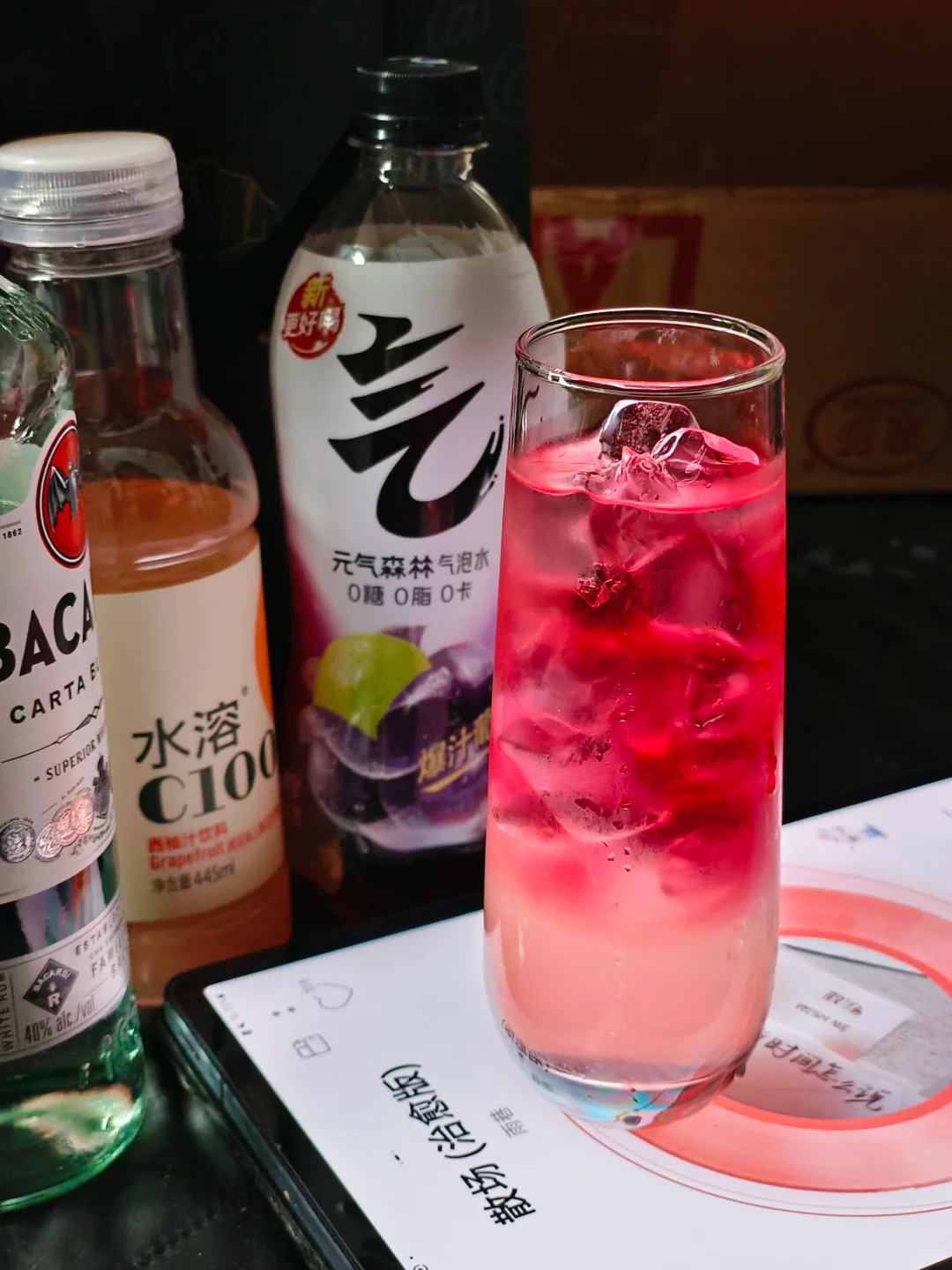
线上的消费热度迅速传导至线下终端,形成了"元气森林+酒"的终端联动新生态。面对年轻人的调饮需求,线下零售端开始主动调整陈列与销售策略,便利 店成为这场变革的核心阵地。不少门店将元气森林与酒类产品捆绑售卖,推出定制化调酒套餐,部分区域经销商则直接将代理的劲酒与元气森林气泡水摆放 在一起进行终端销售,精准匹配消费者的即时调饮需求。 2025年便利店调酒风潮加速落地。据多家连锁便利店及行业调研反馈,全国已有近3万家门店主动设置调酒组合专区。这一数字不仅证明了调饮场景对终端 销售的拉动作用,更体现出市场对"元气森林+酒"组合模式的商业认可。从线上UGC的自发创作到线下终端的主动适配,元气森林已完成调饮场景的链路渗 透,成为连接饮品与酒类消费的重要纽带。 当"微醺经济"迈入千亿规模,年轻消费群体主导的饮酒习惯变革正重塑酒类及饮品市场的产业格局。《酒馆发展报告2025》显示,2025年中国酒馆市场规模 预计将达到1175亿元,低度化、个性化、场景化的饮酒需求持续释放。艺恩数据《2025年轻人饮酒洞察报告》则进一步指出,超6成年轻人愿意尝试自制调 酒,相关社媒声量同比增长175%,家庭调酒、便利店调酒的流行让新派调酒市场迎 ...

养生水爆卖1亿瓶,对话好望水夏明升:我们为何不再追求高增长?
Sou Hu Cai Jing· 2026-02-10 09:14
Core Insights - The beverage industry is facing intense competition, particularly for new brands that struggle to establish themselves against established giants, especially in offline channels [4][5][6] - The shift in consumer behavior and market dynamics has led to a reevaluation of growth strategies, emphasizing product innovation and operational efficiency over aggressive expansion [5][7][10] Industry Overview - The beverage market is heavily reliant on scale and offline channels, making it difficult for new entrants to compete effectively [4] - The online growth opportunities have diminished, leading to a more challenging environment for new brands [4][5] Company Strategy - The company has experienced significant sales growth with its "望系列" and "照顾系列," achieving over 100 million yuan in sales within six months of launch [5] - The focus has shifted towards product quality and innovation, with an emphasis on understanding consumer needs and market realities [5][10][12] - The company aims to create micro-innovations within existing categories rather than attempting to create entirely new categories, which is seen as increasingly difficult [11][12] Market Challenges - The competitive landscape has intensified, with many brands entering the market after the success of the company's products, leading to a need for cautious decision-making regarding marketing and distribution [36][42] - The company recognizes the limitations of certain product categories and is adjusting its growth expectations accordingly [10][42] Consumer Insights - Consumers are increasingly looking for products that meet specific needs and preferences, which has led the company to focus on niche markets and tailored offerings [30][50] - The importance of brand perception and consumer trust is highlighted, with a long-term strategy aimed at building a strong brand identity through consistent product quality [61][62] Future Outlook - The company is exploring opportunities in new product categories, such as sports drinks, while maintaining a focus on traditional Chinese herbal ingredients [40][41][50] - The strategy includes a gradual approach to market penetration, emphasizing the importance of time in building brand recognition and consumer loyalty [46][47]

加了黄精、人参的冰红茶,盯上能量饮料的生意,上市一周卖了2.2万箱
3 6 Ke· 2026-02-06 02:32
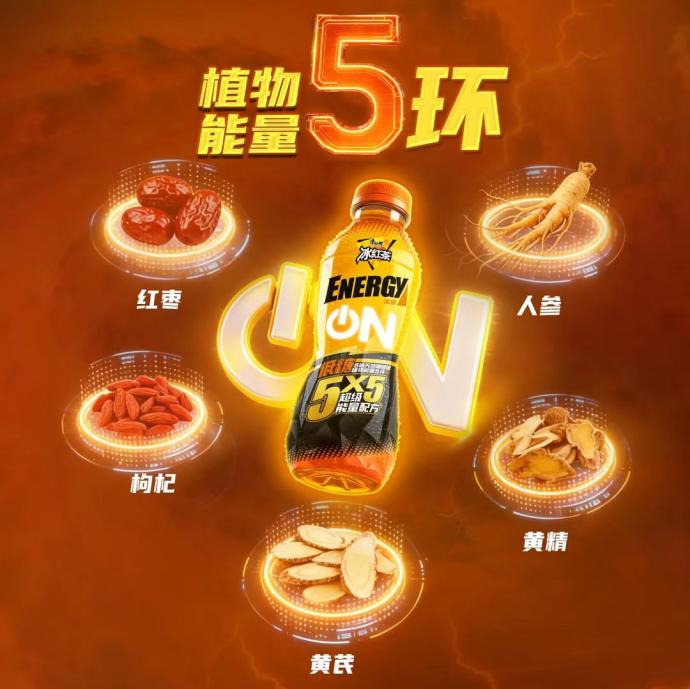
Core Viewpoint - Master Kong has launched a new product called "Ice Tea ENERGY" on Douyin, targeting the energy drink market, achieving sales of 22,000 boxes within a week of its release [1][11]. Product Overview - Ice Tea ENERGY incorporates functional ingredients while retaining classic iced tea components, including goji berries and other herbal ingredients [5][16]. - The product contains over 200 mg of caffeine per liter, which is five times the national standard for tea beverages [20][31]. Market Positioning - The product is marketed as a "new type of energy drink," differentiating itself from traditional energy drinks by maintaining the classic iced tea flavor [26][28]. - The promotional materials emphasize its suitability for activities like night shifts and gaming, aligning with traditional energy drink consumption scenarios [23][25]. Consumer Reception - Initial consumer feedback indicates that while the flavor is similar to classic iced tea, some find it less sweet compared to other energy drinks [13][31]. - The product has received 519 reviews on Douyin, reflecting a mix of opinions on taste and effectiveness [11][13]. Industry Context - The energy drink market in China is projected to reach a total sales volume of 111.4 billion yuan in 2024, accounting for 66.9% of the functional beverage market [36]. - Other brands, such as Coca-Cola, have attempted similar product launches but faced challenges in market positioning and consumer acceptance [33][35].

从“中国版立顿”到欠薪风波,茶里发生了什么?
3 6 Ke· 2026-02-05 22:58
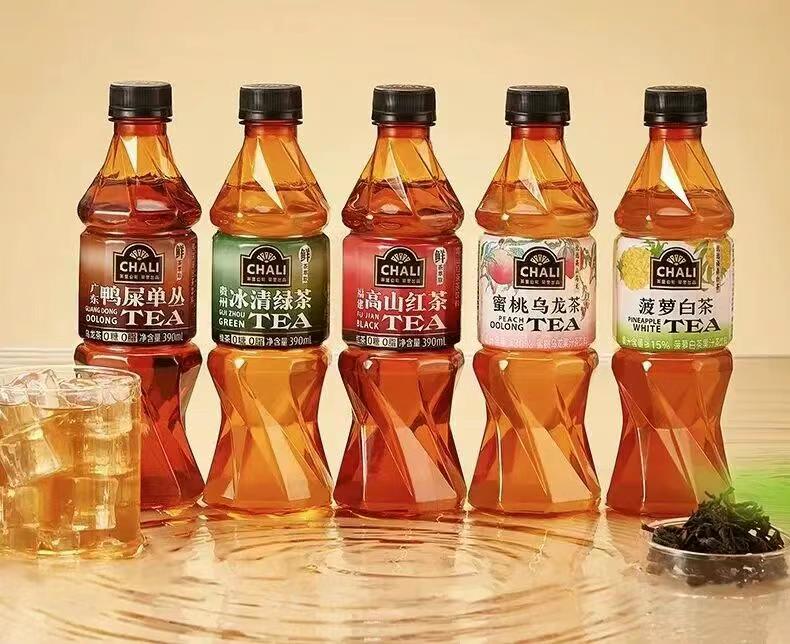
Core Insights - The article discusses the rise and fall of ChaLi, a brand that was once considered a "star brand" in the new consumption wave, and examines the strategic missteps that led to its current challenges [2][20]. Company Overview - ChaLi was founded in 2013 by Tan Qiong, who initially had no background in tea but became involved through a feasibility study for a B2B tea trading platform [3][6]. - The brand focuses on high-quality, convenient tea products, primarily using original leaf triangular tea bags, which cater to modern consumption habits [4][5]. Financial and Market Performance - ChaLi experienced rapid growth during the new consumption boom from 2018 to 2021, achieving significant sales milestones, including nearly 10 million sales during the 2016 Double Eleven shopping festival [9]. - The brand was often referred to as the "Chinese version of Lipton," benefiting from multiple rounds of financing and a strong market presence [8][9]. Strategic Challenges - The brand faced significant challenges as the market for bagged tea matured, leading to increased competition and a shift in consumer preferences [12][14]. - A strategic miscalculation in the ready-to-drink (RTD) tea segment resulted in cash flow issues, contributing to delayed salary payments and supplier settlements [2][11][17]. Industry Context - The tea market in China is characterized by diverse consumer preferences and fragmented consumption scenarios, making it difficult for any single brand to dominate [14][20]. - The decline of traditional bagged tea sales and the challenges faced by established brands like Lipton indicate that the market may not support a "next Lipton" scenario [12][14]. Lessons Learned - The experience of ChaLi highlights the importance of aligning organizational capabilities with market demands, especially when transitioning to new product categories [20]. - The brand's journey underscores that the second growth curve is not guaranteed and requires a robust organizational structure and financial resilience [20][21].
食品饮料行业周度市场观察-20260204
Ai Rui Zi Xun· 2026-02-04 06:40
Investment Rating - The report does not explicitly provide an investment rating for the food and beverage industry Core Insights - The food and beverage industry is experiencing significant trends, including the rise of canned foods, the expansion of herbal drinks, and the increasing popularity of low-sugar and functional beverages. The market is also seeing a shift towards health-conscious products and innovative marketing strategies to attract younger consumers [1][4][10] Industry Environment - Canned Foods: Recent regulatory updates aim to enhance the standards for canned foods, which are currently perceived as affordable but lack innovation to attract younger consumers. The industry is focusing on product diversification and premium offerings to drive growth [2] - Herbal Drinks: The market for traditional herbal drinks is booming, with sales expected to exceed 10 billion yuan. This growth is driven by rising health awareness among consumers and the entry of new brands [4] - Beverage Market: The beverage sector is witnessing a clear trend towards health-oriented products, with low-sugar and functional drinks gaining traction. Traditional brands are facing challenges as they adapt to these changes [4][10] Top Brand News - Dongpeng Beverage has successfully captured a significant market share in the ready-to-drink coffee segment, leveraging its cost-effective strategies and strong distribution network [18] - The brand "BASAO," founded by the creator of Yinlu, is entering the tea market with a focus on high-end products and cultural experiences [16] - The company "Three Squirrels" is expanding into the community discount supermarket sector, aiming to leverage its brand and supply chain capabilities to capture market share [21]
2026年第5周:食品饮料行业周度市场观察
艾瑞咨询· 2026-02-04 00:08
Group 1: Canned Food Industry - The State Administration for Market Regulation has released draft recommendations for national standards for canned food to enhance industry standards and applicability [3] - The canned food industry in China is diverse but lacks innovation, particularly in attracting younger consumers, with Fujian province accounting for 36% of national production [3][4] - The industry is upgrading through the development of self-heating foods, high-end products like bird's nest canned food, and customized dining products [3][4] Group 2: New Beverage Trends - The sugar water shop has become a new franchise trend, with brands like Mai Ji Milk and Zhao Ji Chuan Cheng rapidly expanding, but facing challenges such as high costs and low-frequency consumption [5] - The Chinese herbal health water market is experiencing a sales surge due to hot weather, with products like red bean and coix seed water gaining popularity, potentially exceeding a market size of 10 billion yuan [6] - The beverage market is accelerating its health trend, with low-sugar and no-sugar products becoming standard, while traditional giants face declining sales [7] Group 3: Functional and Innovative Products - Vitamin drinks are gaining popularity among young consumers for their health benefits, with sales of Nongfu Spring's water-soluble C100 increasing by 34% year-on-year [9] - The rise of banana-flavored drinks from major brands reflects a growing market potential, leveraging high national recognition and health trends [10] - The global nutrition and health industry is set for a peak in raw material innovation and technological iteration by 2025, with a focus on standardized and stable ingredients [11] Group 4: Market Dynamics and Brand Strategies - The "medicinal food" trend is becoming a significant market, with a projected scale of 370 billion yuan, driven by policy support and technological advancements [12] - The rise of Chinese herbal health water reflects a shift in consumer behavior towards health-conscious products, but the industry faces challenges like exaggerated claims and quality control [14] - The dairy industry is shifting focus from consumer markets to B2B markets, driven by the growth of new consumption formats like tea and coffee [15] Group 5: Brand Developments and Challenges - The beverage brand Commune is preparing for an IPO, aiming to expand its presence while facing challenges like declining same-store sales and rising costs [24] - The acquisition of the beverage brand Dayao by KKR marks a shift towards capitalizing on efficiency over emotional branding, as the brand faces challenges in national expansion [25] - Dongpeng's coffee brand has achieved a market share of 14%, positioning itself among the top three in the ready-to-drink coffee market through a focus on quality and targeted marketing [26]







万亿食品工业红利,如何变成你的「零食自由」
Sou Hu Cai Jing· 2026-02-04 00:04
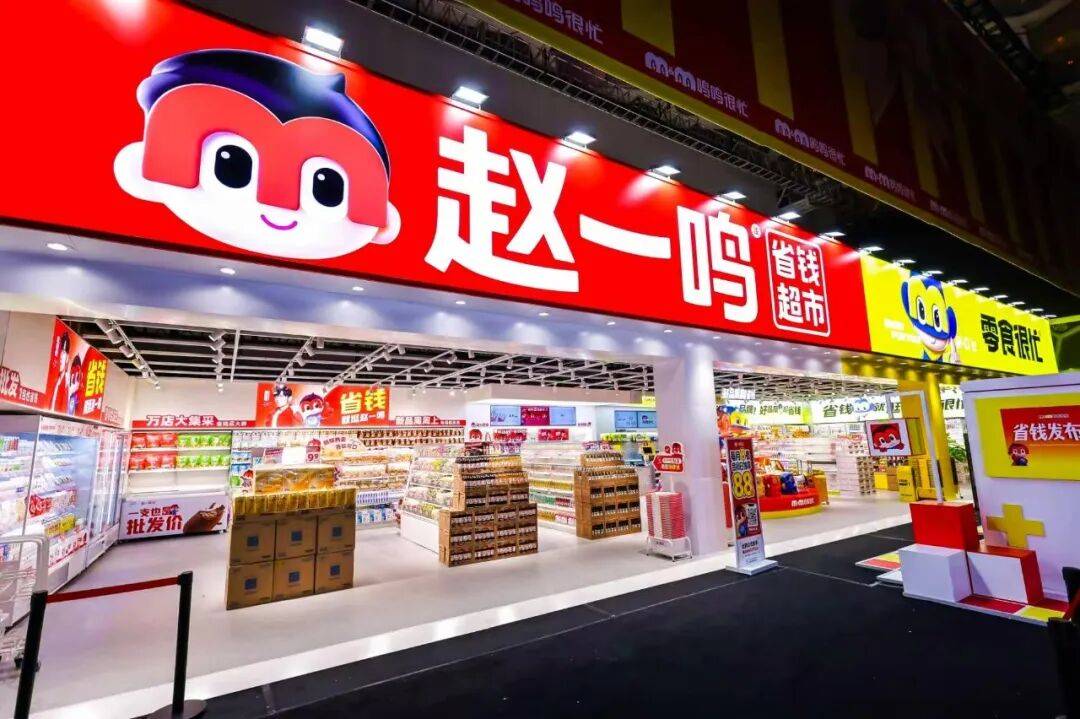
Core Insights - The rise of "bulk snack stores" is transforming consumer purchasing habits, offering a new way to access affordable and diverse snack options [2][4] - These stores are bridging the gap between supply and demand in China's vast food industry, which has historically faced challenges in connecting production with consumer needs [4][5] Group 1: Supply and Demand Gap in the Food Industry - China's food industry is massive, with over 43,000 large-scale enterprises and a production value exceeding 10 trillion yuan, yet there exists a significant supply-demand disconnect [5][6] - Many food manufacturers struggle with unstable orders and lack of distribution channels, leading to a situation where production capacity does not translate into market value [5][6] - The emergence of new consumer brands post-2018 highlights a growing demand for healthier and low-sugar products, indicating a shift in consumer preferences [6][7] Group 2: How Bulk Snack Stores Restructure the Supply Chain - Bulk snack stores, exemplified by brands like "Mingming Hen Mang," are not merely discount retailers but act as "industry organizers" that streamline the supply chain [9][11] - These stores leverage data from their extensive networks to understand consumer preferences, allowing them to make informed production decisions and reduce costs by eliminating middlemen [11][12] - As of December 31, 2024, "Mingming Hen Mang" offers products at an average price 25% lower than similar items in traditional supermarkets, achieved through efficient supply chain management [12] Group 3: Transforming Consumer Experience and Production Dynamics - The new model allows consumers to purchase high-quality products at lower prices, enhancing the shopping experience and making it more accessible, especially in lower-tier cities [14][16] - For suppliers, the bulk snack store model provides stable, large-scale orders, reducing anxiety over production capacity and inventory, thus fostering a more predictable production environment [16][17] - The collaboration between bulk snack stores and suppliers encourages innovation and quality improvements, benefiting both parties and driving the overall industry forward [17]
安全食报:为什么胖东来、山姆越火,食品品牌却越焦虑?
Sou Hu Cai Jing· 2026-02-01 19:05
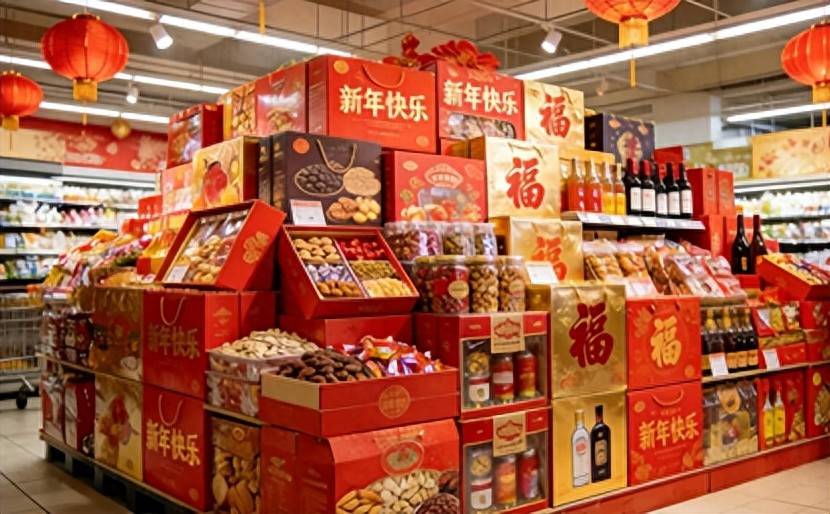
年货礼盒的本质,是一种延续千年的"仪式性消费",它承载着情感、社交与文化价值,是对一年辛劳的犒赏,也是亲 友之间心意的连接。 01 消费之变——年货礼盒的"价值回归" 新年伊始,食品品牌的年货季又来了。但今年的空气里,嗅到的不仅是年味,还有一丝愈发浓重的矛盾感。 一边,是品牌在年前使尽浑身解数:礼盒包装越来越华丽,品牌故事越讲越动人,只为挤破头钻进各种渠道的货架。 而另一边,消费者却似乎更"冷静"了——他们在琳琅满目的年货前驻足、比价、犹豫,然后许多人转身走向了胖东 来、山姆这类会员制商超,排着队把它们的自营商品放进了购物车。 然而,时代在变,承载这份仪式感的情感通货也正在经历一次彻底的升级换代。华丽的包装与吉祥的寓意,已不足以 说服新一代消费者。 他们开始冷静地追问一个本质问题:这份年货本身,除了节日的美好寓意,它是否还有过硬的内核? 消费决策的焦点,也从外在的包装与动人的故事,回归到产品内在那些可以触摸、可以验证的"干货"。 要在这场年货战争中赢得更多用户的心,品牌越来越需要为消费者提供一个硬核理由。竞争也已从浮于表面的营销, 沉淀到产品本身的深度革新。年货的胜利,本质上需要产品"硬通货"价值的胜利。 这 ...
提振消费,如何增强供需适配性
Sou Hu Cai Jing· 2026-01-30 15:12
云南大理白族自治州,游客(左)与摄影师一起挑选照片。 消费是满足需要的过程,同时又会创造出新的需要,从而推动生产进一步发展。从这个意义上讲,消费 是一个使社会再生产得以持续进行的连续、阶梯式发展过程。因此,把握消费发展阶段性特征对于推动 供需适配十分重要。 北京朝阳区,一名智能柜补货员在卸货。 以上图片均为人民网记者马天翼摄 福建漳州漳浦县,渔船陆续返港。 人民网记者 欧阳易佳摄 视频报道请看人民日报客户端、"人民网+"客户端,英文报道请看环球时报英文版客户端 总需求不足是当前经济运行面临的突出矛盾。加快补上内需特别是消费短板,使内需成为拉动经济增长 的主动力和稳定锚,意义重大。习近平总书记指出:"要坚持供需两侧协同发力、动态平衡,持续深化 供给侧结构性改革,有进有退、有保有压,增强供给与需求的适配性、平衡性。""十五五"规划建议围 绕"大力提振消费",提出了"深入实施提振消费专项行动""扩大优质消费品和服务供给""推动商品消费 扩容升级"等一系列重大举措。中央经济工作会议也把提振消费作为建设强大国内市场的重要内容作出 部署。提振消费,供需适配是关键。 提振消费要在供需适配上下更大功夫 消费受制于收入水平,也 ...

提振消费,如何增强供需适配性?
Xin Lang Cai Jing· 2026-01-30 11:27
一场说走就走的旅拍;一袋鲜气满满的海味;一瓶紧跟潮流的气泡水……近年来,市场上一些创新型产 品受到消费者欢迎。 "十五五"规划建议提出,以新需求引领新供给,以新供给创造新需求,促进消费和投资、供给和需求良 性互动,增强国内大循环内生动力和可靠性。 近期,习近平经济思想研究中心主任、研究员史育龙为人民日报"高质量发展故事汇"栏目撰写署名文章 时表示,在千方百计提高消费者收入的同时,还要在供需适配上下功夫,使生产供给端提供的产品和服 务能够精准匹配消费者的即期需求,并能够通过产品和服务创新引领需求、创造需求,实现供给和需求 的"双向奔赴",形成需求牵引供给、供给创造需求的更高水平动态平衡。 信任快门,拍出文旅新风景 日落时分,云南大理古城被金色滤镜笼罩,摄影师们拿起相机,在快门的咔嚓声中,为身着白族服饰的 游客定格时光。 "在成为旅拍摄影师之前,我是一名建筑师。"云南大理旅拍店店主赵立伟表示,当前,年轻人的需求正 变得更个性、多元,传统"到此一游"正向"深度体验"转型,民族服饰旅拍便是游客沉浸式体验的一种方 式。 得益于通过美团等互联网平台架起的供需"信任之桥",从"村BA"到"苏超""赣超",从"博物馆热"到火 ...