英飞凌

Search documents
弘则研究 :汽车电子架构进展跟踪
2025-06-04 15:25
Summary of Automotive Electronics Architecture Conference Call Industry Overview - The automotive electronics architecture is transitioning from domain controllers to regional computing platforms, integrating central computing platforms with varying degrees of integration, including chassis functions [1][2] - Communication methods are evolving from traditional CAN bus to Ethernet, with companies like Xiaopeng Motors supporting Ethernet communication, while Geely's BEI3.0 domain controller does not [1][3] Key Developments in Automotive Electronics - The distribution method in automotive electronics has shifted from traditional relay-based systems to lightweight ECU-based vehicle mode management, optimizing energy consumption and improving efficiency and reliability [1][4] - Manufacturers are reducing the use of traditional microcontrollers (MCUs); for instance, Lingpao Motors uses only 28 MCUs in its latest model, compared to the typical 40-50 in other vehicles [1][5] - Some features, such as seat heating and massage functions, are not integrated into the domain control unit (DCU) to accommodate different model configurations and reduce costs [1][6] - The integration of more functions into domain controllers allows manufacturers to simplify production processes and reduce costs, with the cost of Lynk & Co's 3.5 generation products decreasing by 30%-40% compared to the previous generation [1][8] Software-Defined Vehicles (SDV) - Software-defined vehicles (SDV) abstract vehicle capabilities and simplify update processes through service-oriented architecture (SOA), enhancing flexibility and efficiency [1][9] - SDV enables the implementation of personalized features, such as electric doors, by abstracting sensor and actuator capabilities [1][10] Changes in Electronic and Electrical Architecture - The current electronic and electrical architecture is characterized by a central plus regional controller structure and SOA, with potential future integration of cockpit, body, gateway, and connectivity modules [1][11] - Integration can potentially eliminate the need for traditional ECUs, significantly reducing hardware costs [1][12] Industry Trends and Challenges - Major companies in the industry are pursuing integration, though the degree of integration varies [1][13] - Traditional fuel vehicles are less likely to adopt advanced electronic architectures due to cost and feasibility concerns [1][14] - New architectures offer significant cost savings and maintenance advantages, enhancing competitiveness against foreign fuel vehicles [1][15][16] Chassis Control Systems - The trend in chassis control systems is towards integration, with many manufacturers moving towards a larger chassis domain controller [1][19] - Challenges in integrating chassis systems include meeting safety requirements, as the integration must satisfy higher safety standards [1][18] Cost Reduction and Market Position - The optimization of electronic architecture and reduction in ECU numbers have led to significant hardware cost reductions, contributing to lower vehicle prices while maintaining competitiveness [1][24] - Domestic companies have made notable progress in automotive electronics architecture, although they still rely on international suppliers for MCU chips [1][25] Domestic Chip Development - Domestic companies are beginning to explore the use of local chips in vehicle computing units, but high-end models remain hesitant due to performance concerns [1][26] - Current integrated structures in vehicle computing units are limited to physical integration rather than full functional integration due to insufficient chip capabilities [1][27] Future Prospects - The application of domestic chips in the automotive industry is gradually increasing, but significant gaps in performance compared to leading manufacturers like NVIDIA and Qualcomm remain [1][29]
11份料单更新!TI、NXP、博通等芯片
芯世相· 2025-06-03 04:35
Core Insights - The article highlights the current inventory status and capabilities of a chip distribution company, emphasizing its extensive stock and quality control measures [1]. Group 1: Inventory and Capabilities - The company operates a 1,600 square meter smart warehouse with over 1,000 stock models and around 100 brands, totaling 50 million chips with a weight of 10 tons and a value exceeding 100 million [1]. - An independent laboratory is established in Shenzhen for quality control (QC) inspections on every material [1]. Group 2: Purchase Requests - The company is actively seeking specific components from various brands, including BEL FUSE, ADI, and Infineon, with quantities ranging from 500 to 50,000 units [2]. Group 3: Special Offers - The company is offering advantageous materials for sale, including various models from TI and NXP, with quantities from 165 to 27,500 units, and ages ranging from 11+ to 24+ years [3]. Group 4: Market Trends - The article suggests a focus on factory surplus materials as a potential revenue stream [4].



如何看待眼镜终端演变过程中的投资机遇?
Huajin Securities· 2025-06-02 13:13
Investment Rating - The report maintains an investment rating of "Outperform" for the industry [2]. Core Insights - The evolution of eyewear terminals presents significant investment opportunities, particularly in smart interactive glasses, projection glasses, and AR glasses, each with distinct features and market potential [10][5]. - Smart interactive glasses are positioned as AI life assistants, integrating multiple functionalities such as cameras, sunglasses, and Bluetooth headsets, focusing on providing superior audio experiences [10][5]. - The report highlights the importance of ecosystem and model differentiation in smart interactive glasses, as hardware configurations become increasingly standardized [13][5]. - The rise of AI audio glasses is driven by the growing demand for wearable devices and the emergence of generative AI models, suggesting a new market segment for audio experiences [5]. Summary by Sections 1. Investment Opportunities in Eyewear Evolution - Smart interactive glasses are categorized into audio glasses and camera glasses, with the latter being the most mainstream and highest-selling category [10]. - Projection glasses focus on portable screen experiences and entertainment, with advancements in display technology and cost reduction paving the way for future growth [10][5]. - AR glasses, which combine audio and camera functionalities with augmented reality experiences, face challenges in hardware integration and power consumption [10]. 2. Key Features and Upgrades - Smart interactive glasses emphasize social capabilities, allowing users to capture and share content on social media platforms, enhancing their appeal among heavy social media users [17][5]. - The report discusses the fashion aspect of eyewear, noting a shift in consumer behavior towards purchasing frames separately, driven by factors such as self-confidence and personal style [19][5]. - The introduction of limited edition collaborations, such as Ray-Ban Meta x Coperni, aims to position smart glasses in the luxury market, validating the feasibility of high-end smart eyewear [24][5]. 3. Technological Trends - The report identifies silicon carbide and etching technology as key trends in optical development, suggesting a new ecosystem of consumer electronics comprising smartphones, smartwatches, and glasses [4][5]. - The advancements in optical solutions, such as the use of micro LED and waveguide technologies, are expected to enhance the performance and user experience of AR glasses [48][5]. - The report emphasizes the need for high brightness and low weight in AR glasses, highlighting the challenges in achieving these specifications while maintaining a compact form factor [48][5].
芯片巨头,奔赴印度
半导体行业观察· 2025-06-02 02:28
Core Viewpoint - India's semiconductor industry is rapidly emerging as a strategic hub for global chip giants amidst geopolitical tensions and a trend of de-globalization in the semiconductor sector [1][2]. Group 1: Major Developments in India's Semiconductor Industry - Renesas Electronics has launched two 3nm chip design centers in India, marking the country's first foray into advanced chip design, with plans for mass production by mid-2027 [2][3]. - Foxconn and HCL Group are jointly establishing a semiconductor packaging plant in Uttar Pradesh, with an investment of ₹37.06 billion (approximately $435 million), expected to start production in 2027 [4][5]. - Powerchip Semiconductor Manufacturing Corporation (PSMC) is collaborating with Tata Electronics to build India's first 12-inch wafer fab in Gujarat, with a total investment of $11 billion and a monthly capacity of 50,000 wafers, projected to begin production in 2026 [7][8]. Group 2: Government Support and Policy Framework - The Indian government is providing substantial financial incentives, including up to 50% subsidies for semiconductor projects, to attract international investment and foster local talent development [3][12]. - The revised semiconductor policy aims to enhance support for manufacturing and packaging sectors, which has led to increased interest from major players like Micron and Renesas [19][23]. Group 3: Challenges Facing the Semiconductor Sector - Despite the rapid developments, India's semiconductor industry faces significant challenges, including a lack of advanced manufacturing capabilities, reliance on imported materials, and insufficient local talent with experience in cutting-edge technologies [3][8][30]. - Infrastructure issues, such as unstable power supply and inadequate water resources, pose additional hurdles for semiconductor manufacturing in India [26][30]. - The local workforce's efficiency is lower compared to other countries, and there is a projected shortage of skilled labor in the semiconductor sector, which could hinder growth [30][28]. Group 4: Market Potential and Future Outlook - The Indian semiconductor market is expected to grow significantly, with projections indicating a market size of $110 billion by 2030, driven by demand in automotive electronics and 5G technology [22][28]. - The establishment of a complete semiconductor ecosystem, from design to manufacturing and packaging, is crucial for India to become a competitive player in the global semiconductor supply chain [30][32].

中国SiC碳化硅功率半导体产业“结硬寨,打呆仗”的破局之路
Sou Hu Cai Jing· 2025-06-01 12:45
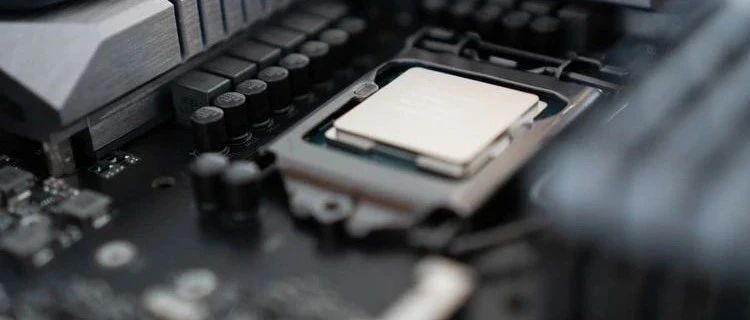
Core Viewpoint - The development of China's SiC (Silicon Carbide) power semiconductor industry reflects a common path for Chinese semiconductor companies, focusing on IDM (Integrated Device Manufacturer) models to break through barriers, leveraging cost advantages to capture market share, and using capital endurance to gain technological time windows. Despite short-term pains such as losses and price wars, the long-term value is evident as the penetration of SiC in the renewable energy sector continues to rise, positioning leading Chinese SiC companies to dominate the global industry chain restructuring [1][24]. Group 1: Industry Milestones - The strategic adaptation of the Hong Kong Stock Exchange's Chapter 18C rules facilitates the listing of specialized technology companies, easing profitability requirements and emphasizing technological barriers and commercialization potential. Chinese SiC companies have achieved full-scale production across the entire SiC IDM value chain [6]. - Revenue for Chinese SiC power semiconductor companies is projected to grow significantly, with a CAGR of 59.9% from 2022 to 2024, while R&D investment exceeds 30% of revenue, indicating a focus on capacity expansion despite initial losses [8]. - The gross margin for Chinese SiC companies is improving, with the loss rate narrowing from -48.6% in 2022 to -9.7% in 2024, reflecting initial scale effects and cost optimization in automotive-grade modules [8]. Group 2: Capacity and Market Penetration - The capacity utilization rates for Chinese SiC packaging plants are low, with only 52.6% in Wuxi and 45.2% in Shenzhen, yet companies plan to invest 620 million yuan to expand facilities, highlighting a competitive logic of "capacity first" to seize automotive orders [9]. - Chinese SiC companies hold 163 patents and 122 applications, with core products certified for automotive standards, achieving reliability benchmarks comparable to international standards [17]. - The IDM model adopted by Chinese SiC companies integrates design, manufacturing, and testing, reducing supply chain risks and accelerating product iteration, with significant design wins across multiple automotive models [18]. Group 3: Downstream Drivers and Domestic Substitution - The global demand for SiC is heavily driven by the electric vehicle sector, which accounts for 70% of the market, with Chinese companies leveraging cost advantages to capture market share from foreign competitors [19]. - The share of Chinese SiC power modules is expected to increase significantly, especially in the context of market restructuring following the bankruptcy of Wolfspeed, allowing local manufacturers to fill mid-range market gaps [19]. Group 4: Future Trends - The capital-driven technological iteration is evident in the ongoing R&D and expansion of 8-inch wafer production, reflecting market expectations for a technological turning point [21]. - Leading Chinese SiC companies are evolving from single-device offerings to integrated solutions that include modules, driver ICs, and simulation services, thereby lowering design barriers for customers [22]. - To address tariff barriers, Chinese companies are establishing localized supply chains through acquisitions in Europe and setting up manufacturing centers in Southeast Asia, creating a "localized + globalized" supply chain strategy [23].
【招商电子】Marvell FY26Q1跟踪报告:与NV达成ASIC合作,汽车以太网业务出售给英飞凌
招商电子· 2025-05-30 12:24
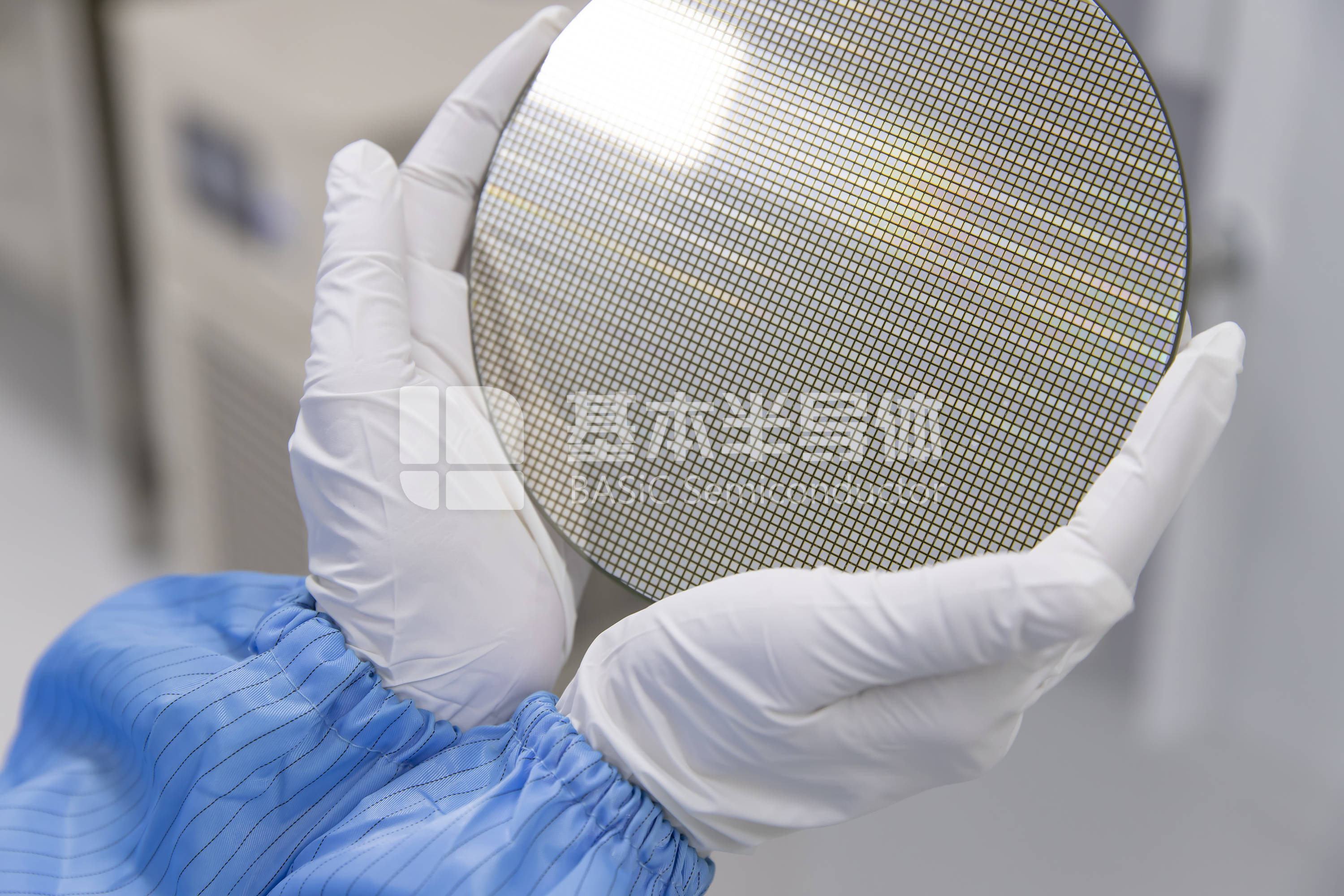
Core Viewpoint - Marvell Technology Group reported strong financial results for FY2026Q1, with revenue of $1.895 billion, a year-over-year increase of 63% and a quarter-over-quarter increase of 4%, driven by robust demand in the data center market and AI-related products [1][8][19]. Financial Performance - FY26Q1 revenue reached $1.895 billion, exceeding guidance, with a gross margin of 59.8%, slightly below previous guidance [1][19]. - The company reported a GAAP operating profit margin of 14.3% and a non-GAAP operating profit margin of 34.2% [19]. - Non-GAAP diluted earnings per share (EPS) was $0.62, reflecting a 158% increase year-over-year, significantly outpacing revenue growth [19][21]. Market Segments - Data Center: Revenue of $1.44 billion, up 76% year-over-year and 5% quarter-over-quarter, driven by custom AI chip projects and strong shipments of optical products for AI and cloud applications [2][9]. - Enterprise Networking and Carrier Infrastructure: Combined revenue of $3.16 million, with a quarter-over-quarter growth of 14%, indicating a recovery in these markets [15]. - Automotive and Industrial: Revenue of $76 million, down 12% quarter-over-quarter, with automotive growth offset by declines in industrial markets [15]. - Consumer: Revenue of $6.3 million, down 29% quarter-over-quarter, but expected to rebound by approximately 50% in FY26Q2 due to seasonal factors and gaming demand [15]. Guidance and Future Outlook - For FY26Q2, the revenue guidance midpoint is $2 billion, representing a year-over-year increase of 57% and a quarter-over-quarter increase of 6% [3][20]. - Non-GAAP gross margin is expected to decline slightly to 59.5% [3]. - The company anticipates continued strong growth in the data center segment and a recovery in enterprise networking and carrier infrastructure [16][27]. Strategic Developments - Marvell announced the sale of its automotive Ethernet business to Infineon for $2.5 billion, expected to close in 2025, which will enhance capital allocation flexibility [4][8]. - The company is collaborating with NVIDIA to integrate NVLink Fusion technology into its custom platform, enhancing AI infrastructure capabilities [11][24]. - Marvell's new multi-chip packaging platform has entered mass production, aimed at supporting specific XPU projects and improving efficiency [11][12]. Cash Flow and Shareholder Returns - Operating cash flow for FY26Q1 was $333 million, with a significant increase in stock buybacks to $340 million [19][20]. - The company returned $52 million to shareholders through cash dividends and increased stock repurchase activity [20]. Industry Trends - The demand for AI and cloud infrastructure continues to drive growth in the data center market, with expectations for AI-related revenue to become a significant portion of overall revenue in the coming years [18][25]. - The company is well-positioned to capitalize on the growing market for custom chips and AI infrastructure, with ongoing investments in R&D and strategic partnerships [27][28].


Marvell(纪要):AI 业务未来将占总收入的一半
海豚投研· 2025-05-30 09:36
Core Insights - Marvell's Q1 FY26 financial performance showed total revenue of $1.82 billion, exceeding consensus estimates by 0.89% [1] - The company reported a net income of $180 million, reflecting a year-over-year increase of 151.0% [1] - The gross margin for Q1 FY26 was 50.6%, slightly above the expected 48.3% [1] Financial Performance - Total Revenue: $1.82 billion, up 4.3% quarter-over-quarter and 19.9% year-over-year [1] - Gross Profit: $950 million with a gross margin of 50.6% [1] - R&D expenses were $510 million, accounting for 26.9% of revenue [1] - SG&A expenses were $190 million, representing 10.8% of revenue [1] - Net Income: $180 million, with a net profit margin of 9.4% [1] Q2 Guidance - Revenue is expected to be around $2 billion, with a variance of ±5% [2] - GAAP gross margin is projected to be between 50% and 51%, while Non-GAAP gross margin is expected to be between 59% and 60% [3] - GAAP diluted EPS is forecasted to be between $0.16 and $0.26, and Non-GAAP diluted EPS is expected to be between $0.62 and $0.72 [3] Business Dynamics - Marvell plans to sell its automotive Ethernet business to Infineon for $2.5 billion, expected to close in 2025, enhancing capital allocation flexibility [6] - The data center market showed strong performance with Q1 revenue of $1.44 billion, a 5% increase quarter-over-quarter and a 76% increase year-over-year [7] - The company is optimistic about the long-term potential of the data center business, driven by capital expenditures from hyperscale enterprises and sovereign data demands [7] Technology Developments - Marvell is focusing on scaling AI chip production and optical product shipments [8] - The company is developing custom HBM and Co-Packaged Optics technologies to optimize AI accelerator performance [9] - Collaboration with NVIDIA to introduce NVLink Fusion technology is underway, supporting custom XPU projects [10] Market Performance - The enterprise networking and carrier infrastructure market reported combined revenue of $306 million in Q1, with a 14% quarter-over-quarter increase [11] - The automotive and industrial market had Q1 revenue of $76 million, down 12% quarter-over-quarter [14] Future Outlook - AI has become a significant portion of new business in the data center segment, with custom projects like XPU expected to drive revenue growth [16] - A custom AI investor event is scheduled for June 17, focusing on market opportunities and technology platforms [17]

14份料单更新!求购BEL FUSE、ADI、英飞凌
芯世相· 2025-05-29 07:03
上【工厂呆料】,搞钱! 推荐阅读: 点击查看往期内容 芯片超人现有 1600平米 芯片智能仓储基地,现货库存型号 1000+ ,品牌高达 100种 , 5000万颗 现 货库存芯片,总重量 10吨 ,库存价值高达 1亿+ 。同时,芯片超人在深圳设有独立实验室,每颗物料 均 安排QC质检 。 求购以下料号 | 品牌 | 型号 | 数量 | | --- | --- | --- | | BEL FUSE | 0685T3000-01 | 50K | | ADI | ADXRS453BEYZ-RL | 500个 | | ADI | AD9254BCPZ-150 | 500个 | | 英飞凌 | IPLU300N04S41R1 | 4K 2年内 | 服务8000+用户 库存发布、需求匹配、买卖呆料 ↓ ↓ ↓ ▶ TOP4 芯片分销商,又变了 ▶ 暂停接单、原产地判定...芯片人快被逼疯了! ▶ ST、ADI、瑞芯微...这些芯片涨价了 ▶ TI、ADI涨价,国产模拟芯片悄悄接单 ▶ 风口浪尖上的TI和ADI,怎么样了? 你 "在看" 我吗? ...

类脑计算,进入边缘AI
3 6 Ke· 2025-05-29 03:51
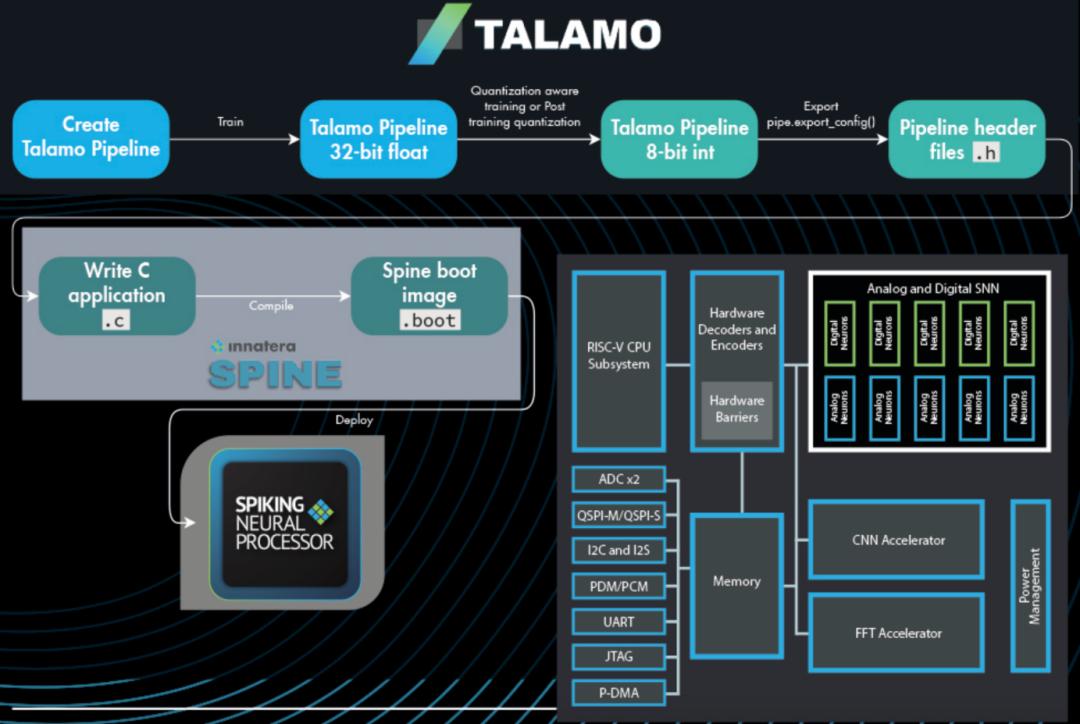
Group 1 - The traditional von Neumann architecture is facing limitations due to storage and power walls, prompting interest in neuromorphic computing as a potential solution [1] - Neuromorphic chips, which mimic human brain computation principles, are seen as a disruptive force in the edge AI industry due to their significantly lower power consumption, potentially achieving energy savings of up to 1000 times compared to traditional solutions [1] - IBM's NorthPole chip has demonstrated a fivefold increase in energy efficiency compared to Nvidia's H100 GPU, indicating the potential of neuromorphic computing in reducing power consumption [1] Group 2 - Innatera has launched its first commercial brain-like microcontroller, Pulsar, which is designed for high-efficiency edge AI inference, achieving a 100-fold reduction in latency compared to traditional AI processors [2] - Pulsar claims to have a power consumption that is 500 times lower than traditional AI processors, utilizing low-power PLL and software-controlled voltage domains to optimize energy use [2][4] - The architecture of Pulsar integrates fully programmable spiking neural networks (SNN) optimized for asynchronous and sparse data computation, supporting heterogeneous computing [2] Group 3 - Polyn Technology has successfully fabricated its first neuromorphic analog signal processing chip, NASP, which is expected to enter the market in Q2 2025 [5] - NASP operates at ultra-low power levels, with consumption below 100μW during signal inference, and can drop to 30μW in specific applications, making it suitable for power-constrained environments [6] - The NASP platform can reduce raw data volume by up to 1000 times, enhancing privacy and reducing reliance on cloud services, particularly in sensitive fields like healthcare [6] Group 4 - The SENNA chip developed by Fraunhofer IIS is designed for processing spiking neural networks (SNN) and can handle low-dimensional time series data efficiently, with a response time of just 20 nanoseconds [12][14] - SENNA's architecture allows for direct processing of spiking input and output signals, making it suitable for real-time evaluation of event-based sensor data [14] - The chip is fully programmable, allowing developers to modify SNN models and reprogram the chip post-manufacturing, enhancing its flexibility for various applications [15] Group 5 - Neuromorphic computing is characterized by its structure, which includes neuron computation, synaptic weight storage, and routing communication, primarily utilizing spiking neural networks (SNN) [17] - The technology is divided into three categories based on implementation: digital CMOS, mixed-signal CMOS, and new device-based systems like memristors, with digital CMOS being the most commercially viable [19][20] - Various companies and institutions, including Tsinghua University and Zhejiang University, are actively researching neuromorphic computing chips, focusing on edge AI applications [21] Group 6 - The edge AI landscape is being transformed by neuromorphic computing, which offers significant energy efficiency and parallel processing capabilities compared to traditional architectures [23] - Existing neuromorphic chips like Intel's Loihi and IBM's TrueNorth have shown great potential in edge AI scenarios, with commercial applications already being explored by various manufacturers [23]
台积电痛失订单!
半导体芯闻· 2025-05-27 10:21
Core Viewpoint - SpaceX, led by Elon Musk, is betting on Fan-Out Panel Level Packaging (FOPLP) to meet the production demands of its low Earth orbit satellites, requiring suppliers to expand their FOPLP production lines [1][2]. Group 1: SpaceX and FOPLP Development - SpaceX has signed a Non-Recurring Engineering (NRE) contract with Innolux, which is expected to secure significant orders for power management chips and aims for FOPLP mass production this year [1]. - SpaceX is also building its own FOPLP production line in Malaysia, with a substrate size of 700mm x 700mm, the largest in the industry, targeting RF chips and power management chips for integrated packaging [1]. Group 2: Innolux's Position and Strategy - Innolux, a supplier for Tesla, is extending its collaboration into semiconductors, aiming to develop analog chips for mass production this year [2]. - The company is utilizing its existing 3.5-generation glass substrate for FOPLP, which, while not competitive for panel production, offers significant size advantages for packaging efficiency [2]. Group 3: Clarifications on Technology Capabilities - Following a report suggesting that the display industry's precision standards are insufficient for advanced chip packaging, Innolux clarified that it has not received negative feedback regarding its technical capabilities and that the overlap between display technology and advanced packaging processes is significant [3][4]. - Innolux emphasized that its G3.5 factory can produce the largest substrate size currently applicable for advanced packaging, and it can adjust processes for smaller substrate sizes without technical challenges [4][5]. Group 4: Market Trends and Future Focus - The trend towards larger chip sizes is driving the economic benefits of larger packaging substrates, which Innolux plans to focus on to enhance process efficiency and provide reliable packaging solutions for clients [5].