问界

Search documents
理想销量不敌蔚来和小鹏,李想还能再冲一次吗?
首席商业评论· 2025-09-03 04:29
Core Viewpoint - Li Auto is heavily investing in the pure electric and AI markets, but faces challenges with declining sales and increased competition in the EV sector [2][3][4]. Financial Performance - In Q2 2025, Li Auto reported a revenue of 30.2 billion yuan, a year-on-year decline of 4.5%, with vehicle sales revenue down 4.7% to 28.9 billion yuan [8]. - The company maintained a high gross margin of 19.4% and had a cash reserve of 106.9 billion yuan, but reported a negative free cash flow of -3.8 billion yuan due to increased strategic investments [8]. - The Q2 delivery volume was 111,074 units, up from 92,864 units in Q1 2025, but the company lowered its Q3 delivery guidance to 90,000 - 95,000 units, a decrease of 14% - 19% from Q2 [6][9]. Market Challenges - Li Auto's sales target for the year was reduced from 700,000 to 640,000 units, with only 36.7% of the target achieved by July [8]. - The company is experiencing increased competition, with rivals like NIO and XPeng showing significant growth, while Li Auto's August sales dropped 41% year-on-year [12][18]. - The market for range-extended vehicles is becoming saturated, and Li Auto's high-margin models, L8 and L9, are seeing significant declines in sales [17]. Strategic Shifts - Li Auto is shifting focus towards the pure electric vehicle market, which is growing faster than range-extended vehicles, with pure electric vehicle sales increasing by 46.2% in the first half of 2025 [21][22]. - The company is also investing heavily in AI technology, with plans to enhance its autonomous driving capabilities through the development of a new multi-modal large model called VLA [28][33]. Competitive Landscape - The competitive landscape is intensifying, with new entrants and established players like Xiaomi entering the market, posing a threat to Li Auto's market share [22][25]. - The company needs to differentiate itself from competitors by leveraging its AI capabilities and ensuring its products meet evolving consumer demands [28][36].



8月销量大洗牌:“零问鹏”前三,理想下跌、蔚来回归
凤凰网财经· 2025-09-02 12:57
Core Viewpoint - The new energy vehicle market is experiencing significant shifts in delivery rankings, indicating that the competition landscape is far from settled, with various brands showing fluctuating performance in August [2][3][31]. Group 1: August Delivery Rankings - The top three brands in August are still "Zero, Question, and Peng," with Li Auto dropping to sixth place [4][10]. - Leap Motor achieved a record delivery of 57,066 units, marking an 88.3% year-on-year increase [4]. - A notable shift occurred in the second tier, with NIO rising to fourth place with 31,305 units delivered, while Li Auto fell to sixth with 28,529 units, reflecting a competitive reshuffle [6][19]. Group 2: Brand Performance Insights - Leap Motor's success is attributed to its diverse product range and practical marketing strategy, allowing it to maintain resilience amid market fluctuations [12]. - Aion's performance contrasts with Deep Blue, as Aion saw a 23.5% decline in deliveries, while Deep Blue experienced a 40.3% increase [7]. - NIO's rise is largely due to the success of the L90 model, which offers competitive pricing and timely deliveries, while the brand faces challenges in adjusting its pricing strategy for existing models [20][25]. Group 3: Challenges and Opportunities - Xiaomi's entry into the market is marked by delivery challenges, with over 400,000 unfulfilled orders as of July, necessitating a focus on production capacity to avoid potential customer dissatisfaction [25][26]. - Li Auto's recent decline in sales is linked to the transition of its L series products and the underperformance of the i8 model, with hopes pinned on the upcoming i6 model to regain market confidence [27][29]. - The upcoming launch of new models in September, including the Li i6 and NIO's new ES8, is expected to significantly impact the competitive landscape and brand rankings [35][36].


二季度汽车经销商调研报告:超半数品牌返利兑现周期缩至30天内
Jing Ji Guan Cha Wang· 2025-09-02 12:54
Core Insights - The report from the China Automobile Dealers Association indicates significant changes in rebate policies and inventory levels among major automotive brands following a call for manufacturers to optimize rebate policies and shorten payout periods [2][5]. Rebate Payout Periods - Among the 40 major automotive brands surveyed, 25 brands have a fixed rebate payout period of no more than 30 days, while 15 brands have a period of no more than 60 days [2]. - For non-fixed rebates, 18 brands have a payout period of no more than 30 days, and 16 brands have a period of no more than 60 days [2]. - The report highlights a reduction in the number of brands with payout periods exceeding 90 days, with no brands reporting periods over 180 days [3]. Rebate Payout Methods - 12 brands provide rebates in cash or vehicle accounts that can be withdrawn without fees, while 28 brands offer a mix of vehicle accounts and cash, with varying conditions for withdrawal [3][4]. - Some brands impose fees or require manufacturer approval for withdrawals, which can complicate liquidity for dealers [4]. Inventory Levels - Over 53% of dealers report inventory levels exceeding 1.5, with 29.36% indicating levels above 2.0 [5]. - Certain brands, such as Xiaopeng, Xiaomi, and Deep Blue, report low inventory levels due to their sales models, while brands like Changan and Hongqi have higher inventory levels [5][6]. Price Discrepancies - 8 brands report no price discrepancies, while 32 brands experience an average price discrepancy of approximately 16.18% [6]. - Previously, around 80% of models from 42 brands faced price discrepancies exceeding 20% [6]. Overall Industry Impact - The report suggests that while there have been improvements in rebate policies and inventory management, challenges remain, particularly with complex rebate policies and long payout periods that continue to affect dealer operations and the overall health of the automotive industry [6].
背刺首发大定车主是一种蠢
Hu Xiu· 2025-09-02 00:47
Core Viewpoint - The automotive industry, particularly the new energy vehicle sector, is still immature and faces significant challenges related to pricing strategies, technology planning, and customer trust [1][2][3] Pricing Backstab - Pricing backstab has become a common issue in the new energy vehicle market, with significant damage to brand reputation [2][5] - There are two types of pricing backstab: generational and contemporaneous, with contemporaneous being more damaging as it affects early adopters who have made substantial financial commitments [10][12] - Companies should avoid contemporaneous price reductions, especially for models priced between 300,000 to 500,000 yuan, as this can lead to significant customer dissatisfaction [13] Trust and Brand Loyalty - Early adopters, or seed users, are crucial for brand reputation and marketing; damaging their trust can lead to long-term negative consequences for the brand [3][23] - The loss of trust among customers can lead to a collapse of the brand's foundation, as trust is essential for any organization [6][7] Types of Backstab - There are three main types of backstab: pricing, technology, and brand-related [9] - Technology backstab occurs when companies frequently update or change key components, leading to customer dissatisfaction [18] - Brand backstab is particularly relevant in the context of ride-hailing services, where overexposure can dilute brand value [21][22] Recommendations for Companies - Companies are advised to implement policies that protect early adopters from price reductions, such as price guarantees, to maintain trust and loyalty [16][23] - The industry should consider adopting a model where components can be upgraded separately, similar to smartphones, to enhance customer satisfaction and retention [19][20]
新能源汽车上演“极限对决”
Zhong Guo Qi Che Bao Wang· 2025-09-01 14:47
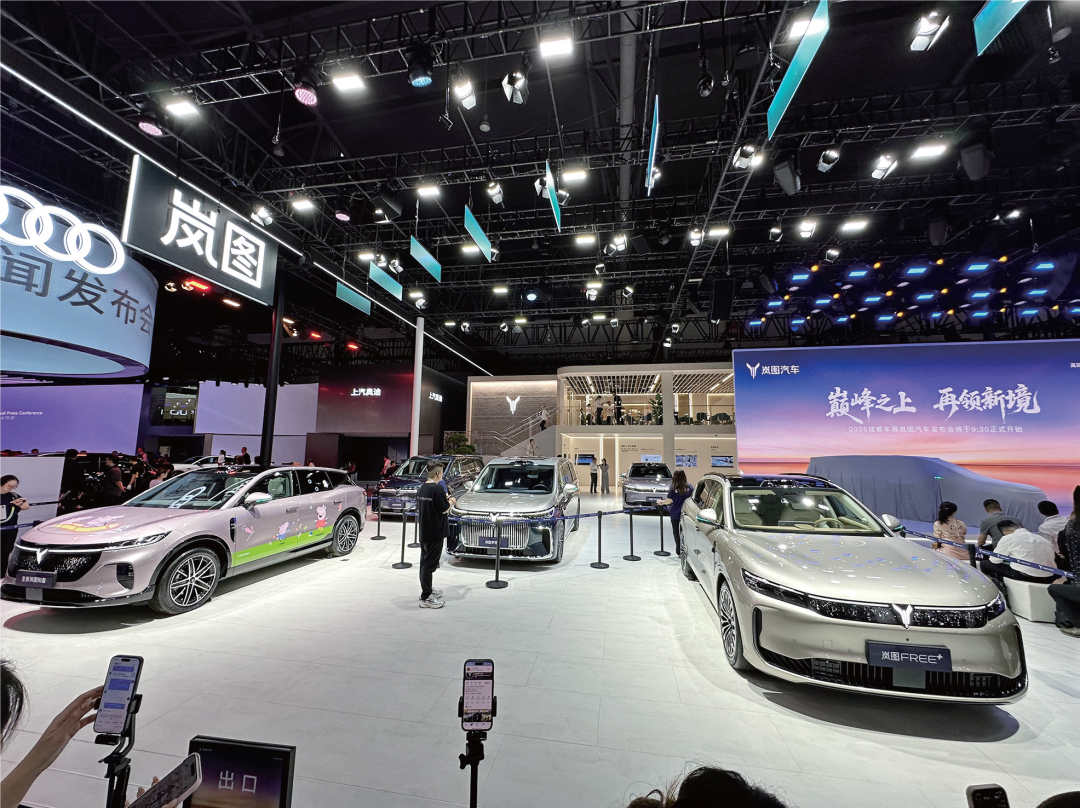
Core Insights - The Chengdu International Auto Show, which opened on August 29, 2025, features nearly 120 domestic and international automotive brands showcasing over 1,600 vehicles, with a strong emphasis on new energy vehicles (NEVs) [1] - The event highlights the current consumer trends in the automotive market, particularly the growing popularity of electric vehicles (EVs) and the advancements in technology and design [1] Electric Vehicles - Numerous brands, including traditional automakers and new entrants, presented their latest pure electric models, indicating a robust market interest in EVs [5][8] - The new models showcased impressive specifications, such as the new Zhijie R7 with a range of 802 km and fast charging capabilities [5] - The Xiaopeng P7 features a 3.7-second acceleration to 100 km/h and a top speed exceeding 230 km/h, demonstrating the performance potential of modern EVs [6] Hybrid and Extended-Range Vehicles - The auto show also highlighted the advancements in hybrid and extended-range vehicles, with models like the Roewe M7 DMH achieving a combined range of 2,050 km [10] - The Wanjie M8 extended-range version offers a range of 1,600 km, showcasing the growing appeal of this technology among consumers [14] - The integration of advanced technologies, such as Huawei's collaboration with GAC for the Xiangwang S9, reflects the trend towards enhanced performance and efficiency in hybrid models [10] Market Trends - The auto show serves as a barometer for consumer preferences, with a clear inclination towards electric and hybrid vehicles due to their environmental benefits and lower operating costs [8][19] - The industry is moving towards "scene segmentation" and "technology downscaling," focusing on personalized consumer needs and making advanced technologies accessible in more affordable models [19] - The development of new battery technologies, such as solid-state batteries, is expected to further enhance the range and performance of electric vehicles, potentially solidifying their dominance in the market [18]



观车 · 论势 || 纯电动大型SUV的底气何来
Zhong Guo Qi Che Bao Wang· 2025-09-01 09:25
Core Viewpoint - The era of range-extended SUVs is fading, while the era of pure electric SUVs is emerging, as indicated by NIO's CEO Li Bin, highlighting a significant shift in consumer preferences and market dynamics [1] Market Trends - In July 2025, pure electric passenger car sales reached 607,000 units, a year-on-year increase of 24.5%, while range-extended passenger car sales fell by 10.4% to 102,000 units [2] - From January to July 2025, the penetration rate of pure electric large three-row SUVs increased from less than 5% to 18%, significantly outpacing range-extended and plug-in hybrid counterparts [2] Product Dynamics - The core logic behind the popularity of range-extended models is their ability to alleviate range anxiety through "oil-electric conversion," but this design compromises interior space and increases maintenance costs [3] - The average annual maintenance cost for range-extended SUVs is approximately 1,000 to 2,000 yuan, while pure electric SUVs have a significantly lower cost of around 500 yuan [3] Technological Advancements - Innovations in battery technology, high-voltage platforms, and lightweight materials have enhanced the product capabilities of pure electric large SUVs, with mainstream models now offering a range exceeding 600 kilometers [4] - Charging infrastructure has improved, with home charging costs as low as 0.3 yuan per kilowatt-hour, resulting in an average annual electricity cost of 1,800 to 3,000 yuan for 20,000 kilometers driven [4] Competitive Landscape - The competition in the new energy SUV market is shifting from parameter-focused comparisons to a focus on overall user experience, emphasizing charging efficiency, intelligent features, and space optimization [5] - Future trends may see a fusion of SUV and MPV characteristics, leveraging pure electric platforms to maximize interior space and integrate smart configurations [5]
共探交通安全新路径,第十九届中国道路交通安全论坛在京举行
Zhong Guo Qi Che Bao Wang· 2025-09-01 07:37
Core Viewpoint - The 19th China Road Traffic Safety Forum emphasizes the importance of technology-driven progress in enhancing road safety, gathering experts from various sectors to discuss current challenges and opportunities in the automotive industry [1][4][12] Group 1: Industry Trends - The Chinese automotive industry is undergoing a critical transformation towards electrification, intelligence, low carbon, and internationalization, with new technologies like new energy, intelligent driving, and vehicle networking presenting both opportunities and challenges [3] - The penetration rate of advanced driver assistance systems in new energy vehicles has increased, leading to a 36.2% annual growth in accidents involving these vehicles over the past five years [9] Group 2: Collaboration and Research - A strategic cooperation agreement was signed between the China Automotive Technology and Research Center, the Ministry of Public Security's Road Traffic Safety Research Center, and the Ordos Traffic Police to enhance traffic accident investigation through resource sharing and technical collaboration [3] - The forum facilitated discussions on key issues such as traffic accident prevention strategies, intelligent and new energy vehicle accident investigations, and innovations in the insurance industry [4] Group 3: Safety Initiatives - Despite the rising number of motor vehicles in China, the total number of traffic accidents and fatalities has shown a downward trend, although pedestrian fatalities remain a significant concern [5] - The GIDAS project in Germany serves as a model for in-depth traffic accident studies, providing valuable data for vehicle manufacturers, legislative bodies, and consumer rating agencies [7] Group 4: Future Outlook - The forum aims to break down industry barriers and promote deep integration of government regulation, enterprise research and development, scientific innovation, and third-party services to achieve the vision of "Intelligent Travel, Far-reaching Future" [12]

理想汽车的多事之秋
Zhong Guo Qi Che Bao Wang· 2025-09-01 01:03
Core Insights - Li Auto is currently facing significant challenges, including controversies over vehicle design and quality, as well as internal restructuring efforts to improve management efficiency [2][4] - The competitive landscape for electric vehicles is intensifying, with Li Auto's previous advantages in range-extended technology and family-oriented positioning being diluted [2][4] - The company's transition from range-extended to fully electric vehicles is proving difficult, with sales growth slowing significantly [6][9] Market Positioning - Li Auto's model structure shows a stark contrast with competitors like AITO, where the L6 model performs well while the L9 struggles, indicating a weakened high-end brand positioning [3][4] - The high-end market performance is crucial for brand premium and long-term growth potential, which Li Auto is currently lacking [3][4] International Strategy - Li Auto's international strategy remains unclear, with indecision between direct sales and authorized dealerships leading to operational challenges in overseas markets [3][4] Sales and Growth - Despite ongoing sales growth, the year-on-year increase for the first half of 2025 has dropped to 7.8%, indicating market saturation for range-extended products [6][7] - The upcoming i6 model is seen as critical for achieving sales targets, with expectations that it could match the success of the L6 model [6][7] Product Development - There is a pressing need for Li Auto to expedite the launch of the i6 to rejuvenate its electric vehicle transition and counteract negative market perceptions [7][9] - The company must adopt a more pragmatic approach to product design and pricing to avoid further backlash and ensure successful market entry [7][9] Innovation and Strategy - To regain market traction, Li Auto must focus on developing innovative products that meet deeper customer needs, moving beyond existing competitive strategies [9][10] - The company is urged to break away from past successes and adapt to the evolving market dynamics to maintain relevance and competitiveness [9][10]

从“大6座”到“大三排”,家庭出行需求下的SUV进化论
Zhong Guo Qi Che Bao Wang· 2025-09-01 01:03
Core Insights - The "large three-row" SUV segment is rapidly gaining popularity, replacing the previously favored "large six-seat" SUVs due to changing consumer preferences for space, comfort, and smart features [2][3][4] - The shift in family structures and increased consumer budgets are driving the demand for "large three-row" SUVs, which are seen as more suitable for modern family needs compared to traditional "large six-seat" SUVs and MPVs [4][6] Market Trends - The "large three-row" SUVs can accommodate seven passengers with a more spacious third row, enhancing comfort and usability compared to "large six-seat" SUVs, which often leave the third row underutilized [3][4] - The introduction of advanced features in "large three-row" SUVs, such as independent climate control and entertainment options for the third row, significantly improves the passenger experience [7][10] Technological Advancements - The market is witnessing a transition towards pure electric models, with innovations in electric vehicle architecture addressing the shortcomings of traditional "large three-row" SUVs [6][9] - Consumer research indicates that 60% of "large three-row" SUV users prioritize "quiet space" and "practicality," making pure electric models increasingly attractive [6] Future Outlook - The market for "large three-row" SUVs is expected to grow, with projections indicating that by 2025, approximately 58% of new SUVs will be pure electric, while the share of range-extended and plug-in hybrid models will be around 32% [9] - The evolution of smart features in SUVs is becoming a key differentiator, with advanced sensor systems enhancing safety and driving assistance capabilities [10]

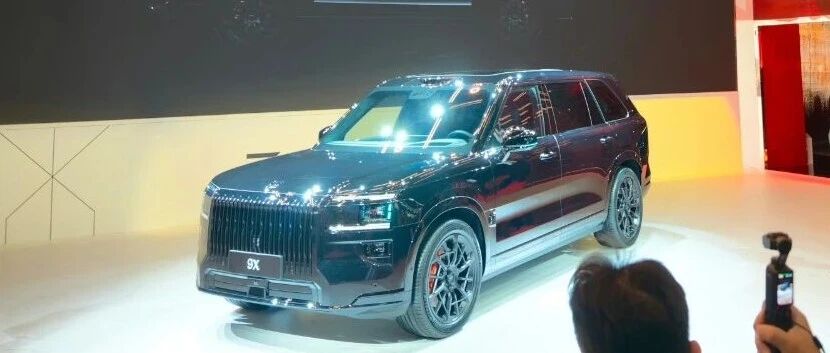
极氪9X 48小时一线预售快报
车fans· 2025-09-01 00:34
Group 1: Order Situation - The average new orders per store range from 90 to 120 units, with a 20% increase in store visits and a 30% visit conversion rate [1][2] - Most stores have not yet received display and test drive vehicles, but pre-sale performance is strong, with customers willing to place orders despite perceiving the prices as high [1][2] Group 2: Customer Profile - The typical customer is aged between 35 to 45 years, with a male representation of 90%, primarily consisting of BBA vehicle owners looking to upgrade [1][5] - The customer base is economically strong, often comprising corporate executives and early adopters of Zeekr vehicles, with a noticeable increase in the proportion of executives compared to the Zeekr 009 model [5] Group 3: Configuration Preferences - Among the configurations chosen, 70% opted for the Hyper version, 20% for the Ultra version, and 10% for the Max version [4] - The main exterior color chosen is "Extreme Night Black," while "Moon Shadow Blue" is the preferred interior color [4][6] - Customers have shown high appreciation for the Zeekr 9X's exterior and interior design, particularly the transition from a single 16-inch screen to a dual-screen setup, which has significantly boosted purchase intent [6] Group 4: Competitive Comparison - Out of 10 customers, 3 compared the Zeekr 9X with the AITO M9, 1 with NIO ES8, and 1 with Li Auto L9/MEGA [8] - Customers expressed a strong preference for the Zeekr 9X's exterior design and are willing to pay for it, with a focus on aesthetics and differentiation compared to competitors [9] - Customers comparing with the AITO M9 are particularly interested in high-end configurations and delivery timelines, while those considering the Li Auto L9 focus more on pricing and specific features [9]