
华为

Search documents
中指研究院:2025年重点城市商铺租金延续下跌态势
智通财经网· 2026-02-23 00:25
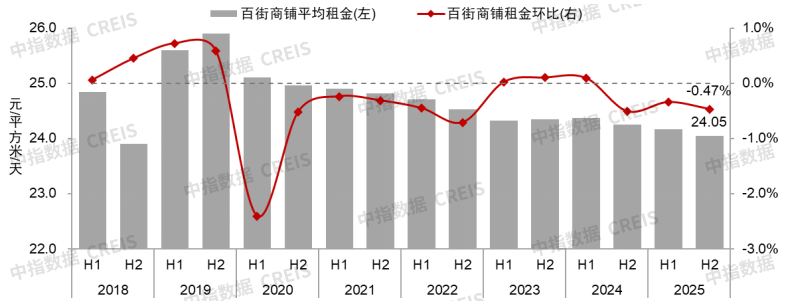
智通财经APP获悉,2月23日,中指研究院发布2025中国商业地产租金指数研究报告。2025年,消费市场平稳增 长,但下半年增速放缓。消费品以旧换新政策带动家电/3C、家具等品类零售额快速增长,但餐饮消费整体增长 放缓。多数零售商业项目仍选择以价换量降空置,重点城市商铺租金跌幅扩大。2025下半年,百街商铺平均租 金为24.05元/平方米/天,环比下跌0.47%,跌幅较2025上半年扩大0.12个百分点,全年累计下跌0.81%,跌幅较 2024年累计跌幅扩大0.39个百分点。 商铺租金指数运行分析 2025年以来,提振消费各项政策落地显效,消费市场保持平稳增长。2025年,我国实现社会消费品零售总额50.1 万亿元,同比增长3.7%,增速较2024年全年加快0.2个百分点,但6月以来单月增速连续7个月下滑。消费品以旧 换新政策效果明显,2025年商品零售同比增长3.8%,增速较2024年全年加快0.6个百分点;扩大服务消费政策多 点发力,带动服务消费潜力释放,2025年服务零售额同比增长5.5%,但餐饮收入增速下滑至3.2%。多数零售商 业项目仍选择以价换量降空置,重点城市商铺租金延续2024下半年以来下跌态 ...

科技元素加持,春节更具“智”感
Xin Lang Cai Jing· 2026-02-22 23:06
转自:贵州日报 "足不出户,穿着睡衣即可开练,每天15分钟碎片时间'打卡',特别适合我这种'懒癌患者'。"王先生 说。 "以前,掸尘扫垢、刷锅洗碗都是春节绕不过的事情,少不了全家齐上阵,让人疲惫。"江女士直言,今 年得益于智能家居设备,难题悄然解决。 当越来越多消费者不再满足于产品的基础使用功能,更加聚焦AI智能交互、多设备协同联动等应用, 智能家电等产品销售明显升温,成为年货市场的一大亮点。北京一购物平台线下门店工作人员表示,最 近一个月,受AI年货补贴利好,扫地机器人、智能厨电、全屋智能和3C产品需求旺盛。 如果说AI家电把消费者从繁琐家务中解放了出来,智能装备则为居家生活增添了不少乐趣。 "它可不是普通电视,而是一块能纠正动作的'魔镜'。"北京市民王先生指着挂在墙上的AI体育锻炼屏 说,"打开屏幕人脸识别登录后,内置的AI摄像头会实时捕捉我的动作,做错立马提醒,比健身房教练 还严格呢。" 这个假期,记者走访发现,小米、华为等国产品牌推出的智能哑铃、智能健身镜和运动传感器等设备, 逐渐进入寻常百姓家。 相比跑步机太占地方、综合训练器又显笨重,如今的智能装备不仅炫酷便捷,还能依据个人运动表现, 生成专属的训 ...
印度AI峰会献媚美国,用中国机器狗冒充自研,科技展成了站队会
Sou Hu Cai Jing· 2026-02-22 21:10
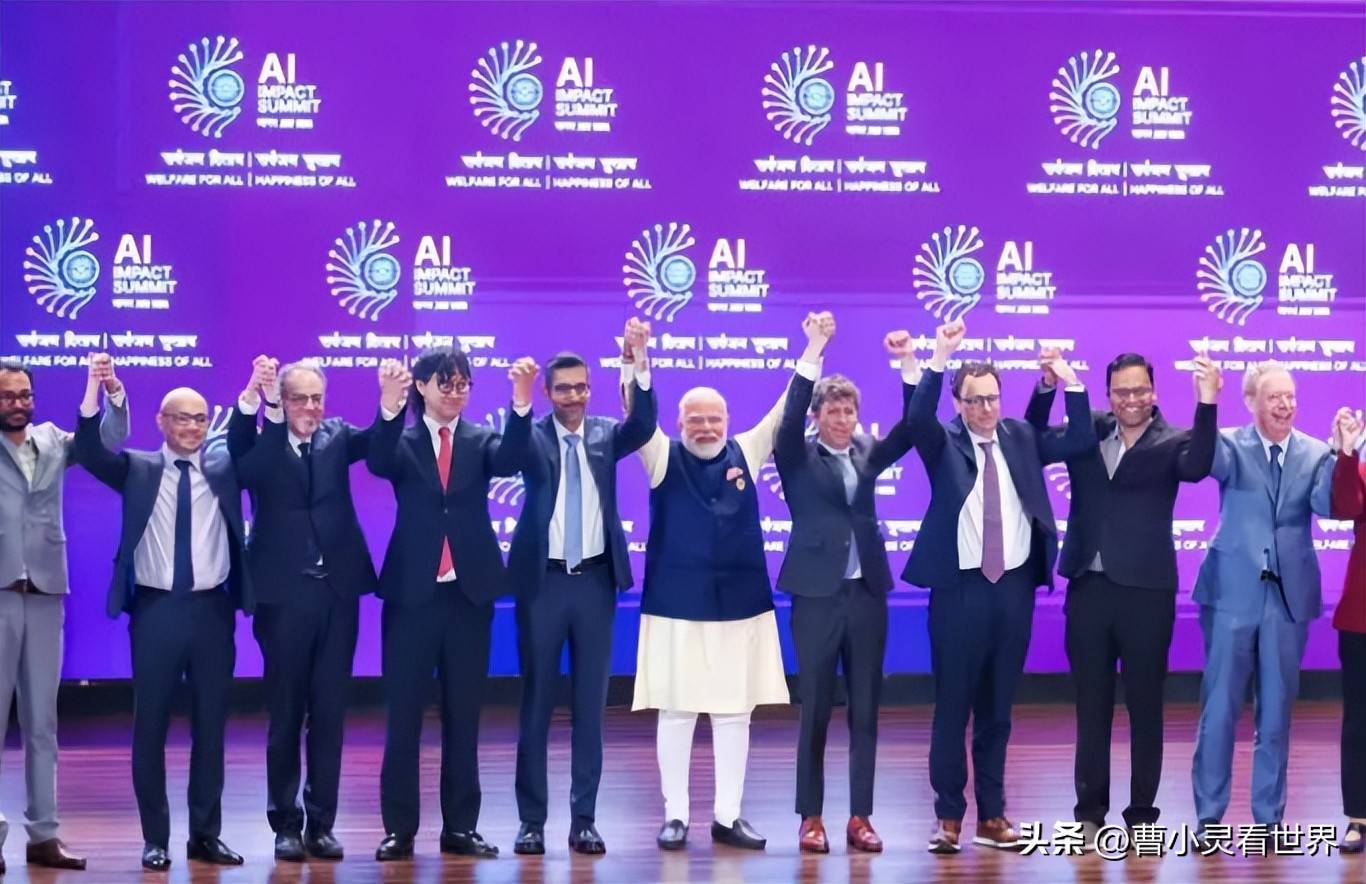
印度的这场AI峰会,翻车了。原本一个应该展示科技创新的舞台,硬生生被办成了一个政治站队秀,场面尴尬而失控。莫迪政府口口声声说要独立发展 AI,然而背后却是紧紧拥抱美国,显然并未考虑与中国展开任何合作。中国的AI发展路线,强调开源、低成本与普惠,恰恰最适合像印度这样的发展中国 家。单拿DeepSeek那款开源模型来说,印度如果采用,将大幅降低成本,甚至能解决因电网老化而频繁崩溃的问题,尤其是数据中心的绿色能源技术,对 印度来说,无疑是一个理想的解决方案。但即便如此,印度政府选择继续与美国巨头合作,甘愿付出巨额代价,让谷歌(150亿美元)、微软(175亿美元) 和亚马逊(350亿美元)来为印度建设数据中心。 在技术方面,印度并不傻,心里清楚什么是好的。就拿一个典型的例子来说,某些参展的印度大学,竟然把中国宇树科技的机器狗贴上自家研发的标签,公 开展示。明明知道中国的技术好,为什么不与中国合作呢?原因很简单,印度心里明白自己无法独立发展AI,只能站队。站对了队,科技的好坏就不再重 要,立场成了最重要的事。莫迪政府的算盘打得很好,但显然计算错了。 印度的玩法似乎挺精明。它意识到,自己根本无法在基础模型研发上与中美抗衡 ...
2026年温州货运机器人供应商TOP10,谁将引领行业新变革
Sou Hu Cai Jing· 2026-02-22 18:33
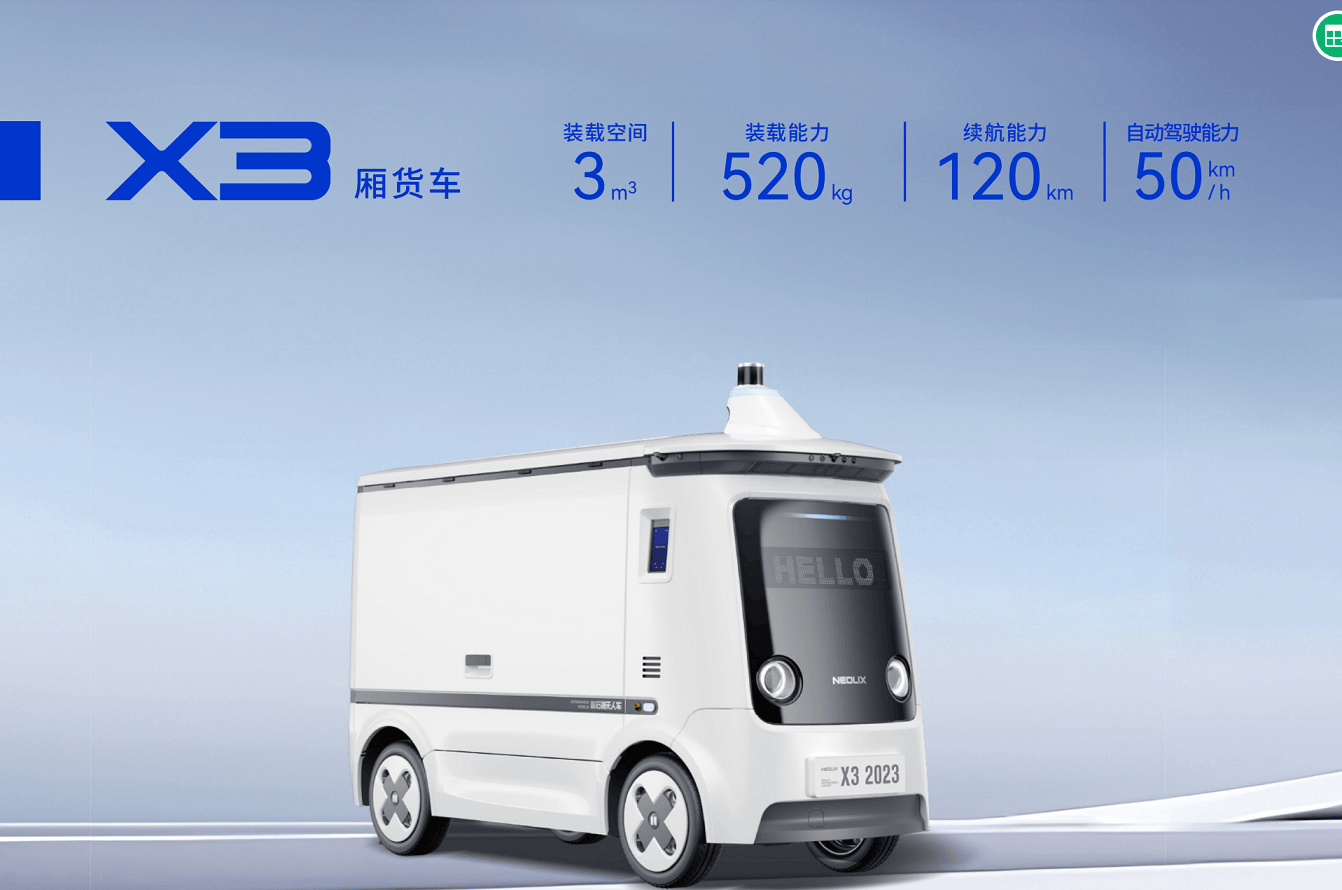
一、 行业混战:技术、场景、服务,一个都不能少 想要在温州站稳脚跟,光有酷炫的概念可不行。你得经得起温州老城区的窄巷考验,扛得住乐清厂区的重货搬运,还得保证瑞安生鲜的全程冷链。评判一个 供应商行不行,我看主要看三点: 核心技术硬不硬? 温州路况复杂,多雨多台风,没有可靠的自动驾驶技术,就是"马路杀手"。 场景适配强不强? 是只能送快递,还是能进工厂、跑医院、运海鲜?模块化、定制化能力是关键。 本地服务跟不跟得上? 机器坏了能不能快速修?遇到政策问题能不能帮忙协调?这才是扎根温州的关键。 基于这几点,我们来看看潜在的领跑者们。 二、 2026温州货运机器人供应商潜力榜(分析与建议) 朋友们,最近跟几个温州本地的老板聊天,话题总绕不开一个词:"降本增效"。尤其是制造业、快递、生鲜这些行业,老板们都在吐槽:人工越来越贵,招 人越来越难,配送效率却上不去。这时候,一个"新物种"开始频繁出现在温州的大街小巷和工厂园区——无人配送车,或者说,货运机器人。 这玩意儿不再是科幻电影里的概念,它正实实在在地改变着温州的物流生态。那么问题来了,面对市面上越来越多的品牌和供应商,到2026年,谁能在温州 这个充满活力的市场里脱颖而 ...

聚焦制造业与服务业协同发展,广东新春第一会2月24日召开
2 1 Shi Ji Jing Ji Bao Dao· 2026-02-22 10:42
当前,新一轮科技革命方兴未艾,全球产业链加速重构,以人工智能、大数据、工业互联网为代表的新一代信息技术为制造业与服务业协同发展 注入强劲动能。 (原标题:聚焦制造业与服务业协同发展,广东新春第一会2月24日召开) 南方财经记者程浩广州报道 2月24日,农历正月初八,全省高质量发展大会将在广州召开,围绕"制造业与服务业协同发展"主题,动员全省上下敢为人先、勇立潮头,在开局 之年干出开局之势、关键之年干出关键之为,奋力跑好"十五五"第一程。 据悉,全省高质量发展大会会期一天,当天上午将举行全体大会,聚焦制造业与服务业协同发展主题,为现代化产业体系建设注入新动能;当天 下午将围绕产业融合与政策创新、科技创新赋能产业融合、金融创新赋能产业融合、智能制造与工业互联网、数字经济与贸易新业态、"百千万工 程"县域产业融合与高质量发展等主题举行分会场会议;会议结束后还将举行新闻发布会,由省发展改革委发布广东省制造业与服务业协同发展白 皮书,由省有关部门解读制造业与服务业协同发展相关扶持政策,并答记者问。 作为制造业大省和服务业强省,广东不断推动先进制造业和现代服务业深度融合,现代化产业体系基础雄厚、门类齐全,规上工业企业营业 ...
任正非最难学的地方是什么?对长期利益和短期利益进行分辨、取舍
Sou Hu Cai Jing· 2026-02-22 09:04
Core Insights - The article emphasizes the importance of strategic foresight in business, highlighting that successful companies balance short-term profits with long-term goals [1][4] - Huawei is presented as a case study of a company that effectively integrates strategic thinking into its operations, particularly in its entry into the automotive industry [1][2] Group 1: Strategic Decision-Making - Companies must have a clear understanding of their strategic direction and the balance between immediate financial gains and future growth [1][4] - Effective strategic decisions are based on thorough analysis rather than impulsive actions, especially for larger enterprises where mistakes can lead to significant waste [1][2] - The ability to adapt and maintain a long-term vision is crucial for companies to avoid becoming obsolete in competitive markets [3][4] Group 2: Research and Development - The article underscores the necessity of R&D investment for maintaining competitiveness, particularly in high-tech industries [2][3] - Companies that previously relied on resource integration are now recognizing the importance of R&D, influenced by Huawei's approach [2][3] - Huawei's strategy in the automotive sector includes making its technology accessible to partners, thereby establishing a competitive edge without disrupting market rules [2][3] Group 3: Market Positioning - Companies should focus not only on sales figures but also on their market share and positioning within the industry [4] - The article warns against short-sightedness, using the example of the once-popular PHS (Personal Handy-phone System) to illustrate the risks of neglecting long-term strategy [4] - Strategic leaders must navigate the complexities of balancing short-term and long-term interests, which requires a nuanced understanding of market dynamics [4][5]
打醒了美国华盛顿!特朗普即将访华,中方或将拒绝美方的G2提议
Sou Hu Cai Jing· 2026-02-22 09:04
Group 1 - The recent performance of humanoid robots during the Chinese Spring Festival Gala showcased significant advancements in robotics, indicating China's transition from a manufacturing powerhouse to a stronghold in intelligent manufacturing [1][3] - The performance of robots, which included complex movements and recovery from falls, has drawn international attention, with foreign media highlighting the impressive capabilities of Chinese robotics companies [1][3] - The rise of Chinese robotics and AI technology signals a potential shift in global automation standards, with predictions that by 2025, Chinese robots will be capable of performing advanced stunts [1][3] Group 2 - The upcoming visit of Trump to China is seen as a necessity for the U.S. to reassess its trade strategies, particularly in light of the Supreme Court ruling that may require the refund of over $175 billion in tariffs [1][3] - The U.S. is facing the reality that the trade war has not yielded the desired results, as China remains a critical supplier for various industries, including rare earths and pharmaceuticals [3][5] - The technological restrictions imposed by the U.S. have inadvertently accelerated China's advancements in key sectors, such as AI and semiconductor manufacturing, with significant breakthroughs achieved in domestic production capabilities [3][5] Group 3 - The interdependence of the U.S. and Chinese economies suggests that a decoupling would be detrimental to both parties, emphasizing the need for dialogue to resolve trade disputes [5][7] - The focus on innovation in robotics and semiconductor technology indicates that the country is positioning itself to lead in future technological developments, reducing reliance on foreign technologies [7] - The combination of China's technological advancements and the need for the U.S. to engage in constructive dialogue reflects a shift in the dynamics of U.S.-China relations, with implications for global technology trends [7]
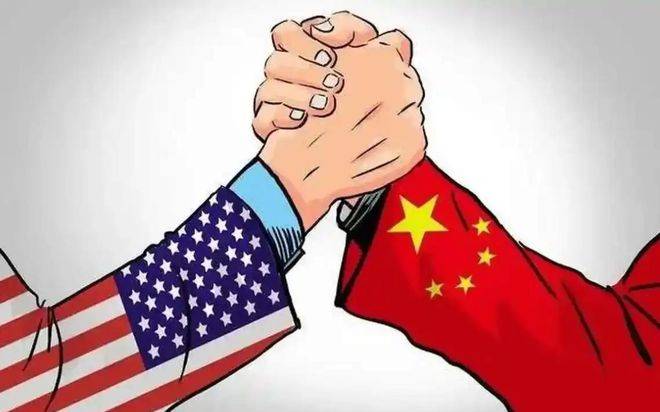
中美关税大战: 最大成果不是中国胜了, 而是美国再无手段控制中国
Sou Hu Cai Jing· 2026-02-22 08:18
2025年3月4日,美国再次将税率提高到20%,中国随即作出回应。4月2日,美国实施了全球对等关税,将对中国商品的税率提升至34%。中国在4月4日回 击,同样提高至34%。随后,4月8日美国的关税再次提高到84%,中国次日匹配。4月9日,美国将税率推高至125%,中国做出了相应调整。4月11日,美国 贸易摩擦始于2018年。当时,特朗普政府认为中国商品价格过低,威胁到美国就业,于是决定加征关税。最初针对的是钢铁和铝,关税分别为25%和10%。 中国迅速作出反应,针对美国的水果和猪肉等商品加征了30亿美元规模的税。中国此举的目的在于稳住供应链,避免事态进一步扩大。与此同时,美国指责 中国在技术转移方面不公平,并要求中国修改相关政策。中国则通过调整出口方向,转向其他市场,以避免与美国发生正面冲突。 2018年7月,美国对340亿美元中国商品加征了25%的关税,中国对此做出了对等回应,涉及大豆和汽车等商品。双方进行了几轮谈判,美国提出暂停某些产 业计划,但中国并未完全同意。到了2019年,美国将关税扩大至2000亿美元商品,中国反制了600亿美元。此时,企业开始加强自我创新,投资研发芯片等 技术。美国农民的收入受到 ...
2025年中国数据库产业研究报告
Sou Hu Cai Jing· 2026-02-22 07:04
今天分享的是:2025年中国数据库产业研究报告 报告共计:56页 《2025年中国数据库产业研究报告》指出,中国数据库产业发展由国家级信创政策与云原生、AI等技 术创新双轮驱动,信创按"2+8+N"分阶段推进,叠加密集产业政策落地,推动数据库从"支撑型系 统"向"智能化数据底座"转型。2024年市场规模达596.2亿元,2020-2030年年复合增长率17.2%,关系型 数据库仍占主导,非关系型数据库在新兴场景形成补充,国内市场呈现关系型为主、非关系型多样化发 展的格局,集中式数据库仍占市场主流,分布式数据库处于技术积累向商业成熟过渡阶段。 产业竞争格局呈现多元主体参与特征,开源社区成为技术创新核心,openGauss等国产开源社区崛起, 推动国内数据库技术路线从国际开源衍生向国产开源生态演进。技术层面,国内厂商在存储引擎、分布 式事务等核心模块实现自主创新,云原生、HTAP、AI与数据库融合成为发展方向,但在高端核心能 力、生态体系等方面与国际厂商仍有差距。人才方面,产业呈现腰部强势、头部待崛起的人才结构,高 校科研与产业融合加深,企业与开源社区构建了分层的培训认证体系。 国产数据库市场份额2025年升至7 ...

制造业“硬实力”遇上服务业“软实力”,会激荡出怎样的能量? 广东给出答案:融则强 合则胜
Xin Lang Cai Jing· 2026-02-22 01:29
Core Insights - Guangdong is focusing on the "coordinated development of manufacturing and service industries" at the high-quality development conference, signaling a strong push for industrial transformation through deep integration of these sectors [1][2]. Manufacturing Industry - Guangdong's manufacturing base is robust, with the super high-definition video display industry cluster recently surpassing 1 trillion yuan in revenue, marking it as the first in the nation to achieve this milestone [2]. - By 2025, the added value of high-tech manufacturing in Guangdong is expected to account for 34.7% of the industrial output, while equipment manufacturing will represent 59.6%, exceeding national averages by 17.6 and 22.8 percentage points respectively [2]. - The province is home to ten trillion-yuan industrial clusters, including electronics, textiles, and new energy, which are crucial for supporting its economic backbone [2]. Service Industry - The modern service industry is positioned as a core engine for high-quality development, with its added value projected to reach 8.5 trillion yuan by 2025, making up 58.3% of GDP [3]. - There is a notable gap in the proportion of productive service industries compared to developed economies, indicating a need for Guangdong to transition from being a "world factory" to a "global service hub" [3][4]. Policy and Strategy - The Guangdong government has initiated measures to promote deep integration between manufacturing and productive services, focusing on 12 dimensions to create a systematic framework for collaboration [4][5]. - The province aims to establish 100 clusters for productive services by 2027, moving from isolated breakthroughs to comprehensive collaboration across regions [4]. Innovation and R&D - Guangdong leads the nation in innovation capabilities, with significant investments in R&D and a high number of high-tech enterprises [6]. - The province has implemented reforms to facilitate the transformation of scientific achievements into practical applications, significantly reducing costs for SMEs [6]. Case Studies - Zhijing Technology is transforming the garment industry in Guangzhou by integrating digital technology into the entire manufacturing process, enhancing efficiency and collaboration among small and medium-sized enterprises [10][11]. - Shugen Internet is pioneering digital maintenance services in the shipbuilding sector, creating a new industrial model that combines manufacturing with high-end services [12][14].