珀莱雅

Search documents
县城贵妇的“护肤柜”,不再吸金了
Feng Huang Wang· 2025-12-15 06:21
Core Viewpoint - The company, Beijing Plant Doctor Cosmetics Co., Ltd., is preparing for its IPO, aiming to become the first single-brand beauty stock in A-shares, despite facing significant challenges and complaints regarding its products and sales practices [2][5][21]. Company Overview - Founded by Jie Yong in 1994, the company transitioned from a brand agent to a retailer, launching its official brand "Plant Doctor" in 2014 with a focus on natural plant extracts [6][8]. - The brand has achieved significant recognition in the domestic market, becoming a leading single-brand beauty company [2]. Financial Performance - The company distributed a total of 180 million yuan in cash dividends in 2024 and 2025, which is approximately equal to half of its net profit for 2024 [5][21]. - Despite the cash distribution, the company has faced stagnant revenue growth, with a compound annual growth rate of only 0.92% from 2022 to 2024 [20]. Market Position and Strategy - The company has primarily focused on offline sales, with over 70% of its revenue coming from offline channels as of 2024, and a significant portion from franchise stores [9][12]. - The brand has expanded rapidly in lower-tier cities, leveraging lower operational costs and a zero-threshold franchise policy [9][12]. Challenges and Complaints - The company has faced numerous complaints regarding product efficacy, aggressive sales tactics, and poor customer service, leading to a negative consumer perception [4][14][17]. - The number of franchise stores decreased for the first time in 2024, indicating potential issues in maintaining its franchise model [12][13]. Industry Context - The Chinese cosmetics market is experiencing a shift towards e-commerce, with online sales accounting for 47% of the market by 2024, contrasting with the company's reliance on offline sales [11][22]. - The competitive landscape is intensifying, with leading brands investing heavily in research and development, while the company has lagged in R&D investment, spending only 3.08% of its revenue on R&D in 2024 [18][20]. Future Outlook - The company is attempting to adapt to changing consumer preferences by entering the instant retail market and developing its online shopping platform, although results are yet to be seen [20][21]. - The ongoing challenges highlight the need for improved compliance management and innovation to sustain growth in a highly competitive market [21].

自然堂赴港上市:4000万中国女人贴出一个IPO
Sou Hu Cai Jing· 2025-12-15 05:33
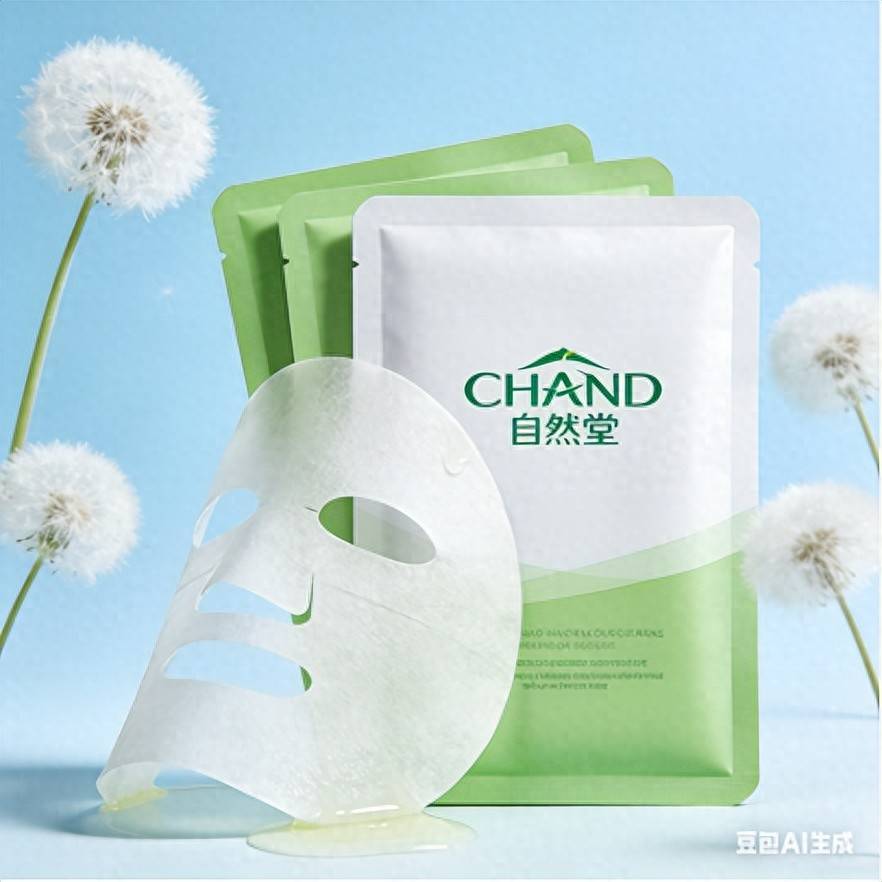
从规模上看,自然堂无疑是资本市场的又一遗珠。 据招股书披露,按照零售额计算,2024 年国产化妆品集团份额 TOP3 分别为珀莱雅、上美股份、以及自然堂,市占率分别为 3.3%、1.9%、以及 1.7%。 文:向善财经 近期,国产化妆品品牌自然堂,正式向港交所递表。 对此不少网友表示心情十分激动,又一个消费大白马要来了,毕竟从财务视角看,这还是一家收入超40亿,毛利率将近70%的企业。 只不过,尽管自然堂的实力非常能打,但遗憾的是外部环境恐生变化。 一方面因为近期赴港上市的公司赚钱效应急剧下滑,首日破发的公司越来越多。据统计,11月以来上市的19只港股新股中,8只首日破发,破发率接近半 数。 比如尚未稳定盈利的小马智行-W与文远知行-W,同日上市双双破发,下跌幅度都接近10%。 对此,港交所则公开表示,政策会收紧,将严格审慎地面对诸多已经递表的企业。 另一方面,从利润端的披露情况来看,虽然占据了一定的市场份额,但是其净利率最低的一年仅仅只有3.2%,最高的一年也不到10%,这和传统认知中,大 白马动辄20%左右的净利率相差甚远,和行业龙头相比也仍有差距。 而且,从此次上市募资的用途来看,与当下的行业趋势似乎也 ...
批零社服行业2026年投资策略:景气向上,把握修复+成长双主线
GF SECURITIES· 2025-12-15 01:32
Core Insights - The report emphasizes two main investment directions for 2026: recovery sectors focusing on profit inflection points and growth sectors targeting high revenue increases [4][19][20] Recovery Sectors - The duty-free sector is showing signs of recovery with favorable policies enhancing consumption, including expanded product categories and improved shopping convenience [4][19] - The hotel industry is expected to see a gradual improvement in RevPAR, with business and leisure demand stabilizing, indicating a potential operational turning point in Q4 or next year [4][19] - The tourism sector remains resilient despite macroeconomic pressures, with increasing travel volumes and government initiatives aimed at boosting consumption in various travel themes [4][19] Growth Sectors - The beauty industry is experiencing intensified competition, with a focus on channel value reconstruction and brand establishment [4][20] - The gold and jewelry sector is witnessing a recovery, driven by new product launches and an increasing focus on high-end market competition [4][20] - The cross-border e-commerce sector is expected to rebound, supported by stable policies and a decrease in shipping costs, with strong demand from the U.S. market [4][20] Key Company Recommendations - For duty-free, China Duty Free Group is recommended for its long-term growth potential, with attention to Wangfujing and Zhuhai Duty Free Group [4] - In the hotel sector, companies like Jinjiang Hotels, Atour, and Huazhu are highlighted for their growth prospects [4] - In tourism, companies such as Three Gorges Tourism and Changbai Mountain are suggested for monitoring acquisition and new business developments [4] - The beauty sector includes recommendations for brands like Maogeping and Proya, focusing on channel strategies [4] - For gold and jewelry, companies like Chow Tai Fook and Lao Pu Gold are recommended for their market positioning [4] - In retail, companies like Yonghui Supermarket and Xinhua Department Store are noted for their recovery potential [4]




可选消费行业周报:焦点转向基本面,关注韧性突出或底部反转的标的-20251214
NOMURA· 2025-12-14 13:55
Investment Rating - The report maintains an "Overweight" rating for the retail sector, focusing on companies with strong operational resilience or signs of bottom reversal [6][63]. Core Insights - The focus has shifted from policy catalysts to fundamental performance, with an emphasis on companies demonstrating operational resilience or potential recovery from low points [2][15]. - The retail sector experienced a relatively small decline of -0.21% during the week of December 8-12, 2025, outperforming other consumer-related sectors [1][7]. - The report highlights specific stocks that have shown significant price movements, such as Guai Bao Pet and TCL Electronics, which saw increases due to various catalysts [2][16]. Summary by Sections Market Overview - The retail sector's performance was relatively stable compared to other sectors, with a decline of only -0.21%, ranking 12th among all sectors [1][7]. - The overall market sentiment has shifted towards technology and high-end manufacturing, leading to weaker returns in consumer and cyclical sectors [2][15]. Stock Performance - Notable gainers included Guai Bao Pet, which rose by 2.7%, and TCL Electronics, which increased by 2.5%, attributed to factors such as oversold rebounds and improved performance expectations [2][16]. - Conversely, stocks like Pop Mart faced declines due to disappointing sales during the overseas Black Friday promotions, raising concerns about future growth [2][16]. Future Outlook - The report suggests that investment opportunities may be limited as policy expectations have stabilized, recommending stocks with strong fundamentals and low valuation percentiles [3][17]. - Three main investment themes are proposed: benefiting from holiday travel and tourism, domestic brands with competitive advantages, and durable goods companies likely to benefit from U.S. interest rate cuts [3][17]. Sector News - In the cosmetics sector, sales on major platforms reached 37.64 billion yuan in the first 11 months, with Proya leading in several categories [4][18]. - The home appliance sector saw the launch of a new smart air conditioning factory by Xiaomi, enhancing its production capabilities [4][19]. - The furniture sector is addressing consumer pain points with new commitments from leading companies to ensure quality and service [4][20].


化妆品医美行业周报:11月化妆品淘系略承压,胶原医美赛道再添两员-20251214
Shenwan Hongyuan Securities· 2025-12-14 09:49
Investment Rating - The report maintains a "Positive" outlook on the cosmetics and medical beauty industry, despite recent underperformance compared to the market [3][4]. Core Insights - The cosmetics and medical beauty sector has shown weaker performance, with the Shenwan Beauty Care Index declining by 1.6% from December 5 to December 12, 2025, underperforming the market [4][5]. - The report highlights that the November sales in the cosmetics sector were impacted by pre-Double 11 promotions and the rise of Douyin as a sales channel, leading to a weaker overall GMV [4][10]. - The collagen medical beauty segment is expanding, with two new animal-sourced collagen products approved for market, indicating growth potential in this area [4][10]. - The report emphasizes the strong market position of Mandi International in the minoxidil hair growth market, with a revenue increase from 982 million yuan in 2022 to approximately 1.455 billion yuan in 2024, reflecting a CAGR of 21.7% [4][11][12]. - L'Oréal's recent acquisition of an additional 10% stake in Galderma signifies a strategic shift towards medical aesthetics and skin health, aiming to adapt to the slowing growth in the Chinese beauty market [4][21]. Summary by Sections Industry Performance - The Shenwan Beauty Care Index decreased by 1.6%, with the Shenwan Cosmetics Index down by 1.2% and the Shenwan Personal Care Index down by 1.7% during the specified period [4][5]. - Notable stock performances included Water Sheep Co. (+5.9%) and Jinsong New Materials (+4.3%), while Hongmian Co. (-10.6%) and Juzhi Biological (-8.4%) faced significant declines [7]. Market Trends - The overall GMV for cosmetics in November was weak, influenced by the earlier sales surge in October and the emergence of Douyin as a competitive sales platform [4][10]. - The report notes that brands like Han Shu and Lin Qingxuan maintained stable GMV, while brands like Feicui continued to experience high growth [4][10]. Company Highlights - Mandi International has established a leading position in the minoxidil market, with a market share of approximately 57% in the hair loss treatment sector and 71% in the minoxidil product market as of 2024 [4][15]. - The company has shown consistent revenue growth, with a net profit increase from 2022 to the first half of 2025, indicating a robust business model [4][12][15]. Investment Recommendations - The report recommends focusing on companies with strong product lines and high profitability in the medical beauty sector, such as Ai Meike, while also suggesting attention to companies like Langzi Co. and Ru Yi Chen [4][10].
大消费行业周报:中央经济工作会议提出深入实施提振消费专项行动,释放服务消费潜力-20251214
Ping An Securities· 2025-12-14 09:29
Investment Rating - The industry investment rating is "stronger than the market," indicating an expected performance that exceeds the market by more than 5% within the next six months [28]. Core Insights - The Central Economic Work Conference emphasized the implementation of consumption-boosting actions and the development of urban and rural resident income plans, which are expected to enhance the performance and valuation recovery of the consumer sector [3][9]. - The tourism sector is anticipated to see continued growth, with leading companies like Trip.com Group and Huazhu Hotels responding quickly to consumer demand [3]. - The beauty industry is experiencing steady growth, with a focus on companies that can adapt to market changes and integrate products, brands, and channels effectively [3]. - The sports and outdoor apparel sector is expected to benefit from policy support, presenting investment opportunities in leading brands with market share growth potential [3]. - The media sector should focus on niche markets related to consumer sentiment, which may provide opportunities for companies with strong performance certainty [3]. - In the food and beverage sector, leading companies are expected to maintain market share through effective brand management, particularly in high-end and mid-range liquor segments [3]. - The snack segment, particularly konjac products, continues to show strong growth potential, while dairy companies may enter a profit recovery phase [3]. Summary by Sections Social Services - The industry is evolving, with a focus on companies that actively respond to changing consumer demands, particularly in tourism and beauty sectors [3][8]. Macro Dynamics - The Central Economic Work Conference outlined key tasks for 2026, emphasizing the importance of domestic demand and the implementation of consumption-boosting actions [9]. Industry Dynamics - Disney's investment in OpenAI and its strategy to control fan engagement through authorized channels reflects a significant trend in the media industry [10]. Food and Beverage - Alcohol - The majority of liquor companies reported a deeper decline in net profits in Q3 2025 compared to Q2 2025, indicating ongoing challenges in the sector [3][19]. - The high-end liquor segment remains resilient, with leading brands expected to enhance their market positions [3][20]. Food and Beverage - Consumer Goods - The snack segment, particularly konjac products, continues to show strong growth potential, while dairy companies may enter a profit recovery phase [3][25]. Home Appliances - The electric two-wheeler industry faced a significant decline in production and sales in November 2025, indicating challenges in consumer demand [26].
解码美妆业ESG新趋势:绿色包装成共识 中国特色案例增多
Nan Fang Du Shi Bao· 2025-12-13 23:11
Core Viewpoint - The article emphasizes the growing importance of ESG (Environmental, Social, and Governance) practices among Chinese beauty companies, highlighting their commitment to sustainable development and social responsibility through innovative practices and reporting [2][3]. Group 1: ESG Practices and Reporting - The "Sustainable Innovation Laboratory" by Southern Metropolis Daily is collaborating with Shanghai University of Finance and Economics to evaluate and recognize outstanding ESG practices among companies, culminating in the release of the "2025 ESG Sustainable Innovation Trend Insight Report" [3]. - Major Chinese beauty companies, including Up Beauty, Proya, and Huaxi Biological, are increasingly focusing on "green packaging" as a key ESG issue, with a consensus emerging on carbon reduction and product circular consumption [3][4]. - Proya has provided detailed disclosures regarding its green packaging initiatives, including a 20% increase in sustainable materials and a 15% reduction in packaging usage intensity [4]. Group 2: Specific Initiatives by Companies - Up Beauty has implemented eight guidelines for sustainable packaging, including using FSC-certified paper and eco-friendly inks, while Huaxi Biological has improved packaging processes to minimize waste [4]. - Beitaini reported a significant increase in its bottle recycling program, achieving 2.67 million bottles recycled in 2024, which is eight times the amount from 2023 [5]. - L'Oréal has committed to ensuring that 100% of its plastic packaging is refillable, reusable, recyclable, or compostable by 2025, promoting refillable options for its products [6]. Group 3: Emerging Trends in ESG Reporting - Chinese beauty companies are beginning to incorporate "Chinese characteristics" into their ESG narratives, such as employee welfare initiatives and rural revitalization projects [7][8]. - The trend of "pure beauty" is gaining traction, with companies focusing on the safety and transparency of product ingredients, responding to consumer demand for cleaner products [14][15]. - Companies are increasingly establishing anti-corruption mechanisms, with some, like Mao Geping, including anti-corruption training in their ESG reports [10]. Group 4: Challenges and Opportunities - There is a notable lack of quantifiable targets in ESG reporting among Chinese beauty companies, particularly regarding greenhouse gas emissions and sustainable sourcing [16][19]. - The complexity of supply chains poses challenges for accurate carbon emission reporting, with many companies struggling to obtain reliable data from suppliers [19]. - The regulatory environment in China is less stringent compared to Western markets, leading to a reliance on voluntary commitments rather than mandatory compliance for ESG goals [19].



2025年第49周:食品饮料行业周度市场观察
艾瑞咨询· 2025-12-13 00:07
Group 1 - The pre-prepared food market is experiencing a paradox of consumer trust issues and capital enthusiasm, driven by urbanization and the demand for convenient dining [3][4]. - The "zero additives" concept is being phased out in favor of "clean label" standards, emphasizing ingredient transparency and natural prioritization [5][6]. - The energy drink industry is undergoing rapid transformation with ingredient innovation and scene segmentation, focusing on health trends and diverse flavors [7][8]. Group 2 - The nut import market in China is projected to reach $2.386 billion in 2024, with a significant increase in demand for high-end varieties like pistachios [10]. - The beverage market is facing a downturn, with sales declining due to the rise of on-demand drink services and aggressive pricing strategies [14][15]. - The convenience food industry in China is shifting towards value creation, with a market size expected to grow from 673.6 billion yuan in 2023 to 960.3 billion yuan by 2026 [18]. Group 3 - The dairy industry is seeing a shift from ambient milk to fresh milk, with companies like Bright Dairy exploring new growth areas in the pet food market [20]. - Wangwang is facing challenges in the milk market, prompting the company to diversify into AD calcium milk to regain market share [21]. - The plant-based food sector is experiencing a downturn, with companies focusing on technological innovation and localization to meet market demands [17]. Group 4 - JD.com is enhancing its pre-prepared food strategy, aiming to strengthen its supply chain and align with the growing demand for ready-to-eat meals [31]. - China Resources Beverage is entering the ready-to-drink coffee market, competing against established brands like Nestlé and Starbucks [32]. - Wanglaoji is diversifying into the functional beverage market by acquiring distribution rights for Red Bull in southern China, aiming for significant sales growth [33].






百亿珀莱雅,难圆大牌梦
Xin Lang Cai Jing· 2025-12-12 14:20
Core Viewpoint - In 2023, Proya surpassed L'Oreal on Tmall's Double 11 list, but after achieving over 10 billion in revenue, it faced significant declines in performance, with Q3 revenue down 11.63% and net profit down 23.64%, marking the largest quarterly drop in recent years [1][41] Company Performance - Proya's revenue for the first half of the year was 39.79 billion yuan, a slight decline of 0.08% year-on-year [1] - The company aims to enter the top ten global cosmetics brands within the next decade under the "Double 10 Strategy" initiated by the new general manager, Hou Yameng [1][41] - Proya's sales expenses reached 35.25 billion yuan in Q3 2025, accounting for 49.66% of revenue, a significant increase from the previous year [17][57] Market Positioning - Proya has been labeled as a "big brand alternative," often compared to L'Oreal, which has helped it penetrate the market but now poses challenges as it seeks to break through its brand ceiling [2][42] - The brand's product matrix follows a pyramid structure similar to L'Oreal, with a focus on mid-to-high-end efficacy skincare [5][45] Consumer Trends - The rise of domestic brands has been supported by a shift in consumer preferences towards value for money, with Proya's products priced between 200-500 yuan appealing to cost-conscious consumers [7][47] - Consumers are increasingly prioritizing product efficacy and ingredient safety over brand prestige, creating opportunities for Proya and other domestic brands [8][48] Challenges Faced - Proya is experiencing a decline in the effectiveness of its core products, with the market becoming saturated and competition intensifying [11][57] - The company's heavy reliance on marketing over research and development has led to a situation where marketing efforts are not translating into sustained product innovation [18][58] - Proya's online sales channel dependency exceeds 95%, limiting its ability to engage with consumers through offline experiences, which are increasingly valued by younger consumers [21][62] Global Expansion Efforts - Proya aims to expand internationally, focusing on markets in Japan and Southeast Asia, but its overseas revenue remains low at only 1.6% of total revenue [35][68] - The brand's high-end product lines and overseas operations are still in the early stages, lacking the scale and maturity of its mainstream offerings [28][68]

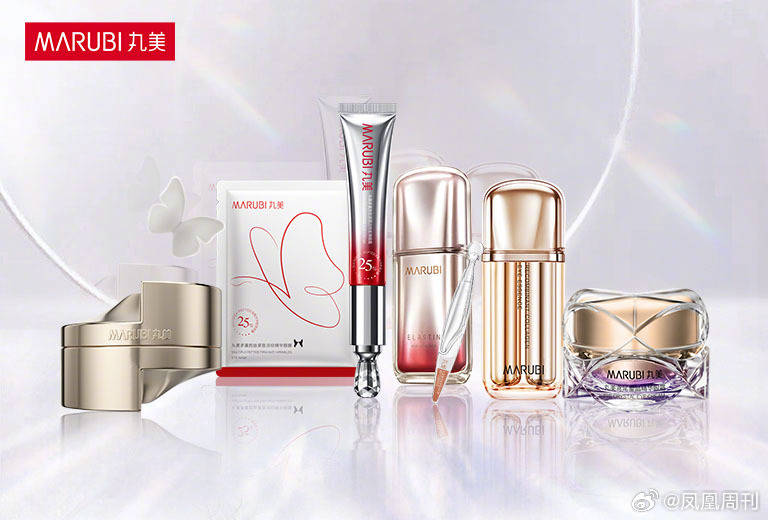
丸美生物启动港股二次上市,眼部护理市场份额受竞对挤压
Sou Hu Cai Jing· 2025-12-12 05:14
Core Viewpoint - Marubi Biological has officially initiated its secondary listing process in Hong Kong, aiming to become one of the few domestic beauty giants with an "A+H" market presence, despite facing increased competition in the eye care product segment [1] Company Overview - Established in 2002, Marubi focuses on eye care research and gained prominence in 2007 with its popular eye cream, which helped it become the "first eye cream stock" upon its A-share listing in 2019 [1] - Marubi has maintained its position as the top seller in the eye care market in China for three consecutive years from 2021 to 2023 [1] Financial Performance - In 2024, Marubi reported a revenue of 2.97 billion yuan, representing a year-on-year growth of 33.44% - The net profit attributable to the parent company increased by 31.69% to 342 million yuan [1] Marketing and Brand Structure - The company has relied heavily on marketing for growth, with significant expenditures on advertising and traffic, while its research and development investment is relatively low compared to the industry [1] - The main brands "Marubi" and "Lianhuo" are experiencing growth, but the brand "Chunji" has seen a contraction [1] Competitive Landscape - Competitors such as Proya and Winona have launched similar eye care products, which has led to a squeeze on Marubi's market share [1] Regulatory Issues - In late October, Marubi was ordered to rectify issues related to financial accounting, fundraising management, and disclosure, leading to increased uncertainty regarding its IPO in Hong Kong [1]