
宝钢股份

Search documents
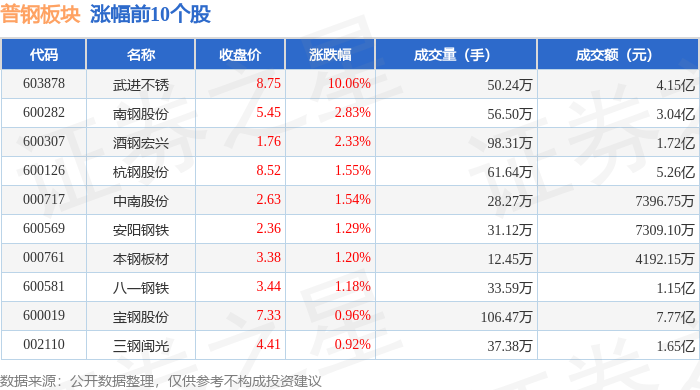
普钢板块1月8日涨0.52%,武进不锈领涨,主力资金净流入1693.28万元
Zheng Xing Xing Ye Ri Bao· 2026-01-08 08:51
Group 1 - The core viewpoint of the news is that the steel sector showed mixed performance on January 8, with the overall sector index rising by 0.52%, while the Shanghai Composite Index fell by 0.07% and the Shenzhen Component Index decreased by 0.51% [1] - Wujin Stainless Steel led the gains in the steel sector with a closing price of 8.75, reflecting a significant increase of 10.06% [1] - The trading volume for Wujin Stainless Steel was 502,400 shares, resulting in a transaction value of 415 million yuan [1] Group 2 - The steel sector experienced a net inflow of 16.93 million yuan from main funds, while retail funds saw a net inflow of 56.80 million yuan, and speculative funds had a net outflow of 73.73 million yuan [2] - The top three stocks by main fund inflow were Wujin Stainless Steel with 79.40 million yuan, Nanjing Steel with 38.11 million yuan, and Shougang Group with 35.47 million yuan [3] - The stock with the highest net outflow from speculative funds was Wujin Stainless Steel, with a net outflow of 25.48 million yuan [3]


多重因素共振,机构普遍看涨有色金属后市,自由现金流ETF(159233)备受关注
Sou Hu Cai Jing· 2026-01-08 03:52
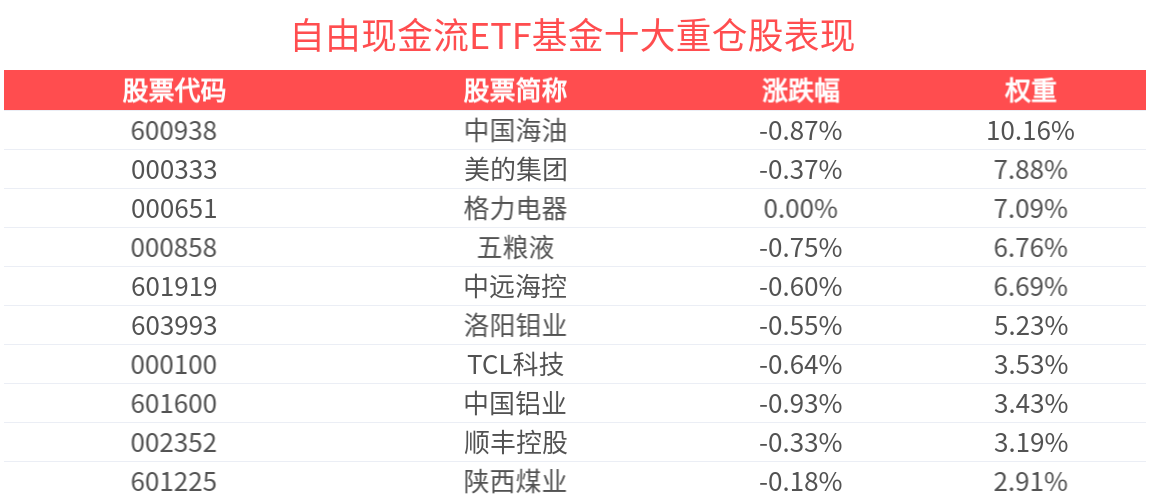
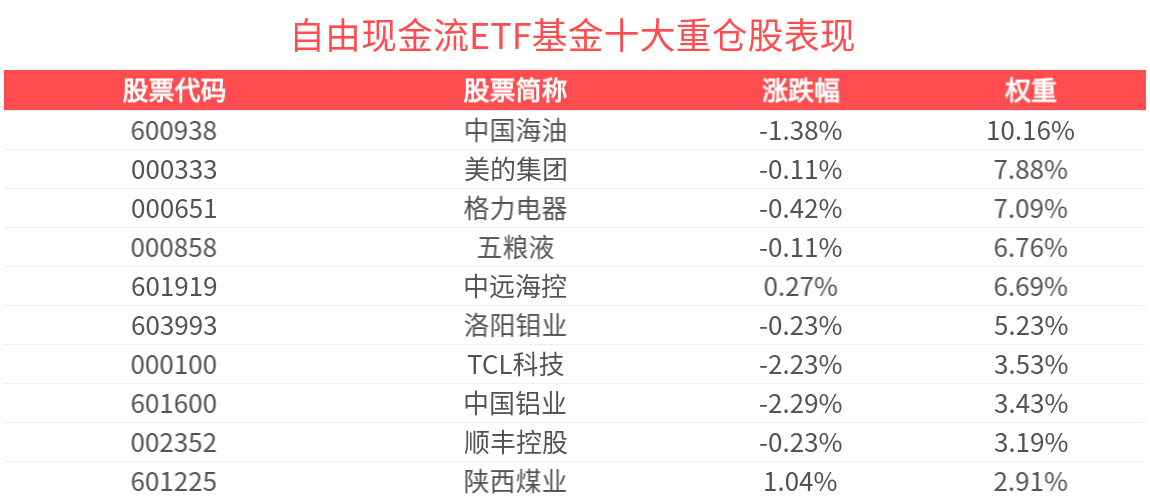
Group 1 - The core viewpoint of the articles indicates that rising political risks, supply constraints, and steady demand are driving the continuous increase in non-ferrous metal prices, with expectations for a new commodity cycle driven by emerging fields like artificial intelligence (AI) by 2026 [1] - The report from Guolian Minsheng Securities suggests that continued liquidity easing will benefit industrial metal prices in 2026, as supply-side constraints remain unresolved and numerous mining production cuts have occurred [1] - The demand from traditional industries shows resilience, while new sectors such as AI and energy storage are emerging, leading to an anticipated acceleration in the price center of industrial metals [1] Group 2 - The Free Cash Flow ETF (159233) aligns with the core holdings in the non-ferrous sector and industry trends, making it a stable tool for investment in this area [1] - The Free Cash Flow ETF closely tracks the CSI All Index Free Cash Flow Index, which selects 100 listed companies with high free cash flow rates to reflect the overall performance of companies with strong cash flow generation capabilities [1] Group 3 - As of December 31, 2025, the top ten weighted stocks in the CSI All Index Free Cash Flow Index include China National Offshore Oil Corporation, SAIC Motor, Gree Electric Appliances, and others, collectively accounting for 53.78% of the index [2] - The listed stocks are part of the index constituents and do not imply specific recommendations [2]
全球疯抢中国变压器
投资界· 2026-01-08 02:54
Core Viewpoint - The global transformer shortage is becoming critical due to surging electricity demand, with China emerging as the largest beneficiary of this crisis, controlling 60% of global transformer production capacity [2][3][4]. Group 1: Transformer Supply and Demand - The supply gap for electric transformers in the U.S. has increased by 116% and 41% for power transformers and distribution transformers, respectively, since 2019, indicating a significant demand surge [3]. - Europe plans to invest €584 billion to expand its power grid, but progress is hindered by transformer shortages [2]. - The average export price of Chinese transformers has risen to approximately $20,800 per unit, with export value reaching 29.711 billion yuan in the first eight months of 2025, showing a growth of 65.39% to Asia and over 138% to Europe [4]. Group 2: Reasons for Transformer Shortage - The transformer shortage is attributed to aging power infrastructure in Europe and the U.S., with 31% of transmission and 46% of distribution facilities in the U.S. being outdated [5]. - The rapid rise of new industries, particularly in AI and renewable energy, has further intensified the demand for transformers, with solar power plants requiring 1.8 times more transformers than traditional coal-fired plants [6]. Group 3: Global Market Dynamics - Major global energy companies are investing heavily to capture market share, with Siemens Energy announcing a €2 billion expansion and Hitachi planning to invest $6 billion by 2027 [7]. - China has formed a strong coalition in the transformer industry, integrating leading companies to create a "national team" capable of dominating the market [8]. Group 4: Historical Context and Development - China's transformer industry has evolved from a state of dependency on foreign technology in the 1980s to a leading global position, overcoming significant technical challenges [10][12]. - The breakthrough in high-voltage transformer technology marked a turning point for China's energy sector, enabling the country to develop a vast high-voltage transmission network [14][15]. Group 5: Current and Future Outlook - The global transformer market is projected to reach $1 trillion by 2031, reflecting the critical role of transformers in the ongoing energy transition [6]. - China's electricity generation has surpassed 1 trillion kilowatt-hours, establishing it as the world's first "electric power empire," with a significant share of global electricity consumption [16][19].



国网华东分部助力上海超额完成2025年度绿电交易目标
Guo Ji Jin Rong Bao· 2026-01-07 14:25
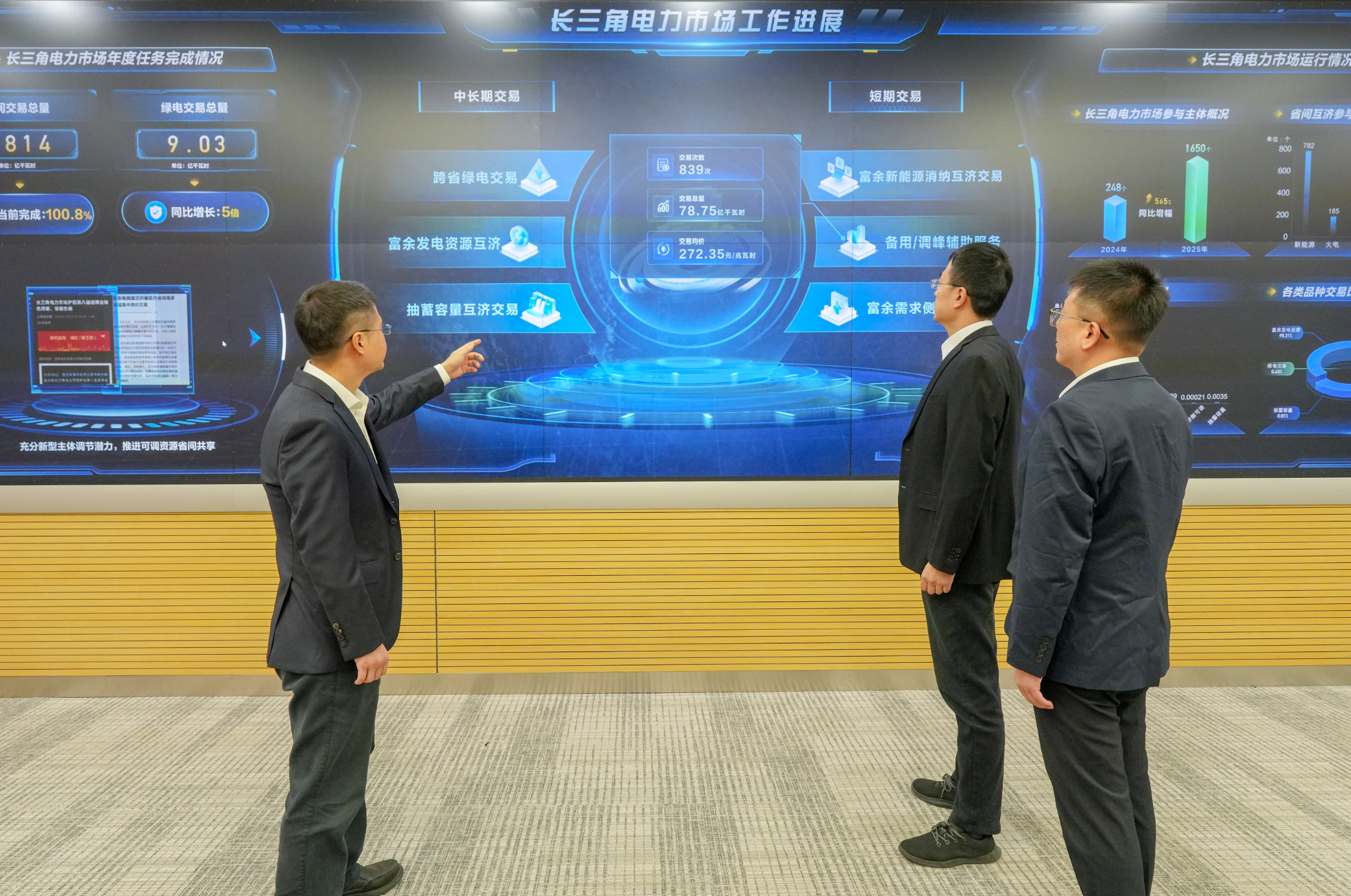
Core Insights - The East China branch of State Grid Corporation has successfully exceeded its green electricity trading target for Shanghai in 2025, achieving a total of 9.185 billion kilowatt-hours, surpassing the initial demand estimate of 9 billion kilowatt-hours [1][4]. Group 1: Green Electricity Supply and Demand - The Shanghai Municipal Economic and Information Commission estimated a green electricity demand of approximately 9 billion kilowatt-hours, while local supply was insufficient, providing less than 1 billion kilowatt-hours [1]. - To address the supply gap, the East China branch collaborated with Shanghai Electric Power Company to expand green electricity resources from outside the region [3]. Group 2: Cross-Regional Green Electricity Transactions - In the first quarter of 2025, the first cross-grid green electricity transaction was successfully completed, with Guangxi supplying 0.53 billion kilowatt-hours to Shanghai, establishing a new channel for green electricity [3]. - The East China branch coordinated the delivery of 5.13 billion kilowatt-hours of green electricity from Northeast China, including Heilongjiang and Jilin, to Shanghai [4]. - A total of 74.88 billion kilowatt-hours of cross-regional green electricity was traded in 2025, marking a 56% increase year-on-year [4]. Group 3: Regional Cooperation and Trading Mechanisms - The East China branch has initiated a green electricity mutual assistance mechanism among provinces in the Yangtze River Delta, enhancing the efficiency of local green electricity resource utilization [5]. - In 2025, green electricity transactions from Anhui and Jiangsu reached 9.03 billion kilowatt-hours, six times the previous year's scale, with Shanghai users purchasing 8.47 billion kilowatt-hours, accounting for 93.8% of inter-provincial green electricity transactions in East China [5]. - A special plan was developed for the eighth China International Import Expo, facilitating the delivery of 1.3 billion kilowatt-hours of green electricity from Anhui and Jiangsu to Shanghai, contributing to a monthly green electricity consumption exceeding 1 billion kilowatt-hours [5]. Group 4: Future Plans - The East China branch aims to further improve the inter-provincial electricity mutual assistance market mechanism and optimize the green electricity trading process and platform functionality to support Shanghai's green and low-carbon development [6].
金属铬价格评析与后市研判
2026-01-07 03:05
Summary of Key Points from Conference Call Industry Overview - The conference call focuses on the chromium metal industry, specifically discussing the price trends and market dynamics of chromium products, including metallurgical-grade chromium oxide green and hexavalent chromium [1][6][7]. Key Insights and Arguments - **National Storage Plan**: The actual signing of the national storage plan was 18,000 tons, lower than the planned amount. Zhuhua Co. secured 9,000 tons, while some companies faced standard issues leading to market pressure on prices [1][4]. - **Price Support Factors**: Short-term price support for chromium metal is expected due to equipment maintenance plans at Sichuan Galaxy and Zhuhua Co. The national procurement price of 64,000 RMB/ton is seen as a price floor, with future prices projected to fluctuate between 75,000 and 80,000 RMB/ton [1][5]. - **Demand for Chromium Products**: Strong demand for metallurgical-grade chromium oxide green and hexavalent chromium is noted, particularly benefiting from high-temperature alloy applications and emerging sectors like flow batteries [1][6]. - **Market Dynamics**: The demand for chromic anhydride from electroplating plants remains stable, with iron-chromium flow batteries being a significant growth driver [1][8]. - **Inventory Levels**: Current inventory levels among traders are low, with large steel enterprises purchasing directly from manufacturers, indicating a shift away from reliance on distributors [1][9]. - **Competition**: Zhuhua Co. views Sichuan Galaxy as its main competitor, employing pricing strategies to capture market share. The market share of Zhuhua Co. is approximately 50%, while Sichuan Galaxy has dropped from 45% to 20% [1][17]. Additional Important Content - **Future Price Trends**: The overall expectation for chromium metal prices in 2026 is to maintain between 75,000 and 80,000 RMB/ton, with synchronized growth in new capacity and demand [1][7]. - **Impact of National Policies**: National industrial policies are increasingly favoring large enterprises, potentially leading to a semi-monopolistic situation that benefits companies like Zhuhua Co. [2][23]. - **Export Trends**: The export of chromium metal is expected to grow, driven by overseas market demand, with a seasonal pattern observed in exports [1][13]. - **Challenges for Overseas Competitors**: The impact of Russian and Kazakhstani products on the domestic market is limited due to logistical challenges and quality standards [1][19]. - **Future Developments**: There are indications of potential new rounds of national storage, which could further extend the price strength expectations and support Zhuhua Co.'s development [2][24][25].

相关部门释放绿色消费强信号,自由现金流ETF(159233)备受关注
Sou Hu Cai Jing· 2026-01-07 02:01
Group 1 - The core viewpoint of the news is the introduction of a policy by nine departments to promote green consumption, which is expected to inject strong momentum into sectors like non-ferrous metals, home appliances, and automobiles due to their cash flow strength [1] - The policy focuses on enhancing the green consumption incentive mechanism, emphasizing seven dimensions including the supply of green products and the recycling of waste items [1] - The Free Cash Flow ETF (159233) targets high free cash flow companies in the non-ferrous and home appliance sectors, which are better positioned to benefit from policy incentives and advance their green transformation and capacity expansion [1] Group 2 - The non-ferrous metals sector is generally viewed positively by authoritative institutions, with expectations of a bull market driven by monetary, demand, and supply factors by 2026, particularly for copper, aluminum, and tin [1] - Copper is highlighted as the "oil of the electrification era," with demand significantly benefiting from multiple factors such as new energy, AI computing power, and grid upgrades [1] - The home appliance sector is expected to see sustained demand improvement due to policies promoting green upgrades and trade-in programs, with a projected subsidy scale of 250 billion yuan by 2026 [2] Group 3 - The CSI Free Cash Flow Index (932365) includes top-weighted stocks such as China National Offshore Oil Corporation, SAIC Motor, Gree Electric Appliances, and others, with the top ten stocks accounting for 53.78% of the index [3] - The index reflects the overall performance of companies with strong cash flow creation capabilities, selecting 100 high free cash flow rate listed companies as sample securities [2][3]
趋势研判!2025年中国步进电机行业发展历程、产业链、市场规模、竞争格局及未来趋势:国产替代加速与需求扩张,促进步进电机竞争力稳步提升[图]
Chan Ye Xin Xi Wang· 2026-01-07 01:12
Core Insights - The stepper motor industry in China has seen significant growth, with the market size increasing from 1.739 billion yuan in 2016 to an expected 3.89 billion yuan by 2024, representing a compound annual growth rate (CAGR) of 10.59% [1][9] - The Chinese government is actively supporting the industry through policies aimed at technological innovation and standardization, which is expected to further boost market demand [1][9] - The global stepper motor market is projected to reach $2.411 billion by 2029, with a growth of 1.7% year-on-year in 2024 [8] Industry Overview - Stepper motors convert electrical pulse signals into corresponding angular or linear displacements, making them essential in various applications [4] - The industry has evolved from its origins in the 19th century to a critical component in modern automation and precision control systems [5][6] - The stepper motor industry is characterized by a diverse supply chain, including raw materials, manufacturing, and various application sectors such as industrial automation and consumer electronics [7] Market Dynamics - The stepper motor market in China is expanding rapidly due to the transformation of the manufacturing sector and increasing consumer demands for quality and performance [1][9] - The industrial automation sector is a key application area for stepper motors, which are used for precise control in mechanical systems [8] - The Chinese industrial automation market is projected to grow from 165.7 billion yuan in 2017 to 273.9 billion yuan by 2024, with a CAGR of 7.44% [8] Competitive Landscape - The global stepper motor market is dominated by Japanese companies, which account for over 70% of hybrid stepper motor production and 65% of permanent magnet stepper motors [9][10] - Chinese companies are increasingly competitive, with leading firms like Jiangsu Leili, Dingzhi Technology, and Mingzhi Electric making significant strides in technology and market share [12][14] - The industry is transitioning from standardized products to customized, high-performance solutions, driven by the need for deeper understanding of application scenarios [12] Future Trends - The future of stepper motors is expected to focus on high precision and dynamic response through the integration of advanced control algorithms and high-resolution encoders [17] - There is a trend towards smart motors that integrate control functions and communication capabilities, simplifying system design and enhancing performance [18] - Customization and the use of new materials will be crucial for meeting the specific demands of emerging applications in sectors like medical devices and aerospace [19]



高盛调了几家公司评级,我用大数据看出了门道
Sou Hu Cai Jing· 2026-01-07 00:04
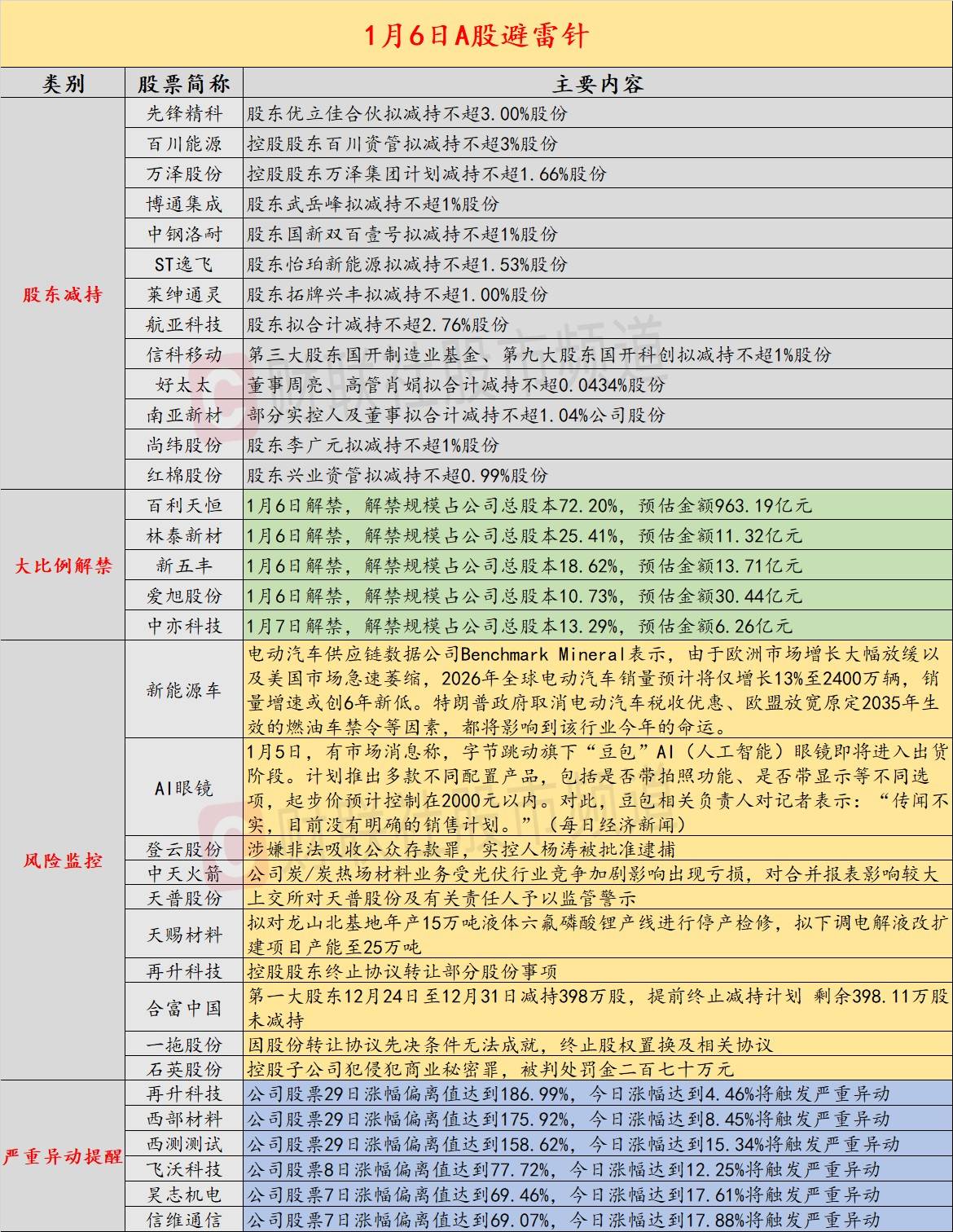
Group 1 - Goldman Sachs downgraded Baosteel and China Aluminum while upgrading Yanzhou Coal and China Coal Energy [1] - ByteDance's "Doubao" AI glasses are rumored to be released, but the company clarified there are no concrete sales plans [1][3] - The market's reaction to news is often driven by underlying capital movements rather than the news itself [1][4] Group 2 - Shareholders of various companies, including Pioneer Technology and Baichuan Energy, plan to reduce their holdings by up to 3% [3] - Significant share unlocks are occurring, with Baichuan Energy's unlock amount estimated at 96.319 billion yuan, accounting for 72.20% of total shares [3] - The electric vehicle market is expected to see only a 13% growth in global sales by 2026, influenced by various regulatory changes [3] Group 3 - The perception of stock price movements can be misleading; declines may indicate institutional accumulation rather than weakness [4][9] - Data analysis reveals that stocks experiencing "capital grabbing" often show signs of future price increases [5][6] - Institutions may use price declines as opportunities to accumulate shares, contrary to public sentiment [8][10]



金融支持高碳产业转型:从资金供给到战略协同
Guan Cha Zhe Wang· 2026-01-06 12:05
Group 1 - The global carbon pricing rules and new Nationally Determined Contributions (NDC) targets are pressing high-carbon industries in China, such as steel and shipping, to accelerate their transformation efforts [1] - Financial institutions need to evolve from traditional funding providers to strategic partners that actively participate in industrial transformation to support decarbonization and gain competitive advantages [1][2] - The mismatch between transformation needs and financial supply structures is evident, with companies facing challenges in managing carbon assets and securing long-term funding for low-carbon transitions [2][4] Group 2 - The shipping industry is focusing on low-carbon transformation through technologies like hydrogen and ammonia, but financial institutions struggle to support early-stage projects due to a lack of measurable evaluation metrics [3][5] - Leading financial institutions are innovating by breaking traditional business boundaries and developing new financial products and collaborative models to support industrial transformation [4][5] - There is a need for a collaborative ecosystem involving government, industry, finance, and research to address data gaps and uncertainties in assessing new technologies [6]
如何展望钢铁成本和供给侧的催化和节奏?
Changjiang Securities· 2026-01-06 04:44
Investment Rating - The investment rating for the steel industry is Neutral, maintained [9] Core Insights - The report highlights that the expansion of low-cost capacities, such as Simandou and the four major mines, is expected to drive long-term declines in iron ore prices. A significant drop in prices is anticipated in March and April, with current iron ore inventories at historical highs, suggesting a potentially larger decline [2][6] - The steel industry is experiencing a reduction in supply pressure due to self-initiated production cuts, leading to a slight improvement in profitability despite weak demand in the construction steel sector. Total steel demand is supported by resilient plate demand, with a year-on-year decline of 3.57% and a month-on-month decline of 0.56% in apparent consumption [4][5] - The report emphasizes the importance of supply-side policies aimed at reducing low-end exports and eliminating outdated capacities, with a focus on environmental and energy efficiency evaluations expected to be completed by the end of 2025 [2][6] Summary by Sections Cost Analysis - The black industrial chain's profits are largely captured by iron ore, with total profits estimated at 4,127 billion for iron ore, 337 billion for coking coal, and 1,264 billion for steel, representing 72%, 6%, and 22% of total profits respectively. The majority of iron ore is imported, leading to a significant outflow of profits overseas [5] - The Simandou project is expected to begin production by the end of 2025, with anticipated sales of 30 million tons from the northern mine and 5 to 10 million tons from the southern mine in 2026, contributing to a projected 4.3% increase in global iron ore supply [5] Supply Analysis - The report indicates that the steel industry is focused on reducing excess capacity, with policies aimed at "grading management and eliminating the weak" expected to be implemented in 2026. Non-compliant enterprises may face significant production cuts, highlighting the importance of regulatory compliance [6] - The report notes that the overall steel inventory has decreased by 2.70% week-on-week, while year-on-year it has increased by 12.34%, indicating a gradual reduction in inventory levels [4]