
西门子

Search documents
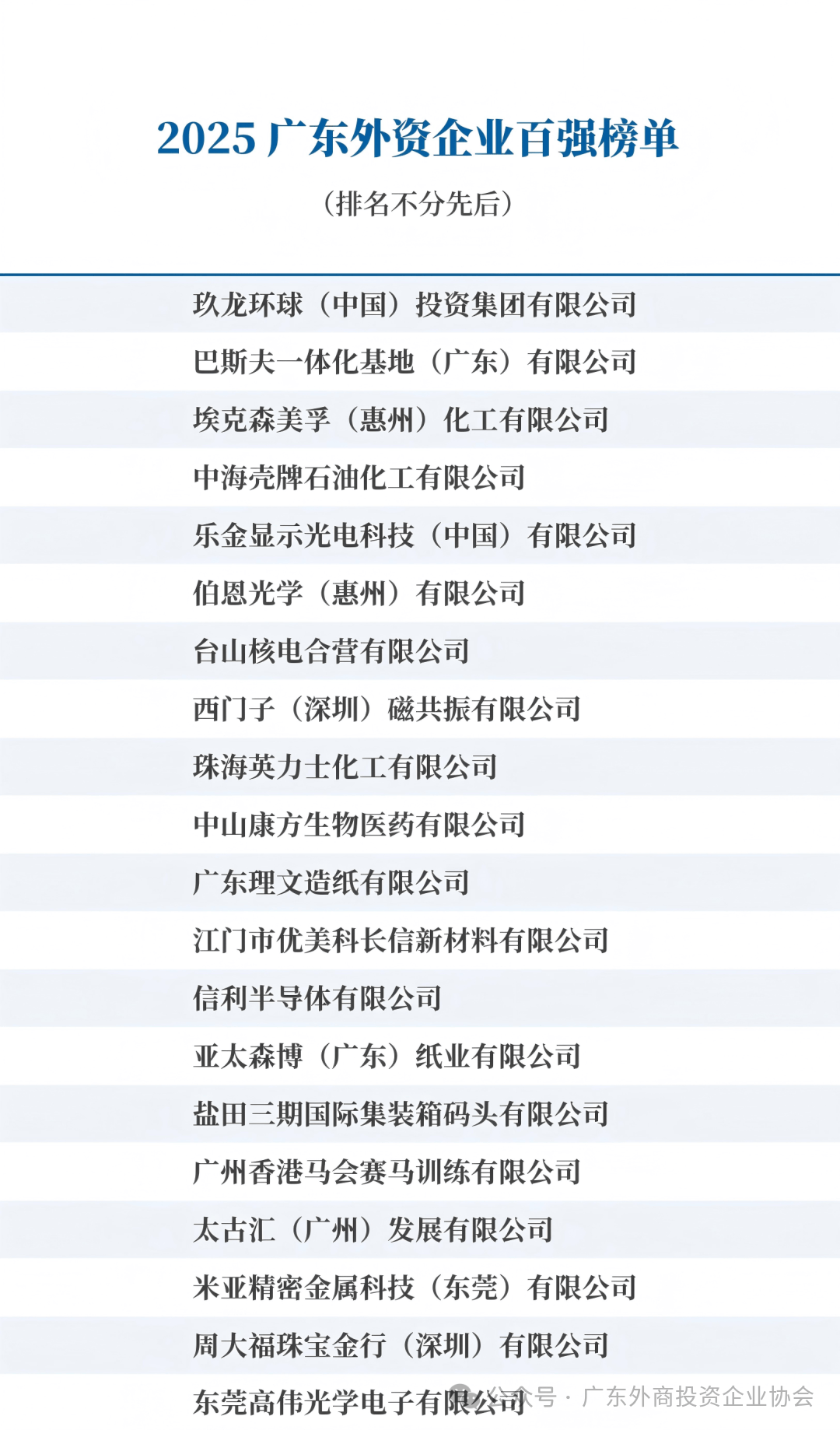
2025广东外资企业百强榜单发布 上榜企业合计在粤投资304亿美元
Sou Hu Cai Jing· 2025-10-30 09:32
Core Insights - The Guangdong Foreign Investment Enterprises Top 100 list was released during the 2025 Guangdong-Hong Kong-Macao Greater Bay Area Global Investment Conference, showcasing the investment achievements of foreign enterprises in Guangdong and promoting the region's favorable business environment [1][2]. Group 1: Investment Overview - The Top 100 list includes multinational companies such as BASF, ExxonMobil, Siemens, and Walmart, based on their cumulative direct investment in Guangdong [2]. - The total investment from the 100 listed companies in Guangdong amounts to $30.4 billion, with the largest single investment exceeding $2.6 billion [2]. - The foreign investors primarily originate from 16 countries and regions, including the United States, Germany, Japan, Singapore, Hong Kong, and Taiwan [2]. Group 2: Regional and Sector Distribution - 90 of the listed companies are concentrated in the Pearl River Delta cities like Guangzhou and Shenzhen, while the remaining 10 are from six cities in the eastern and western parts of Guangdong [2]. - The manufacturing sector has the highest representation with 76 companies, and industries such as new-generation information technology, advanced equipment manufacturing, biomedicine, green petrochemicals, new materials, and modern services account for 80% of the list [2]. Group 3: Special Recognition - The Guangdong Foreign Investment Enterprises Association introduced the "Deeply Cultivating Guangdong for 30 Years" list and the ESG (Environmental, Social, and Governance) Excellence Case list, featuring 43 and 22 companies respectively [3]. - The "Deeply Cultivating Guangdong for 30 Years" list highlights companies that have invested in Guangdong for over 30 years, with five companies appearing on both the Top 100 and this list [3]. - The ESG Excellence Case list aims to showcase foreign enterprises' achievements in areas such as green manufacturing, low-carbon innovation, employee welfare, and social responsibility [3].

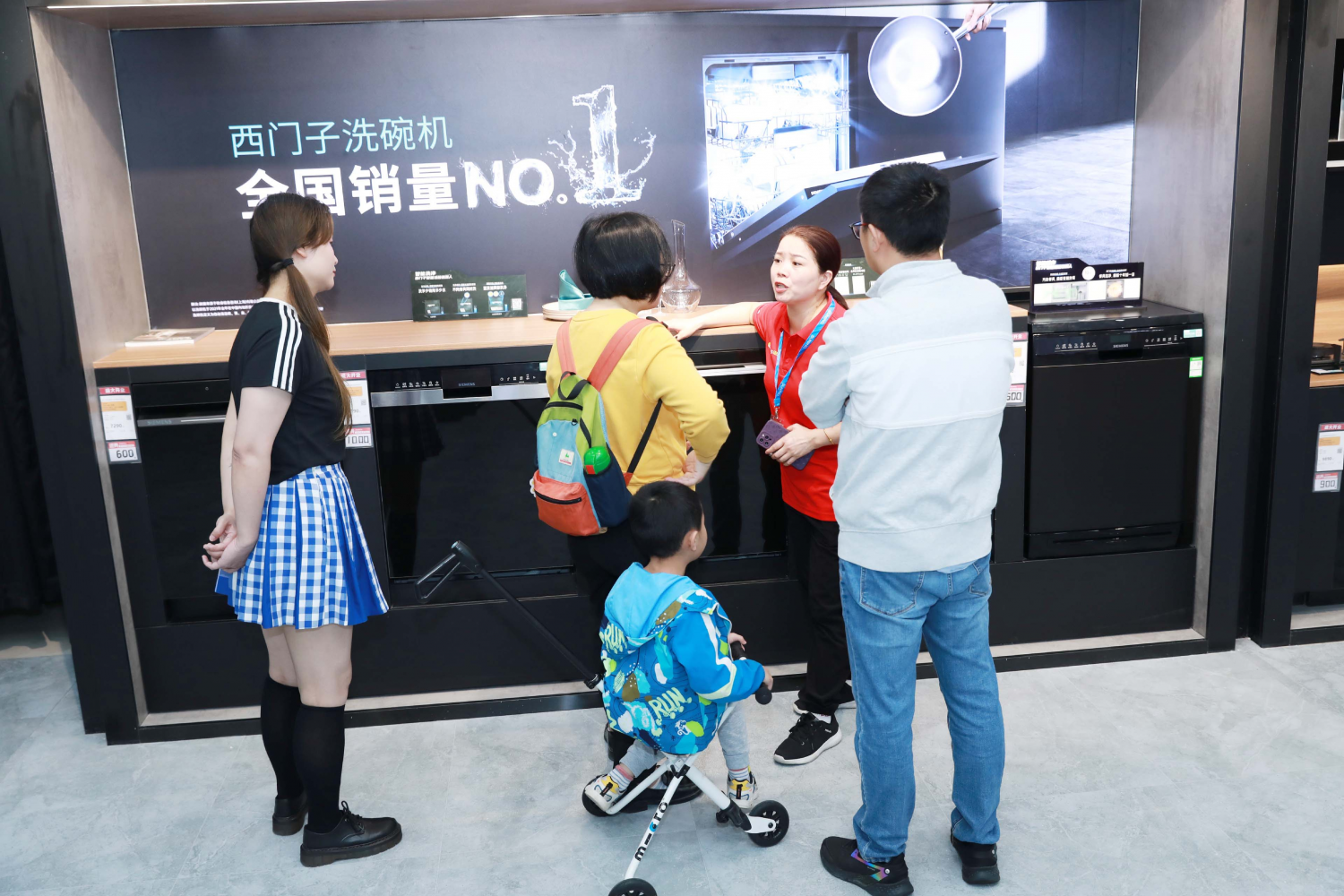
每10台18套洗碗机,就有1台来自这一模式
Zhong Jin Zai Xian· 2025-10-30 08:19
Core Insights - The "Double 11" shopping festival has sparked a kitchen revolution in Chinese households, with a significant shift towards large-capacity dishwashers, which accounted for over 67% of sales during the event [1] - The demand for dishwashers is evolving from basic cleaning to comprehensive solutions, with consumers prioritizing capacity, cleaning efficiency, drying effectiveness, and storage longevity [1][3] - Localized innovation in the dishwasher market is driven by the unique needs of Chinese cooking, which includes a variety of dishware and cooking utensils that differ from Western standards [1][5] Market Trends - In the first eight months of 2025, the retail sales of dishwashers in China reached 7.6 billion yuan, marking an 8.7% year-on-year increase [1] - The average capacity of dishwashers has increased from 13-14 sets to 15 sets, with new models exceeding 20 sets [1] - The introduction of customized dishwashers, such as the 18-set model developed by Suning and Siemens, has gained significant market traction, achieving a 10.6% market share [1][3] Consumer Preferences - A survey indicated that 63.2% of consumers consider capacity as the primary factor in their purchasing decisions [1] - There is a growing interest in multifunctional dishwashers that can wash a variety of items beyond traditional dishware, including fruits, vegetables, and even household items [3][5] Product Development - The launch of the 20-set dishwasher reflects ongoing collaboration between Suning and Bosch, focusing on advanced drying technologies that cater to Chinese consumer preferences [3] - New dishwasher designs are increasingly integrating with kitchen aesthetics, offering various forms such as water tank, drawer, and built-in models to address space constraints in smaller kitchens [5] Pricing Strategies - The "True Benefit Subsidy" initiative launched by Suning during Double 11 aims to make dishwashers more affordable, with significant price reductions on popular models [7] - For example, the subsidized price for a 20-set Siemens dishwasher is 7,499 yuan, while other brands like Midea and Casarte offer models starting at 2,999 yuan and 3,999 yuan respectively [7]

金卡智能(300349) - 2025年10月29日投资者关系活动记录表
2025-10-29 13:50
Group 1: Strategic Partnerships and International Expansion - The company has signed a joint investment agreement with Samruk-Kazyna Invest LLP in Kazakhstan, establishing GoldcardSmart Group Kazakhstan LLP to enhance local market services and explore similar models in other countries [1] - The company is increasing investments in overseas markets, having achieved breakthroughs in several "Belt and Road" countries, and plans to further expand its global presence [2] Group 2: Product Development and Market Opportunities - The process measurement segment has successfully completed certifications for key products, including quality flow meters and electromagnetic flow meters, achieving sales breakthroughs with nearly 60 clients [3] - The company is positioned to benefit from national policies promoting domestic substitution of key technologies, creating significant market opportunities for leading domestic instrument manufacturers [3] Group 3: Competitive Landscape and Domestic Substitution - Foreign brands like Emerson and Endress+Hauser still hold market share in high-end industrial gas measurement, but the domestic substitution trend is accelerating, with the company leading in hydrogen measurement technology [3] - The company plans to increase R&D investments to strengthen its market position and expand both domestically and internationally [3] Group 4: Financial Performance and Shareholder Relations - The company's gross profit margin decreased by 4.96% year-on-year due to various macroeconomic and market factors, prompting a focus on optimizing product structure and cost reduction [4] - The increase in shareholding by Hong Kong Central Clearing Limited by 0.185 percentage points indicates foreign investors' confidence in the company's fundamentals and market outlook [4] Group 5: Future Business Development - The company’s subsidiary, Zhejiang Tianxin New Energy, is positioned to capitalize on the growing solar and energy storage markets, leveraging its software and patent technologies [5] - The company emphasizes its commitment to shareholder returns and plans to maintain high dividend levels, contingent on financial health and operational performance [5]

硅谷的「十万大裁员」:Meta按代码量裁员
36氪· 2025-10-29 13:35
Core Viewpoint - The article discusses the significant layoffs in Silicon Valley driven by the AI wave, highlighting a shift in job roles and the demand for top AI talent while traditional positions are being automated away [11][87]. Group 1: Layoffs in Major Tech Companies - Salesforce has laid off approximately 8,000 employees in 2023 and an additional 1,000 in 2024, with a further 262 layoffs announced in 2025, reflecting a shift towards AI-driven efficiency [20][21]. - Meta has also been active in layoffs, cutting 600 positions in its AI infrastructure department, while simultaneously seeking top AI talent for its new initiatives [18][19]. - Google has adjusted its organizational structure, offering voluntary departure plans and cutting over 100 design positions in its cloud department to focus resources on AI product development [40][41]. Group 2: Broader Impact on the Tech Industry - The independent tracking site Layoffs.fyi reported that over 150,000 employees in the global tech industry have been laid off in 2024, with AI and economic uncertainty as primary drivers [12][13]. - Companies like Microsoft and Amazon have also made significant cuts, with Microsoft laying off over 6,500 employees in 2024 to focus on generative AI products [32][33]. - Traditional companies like Oracle and Cisco are also reducing their workforce, reallocating resources towards AI-related fields despite not directly attributing layoffs to AI [45][46]. Group 3: Startups and Unicorns Adapting to AI - Startups are not immune to the layoffs, with companies like Fiverr cutting 30% of its workforce to focus on AI-driven products [52]. - Yotpo, another startup, laid off 34% of its team to pivot towards AI tools, indicating a broader trend of traditional business models being challenged by AI [54]. - Even companies in the AI sector, such as Scale AI and xAI, have made significant layoffs, reflecting the competitive pressures and strategic shifts within the industry [61][64]. Group 4: Traditional Industries Feeling the Pressure - The layoffs extend beyond tech, with Starbucks cutting 1,100 tech positions to outsource some functions, indicating a shift in how companies manage their tech needs [77]. - The automotive industry is also affected, with GM and Rivian announcing layoffs due to market changes and demand fluctuations [79]. - Siemens and Intel have also announced significant layoffs, focusing on enhancing competitiveness and shifting towards AI-related manufacturing [80][81]. Group 5: The Dual Nature of AI Revolution - The article emphasizes the paradox of AI, where it creates new high-skill jobs while simultaneously eliminating many traditional roles, leading to a significant transformation in the job market [90][91]. - Companies are increasingly seeking AI specialists, with roles like machine learning engineers and data scientists in high demand, while traditional roles are being automated [96][97]. - The ongoing layoffs and hiring trends illustrate that AI is not just a cost-cutting measure but a fundamental reshaping of the workforce landscape [98][99].




普洛斯与西门子达成战略合作
Zheng Quan Ri Bao Wang· 2025-10-29 13:10
Core Insights - ProLogis and Siemens have signed a strategic cooperation agreement to explore innovative pilot projects for smart logistics parks, leveraging Siemens' technology in automation, digitalization, and energy management alongside ProLogis' extensive logistics infrastructure network [1] Group 1: Strategic Cooperation - The partnership aims to create scalable and replicable smart zero-carbon solutions to enhance operational efficiency and competitiveness for logistics park clients [1] - This collaboration deepens the long-term relationship between ProLogis and Siemens, enhancing ProLogis' "space x ecosystem" service capabilities to create greater value for clients [1] Group 2: Technological Integration - ProLogis will work with Siemens to provide practical core automation equipment and logistics solutions for clients within logistics parks, including logistics electrical control systems and AGV scheduling platforms [1] - Siemens' proven carbon management platform, energy storage and charging systems, and microgrid operation management solutions will support logistics park clients in accelerating their green transformation [1] Group 3: Carbon Standards Development - The two companies will expand their cooperation around the construction of "zero-carbon logistics park standards," jointly developing carbon emission standards and technical specifications applicable to logistics parks [1] - A regular communication mechanism will be established to explore innovative business models for smart logistics and the integration of industrial control with logistics control [1]
雷·达利欧的终极警告:一个国家,两种命运,美国经济对TOP 1%的“致命依赖”……
Sou Hu Cai Jing· 2025-10-29 00:50
Core Insights - Ray Dalio warns of a "fatal dependence" of the U.S. economy on the top 1% elite workforce, while the bottom 60% is being "eliminated" in terms of productivity [2][3] Structural Divisions - The U.S. economy can be understood through three interconnected dimensions of internal division [4] - The first division is productivity, which is the root of all subsequent issues [4] - Approximately 60% of American adults have reading skills at or below a sixth-grade level, rendering them nearly uncompetitive in a knowledge-driven economy [5][10] - This results in two distinct economic realities: a top tier of about 3 million "super producers" in tech, finance, and high-end services, and a large group of about 60% of the workforce whose traditional skills are rapidly depreciating due to automation [8][10] Wealth Disparity - The second division is wealth, which is a direct consequence of productivity disparities [12] - By 2025, the wealth of the top 0.1% of U.S. households is projected to exceed the combined wealth of the bottom 50% by 4.6 times, with the top 0.1% nearly doubling their wealth from 2020 to 2025 [14] - Wealth concentration occurs when the return on capital (r) consistently exceeds economic growth (g), leading to extreme inequality [14][16] Geographic Disparities - The third division is geographic, reflecting economic stratification across different regions [19] - Data shows that 22 states are in economic recession, 13 are stagnating, and only 16 are maintaining growth, with economic vitality concentrated in a few "super metropolitan areas" [19][21] - The concentration of AI talent and investment in regions like Silicon Valley and New York exacerbates this divide, creating "prosperity islands" versus "rust belts" [21][36] Historical Context - Dalio's analysis aligns with his "big cycle" theory, suggesting that the current internal divisions in the U.S. mirror historical patterns of empires in decline [23][25] - The U.S. faces over $35 trillion in national debt, severe internal conflict, and rising external competition, creating systemic risks that undermine economic resilience [25] Proposed Solutions - Dalio advocates for pragmatic reforms, including automation tax incentives linked to productivity, nationwide retraining programs, and policies encouraging labor mobility to high-growth areas [28] - In contrast, some economists argue for structural changes, such as higher progressive taxes and stronger regulations on large corporations to address wealth concentration [31] - The debate continues on whether the economic fractures are technical issues that can be optimized or structural problems requiring significant power redistribution [35][36]

不再跟着西方屁股定义“卡脖子”,这样只会被动挨打
Guan Cha Zhe Wang· 2025-10-28 12:06
Core Viewpoint - The report emphasizes that China's modernization relies on technological advancement, highlighting the importance of original innovation and the integration of technology and industry to achieve high-level self-reliance in technology [1] Group 1: Technological Innovation and Industry Integration - The "14th Five-Year Plan" outlines the need for deep integration of technological innovation and industrial innovation, with a focus on addressing "bottleneck" issues in high-end chips and industrial software [1][2] - The government is encouraged to transform specific industry challenges into national technology tasks, thereby supporting enterprises in overcoming technological barriers [2][3] Group 2: Role of Enterprises in Innovation - Enterprises are identified as the main body of technological innovation, with a call for vertical integration strategies to address complex interdisciplinary challenges [3][11] - The importance of fostering a collaborative environment between enterprises and research institutions is highlighted, allowing for timely solutions to innovation challenges [5][10] Group 3: Government's Role in Supporting Innovation - The government should act as a market rule designer and key buyer, creating a long-term vision for industry participants and breaking down information barriers [5][12] - A shift from reactive support to proactive engagement with leading enterprises and scientists is recommended to better understand future industrial development directions [4][15] Group 4: AI and Industrial Applications - The report discusses the significance of artificial intelligence (AI) in driving industrial innovation, with examples of successful applications in companies like Zhejiang University Control [13][14] - The relationship between traditional industrial enterprises and AI companies is crucial, as traditional firms provide the operational context and data necessary for AI development [15][19] Group 5: Challenges in Basic Research and Industry Needs - The need for a strategic, forward-looking, and systematic approach to basic research is emphasized, ensuring alignment with industrial demands [16][20] - The report suggests that universities and research institutions must equally value both vertical and horizontal projects to effectively serve industry innovation needs [20][21] Group 6: Non-linear Relationship Between Science, Technology, and Industry - Innovation is characterized as a practical process, where the development of technology is driven by industrial needs and experiences [25][27] - The report provides examples from the dairy and agricultural sectors to illustrate how industry-driven research can lead to significant technological advancements [22][24]


谁才是“洗衣全能王”?中消协发布25款洗衣机测评结果
Bei Jing Shang Bao· 2025-10-28 06:49
Core Insights - The article discusses a comparative test conducted by the China Consumers Association and the Hangzhou Consumer Rights Protection Committee on various washing machines to guide consumers in making informed choices regarding energy-efficient appliances [1] Group 1: Test Overview - A total of 25 washing machines were tested, including 16 drum-type and 9 pulsator-type models from 21 different brands [1] - The testing focused on three main performance areas: usage performance, health and safety performance, and ease of use [1] Group 2: Performance Results - Most samples performed well in terms of energy consumption, cleaning effectiveness, noise during dehydration, and antibacterial performance (for drum-type machines) [1] - Significant differences were noted in the effective volume of washing drums, with some pulsator-type machines showing subpar drum cleaning performance [1] Group 3: Specific Findings - The effective volume of washing drums indicates the internal space available for washing; higher values allow for more laundry [2] - The best-performing drum-type machines had effective volumes of at least 66L, while the best pulsator-type machines had volumes of at least 70L [2] - Seven models demonstrated low energy consumption while achieving high cleaning ratios, indicating superior energy efficiency [2] Group 4: Cleaning and Wear Performance - The cleaning performance was assessed using liquid detergents, with over 50% of drum-type machines achieving a cleaning ratio of at least 1.10 [3] - The wear performance showed that some machines caused minimal damage to fabrics while maintaining high cleaning ratios [3] - Drum-type machines generally outperformed pulsator types in oil stain removal due to their heating capabilities [4] Group 5: Antibacterial Performance - Drum-type washing machines exhibited high antibacterial rates, with most achieving rates of 99.99% or higher [5] Group 6: Consumer Guidance - The China Consumers Association recommends consumers consider four key aspects when purchasing washing machines: capacity, energy efficiency, cleaning performance for specific stains, and noise levels during dehydration [6][7]






2025世界智能制造大会将于11月27日在江苏南京举行
Yang Zi Wan Bao Wang· 2025-10-27 12:26
Core Insights - The 2025 World Intelligent Manufacturing Conference will be held from November 27 to 29 in Nanjing, Jiangsu, marking its tenth anniversary and focusing on the theme "Digital Intelligence Drives New Quality Leadership" [1][2] - The conference aims to showcase the latest developments and trends in intelligent manufacturing, featuring a main conference, 12 specialized activities, and various industry ecosystem events [1] - The event will facilitate international collaboration in the intelligent manufacturing sector, with participation from global authorities and leading companies [2] Group 1 - The conference has been successfully held for nine consecutive years since its inception in 2016, contributing significantly to the digital transformation of the global manufacturing industry [1] - This year's event will include high-end forums, result releases, cutting-edge displays, and industry matchmaking to promote innovative ideas and outcomes in intelligent manufacturing [1][2] - Key focus areas will include advanced manufacturing clusters and industrial chains in Jiangsu, particularly in sectors like electronic information and new energy vehicles [2] Group 2 - A market-oriented exhibition will take place alongside the conference, showcasing advanced technologies, products, and solutions in intelligent manufacturing, covering over 55,000 square meters [3] - Major industry players such as Yaskawa, Tesla, and Hikvision will present their latest achievements in industrial robotics and smart factory practices [3] - The exhibition will feature four main sections, highlighting industrial software, system solutions, and intelligent equipment from leading companies [3]



孙喜:不再跟着西方屁股定义“卡脖子”,这样只会被动挨打
Guan Cha Zhe Wang· 2025-10-27 06:26
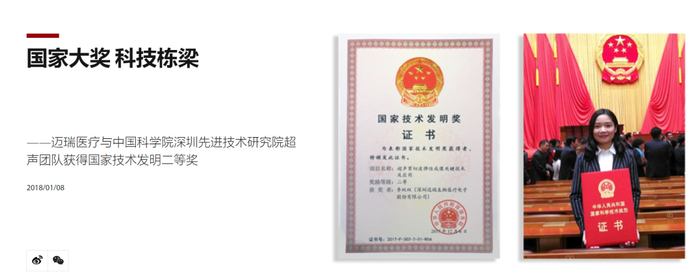
Core Viewpoint - The report emphasizes that China's modernization relies on technological advancement, highlighting the importance of original innovation and the integration of technology and industry [1] Group 1: Technological Innovation and Industry Integration - The "14th Five-Year Plan" stresses the need for high-level technological self-reliance, with a focus on original innovation and key core technology breakthroughs [1] - The integration of technology innovation and industrial innovation is crucial for enhancing productivity and addressing "bottleneck" issues in high-end chips and industrial software [2][9] - The government is encouraged to transform specific technological challenges faced by enterprises into national technology tasks and projects, facilitating innovation [2][3] Group 2: Role of Enterprises in Innovation - Enterprises are identified as the main body of technological innovation, with a need for vertical integration strategies to tackle complex interdisciplinary challenges [2][4] - The historical example of domestic innovation trust issues illustrates the importance of addressing non-technical factors that hinder the utilization of technological advancements [3][4] - The government should engage with leading enterprises and experts to collaboratively explore future industrial development directions, enhancing understanding of the industrial system [4][5] Group 3: Market Dynamics and Government Role - The government should act as a market rule designer and key buyer, creating a long-term vision for industry participants and breaking down information barriers [5] - The relationship between traditional industrial enterprises and AI companies is crucial, as traditional firms provide operational scenarios and experience data necessary for AI development [14] - Establishing demonstration projects in industrial AI can facilitate collaborative innovation and address trust issues between supply and demand sides [14] Group 4: Case Studies and Practical Applications - The collaboration between Mindray Medical and the Shenzhen Institute of Advanced Technology led to significant breakthroughs in high-end medical imaging equipment, showcasing the effectiveness of industry-academia partnerships [6][8] - The success of companies like Hisense and Gree in developing their own chips reflects the necessity of vertical integration in addressing local supply chain gaps [9] - The application of AI in industrial settings, particularly by companies with rich industry experience, is highlighted as a key factor for success in the evolving technological landscape [11][13]
