
三星电子

Search documents
欲打造A+H双平台抢占存储产业机遇,聚辰股份能否实现关键一跃?
Zhi Tong Cai Jing· 2026-02-12 13:24
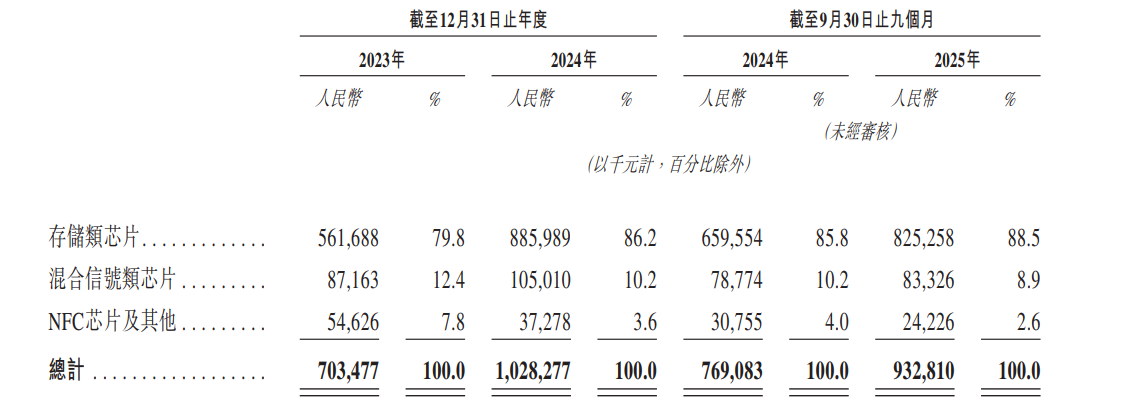
Core Viewpoint - The storage industry is experiencing a vibrant ecosystem in the Hong Kong stock market, driven by the ongoing storage bull market and the influx of A+H listings, with companies like Juchen Technology and Lanke Technology successfully listing in Hong Kong [1] Group 1: Company Overview - Juchen Technology has been deeply engaged in the storage chip sector for over 16 years, evolving into a leading global designer of high-performance non-volatile storage chips [2] - The company has established three core business lines: storage chips, mixed-signal chips, and NFC chips [2] Group 2: Revenue Contribution - Storage chips are the company's primary revenue driver, contributing 88.5% of total revenue in the first three quarters of 2025, while mixed-signal chips and NFC chips contributed 8.9% and 2.6%, respectively [3] - The product matrix for storage chips includes modules supporting DDR2 to DDR5, high-reliability chips for automotive and industrial applications, and consumer electronics chips [3][4] Group 3: Market Position - Juchen Technology ranks first in China and third globally in the EEPROM market, with a projected global market share of approximately 14.0% in 2024 [4] - The company is the second-largest global supplier of DDR5 SPD chips, with a market share exceeding 40% in 2024 [4] Group 4: Financial Performance - Total revenue increased from 703 million RMB in 2023 to 1.028 billion RMB in 2024, with a year-on-year growth of 21.29% in the first three quarters of 2025 [5][6] - Adjusted net profit rose from 141 million RMB in 2023 to 298 million RMB in 2024, reflecting a growth rate of 110.7% [6] Group 5: Profitability and Efficiency - The company's gross margin improved from 46.6% in 2023 to 59.8% in the first three quarters of 2025, driven by a higher proportion of high-value products and improved pricing power [6][8] - The adjusted net profit margin increased from 20.1% in 2023 to 32.3% in the first three quarters of 2025, indicating enhanced operational efficiency [6][8] Group 6: Market Dynamics - The current storage "super bull market" is driven by the AI computing revolution, leading to a structural supply-demand imbalance, particularly for high-bandwidth memory (HBM) and DDR5 [9][10] - The demand for SPD chips is expected to significantly increase as AI servers require more memory modules, with DDR5 prices rising over 307% since September 2025 [11][12] Group 7: Future Outlook - Juchen Technology anticipates significant growth in DDR5 SPD chip demand in the second half of 2026, while also expanding its product line with VPD chips for next-generation storage devices [12] - The company faces challenges such as high customer concentration, with the largest customer accounting for 41.1% of revenue, and reliance on external suppliers for wafer manufacturing [14]


人民币升破6.9
Tebon Securities· 2026-02-12 12:23
Market Analysis - The A-share market is experiencing a consolidation phase, with the technology sector leading the gains. On February 12, the Shanghai Composite Index rose by 0.05% to 4134.02 points, while the Shenzhen Component increased by 0.86% and the ChiNext Index by 1.32%. The total trading volume for the day was 2.16 trillion yuan, compared to 2 trillion yuan the previous day [6][7]. - The technology sector is showing strong performance, particularly in AI computing concepts, with companies like Dazhi Technology recording four consecutive trading limits. Additionally, the resource sector is also on the rise, with small metal concepts seeing gains due to a decrease in Indonesia's nickel production quota for 2026 [7][8]. Currency and Policy Impact - The continuous strength of the RMB is driving the spring market rally, with the USD/CNY exchange rate breaking through 6.9. This upward trend in the RMB is contributing to a relatively strong market, despite a decrease in trading volume as the Chinese New Year approaches [7][8]. - The report anticipates that the spring market will continue, with a focus on policy and event-driven sensitive themes. Key sectors expected to perform well include photovoltaic technology, commercial aerospace, and non-ferrous metals [8]. Bond Market - The bond market is showing narrow fluctuations, with the 30-year main contract down by 0.03% and the 10-year contract up by 0.02%. The People's Bank of China has conducted a net injection of 448 billion yuan, indicating a stable liquidity expectation [12][9]. - The overall sentiment in the bond market remains positive, supported by a moderately loose monetary policy and ongoing demand for bond investments [12][9]. Commodity Market - The commodity market is mixed, with some prices rising and others falling. Lithium carbonate prices have increased by 3.66%, driven by low inventory levels, while other commodities like palm oil have seen declines [12][13]. - The report highlights that the low inventory of lithium carbonate, currently at 107,056 tons, may provide upward price momentum in the future, especially as demand is expected to grow post-holiday [12][13]. Trading Hotspots - Recent hot trading varieties include AI applications, commercial aerospace, nuclear fusion, quantum technology, brain-machine interfaces, and robotics, all of which are supported by government policies and technological advancements [14][15]. - The report suggests a balanced allocation strategy in technology and consumer sectors, with a focus on low-cost opportunities as the market continues to evolve [16].
存储芯片巨头,发布“炸裂”指引
Xin Lang Cai Jing· 2026-02-12 12:12
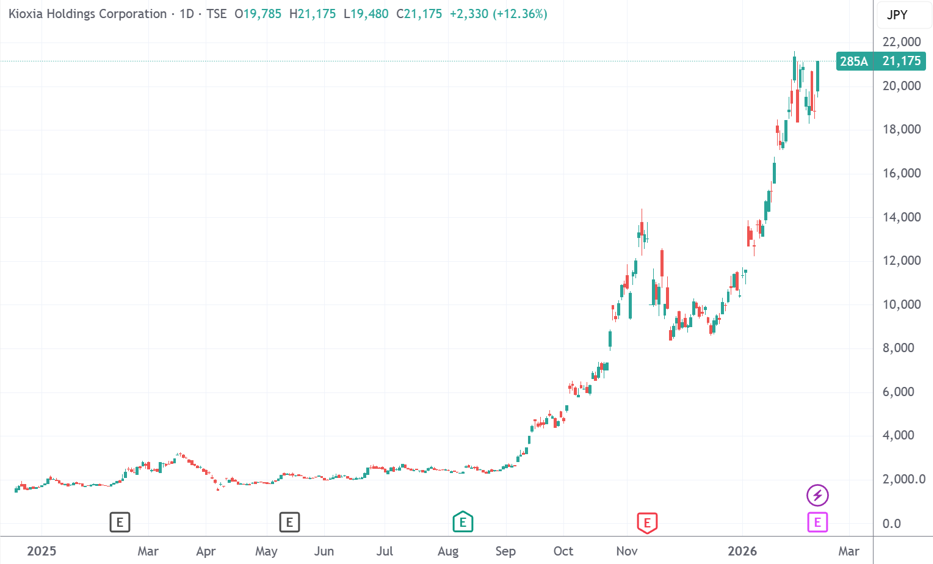
作者 | 史正丞 北京时间周四午后,全球主要存储芯片生产商日本铠侠(KIOXIA)发布了一份好于此前指引的三季报,同时奉上极其炸裂的第四财季指引。 受此影响,闪迪、美光科技在美股夜盘阶段直线拉涨,港股市场的兆易创新也在铠侠财报出炉后涨幅扩大至20%。财报发布前,铠侠周四在日本市场收涨 12.36%,收盘价较2024年底IPO的价格已经翻了14.5倍。 (铠侠控股日线 图,来源:TradingView) 在前三财季利润同比下滑四成的背景下,日本存储芯片厂商铠侠给出"炸裂"的第四财季指引。 财报数据方面,铠侠在截至去年12月底的第三财季报告营业利润5436亿日元,接近此前指引5000-5500亿日元的上沿;Non-GAAP营业利润1447亿日元, 超出指引区间1000-1400亿日元的上沿。 更加炸裂的是铠侠给出的四季报(今年1至3月)指引。其中营收指引区间达到8450亿至9350亿日元;Non-GAAP营业利润指引更是达到4400亿至5300亿日 元。 | | 四半期 | | 通期 | | | --- | --- | --- | --- | --- | | | FY2025 | FY2025 | FY2024 ...
江丰电子,买下石英第一股!
Xin Lang Cai Jing· 2026-02-12 11:41
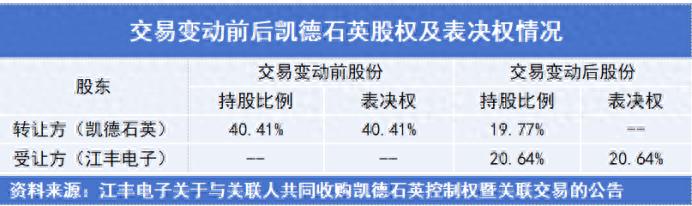
Core Viewpoint - The rising prices of NAND flash memory, driven by major suppliers like Samsung, SK Hynix, and Micron, are creating significant opportunities for companies like Jiangfeng Electronics, which is strategically acquiring stakes in key players like Kaide Quartz to enhance its market position and product offerings [1][4]. Group 1: Market Dynamics - In Q1 2026, Samsung Electronics raised NAND flash memory prices by over 100% [1]. - Major storage manufacturers are tightening pricing control through shorter contract terms and "post-settlement" clauses, which require customers to pay additional fees if market prices rise after delivery [1]. - Jiangfeng Electronics is positioned within the supply chains of SK Hynix, TSMC, and SMIC, indicating its strategic importance in the semiconductor industry [1]. Group 2: Jiangfeng Electronics' Strategic Moves - Jiangfeng Electronics announced plans to acquire a 20.64% stake in Kaide Quartz for 591 million yuan, aiming to gain control over the company [1][2]. - The company reported a 48.08% year-on-year increase in long-term equity investments, reaching 437 million yuan, with investment income hitting a historical high of 68 million yuan, a staggering increase of 157.15 times [2][4]. - Jiangfeng's revenue forecast for 2025 is between 4.31 billion and 5.11 billion yuan, reflecting a year-on-year growth of 7.5% to 27.5% [2]. Group 3: Business Growth and Product Synergy - Jiangfeng's core business focuses on ultra-pure metal sputtering targets, essential for manufacturing storage chips, contributing over 64% of its revenue [6][4]. - The company has achieved a stable supply of high-purity 300mm silicon targets, with a year-on-year profit increase of 36.11% and a gross margin improvement of approximately 3 percentage points to 33.26% [7]. - Jiangfeng's order backlog for ultra-pure target materials reached 1.387 billion yuan, accounting for 59.45% of the expected revenue for 2024 [9]. Group 4: Acquisition Rationale and Future Prospects - The acquisition of Kaide Quartz is seen as a strategic move to enhance Jiangfeng's capabilities in semiconductor precision components, which are critical in semiconductor manufacturing [9][12]. - Kaide Quartz's products are highly aligned with Jiangfeng's business, as they focus on quartz products used in semiconductor integrated circuits, with 95.15% of Kaide's revenue coming from this sector [12][14]. - The timing of the acquisition coincides with Kaide Quartz's capacity expansion, which will reduce Jiangfeng's capital investment post-acquisition [14][16]. Group 5: Future Investment Plans - Jiangfeng Electronics plans to raise 1.928 billion yuan through a private placement, with approximately 1 billion yuan allocated for semiconductor component projects [19][20]. - The company aims to capitalize on the high-profit potential of static suction cups, which currently have a low domestic production rate of less than 10% [20][21]. - Jiangfeng has already secured over 50 million yuan in orders for its independently developed static suction cups, indicating strong market demand [21].
内存紧缺,被压了三年价的供应商替车企扛住第一波冲击
晚点Auto· 2026-02-12 11:37
Core Viewpoint - The demand for memory chips, driven by AI training and inference, has surged over the past two years, leading to price increases and supply shortages that are impacting the automotive supply chain. The shortage is expected to persist for one to two years, with limited space for domestic alternatives [3][4]. Group 1: Supply Chain Dynamics - The automotive industry is facing a significant supply gap of approximately 30% for memory chips, with suppliers unable to meet the demand from multiple clients simultaneously [5]. - Major memory manufacturers like SK Hynix, Samsung, and Micron have shifted their production focus from traditional DRAM to higher-margin HBM chips due to strong AI demand, resulting in a price increase of over 300% for DDR5 and over 150% for DDR4 since September 2025 [9][10]. - The automotive sector accounts for less than 10% of the global DRAM market, and memory chips only represent about 1% of the total BOM cost for vehicles, leading manufacturers to prioritize higher-paying clients [9][10]. Group 2: Competitive Landscape - Companies that secured memory chip capacity in advance are gaining a competitive edge, as they can protect their clients and navigate the crisis more effectively [5][11]. - Some leading automotive companies have begun switching suppliers to secure stable pricing and supply commitments, but this process is complicated by the need for certification and testing [11]. - The reliance on suppliers for inventory and negotiations means that automotive companies are at a disadvantage during supply crises, as suppliers prioritize clients willing to share cost burdens [11]. Group 3: Future Implications - The ongoing memory supply crisis is likely to lead automotive companies to make more strategic decisions regarding memory configurations in their products, potentially reducing specifications for lower-tier models and freezing certain software functionalities [12]. - Domestic manufacturers like Changxin Storage and Yangtze Memory Technologies are expanding their DRAM production, but the delivery timelines have extended significantly, indicating limited immediate relief for the automotive sector [12].


事关HBM4,美光否认
半导体芯闻· 2026-02-12 10:37
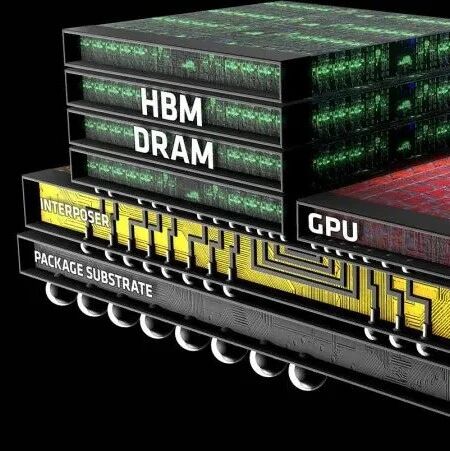
Core Viewpoint - Micron has officially launched the shipment of its sixth-generation High Bandwidth Memory (HBM4), breaking the expectation that Samsung and SK Hynix would dominate the supply chain for NVIDIA's upcoming AI accelerator, "Vela Rubin" [1]. Group 1: Micron's HBM4 Production and Market Position - Micron's CFO, Mark Murphy, announced that the company has entered the mass production phase of HBM4 and has begun shipping to customers [1]. - Murphy addressed recent rumors regarding HBM4's exit from the market, stating that the shipment volume is expanding smoothly and is ahead of the previously mentioned timeline by one quarter [1]. - The production capacity for HBM is steadily increasing as planned, with Micron's HBM capacity for 2026 already sold out, and the yield for HBM4 meeting expectations, providing speeds over 11Gbps [1]. Group 2: Competitive Landscape - Prior opinions suggested that Micron's HBM4 could not meet NVIDIA's requirement of over 11Gbps, placing it at a disadvantage against Samsung and SK Hynix in the supply competition [1]. - SemiAnalysis projected that SK Hynix and Samsung would capture 70% and 30% of the supply chain for NVIDIA's Vela Rubin, respectively [2].

LPDDR6X,首次交付!
半导体芯闻· 2026-02-12 10:37
Group 1 - Samsung Electronics has supplied Qualcomm with samples of the next-generation low-power DRAM, LPDDR6X, which is expected to be commercially available in the second half of 2027 [1] - The LPDDR6X samples were provided even before the previous generation, LPDDR6, has officially launched, indicating a tight development schedule for Qualcomm's chip [1][2] - Qualcomm's request for LPDDR6X samples is closely related to its development of next-generation semiconductors, particularly for its AI accelerator "AI250," set to launch in 2027 [1][2] Group 2 - LPDDR6X is expected to further enhance performance over its predecessor, LPDDR6, although specific specifications are not yet confirmed due to the JEDEC standard still being under development [2] - Qualcomm aims to reduce its reliance on mobile application processors (AP) by accelerating its AI accelerator business, with plans to launch the AI200 this year and the AI250 next year, both focusing on AI inference tasks [2][3] - The AI250 is anticipated to require over 1000GB of LPDDR capacity, while the AI200 is expected to use 768GB [3] Group 3 - LPDDR technology, traditionally used in smartphones, laptops, and automotive electronics, is now being adopted by AI semiconductor companies like NVIDIA for inference chips, expanding its application range [1][2] - The bandwidth of LPDDR6X is expected to significantly increase compared to LPDDR5X, enhancing AI computing performance [2]

存储芯片暴涨真相
Xin Lang Cai Jing· 2026-02-12 10:25
Core Viewpoint - The current surge in storage chip prices, particularly DRAM, is driven by an unprecedented demand from the AI infrastructure boom, leading to significant supply shortages and price volatility in the market [3][41]. Group 1: Market Dynamics - The global storage chip market is experiencing a "super cycle," characterized by extreme price increases and supply constraints, with DRAM prices rising from under $3.2 to $64.5 per unit, a staggering increase of 1922.8% from early 2025 to the end of the same year [5][42]. - TrendForce forecasts that DRAM prices will continue to rise, with an expected increase of over 60% in Q1 2026, leading to an annual market value of $404.3 billion, representing a 144% year-on-year growth [5][44]. - NAND flash memory is also expected to see significant price increases, with projections of a 55%-60% rise in Q1 2026, contributing to a total market value of $147.3 billion, a 112% annual growth rate [5][44]. Group 2: Supply Chain Challenges - The supply of storage chips is heavily concentrated among three major players: Samsung, SK Hynix, and Micron, which together control over 95% of the market, leading to a lack of supply elasticity and making the market highly susceptible to demand fluctuations [11]. - The ongoing shortage has led to intense competition among major tech companies like Google, Microsoft, and Meta, who are scrambling to secure DRAM supplies for their expanding data centers, often resorting to cash transactions to secure inventory [8][10]. - Reports indicate that many companies are facing difficulties in fulfilling orders, with instances of contracts being broken due to supply constraints, highlighting the severity of the current supply chain crisis [8][28]. Group 3: Beneficiaries of the Cycle - Major storage chip manufacturers, including Samsung, SK Hynix, and Micron, are reporting record revenues and profits due to the price surge, with Samsung's revenue for 2025 reaching approximately 333.6 trillion KRW, a 10.9% increase year-on-year [17][18]. - SK Hynix has also seen substantial growth, with a 47% increase in revenue for 2025, and its stock price has surged by 228% over the past six months, reflecting strong market performance [19]. - The demand for high-bandwidth memory (HBM) has skyrocketed, with predictions that the global HBM market will reach $100 billion by 2028, significantly benefiting companies like SK Hynix, which leads in HBM production [12][19]. Group 4: Industry Impacts - The AI boom is reshaping the storage chip landscape, with increased demand for high-performance DRAM and NAND flash, as companies adapt to new requirements for data processing and storage [10][12]. - The automotive industry is also adjusting to the chip shortage by establishing direct supply agreements with manufacturers, ensuring priority access to critical components [36]. - Smartphone manufacturers are facing challenges as rising storage costs threaten profit margins, leading to potential price adjustments and market segmentation [32][34].
全球股市最大风口,彻底爆了!
商业洞察· 2026-02-12 09:34
Core Viewpoint - The article discusses the significant price surge in storage products, particularly memory chips, driven by increased demand from the AI sector, leading to substantial profits for major manufacturers like SK Hynix and Micron [3][5][10]. Group 1: Price Surge in Storage Products - The average price of memory has increased by 344%, with DDR5 memory prices rising over 300% since September 2025, and DDR4 memory prices increasing by more than 150% [6]. - HDD prices have risen by approximately 50% in four months, with some models seeing increases of up to 66%. SSD prices have surged by around 75%, with 1TB SSD prices jumping from about $60 at the end of 2024 to over $144 in early 2026, a rise of more than 140% [6][7]. - High-end storage products like HBM and DDR5 have seen the most significant price increases, while lower-end products like DDR4 and HDD have also experienced notable price hikes [7]. Group 2: Manufacturer Strategies and Market Dynamics - Major manufacturers, including Samsung, SK Hynix, and Micron, have shifted production capacity towards high-performance storage products for AI servers, significantly reducing capacity for consumer-grade products. Micron has even ceased sales of consumer-grade storage products entirely [8]. - The "controlled quantity price increase" strategy employed by these manufacturers has effectively allowed them to raise prices, as they control over 93% of the global DRAM market [8][9]. - Samsung and SK Hynix plan to increase server DRAM prices by 60%-70% in the first quarter of 2026 compared to the fourth quarter of 2025 [9]. Group 3: Stock Market Impact - Micron's stock price has surged from around $60 in April 2025 to approximately $365, representing a nearly 500% increase [10]. - In South Korea, the KOSPI index has risen from 2284 points in April 2025 to 4935 points recently, a gain of 116%, largely driven by the stock performance of Samsung and SK Hynix [14]. - The article notes that the average profit for South Korean investors has doubled over the past year due to the storage product price boom [16]. Group 4: A-Share Market Performance - Since the price surge in storage products began in the third quarter of last year, several A-share companies have seen significant stock price increases, including Baiwei Storage (up 85%), Demingli (up 274%), Jiangbolong (up 185%), and Shannon Chip (up 408%) [18][19]. - Baiwei Storage expects a net profit of 850 million to 1 billion yuan in 2025, a year-on-year increase of 427.19% to 520.22% [21]. - The demand for memory interconnect chips has also surged, with companies like Lanke Technology projecting a net profit of 2.15 billion to 2.35 billion yuan in 2025, a year-on-year increase of 52.29% to 66.46% [22].



2026年开年韩国投资者加码中国港股 2067万美元扫货AI龙头MiniMax-WP登顶买入榜
Jin Rong Jie· 2026-02-12 09:13
2026年开年以来,韩国投资者再度加码布局中国港股资产,人工智能大模型龙头MiniMax-WP成为其年 内买入金额最高的港股标的。 韩国散户对海外股票的投资热度持续攀升。2025年12月韩国金融监督服务局公布的中期调查结果显示, 2025年1月至11月,韩国12家头部证券公司海外股票交易佣金达1.95万亿韩元,较上一年同期增长两倍 多,创历史新高;散户海外投资相关外汇手续费收入同步增长超两倍。 花旗银行在最新策略报告中表示,在亚股中看好中国市场,认为中国企业每股盈利预测修订趋势较佳、 估值合理,且将在人工智能等结构性主题中受益。高盛维持对中国股票的"高配"评级,预测未来10年AI 普及将推动中国整体盈利每年提升2.5%,同时预计未来一年可能有超过2000亿美元的资金流入中国股 市。 公开信息显示,MiniMax-WP于2026年1月9日登陆香港联交所主板,上市阶段便获得市场高度关注。其 公开发售部分获得1837倍超额认购,国际发售部分获37倍认购,吸引机构与散户投资者共同参与。 对比2025年投资偏好,韩国股民今年的布局方向出现明显调整。2025年韩国股民买入金额最高的港股为 小米集团,年内买入金额达8775 ...