
蒙牛乳业

Search documents
“牛奶爱马仕”,高端泡沫破了
首席商业评论· 2025-12-29 04:07
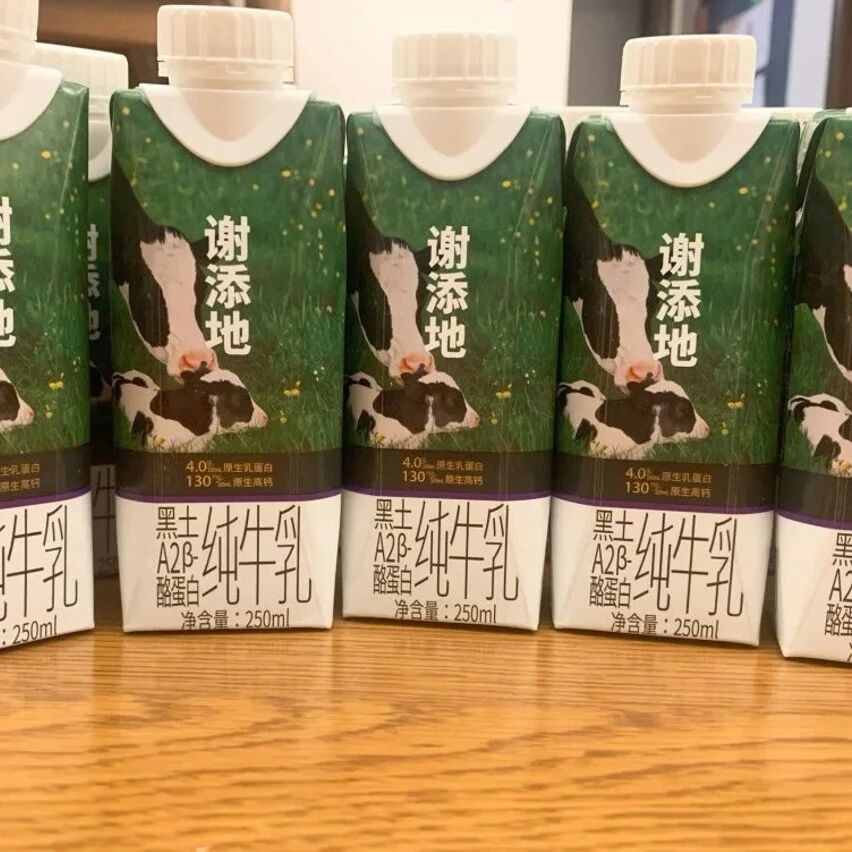
Core Viewpoint - The article discusses the rapid decline in the market performance of the high-end milk brand "谢添地" (Xie Tiandi), which was initially positioned as a premium product but has seen significant price reductions within a year of its launch, indicating a failure to establish a strong market presence and consumer loyalty [4][11][17]. Group 1: Product Pricing and Market Response - "谢添地" was launched in December 2024 with high-end products priced significantly above competitors, such as 12.8 yuan per bottle for its flagship product, which is much higher than similar products from brands like 金典 (Jindian) and 特仑苏 (Telunsu) [4][6]. - By the second half of the year, "谢添地" introduced lower-priced products, with prices dropping to the 3-4 yuan range per bottle, reflecting a shift in strategy to attract more price-sensitive consumers [6][10]. - The brand's initial high-end products have also seen price cuts, with discounts reported in various channels, indicating a struggle to maintain their premium positioning [9][10]. Group 2: Brand Strategy and Market Positioning - The brand was developed with the intention of replicating the success of "特仑苏," led by a key figure from the original brand's development team, highlighting a strategy focused on high-end market capture [12][14]. - "谢添地" invested heavily in marketing, including sponsorship of popular TV shows, with estimated costs around 80 million yuan for naming rights, aiming to quickly establish brand recognition [16]. - Despite these efforts, the brand faced skepticism from consumers regarding its pricing strategy, with some questioning the justification for its high-end positioning [16][17]. Group 3: Market Challenges and Consumer Perception - The article notes that "谢添地" failed to address a critical question: why consumers should pay a premium for its products, especially in a saturated market where established brands dominate [17][18]. - The Chinese dairy market is highly concentrated, with the top five companies accounting for 91% of the market share, making it difficult for new entrants to gain traction [18]. - The brand's marketing approach has been criticized for being outdated, relying on heavy spending and a narrative of scarcity without delivering real differentiation in product quality or consumer value [19].

麦秀华:牛奶如何在中国走进千家万户
Xin Lang Cai Jing· 2025-12-29 02:42
Core Insights - The article discusses the significant shift in milk consumption in China, where despite low lactose tolerance, Chinese people now consume over a quarter of the world's milk. This change is analyzed through various factors beyond modernization and Western dietary influences [1][3][4]. Group 1: Historical Context and Influences - Post-World War II food systems, particularly U.S. food aid, altered dietary habits in Asia, including China, laying the groundwork for increased milk consumption [3]. - The 1980s saw European milk exports to China, which, along with multinational companies like Nestlé establishing production facilities, contributed to the expansion of milk and dairy products in East Asia [3][4]. - Government support for dairy industry projects, including land reforms and financial incentives, has led to a significant increase in milk production, transforming milk from a luxury to a common beverage [3][4]. Group 2: Medicalization and Marketing - The marketing strategies of dairy and pharmaceutical companies have created health narratives around milk, such as "insufficient breast milk" and "picky eating," which have driven consumer demand [4][8]. - The collaboration between global capital, state policies, and commercial medicine has intertwined to elevate milk consumption in daily diets, marking a profound dietary transformation [4][8]. Group 3: Cultural and Traditional Aspects - Traditional Chinese dietary practices have historically been distant from milk consumption, but recent decades have seen a surge in daily milk intake, influenced by both nutritional awareness and modern marketing [7][8]. - The unique water buffalo milk production in regions like Shunde reflects local culinary traditions, which have been affected by economic changes and modern consumer preferences [10][11]. Group 4: Modern Consumption Trends - In Hong Kong, the low breastfeeding rates and the rise of formula milk consumption reflect a complex interplay of modern parenting ideals and societal pressures [13][14]. - The perception of milk as a necessary dietary component has led to the medicalization of lactose intolerance, framing it as an abnormality rather than a natural condition [14][15].


让高质量充分就业成为城市温暖底色
Xin Lang Cai Jing· 2025-12-28 20:29
Group 1 - The core viewpoint of the articles highlights the successful integration of vocational training and labor service branding in Tongliao City, leading to significant increases in employment opportunities and income for skilled workers [1][2] - The city has developed six "dual-brand" projects and 44 local labor brands, with a target of adding 11,700 skilled talents by 2025, including 4,433 high-skilled workers [1] - Employment services have been enhanced through the establishment of 123 upgraded "home-based" employment service stations, providing tailored support for job seekers [1][2] Group 2 - Tongliao City has created a multi-dimensional employment service system, facilitating over 140,000 job postings through cross-regional labor cooperation mechanisms [2] - The city has implemented rapid response policies to support businesses and safeguard livelihoods, including a reduction of unemployment insurance fees by 210 million yuan and the distribution of 63.49 million yuan in unemployment benefits [2] - As of now, Tongliao City has achieved 15,925 new urban jobs, exceeding its annual target by nearly 18%, and has facilitated the stable employment of over 350,000 rural workers [3]
一周新消费NO.341|蒙牛纯甄上新「冻梨口味风味酸奶」;刘昊然亮相VICUTU新年衣橱以马上行系列开启新年叙事
新消费智库· 2025-12-28 13:03
New Products - Mengniu launched "Frozen Pear Flavor Yogurt" which uses French imported dual-strain fermentation, suitable for various scenarios like breakfast and outdoor activities [8] - Shuanghui and Tmall Supermarket introduced "Spicy Beef Strips" with ≥90% beef content and ≥27g protein per 100g [8] - Bawang Tea Ji launched the "Return to Yunnan" series with three flavors, using a blend of 65% Menghai Pu'er and 35% Mengku Ice Island ripe Pu'er [11] - Heytea collaborated with Pop Mart to introduce a new product line featuring custom star-shaped drinks and themed stores [11] - Watsons launched a limited edition "Biquan Sweet Apricot Jasmine Green Tea" using high-quality apricot puree [12] Industry Events - McDonald's opened its first stores in Ningxia and Qinghai, completing its presence in all provincial-level administrative regions in China [16] - Anta officially joined Taobao Flash Sale, with plans to cover over 4,000 stores by 2026 [18] - JD Health and Ganhe Group signed a strategic cooperation agreement to enhance supply chain efficiency and user health management [18] Investment Trends - Zhongyan Alkali Industry received a strategic investment of 3.92 billion RMB for green mining expansion [22] - Safilo acquired 25% of Inspecs Group for £21.7 million [22] - Qianjue Technology completed a Pre-A++ round financing of nearly 100 million RMB for technology development [22] - Sequoia China acquired a controlling stake in Golden Goose [22] Food Industry Developments - Mixue Ice City opened its first flagship store in Hangzhou, featuring a wide range of drinks and cultural products [28] - Haidilao introduced a small portion menu with prices starting from 3.8 RMB [28] - Mengniu launched "Soft Milk" using EHT enzyme hydrolysis technology for better nutrient absorption [28] - Nestlé completed the sale of its remaining 40% stake in Herta Foods to Casa Tarradelas [32]
“牛奶爱马仕”,高端泡沫破了
凤凰网财经· 2025-12-28 12:36
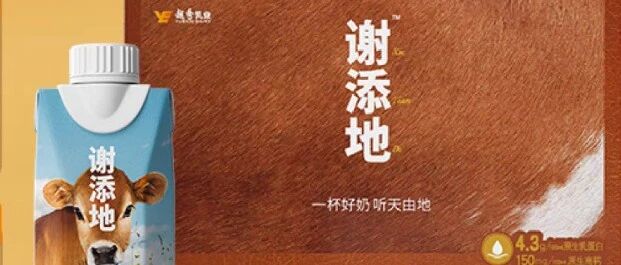
Core Viewpoint - The article discusses the rapid decline in the pricing and market performance of the high-end milk brand "谢添地," which was initially marketed as the "Hermès of milk" but has now introduced products at significantly lower price points, indicating a failure to establish a sustainable premium brand identity in a competitive market [1][2][12]. Group 1: Pricing Strategy and Market Response - "谢添地" launched with high-end products priced at 128 yuan per case (12.8 yuan per bottle) and 78 yuan per case (7.8 yuan per bottle), which were significantly higher than competitors like 金典 and 特仑苏 [2][4]. - By the second half of the year, "谢添地" introduced lower-priced products, with single bottle prices dropping to the 3-4 yuan range, and some products being sold for as low as 3.3 yuan in physical stores [4][5]. - The initial high-end products have also seen price reductions, with discounts leading to prices as low as 4.47 yuan per bottle, indicating a significant shift in pricing strategy [5][6]. Group 2: Brand Positioning and Market Challenges - The brand was developed with the intention of replicating the success of "特仑苏," led by key figure 白瑛, who previously helped establish the latter brand [7][12]. - Despite heavy marketing investments, including sponsorship of popular TV shows, "谢添地" faced skepticism from consumers regarding its high pricing and perceived value [12][14]. - The brand's attempt to position itself as a premium product has been challenged by the saturated market, where the top five companies dominate 91% of the market share, making it difficult for new entrants to gain traction [12][15]. Group 3: Consumer Perception and Market Dynamics - "谢添地" struggles to justify its premium pricing to consumers, who question the necessity of high-end milk products, especially when basic milk meets their nutritional needs [15]. - The brand's marketing strategy has been criticized for relying on outdated tactics of heavy spending and scarcity narratives without establishing genuine brand loyalty or value [14][15]. - The differentiation claimed by "谢添地," such as its use of "娟姗牛" and A2 milk, is not unique, as similar products are offered by established brands like 伊利 and 光明, undermining its premium positioning [14][15].
中国人的喝奶难题,被解决了吗?
虎嗅APP· 2025-12-28 11:07
Core Insights - The core message of the article highlights a significant shift in consumer behavior regarding dairy consumption in China, with a notable decline in dairy intake and a growing demand for personalized nutrition solutions [2][6][21]. Group 1: Consumer Behavior and Market Trends - Recent data from the "2025 China Dairy Business Index Report" indicates a decrease in dairy consumption, with 23.1% of consumers reducing their intake due to changing dietary habits and unmet quality expectations [2][4]. - As health perceptions evolve from mere nutritional supplementation to precise management, consumers are increasingly focused on what type of milk aligns with their individual needs [2][5]. - The market is witnessing a fragmentation of consumer demands, with different demographics seeking tailored nutritional solutions, such as weight management, calcium absorption, and energy supplementation [5][6]. Group 2: Company Strategies and Product Innovations - Mengniu's president, Gao Fei, emphasizes the importance of protein as the core value of dairy products, aiming to ensure consumers drink the right and quality milk [7]. - The introduction of the "Hi MILK" series by Telunsu represents a strategic response to the diverse consumer needs, offering specialized products like fat-free milk for fitness enthusiasts and high-calcium milk for growing adolescents [12][13]. - Telunsu's innovative product matrix aims to redefine the standards of high-quality milk, including the launch of the first desert organic milk, which sets a new benchmark in the premium organic dairy segment [14][15][17]. Group 3: Cultural and Emotional Aspects - Telunsu's approach transcends mere nutrition, positioning milk consumption as a cultural and emotional experience, thereby enhancing the ritualistic aspect of drinking milk [18][19]. - The company's product offerings reflect a shift from a one-dimensional supply model to a co-creation of value with consumers, indicating a deeper relationship between brands and their customers [19][21]. Group 4: Future Outlook - The article suggests that while challenges in the dairy sector persist, the evolution of consumer expectations drives industry progress, with Telunsu poised to explore further innovations in response to health-conscious lifestyles [20][22].

行业周报:白酒龙头抗风险能力突出,原奶供需平衡点渐行渐近-20251228
KAIYUAN SECURITIES· 2025-12-28 10:44
Investment Rating - The industry investment rating is "Positive" (maintained) [1] Core Viewpoints - The value of layout in the high-end liquor sector is becoming evident, and the optimization of raw milk supply and demand is creating investment opportunities [3][12] - The food and beverage index experienced a decline of 0.6% from December 22 to December 26, ranking 25th among 28 sectors, underperforming the CSI 300 by approximately 2.5 percentage points [12][14] - The high-end liquor industry is currently in a deep adjustment period due to slowing economic growth and insufficient consumer confidence, but there are signs of demand improvement compared to the second and third quarters [12] - The price strategy for premium liquor brands like Moutai is stabilizing, with recent prices in the range of 1500-1600 RMB, and significant price drops are not expected in the near future [12] - The raw milk supply-demand gap has slightly narrowed, with a short-term recovery in demand due to pre-holiday stocking, but long-term supply remains in surplus [4][13] Summary by Sections Weekly Insights - The liquor sector shows layout value, and the raw milk supply-demand optimization is generating investment opportunities [3][12] - The food and beverage index underperformed the market, with specific sub-sectors like health products and other foods showing relative strength [12][14] Market Performance - The food and beverage index fell by 0.6%, ranking 25th out of 28 sectors, with health products (+0.5%) and other foods (+0.0%) performing relatively better [12][14] Upstream Data - Recent data indicates a decline in some upstream raw material prices, with full-fat milk powder auction prices down 18.7% year-on-year [20][21] Liquor Industry News - Prices for premium Moutai products have increased, reflecting strong market demand and limited supply [42] Recommended Portfolio - Recommended stocks include Guizhou Moutai, Shanxi Fenjiu, and West Oat Foods, among others, focusing on companies with strong performance stability and risk resilience [5][48]




一周上新!入口刚好、辛一铜锣烧、Tims天好咖啡...海内外新品资讯抢先看 | 全球职人情报站
东京烘焙职业人· 2025-12-28 08:33
Core Insights - The article provides a comprehensive overview of new product launches and trends in the baking industry, highlighting various brands and their innovative offerings [2][3][5][6][7][8][10]. Group 1: New Product Launches - Sanji Foods has introduced a low GI toast made from whole grains, featuring black whole wheat and oat flour for high fiber content and a long-lasting feeling of fullness [9][12]. - Dingdong Maicai launched two new products from the Bao Luo Workshop: a lemongrass coconut toast and a blueberry Boston cake, both emphasizing unique flavors and textures [14]. - Sam's Club features a King Cake and cinnamon rolls, promoting a cozy afternoon experience with baked goods [17]. - Costco offers a croissant sandwich combo, combining beef and ham with cheese for a dual-flavor breakfast option [19][20]. - Various brands like B&C, Tims, and 85°C have released seasonal strawberry-themed products, including a French strawberry Napoleon and a strawberry-filled sweet donut [28][29][34]. Group 2: Industry Trends - The new tea drink brand "Sweet Heart Pipi" has completed nearly 100 million yuan in financing, indicating a growing interest in innovative beverage options [143][144]. - Yili and Mengniu have expressed strong support for the Ministry of Commerce's temporary measures against EU dairy products, highlighting the competitive landscape in the dairy industry [145]. - Xiangpiaopiao is establishing a beverage production base in Thailand, aiming to cater to the growing demand for high-end cup drinks in Southeast Asia [146]. - Kawasaki Heavy Industries is innovating by using hydrogen for baking UCC coffee, showcasing advancements in sustainable practices within the food industry [147].
政策纾困与转型升级并举,中国乳业迎来破局窗口期
Xin Lang Cai Jing· 2025-12-27 10:27
Core Viewpoint - The Ministry of Commerce of China has announced a preliminary ruling on anti-subsidy measures against imported dairy products from the EU, indicating that these products have received subsidies that harm the domestic dairy industry, with temporary anti-subsidy measures set to take effect from December 23, 2025 [1][2]. Group 1: Background and Rationale - The anti-subsidy investigation was initiated in August 2024 at the request of the China Dairy Industry Association and the China Dairy Products Industry Association [2]. - The preliminary ruling report, spanning 108 pages, details the existence of subsidies, the amount of subsidies, and the causal relationship between these subsidies and the damage to the domestic industry [2]. Group 2: Market Impact - The EU's subsidized dairy products, particularly cheese and cream, accounted for 23.6% to 34.6% of China's total dairy imports from 2020 to the first three months of 2024, making the EU a major source of these imports [4]. - The domestic dairy industry is currently facing challenges, including overproduction of raw milk and a lack of self-sufficiency in high-value processed products like cheese and butter [4]. Group 3: Industry Response and Future Outlook - There is a growing call for increased protection within the industry as raw milk prices decline, leading to widespread losses across the sector [5]. - The anti-subsidy measures are seen as a way to restore fair competition, allowing both domestic farmers and enterprises to compete under more equitable conditions [5]. - Industry experts suggest that domestic processing companies should leverage the current policy window to enhance product lines and processing capabilities, which will help them better compete against imports in the future [6]. - Companies like Feihe and Mengniu are already investing in high-value and deep-processing product projects, indicating a proactive approach to enhancing competitiveness [7].
政策纾困与转型升级并举 中国乳业迎来破局窗口期
Xin Hua Wang· 2025-12-27 09:43
Core Viewpoint - The Chinese dairy industry is entering a critical period for transformation and development, supported by government measures to counteract foreign subsidies that have negatively impacted domestic producers [1][5]. Group 1: Background and Context - The Ministry of Commerce initiated an anti-subsidy investigation into dairy products imported from the EU, responding to requests from the China Dairy Industry Association and the China Dairy Products Industry Association [2]. - The preliminary ruling found that EU dairy products received subsidies that caused substantial harm to the domestic industry, leading to the decision to implement temporary anti-subsidy measures starting December 23, 2025 [1][2]. Group 2: Market Impact - The EU accounted for 23.6% to 34.6% of China's total dairy product imports from 2020 to early 2024, indicating its significant role in the Chinese dairy market [4]. - The domestic dairy industry is currently facing challenges such as overproduction of raw milk and underdevelopment in high-value dairy products like cheese and butter, necessitating continued imports [4][5]. Group 3: Industry Challenges - The industry is experiencing widespread losses due to falling raw milk prices, high costs, and external pressures from imported dairy products, which have been exacerbated by EU subsidies [5]. - The China Dairy Products Industry Association highlighted that EU dairy products have entered the Chinese market at unreasonably low prices, harming domestic producers and reducing their capacity utilization [5]. Group 4: Future Opportunities - The anti-subsidy measures are seen as a way to create a fairer competitive environment, allowing domestic producers to strengthen their market position [5][6]. - Companies are encouraged to leverage the current policy window to enhance product lines and processing capabilities, which will help them better compete against imports in the future [6][7]. - The low prices of raw milk currently present an opportunity for processing companies to upgrade and innovate, particularly in high-value and deep-processing dairy products [7].