尼康

Search documents
“日本科技项目”CES组团拉客,日本科技企业还能打吗?
3 6 Ke· 2025-12-10 00:13
Core Insights - CES 2026 will take place from January 6 to 9, 2026, in Las Vegas, serving as a significant platform for global technology brands, particularly from China and Japan [1][14] - The "Japan Tech Project" aims to support Japanese companies with new technologies and products to showcase at CES and other global tech exhibitions [1][16] - Japanese companies are expected to present innovations in various fields, including AI, robotics, and eco-friendly materials, at CES 2026 [1][3] Japanese Companies' Innovations - Sony is set to showcase its first LCD TV using "True RGB" LED backlight technology, which claims to avoid common OLED issues while achieving high brightness levels [3][5] - In addition to TVs, Sony may introduce a new 240Hz refresh rate PlayStation monitor, aiming to maintain its position in the high-end hardware market [5] - Panasonic will focus on "carbon neutrality" and "circular economy" themes, showcasing smart appliances like refrigerators that monitor food freshness [6][9] Automotive Developments - Sony Honda Mobility will present the AFEELA 1 electric vehicle at CES 2026, highlighting the collaboration between entertainment and automotive technology [10][12] Professional Imaging and Robotics - Japanese firms continue to dominate the professional imaging sector, with Sony and Nikon expected to unveil new technologies for filmmakers and smart vehicles [12] - The "Japan Tech Project" also aims to support startups in showcasing innovative hardware, including robotics, at CES 2026 [13][17] Competitive Landscape - Chinese companies have significantly increased their presence at CES, with over 1,475 exhibitors in 2025, and are expected to surpass pre-pandemic levels in 2026 [14][16] - Despite the strong showing from China and the U.S., Japan and other countries are striving to establish a more prominent presence in the global tech landscape [16][17]


日本或将全面停止向中国出口光刻胶
Xin Lang Cai Jing· 2025-12-09 06:26
Group 1 - Japan has reportedly stopped exporting photoresists to China since mid-October, affecting major companies like Canon, Nikon, and Mitsubishi Chemical, although no official announcement has been made [1] - Photoresist is a critical material in semiconductor manufacturing, used to create intricate circuit patterns on wafers by reacting to light [1] - The disruption in supply is considered a worst-case scenario for China, as it heavily relies on imports for photoresists [1] Group 2 - Japanese companies currently hold 70% of the global market share in photoresists, with firms like JSR, Shin-Etsu Chemical, and Tokyo Ohka leading the industry [4] - China has a low self-sufficiency rate in photoresists, with an import dependency of 80%-90%, and 50%-55% of imports coming from Japan [4] - In 2024, imports from Japan are expected to reach $1.36 billion, accounting for 54.5% of the total import of photosensitive chemicals [4] - Advanced EUV photoresists are entirely imported, with over 90% dependency for ArF photoresists and over 95% for KrF photoresists used in various semiconductor processes [4] - The domestic electronic chemicals industry in China is accelerating its localization efforts, with some companies achieving full supply chain autonomy for photoresists, potentially entering international semiconductor supply chains [4] - If Japan indeed halts exports, it could significantly impact China and provoke retaliatory measures [4]

日本组团拉客,CES2026前瞻观察:中美企业依然是科技顶流
3 6 Ke· 2025-12-08 10:03
Core Insights - CES 2026 will take place from January 6 to 9, 2026, in Las Vegas, serving as a significant platform for global technology brands, including those from Japan, which is launching the "Japan Tech Project" to showcase its innovations [2][21] - Japanese companies are expected to present new technologies and products across various sectors, including AI, robotics, and eco-friendly materials, highlighting their competitive edge in certain areas despite challenges from Chinese firms [4][10][19] Group 1: Japanese Technology Showcase - The "Japan Tech Project" aims to support Japanese companies with new technologies to gain visibility at global tech events like CES [2][19] - Major Japanese firms such as Sony and Panasonic will showcase innovations in home entertainment, appliances, and automotive technology, with Sony expected to unveil a new RGB LED TV and a 240Hz PlayStation monitor [5][8][14] - Panasonic will present its "Panasonic Go" initiative, focusing on AI integration in home appliances, particularly in refrigerators and washing machines [14][10] Group 2: Competitive Landscape - Japanese companies face stiff competition from Chinese manufacturers, who have made significant advancements in consumer electronics, particularly in display technologies [9][23] - The presence of major players like Sony and Nintendo in gaming and entertainment sectors remains crucial for Japan's technological reputation [9][15] - The CES 2026 will see an increase in Chinese exhibitors, potentially surpassing previous records, indicating a growing dominance in the tech landscape [21][22] Group 3: Robotics and Innovation - Japanese firms are known for their creativity in robotics, with expectations for new innovative products at CES 2026, reflecting Japan's historical strength in this area [19][20] - The establishment of the "Japan Tech Project" is intended to enhance the visibility and impact of Japanese startups in the global tech arena [19][26] Group 4: Global Participation - The participation of South Korean companies, such as Samsung and LG, is also significant, with over 1,000 exhibitors expected, indicating a competitive environment alongside Japanese and Chinese firms [26][21] - The disparity in exhibitor strength between Japan and the leading tech nations (China and the USA) highlights the challenges Japan faces in regaining its former technological prominence [26][24]
中国可能成为荷兰和日本后,第三个独立制造光刻机的国家
Xin Lang Cai Jing· 2025-12-06 16:27
全球半导体设备市场正在悄然发生深刻变革,而光刻机作为半导体制造的核心设备,被誉为"工业皇冠 上的明珠"。 长期以来,光刻机技术的缺失被认为是中国芯片产业发展的最大短板。 尽管取得了显著进展,但中国光刻机产业仍面临巨大挑战。目前,全球市场对先进制程芯片的需求持续 增长,而ASML的技术优势在高端领域难以撼动。 以上海芯上微装科技股份有限公司(AMIES)推出的AST6200型350nm步进光刻机为例,这款设备虽然 制程节点不及国际顶尖水平,但其技术指标精准击中了第三代半导体市场的核心需求。 其刻蚀精度达到正面80纳米、背面500纳米,兼容碳化硅(SiC)、氮化镓(GaN)等多种化合物半导体 材料,广泛应用于5G基站、新能源汽车电控系统等领域。更值得关注的是,该设备核心零部件几乎实 现了全链条的"中国制造"。 这种差异化竞争策略不仅帮助中国企业在细分市场站稳脚跟,也为后续技术追赶积累了宝贵的资金和经 验。 除了硬件技术的突破,中国光刻机产业还在研发范式上实现了创新。国内研发团队通过引入大数据和人 工智能技术,部署高密度传感器网络,构建高精度数字孪生模型。 这种数据驱动的研发模式显著提升了设备良率,同时缩短了设备调 ...

大批外资逃离中国,西方开始抢夺中国市场,普通人该怎么减小损失
Sou Hu Cai Jing· 2025-12-04 10:49
Group 1 - The core argument of the article is that the narrative of foreign capital withdrawing from China is exaggerated and does not reflect the overall market dynamics, as many foreign companies continue to find opportunities in the Chinese market [5][25][29] - There are three categories of foreign companies that have withdrawn from China: manufacturing firms, technology service providers, and those that have relocated their supply chains [7][14][17] - The first category includes manufacturing companies like Samsung and Nikon, which have seen a decline in market share due to the rise of domestic competitors and other operational challenges [9][11] - The second category consists of technology service companies that have reduced their presence in China following revelations about U.S. surveillance programs, leading to a decline in their market viability [14][15] - The third category involves companies like Foxconn that initially moved operations to Southeast Asia to reduce costs but later returned to China due to higher operational challenges and costs in those regions [19][21] Group 2 - The article emphasizes that the withdrawal of some foreign companies is a normal market phenomenon and not indicative of a broader trend, as many foreign firms continue to enter the Chinese market [23][25] - It highlights that China remains an attractive market due to its large population and potential for profitability across various industries [25][27] - The conclusion suggests that while individual companies may face challenges, the overall market in China will continue to evolve, and individuals should adapt to these changes rather than succumb to fear [29]

富士免费开放LUT方案,“富士味”烂大街后,手机影像何去何从?
3 6 Ke· 2025-12-04 10:26
(图片来源:雷科技制图) 简单来说,富士将自己最大的卖点——色彩,无偿贡献给了所有用户,站在传统相机的视角,这波操作不难理解:过去只有买富士机身 才能体验到的那套色彩,现在只要你愿意折腾,用别家支持LUT的相机、甚至用视频软件,也能在后期把画面往「富士味」上拉。这相 当于主动将自己的色彩话语权,从单一硬件扩展到更广阔的影像生态中。 但对手机行业来说,这个影响可大可小。毕竟这几年,很多手机在影像宣传上都玩过类似套路:什么「胶片模式」、「日系滤镜」、 「富士风格」,再把 UI 界面做得复古一点,很容易就堆砌出「情绪」「质感」这类所谓的体验感。 而如今富士亲自下场,把正宗 LUT 直接免费放出。有人会问:那手机上那些「仿富士滤镜」还站得住吗?而失去「模仿标杆」的手机 影像,又该走向何方? 「仿富士」不重要了,手机回归影像基本功 可能很多读者都不知道,其实当前主流旗舰手机早已具备专业影像创作的基础能力,iPhone、小米、OPPO、vivo 等影像旗舰早已支持 10-bit Log视频拍摄,部分机型甚至开放了LUT导入接口,这意味着从技术层面来说,手机也可以拿到更接近「原味富士」的画面。但实 际情况是,不管手机滤镜名 ...
中国突施狠招,断供日本给变压器制造企业的启示
Xin Lang Cai Jing· 2025-12-01 21:38
Core Insights - The ongoing competition between China and Japan has escalated into a generational paradigm shift in industry, which poses significant implications for China's transformer manufacturing enterprises [1] - Japan's recent supply chain disruptions, triggered by China's export control measures, have led to partial production halts for 23 major companies, including Toyota and Sony [2] - The historical trade relationship between China and Japan has evolved dramatically, with China now controlling 80% of global production capacity for critical materials that were once monopolized by Japan [4] Group 1: Supply Chain Dynamics - Japan's manufacturing sector is facing a critical supply chain crisis, with a dependency on China for key materials exceeding 90%, particularly in the semiconductor industry [10] - The shift from a "world factory" to an "innovation hub" in China signifies a strategic transformation that poses long-term challenges for Japan's manufacturing capabilities [9][12] - China's advanced real-time data collaboration capabilities in supply chain management have outpaced Japan's traditional methods, highlighting a significant efficiency gap [7][8] Group 2: Technological Advancements - China's continuous investment in research and development has led to a reversal of roles, where Japanese companies are now seeking access to Chinese semiconductor patents [5] - The integration of 410,000 factories into a real-time collaborative network through industrial internet platforms represents a substantial leap in China's manufacturing capabilities [8] - The introduction of an "industrial chain resilience index" by China's Ministry of Industry and Information Technology aims to enhance the evaluation of local governments and solidify technological advancements [12] Group 3: Historical Context and Future Implications - The historical trajectory of China-Japan trade, from a $30 billion starting point in 1985 to a current reliance on critical materials, underscores the shifting power dynamics in the region [4] - The current crisis is not merely a temporary trade dispute but a strategic declaration of China's intent to reshape the global industrial landscape [9][12] - The lessons from this ongoing competition emphasize the importance of dynamic evolutionary capabilities over static technological barriers, as articulated in historical contexts [12]


传日本断供光刻胶,可能严重影响中国半导体产业活力
是说芯语· 2025-12-01 09:44
Core Viewpoint - Japan has reportedly ceased exports of photoresist to China, which is seen as a significant escalation in tensions between the two countries and poses a threat to China's semiconductor industry [1][3]. Group 1: Impact on Semiconductor Industry - The semiconductor market is experiencing a general supply shortage, with demand for DRAM and HBM rising sharply, presenting an opportunity for Chinese companies to grow [3]. - The interruption of photoresist exports from Japan is expected to undermine the expansion plans of Chinese semiconductor manufacturers like CXMT and SMIC, as unstable procurement of core materials could hinder their market entry speed [3]. - The disruption may lead to a global supply chain restructuring and changes in overall price structures within the semiconductor market [3]. Group 2: Japan-China Relations and Supply Chain Dynamics - The export restrictions are seen as a move to increase the distance between Japanese and Chinese companies, while simultaneously strengthening the supply chain ties between South Korea and Japan [3]. - As Japan tightens its control over photoresist exports, South Korean companies are likely to seek more stable cooperation with Japanese SMEs, potentially positioning South Korea as a central axis in the semiconductor supply chain between China and Japan [3]. - The ongoing tensions are expected to have broader implications for the semiconductor supply chain, with South Korean industries closely monitoring the situation for potential impacts on their operations [3]. Group 3: Photoresist Market Overview - Photoresist is a critical material in semiconductor manufacturing, with Japan holding over 70% of the global market share, making it a key leverage point in geopolitical conflicts [4]. - The recent export halt is viewed as a significant setback for China's semiconductor ambitions, particularly affecting companies like SMIC and ChangXin Memory, which are looking to expand production amid rising DRAM prices [4]. - Japan's export controls may gradually extend beyond photoresist, as evidenced by the recent cessation of imports of Chinese DRAM by Japanese semiconductor firm Kioxia due to quality and safety concerns [4].
尼康光刻机,卷土重来
半导体芯闻· 2025-11-26 10:49
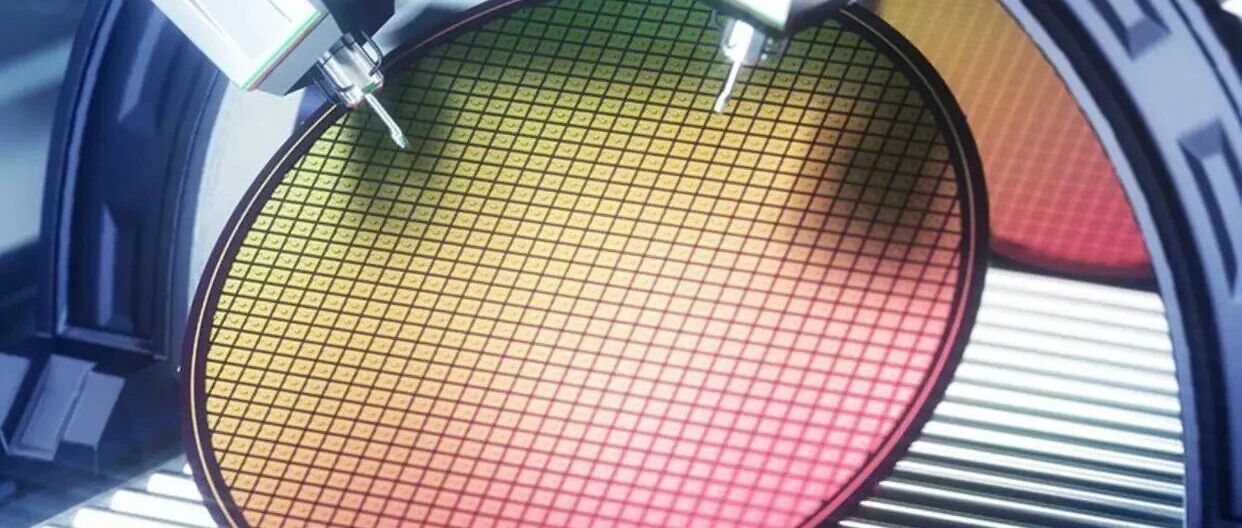
Core Insights - The article discusses the evolution of the Extreme Ultraviolet (EUV) lithography market, highlighting ASML's dominance and Nikon's potential resurgence through alternative technologies like Nanoimprint Lithography (NIL) [1][4][9]. Group 1: ASML's Dominance - ASML currently holds over 60% of the global lithography market and has a 100% monopoly in the EUV sector, which is essential for producing advanced chips [2][3]. - The cost of ASML's EUV equipment ranges from $150 million to $350 million, making it a significant investment for semiconductor manufacturers like TSMC, Samsung, and Intel [2][3]. - The transition to EUV technology has allowed the industry to continue following Moore's Law, integrating billions of transistors onto a single chip [2][3]. Group 2: Nikon's Strategic Shift - Nikon, which once led the market, has shifted focus to mature processes and special applications after abandoning EUV development in the late 2010s [1][3]. - Nikon is planning a comeback by introducing the DSP 100 digital lithography system in 2025, targeting the growing demand for advanced chip packaging [7][9]. - The company is exploring NIL technology, which could significantly reduce costs and energy consumption compared to EUV, making it an attractive option for emerging chip manufacturers [8][11]. Group 3: NIL Technology Advantages - NIL technology allows for direct imprinting of circuit patterns onto wafers, potentially reducing costs to about 40% of EUV systems and energy consumption to around 10% [8][11]. - The NIL process is not constrained by optical diffraction limits, theoretically enabling production below 10 nm, which is suitable for high-repetition memory processes like NAND and DRAM [11]. - Canon has already introduced NIL equipment capable of reaching 14 nm, indicating a competitive landscape where both Nikon and Canon could set new standards in this technology [11].

EUV光刻机“秘史”!
半导体行业观察· 2025-11-24 01:34
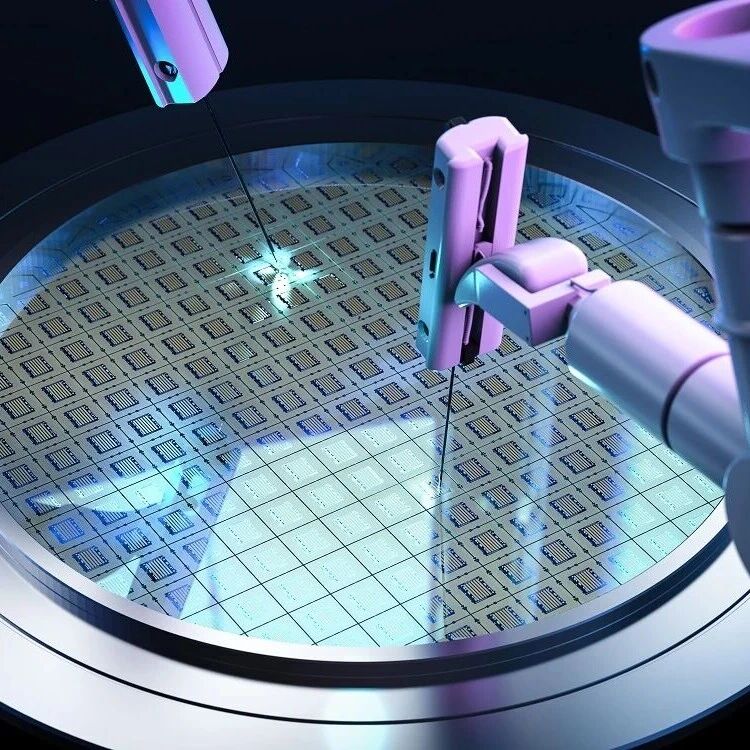
Core Viewpoint - The article discusses the evolution and commercialization of Extreme Ultraviolet (EUV) lithography technology, highlighting the geopolitical implications and the significant contributions from various research institutions, particularly in the U.S. and the eventual dominance of ASML in the market [1][22][23]. Group 1: Semiconductor Lithography Technology - Moore's Law indicates that the number of transistors on integrated circuits doubles approximately every two years, largely due to advancements in lithography technology [1]. - The latest advancement in lithography is EUV technology, which uses light with a wavelength of 13.5 nanometers to create patterns on chips [1][22]. - The development of EUV technology involved significant investment and research from U.S. institutions like DARPA, Bell Labs, and IBM, amounting to hundreds of millions of dollars over decades [1][22]. Group 2: Historical Context of Lithography Techniques - Early semiconductor lithography used mercury lamps emitting light at 436 nanometers, but diffraction limited the ability to create smaller features [2][4]. - Alternative methods like electron beam lithography and X-ray lithography were explored, but they faced challenges such as slow processing speeds and the complexity of X-ray sources [4][5][6]. - Optical lithography continued to evolve through techniques like immersion lithography and phase-shifting masks, delaying the need to transition to new technologies [6][8]. Group 3: Development of EUV Technology - The transition to EUV technology began in the 1990s, with significant contributions from various research labs and companies, including NTT and Bell Labs [9][16]. - The technology faced skepticism initially, but advancements in multilayer mirrors capable of reflecting X-rays led to successful demonstrations of soft X-ray lithography [10][12]. - The name "Extreme Ultraviolet Lithography" was adopted in 1993 to distinguish it from earlier X-ray techniques [15]. Group 4: Commercialization and Market Dynamics - Despite initial funding cuts in 1996, Intel continued to invest in EUV technology, forming the EUV-LLC alliance to support research and development [18][19]. - ASML emerged as a key player in the EUV market, gaining access to technology and support from major semiconductor companies like Intel, TSMC, and Samsung [19][23]. - By 2013, ASML delivered its first production EUV equipment, marking a significant milestone in the commercialization of this technology [23].