大疆

Search documents
对话马中科创联盟主席赖德发:与大湾区深度对接建立马中创新中心
2 1 Shi Ji Jing Ji Bao Dao· 2026-01-08 11:57
Group 1 - DJI's agricultural drones have significantly reduced pest issues in Malaysian oil palm plantations over the past five years, leading to increased yield and lower management costs [1] - Huawei aims to enhance Malaysia's 5G coverage to 98% by 2025 with its advanced Net5.5G technology, securing a major contract for the Sarawak suburban network upgrade [1] - ZTE's "ultra-compact base station" technology will enable indigenous communities in the deep rainforests of Malaysia to access video consultations by 2025 [1] Group 2 - The chairman of the Malaysia-China Guangdong-Hong Kong-Macau Greater Bay Area Science and Technology Innovation Alliance highlighted three advantages of China's scientific innovation: rapid industrialization, strong engineering and scalability, and close collaboration among research, industry, and capital [2] - Malaysia is expected to deepen cooperation with the Greater Bay Area in fields such as artificial intelligence, industrial internet, new energy materials, carbon technology, biotechnology, and smart manufacturing [2] - Plans for this year include establishing a Malaysia-China Innovation Center to strengthen talent exchange mechanisms in the technology sector and creating a Malaysia-China Innovation Fund focused on mutual investments in advanced manufacturing, green technology, and life sciences [2]

最新确定!美豁免令落地 两中企遭续封!
是说芯语· 2026-01-08 11:11
当地时间1月7日,美国联邦通讯委员会(FCC)宣布豁免部分新型外国制无人机及关键零组件的进口限制,给去年12月刚出台的全面进口禁令踩了脚"刹 车"。 按照国防部的建议,这次豁免期直接延长到2026年12月31日,涵盖了Parrot、Teledyne FLIR等多家海外厂商,以及英伟达、索尼等企业的关键零部件。这 种看似矛盾的政策转向,并不是美国放弃了对中国无人机技术的打压,而是在产业现实和政治诉求之间的无奈折中,全球无人机市场中美竞争的真实局面 可见一斑。 回头看这波政策的来龙去脉,美国的打压逻辑一直绕着"国家安全"打转,但明眼人都能看出贸易保护的底色。 2025年12月,FCC以"存在不可接受的安全风险"为借口,把所有外国制无人机及关键零组件都拉进了"受管制清单", 大疆、道通智能 等中国企业直接被 划在门外,没法拿到在美国销售新型号产品的FCC许可。 FCC主席布伦丹·卡尔还特意渲染"犯罪分子、恐怖分子和敌对外国势力会把无人机技术当武器用"的风险,想给禁令找个说得过去的理由。但这一指控从 头到尾都没拿出实质证据,大疆之前也多次说明,自家产品能断网操作、数据本地存储,安全性早就过了全球多家权威机构的验证,美 ...


投档线超本科线百分 职业本科何以成升学新贵
2 1 Shi Ji Jing Ji Bao Dao· 2026-01-08 10:47
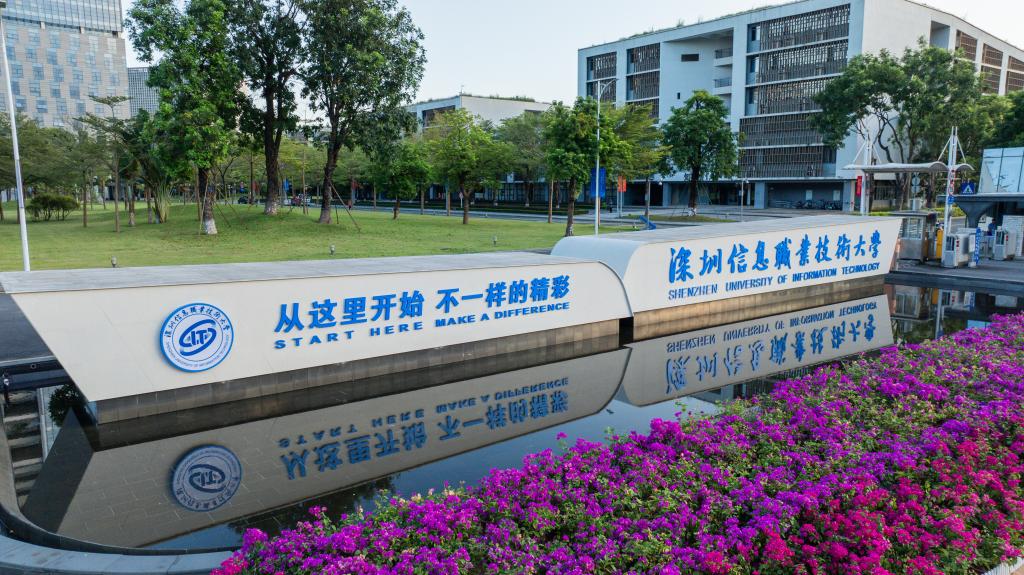
Core Viewpoint - The establishment of Shenzhen Information Vocational University marks a significant step in the development of vocational undergraduate education in Shenzhen, reflecting a growing recognition of the "Shenzhen model" for integrating education with industry [2][4][5] Group 1: Establishment and Development of Vocational Universities - Shenzhen Information Vocational University was officially established on January 8, 2023, transitioning from Shenzhen Information Vocational College, which was founded in April 2002 [4][5] - The university has launched five undergraduate programs, including Software Engineering Technology and Modern Communication Engineering, achieving a successful first admission with scores exceeding the control line by 32 points and the undergraduate line by 130 points [2][4] - Shenzhen Vocational University has also expanded its undergraduate offerings, planning to increase its programs to 26 by 2025, with a total enrollment of 1,268 students [5][6] Group 2: Industry Collaboration and Educational Integration - Both universities are actively engaging in industry partnerships, with Shenzhen Information Vocational University signing cooperation agreements with major companies like Tencent and Huawei to enhance practical training and curriculum relevance [5][6] - The integration of education and industry is emphasized, with Shenzhen Vocational University collaborating with leading firms to create specialized industry colleges and engineering institutes [4][6] - The educational model aims to produce skilled talent that meets the demands of high-tech industries, with a focus on cultivating innovative and adaptable professionals [14] Group 3: National Context and Future Trends - The rise of vocational undergraduate education aligns with national policies aimed at enhancing the status of vocational training and addressing the demand for skilled labor in a modernizing economy [11][12] - By 2025, vocational undergraduate enrollment is expected to reach at least 500,000 students annually, reflecting a significant shift in educational focus [11][12] - The demand for engineers and skilled professionals is increasing, particularly in Shenzhen, which has been recognized as a hub for advanced manufacturing and technology [13][14]
2025年运动相机市场爆发:大疆领跑,消费热潮重塑行业格局
Xin Lang Cai Jing· 2026-01-08 01:30
Core Insights - The sports camera market is expected to experience significant growth in 2025, with consumer interest continuing to rise [2][3] - Sales of sports cameras on traditional e-commerce platforms increased by 100% year-on-year from January to October, indicating a shift from niche to mainstream consumer products [2][3] Market Dynamics - DJI holds over 50% market share, leading the sales rankings significantly, with its sales accounting for more than 60% of total revenue [2][3] - Other brands in the ranking include Innosilicon in second place, followed by Suying in third, Shandog in fourth, and GoPro in fifth [2][3] Usage Trends - The market is evolving as the use cases for sports cameras expand from extreme sports to everyday life recording and short video shooting [2][3] - Continuous improvements in portability and image quality are enhancing the purchasing willingness of ordinary consumers [2][3] Competitive Landscape - DJI's dominant position is supported by its long-term technological accumulation and a well-established ecosystem [2][3] - While brands like Innosilicon are gradually enhancing their competitiveness through product innovation, DJI's market leadership is expected to remain stable in the foreseeable future [2][3]
2025年,我观察到企业组织的四个变化
3 6 Ke· 2026-01-08 01:08
Core Insights - In 2025, Chinese companies are undergoing a collective adjustment in organizational logic, moving away from "performative diligence" towards efficiency and human-centered management [1][11] Group 1: Efficiency Revolution - Leading companies are initiating an efficiency revolution, focusing on eliminating the illusion of productivity that busywork creates [2][6] - Midea serves as a benchmark for this movement, implementing measures to simplify work processes, resulting in a reduction of average working hours from 10.1 to 7.6 hours and a 20% increase in productivity [2][6] - DJI and Miniso are also adopting similar practices, such as enforcing strict work hours and minimizing unnecessary meetings to enhance effective work periods [3][4][5] Group 2: Organizational Restructuring in Real Estate - The real estate sector is experiencing a shift towards "organizational precision," with companies like Poly and China Jinmao restructuring to reduce management layers and bring decision-making closer to the frontline [7] - This restructuring involves merging or eliminating regional companies and compressing middle management, allowing younger and more qualified managers to take on direct responsibilities [7] Group 3: AI Talent Acquisition and Organizational Reconfiguration - In contrast to the real estate sector's downsizing, tech companies are focusing on talent acquisition and organizational restructuring to enhance their AI capabilities [8][9] - Tencent's restructuring of its technology engineering division exemplifies this shift, moving from a business-driven to a technology-driven approach, and planning to hire 28,000 new positions over three years, with a significant focus on AI roles [8][9] Group 4: Emphasis on Human-Centric Management - Amidst the push for efficiency, some companies are recognizing the importance of human-centric management, as seen in delivery platforms providing social security for riders [10] - The case of Pang Donglai highlights the growing trend of prioritizing employee well-being and creating a collaborative environment, which is becoming a management philosophy for many private enterprises [10] Group 5: Collective Organizational Adjustment - The year 2025 marks a significant change in organizational logic, with companies adjusting their value measurement standards, decision-making proximity, technology collaboration, and individual relationships [11]


行者卓驭,做好“智驾合伙人”
汽车商业评论· 2026-01-07 23:06
Core Insights - The article discusses the evolution and growth of the Chinese intelligent driving industry, highlighting key players and their advancements in technology and market presence [3][6][10]. Group 1: Industry Overview - By 2025, the Chinese intelligent driving industry is expected to enter a consolidation phase, with major suppliers transitioning from behind-the-scenes roles to more prominent positions [3]. - Huawei's "QianKun" intelligent driving brand has achieved a leading market share of 27.8% in urban navigation [3]. - The article emphasizes the importance of collaboration and competition among companies to drive technological advancements and establish a global leadership position in intelligent driving [6][10]. Group 2: Company Development - Zhuoyue Technology, founded from a DJI internal project, has developed a comprehensive self-research capability across software and hardware, enabling them to provide robust product delivery to automotive companies [6][8]. - The company has successfully covered nine major clients and 15 brands in the passenger vehicle sector, with annual shipments reaching hundreds of thousands of units and maintaining a 200% compound annual growth rate since 2022 [8][10]. Group 3: Technological Innovations - Zhuoyue made a significant strategic shift to an end-to-end technology route, abandoning traditional rule-based systems to overcome technical challenges in urban navigation [11][13]. - The company has achieved a breakthrough in fuel vehicle intelligence, successfully launching the first mass-produced intelligent fuel vehicle in Q2 2024 [15][17]. - Zhuoyue's innovative use of Qualcomm's SA8775P chip allows for a dual-system architecture that integrates intelligent cockpit and driving assistance, reducing space usage by 52% and overall vehicle costs by approximately 20% [19][20]. Group 4: Strategic Vision - Zhuoyue aims to expand its business beyond passenger vehicles to include commercial vehicles and logistics, addressing industry pain points related to safety and efficiency [24][26]. - The company has a clear strategic focus on core model and solution capabilities, opting not to produce chips, which reflects a deep understanding of the industry's dynamics [26].

粤港澳大湾区领跑低空经济新赛道
Ren Min Ri Bao Hai Wai Ban· 2026-01-07 23:00
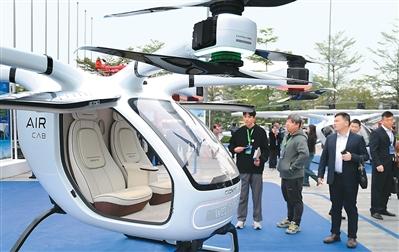
Core Insights - The Guangdong-Hong Kong-Macao Greater Bay Area is positioned as a leading hub for the emerging low-altitude economy, with significant policy support and industry collaboration [2][4]. Group 1: Event Overview - The 2025 Greater Bay Area Low Altitude Economy High-Quality Development Conference was held in Guangzhou, showcasing the region's commitment to developing a comprehensive low-altitude economic ecosystem [2]. - Various flying vehicles were presented, including drones and air ambulances, illustrating the practical applications of low-altitude economic initiatives [3]. Group 2: Market Potential - The low-altitude economy market in China is projected to reach 1.5 trillion yuan by 2025 and is expected to exceed 2 trillion yuan by 2030, with Guangdong accounting for over 30% of the industry chain [4]. - Guangdong is set to produce 6.94 million civilian drones in 2024, leading the nation with a 95% market share in consumer drones and 54% in industrial drones [4]. Group 3: Policy Initiatives - New policies were introduced to support low-altitude economic infrastructure, technological innovation, and management services, including a comprehensive low-altitude airspace management reform plan [5]. - The "Twelve Measures for Low Altitude Finance" were released to enhance financial support for low-altitude economic clusters, focusing on systemic support and collaboration [5]. Group 4: Infrastructure and Talent Development - The Guangdong Low Altitude Flight Comprehensive Management Service Platform was launched, capable of monitoring over 50,000 flights daily and processing 80 million data points [6]. - A talent cultivation service platform for the low-altitude economy was established, aiming to build a robust talent pool for the sector's development [6]. Group 5: Collaborative Efforts - Multiple cities in the Greater Bay Area are collaborating to drive low-altitude economic growth, with Guangzhou planning significant infrastructure developments and a government fund of 20 billion yuan to support the industry [7]. - Hong Kong and Macau are also taking steps to establish regulatory frameworks and support systems for low-altitude economic development [7]. Group 6: Future Development - The "2025 Greater Bay Area Low Altitude Economy Blue Book" emphasizes the importance of collaborative integration among core cities like Guangzhou, Shenzhen, and Zhuhai, and the need for cross-border cooperation with Hong Kong and Macau [8].
消费电子跨界,是一片蓝海,还是无效内卷?
Xin Lang Cai Jing· 2026-01-07 10:52
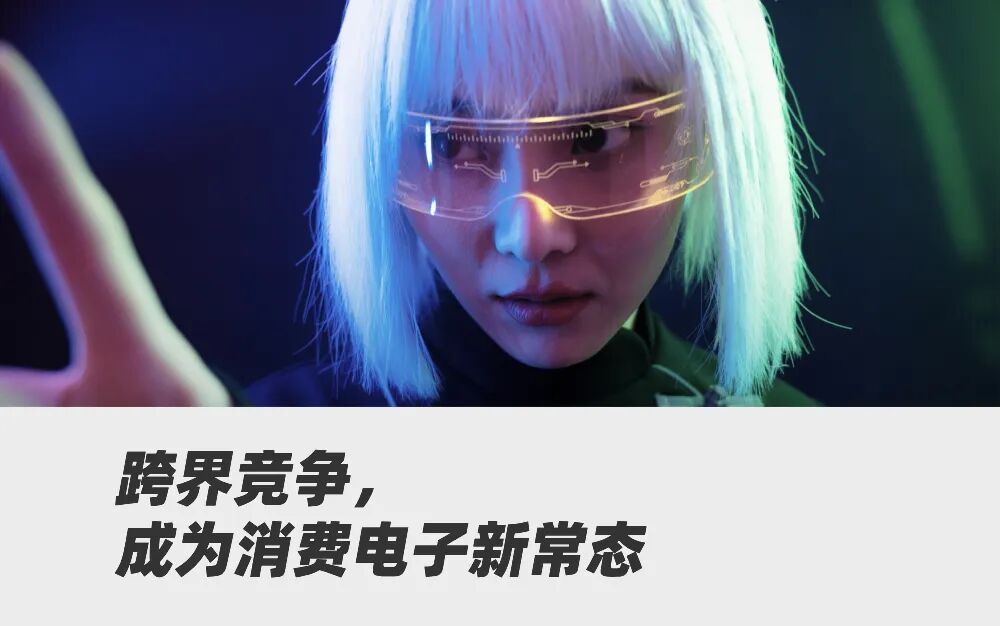
Core Insights - The consumer electronics industry is experiencing a blurred boundary between different sectors, with companies like DJI and Insta360 entering each other's core business areas, indicating a competitive landscape driven by technological integration and market saturation [2][19]. Group 1: Market Developments - DJI launched its first panoramic camera, Osmo 360, in July 2025, priced at 2999 yuan, which is 800 yuan lower than Insta360's flagship product [20]. - Insta360 responded by releasing the Insta360 X4 Air, claiming to be the "world's lightest 8K panoramic camera," and announced plans to enter the drone market with the "Yingling Antigravity" drone, expected to be trialed in late 2025 [3][20]. - On December 5, 2025, Insta360 launched the world's first panoramic drone, the Yingling Antigravity A1, starting at 7999 yuan, or 6799 yuan after subsidies [21]. Group 2: Industry Trends - Experts suggest that the cross-industry competition between DJI and Insta360 is a natural outcome of technological advancement, with the integration of panoramic photography and drones representing a significant market opportunity [23]. - The AI glasses market is also witnessing similar trends, with major players like Xiaomi and Alibaba launching their products, indicating a shift towards AI glasses as a new consumer electronics frontier [5][25]. Group 3: Market Dynamics - The global smart glasses market is projected to see significant growth, with a reported shipment of 406.5 million units in the first half of 2025, marking a 64.2% year-on-year increase [26]. - In the panoramic camera market, Insta360 held a 75% market share in Q3 2025, while DJI had a 17.1% share, reflecting intense competition and rapid market expansion [28]. Group 4: Challenges and Opportunities - The influx of competitors in the same market may lead to "pseudo-innovation," where companies engage in minor improvements and price competition rather than substantial advancements [26][28]. - The rising cost of essential components, such as a high-end 12GB LPDDR5X memory chip reaching 70 USD, could impact the pricing strategies of AI glasses and flagship smartphones [29]. Group 5: Strategic Directions - Companies are urged to shift from being mere product manufacturers to becoming solution providers that integrate their strengths with new technologies to capture future market opportunities [30]. - Focusing on deepening the connection between products and specific use cases is essential for creating sustainable competitive advantages in the evolving landscape [32][34].
戴德梁行:2025年深圳优质购物中心净吸纳量同比增长3.0% TMT行业拉动甲级写字楼租赁需求
Zheng Quan Ri Bao Wang· 2026-01-07 06:48
Group 1: Market Overview - In 2025, Shenzhen's retail property market is expected to see significant supply highlights, positively impacting market confidence and consumer potential [1] - The total supply of quality shopping centers in Shenzhen for 2025 is projected to reach 763,000 square meters, with notable openings including major shopping centers like Qianhai Ice and Snow World and Shenzhen Bay MixC Phase II [1] - The net absorption of quality shopping centers in Shenzhen is anticipated to reach 613,000 square meters, a 3% increase from 2024, although the vacancy rate is expected to rise slightly to 9.1% [2] Group 2: Rental Trends - The average rent for quality shopping centers in Shenzhen is projected to decrease by 10.7% to 697.1 yuan per square meter per month due to competitive market pressures [2] - The average rent for Grade A office buildings in Shenzhen is expected to decline by 11.7% to 149.4 yuan per square meter per month by the end of 2025, reflecting a tenant-driven market [3] Group 3: Sector Dynamics - The introduction of new shopping centers aims to create diverse consumer experiences while enhancing urban aesthetics, with 1,657,000 square meters of quality shopping centers planned for the next three years [2] - The TMT sector is the largest contributor to Grade A office leasing demand in Shenzhen, accounting for about one-third of total demand, driven by the rapid development of the AI industry [3] - The "cost reduction and efficiency enhancement" strategy remains crucial for enterprises, influencing their demand for office properties [3]
全球占比飙升至80%,中国L4智驾扛起引领大旗......
自动驾驶之心· 2026-01-07 03:11
点击下方 卡片 ,关注" 自动驾驶之心 "公众号 戳我-> 领取 自动驾驶近30个 方向 学习 路线 最近有同学在自动驾驶之心社区里咨询柱哥,全球自动驾驶未来的发展趋势究竟如何?中国在其中又能扮演怎 样的角色?刚好我之前关注到摩根斯坦利的一份研究报告,里面的分析很有参考价值,今天就整理出来和大家 做个分享。 报告中对 L4/L5 级自动驾驶汽车(AV)的全球市场渗透趋势划分得很清晰: 尤其值得关注的是中国的表现,完全称得上"引领者" 角色 :预计2026年,中国占全球 L4+自动驾驶车辆的比 例会快速飙升至接近 80%,之后虽有缓慢回落,但长期仍能保持 20% 以上的高占比;从全球总量贡献来看, L4+车辆 2024 年几乎为零,后续逐步稳步增长,中国的贡献始终占据突出地位;即便到 2040 年后,美国、欧 洲及其他地区的 L4+车辆数量均呈现明显增长态势,中国在全球市场中的占比依然能保持领先。 以上就是柱哥整理的核心信息,欢迎大家加入我们的自驾社区一起讨论! 近期柱哥也会邀请嘉宾在星球内部 和大家聊一聊最近的一些技术进展,我们准备了大额新人优惠...... 名额有限,仅限前「5名」 扛内卷,一个足够有料的社 ...