宝马

Search documents
大反转!欧盟,宣布放弃!丁仲礼院士的含金量还在上升......
Zhong Guo Ji Jin Bao· 2025-12-17 13:42
Core Viewpoint - The European Union is planning to abandon its 2035 ban on the sale of new internal combustion engine vehicles, marking a significant retreat in its green policy efforts [3]. Group 1: EU Policy Changes - The EU Commission has proposed to relax the current arrangement that essentially bans the sale of new fuel vehicles starting in 2035, responding to pressure from the automotive industry [3]. - The proposal still requires approval from EU member states and the European Parliament, and if implemented, it will allow certain non-pure electric models to continue being sold [3]. - The new targets set by the EU include a 90% reduction in carbon dioxide emissions by around 2035 compared to 2021 levels, a shift from the previous requirement for all new passenger cars and vans to achieve "zero emissions" by 2035 [4]. Group 2: Industry Reactions - Major automotive companies, including Volkswagen, have welcomed the proposal, stating that it is a pragmatic approach to market realities while allowing for the continued existence of plug-in hybrid electric vehicles (PHEVs) and range-extended models [3]. - Analysts suggest that the global automotive industry is entering a "reset moment," rather than progressing linearly towards electrification [5]. - The CEO of Swedish electric vehicle manufacturer Polestar warned that relaxing emission targets could harm both climate efforts and Europe's competitiveness [5]. Group 3: Competitive Landscape - The relaxation of emission targets may weaken investments in critical areas such as charging infrastructure, potentially causing Europe to fall further behind China in the transition to cleaner transportation [5]. - Chinese electric vehicle manufacturers have established a leading position over the past decade, with companies like BYD and Xiaomi making rapid advancements in technology [7]. - Despite the EU's potential policy changes, analysts believe that Chinese companies will not face direct impacts and may continue to expand into markets in South America, the Middle East, and Southeast Asia [8].

大反转!欧盟,宣布放弃!丁仲礼院士的含金量还在上升......
中国基金报· 2025-12-17 13:34
Core Viewpoint - The European Union is reconsidering its plan to ban the sale of new internal combustion engine vehicles by 2035, marking a significant retreat in its green policy [3][4]. Group 1: EU Policy Changes - The EU Commission plans to relax the current arrangement that essentially bans the sale of new fuel vehicles starting in 2035, responding to pressure from the automotive industry [3]. - The proposal allows for the continued sale of plug-in hybrid electric vehicles (PHEVs) and range-extended models, addressing the concerns of major car manufacturers like Volkswagen and Fiat [3][4]. - The new targets set by the EU include a 90% reduction in carbon emissions by around 2035 compared to 2021 levels, a shift from the previous requirement for all new passenger cars and vans to achieve "zero emissions" [4]. Group 2: Industry Reactions - Analysts suggest that the global automotive industry is entering a "reset moment," rather than progressing linearly towards electrification [5]. - Executives from electric vehicle manufacturers warn that relaxing emission targets could undermine investments in critical areas like charging infrastructure and hinder Europe's transition to cleaner transportation [5]. - The EU's decision follows Ford's announcement of a $19.5 billion impairment and restructuring costs, indicating challenges in the electric vehicle market [4]. Group 3: Competitive Landscape - The slowdown in electric vehicle transitions in the US and Europe may provide Chinese automakers an opportunity to solidify their advantages, as they have established a leading position in the electric vehicle market over the past decade [8]. - Traditional automakers like Ford are shifting focus back to fuel and hybrid models, indicating a need to adapt to local market demands [8]. - Despite potential impacts from reduced subsidies and the abandonment of the "ban on fuel vehicles," Chinese automakers are expected to remain competitive, even with EU tariffs in place [8][9].

欧盟撤销全面电动化计划
Di Yi Cai Jing· 2025-12-17 11:29
Group 1: Core Views - The European Commission proposed a new amendment to relax the 2035 ban on the sale of fuel and diesel vehicles, changing the carbon emission reduction target from 100% to 90% [1] - Major automotive companies such as Mercedes-Benz, BMW, Stellantis, Volkswagen, and Renault support this amendment, citing high costs of electric vehicles and insufficient charging infrastructure as barriers to achieving the expected electric vehicle penetration by 2035 [1] - There are opposing views from companies like Volvo and Polestar, which argue that changing the ban could hinder the electric transition and lead to a lag behind other countries [1] Group 2: Market Trends - The global automotive market, including Europe, is undergoing an electrification transformation, with fuel vehicles losing market share to hybrid and electric vehicles [2] - According to ACEA data, new car registrations in the EU increased by 1.4% year-on-year in the first ten months of 2025, with hybrid vehicle registrations rising to 3.11 million, accounting for 34.6% of the market [2] - The market share of gasoline vehicles decreased from 34% to 27.4%, while pure electric vehicle registrations reached approximately 1.47 million, growing from 13.2% to 16.4% year-on-year [2] Group 3: Growth of Plug-in Hybrid Vehicles - The registration of plug-in hybrid vehicles in the EU surged to 819,200 units, with a market share of 9.1%, up from 7% the previous year [3] - Significant growth was observed in Spain (109.6%), Italy (76.5%), and Germany (63.4%) for plug-in hybrid vehicle sales [3] - Chinese automaker BYD reported substantial sales growth in the EU, with a 452.3% increase in Spain and a 647.5% increase in Germany [3] Group 4: Challenges for Traditional Automakers - Traditional automakers like Ford and Stellantis experienced a decline in sales, with Stellantis reporting a 6% drop in the first ten months of the year [4] - These companies face challenges in electric vehicle sales and rely heavily on external supply chains for key components like batteries [4] - German Chancellor Merz and Volkswagen CEO Oliver Blume expressed skepticism about the feasibility of a complete ban on internal combustion engines by 2035 [4] Group 5: Long-term Electrification Goals - The EU's new proposal includes a policy to support small electric vehicles, offering a reward mechanism for manufacturers that assemble small electric vehicles and battery packs in the EU [5] - Renault welcomed the new plan, emphasizing the need to accelerate the promotion of electric vehicles and the introduction of small electric cars [5][6] - Volkswagen described the new proposal as economically reasonable, highlighting the special support for small electric vehicles as a positive development [6]

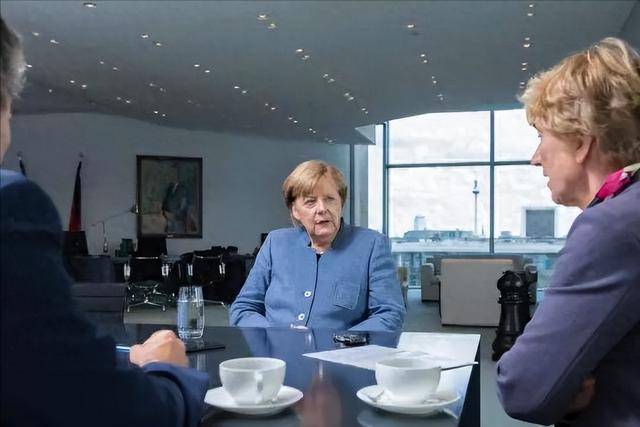
被默克尔说中了!27国跟着美国对中国出手后,欧洲正滑向第三世界
Sou Hu Cai Jing· 2025-12-17 10:16
默克尔一句"老话",越想越脊背发凉。 当初没人当回事,如今欧盟27国跟风围堵中国。 结果反被中美双双绕开,自家工厂倒闭、物价飞涨、稀土还靠中国供着…… 这哪是"战略自主",分明是自断筋脉。 当"西方阵营"内部分崩离析,欧洲真要滑向第三世界了吗? 从2024年下半年开始,欧盟27国像是被人牵了线的木偶,跟着美国一起对中国出手。 先是7月底,欧盟宣布对中国的有机涂层板继续加税,反倾销税最高到26.1%,反补贴税更是飙到 44.7%。 没过三个月,又把矛头对准了电动汽车,给中国车企加征最高35.3%的关税,一下就是五年。 上汽集团被课了最高的税,就连配合调查的企业也逃不掉20%以上的税率。 这个关税政策在欧盟内部吵得不可开交,10国支持,5国反对,12国弃权。 就因为没达到否决门槛,硬生生给通过了。 作为欧洲经济核心的德国,当场就投了反对票。 德国汽车工业协会马上警告,这么干只会抬高欧洲人买车的成本,还会拖慢欧洲自己的电动车发展。 谁都清楚,大众、宝马、奔驰这三大德企,超过三分之一的车都卖到了中国,中国市场就是他们的"钱 袋子"。 果不其然,政策刚落地,欧洲车企就开始栽跟头。 奔驰2025年上半年的净利润直接跌了5 ...
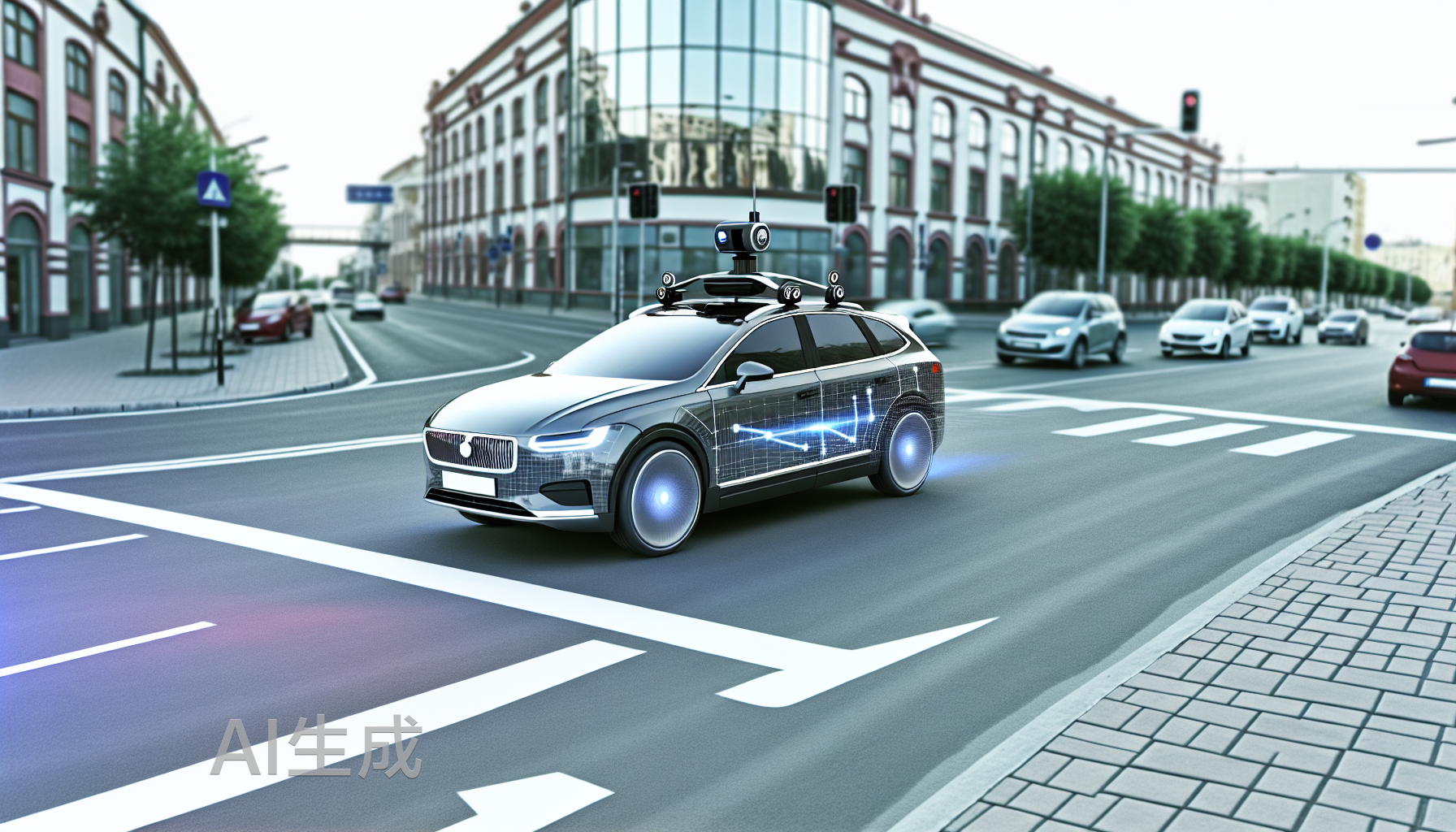
首批L3准入亮相:自动驾驶进入“有条件上路”阶段
Tai Mei Ti A P P· 2025-12-17 09:26
Core Insights - The issuance of L3 autonomous driving licenses in China is more frequent than expected, with several companies like Changan and BAIC receiving approval, indicating a competitive "license race" [2] - The conditions for the first batch of approved vehicles reveal a controlled testing environment, emphasizing a cautious approach to technology deployment and risk management [2][4] - China's path to L3 autonomous driving is distinct from Germany and the U.S., focusing on a gradual, controlled policy experiment over three years [2][3][6] Regulatory Framework - The regulatory journey began in November 2022 with the Ministry of Industry and Information Technology (MIIT) proposing a management framework for L3/L4 vehicles to address the "responsibility vacuum" in the industry [3] - 2023 marked a breakthrough year for testing licenses, with various companies obtaining approvals, establishing a dual-track testing model [3][6] - The approval process culminated in December 2025, with a comprehensive framework for conditional L3 vehicle production licenses [3][6] Testing Conditions - The approved vehicles, such as Changan's SL03 and BAIC's Alpha S, are restricted to specific routes and speed limits, highlighting a focus on controlled operational environments [4][5] - The vehicles are not sold directly to consumers but operated by designated companies, indicating a shift in responsibility from individual users to operators [4][5] Industry Implications - The conditions for L3 licenses signal a shift from hardware-centric competition to a focus on scenario-specific engineering capabilities and cost control [7][8] - The competition among automakers is now defined by their ability to adapt to specific driving conditions rather than merely enhancing hardware specifications [7][8] Business Model Evolution - The "car company + operating company" model serves as a buffer to explore service pricing and user acceptance within a controlled environment [9] - This model allows for the testing of autonomous driving services while gathering valuable data to inform future pricing strategies [9] Challenges Ahead - The transition to a service-oriented model faces challenges, including balancing technical costs with user value and addressing consumer perceptions regarding subscription services [10] - The long-term commercial viability of L3 technology will depend on expanding operational scenarios, clarifying legal responsibilities, and shifting consumer mindsets [10] Strategic Positioning - China's approach to L3 licensing is part of a broader strategy to establish a domestic supply chain for autonomous driving technologies, reducing reliance on foreign components [11] - The testing of L3 vehicles in controlled environments aims to generate data that can inform future standards and practices in the global automotive industry [11] Future Outlook - The issuance of L3 licenses marks the beginning of a longer journey for automakers, who must now navigate the complexities of expanding their operational scope and transitioning to service providers [12]



兆威机电20251216
2025-12-17 02:27
Summary of Zhaowei Electromechanical Conference Call Company Overview - **Company**: Zhaowei Electromechanical - **Industry**: Intelligent Automotive and Advanced Industrial Manufacturing Key Points Financial Performance - Significant growth in Q3 2025, driven by intelligent automotive and advanced industrial manufacturing sectors - Full-year growth expected to remain strong, with intelligent automotive business accounting for over 60% of revenue, growing more than 30% year-on-year [2][3][4] Business Segments - **Intelligent Automotive**: - Expected revenue growth of over 30% in 2026, benefiting from applications of motion actuators and EMB-related products [2][8] - Collaborations with major domestic manufacturers like BYD, Changan, and Ideal [9][10] - **Robotics**: - Three business models: modular, standard hands, and customized hands - Anticipated doubling of revenue from modular clients like F Company and Amazon by 2026 [2][5][6] - **Advanced Industrial Manufacturing**: - Revenue growth of approximately 10% year-on-year, supported by the successful rollout of platform products like roller motors [3][4] Cost Reduction Strategies - Cost reduction in dexterous hands achieved by replacing hollow cup motors with brushless motors and using alternative materials for gearboxes [7] - Pricing for dexterous hands: - 17 degrees of freedom priced at approximately 50,000 yuan - 6 degrees of freedom priced between 20,000 to 30,000 yuan, with future iterations expected to drop below 10,000 yuan [7] Market Collaborations - Successful partnerships with North American clients, including F Company, Meta, and Amazon, ensuring diversified market development [6][16] - Anticipated supply of hundreds of hand modules to F Company in 2025, with potential for increased deliveries in 2026 [6] Product Development and Innovations - Introduction of new products in the automotive sector, including motion actuators and heat management actuators in collaboration with Schaeffler [9][11] - Roller motors projected to generate over 50 million yuan in revenue in 2025, with expectations of exceeding 100 million yuan in 2026 [4][18] Gross Margin Insights - Overall gross margin close to 35% in Q3 2025, with expectations to maintain around 34% for the full year [4][11] - Focus on high-margin applications in the automotive sector, despite industry-wide pressures [11] Future Growth Areas - Anticipated growth in automotive, consumer electronics, and robotics sectors, with a strong emphasis on intelligent and automated solutions [20][21] - Plans to establish a factory in Thailand with an investment of 100 million USD, aimed at serving North American clients and Bosch's Indian factory needs [19] Strategic Direction - Continued focus on core businesses in transmission and control, with plans to expand the supply chain and develop innovative solutions for emerging market demands [21] Additional Notes - The company is preparing for an H-share listing, having received approval from the China Securities Regulatory Commission [15] This summary encapsulates the key insights and projections from Zhaowei Electromechanical's conference call, highlighting its robust growth trajectory and strategic initiatives across various business segments.
全球大公司要闻 | “亚洲锂都”拟一次性注销27宗采矿权,江特电机提出“异议申请”
Wind万得· 2025-12-16 22:57
Group 1 - 360 announced that it is addressing false statements made by a former executive, clarifying that the individual never held a core management position and that the company's gaming business revenue recognition complies with accounting standards, denying any allegations of financial fraud [2] - Ford has canceled multiple electric vehicle models, including the F150 Lightning, leading to a projected revenue decrease of $19.5 billion, with most losses accounted for in the current quarter [2] - PayPal has applied for a banking license to expand its loan services and introduce interest-bearing savings accounts, aiming to reduce reliance on third-party institutions [2] Group 2 - XPeng Motors has obtained an L3 autonomous driving road test license in Guangzhou and plans to launch L4 level vehicles by 2026 [5] - Jiangte Motor announced that it has submitted an objection regarding the proposed cancellation of its lithium mining rights in Yichun, following regulatory actions [5] - Jingyu Medical received regulatory approval for its invasive brain-computer interface products aimed at treating drug addiction, marking a significant milestone in mental health treatment [5] Group 3 - Apple plans to significantly expand its iPhone product line over the next two years, including the release of at least seven new models by fall 2027 [8] - Tesla intends to start battery cell production at its Berlin factory in 2027, with an annual capacity of 8 GWh [8] - Microsoft emphasized its AI capabilities, stating that its growth is not solely dependent on OpenAI, while also rolling out updates for Windows 11 [8] Group 4 - Honda plans to increase its stake in parts supplier Astemo by 21%, aiming for full control to enhance its automotive supply chain integration [11] - Samsung Electronics is negotiating 2nm orders with AMD while ramping up its foundry business for Intel's PCH chips [11] - SK Hynix warned of a continued DRAM chip shortage until 2028 and is collaborating with NVIDIA on AI-specific SSDs [11] Group 5 - Volkswagen will close its Dresden factory, transitioning it into an AI and chip research hub as part of a broader cost-cutting strategy [13] - Porsche is adjusting its 718 EV platform to accommodate internal combustion engines due to slowing demand for electric vehicles [13] - Mercedes-Benz reported significant usage of its driver assistance systems and is focusing on high-quality development in China [14]

超1000公里不充电:亿纬锂能与宝马共塑豪华电动车性能边界
高工锂电· 2025-12-16 10:27
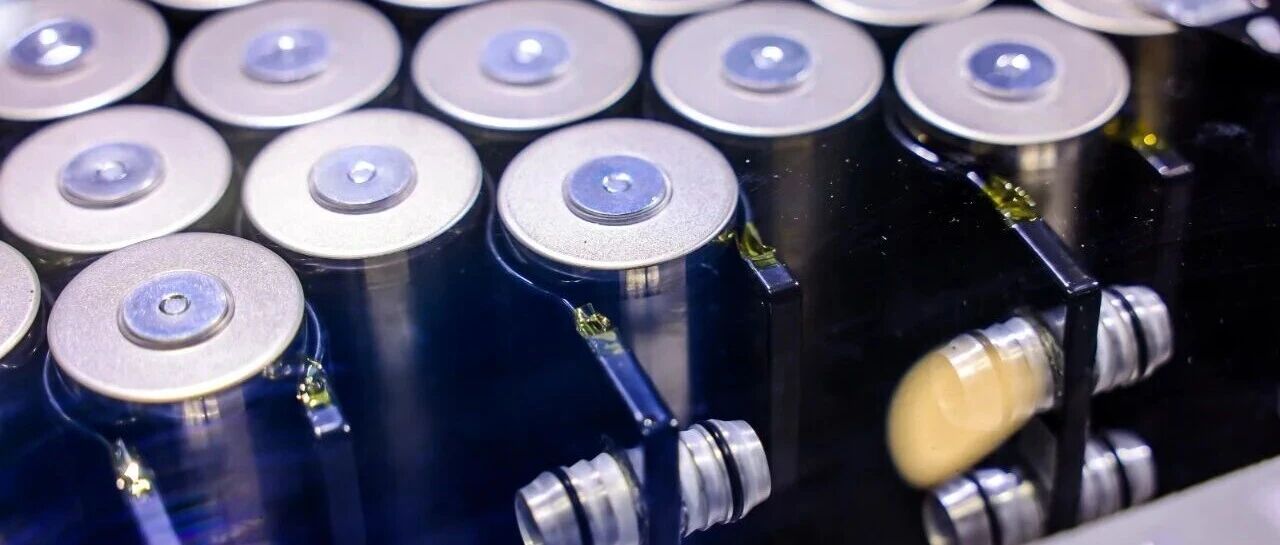
Core Viewpoint - The new generation BMW iX3 has achieved a real-world range of 1007.7 kilometers, significantly exceeding its official WLTP range of 805 kilometers, indicating a shift in the performance benchmarks for luxury electric vehicles [2][15]. Battery Technology and Performance - The impressive performance of the iX3 is supported by the new generation large cylindrical battery provided by EVE Energy [3][4]. - The iX3 supports 10-minute fast charging for approximately 400 kilometers on an 800V high-voltage platform, showcasing advancements in battery technology [5]. - EVE Energy's large cylindrical battery features a high integration foundation with a full-tab design that reduces internal resistance, enabling high-rate fast charging [6]. - The Omnicell system allows for 6C fast charging, achieving 300 kilometers of range in just 5 minutes, with a system energy density increase of over 15% [7]. Production and Supply Chain - EVE Energy's selection as a core supplier by BMW reflects its large-scale production capabilities and quality consistency, with over 20 years of experience in cylindrical battery technology [10]. - The production base in Shenyang, with a total investment of 10 billion yuan and a planned capacity of 40GWh, is crucial for ensuring production capacity and quality control [10]. - EVE Energy is constructing a cylindrical battery factory near BMW's plant in Hungary, with a planned capacity of nearly 30GWh, expected to be operational by 2026, enhancing local supply chain efficiency [12]. Strategic Partnerships and Future Outlook - A long-term agreement with Chengdu Bamo for high-nickel ternary cathode materials will create a localized supply chain in Europe, ensuring supply chain security [13]. - The collaboration with BMW allows EVE Energy to transition from a battery supplier to a "technology co-researcher" and "standard setter," redefining the benchmarks for next-generation luxury electric vehicles [16].

smart越大销量越差? CEO曾拒价格战 如今降价又刺老车主
Xin Lang Ke Ji· 2025-12-16 02:12
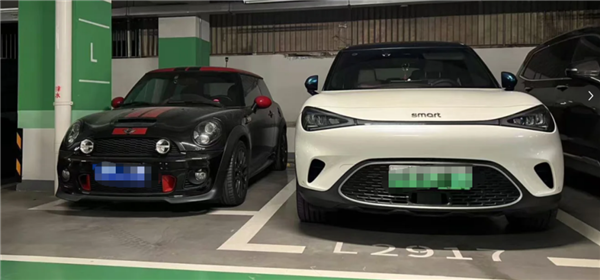
Core Viewpoint - The smart brand is transitioning from its original compact car identity to larger models, with the new smart EQ fortwo being the largest yet, measuring nearly 5 meters in length, which has led to declining sales and dissatisfaction among existing customers [1][5][12]. Group 1: Product Development and Market Positioning - The smart EQ fortwo has been officially declared as the brand's first mid-size luxury hatchback, with dimensions of 4906mm in length, 1922mm in width, and 1508mm in height, surpassing the Tesla Model Y in length [3][5]. - The brand's shift towards larger vehicles is a departure from its original positioning as a compact urban vehicle, which has led to confusion among consumers and a dilution of its core selling points [12][14]. - The CEO of smart has stated that the brand should not be defined by size, indicating a strategic pivot towards larger models to capture a broader market share [6][8]. Group 2: Sales Performance and Consumer Sentiment - Smart's domestic monthly sales have plummeted from around 4000 units at the end of 2024 to approximately 2000 units, even with aggressive pricing strategies [9][12]. - Existing customers have expressed frustration over pricing and configuration discrepancies, feeling "betrayed" as new models offer features for free that they had to pay for [11][16]. - Quality issues have also emerged, with increased complaints and a recall of over 3500 vehicles due to safety concerns, further eroding consumer confidence [14][19]. Group 3: Strategic Challenges and Recommendations - The brand faces significant challenges in maintaining its identity while expanding into the mid-size SUV market, which is already saturated [12][13]. - Experts suggest that smart should consider a dual strategy, reintroducing a budget-friendly micro electric vehicle to retain its original customer base while also developing larger models with competitive pricing and features [13]. - The management's previous statements about maintaining brand value and avoiding price wars have been contradicted by recent pricing strategies, leading to skepticism among consumers [11][12].
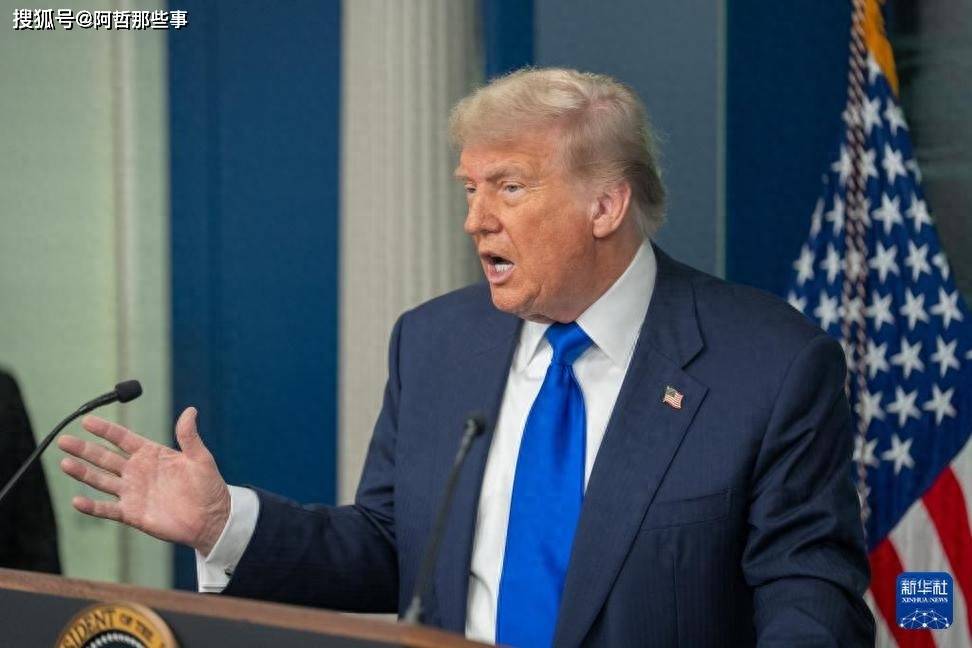
特朗普关税大棒砸痛美国中产!79岁前总统出山掀桌:这仗打不赢!
Sou Hu Cai Jing· 2025-12-15 15:00
Group 1 - The U.S. government announced a maximum tariff of 145% on Chinese goods, which is framed as a necessary action to correct trade imbalances, but has led to significant negative impacts on American middle-class families [1] - Domestic companies, such as General Motors, are facing operational disruptions due to supply chain issues caused by tariffs, with production lines halted due to a lack of imported components [2] - The consumer price index in the U.S. has risen above 6% for three consecutive months following the tariff implementation, marking the highest increase since 1982, affecting everyday goods like ketchup and baby formula [2] Group 2 - Former President Bill Clinton criticized the tariff strategy, stating that the U.S. has lost $80 billion while China's trade surplus has exceeded $1 trillion, contrasting it with past cooperative trade agreements [4] - The Democratic Party is leveraging the economic fallout from the tariffs to gather testimonies from unemployed workers, highlighting the failure of the promised manufacturing revival [4] - The U.S. administration has reduced some tariffs from 30% to 20% in response to public backlash, but domestic semiconductor manufacturing remains underutilized, and Vietnam has seen a surge in electronic orders [6] Group 3 - The International Monetary Fund reported a 1.2% decline in global trade growth due to the tariff war, with the U.S. suffering significant economic losses while China has managed to maintain growth through market expansion in Southeast Asia [8] - Major automotive companies like BMW and Toyota are shifting production to Mexico and Thailand, respectively, indicating a trend of supply chain restructuring away from the U.S. [8] - The ongoing trade conflict has highlighted the futility of unilateral actions in a globalized economy, with calls for cooperation rather than confrontation being emphasized by leaders like Clinton [10]