长江存储

Search documents
中国稀土管制令打响“时间争夺战”,能否重塑全球格局?
Sou Hu Cai Jing· 2025-10-13 19:43
Core Insights - The recent announcement of China's strict rare earth regulations is viewed as a strategic move in a "race against time" that impacts global markets and technology sectors [1][3][8] - The competition between China and the U.S. in key areas such as AI, semiconductors, and military technology will shape the future global landscape [3][5] Industry Analysis - China's rare earth control is not merely a trade tactic but a strategic maneuver to secure a buffer period for industrial upgrades and technological breakthroughs [1][3] - The U.S. faces significant challenges in establishing a self-sufficient rare earth supply chain, with estimates suggesting it could take 5 to 10 years to reduce dependence on Chinese supplies [3][5] - China's rare earth regulations are creating opportunities in AI, where U.S. data center expansions are hindered by shortages, while Chinese AI chip performance is rapidly improving [3][5] - In the semiconductor sector, while U.S. companies struggle with supply issues, Chinese firms like SMIC and Yangtze Memory Technologies are making significant advancements in production capabilities [5] - The military sector is also affected, with U.S. defense production facing rare earth supply constraints, while China accelerates the development of advanced military technologies [5][7] Strategic Implications - The interplay between rare earth resources and advancements in AI, semiconductors, and military technology is creating a virtuous cycle that enhances China's competitive edge [5][7] - The strategic foresight of China's rare earth policy may lead to a significant shift in global industrial dynamics, positioning China as a leader in critical technology sectors [7][8]


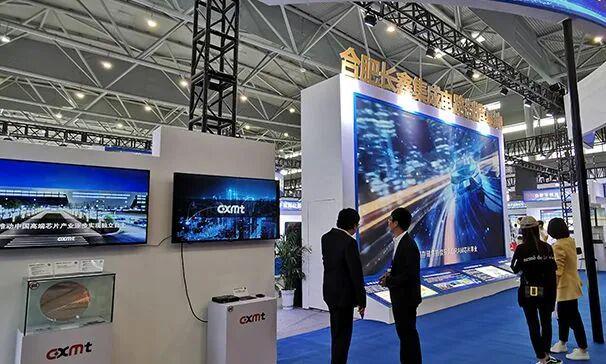
1400亿合肥半导体巨头,冲刺存储芯片第一股
2 1 Shi Ji Jing Ji Bao Dao· 2025-10-13 14:47
Core Viewpoint - Changxin Technology Group Co., Ltd. is making significant progress towards its IPO, marking a notable advancement for the largest DRAM chip manufacturer in China, amidst a broader trend of semiconductor companies racing to go public [1][5]. Company Overview - Established in 2016 and headquartered in Hefei, Changxin Technology is the leading player in the DRAM chip sector in mainland China [5]. - The company has steadily expanded its operations, with key milestones including the construction of its Hefei base and the launch of various DRAM projects [5]. - By the end of 2025, Changxin's production capacity is projected to reach 300,000 wafers per month, representing a nearly 50% year-on-year increase [5]. Financial Performance and Valuation - As of March 2024, Changxin Technology's valuation reached 140 billion yuan, following multiple rounds of financing [7]. - The company has a registered capital of 60.19 billion yuan, with no controlling shareholder, and the largest stakeholder holds 21.67% of the shares [7]. Strategic Partnerships - Changxin has formed a deep cooperative relationship with its shareholder, Zhaoyi Innovation, involving both equity binding and supply chain collaboration [8]. - Zhaoyi Innovation has invested in Changxin and has been a significant customer, purchasing DRAM and utilizing Changxin for foundry services [8]. Industry Context - The semiconductor sector is experiencing a surge in IPO activities, with several companies like Shanghai Super Silicon and Moore Threads also advancing in their listing processes [11][12]. - Recent policy optimizations and market conditions are creating a favorable environment for semiconductor companies to go public, with the introduction of new regulations supporting unprofitable tech firms [11][12]. - Changxin's IPO is part of a broader trend, as other companies in the storage chip sector, such as Yangtze Memory Technologies, are also preparing for potential IPOs following structural reforms [13].
雅创电子:已取得长江存储及长鑫存储代理资质
Xin Lang Cai Jing· 2025-10-13 12:52
Core Viewpoint - Yachuang Electronics has obtained agency qualifications from Yangtze Memory Technologies and Changxin Memory Technologies, primarily distributing their storage products, with applications in AI servers and the automotive sector [1] Group 1 - The company has secured agency qualifications from major memory manufacturers [1] - The distribution focus includes storage products for AI servers and automotive applications [1]
安集科技(688019.SH):长江存储是国内领先的3D NAND存储芯片制造商,是公司重要客户之一
Ge Long Hui· 2025-10-13 07:42
Core Viewpoint - Anji Technology (688019.SH) focuses on the research and industrialization of key semiconductor materials, with a product range that includes chemical mechanical polishing liquids, functional wet electronic chemicals, and electroplating liquids and additives, primarily serving the integrated circuit manufacturing and advanced packaging sectors [1] Company Overview - The company’s main products are utilized in integrated circuit manufacturing and advanced packaging fields [1] - Anji Technology collaborates with numerous integrated circuit manufacturers and wafer-level advanced packaging companies [1] Key Clients - Yangtze Memory Technologies Co., Ltd. (长江存储) is identified as a significant client, being a leading manufacturer of 3D NAND storage chips in China [1]

重点关注自主可控受益产业链 | 投研报告
Zhong Guo Neng Yuan Wang· 2025-10-13 02:40
Core Viewpoint - The recent escalation of US-China trade tensions, highlighted by the announcement of new tariffs and export controls, is expected to benefit the domestic semiconductor industry in China, particularly in the context of capital and technological advancements [1][2][3] Industry Summary - The US will impose a 100% tariff on Chinese imports starting November 1, alongside export controls on critical software [1][2] - The US House of Representatives has called for broader bans on the sale of chip manufacturing equipment to China [1][2] - China has implemented export controls on certain rare earth equipment and is investigating Qualcomm for antitrust issues [1][2] - The semiconductor industry in China is accelerating its capital and technological breakthroughs despite US restrictions, with NAND storage leader Yangtze Memory Technologies completing a share reform with a valuation of 160 billion and potentially initiating an IPO [2][4] - DRAM leader Changxin Memory Technologies has completed IPO counseling, indicating a trend towards increased production capacity [2][4] - The domestic semiconductor equipment and materials sectors are expected to benefit significantly from the IPOs of Yangtze Memory and Changxin Memory, as they drive domestic substitution [2][4] Investment Recommendations - The focus is on industries benefiting from domestic control, AI-PCB, core computing hardware, domestic computing capabilities, and the Apple supply chain [3][4] - The semiconductor supply chain indicators show stable growth in consumer electronics, PCB, semiconductor chips, and semiconductor manufacturing/equipment/materials [4]
重点关注自主可控受益产业链
SINOLINK SECURITIES· 2025-10-12 11:13
Investment Rating - The report maintains a positive outlook on the industry, particularly focusing on the self-controllable beneficiary industrial chain, AI-PCB, core computing hardware, and the domestic computing and Apple supply chain [5][29]. Core Insights - The report highlights the escalating trend of US-China trade tensions, with recent developments indicating a potential acceleration in China's semiconductor industry capitalizations and technological breakthroughs [2][5]. - NAND storage chip leader Yangtze Memory Technologies has completed its restructuring with a valuation of 160 billion, potentially initiating an IPO, while DRAM leader Changxin Technology has completed IPO counseling [2][5]. - The report emphasizes the importance of domestic semiconductor equipment and materials, suggesting a focus on self-controllable beneficiary industrial chains [5][29]. - The AI sector is expected to see significant growth, with companies like OpenAI forming partnerships with major chip manufacturers to enhance computing power investments [2][5]. Summary by Sections 1. Consumer Electronics - Apple has launched new products, including the iPhone 17 series and AI-related devices, which are expected to drive demand in the consumer electronics sector [6][7]. - The report anticipates a surge in AI-related product releases in late 2025 and 2026, benefiting from Apple's extensive customer base and integrated hardware-software advantages [6][7]. 2. PCB Industry - The PCB industry is experiencing high demand, particularly driven by automotive and industrial control sectors, with expectations of sustained high growth in the fourth quarter [8][29]. - The report notes a significant price increase trend for mid-to-low-end raw materials and copper-clad laminates [8]. 3. Semiconductor Sector - The semiconductor industry is projected to benefit from increased demand for DRAM and NAND products, with expectations of price increases due to supply constraints and seasonal demand [23][25]. - The report highlights the ongoing trend of domestic semiconductor equipment and materials gaining traction amid export controls [26][28]. 4. Key Companies - The report identifies several key companies poised to benefit from the current market dynamics, including Yangtze Memory Technologies, Changxin Technology, and various domestic semiconductor equipment manufacturers [29][30][31]. - Companies like Northern Huachuang and Jiangfeng Electronics are noted for their strong market positions and growth potential in the semiconductor equipment and materials sectors [31][33].
脱胎于华为,新凯来“新惊喜”背后:深圳半导体产业加速突围
Nan Fang Du Shi Bao· 2025-10-11 05:48
Core Insights - The article highlights the rapid emergence of Shenzhen-based semiconductor equipment company, Xinkailai, which has introduced 31 new semiconductor devices at major industry exhibitions, reflecting the push for domestic semiconductor equipment autonomy in China [3][4][6]. Company Overview - Xinkailai was established in 2021 with a registered capital of 1.5 billion yuan and is primarily engaged in the research, manufacturing, and sales of semiconductor equipment and components [4]. - The company originated from Huawei's "Starlight Project," which focused on the independent development of semiconductor manufacturing equipment amid rising international supply chain risks [4][5]. - Xinkailai's core team consists mainly of former Huawei employees with over 20 years of experience in electronic equipment research and development [5]. Industry Context - The semiconductor industry is characterized by high barriers to entry and has historically been dominated by foreign manufacturers. Xinkailai's emergence is seen as a significant step towards domestic equipment replacement in critical manufacturing processes [6]. - The global semiconductor equipment market is projected to reach approximately $125 billion by 2025, with China expected to maintain its position as the largest market, accounting for about $380 billion in new equipment investments [9]. Event Highlights - The 2025 Bay Area Semiconductor Industry Ecosystem Expo, scheduled for October 15-17, will feature over 600 exhibitors and aims to foster collaboration across the semiconductor supply chain [7]. - The expo will showcase advancements in AI chips, RISC-V ecosystems, and advanced packaging technologies, emphasizing the importance of market-driven and international collaboration [7]. Regional Development - Shenzhen's semiconductor and integrated circuit industry is projected to reach a scale of 256.4 billion yuan in 2024, with a year-on-year growth of 26.8% [10]. - The city is focusing on building a collaborative ecosystem involving government, enterprises, and research institutions to enhance the development of domestic semiconductor capabilities [8][10]. Validation and Collaboration - A public validation platform is crucial for the industrialization of semiconductor equipment, helping to reduce concerns about the reliability of domestic products and facilitating faster market entry [11]. - Shenzhen's approach combines government coordination, enterprise innovation, and platform mechanisms to enhance the application penetration of equipment and materials, moving from a "chain completion" model to a "system optimization" model [11].
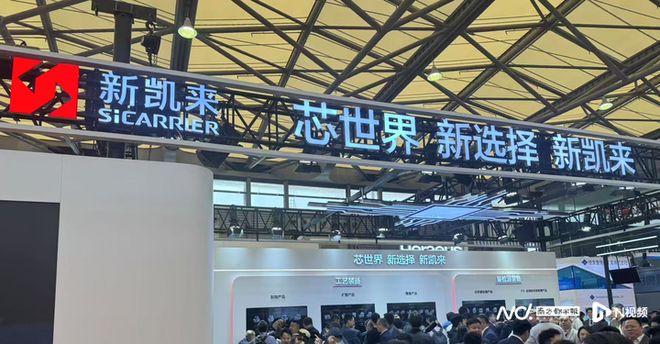
2025湾芯展10月15日深圳开幕
Zhong Guo Jing Ji Wang· 2025-10-11 02:20
Core Insights - The 2025 Bay Area Semiconductor Industry Ecological Expo ("Bay Chip Expo") will be held from October 15 to 17 in Shenzhen, aiming to create a platform for deep integration of the semiconductor industry chain, supply chain, and value chain [1][2] - The expo will feature over 600 participating companies and an exhibition area exceeding 60,000 square meters, significantly larger than the previous year's 40,000 square meters and 400 companies [1][2] Marketization - The expo will introduce high-end forums such as the International Lithography Conference and Chip Academic Conference, providing customized one-on-one matchmaking services to enhance participation and collaboration [2] Cutting-edge Technology - The expo will include four core exhibition areas: wafer manufacturing, advanced packaging, compound semiconductors, and chip design, along with three special exhibition areas focusing on AI chips, RISC-V ecosystem, and Chiplet technology [2] Internationalization - The event will attract over 600 leading companies and institutions from more than 20 countries, featuring international professional forums to promote global collaboration in the semiconductor industry [2] Branding - The expo will implement a comprehensive resource integration service mechanism combining online, exhibition, and offline elements to enhance the influence of China's semiconductor brands [2] Industry Highlights - The expo will showcase significant projects and innovations from leading companies, with participation from over 5,000 professional buyers from top firms like BYD, Foxconn, DJI, and Yangtze Memory Technologies [3] - The event will also announce the "2024 China Chip Science Top Ten Advances" and launch a 5 billion yuan Shenzhen Semiconductor Industry Investment Fund [3] Regional Development - Longgang District will establish a semiconductor industry cluster covering 138 hectares, aiming to create a high-quality environment for innovation and talent development [4] - As of mid-2025, Longgang's semiconductor and integrated circuit industry has expanded to 215 companies, forming a scale of over 100 billion yuan [4]
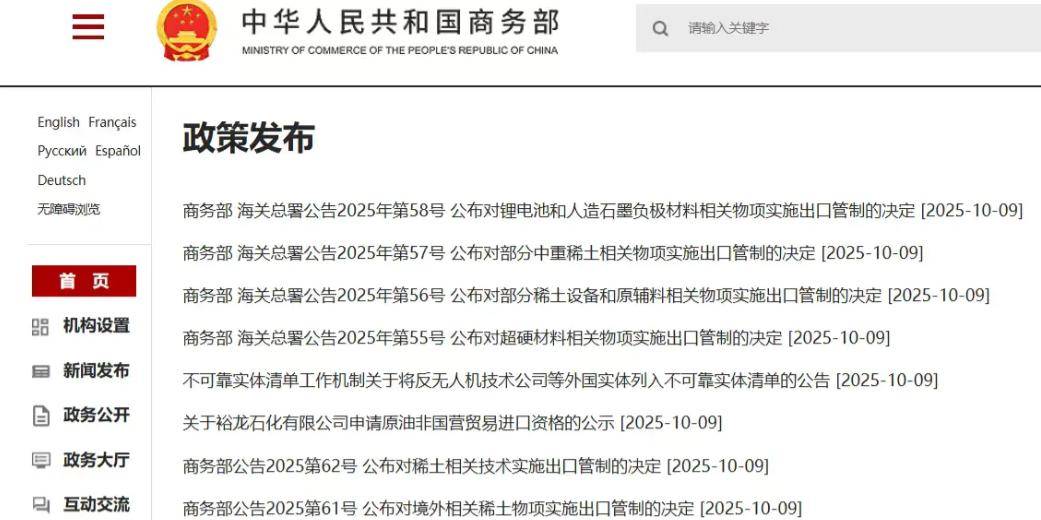
美国一份报告欲已经封杀中国芯片?祭出史上最严稀土管制措施应对
Sou Hu Cai Jing· 2025-10-10 22:40
Group 1 - The core point of the article highlights the recent export control measures announced by the Ministry of Commerce and the General Administration of Customs in China, which have raised significant international attention and concern [1] - Rare earth elements are described as a strategic asset for China, playing a crucial role in various high-tech industries, including semiconductor manufacturing and military equipment [3] - The new export control measures are seen as a response to the tightening restrictions imposed by the United States on China's semiconductor industry, aiming to strengthen China's influence in the international rare earth market [5] Group 2 - The U.S. has been intensifying its restrictions on China's semiconductor industry, with recent updates to export control regulations that extend to foreign subsidiaries of U.S. companies [7] - A report from the U.S. House of Representatives targets semiconductor manufacturing equipment support for China's semiconductor industry, indicating that China imported $38 billion worth of equipment from U.S. and allied companies last year [7] - The focus of U.S. restrictions has shifted from advanced process equipment to mature process equipment, aiming to systematically block the development of China's semiconductor industry [7] Group 3 - In response to the U.S. measures, China is expected to adopt a multi-faceted strategy, including tightening rare earth exports, which could significantly impact U.S. sectors reliant on high-performance chips [8] - The article emphasizes the need for China to accelerate domestic substitution of semiconductor equipment to overcome technological barriers and achieve self-sufficiency [8] - The long-term solution for China lies in building a self-sustaining industrial ecosystem through substantial investment, continuous innovation, and close industry collaboration [9] Group 4 - The competition in the semiconductor industry is not only about technological breakthroughs but also about securing industry leadership [9] - China's possession of strategic resources like rare earths and soybeans can provide leverage in negotiations, but true power will come from enhancing its own capabilities [9] - Achieving a balanced situation where China can match U.S. capabilities is essential for maintaining a competitive edge in the geopolitical landscape [9]
【深度】空白掩模版:光刻工艺的“底片”,国产化率几乎为零
材料汇· 2025-10-10 15:43
Group 1 - The core viewpoint of the article emphasizes that the localization of photomasks is a crucial step for the self-sufficiency of the semiconductor industry in China [2][9][64] - Photomasks are essential materials in semiconductor manufacturing, with IC manufacturing accounting for 60% of the downstream market [2][12] - The global photomask market is projected to reach $6.079 billion by 2025, with a growth rate of 7% [4][26] Group 2 - The blank photomask is a core component of photomasks, with its production process involving multiple technical challenges and high barriers [5][50] - The global market for blank photomasks is expected to be around $1.8 billion in 2024, with the Chinese market estimated at $400 million [62] - Japanese companies dominate the blank photomask market, with HOYA holding a significant share in the EUV blank photomask segment [7][55] Group 3 - The article suggests that the localization of blank photomasks is urgently needed to reduce dependence on foreign suppliers and enhance the stability of the semiconductor supply chain [9][64] - Domestic suppliers are primarily focused on low-end applications, with high-end blank photomasks still reliant on imports from Japan and South Korea [60] - The increasing complexity of semiconductor processes necessitates a rise in the number of photomasks used, thereby increasing the demand for blank photomasks [32][33] Group 4 - Investment recommendations highlight the strategic importance of domestic photomask production to mitigate risks associated with international trade policies and supply chain uncertainties [64] - The acquisition of SK Enpulse by a domestic company aims to enhance capabilities in the blank photomask sector, aligning with national self-sufficiency goals [66][67]