问界

Search documents
车市三极分化:自主内卷、合资反扑、豪华塌方
汽车商业评论· 2025-07-10 14:05
Core Viewpoint - The Chinese automotive market experienced record sales in June 2025, driven by government subsidies and aggressive pricing strategies from manufacturers, leading to significant shifts in market dynamics among domestic, joint venture, and luxury brands [2][3][4][11]. Group 1: Market Performance - In June 2025, retail sales of passenger vehicles reached 2.084 million units, a year-on-year increase of 18.1% and a month-on-month increase of 7.6% [3]. - The first half of 2025 saw cumulative retail sales of 10.901 million units, reflecting a year-on-year growth of 10.8% [3]. - Domestic brands achieved a retail volume of 1.34 million units in June, marking a year-on-year increase of 30% and a market share of 64.2% [8]. Group 2: Factors Driving Growth - The "two new" policy subsidies significantly reduced consumer costs, with 70% of private car buyers benefiting from the vehicle trade-in program [4][5]. - A surge in sales was also attributed to manufacturers lowering prices to boost sales as they approached mid-year targets, with over ten brands participating in price cuts [6][7]. Group 3: Competitive Landscape - The competitive landscape has shifted, with domestic brands gaining pricing power but facing challenges from aggressive price wars, leading to a breakdown of traditional pricing structures [11][12]. - Joint venture brands showed signs of recovery, with notable sales increases for major players like FAW-Volkswagen and SAIC-GM, indicating a stabilization of their market positions [22][23][25]. Group 4: Luxury Market Decline - The luxury vehicle segment is experiencing a downturn, with traditional luxury brands losing market share to both domestic and joint venture brands, marking a significant shift in consumer preferences [31][39]. - Despite the overall decline, Audi managed to achieve a year-on-year sales increase of 15.7% in the first half of 2025, highlighting potential opportunities for luxury brands that adapt to local market conditions [41][43].


2025媒介力学论坛:三大媒介生态巨变,AI Agent如何重塑品牌增长?
3 6 Ke· 2025-07-10 09:20
Core Insights - The article emphasizes the transformative impact of AI Agents on marketing effectiveness and the media ecosystem, shifting the focus from efficiency to penetrating consumer mindsets [1] - The upcoming 2025 Media Mechanics Forum in Shanghai aims to address the challenges and opportunities presented by AI Agents in marketing [1] Highlights - **Release of Three Key Reports**: The forum will unveil three authoritative reports analyzing how AI Agents reshape media value, covering television, outdoor advertising, and digital media [1] - **Television Media**: Insights into user viewing habits, advertising distribution, and core application scenarios [1] - **Outdoor Advertising**: Examination of the transition from static to digital, interactive formats and the performance of various outdoor advertising scenarios [1] - **Digital Media**: Analysis of the changes in media ecology driven by new technologies and the redefinition of digital media value [1] - **AI Agents Reshaping Marketing**: The forum will explore how AI Agents can unlock new growth paradigms by enhancing the entire marketing chain [2] - Focus on achieving precise user engagement and creating emotionally resonant content through human-machine collaboration [2] - Discussion on leveraging real-time data monitoring to shift user perception from passive acceptance to active endorsement [2] - **Industry Experts Gathering**: The event will bring together professionals from various sectors to share insights on leveraging generative AI for business growth and consumer engagement [3] - **Announcement of New Brands**: The forum will reveal the "2025 BrandGrow Rising Brand List," highlighting the top 100 brands with growth potential based on objective data [5]

上半年车企座次再洗牌!这两家跌出销量前十→
第一财经· 2025-07-09 15:42
Core Insights - The automotive industry in China is experiencing a reshuffling of the top ten car manufacturers, with BYD maintaining its leading position, followed by Geely, FAW-Volkswagen, Changan, and Chery, all surpassing 600,000 units in sales [1][2] - The overall retail sales of passenger vehicles reached 10.901 million units in the first half of the year, reflecting a year-on-year growth of 10.8%, with domestic brands capturing a market share of 64%, an increase of 7.5 percentage points compared to the same period last year [2][3] - The competition among traditional automakers has intensified, with only FAW-Volkswagen remaining in the top three among joint ventures, while SAIC-GM has dropped out of the top ten [1][2] Group 1: Sales Performance - BYD sold 1.61 million units, while Geely sold 1.226 million units, both exceeding one million units in sales [1] - The only company to experience a decline in retail sales was FAW-Volkswagen, which saw a decrease of 3.6% year-on-year, while Geely recorded the fastest growth rate at 61.5% [1][2] Group 2: Market Dynamics - The market is witnessing a structural differentiation in growth, with traditional automakers like BYD, Geely, and Changan showing strong growth in the new energy vehicle sector and making significant strides in overseas markets [2][3] - New entrants in the market, such as Li Auto, Xpeng, and Leap Motor, are experiencing rapid growth due to advancements in electric vehicle technology and smart upgrades [2] - The industry faces pressures from slowing growth and intensified competition, leading to a "white-hot" competitive environment, where some companies may face marginalization or elimination [2][3] Group 3: Future Outlook - Companies must focus on consolidating their advantages in electric vehicle technology, effectively expanding their scale, and building differentiated competitive strengths to avoid homogenization [3] - The market is expected to enter a consolidation phase in July, with traditional fuel vehicle production capacity remaining high amid a shrinking market, indicating a need for inventory reduction [3]

上半年车企座次再洗牌,东风日产和华晨宝马跌出销量前十
第一财经网· 2025-07-09 13:54
Group 1 - The cumulative retail sales of passenger cars reached 10.901 million units in the first half of the year, representing a year-on-year growth of 10.8%. The market share of domestic brands is 64%, an increase of 7.5 percentage points compared to the same period last year [1][2] - The top ten car manufacturers by sales have undergone a reshuffle, with BYD maintaining the first position, followed by Geely, FAW-Volkswagen, Changan, and Chery, all exceeding 600,000 units in sales. BYD and Geely surpassed one million units sold [1] - The traditional dominance of SAIC Volkswagen, FAW-Volkswagen, and SAIC-GM in the top three has changed, with only FAW-Volkswagen remaining in the top ten, while SAIC-GM has dropped out [1][2] Group 2 - The overall performance of domestic brands in the first half of the year was strong, with significant growth in the new energy vehicle sector led by companies like BYD, Geely, and Changan, as well as breakthroughs in overseas markets [2] - The market is experiencing intensified competition, with some companies facing declining sales and potential marginalization. Sustainable development requires companies to solidify their advantages in electric vehicle technology, expand scale effectively, and build differentiated competitiveness [3] - The market has shown resilience due to policies promoting consumption, with local governments implementing measures to stimulate sales, leading to a positive trend in June. However, a structural differentiation in growth is evident, with traditional fuel vehicle production capacity remaining high amid a shrinking market [3]


产业观察:【智能车产业跟踪】拼吧出行完成千万级Pre~A轮融资,加速布局AI驱动定制出行
GUOTAI HAITONG SECURITIES· 2025-07-08 11:20
Investment Rating - The report does not explicitly provide an investment rating for the industry [2]. Core Insights - The smart vehicle industry is experiencing significant trends, including a notable increase in sales for new energy vehicles, with leading brands like Leap Motor and AITO showing substantial month-on-month growth [2][12]. - Recent financing activities indicate a strong interest in AI-driven transportation solutions, with companies like Pinba Chuxing securing significant funding to enhance their market presence [24]. Summary by Sections 1. Information Dispatch - **Monthly Sales Rankings**: In June 2025, the top three new energy vehicle brands by sales were Leap Motor (48,006 units, up 6.5% month-on-month), AITO (44,685 units, up 22.9%), and Li Auto (36,279 units, down 11.2%) [12]. - **New Car Releases**: Several new models were launched between June 30 and July 6, including BYD's Haiyue Zizai version and Xpeng's G7, with prices ranging from 6.98 to 37.69 million yuan [3][12]. 2. Lithium Battery Information - **Lithium Carbonate Prices**: As of July 4, 2025, the average price of battery-grade lithium carbonate was reported at 62,320 yuan per ton, reflecting a slight increase due to improved demand expectations [4][14]. - **Material Price Trends**: The report highlights fluctuations in the prices of various lithium battery materials, with lithium carbonate showing a week-on-week increase of 1.81% [15]. 3. Investment and Financing Events - **Recent Financing Activities**: From June 30 to July 6, 2025, there were four notable financing events in the smart vehicle sector, including Tian Tong Vision's completion of a 500 million yuan Series D funding round and Pinba Chuxing's completion of a multi-million Pre-A round [23][24]. - **Company Profiles**: Tian Tong Vision focuses on smart driving technology, while Pinba Chuxing aims to integrate AI into customized transportation solutions [24].
中国新能源汽车:从电动化领跑,到智驾定义新未来
淡水泉投资· 2025-07-08 09:10
Core Viewpoint - The Chinese electric vehicle (EV) market has experienced explosive growth, with production and sales increasing from approximately 13,000 units in 2012 to over 1 million units in 2018, and projected to exceed 10 million units by 2024, achieving a market penetration rate of over 50% [1][2]. Group 1: Market Dynamics - In 2023, China surpassed Japan in automotive exports, marking a significant milestone in global influence [2]. - Domestic brands are expected to surpass Tesla in single-brand sales in Europe by May 2025, indicating a shift in market leadership [2]. - The transition from explosive growth to a new phase in the EV industry is characterized by increased competition and a focus on smart technology [2][5]. Group 2: Competitive Landscape - The market share of domestic brands has surged from approximately 6.8 million units in 2020 to 14.9 million units by 2024, while international brands' sales have declined from 12.5 million to about 8 million units during the same period [5]. - The average selling price (ASP) of vehicles has been declining, with year-on-year changes of -0.1%, -8.3%, and -6.4% for 2023, 2024, and the first five months of 2025, respectively [15]. Group 3: Consumer Preferences and Product Development - The cost advantages of EVs are significant, with electricity costs typically being one-fifth of fuel costs and maintenance costs being one-third or lower than that of traditional vehicles [8]. - Domestic brands have successfully launched high-end models, demonstrating strong pricing power, while traditional luxury brands have had to reduce prices to maintain market share [10]. Group 4: Supply Chain and Industry Structure - China dominates the global battery manufacturing market, holding over two-thirds of the market share, and maintains a leading position in key materials and manufacturing processes [14]. - The competitive landscape is evolving, with a clear distinction between low-end and high-end markets, where the high-end segment is experiencing structural growth and profitability [15]. Group 5: Smart Driving Technology - Smart driving technology is categorized into six levels (L0 to L5), with current market offerings primarily at L1-L2, while L3 is expected to be commercially viable in the near future [19][21]. - The penetration rate of advanced smart driving features, such as Navigate on Autopilot (NOA), has exceeded expectations, reaching nearly 10% in urban environments [26]. Group 6: Future Outlook - The automotive industry is transitioning from mechanical to electronic and smart technologies, with a focus on integrating AI, big data, and advanced chips [36]. - The ability to combine hardware and software capabilities is becoming a new threshold for companies in the industry, as they aim to redefine the future of mobility [36][37].
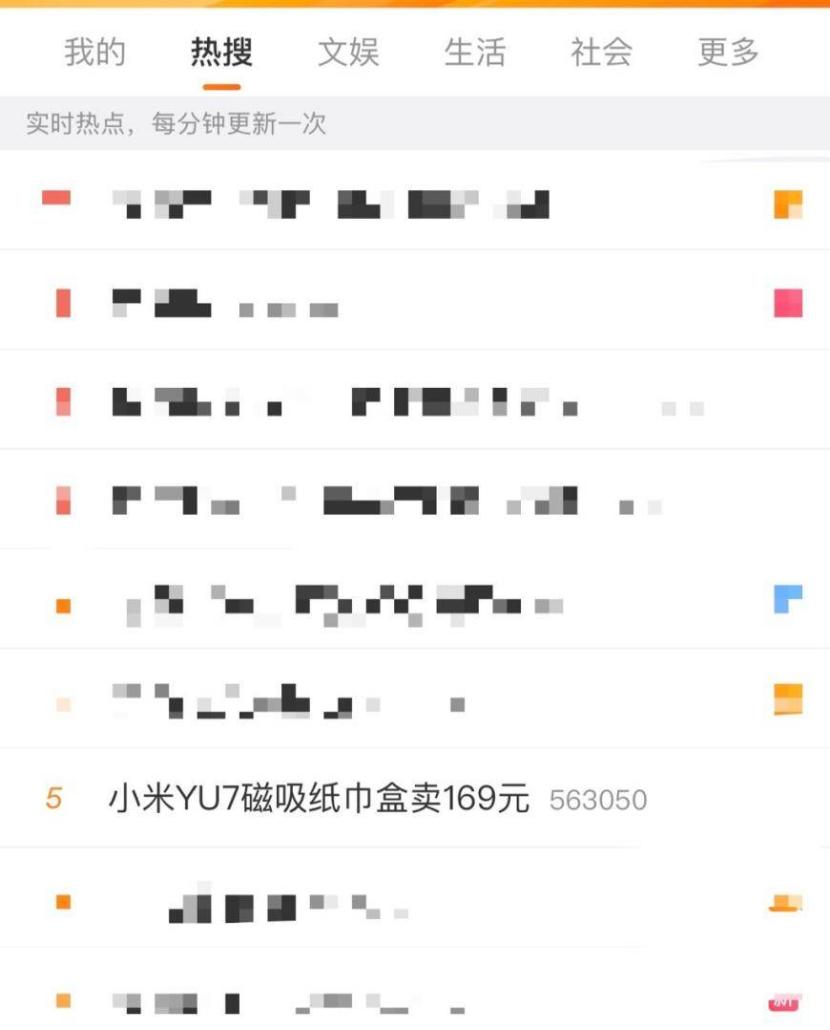
小米纸巾盒卖 169 元,贵吗?
3 6 Ke· 2025-07-07 02:18
Core Viewpoint - Xiaomi's new magnetic tissue box priced at 169 yuan has sparked discussions about its value, with some consumers questioning whether it is overpriced compared to traditional tissue boxes [1][3][5]. Pricing Discussion - The price of 169 yuan for a tissue box is considered high when compared to regular tissue boxes that cost only a few yuan [5]. - However, when viewed in the context of its compatibility with the Xiaomi YU7 car, the price may be justified [5][6]. Product Features - The tissue box is designed to withstand extreme temperatures, from -30℃ to 95℃, using high-temperature resistant PU leather and specialized magnets [6][7]. - It has passed automotive-grade certification for its plastic components and magnets, ensuring durability under harsh conditions [7][10]. Market Positioning - The pricing strategy reflects a broader trend in the automotive industry where companies are increasing profit margins through accessory sales rather than vehicle sales alone [20][22]. - Xiaomi's approach to pricing its accessories aligns with the growing market for automotive-related products, projected to reach 110 billion yuan by 2025 [20][22]. Consumer Perception - The debate over the tissue box's price highlights a disconnect between perceived practical value and brand premium, with some consumers viewing it as a "smart tax" while others appreciate its quality [10][16]. - The willingness of consumers to purchase high-priced accessories indicates a shift in consumer behavior towards valuing brand and quality over mere functionality [17][20].

数十万YU7准车主被友商盯上,小米汽车产能困局何时解?
3 6 Ke· 2025-07-07 01:11
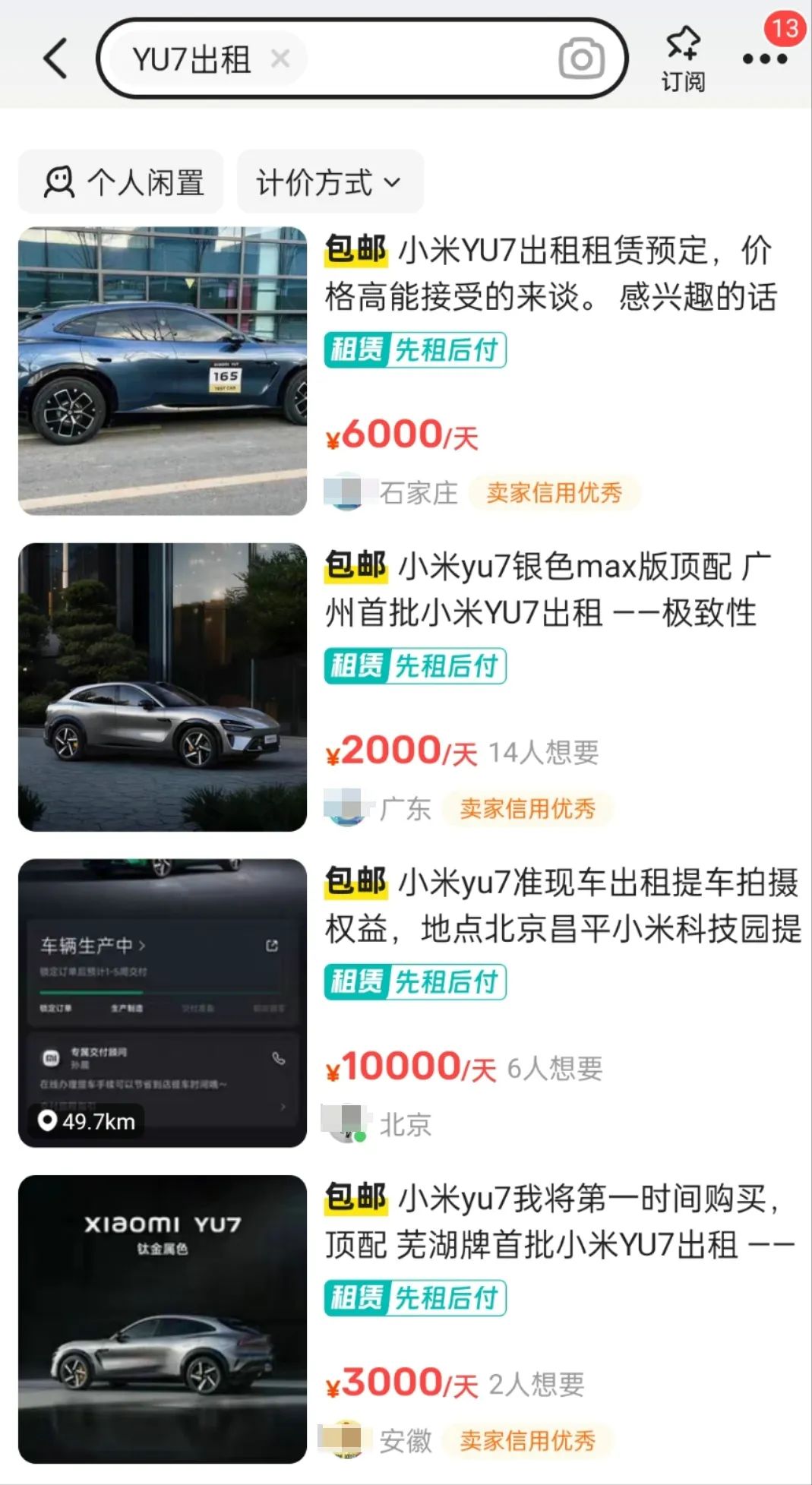
Group 1 - Xiaomi's YU7 electric vehicle has set a new record for the fastest pre-orders in the industry, with over 200,000 orders in just 3 minutes and 240,000 within 18 hours, surpassing its own previous model, SU7 [1][2] - The delivery timeline for the YU7 has significantly extended, with the standard version now taking over 50 weeks and the Max version at least 33 weeks, leading to customer frustration and potential cancellations [1][3] - Competitors such as Zeekr, NIO, and others are actively targeting YU7 customers by offering to reimburse their deposits if they switch to their brands, indicating a competitive market response [1][10][11] Group 2 - The YU7's delivery delays are longer than those of the SU7, which had a maximum delivery time of 30 weeks, highlighting a growing demand that exceeds current production capabilities [3][13] - The high demand for YU7 has led to a secondary market where orders are being resold for thousands to tens of thousands of yuan, reflecting the vehicle's desirability and potential for rental income [4][7] - Xiaomi's production capacity is currently limited to 30,000 vehicles annually, which is insufficient to meet the overwhelming demand for both YU7 and other models, leading to a backlog of orders [13][15] Group 3 - Xiaomi is implementing strategies to increase production capacity, including optimizing supply chains and potentially establishing a third factory, to address the delivery challenges posed by high order volumes [16][19] - The company is facing a critical period where it must balance production ramp-up with maintaining consumer trust, as competitors leverage the delivery delays to attract potential customers [17][19] - The situation mirrors challenges faced by other electric vehicle manufacturers like Tesla, indicating that overcoming production hurdles is a common rite of passage for emerging players in the industry [15][18]
6月问界M8交付突破2.1万,40万级市场销冠!
Qi Lu Wan Bao· 2025-07-06 11:59
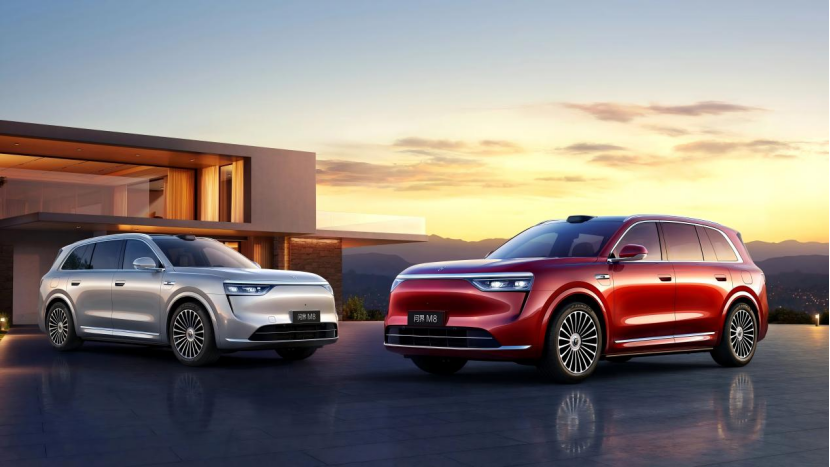
Core Insights - The AITO brand reported strong sales performance in June, with over 44,000 units delivered, highlighting its competitiveness in the luxury smart SUV market [1] - The AITO M8, positioned as a "family smart flagship SUV," achieved over 21,000 units delivered in June, dominating the 400,000 RMB market segment [1] Group 1: Sales Performance - AITO M8's sales success is attributed to its deep understanding of user needs, with intelligent driving assistance and smart cockpit features being the top two purchase decision factors [3] - The overall delivery of the AITO series in June exceeded 44,000 units, indicating a robust market presence [1] Group 2: Product Features - The AITO M8 is equipped with Huawei's ADS intelligent driving assistance system and 30 high-precision sensors, providing comprehensive perception capabilities for complex driving scenarios [3] - The vehicle features a spacious interior with a length of nearly 5.2 meters and a wheelbase of 3.1 meters, offering multiple seating configurations and high space utilization [5] Group 3: Brand Influence - AITO has established a strong brand presence, ranking first among domestic luxury new energy brands and eighth overall in the 2024 Brand Attraction List [6] - The brand's recognition and trust among consumers are reflected in a brand reference score of 1.6, significantly higher than the industry average of 1.1 [8]
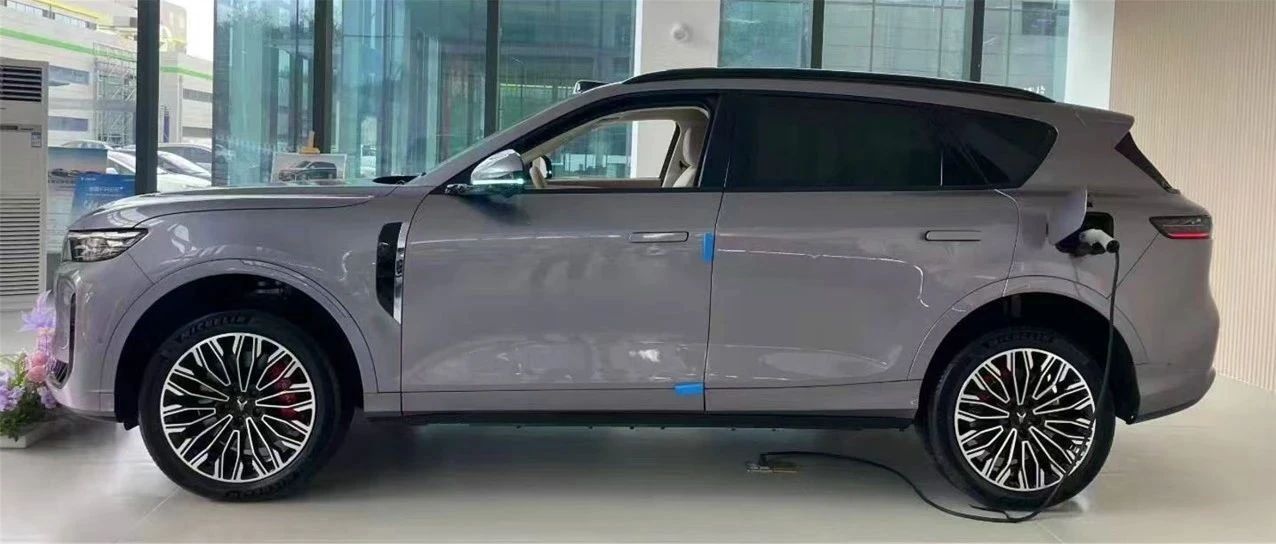
岚图FREE+:还没上市就客流暴涨,华系SUV这么吃香吗?
车fans· 2025-07-04 03:00
Core Viewpoint - The article highlights the strong market interest and pre-sale performance of the Lantu FREE+, a new electric SUV from Dongfeng's high-end brand, which is competing effectively against other models like the Xiaomi YU7 and Li Auto L6 [1][2][7]. Pre-sale Performance - The Lantu FREE+ saw a significant increase in customer foot traffic, with a reported doubling of visitors to dealerships after the pre-sale began, indicating strong demand [2][4]. - In a three-tier city dealership, nearly 70% of customers visiting were specifically interested in the Lantu FREE+, with around 80 small orders placed within the first 10 days of pre-sale [2][4]. Customer Demographics - The primary customer base for the Lantu FREE+ consists of families, with 70% of buyers being aged between 20-40 years, many looking for a second vehicle or their first family car [4][9]. - Customers are particularly focused on the vehicle's appearance, interior, and space, all of which have received positive feedback [4][6]. Competitive Landscape - The main competitors identified for the Lantu FREE+ are the Li Auto L6 and the Aito M5/M7, with customers often comparing driving experiences and features [7][11]. - Many customers initially interested in the Xiaomi YU7 shifted their focus to the Lantu FREE+ due to long wait times for the YU7 [6][7]. Key Selling Points - The Lantu FREE+ features advanced technology such as Huawei's intelligent driving system and HarmonyOS cockpit, which have been well-received by tech-savvy customers [1][16]. - The vehicle's practical features, including a 220V power outlet in the trunk and a well-designed chassis, enhance its appeal [14][16]. Customer Experiences - Customer testimonials highlight the spaciousness and comfort of the Lantu FREE+, with families appreciating the vehicle's design and functionality [9][11]. - The positive driving experience and advanced technology have led to customers making spontaneous purchases after test drives [9][12]. Promotional Strategies - The pre-sale strategy includes a deposit scheme and potential upgrades, with expectations of additional service benefits and trade-in subsidies upon official launch [17].