奔驰

Search documents
车市年终翘尾失败 2026年市场承压
Jing Ji Guan Cha Wang· 2025-12-14 03:10
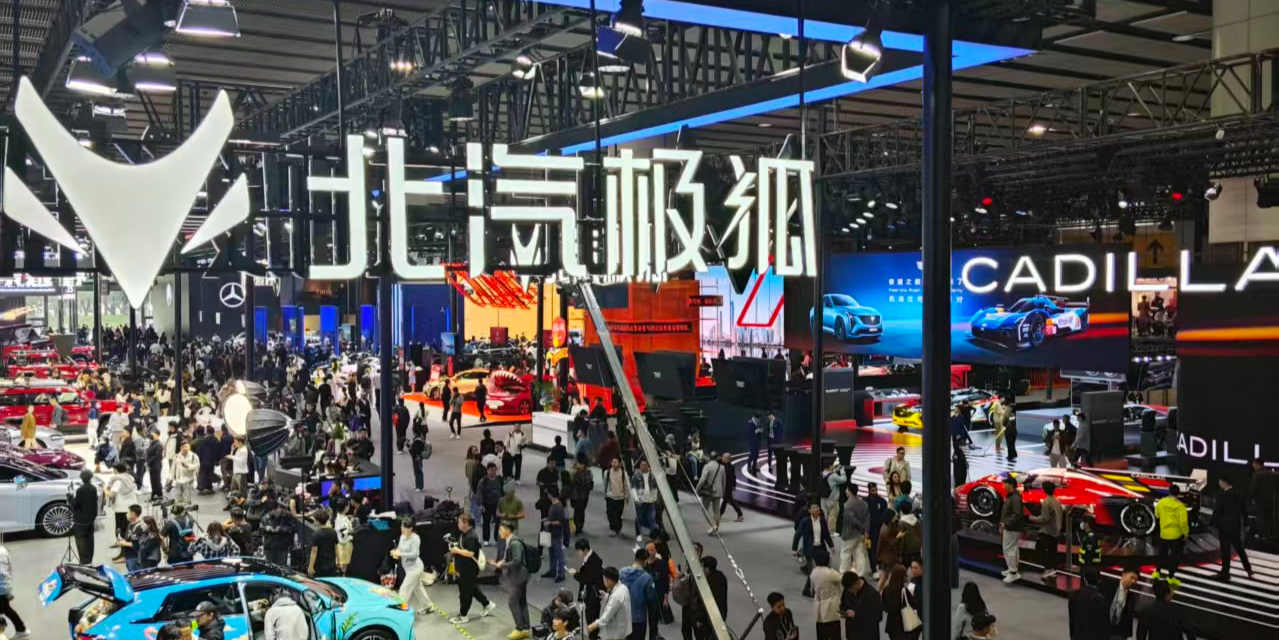
Group 1 - The automotive market is experiencing a significant slowdown as various regions exhaust their vehicle trade-in subsidies, leading to a lack of consumer activity in dealerships [2][4] - The cancellation of national and local subsidies, along with the introduction of a 50% purchase tax on new energy vehicles starting next year, has negatively impacted market expectations for year-end sales [2][4] - In November, retail sales of passenger vehicles dropped to 2.225 million units, a year-on-year decrease of 8.1%, with fuel vehicles seeing a 22% decline [4][5] Group 2 - Car manufacturers are implementing their own discount policies to stimulate sales, including covering the increased purchase tax for vehicles ordered before the subsidy deadline [3][8] - The China Automobile Dealers Association reported that the overall survival status of dealers is expected to worsen in the coming year, indicating a lack of confidence in the market [4][8] - The 2025 vehicle trade-in subsidy is projected to exceed 180 billion yuan, with a significant portion allocated to automotive subsidies, suggesting potential growth in the market despite current challenges [8][11] Group 3 - Some automakers remain optimistic about the 2026 market, anticipating stable demand for fuel vehicles and growth in hybrid and plug-in models [9][10] - Companies are developing strategies to adapt to policy changes, including monitoring local subsidy dynamics and adjusting product offerings to meet consumer needs [10][11] - There is potential for new growth points in the market, particularly through rural consumption initiatives and the expansion of services related to used cars and aftermarket activities [11]

11月乘用车零售销量同比降8%,中央定调2026年优化“两新”政策实施
Xinda Securities· 2025-12-14 01:08
Investment Rating - The industry investment rating is "Positive" [2] Core Insights - In November, retail sales of passenger vehicles decreased by 8.1% year-on-year, with total retail sales reaching 2.225 million units. Cumulatively, retail sales for the year are 21.483 million units, reflecting a 6.1% increase year-on-year [22] - The central government has indicated that the "Two New" policy will be optimized in 2026, with expectations for continued subsidies for vehicle replacements next year [22] - The automotive sector in the A-share market outperformed the broader market, with the automotive sector index rising by 0.16% compared to a decline of 0.08% in the CSI 300 index [3][9] Market Performance - The A-share automotive sector ranked 9th among the Shenwan first-level industries in terms of weekly performance [9] - The passenger vehicle segment saw a weekly increase of 0.23%, led by Great Wall Motors and SAIC Motor [3][6] - The commercial vehicle segment increased by 0.25%, with CIMC Vehicles and Zhongtong Bus leading the gains [3][20] - The automotive parts sector rose by 0.11%, with Huamao Technology and Yueling Co. leading the performance [3][21] Key Industry News - The China Passenger Car Association reported a decline in retail sales for November, which was anticipated due to high sales figures from the previous year and changes in subsidy policies [22] - Li Auto plans to launch its first L4 autonomous vehicle within three years, aiming to transform cars into "living or working spaces" [22] - Yutong Bus signed a strategic cooperation agreement with Jiushi Intelligent to develop unmanned logistics vehicles [22] - A new law in Mexico will impose tariffs on over 1,400 products from Asian countries, significantly affecting Chinese automotive imports [22] Recommendations - For passenger vehicles, recommended companies include BYD, Geely, Great Wall, and Li Auto [3] - For commercial vehicles, recommended companies include China National Heavy Duty Truck, FAW Jiefang, and Weichai Power [3] - For automotive parts, recommended companies include Huamao Technology, Yueling Co., and Ningbo Gaofa [3]
德国企业,正在疯狂涌入中国
Xin Lang Cai Jing· 2025-12-13 07:49
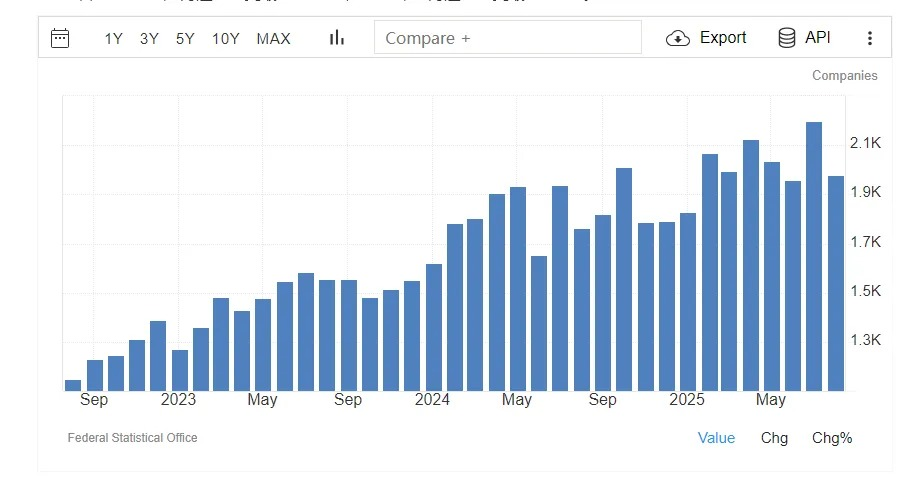
Core Viewpoint - German companies are increasingly relocating to China, marking a significant industrial migration that is accelerating over time [1][28]. Group 1: German Companies in China - Over 560 German companies have gathered in Taicang, Jiangsu, with more than 60 being renowned "hidden champions," accounting for over 10% of the total [2][29]. - The first 100 German companies took 14 years to establish in Taicang, while the next 100 (from 400 to 500) only took two years [3][30]. - German investments in Taicang exceed $6 billion, with annual industrial output surpassing 67 billion yuan [4][30]. Group 2: Major Investments and Developments - Notable investments include Volkswagen's announcement of a €2.5 billion investment to expand its production and innovation center in Hefei [5]. - Bayer plans to invest 600 million yuan in a new supply center in Jiangsu [5]. - Mercedes-Benz is investing €1 billion in a new autonomous driving research institute in Beijing [5]. - Volkswagen is investing ¥16.8 billion to establish a new smart electric vehicle R&D center in China while closing three factories in Germany [5]. Group 3: Challenges Faced by German Companies - In 2024, the number of bankruptcies in Germany reached 22,000, the highest in a decade, with a 12% year-on-year increase in the first half of 2025 [7][32]. - Major companies like Gerhard, Flabeg, and Webasto have declared bankruptcy, while others like Porsche are closing divisions to cut costs [9][34]. - The IFO Institute's survey indicates that German industrial companies' self-assessed competitiveness has hit a 31-year low, with 36.6% of respondents feeling disadvantaged compared to non-EU competitors [35]. Group 4: Factors Driving Migration - Rising energy costs, particularly due to the Green Party's policies, have led to a 148% increase in industrial electricity prices in Germany, making it 3.8 times higher than in China [37][41]. - The closure of nuclear and coal power plants has forced German industries to rely on imported electricity, resulting in soaring energy costs [41][40]. - The U.S. tariffs on EU goods have further impacted German exports, with a 6.5% decline in exports to the U.S. in the first eight months of the year [43][44]. Group 5: Strategic Advantages of Relocation - The migration of German companies to China is not merely a cost-driven relocation but a strategic choice to integrate into a more dynamic "super ecosystem" [45]. - The "innovation cost" advantage in China allows for faster technology iteration cycles, crucial for the electric vehicle market [15][48]. - The "system cost" advantage in China provides access to a complete supply chain, skilled labor, and efficient logistics, reducing overall operational costs [18][49]. - The "future cost" advantage positions China as a leader in global manufacturing, with a 31% share of global manufacturing value added [50][52]. Group 6: Future Outlook - German companies are not just relocating but are actively participating in shaping the future of industrial standards in China, as seen with BMW's investment in hydrogen fuel cell technology [52]. - The bilateral trade between Germany and China reached €185.9 billion in the first nine months of the year, with Germany accounting for 50% of EU investments in China over the past five years [24][53]. - The ongoing migration of German companies is viewed as a long-term strategic choice rather than a temporary measure, with many planning further investments in China [25][53].
德国企业,正在疯狂涌入中国
投资界· 2025-12-13 07:39
Core Viewpoint - The article discusses the significant influx of German companies into China, driven by various economic pressures and strategic advantages, marking a shift in the global industrial landscape [2][10]. Group 1: German Companies Moving to China - Over 560 German companies have established operations in Taicang, Jiangsu, with more than 60 being "hidden champions" in their respective industries [2]. - The first 100 German companies took 14 years to settle in Taicang, while the next 100 (from 400 to 500) only took 2 years, indicating a rapid acceleration in this trend [2]. - German investments in Taicang exceed $6 billion, with annual industrial output surpassing 67 billion yuan [2]. Group 2: Major Investments and Developments - In 2024, notable investments include Volkswagen's €2.5 billion expansion in Hefei, Bayer's 600 million yuan supply center in Jiangsu, and Mercedes-Benz's €1 billion investment in a Beijing autonomous driving research center [3]. - Volkswagen's electric vehicle production capacity in China has reached 800,000 units, with 90% of components sourced locally [3]. - Leica has shifted 60% of its production to China, emphasizing the importance of local expertise in high-end manufacturing [3]. Group 3: Challenges Faced by German Companies - In 2024, Germany saw a record 22,000 bankruptcies, the highest in a decade, with a 12% year-on-year increase in bankruptcy applications in the first half of 2025 [5]. - Major companies like Flabeg and Recaro have declared bankruptcy, while others like Bosch and Volkswagen are implementing cost-cutting measures [6]. - The German industrial sector's self-assessed competitiveness has reached a 31-year low, with 36.6% of surveyed companies feeling disadvantaged compared to non-EU competitors [6]. Group 4: Factors Driving the Shift - The rise in energy costs, particularly a 148% increase in industrial electricity prices under the Green Party's policies, has severely impacted German manufacturing [7]. - Germany has permanently closed 17 nuclear power plants and about 60% of coal power plants, leading to a reliance on imported electricity and a tripling of energy costs [9]. - The U.S. tariffs on EU goods, including a 15% tax on many exports, have further diminished the competitiveness of German products in the American market [9]. Group 5: Strategic Advantages of Moving to China - The shift is not merely cost-driven but represents a strategic integration into a more dynamic "super ecosystem" in China [10]. - German companies are attracted to China's "innovation cost" advantages, as the rapid technological advancements in electric vehicles require faster development cycles than traditional methods [10]. - The "system cost" advantage in China allows for efficient supply chain integration, reducing overall operational costs significantly [11]. - The "future cost" advantage is highlighted by China's growing share in global manufacturing, which reached 31% in 2024, surpassing developed nations for the first time [14]. Group 6: Long-term Strategic Choices - The migration of German companies to China is seen as a long-term strategic choice rather than a temporary measure, with many planning further investments [15]. - The integration into China's industrial ecosystem is viewed as essential for maintaining competitiveness in the future global market [15].

一场事故,让哈啰Robotaxi按下暂停键
3 6 Ke· 2025-12-12 11:49
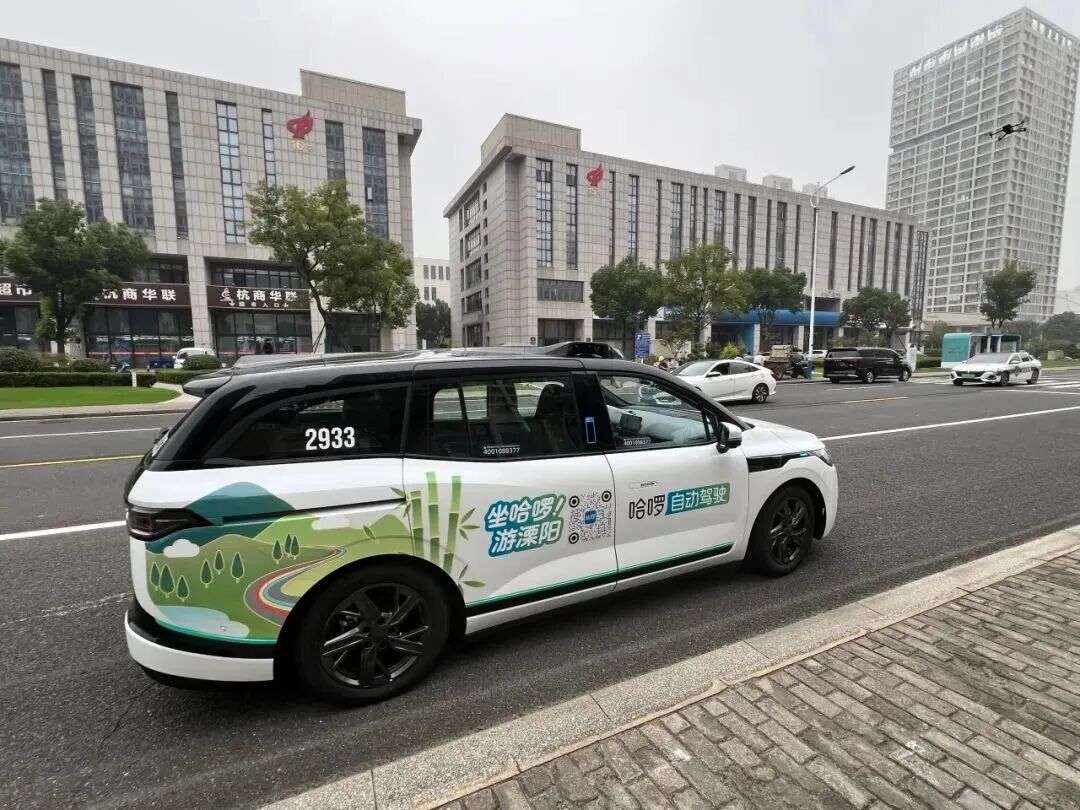
Core Viewpoint - The recent accident involving a Haolo Robotaxi has raised significant concerns about the safety of autonomous driving technology, particularly as it is one of the few incidents where a Robotaxi has reportedly struck pedestrians [1][3][4]. Group 1: Incident Details - A Haolo Robotaxi was involved in an accident in Zhuzhou, Hunan, where it allegedly struck two pedestrians at a crosswalk, leading to injuries that required hospitalization [4][6]. - The local hospital confirmed that the injured individuals, a man and a woman, were admitted to the ICU, although their specific conditions remain unclear [4][6]. - Following the incident, Haolo's autonomous driving operations in the area have been suspended, with no timeline provided for resumption [6][16]. Group 2: Company Response and Safety Measures - Haolo's co-founder emphasized that safety is the cornerstone of autonomous driving commercialization, highlighting the importance of addressing this incident to maintain public trust [3][12]. - The company has not provided detailed information about the accident, but customer service representatives indicated that they are cooperating with relevant authorities [4][6]. - The HR1 model involved in the incident is equipped with multiple safety features, including various types of sensors and a high-performance computing architecture, which raises questions about the effectiveness of these technologies in real-world scenarios [7][11][10]. Group 3: Market Context and Future Implications - Haolo's entry into the Robotaxi market has been marked by strategic partnerships with major companies like Ant Group and CATL, which provide technological and operational support [12][14]. - The Robotaxi sector is still in the early stages of user acceptance, and any accidents can significantly impact public perception and trust in autonomous vehicles [3][28]. - The global Robotaxi market is projected to reach 834.9 billion yuan by 2030, with a compound annual growth rate (CAGR) of 239% from 2024 to 2030, indicating a highly competitive landscape [26].
从本土到全球:奔驰中国合作生态赋能,引领自动驾驶商业化发展
第一财经· 2025-12-12 08:30
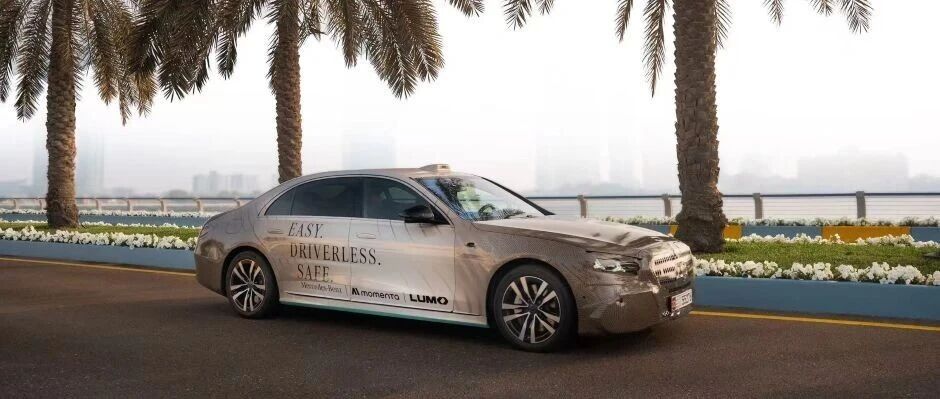
Core Viewpoint - Mercedes-Benz is focusing on the Chinese market with a long-term vision, enhancing its self-research capabilities while expanding partnerships to deliver innovative products and services that exceed user expectations [1]. Group 1: Investment and Technological Advancements - In 2017, Mercedes-Benz became the first international car manufacturer to invest in Momenta, a leading company in intelligent driving, which is now yielding returns with the launch of the new all-electric CLA featuring advanced driving assistance capabilities [1]. - The new Mercedes-Benz S-Class will provide L4 autonomous taxi services, with initial testing set to take place in Abu Dhabi, showcasing the company's commitment to advancing autonomous driving technology [3][4]. Group 2: Collaboration and Ecosystem Development - Mercedes-Benz is collaborating with industry leaders like NVIDIA to explore the future of L4 autonomous taxi ecosystems, utilizing its proprietary MB.OS architecture [4]. - The company is actively engaging in multiple R&D projects with top firms such as Momenta and ByteDance, forming a "circle of elites" to enhance smart driving and cockpit technologies [7][8]. Group 3: Testing and Certification - In 2024, Mercedes-Benz will be the first international automotive brand authorized to conduct L4 level testing in urban and high-speed environments in Beijing, focusing on advanced sensor technology and system performance under extreme conditions [6]. - The company has previously set industry benchmarks with innovations like the L2 level intelligent driving system and became the first to receive international certification for L3 conditional autonomous driving in December 2021 [6].
记者手记丨跨国企业借“国风”广告吸引“中国心”
Xin Hua She· 2025-12-12 03:20
Core Insights - Multinational companies are increasingly using traditional Chinese cultural themes in their advertising to attract Chinese consumers, reflecting a shift towards local cultural integration [1][2][4] - The Chinese market continues to show strong growth potential, with retail sales expected to exceed 50 trillion yuan in 2024 and foreign investment surpassing 700 billion USD during the 14th Five-Year Plan [1][3] Group 1: Advertising Strategies - Companies are shifting from a Western-centric advertising approach to one that resonates with local culture, utilizing teams familiar with Chinese social media and cultural nuances [2][3] - Popular social media platforms like Douyin, Bilibili, and Xiaohongshu are being leveraged by foreign companies to engage with audiences through culturally relevant content during traditional festivals [2][3] - Collaborations with local brands and timely marketing campaigns, such as Coca-Cola's "Tribute to 40 Years" series, are becoming essential strategies for foreign companies to connect with Chinese consumers [3] Group 2: Cultural Integration - There is a growing trend among younger consumers to favor local cultural elements, as seen in Adidas's use of traditional motifs like Miao embroidery and the story of "Fish Leaping Over the Dragon Gate" [4] - The rise of cultural confidence in China is reshaping consumer behavior, leading to a preference for products that reflect local heritage and emotional resonance [4] - The success of non-material cultural heritage products on platforms like Douyin, which sold 6.5 billion units of related items, indicates a strong market for culturally inspired goods [3]
国泰海通|汽车:11月乘用车市场优惠力度持续减弱
国泰海通证券研究· 2025-12-11 14:53
Core Viewpoint - The discount intensity in the passenger car market continues to weaken in November, indicating a shift from price wars to refined operations in the domestic market [1] Group 1: Market Discounts and Pricing Trends - In November 2025, the average discount rate for the passenger car market was 18.3%, a decrease of 0.3 percentage points month-on-month and an increase of 1.0 percentage point year-on-year. The average price was 159,000 yuan, remaining stable month-on-month but down nearly 9,900 yuan year-on-year [1] - The average discount rate for traditional energy vehicles was 26.4%, up 0.1 percentage points month-on-month and up 2.6 percentage points year-on-year, with an average wholesale price of 164,000 yuan, stable month-on-month but down nearly 14,000 yuan year-on-year. In contrast, the average discount rate for new energy vehicles was 12.2%, down 0.5 percentage points month-on-month and up 1.0 percentage point year-on-year, with an average wholesale price of 156,000 yuan, stable month-on-month but down about 5,000 yuan year-on-year [2] Group 2: Brand Strategies and Market Performance - Among domestic brands, new energy brands maintain a stable pricing system, with AITO and Leap Motor having low terminal discount rates of 6.2% and 11.4%, respectively, indicating solid market demand and pricing power. In contrast, non-luxury joint venture brands have higher discount rates, typically between 25% and 32%, reflecting pressure from the transition to new energy and competition from domestic brands [3] - The pricing strategies of luxury brands show significant differentiation. Tesla China has a discount rate of 4.3%, while traditional luxury brands like Mercedes-Benz, BMW, and Audi have discount rates between 28% and 31%, indicating a price-for-volume strategy. Second-tier luxury brands like Volvo Asia-Pacific and Cadillac have even higher discount rates. Overall, the market shows a pattern where new energy leaders maintain stable prices while traditional brands rely on high discount rates to maintain market share [3]

买豪华车,买的就是确定性
虎嗅APP· 2025-12-11 09:35
中国汽车行业正在发生一场静悄悄、但可能影响未来十年的结构性迁移。迁移的方向不是车型,也不 是参数,而是豪华的定义权。 如果把过去三十年的豪华市场拆开,你会发现它由三种力量轮流主导:第一阶段是机械工业的力量: 德系三强曾借着发动机和底盘体系树立起几乎不可撼动的壁垒;第二阶段是品牌叙事的力量:历史越 长、故事越稳、调性越统一,豪华越有议价权;而从近两年开始,正在进入第三阶段: 智能能力的 力量。 智能化重新定义汽车的速度,比我们想象得要快得多。豪华的逻辑也被迫发生质变:不再是皮料厚不 厚,马力大不大,而是这辆车未来三年会不会变得更好?五年后还能不能跟得上时代?能不能降低长 期持有的不确定性? 当用户从"买一次体验"转向"买长期确定性",豪华的核心就不再是品牌历史,而是体系能力。这正是 为什么,在行业加速切入智能阶段的当下, 一个"不造车的科技公司"(华为),反而出现在豪华秩 序迁移的中心点上。 如果说上一代豪华靠的是机械与设计,那么新一代豪华靠的则是一整套智能能力链条:操作系统的稳 定与流畅、辅助驾驶的演进速度、服务体系的可预期性、供应链的响应能力、数据与模型持续带来的 体验升级。更关键的是: 这些能力能否被体系 ...
BBA车主最后的体面,被一份盒饭击溃
商业洞察· 2025-12-11 09:30
以下文章来源于金错刀 ,作者云摇 金错刀 . 科技商业观察家。爆品战略提出者。 ------------------------------- 作者: 云摇 来源:金错刀 BBA的骄傲,终于被全方位击碎了! 最近, 不少BBA车主在网上吐槽,去4S店保养时的待遇越来越差。 过去,豪车4S店的午餐是车主尊贵体面的一部分,窗明几净的门店配上高端自助,让不少车主心甘 情愿花钱去4S店保养。 如今,有些地区的豪车4S店,银质餐盘换成了塑料餐盒,豪华自助餐变成了工地盒饭。 更有甚者,一盒牛奶、一桶泡面就把尊贵的BBA车主打发了。如果车主实在想吃,就只能委屈销 售"献祭"自己的盒饭。 一些传统4S店,除了餐饮水平下降,连交车时的鲜花都 省了。 有销售直言:"能给客户最大的仪 式感,就是一瓶玻璃水。" 与传统 4S 店的 "灰头土脸" 相比,国产新能源的用户交付中心却接连封神。"XXX 五星大酒店""0 元度假中心""中年人的精神天堂" 等标签,成了电车 4S 店的荣誉勋章。 如此鲜明的对比,大家第一反应是 "燃油车确实干不过新能源",但往深了挖就会发现: 传统4S店 撑不住的,远不止是餐桌上的体面。 01 传统4S店吃泡 ...