
万达

Search documents
【财经早晚报】国际油价破位大跌;全市近4200只个股下跌;王健林与万达因合同纠纷被起诉
Sou Hu Cai Jing· 2025-10-16 09:18
Group 1: Industry Developments - "Linglong No. 1" successfully completed its cold test, marking a significant milestone for the world's first land-based commercial modular small reactor, which is expected to generate 1 billion kWh annually, meeting the electricity needs of 526,000 households in Hainan and reducing CO2 emissions by approximately 880,000 tons [2][2]. - Breakthroughs in solid-state battery technology have been achieved, allowing for a potential increase in range from 500 kilometers to over 1000 kilometers for electric vehicles, indicating a significant advancement in the next-generation lithium battery sector [2][2]. Group 2: Regulatory and Legal Actions - Beijing's market regulatory authority has cracked down on the first case of AI-generated false advertising, where a company misrepresented a product as a treatment for various diseases, highlighting the increasing scrutiny on AI applications in marketing [3][4]. - Singapore's sovereign wealth fund, GIC, has filed a lawsuit against NIO and its executives, alleging securities fraud related to inflated revenue figures through a partnership with CATL, marking a significant legal challenge for the electric vehicle manufacturer [6][7]. Group 3: Market Trends - The international oil prices have dropped significantly, with Brent crude falling to $61.5 per barrel and WTI dipping below $58 per barrel, reflecting a more than 5% decline this month due to oversupply and seasonal demand drops [1][1]. - The stock market showed a mixed performance with coal and semiconductor sectors leading gains, while overall trading volume decreased to 1.93 trillion yuan, indicating a market correction [5][5].
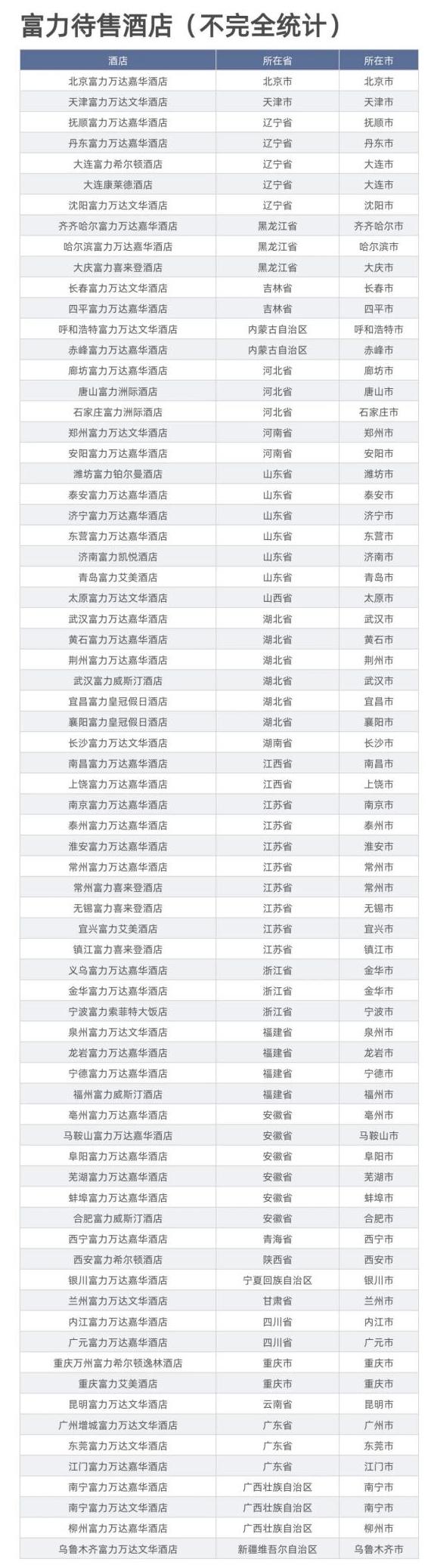
全球最大豪华酒店业主,8年痛失70家酒店
3 6 Ke· 2025-10-15 00:27
Core Viewpoint - The article discusses the dramatic decline of R&F Properties, which was once the world's largest luxury hotel owner, as it faces a liquidity crisis and is forced to sell off its hotel assets to alleviate debt pressure [5][18][45]. Group 1: Hotel Acquisition and Ownership - Eight years ago, R&F Properties acquired 77 hotels from Wanda for 189.55 billion yuan, marking a significant transaction in the luxury hotel sector [1]. - After the acquisition, R&F owned 91 luxury hotels, gaining the title of the world's largest luxury hotel owner [2]. - Currently, R&F's hotel portfolio has shrunk to only 21 hotels, following the recent sale of the Changsha R&F Wanda Hotel for a starting price of 5.14 billion yuan [3][12]. Group 2: Asset Liquidation and Financial Struggles - R&F has been selling hotels since 2022 to manage liquidity issues, but the market response has been disappointing [6]. - The company has faced significant losses on hotel sales, including a 653,000 yuan loss on the sale of the Beijing Wanda Jiahua Hotel and a 30% drop in the sale price of the Fuzhou Westin Hotel [7]. - As of 2024, R&F's financial situation worsened, with a reported net loss of 177.1 billion yuan and a cash balance of only 38.64 billion yuan [18][19]. Group 3: Market Trends and Challenges - The luxury hotel market is experiencing a downturn, with a 5.5% decline in average RevPAR across major cities [34]. - R&F's hotel business, despite being a significant asset, has been negatively impacted by high leverage and operational costs, leading to continuous losses from 2018 to 2024 [25][30]. - The broader trend shows real estate companies increasingly selling hotel assets to relieve financial pressure amid a challenging market environment [31][40]. Group 4: Future Outlook - R&F's remaining 21 hotels may still face challenges as the company navigates its liquidity crisis and attempts to restructure its debt [45]. - The article suggests that simply selling hotel assets may not be sufficient to resolve R&F's financial difficulties, emphasizing the need for effective management and operational strategies [40][41].

钱从“楼”中来:险资加码收租型资产
Zhong Guo Zheng Quan Bao· 2025-10-08 20:46
Core Insights - The article discusses the increasing involvement of insurance capital in the commercial real estate sector, particularly in REITs and rental housing projects, highlighting a strategic shift towards stable income-generating assets [1][2][3][4][5][6][7] - Insurance companies are focusing on high-quality, stable rental properties as they seek to balance cost and returns amid a challenging interest rate environment [1][2][6][7] Investment Trends - Insurance capital is increasingly investing in commercial real estate, including shopping centers and office buildings, with a notable example being the strategic allocation by Caixin Life in the Huaxia Kaide Commercial REIT, amounting to approximately 50 million yuan [1][2] - The investment strategy has shifted from non-standard private equity products to standardized products like public REITs and ABS, indicating a broader diversification in investment types [2][5] Market Dynamics - The rental housing market is emerging as a new focal point for insurance capital, with significant investments in long-term rental housing projects in major cities like Beijing and Shanghai [4][5][6] - The demand for stable cash flow assets is heightened due to declining yields on fixed-income investments, prompting insurance companies to explore high-yield rental properties [6][7] Performance Metrics - The occupancy rates of key assets are critical, with the Changsha Kaide Plaza reporting an occupancy rate of approximately 97%, showcasing the attractiveness of well-leased properties [1] - The rental yield for commercial properties in first-tier cities is reported to be between 5.5% and 6.5%, which is favorable compared to the yields on 10-year government bonds, enhancing the appeal of commercial real estate investments [7] Regulatory Environment - Recent regulatory support from financial authorities encourages insurance capital to invest in rental housing projects, facilitating a more structured approach to funding and investment [5][6] - The establishment of a closed-loop system for fundraising, investment, management, and exit strategies is becoming more defined, addressing concerns about liquidity and investment returns for insurance companies [5][6]



债务还不完,万达为何走到今天?王健林的赌性把万达拉入深渊
Sou Hu Cai Jing· 2025-10-06 08:51
Core Viewpoint - The article discusses the decline of Wanda Group, highlighting the challenges faced by its founder Wang Jianlin, who once aimed for ambitious financial goals but is now struggling with significant debt and asset sales due to a changing market environment [1][3][16]. Group 1: Company Background and Historical Context - Wang Jianlin, the founder of Wanda Group, initially built the company into a leading real estate empire, with over 500 Wanda Plaza locations across China [1][3]. - In 2017, Wang believed that the capital market undervalued Wanda and decided to delist from the Hong Kong stock market, aiming to list on the A-share market instead [7]. - By 2019, Wanda's debt reached nearly 300 billion yuan, with assets valued at 700 billion yuan and revenue of 227.37 billion yuan in 2017 [7][9]. Group 2: Strategic Moves and Financial Maneuvers - In 2017, Wanda sold 13 cultural tourism projects and 76 hotel assets to Sunac, recovering approximately 68 billion yuan, which was used to reduce debt and improve financial stability [9]. - Despite attempts to list Wanda Commercial Management in Hong Kong, the company faced repeated failures, leading to a significant buyback obligation of 38 billion yuan if the listing did not occur by 2023 [11][12]. - The company has been selling off assets, including over 80 Wanda Plazas and core assets in Beijing, to address liquidity issues and a short-term debt of over 43.9 billion yuan, while only having 15.1 billion yuan in cash [12][15]. Group 3: Market Challenges and Future Outlook - The decline of Wanda is attributed to a high-leverage, heavy-asset expansion model that became unsustainable as the real estate market entered a downturn post-2018 [16][18]. - The "sell to support rent" strategy relied on a booming housing market, which has since slowed, making it difficult for Wanda to maintain cash flow and secure financing [18]. - The company's ongoing asset sales are insufficient to cover its debt obligations, leading to frozen assets and a deteriorating financial position [15][19]. Group 4: Lessons and Reflections - The article suggests that Wanda's current predicament serves as a cautionary tale about the risks of relying on luck and aggressive strategies in business, emphasizing the need for strategic vision and prudent management [23].
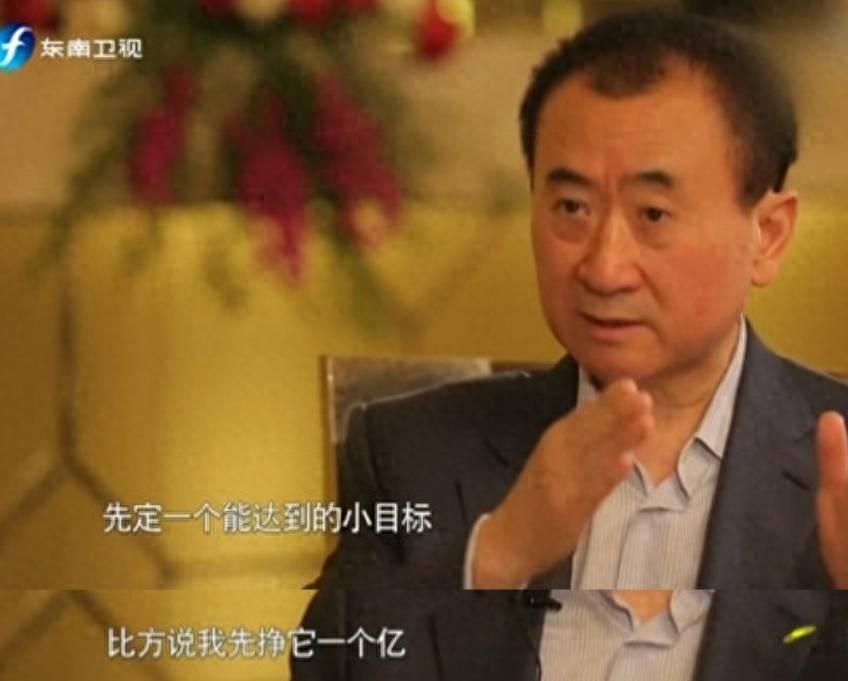
王健林维系商业信用不放弃品牌:商海坚守书写企业家担当篇章
Sou Hu Cai Jing· 2025-09-30 03:55
Core Insights - Wang Jianlin, once a leading figure in China's business landscape, has faced significant challenges, including massive debt and asset freezes, reflecting the broader decline of the real estate sector in China [1][3] - In contrast to peers who have fled overseas, Wang has chosen to confront his challenges head-on, symbolizing a commitment to traditional business ethics amidst modern capital logic [5][7] Group 1: Financial Challenges - In 2017, Wanda's debt exceeded 600 billion yuan, leading to a series of asset sales, including 20 Wanda Plazas and 77 hotels, as part of a strategic retreat from international investments [3] - By 2023, Wanda successfully repaid its 600 billion yuan debt, although its core assets had shrunk by more than half, equating to a daily repayment of approximately 548 million yuan [3] Group 2: Strategic Decisions - Wang Jianlin's strategy involved selling off overseas assets and reducing international investments by 90%, shifting focus to core domestic operations and inviting strategic investors like Tencent and Alibaba [3] - Unlike other industry leaders who utilized wealth transfer tactics, Wang relocated Wanda's headquarters back to Zhuhai and emphasized maintaining the Wanda brand, showcasing a commitment to corporate responsibility [5][7] Group 3: Ethical Considerations - Wang's approach during the crisis highlighted a clash between traditional business ethics and modern financial strategies, as he chose to use proceeds from asset sales solely for debt repayment [7] - His philosophy emphasizes that a true entrepreneur's value lies in their ability to uphold brand integrity and employee welfare, rather than merely maximizing personal wealth [7]
王健林敲击着中国商业文明的良知:坚守商海书写企业家担当
Sou Hu Cai Jing· 2025-09-30 03:55
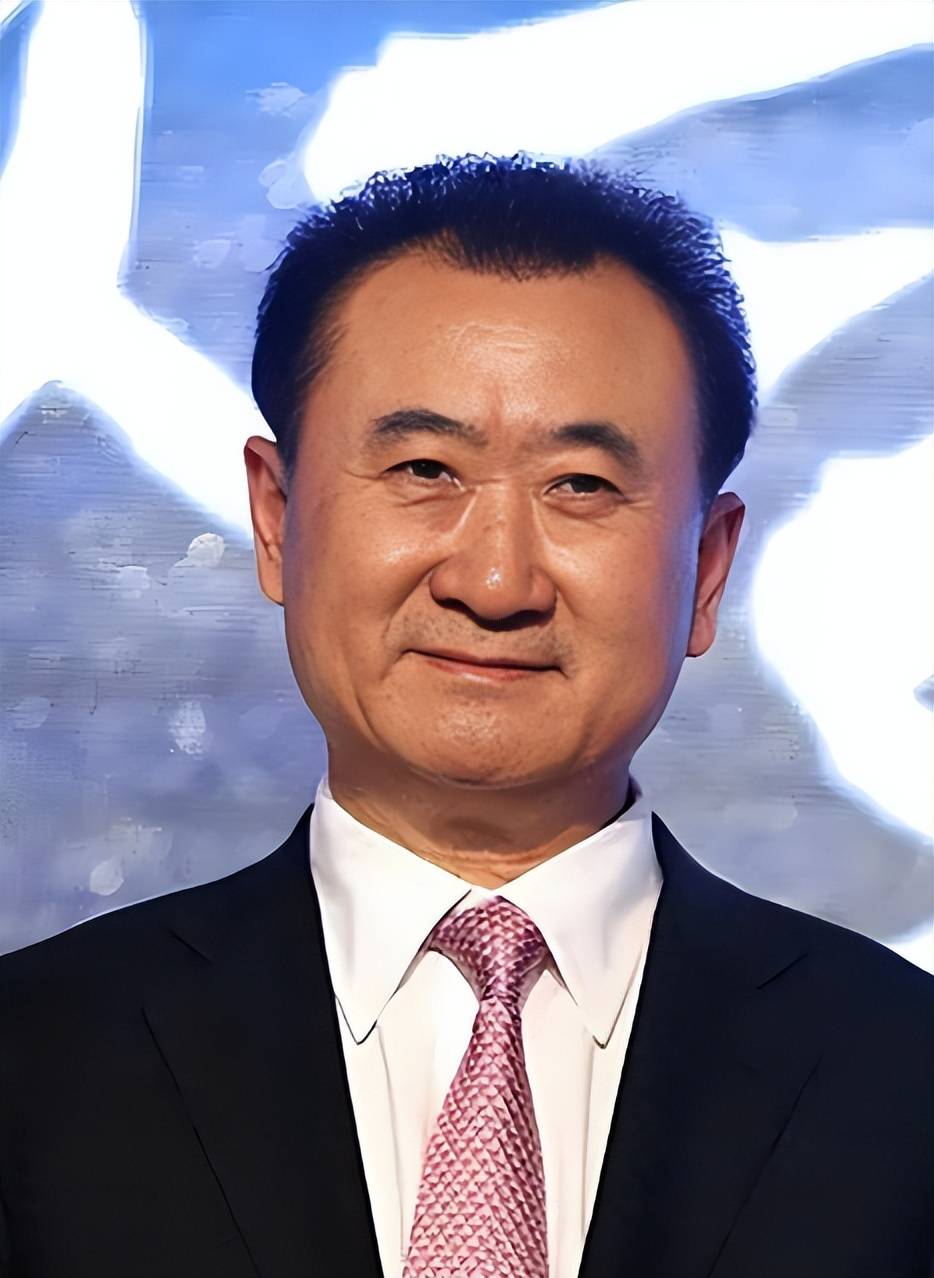
这场自救堪称商业奇迹。2020 年疫情来袭,万达广场租金减免超 40 亿元,影院收入暴跌,但王健林没有丝毫退缩。到 2023 年,万达竟奇迹般地还清了 6000 亿债务,只是核心资产缩水过半。媒体计算,这相当于每天偿还 5.48 亿元,每分钟烧掉 38 万元。 2017 年,王健林那句"先定一个小目标,比如先赚它一个亿"火遍网络,成为大众热议的梗。那时,他是中国商业界的传奇人物,站在金字塔尖俯瞰众生。 可谁能料到,短短数年,他就被贴上了"负债千亿""股权冻结"的标签,从首富沦为"首负",万达也从辉煌的"帝国"走向"卖卖卖"的艰难求生之路,其商业轨 迹宛如一部中国房地产兴衰的微缩史。 2025 年 3 月,80 亿元股权冻结的消息再度将王健林推到舆论的风口浪尖。此时,人们惊奇地发现,曾经和他一同站在地产巅峰的许家印、潘石屹、张玉良 等人,早已带着巨额财富远走海外。而这位 71 岁的老人,依旧执着地守着万达的招牌,与债务顽强搏斗。在"跑路成风"的时代,王健林的选择,如同一记 重拳,狠狠敲击着中国商业文明的良知。 2017 年,万达遭遇"股债双杀",负债超过 6000 亿元,海外并购被叫停,H 股退市对赌协议如悬在 ...
王健林和许家印谁更惨?
Sou Hu Cai Jing· 2025-09-29 10:24
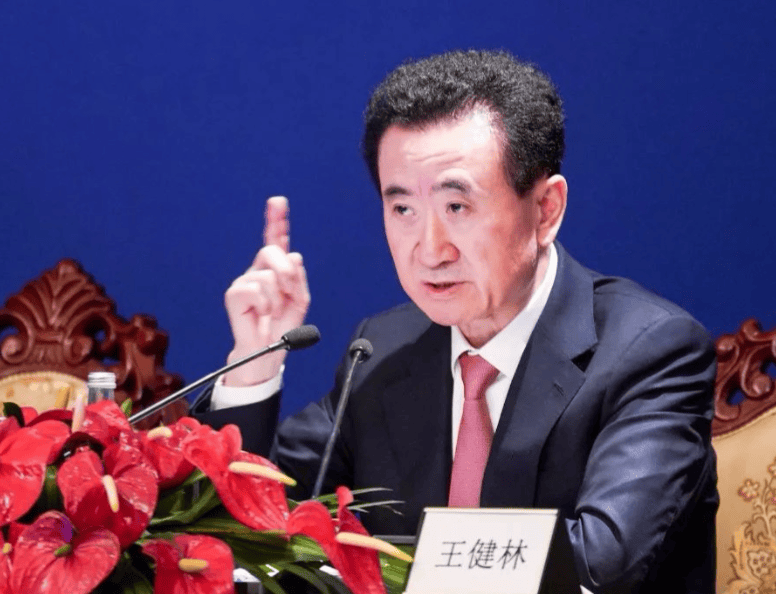
Core Insights - The contrasting fates of Wang Jianlin and Xu Jiayin highlight the divergent paths taken by two former real estate tycoons in China, with Wang struggling to manage debt while maintaining some dignity, and Xu facing severe legal repercussions and loss of reputation [1][4][6] Group 1: Wang Jianlin's Situation - Wang Jianlin has sold off assets worth 600 billion yuan since 2017, including 77 hotels and 85 Wanda Plazas, with recent sales of 48 core plazas for 50 billion yuan, reflecting a 40% depreciation in asset value [3] - His total debt has led to over 5.2 billion yuan in enforced payments, with core subsidiaries holding interest-bearing liabilities of 137.5 billion yuan, while cash reserves cover only a quarter of short-term debts [3] - Despite the challenges, Wang has not fled or transferred assets abroad, maintaining commitments to projects and employees, and has reduced Wanda's debt ratio from a peak of 90% to 65% [3][6] Group 2: Xu Jiayin's Situation - Xu Jiayin's financial troubles began with a staggering 2.4 trillion yuan in debt, exacerbated by self-serving actions such as transferring 42.7 billion yuan in assets through a "technical divorce" and hiding wealth overseas [4][5] - Legal actions have resulted in a global injunction freezing 7.7 billion USD of his assets, with liquidators pursuing 6 billion USD in illegal gains, and his former wife also embroiled in asset recovery efforts [4][5] - Xu faces severe legal consequences, including potential life imprisonment and confiscation of personal assets, marking a complete collapse of his reputation and financial standing [5][6] Group 3: Industry Implications - Wang's experience serves as a case study in risk management for the real estate sector, illustrating the importance of asset liquidity and project delivery as survival strategies [5][6] - In contrast, Xu's downfall exemplifies the consequences of neglecting regulatory frameworks and ethical standards, reinforcing the principle that asset liquidity and project completion are critical for maintaining credibility in the industry [5][6]
信达国际控股港股晨报-20250929
Xin Da Guo Ji Kong Gu· 2025-09-29 01:44
Market Overview - The Hang Seng Index faces resistance at 27,000 points, influenced by the extension of the US-China tariff truce and a weaker US job market, which has raised expectations for interest rate cuts [2] - The US Federal Reserve's recent hawkish stance on interest rate cuts suggests limited room for reductions next year, impacting the upward potential of Hong Kong stocks [2] Economic Indicators - The People's Bank of China emphasizes the need for a moderately loose monetary policy to support high-quality economic development, utilizing various financial tools to enhance policy effectiveness [4][9] - China's industrial profits for August saw a significant year-on-year increase of 20.4%, reversing a previous decline, indicating improved economic conditions [5][9] Company News - Ubiquiti (9880) secured a large order for humanoid robots worth approximately 430 million, indicating strong demand in the robotics sector [5] - BYD (1211) revised its vehicle sales targets to ensure healthier growth, anticipating a new wave of production and sales increases in the coming months [5] - New World (0017) reported a net loss of 16.3 billion, with total debt around 146.1 billion, highlighting financial challenges [5] Sector Focus - AI concept stocks are gaining traction as mainland China accelerates the application of "AI+" technologies, with breakthroughs in chip development [8] - The tourism sector is expected to see robust demand as the Golden Week approaches, indicating a potential boost in travel-related stocks [8] International Market Trends - The US Federal Reserve's recent interest rate cut of 0.25% aligns with market expectations, with projections for two more cuts this year [5] - The US PCE inflation data for August met expectations, suggesting stable consumer spending despite inflationary pressures [10][11] Regulatory Developments - The State-owned Assets Supervision and Administration Commission (SASAC) is urging state-owned enterprises to resist "involution" competition, focusing on sustainable and high-quality development [5][9] - The National Market Supervision Administration is enhancing regulatory oversight in the online food delivery sector to promote rational competition and ensure food safety [5][9]
特朗普决定出席美军全球高级将领集会;泽连斯基称乌多地遭大规模空袭
Di Yi Cai Jing Zi Xun· 2025-09-29 01:14
Market Overview - The U.S. stock market experienced slight declines last week, with the Dow Jones down 0.15%, Nasdaq down 0.51%, and S&P 500 down 0.31% [1] - European indices saw gains, with the FTSE 100 up 0.74%, DAX 30 up 0.42%, and CAC 40 up 0.22% [1] Economic Indicators - Investors are closely watching U.S. employment data, particularly the September non-farm payrolls, which may influence Federal Reserve interest rate decisions [3][4] - The probability of a 25 basis point rate cut by the Federal Reserve in October is currently at 86%, with a 70% chance of another cut in December [4] - The Eurozone is set to release preliminary inflation data, which could impact expectations for monetary easing [1][7] Commodity Prices - International oil prices saw significant increases, with WTI crude oil rising 5.32% to $65.02 per barrel and Brent crude oil up 5.17% to $70.13 per barrel [5] - Geopolitical tensions, particularly related to Ukraine, have contributed to supply shortages and increased oil prices [5] - Gold prices rose by 2.83% to $3775.30 per ounce following U.S. inflation data that met expectations [6] Corporate Earnings - Key companies to watch for earnings reports include Nike, Carnival, Jefferies, and Rivian [4] - The upcoming earnings reports will be critical in assessing the health of consumer spending and overall economic growth [4] Regulatory Changes - The Jiangsu provincial government announced the suspension of the automobile replacement subsidy policy effective September 28, 2025 [9] - This policy change may impact the automotive industry and consumer purchasing behavior in the region [9] Stock Market Developments - A total of 36 companies will have their restricted shares released this week, amounting to approximately 48.82 billion shares and a market value of about 400.81 billion yuan [22] - Notable companies with significant share unlocks include Ningbo Port (13.20 billion yuan), Wankai New Materials (4.66 billion yuan), and Jiao Cheng Ultrasonic (4.37 billion yuan) [22][23]

氪星晚报 |万达知情人士回应王健林被限高:或因执行层面信息不对称导致;小米SU7 Ultra首次在日本亮相,发售时间未定;美团旗下国际外卖品牌Keeta上线阿联酋
3 6 Ke· 2025-09-28 10:40
Group 1: Major Companies - Porsche made its debut as an exhibitor at the World New Energy Vehicle Conference, showcasing key electric models including the Taycan GTS and the all-electric Macan 4, along with a new AI-based infotainment system tailored for the Chinese market [1] - Uber anticipates that its non-restaurant delivery business will reach $12.5 billion in total bookings by the end of the year, driven by strong growth in grocery and retail delivery orders [2] - Meituan's international delivery brand Keeta officially launched operations in the UAE, marking its third entry into the Middle Eastern market within 40 days [4] - Xiaomi showcased its high-end electric vehicle, the SU7 Ultra, in Japan, although the release date remains unspecified [7] Group 2: Financial and Investment Activities - "Bai Xing Intelligent" completed a Pre-A round financing of several tens of millions of RMB, led by Jingshan Capital, to enhance research and market expansion [5] - "Le Xiang Technology" announced the completion of a 200 million RMB "angel++" round financing, marking its third round of financing in nine months, with total angel round financing nearing 500 million RMB [6] Group 3: Industry Developments - The China Council for the Promotion of International Trade reported that 1,623 exhibition projects have been approved for outbound exhibitions this year, covering a planned exhibition area of 950,000 square meters [8] - The Ministry of Industry and Information Technology stated that China will further deepen cooperation in the automotive industry, supporting foreign and domestic enterprises in various aspects including capital and technology [8]


