中微公司

Search documents
赢家通吃格局突变,日本制造业跌落,谁将主宰中美欧新战局
Sou Hu Cai Jing· 2026-01-20 18:06
Core Viewpoint - The decline of Japanese manufacturing, once a symbol of quality and technology, is attributed to a combination of historical missteps, internal stagnation, and external pressures, leading to a significant loss of market share to competitors from China, the US, and Europe [1][20]. Group 1: Historical Context - The decline of Japanese manufacturing can be traced back to events like the Toshiba incident in the 1980s, which led to severe sanctions and a loss of international standing in high-end industrial equipment and electronics [3][4]. - Japanese companies such as Hitachi and Panasonic faced fierce competition from South Korean firms like Samsung and LG, ultimately leading to their exit from key markets like televisions and semiconductors [4][8]. Group 2: Internal Challenges - The internal promotion system and reliance on traditional advantages have made Japanese companies slow to respond to global competition, resulting in management rigidity and a lack of innovation [6][9]. - The economic bubble burst in the 1990s led to a prolonged period of stagnation, with reduced R&D investment and a shift in talent away from engineering to finance and services, further eroding innovation capabilities [11][13]. Group 3: External Pressures - The US-Japan semiconductor agreement in the 1980s significantly hampered Japan's semiconductor industry, allowing South Korea's Samsung to rise as a dominant player in the global market [8][9]. - The current global manufacturing landscape is characterized by a push for reshoring in the US and Europe, which is attracting investments away from Japan, exacerbating its industrial hollowing [15][16]. Group 4: Competitive Landscape - Chinese companies, such as BYD, are rapidly advancing in sectors like electric vehicles, effectively outpacing traditional Japanese automakers like Toyota and Honda [6][18]. - Japanese brands are losing ground in both emerging and developed markets, as Chinese firms leverage lessons from Japanese manufacturing while being more responsive to local market demands [18][20].


中国10种半导体设备国产化率30%、特殊涂层零部件发展情况:产业链、技术工艺、应用领域
材料汇· 2026-01-20 16:00
Core Viewpoint - The article discusses the current state and future trends of the semiconductor equipment market in China, focusing on the localization rates of various equipment types and the growth potential of domestic manufacturers in the semiconductor components sector. Group 1: Semiconductor Equipment Localization Rates - The localization rate for photoresist equipment is projected to be 80-90% by 2024, with major domestic brands like Shengmei Shanghai and Zhichun Technology leading the market [2] - The localization rate for etching equipment is expected to be around 30-40%, with companies such as Zhongwei and Beifang Huachuang making significant contributions [3] - For cleaning equipment, the localization rate is anticipated to be between 30-40%, with domestic players like Shengmei Shanghai and Beifang Huachuang involved [3] - The localization rates for other equipment types, such as chemical mechanical polishing and coating, are lower, ranging from 10-30% and <10% respectively [2][3] Group 2: Market Size and Growth Projections - The semiconductor equipment market in China is projected to grow significantly from 2020 to 2029, with revenue expected to reach substantial figures in billions of yuan [4][18] - The market for semiconductor equipment components is also expected to see growth, with localization rates improving as domestic manufacturers enhance their technological capabilities [15][20] Group 3: Semiconductor Equipment Components Industry Chain - The semiconductor equipment components industry chain includes upstream raw material suppliers and midstream component manufacturers, serving both semiconductor equipment manufacturers and downstream IDM and foundry companies [6][10] - The components are categorized into mechanical, optical, and other types, each with specific applications in semiconductor manufacturing processes [12][19] Group 4: Trends in Surface Treatment Components - The surface treatment components market is defined by stringent requirements for materials, structure, and process precision, which are critical for enhancing wafer quality and ensuring process stability [19] - The domestic market for surface treatment components is expected to see increased localization, driven by advancements in technology and government support for R&D [20][24] Group 5: Special Coating Components Market - The market for special coating components is characterized by high technical barriers and significant potential for domestic substitution, particularly in high-value segments of semiconductor manufacturing [34][40] - The demand for high-performance coatings is rising, driven by the need for enhanced durability and stability in extreme processing environments [46][47] Group 6: Competitive Landscape - As of 2024, the top five companies in the special coating components market hold a combined market share of 55.7%, indicating a concentrated competitive landscape [47][48] - Leading companies have established strong customer relationships through successful validation processes, creating high entry barriers for new entrants [47][48]

关键技术突破叠加存储涨价大周期,国产半导体设备景气度确认
Zhong Guo Zheng Quan Bao· 2026-01-20 11:47
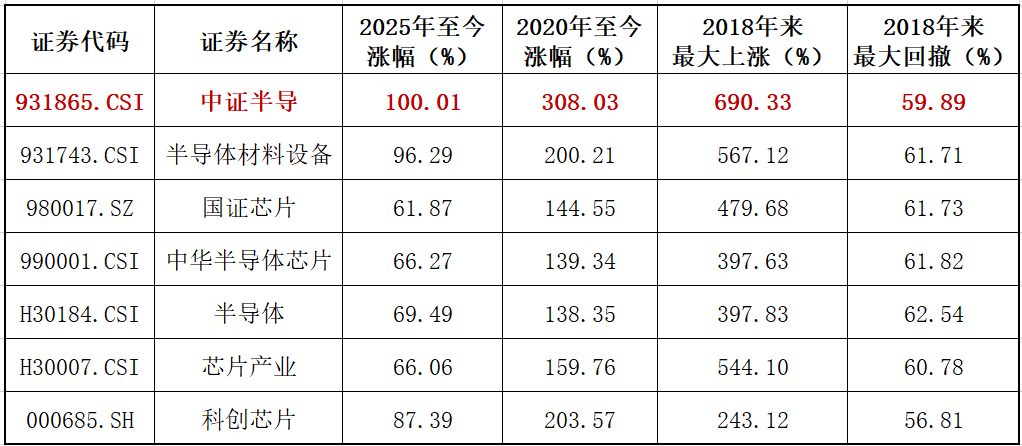
Core Viewpoint - The domestic semiconductor equipment sector is experiencing significant boosts in confidence due to two recent catalysts: the successful development of a high-energy hydrogen ion implanter and strong financial signals from industry leaders indicating expansion. Group 1: Domestic Semiconductor Equipment Development - The China National Nuclear Corporation announced the successful launch of the first domestically developed series-type high-energy hydrogen ion implanter (POWER-750H), achieving international advanced levels in core indicators, marking a breakthrough in key processes of power semiconductor manufacturing [1] - Ion implanters are considered one of the "four core equipment" essential for chip manufacturing, alongside photolithography machines, etching machines, and thin-film deposition equipment, highlighting their critical role in semiconductor production [1] - Historically, China has relied entirely on imports for high-energy hydrogen ion implanters, which has been a bottleneck for upgrading key technology industries due to high technical barriers [1] - According to the China Semiconductor Industry Association, China's equipment localization may have entered a rapid growth phase, indicating a significant shift in the domestic semiconductor landscape [1] Group 2: Financial Performance and Market Outlook - TSMC, the world's largest chip foundry, reported a 35% year-on-year increase in net profit for Q4 2025, with a gross margin of 62%, significantly exceeding expectations; capital expenditures are projected to reach up to $56 billion in 2026 [2] - The surge in AI demand is directly impacting the supply-demand balance for advanced processes, with storage chip prices expected to rise by up to 1800% in 2025 and by 60% in Q1 2026 [2] - The combination of AI-driven price increases in storage and advancements in process technology is likely to create a "golden period" for the domestic semiconductor equipment and materials industry, characterized by simultaneous expansion and technological breakthroughs [2] Group 3: Index Performance - The semiconductor equipment ETF (561980) tracks the CSI index, with over 90% coverage of the upstream and midstream semiconductor industry, including key players like Zhongwei Company and SMIC, indicating a strong concentration in leading firms [2] - The CSI semiconductor index has shown higher elasticity compared to similar indices, achieving a doubling in growth since 2025 and a 308% increase since 2020, outperforming the Sci-Tech Innovation Board chip index [3] - From the last semiconductor cycle in 2018 to the present, the CSI semiconductor index has recorded a maximum increase of over 690%, leading among comparable indices [3] Group 4: Performance Metrics - The following table summarizes the performance metrics of various semiconductor indices: | Securities Code | Securities Name | Growth Rate (2025 to Present) | Growth Rate (2020 to Present) | Maximum Increase (Since 2018) | Maximum Drawdown (Since 2018) | |------------------|------------------|-------------------------------|-------------------------------|-------------------------------|-------------------------------| | 931865. CSI | CSI Semiconductor | 100.01% | 308.03% | 690.33% | 59.89% | | 931743. CSI | Semiconductor Materials & Equipment | 96.29% | 200.21% | 567.12% | 61.71% | | 980017. SZ | National Chip | 61.87% | 144.55% | 479.68% | 61.73% | | 990001. CSI | China Semiconductor Chip | 66.27% | 139.34% | 397.63% | 61.82% | | H30184. CSI | Semiconductor | 69.49% | 138.35% | 397.83% | 62.54% | | H30007. CSI | Chip Industry | 66.06% | 159.76% | 544.10% | 60.78% | | 000685. SH | Sci-Tech Innovation Chip | 87.39% | 203.57% | 243.12% | 56.81% | [4]
半导体行业周报:台积电上调2026年资本开支,加速现有晶圆厂建设
Huaxin Securities· 2026-01-20 10:24
Investment Rating - The report maintains a "Buy" rating for TSMC, highlighting its strong performance and growth potential in the semiconductor industry [1]. Core Insights - TSMC's Q4 2025 earnings exceeded expectations, prompting an increase in its 2026 capital expenditure (CAPEX) to between $52 billion and $56 billion, up from $40.9 billion in 2025. The company anticipates a revenue growth of 35.7% to 40% year-on-year, potentially reaching $35.8 billion [3][12]. - The demand for AI high-performance chips is driving TSMC's growth, with AI accelerator-related revenue accounting for approximately 17% to 19% of total revenue in 2025 [3][12]. - TSMC is accelerating the construction of its existing wafer fabs, with the third fab in Arizona already under construction and expected to begin production by the second half of 2027 [4][13]. Summary by Sections Market Performance - The semiconductor sector has shown a strong performance, with the semiconductor index rising by 5.33% during the week of January 12 to January 16, 2026 [17][21]. Key Company Announcements - TSMC has begun mass production of 2nm technology in Q4 2025, with plans for enhanced versions and new technologies to be introduced in 2026 [4][13]. - The report suggests monitoring domestic semiconductor companies such as Cambricon, SMIC, Huahong, and others for potential investment opportunities [4][13]. Earnings Forecasts - The report includes earnings per share (EPS) and price-to-earnings (PE) ratios for several companies, with Cambricon rated as "Buy" and others currently un-rated [14][28]. Industry Trends - The semiconductor industry is experiencing a rebound, with global semiconductor sales showing significant growth, particularly in AI and 5G applications. The report notes a 29.8% year-on-year increase in global semiconductor sales in November 2025 [36][37]. - The report highlights the increasing demand for NAND and DRAM memory chips, driven by AI storage needs, with prices for NAND and DRAM showing upward trends [50][51].
AI与国产化双轮驱动!半导体设备EFT怎么选?
市值风云· 2026-01-20 10:12
Core Viewpoint - The semiconductor equipment sector is currently attracting significant investment interest, driven by macroeconomic growth points and strong policy support, making it a key area for potential investment opportunities [4][7]. Group 1: Market Performance - The semiconductor equipment sector has shown remarkable performance in the A-share market, with the top three indices tracking semiconductor equipment themes performing the best year-to-date [5]. - The leading indices include the Semiconductor Materials Equipment Index, which has increased by 27.71%, and the Sci-Tech Innovation Board Semiconductor Materials Index, which has risen by 26.35% [6]. Group 2: Investment Logic - The investment logic in semiconductor equipment is driven by a dual-cycle resonance and the trend of domestic substitution, positioning these companies to benefit from the overall industry growth [8][16]. - The current industry cycle is characterized by a recovery in traditional demand and a surge in new demand driven by AI, with healthy inventory levels in consumer electronics and automotive sectors [12]. - The domestic semiconductor equipment localization rate is low, at approximately 25% for 2024, indicating significant room for growth in domestic production capabilities [14]. Group 3: ETF Landscape - Several ETFs have emerged to capitalize on the semiconductor equipment sector, with returns exceeding 20% this year, although performance varies based on the indices they track [19]. - The largest ETF, the Semiconductor Equipment ETF (159516.SZ), tracks the Semiconductor Materials Equipment Index, which includes 40 leading companies in the sector, with a weight of 86.5% in semiconductor equipment and materials [21]. - The Sci-Tech Semiconductor ETF (588170.SH) focuses on the Sci-Tech Innovation Board, offering higher volatility and potential returns due to its concentrated investment strategy [23]. Group 4: Investment Strategies - For investors seeking a balanced approach, the Semiconductor Materials Equipment ETF provides a diversified solution, while aggressive investors may prefer ETFs focused on the Sci-Tech Board for higher potential returns [30][32]. - Investors looking to capture gains across the entire semiconductor value chain, including design and manufacturing, may find the Zhongzheng Semiconductor Industry ETF to be a suitable option [33].
人口对我国一级市场的影响
叫小宋 别叫总· 2026-01-20 09:46
Core Viewpoint - The article discusses the impact of declining population on both primary and secondary markets in China, highlighting the challenges and opportunities that arise from this demographic shift [1][2]. Group 1: Negative Aspects - Fundraising pressure is increasing as the population concentrates in a few large cities, putting financial strain on many smaller cities [4]. - Local governments are facing survival pressures, especially those relying on fundraising from smaller cities, as traditional fundraising methods may no longer be effective [5]. - The number of high-net-worth individuals around the age of 50 is rapidly declining, which poses challenges for wealth management institutions that rely on this demographic for fundraising [6]. - The decline in population will affect growth expectations across various industries, leading to a decrease in market valuations for listed companies. Investors are shifting their focus from growth expectations to cash flow security [7]. - Labor-intensive and traditional businesses will face multiple challenges regarding revenue, profit, cash flow, and valuation, necessitating a long-term adjustment across the industry [7]. - There may be an increase in preventive savings among residents, leading to a significant shift of funds from the secondary market back to banks [8]. - Overall demand growth is slowing, putting pressure on consumer sectors, which will see reduced growth potential and no longer command valuation premiums [9][10]. Group 2: Positive Aspects - Certain sectors are expected to benefit from demographic changes, including the silver economy, health care, single economy, self-care economy, innovative pharmaceuticals, and international expansion [11][12]. - The decline in population may lead the primary market to focus more on hard technology and high-end manufacturing, with products and services that can replace human labor being favored [14]. - The article suggests looking at Japan's aging population for insights into potential business changes and new market opportunities [12]. Group 3: Recommendations for Investment Managers - Investment managers in institutions affected by population decline should consider updating their resumes and exploring new job opportunities [16]. - Those not currently focused on hard technology should consider transitioning to this sector unless their current field has a strong competitive advantage [16]. - Utilizing AI tools can significantly enhance information collection and work efficiency, helping investment managers adapt to the changing landscape [17][18].


半导体行业周报:台积电上调2026年资本开支,加速现有晶圆厂建设-20260120
Huaxin Securities· 2026-01-20 08:02
Investment Rating - The report maintains a "Buy" rating for TSMC, reflecting confidence in its growth prospects and capital expenditure plans for 2026 [1]. Core Insights - TSMC has raised its 2026 capital expenditure (CAPEX) forecast to between $52 billion and $56 billion, up from $40.9 billion in 2025, driven by strong demand for AI high-performance chips [3][12]. - The company expects a revenue growth of 35.7% to 40% year-on-year for the current quarter, with a projected revenue peak of $35.8 billion [3][12]. - TSMC's net profit for Q4 2025 reached NT$505.7 billion (approximately $16 billion), marking a 35% year-on-year increase, primarily due to robust AI chip demand [3][12]. - The AI accelerator-related revenue accounted for approximately 17% to 19% of total revenue in 2025, indicating a significant contribution from this segment [3][12]. Summary by Sections Market Performance - The semiconductor sector has shown strong performance, with the semiconductor index rising by 5.33% during the week of January 12 to January 16 [17][21]. Company Developments - TSMC has commenced construction on its third wafer fab in Arizona, with plans to accelerate the construction of existing fabs to meet growing demand [4][13]. - The company has started mass production of 2nm technology in Q4 2025, with expectations for rapid ramp-up in 2026 [4][13]. Key Companies and Earnings Forecast - The report highlights several companies in the semiconductor supply chain, including Cambricon, SMIC, Huahong, and others, suggesting potential investment opportunities [4][14]. - Earnings per share (EPS) and price-to-earnings (PE) ratios for various companies are provided, with Cambricon rated as "Buy" [14]. Industry Trends - The semiconductor industry is experiencing a rebound, with global semiconductor sales showing a significant year-on-year increase of 29.8% in November 2025, reaching $75.28 billion [36]. - The report notes a shift in demand towards AI and 5G applications, which is expected to drive growth in the semiconductor sector in 2024 and beyond [34][36].
半导体业绩或迎爆发期,科创半导体ETF(588170)、半导体设备ETF华夏(562590)多日获资金加仓
Xin Lang Cai Jing· 2026-01-20 06:41
Group 1 - The semiconductor industry has several A-share listed companies that have disclosed their 2025 performance forecasts, indicating strong growth potential across various segments [2] - For instance, storage company Lanqi Technology expects a net profit of 2.15 billion to 2.35 billion yuan for 2025, representing a year-on-year increase of 52.29% to 66.46% [2] - Leading semiconductor testing company Yongxi Electronics anticipates a net profit of 75 million to 100 million yuan for 2025, with a growth rate of 13.08% to 50.77% [2] - TCL Technology, a leader in semiconductor displays, forecasts a net profit of 4.21 billion to 4.55 billion yuan for 2025, reflecting a significant year-on-year growth of 169% to 191% [2] Group 2 - Huaxi Securities believes that the overall valuation of A-shares remains reasonable, with investor risk appetite still high, supported by macro policies, medium to long-term capital inflows, and moderate corporate profit recovery [2] - As the end of January approaches, the market may refocus on performance forecasts during the annual report disclosure period [2] - Industry allocation recommendations include focusing on the expansion of technology sectors such as AI computing, AI applications, and robotics, as well as sectors benefiting from "de-involution" and price increases like chemicals and non-ferrous metals [2] Group 3 - The Sci-Tech Innovation Semiconductor ETF (588170) tracks the Sci-Tech Innovation Board Semiconductor Materials and Equipment Theme Index, encompassing companies in semiconductor equipment (60%) and materials (25%) [3] - The semiconductor equipment ETF Huaxia (562590) focuses on semiconductor equipment (63%) and materials (24%), highlighting the importance of domestic substitution in the industry [3]
半导体业绩或迎爆发期,机构再论“春季行情”三条主线
Mei Ri Jing Ji Xin Wen· 2026-01-20 06:38
Group 1 - The semiconductor sector is experiencing mixed performance among A-share listed companies, with notable gains from companies like ShenGong Co. (up 10.18%) and HuaHai ChengKe (up 5.45%), while others like JinHong Gas and XinYuan Wei are facing declines [1] - Several A-share listed companies in the semiconductor industry have disclosed their 2025 performance forecasts, indicating significant growth potential, such as Lanqi Technology expecting a net profit of 2.15 billion to 2.35 billion yuan, a year-on-year increase of 52.29% to 66.46% [2] - TCL Technology, a leader in semiconductor display, anticipates a net profit of 4.21 billion to 4.55 billion yuan for 2025, reflecting a substantial year-on-year growth of 169% to 191% [2] Group 2 - The overall valuation of A-shares remains reasonable, with investor risk appetite still high, supported by macro policies, medium to long-term capital inflows, and a mild recovery in corporate earnings, which may sustain a bullish market trend [2] - The semiconductor ETFs, such as the Sci-Tech Semiconductor ETF (588170), focus on semiconductor equipment (60%) and materials (25%), indicating a strong emphasis on domestic substitution and the potential benefits from the AI revolution [3] - The semiconductor equipment ETF (Huaxia, 562590) also highlights a significant focus on semiconductor equipment (63%) and materials (24%), reinforcing the industry's importance in the upstream sector [3]
中国芯全链路突围
是说芯语· 2026-01-20 06:02
Group 1: Industry Overview - The article discusses various semiconductor companies and their products, highlighting the competitive landscape in the semiconductor industry, particularly in silicon wafer, GaN, and SiC substrates [1][14]. - It emphasizes the growth potential of companies involved in advanced packaging and testing technologies, which are crucial for the semiconductor supply chain [9][18]. Group 2: Key Companies and Products - Notable companies mentioned include TCL Zhonghuan, Shanghai Microelectronics, and Innoscience, which are recognized for their contributions to silicon wafer production and GaN technology [1][14]. - The article lists various semiconductor equipment manufacturers, such as North Huachuang and AMEC, which are pivotal in the semiconductor manufacturing process [4][6]. Group 3: Market Trends - There is a growing demand for power semiconductors, particularly in electric vehicles and renewable energy applications, driving innovation and investment in this sector [14][17]. - The article notes the increasing importance of EDA (Electronic Design Automation) tools in the design and manufacturing of semiconductors, with several companies providing specialized software solutions [2][3]. Group 4: Investment Opportunities - The semiconductor industry is highlighted as a key area for investment, with potential growth driven by advancements in technology and increasing market demand [1][14]. - Companies focusing on innovative materials and processes, such as GaN and SiC technologies, are positioned to benefit from the transition to more efficient power solutions [14][17].