
奔驰

Search documents
雷诺借中国供应链,在欧洲阻击中国车
晚点LatePost· 2025-12-09 10:42
Core Insights - Renault is leveraging Chinese supply chain efficiency to revive its Twingo model, which will be sold in Europe as an electric vehicle, despite having exited the Chinese market for passenger cars since 2020 [4][6][7] - The new electric Twingo has a starting price of under €20,000, comparable to BYD's Seagull in Europe, showcasing Renault's strategy to compete against Chinese EVs in the European market [4][6] - Renault's approach involves utilizing a significant portion (46%) of components sourced from Chinese suppliers, which has allowed for reduced development costs and faster production timelines [11][12] Group 1: Renault's Market Strategy - Renault has historically struggled in the Chinese market, with its joint ventures failing to gain significant traction, leading to a strategic withdrawal from the passenger vehicle segment [6][7] - The company has shifted focus to utilizing its Chinese supply chain to enhance competitiveness in Europe, indicating a strategic pivot towards leveraging cost advantages from China [8][12] - The decision to revive the Twingo model is based on its historical significance and brand recognition among European consumers, aiming to lower psychological barriers for new buyers [8][11] Group 2: Supply Chain and Development Efficiency - The development of the new Twingo was expedited by a collaborative effort between Renault's teams in France and China, achieving a prototype in just nine weeks and preparing for production in under 24 months [11][12] - Renault's procurement strategy emphasizes using mature modules and existing solutions from Chinese suppliers, resulting in significant cost savings (50% reduction in development costs and 40% in tooling costs) [11][12] - The collaboration with Chinese suppliers is seen as a model for other foreign automakers, allowing them to benefit from China's advanced manufacturing capabilities without the burdens of joint venture complexities [12][13] Group 3: Future Plans and Market Positioning - Renault plans to replicate the successful model of utilizing Chinese supply chains for other vehicle lines, including models from its Dacia brand and future Nissan vehicles [13] - The strategy reflects a broader trend among foreign automakers to tap into China's manufacturing prowess to enhance their global competitiveness, particularly in the EV sector [12][16] - The rise of Chinese suppliers in the global market is expected to elevate their profit margins and brand recognition, as they meet the stringent requirements of international automakers [14][15]

销量口碑双第一 极氪9X登顶50万级大型SUV销冠
Ge Long Hui· 2025-12-09 10:17
Core Insights - Zeekr 9X achieved over 8,000 units sold in November, ranking first in the large SUV market priced above 500,000 yuan [1] - The vehicle features advanced technology, including a 48V active stabilizer similar to that used in Rolls-Royce Cullinan, despite facing supply chain challenges [1] - The average delivery price of Zeekr 9X reached 538,000 yuan, indicating strong market demand and consumer acceptance [1] Market Position - Zeekr 9X has successfully penetrated the 500,000 yuan luxury market, competing directly with established brands like BMW and Audi [1] - The average transaction prices for competitors BMW X5 and Audi Q7 are in the range of 500,000 to 600,000 yuan, highlighting the competitive landscape [1] - Zeekr 9X's performance reinforces the capability of Chinese brands to make significant inroads in the high-end electric vehicle sector [1] Consumer Reception - Zeekr 9X topped the large SUV reputation score on automotive platforms, indicating strong consumer approval [1] - It also received the highest score in the 400,000 to 600,000 yuan price segment for new energy SUVs on another platform, showcasing its product strength and user recognition [1]
大结局要来,欧盟恐对华脱钩,德国外长抵京,下飞机后送出2句话
Sou Hu Cai Jing· 2025-12-09 09:22
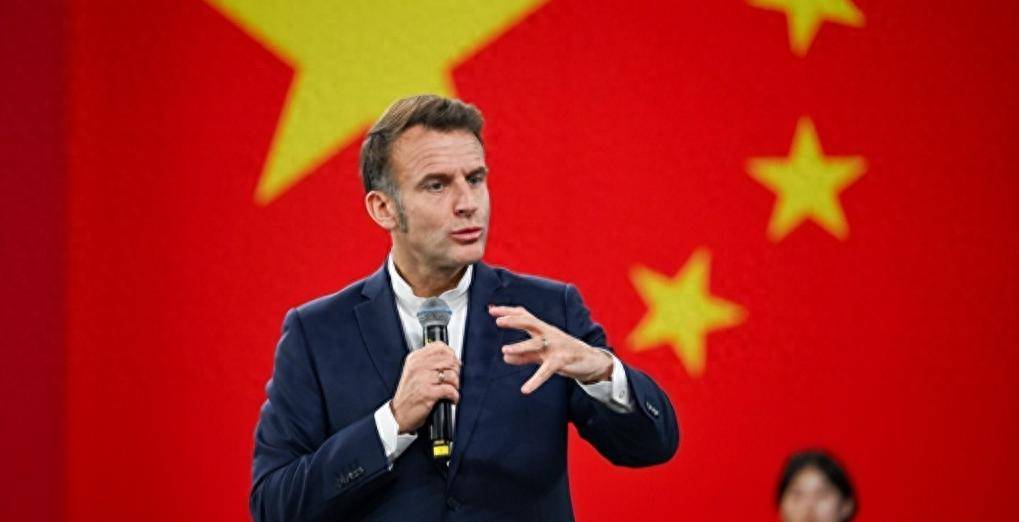
Group 1 - Macron's strong rhetoric against China highlights the unsustainable nature of the trade deficit, suggesting it is a result of dumping rather than market choices [2] - He has set a timeline for addressing the trade imbalance and threatened punitive tariffs if the situation does not improve, indicating a strategic pressure tactic [2][4] - Macron's demands include significant Chinese investment in Europe and the lifting of restrictions on critical raw materials, while maintaining export limits on semiconductor equipment, reflecting a double standard [4] Group 2 - In contrast, Germany's approach, represented by Watzke, emphasizes the necessity of direct communication and collaboration with China, rejecting the notion of decoupling [4][6] - Over 75% of German companies view China as a core growth area, indicating a deep economic interdependence that makes decoupling impractical [8] - The German economy's reliance on China is critical, as major industrial players have established significant ties, making any drastic policy changes highly detrimental [9] Group 3 - France's economic ties with China are less critical compared to Germany, allowing Macron to adopt a more aggressive stance to appease domestic concerns and seek better investment terms [11] - Macron's threats may lack substance, as they require EU consensus for implementation, which is complicated by Germany's differing stance [13] - The economic logic behind Macron's complaints is flawed, as the trade surplus reflects global supply chain dynamics, with European companies benefiting significantly from production in China [15][16] Group 4 - The notion of forcing Chinese investment in Europe as a means to balance trade is seen as outdated and contrary to market principles, distorting commercial behavior into a political obligation [18] - The EU's approach to "de-risking" is focused on specific strategic sectors rather than a comprehensive decoupling, emphasizing the need for strategic autonomy rather than complete dependence on the US [18]
【快讯】每日快讯(2025年12月9日)
乘联分会· 2025-12-09 08:46
Domestic News - The State Taxation Administration reported that from January to November, the sales revenue of new energy passenger vehicles increased by 19.1% year-on-year, indicating a sustained positive trend in consumption and market activity [3] - The State Administration for Market Regulation is establishing a "dual loss control" risk prevention technical system for the new energy vehicle industry, which aims to accurately identify accident causes and improve investigation standards for fire and sudden loss of control incidents [4] - Guangdong's 14th Five-Year Plan emphasizes boosting consumption by removing unreasonable restrictions on automotive and housing consumption, enhancing public service spending, and supporting the development of international consumption centers [5] - Guangxi's 14th Five-Year Plan focuses on creating ten modern pillar industries in manufacturing, including new energy vehicles and batteries, and aims to build a trillion-yuan industrial cluster [6][7] - Shandong's 14th Five-Year Plan highlights the promotion of robots and intelligent equipment, aiming to upgrade traditional industries and enhance quality and efficiency [8] - Chongqing's 14th Five-Year Plan supports leading enterprises in forming an "AI + automotive" ecosystem, aiming to establish a globally influential smart connected new energy vehicle hub [9] - GAC Aion launched a promotional campaign to alleviate consumer concerns about the upcoming changes in new energy vehicle purchase tax policies, offering tax guarantees and cash rebates [10] International News - In the UK, new car sales in November fell by 1.6% year-on-year, marking the sixth decline this year, primarily due to a 5.5% drop in private buyer demand [12] - Japan's new car market saw a 5% decline in November, continuing a five-month downward trend, with total sales dropping to 369,721 units [13] - Volkswagen plans to invest €160 billion (approximately $186 billion) over the next five years, focusing on product development and infrastructure in Germany and Europe [14] - LG Energy Solution signed a supply agreement with Mercedes-Benz worth 2.06 trillion KRW (approximately $14 billion) for electric vehicle batteries, covering North America and Europe from 2028 to 2035 [15] Commercial Vehicles - Proton Motors signed a strategic cooperation framework agreement with Singapore's SATOMAS to focus on the Southeast Asian and Hong Kong markets in the new energy commercial vehicle sector, targeting sales of 300 units over three years [17] - Supa Technology and ELMI Power entered a strategic partnership to collaborate on electric heavy trucks and supporting energy systems in the European market [18] - Guangso Future launched its 1.0 pure electric heavy truck, aiming to provide efficient and sustainable transport solutions for the logistics industry [19] - Jiushi Intelligent and Yutong Commercial Vehicle signed a strategic cooperation agreement to jointly develop unmanned logistics vehicles, focusing on comprehensive collaboration in R&D, production, and marketing [20]
雷诺借中国供应链,在欧洲阻击中国车
晚点Auto· 2025-12-09 04:36
Core Viewpoint - Renault is leveraging Chinese supply chain efficiency to revive its Twingo model for the European market, despite having exited the Chinese passenger car market since 2020 [3][4][5]. Group 1: Market Strategy - The new electric Twingo is priced starting at under €20,000, competing directly with BYD's Seagull in Europe, showcasing Renault's reliance on Chinese components [4]. - Renault has ceased local production in China but continues to utilize Chinese suppliers for significant parts of its vehicles, with 46% of the Twingo's components sourced from China [3][4]. Group 2: Historical Context - Renault was one of the first foreign car manufacturers in China, establishing a joint venture in 1993, but faced challenges due to high costs and low competitiveness, leading to the closure of its joint ventures by 2020 [5][6]. - The company’s late entry into the mainstream passenger car market in China resulted in a rapid decline in sales, with East Wind Renault's sales dropping from a peak of 72,000 units in 2017 to under 20,000 units by 2019 [5][6]. Group 3: Development and Production - The Twingo project was developed with a focus on utilizing existing Chinese supply chains to reduce costs and development time, achieving a prototype in just nine weeks and preparing for mass production in under 24 months [11][12]. - The decision-making process for the Twingo project was expedited in China, allowing for daily progress rather than the typical weekly pace seen in Europe [11][12]. Group 4: Future Plans - Renault plans to replicate the successful model of utilizing Chinese supply chains for other vehicles, including the entire Twingo family and a new A-segment car under the Dacia brand [13]. - The company aims to maintain a competitive edge in the European market by leveraging the efficiency and cost advantages of Chinese manufacturing [12][13].

财经观察:从特斯拉“遇冷”看印度电动车发展现状
Huan Qiu Shi Bao· 2025-12-08 22:44
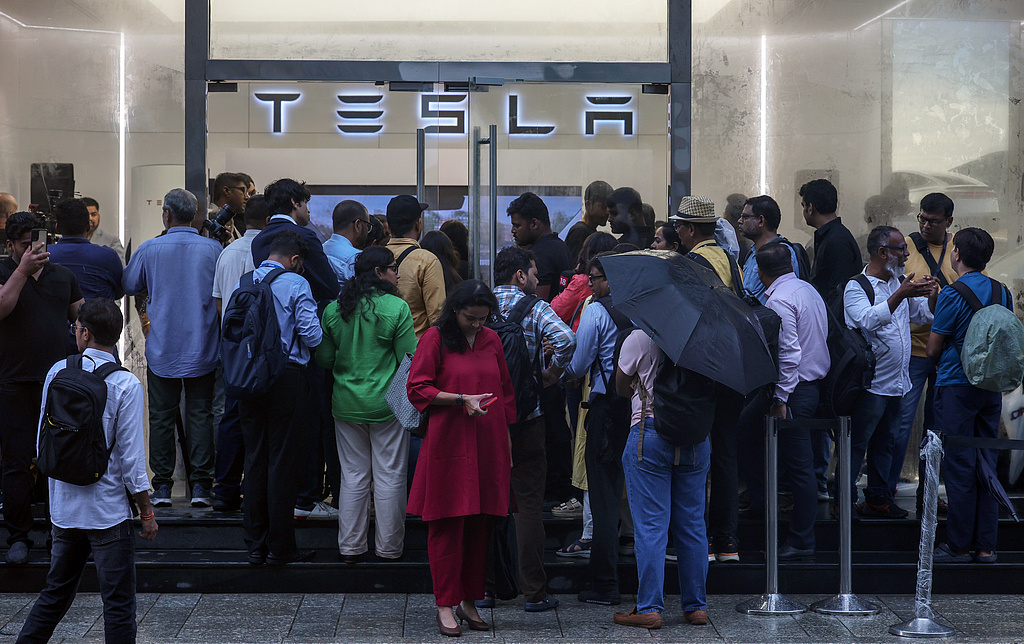
Core Viewpoint - Tesla's entry into the Indian market has been disappointing, with only 157 vehicles sold since its launch, highlighting significant challenges in pricing, infrastructure, and consumer preferences for traditional vehicles [1][3]. Group 1: Sales Performance - Tesla aimed to sell 2,500 vehicles in India within the first year but has faced continuous low sales, with only about 100 vehicles sold by mid-September [3][4]. - The company initially saw over 600 online orders, but interest waned significantly after September, leading to a "high opening, low closing" scenario [3][4]. - In comparison, local brands like Tata and Mahindra have sold electric vehicles at prices below $20,000, making them more appealing to Indian consumers [4]. Group 2: Pricing and Taxation - Tesla's Model Y is priced at $67,000 in India due to high import tariffs of 70% to 100%, making it unaffordable for most consumers [4][8]. - In contrast, German luxury brands like Mercedes, BMW, and Audi have sold around 4,000 electric vehicles in India, outperforming Tesla despite their high prices [4][8]. - The high cost of Tesla vehicles is compounded by the lack of local manufacturing, as the company has not yet established a factory in India [7][8]. Group 3: Infrastructure Challenges - Tesla's charging infrastructure in India is underdeveloped, with only two operational Supercharger stations and two more under construction [4][6]. - The current ratio of electric vehicles to charging stations in India is 235:1, indicating a significant gap in necessary infrastructure for widespread adoption [10][11]. Group 4: Market Dynamics and Consumer Preferences - The Indian electric vehicle market is still nascent, with electric vehicles accounting for less than 3% of the total passenger vehicle market, dominated by local brands [1][10]. - Indian consumers have specific preferences for vehicle types, and Tesla's limited offering of only the Model Y has reduced purchase interest [6][10]. - The Indian government is actively promoting electric vehicle adoption through subsidies and tax incentives, aiming for 30% of new car sales to be electric by 2030 [11].

新声半导体完成2.69亿元C轮融资
Zhong Zheng Wang· 2025-12-08 13:16
Group 1 - Shenzhen Xinsong Semiconductor Co., Ltd. successfully completed a C-round financing of 269 million yuan, attracting strategic investments of 249 million yuan from leading automotive PCB company Shiyun Circuit and its affiliates, along with an additional 20 million yuan from existing shareholder Hongsheng Capital [1] - Xinsong Semiconductor specializes in the filter field, having established a stable supply chain for well-known brands such as Xiaomi, Honor, Samsung, and Motorola, and is the first domestic filter company to pass AEC-Q200 automotive certification, achieving mass production of several automotive-grade filters [1] - Shiyun Circuit is a leading player in the automotive PCB sector, serving major global electric vehicle brands like Tesla, BMW, and Mercedes-Benz, and acts as a crucial link in the supply chain between components and vehicle manufacturers [1] Group 2 - Leveraging Shiyun Circuit's industry resources, the financing is expected to accelerate the entry of Xinsong Semiconductor's automotive-grade filters into the front-loading market, significantly shortening the cycle from certification to mass supply and enhancing service capabilities for domestic ODM manufacturers and consumer electronics clients [2] - The strategic investment will enable both companies to develop integrated solutions combining PCB and filters, focusing on new modular products tailored to smart vehicle demands, thereby strengthening their competitive advantage in the automotive PCB sector and expanding business growth opportunities [2]

8年奔驰车主换小米YU7:完胜50万以下奔驰 仅一点不如奔驰
Xin Lang Cai Jing· 2025-12-08 12:23
Core Insights - A Xiaomi car owner shared their experience of switching from a Mercedes to a Xiaomi vehicle, stating that Xiaomi cars outperform Mercedes models priced under 500,000 yuan [1][3] - The owner, with eight years of experience driving Mercedes, noted that the driving experience in Xiaomi cars is seamless and similar to that of Mercedes, with better tuning in certain aspects [1][3] Group 1 - The owner has purchased multiple Xiaomi vehicles, indicating satisfaction with the brand [1] - The driving operations, including shifting and parking, are comparable to Mercedes, with some features even better than those in Mercedes [1][3] - The owner believes that Xiaomi cars excel in appearance, speed, handling, and AI interaction, surpassing any Mercedes under 500,000 yuan [3] Group 2 - The only area where Mercedes still holds an advantage is in the luxury of interior design, but this alone is not enough to justify the cost for the owner [3]

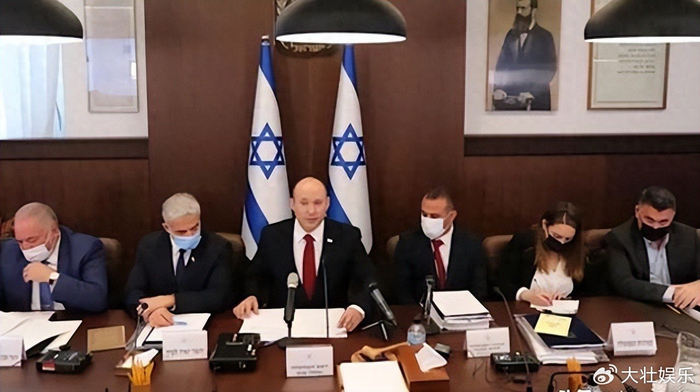
以色列人预测,未来10年世界上科技实力最强大的“6个国家”
Xin Lang Cai Jing· 2025-12-08 10:23
Core Insights - The report titled "Great Power Competition: Future Global Technology Development Trends Forecast" predicts that by 2033, the top six countries in technological strength will be the United States, Israel, Germany, Japan, China, and Russia, based on 82 indicators such as R&D investment and patent numbers [3][5]. Group 1: Country Rankings and Strengths - The United States holds the top position, with a projected global innovation index ranking of third by 2025, leading in technology output, particularly in AI and quantum computing [8][10]. - Israel ranks second, with a high-tech industry that contributes significantly to its GDP, and an R&D expenditure of 6.35% of GDP, which is double the OECD average [12][13]. - Germany is ranked third, with a strong industrial base and a projected innovation index ranking of ninth by 2025, heavily investing in smart manufacturing and industrial 4.0 [15]. - Japan is in fourth place, with an innovation index ranking of twelfth by 2025, known for its meticulous attention to detail in technology and high R&D spending [16]. - China ranks fifth, showing rapid progress with a projected innovation index ranking of tenth by 2025, leading in patents and advancements in quantum computing and 5G technology [18]. - Russia is sixth, with a strong legacy in aerospace and nuclear energy, and a focus on advancing its scientific research capabilities [20]. Group 2: Future Outlook and Trends - The report anticipates that by 2025, the total number of patents among these six countries will increase by 15%, indicating a growing trend in international collaboration and project partnerships [22]. - By 2033, advancements in quantum networks and sustainable energy are expected to reshape the global technological landscape, benefiting the general public through improved technologies in mobile payments, healthcare, and green energy [24].
凌激副部长兼国际贸易谈判副代表分别与德国汽车工业协会主席和欧洲汽车工业协会主席举行视频会谈
Shang Wu Bu Wang Zhan· 2025-12-08 07:59
Group 1 - The core discussion involved the cooperation between the Chinese and European automotive industries, emphasizing the integration of supply chains and the importance of investment from European car manufacturers in China [1][2] - The Chinese side expressed a desire for European automotive associations to influence the European Commission to resolve the electric vehicle anti-subsidy case promptly [1] - The Chinese representative highlighted the semiconductor supply chain disruptions, attributing the root cause to the Netherlands, and called for collaboration to stabilize the global supply chain [1] Group 2 - The German automotive industry association noted the fruitful cooperation with China, with German companies increasing their investments and deepening strategic partnerships [1] - The association opposed the EU's anti-subsidy tax on Chinese electric vehicles and expressed concern over the semiconductor issue, advocating for dialogue to resolve internal disputes [1] - The Mercedes-Benz Group emphasized its commitment to localizing production in China and integrating into the Chinese automotive supply chain to support a "Made in China, for the World" strategy [2]