
传音控股

Search documents
以史为鉴,内存涨价对手机行业影响有多大?
Hua Er Jie Jian Wen· 2025-11-20 13:19
Core Insights - The memory supply chain is experiencing a surge driven by strong AI demand, leading to a price increase cycle for memory chips, with mobile DRAM contract prices expected to rise by 30%-40% in Q4 2025 and NAND prices increasing by a high single-digit percentage, potentially continuing into mid-2026 [1][2] Group 1: Impact on Different Smartphone Segments - The impact of rising memory prices varies significantly across smartphone segments, with mid-range and low-end models like the Redmi series being the most affected, where memory costs account for over 10% of ASP, potentially leading to a 2-3 percentage point decline in gross margins for Xiaomi [1][3][4] - High-end models, such as the iPhone, are less affected as memory costs constitute only 4% of ASP, indicating a stronger resilience against price hikes [3][4] Group 2: Market Dynamics and Manufacturer Strategies - The surge in AI demand is fundamentally different from past price fluctuations driven solely by supply-demand cycles, with AI servers requiring eight times the DRAM and three times the NAND compared to regular servers, prompting major chip manufacturers like Samsung and SK Hynix to shift production focus from low-margin LPDDR chips to high-margin HBM products [2][6] - The ongoing supply tightness is exacerbated by chip manufacturers pausing quotes, creating a dilemma for smartphone manufacturers caught between the risks of purchasing at inflated prices or facing shortages [2][6] Group 3: Historical Context and Future Trends - Historical trends indicate that memory price increases often lead to market consolidation, with smaller brands struggling to adapt and potentially exiting the market, while leading companies gain market share [7] - The current environment is prompting manufacturers to adopt new survival strategies, including high-end product line expansions, improved supply chain management, and technological innovations to mitigate cost pressures [6][7]
荣耀五周年,竞逐万亿元人形机器人市场新蓝海
Zhong Guo Zheng Quan Bao· 2025-11-19 14:01
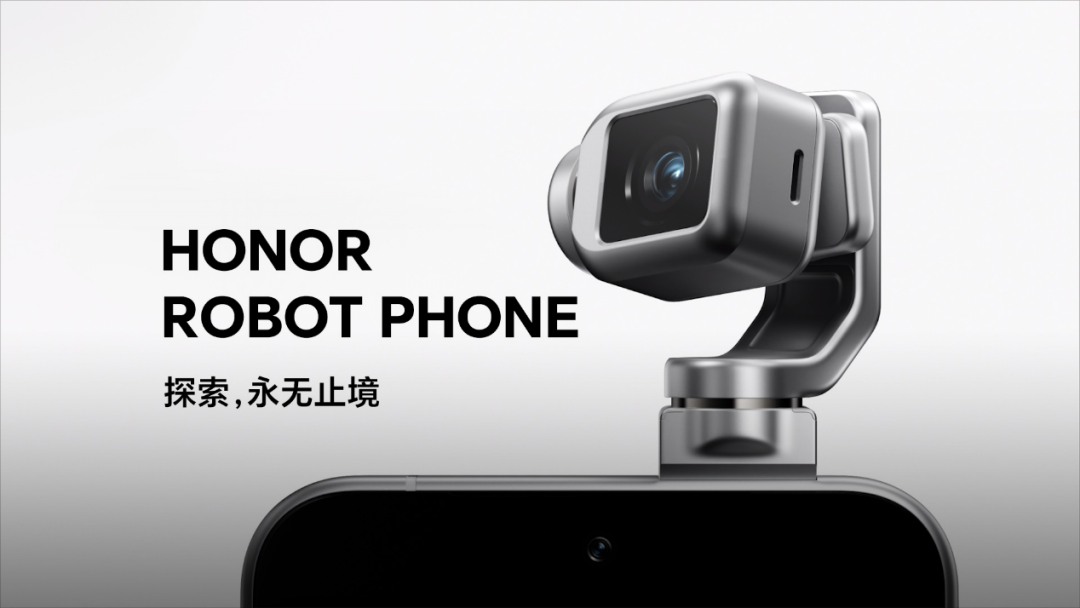
Core Insights - Honor has successfully transformed from a mid-range smartphone brand to a leading player in the high-end smartphone market, focusing on AI terminal ecosystems and innovative technologies [1][2][4] Group 1: Market Position and Strategy - Honor's CEO announced the "Alpha Strategy" in March, aiming to transition from a smartphone manufacturer to a global AI terminal ecosystem company, with over $10 billion planned for ecosystem development over five years [2][4] - By Q3 2025, Honor's smartphone shipments in China reached approximately 9.9 million units, ranking fifth in the market, driven by the success of the Honor 400 and X70 series [2] - In the global smartphone market, Honor, along with Samsung, Apple, and Transsion, contributed to a 3% year-on-year increase in shipments, with each brand's shipments rising by over 2 million units compared to 2024 [2] Group 2: High-End Smartphone Market - The high-end smartphone segment, priced above $600, saw an 8% year-on-year increase in sales in the first half of 2025, marking a historical high [3] - The foldable smartphone market is maturing, with Honor capturing a 11.2% market share in China, ranking second, thanks to the performance of the Magic V5 and Magic V Flip series [3] Group 3: AI and Ecosystem Development - Honor's transition to an AI terminal ecosystem company is seen as a forward-looking strategy, with AI becoming a critical competitive factor in the industry [4][8] - The launch of the Magic8 series, which integrates AI capabilities across various scenarios, signifies Honor's commitment to enhancing user experience through AI [4] - Honor's "1×3×N" strategy aims to create a cross-brand, cross-scenario, and cross-device intelligent interconnected ecosystem, leveraging partnerships with companies like Alibaba and BYD [6][8] Group 4: Manufacturing and Global Expansion - Honor established a smart manufacturing production line in just 211 days, with over 85% of processes automated, showcasing high efficiency in smartphone production [9] - Honor's global expansion has accelerated, with operations in over 100 countries, and its foldable smartphones have gained significant recognition in the European market, achieving a 377% year-on-year sales increase in 2024 [9][10] - By December 2024, Honor's overseas sales surpassed domestic sales for the first time, with a 11% year-on-year growth in the European market despite an overall decline in smartphone shipments [10][11]


传音控股(68036.SH):与Google Cloud深度合作,将其AI技术融入智能终端和服务
Ge Long Hui· 2025-11-19 10:12
Core Viewpoint - Transsion Holdings (68036.SH) has announced a deep collaboration with Google Cloud to integrate AI technology into its smart devices and services, resulting in the development of several user-friendly features [1] Group 1: AI Integration and Features - The collaboration has led to the creation of features such as one-click screen inquiry, smart screen recognition, AI search, call summaries, and AI writing, which are well-received by users [1] - Transsion's brands, TECNO AI and Infinix AI, have widely implemented AI in areas like image enhancement, voice assistance, and AI writing, continuously iterating to enhance the overall AI capabilities of their systems [1] - The use of AI agents is aimed at improving the mobile experience for users of smart devices [1]

研报掘金丨申万宏源:维持传音控股“买入”评级,智能机出货量全球第四
Ge Long Hui A P P· 2025-11-19 09:05
Core Viewpoint - Transsion Holdings reported a year-on-year and quarter-on-quarter revenue increase in Q3 2025, but faced pressure on gross and net profit margins, with net profit falling below expectations [1] Group 1: Financial Performance - Q3 2025 revenue showed growth both year-on-year and quarter-on-quarter, indicating a strong seasonal performance [1] - Gross margin and net margin were under pressure, leading to a net profit that was lower than market expectations [1] Group 2: Market Position - Transsion Holdings ranks fourth globally in smartphone shipments, maintaining over 40% market share in Africa and leading positions in Pakistan, Bangladesh, and India [1] Group 3: AI Development - The company is actively developing practical AI features, with TECNO AI and Infinix AI supporting local dialects in Africa and South Asia, addressing low-resource language limitations [1] - AI applications include image enhancement, voice assistants, and AI writing, with a series of AI-assisted applications being developed to promote comprehensive AI integration [1] Group 4: Strategic Initiatives - Boomplay has maintained a leading market position and user base in Africa, showing progress in commercialization efforts [1] - The average PE ratio for comparable companies (Lingyi iTech, Luxshare Precision, Lens Technology) for 2025 is 29X, which is 63% higher than Transsion Holdings' 2025 PE of 18X, leading to a "Buy" rating [1]
存储芯片价格疯涨50% 手机会继续涨价吗?
Zhong Guo Jing Ying Bao· 2025-11-19 06:48
Core Viewpoint - The global consumer electronics market is facing challenges due to rising storage prices, leading to downward adjustments in production and shipment forecasts for smartphones and laptops in 2026 [1][2]. Group 1: Market Forecast Adjustments - TrendForce has revised its 2026 global smartphone and laptop production forecasts from a growth of 0.1% and 1.7% to declines of 2% and 2.4% respectively [1]. - The ongoing inflation and strong upward cycle in memory prices are expected to increase overall production costs, which may lead to higher end-product prices and further impact consumer demand [1][2]. Group 2: Procurement Strategies of Manufacturers - Several smartphone manufacturers, including Xiaomi, OPPO, and vivo, have reportedly paused their storage chip purchases due to high price increases, with some DRAM inventories falling below three weeks [2][3]. - Analysts suggest that it is unlikely for manufacturers to halt procurement entirely, as doing so would risk losing market share; instead, they may opt to raise product prices to cover rising component costs [2][3]. Group 3: Cost Impact on Smartphone Pricing - The price increase of storage chips is expected to raise smartphone production costs by an additional 5% to 7% in the coming year, following an 8% to 10% increase in 2025 [5][6]. - Recent smartphone launches have seen price hikes across various brands, indicating that the cost pressures from rising storage prices are being passed on to consumers [4][5]. Group 4: Financial Performance of Companies - Transsion Holdings reported a revenue increase of 22.6% in Q3, but a net profit decline of 11.06%, attributing this to competitive pressures and rising supply chain costs [7]. - Xiaomi's Q3 financial report indicated a rise in sales costs due to increased prices of core components, reflecting the broader industry trend of rising costs impacting profitability [7][8]. Group 5: Market Dynamics and Trends - The high-end smartphone segment is better positioned to absorb cost increases due to higher profit margins, while mid-range and low-end models are more vulnerable to cost fluctuations [6][8]. - The ongoing supply constraints in the storage market may lead to a market reshuffle, favoring larger brands while smaller players struggle to secure resources [8].
电子行业点评:XiaomiMiloco亮相,定义全屋智能新未来
Minsheng Securities· 2025-11-19 06:46
Investment Rating - The report maintains a "Buy" rating for Xiaomi Group, Transsion Holdings, Liyin Intelligent Manufacturing, Guoguang Electric, and others, indicating a positive outlook for these companies in the context of the smart home industry [4][5]. Core Insights - Xiaomi's Miloco introduces a new paradigm in smart home technology by leveraging large models to create a more intuitive and interactive home environment, allowing users to communicate naturally with their smart home systems [1][2]. - The Miloco system addresses the limitations of traditional smart home setups, which often require cumbersome manual configurations and lack interoperability between different brands [1]. - The system is built on a proprietary large model, Xiaomi MiMo-VL-Miloco-7B, which integrates visual and language capabilities, enhancing the smart home experience through advanced perception and interaction [2]. Summary by Sections Investment Recommendations - The report suggests continuous monitoring of companies benefiting from the smart home wave, including Xiaomi Group, Transsion Holdings, and various suppliers and component manufacturers [2]. Company Financial Projections - Xiaomi Group is projected to have an EPS of 1.68 CNY in 2025, with a PE ratio of 22, indicating strong growth potential [4]. - Transsion Holdings is expected to achieve an EPS of 2.70 CNY in 2025, with a PE ratio of 23, also reflecting a favorable investment outlook [4]. - Liyin Intelligent Manufacturing is forecasted to have an EPS of 0.33 CNY in 2025, with a PE ratio of 41, suggesting significant growth opportunities [4]. Technological Advancements - Miloco's architecture allows for extensive customization and expansion, enabling developers to modify any layer of the system, which supports both stability and future growth [2]. - The focus on privacy and security through local data processing is a key differentiator for Miloco, ensuring user data remains protected [2].
业绩增长失速净利润近“腰斩” 传音控股欲寻港股上市脱困
Guan Cha Zhe Wang· 2025-11-19 06:39
Core Viewpoint - Transsion Holdings, known as the "King of African Mobile Phones," is facing significant financial challenges despite its past success in the African market and is planning to issue H-shares for listing on the Hong Kong Stock Exchange to enhance its international brand image and diversify financing channels [1][4]. Financial Performance - For the first three quarters of 2025, Transsion Holdings reported a revenue of 49.543 billion yuan, a slight decrease of 3.33% year-on-year, while net profit plummeted by 44.97% to 2.148 billion yuan, nearly halving [1][2]. - The company's net profit has been in negative growth for six consecutive quarters since Q2 2024, attributed to intensified market competition and rising supply chain costs, leading to a record low gross profit margin of 19.47% [2][3]. Market Dynamics - Transsion's core market, the mid-to-low-end segment priced between $100 and $200, is under severe pressure from domestic competitors like Xiaomi, Huawei, OPPO, and Vivo, which are aggressively entering the African market [3][7]. - The company has seen a significant reduction in institutional investors, with 609 fewer institutions holding shares by the end of September 2025 compared to the end of Q2 2025, indicating a cautious market sentiment [2]. Strategic Initiatives - The planned H-share issuance aims to raise funds for R&D in AI and product iteration, with a 17.26% year-on-year increase in R&D expenses to 2.139 billion yuan for the first three quarters of 2025 [4][5]. - Funds will also be allocated to expand international marketing and sales, as well as to enhance the ecosystem of IoT and AI through new product categories [4][8]. Future Outlook - The success of the Hong Kong listing and subsequent fundraising is uncertain, as the company must effectively utilize the raised capital to upgrade its product structure and expand its business footprint [5][6]. - Transsion is transitioning from a hardware manufacturer to a technology ecosystem company, leveraging digital services like Boomplay to enhance brand recognition and user retention [7][8].
晨会纪要:开源晨会 1119-20251119
KAIYUAN SECURITIES· 2025-11-19 00:38
Group 1: Macro Economic Overview - The broad fiscal deficit is expected to remain within a controllable range, with October's general public budget revenue at 22,614 billion yuan, and expenditure at 17,761 billion yuan [7] - Tax revenue showed stable growth, with October's tax revenue totaling 20,700 billion yuan, reflecting an 8.6% year-on-year increase [8] - Fiscal expenditure in October decreased by 9.8% year-on-year, indicating a slowdown in spending growth, particularly in infrastructure-related expenditures [9] Group 2: Fixed Income Market Insights - The total bond custody amount at the Shanghai Clearing House reached 49.70 trillion yuan, with a monthly net increase of 10,427.42 billion yuan, indicating a significant rebound in bond market activity [13][14] - The increase in bond custody was primarily driven by negotiable certificates of deposit, which contributed a net increase of 7,214.10 billion yuan [15] - The overall leverage ratio in the bond market remained stable at 106.90%, with commercial banks showing an increase in leverage [17] Group 3: Banking Sector Analysis - Listed banks are under pressure to sell off AC (Asset Classification) bonds to realize floating profits, with a significant decline in AC account investment growth since 2024 [19] - It is estimated that listed banks sold approximately 2 trillion yuan in bonds to realize floating profits in the first three quarters of 2025, with state-owned banks having the highest floating profits [20] - For Q4 2025, it is projected that listed banks will need to sell around 900 billion yuan in bonds to maintain non-interest income levels [21] Group 4: Chemical Industry Outlook - The chemical industry is expected to enter a new prosperity cycle, driven by the end of capital expenditure and a recovering supply-demand balance [25][26] - The industry is witnessing a dual uplift in performance and valuation, with major chemical product prices at historically low levels, indicating potential for recovery [26] - The "anti-involution" measures are being implemented across various sectors, providing a framework for other sub-industries to follow, which may lead to further optimization of the supply-demand structure [27] Group 5: Electronics Sector Insights - Transsion Holdings, a leading brand in emerging markets, is focusing on high-end and AI-integrated products, with a projected net profit of 3.147 billion yuan for 2025 [29][30] - The company is expanding its market presence in Africa and other emerging regions, leveraging its brand and channel advantages [30][31] - The diversification into AIoT and home appliances is expected to create additional growth opportunities for the company [32]
存储芯片价格疯涨50% 手机电脑出货承压洗牌加剧
Zhong Guo Jing Ying Bao· 2025-11-18 13:19
Group 1: Market Outlook - The global consumer electronics market is facing challenges due to rising storage prices, leading to downward adjustments in production and shipment forecasts for smartphones and laptops for 2026, with expected declines of 2% and 2.4% respectively [1] - TrendForce indicates that inflation continues to disrupt consumer market performance, and the strong upward cycle of memory prices is increasing overall production costs, which will force terminal pricing to rise, impacting the consumer market [1][5] - If the imbalance between supply and demand for memory worsens, there is a risk of further downward adjustments in production and shipment forecasts [1] Group 2: Procurement Strategies - Reports suggest that several smartphone manufacturers, including Xiaomi, OPPO, and vivo, have paused storage chip procurement due to rising prices, with some manufacturers having DRAM inventory levels below three weeks [2] - Industry analysts believe that pausing procurement is unlikely as manufacturers would not want to forfeit market share, and instead, they may raise terminal product prices to cover rising component costs [2][3] Group 3: Cost Impact - The price increase of storage chips is expected to raise the overall BOM (Bill of Materials) cost of smartphones by an additional 5% to 7% in the coming year, following an 8% to 10% increase already observed [5][6] - The rising costs have already been reflected in the pricing of new smartphone models, with brands like vivo and OPPO increasing prices compared to previous generations [3][5] Group 4: Financial Performance - Transsion Holdings reported a revenue increase of 22.6% year-on-year in Q3, but its net profit declined by 11.06%, indicating that rising supply chain costs are impacting profitability [6] - Xiaomi's Q3 financial report showed an increase in both revenue and net profit, but also noted a rise in smartphone sales costs due to increased prices of core components [6] Group 5: Market Dynamics - The current market dynamics indicate that high-end smartphones can absorb cost increases better due to higher brand premiums, while mid to low-end models are more sensitive to cost fluctuations [6][7] - The ongoing supply tightness in memory chips is expected to lead to a market reshuffle, favoring larger brands as smaller manufacturers struggle to secure resources [7]

存储芯片价格飙升,手机厂商集体承压
Mei Ri Jing Ji Xin Wen· 2025-11-18 13:16
Core Viewpoint - The global memory chip industry is experiencing a significant price surge, particularly in the DDR5 and DDR4 segments, driven by increased demand from the AI sector and supply chain constraints [1][2][3]. Group 1: Price Surge and Market Impact - The price of DDR5 16Gb chips rose from $7.68 to $15.5 in just one month, marking a 102% increase, while DDR4 16Gb saw a rise of over 92% [1]. - Major manufacturers like Samsung, SK Hynix, and Micron have paused quotes due to rapid price increases, impacting the consumer electronics sector, particularly smartphone manufacturers [1][2]. - Tier 1 smartphone manufacturers have long-term supply agreements, preventing stockouts, but face pressure from the steep price increases, with LP4X/5X contract prices rising by 40% and UFS prices by 25% to 30% in Q4 [1][2]. Group 2: Supply Chain Dynamics - The demand for memory chips is being reshaped by AI, with AI servers requiring 8 times the DRAM and 3 times the NAND compared to regular servers [2]. - North American cloud service providers have significantly increased their stocking demands, leading to a projected supply shortage for memory chips throughout the next year [2]. Group 3: Cost Implications for Manufacturers - DRAM contract prices in Q4 2025 are expected to rise over 75% year-on-year, increasing the BOM cost for devices by 8% to 10% [3]. - Xiaomi's president acknowledged that the rising costs of memory chips are beyond expectations and will continue to escalate [3]. Group 4: Manufacturer Strategies - Smartphone manufacturers are adopting a strategy of slight price increases combined with a reduction in memory configurations to mitigate the impact of rising costs [4]. - For example, some manufacturers are downgrading RAM configurations from 16GB to 12GB without significantly affecting user experience [4]. Group 5: Challenges for Lower-End Market - The low-end smartphone market is facing more severe impacts from rising memory chip prices, leading to potential production bottlenecks and increased pressure on hardware profit margins [5]. - Smaller smartphone brands may struggle to secure resources, potentially leading to a market reshuffle favoring larger brands [5]. Group 6: Financial Performance of Companies - Transsion Holdings reported a revenue of 49.543 billion yuan for the first three quarters of 2025, a slight decline of 3.3%, with net profit down by 44.97% due to increased supply chain costs [6]. - The company is adjusting its pricing and product structure in response to rising memory chip costs [6]. Group 7: Future Outlook - TrendForce has revised its 2026 global smartphone production forecast from a 0.1% increase to a 2% decrease, indicating potential further downgrades if supply-demand imbalances worsen [7]. - The industry is expected to endure high-pressure conditions for at least another couple of quarters [7].

