福田汽车

Search documents
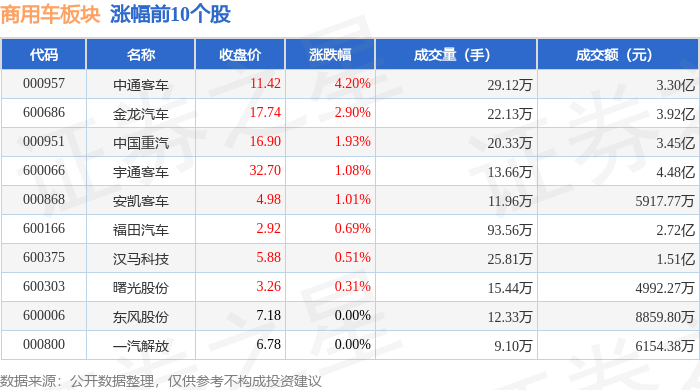
商用车板块12月31日涨0.25%,中通客车领涨,主力资金净流出8846.28万元
Zheng Xing Xing Ye Ri Bao· 2025-12-31 08:59
Group 1 - The commercial vehicle sector increased by 0.25% on December 31, with Zhongtong Bus leading the gains [1] - The Shanghai Composite Index closed at 3968.84, up 0.09%, while the Shenzhen Component Index closed at 13525.02, down 0.58% [1] - Key stocks in the commercial vehicle sector showed varied performance, with Zhongtong Bus closing at 11.42, up 4.20%, and Jinlong Automobile at 17.74, up 2.90% [1] Group 2 - The commercial vehicle sector experienced a net outflow of 88.46 million yuan from institutional investors, while retail investors saw a net inflow of 57.80 million yuan [2] - The trading volume and turnover for key stocks varied, with Jinlong Automobile having a turnover of 3.92 billion yuan and Zhongtong Bus at 3.30 billion yuan [2] - The net inflow from retail investors for several stocks, including Yutong Bus and Ankai Bus, indicated mixed investor sentiment [3]


【快讯】每日快讯(2025年12月31日)
乘联分会· 2025-12-31 08:39
Domestic News - The National Development and Reform Commission and the Ministry of Finance announced a policy to support the scrapping and replacement of vehicles in 2026, offering subsidies of 12% (up to 20,000 yuan) for new energy vehicles and 10% (up to 15,000 yuan) for fuel vehicles with an engine size of 2.0 liters or less [3] - Four departments issued the "Automobile Industry Digital Transformation Implementation Plan," aiming for significant improvements in manufacturing capabilities and digitalization by 2027, including a 10% increase in labor productivity and a 20% reduction in product development and delivery cycles [4] - The National Energy Administration reported that as of November, there are 7.05 million charging facilities built in highway service areas across the country, contributing to a total of 19.32 million charging facilities nationwide [5] - Xiaopeng Motors' chairman stated that the next generation of fully autonomous driving will arrive in 2026, transitioning from L2 to L4 capabilities [6] - Leap Motor announced four service commitments, including free roadside assistance during holidays and clear visibility of maintenance costs through their app [7] - Tesla's global production reached 9 million electric vehicles, with the latest unit being a Model Y produced at the Shanghai Gigafactory [8] - Firefly officially launched in Austria, marking rapid expansion in Europe since its initial release [9] - CATL's "Chocolate" battery swap station network reached its 1,000th station, with plans to expand to over 3,000 stations by 2026 [10] Commercial Vehicles - Weichai's new energy commercial vehicles received a 36-month COP certification in Vietnam, marking a significant step in compliance for the market [16] - Foton Motor announced the mass production of its "Star" series electric light trucks, with a projected output of 32,000 units in 2025 [17] - The 2026 national subsidy policy will prioritize support for the replacement of old commercial vehicles with electric ones [18] - Zhuoyue Technology has initiated a heavy-duty truck NOA project, with the first models expected to be produced in the first half of 2026 [20]


研发投入超17亿!福田启明星全矩阵产品量产落地,斩单近1700辆 | 头条
第一商用车网· 2025-12-31 08:23
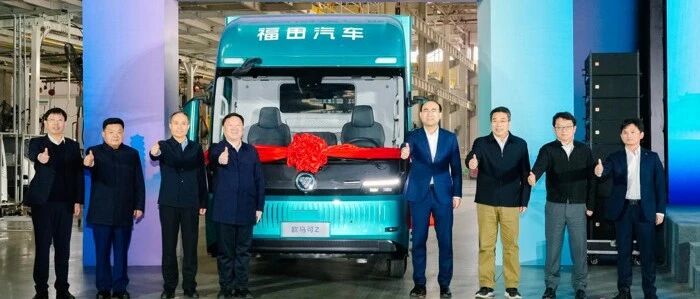
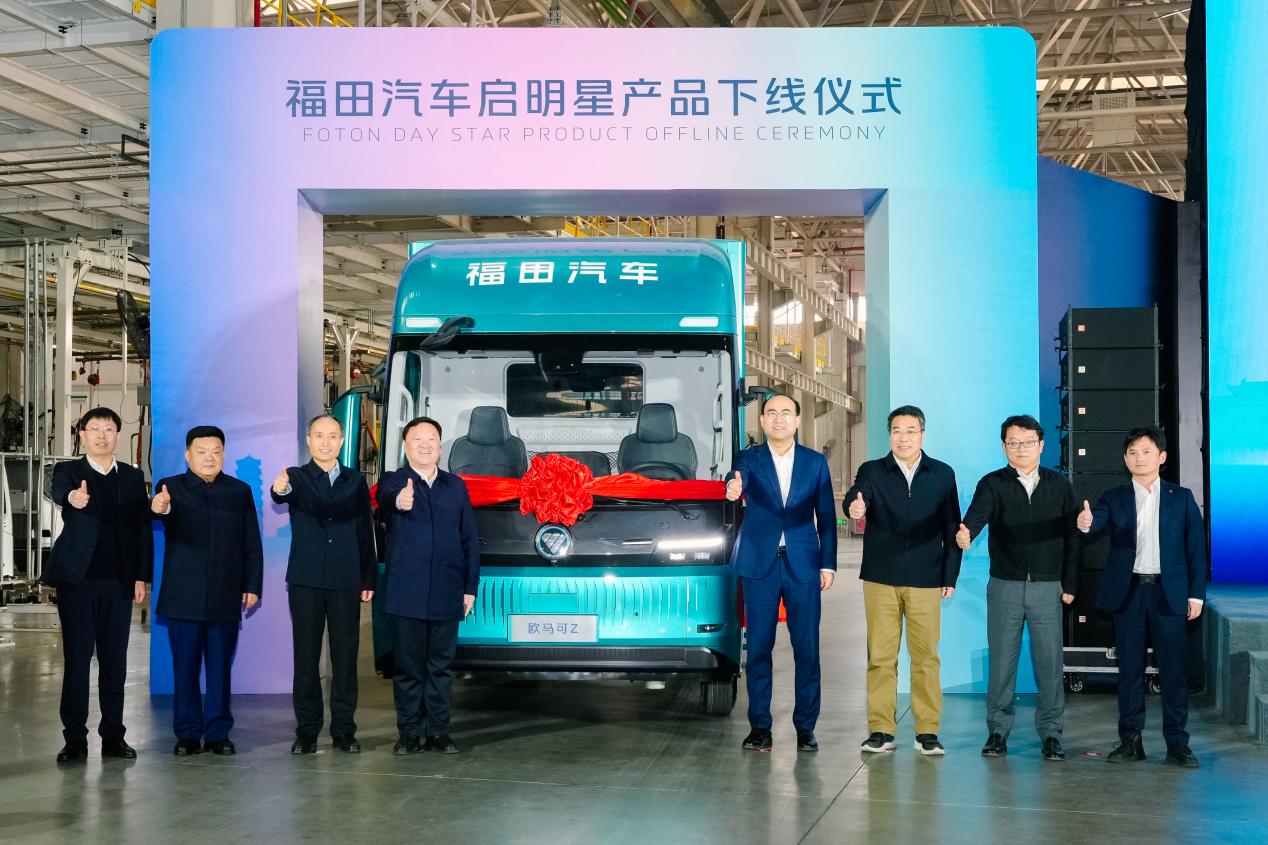
Core Viewpoint - The launch of Foton Motor's "Qimingxing" product line marks a significant milestone in the company's commitment to green technology and the upgrade of logistics through the mass production of its full matrix of electric light trucks [1][17]. Group 1: Product Launch and Strategic Importance - The "Qimingxing" product line officially commenced mass production, showcasing Foton's determination to empower logistics upgrades with green technology [1]. - The event highlighted the strategic cooperation agreements for three major brands: Oumake Z, Aoling Jidian, and Kaven Letu, emphasizing Foton's commitment to regional industrial collaboration [1][2]. - The launch signifies a critical breakthrough in Foton's full matrix layout in the electric light truck sector, reinforcing its position as a leading brand in commercial vehicles in China [4]. Group 2: Market Performance and Sales - Foton's electric vehicle sales reached 92,000 units from January to November 2025, representing a year-on-year increase of 89.1%, with a leading market share in the industry [2]. - The signing of bulk orders for the three brands totaled 1,682 vehicles, demonstrating the strong market competitiveness of the "Qimingxing" series [11]. - The orders included 666 units of Oumake Z, 616 units of Aoling Jidian, and 400 units of Kaven Letu, indicating diverse applications across various logistics scenarios [11]. Group 3: Technological Innovation and Product Features - The "Qimingxing" series is built on a dedicated platform for pure electric light trucks, with over 1.7 billion yuan invested in research and development, addressing key industry pain points such as limited space and short range [5]. - The products feature a remarkable range of 607 kilometers, a high-efficiency drive assembly of 95.7%, and an 8-year or 800,000-kilometer warranty, promising efficient and reliable green transportation [7]. - The production facility integrates traditional craftsmanship with modern technology, enhancing the manufacturing process and product quality [6]. Group 4: Future Outlook and Regional Impact - Foton aims to achieve a production target of 32,000 units and a revenue of 3.5 billion yuan by 2025, reflecting significant growth potential [4]. - The collaboration with local governments and industries is expected to enhance the regional electric vehicle supply chain, driving employment and economic growth in the Shandong area [17]. - The launch event also initiated the "Qimingxing Efficiency Appreciation Season," focusing on real-world performance validation and customer engagement to showcase the product's advantages [16].

开启绿色货运新纪元 福田启明星全矩阵下线
Zhong Guo Qi Che Bao Wang· 2025-12-31 08:11
Core Insights - The launch of the Foton Motor's "Qimingxing" series of pure electric light trucks marks the first mass production of a dedicated platform for pure electric light trucks globally, reflecting strong market confidence and a shift from policy-driven to market-driven growth in China's new energy commercial vehicle industry [1][3] Group 1: Production and Market Impact - The mass production of the Qimingxing platform is a critical step in Foton's new energy strategy and signifies a transition in the commercial vehicle sector from "oil-to-electric" to "forward development" [3][6] - Foton's new energy vehicle sales reached 92,000 units from January to November 2025, a year-on-year increase of 89.1%, indicating a leading position in the industry [6] - The signing of 1,682 bulk orders at the launch event demonstrates the strong market demand for efficient and economical green logistics solutions [12][16] Group 2: Technological Advancements - The Qimingxing platform represents a revolutionary shift in design, moving away from the "oil-to-electric" approach to a fully electric power system and intelligent architecture, addressing key industry pain points such as limited space, short range, and low intelligence [9][11] - The platform's development involved over 1.7 billion yuan in R&D investment, achieving breakthroughs in five core dimensions: efficiency, intelligence, safety, comfort, and ecology [7][9] Group 3: Strategic Goals and Future Plans - Foton aims to become a world-class commercial vehicle enterprise by 2025, with the Qimingxing platform solidifying its position as the leading brand in China's commercial vehicle sector [3][6] - The company plans to produce 32,000 units and generate 3.5 billion yuan in output value by 2025, with a focus on localizing parts production and enhancing supply chain resilience [6][12] Group 4: Industry Transformation - The launch of the Qimingxing platform signifies a shift in the commercial vehicle industry from adaptive innovation to leading innovation, establishing a new technical paradigm for pure electric light trucks [11][16] - The green transformation of the logistics industry is becoming a necessity, with the Qimingxing platform expected to lower the barriers to electric vehicle adoption and accelerate the industry's transition to greener solutions [14][16]
科技暖冬护畅通 责任担当助发展——北汽福田以科技赋能书写服务新篇
Huan Qiu Wang· 2025-12-31 07:26
科技赋能 重塑冬季服务新范式 来源:环球网 凛冬时节,低温、冰雪等极端天气给物流运输行业带来多重挑战,保障运输畅通与行车安全,既是关乎 经济循环高效运转的民生大事,也是交通运输行业高质量发展的重要课题。在这一背景下,以北汽福田 为代表的汽车制造企业主动扛起社会责任,将技术创新与民生保障深度融合,以持续六年的冬季服务实 践,为近320330万客户提供冬日暖心服务,为行业安全稳定运行注入温暖力量,也为企业践行社会责任 提供了生动范本。 优质的服务既需要技术的精度,也离不开人文的温度。北汽福田的冬季服务实践始终聚焦用户核心需 求,将人文关怀贯穿服务全过程,让机械保障充满民生温度。针对不同用户群体的差异化需求,推出多 样化举措,全方位提升用户用车体验。 数字化转型浪潮下,技术创新正成为破解冬季运输难题的重要支撑。北汽福田积极拥抱产业变革,持续 深化车联网、大数据等前沿技术的研发与应用,目前其自主开发的车联网系统已接入实现超330万辆车 辆的广泛接入商用车,构建起覆盖全国的智能服务网络。北汽福田将多项技术深度融入冬季服务保障体 系,打破传统"被动响应"的行业惯例,推动服务模式从"事后维修"向"事前预判"的转型升级。 极 ...
2025年中国消费市场观察:多元升级与生态创新激活增长新引擎
Xin Hua She· 2025-12-31 06:46
Group 1 - The core viewpoint of the articles highlights the robust growth and transformation of China's consumer market since 2025, driven by consumption policies and technological innovations, emphasizing the shift towards high-quality, intelligent, and emotional consumption [1][2][6] - The retail sales of consumer goods in China increased by 4% year-on-year from January to November 2025, indicating a shift from scale expansion to value growth centered on quality upgrades [2] - Key technological breakthroughs, such as Xiaomi's launch of its 3nm flagship processor and the Xiaomi 17 Ultra smartphone, have significantly contributed to the high-end consumer electronics market, showcasing the role of innovation in stimulating consumption [2] Group 2 - The emotional economy is emerging as a new growth area in consumption, with the market size expected to reach 2.3 trillion yuan in 2024 and surpass 4.5 trillion yuan by 2029, reflecting a shift in consumer motivations from functional satisfaction to emotional resonance [4] - New consumption formats, including digital, green, and health consumption, are becoming increasingly active, with the new energy vehicle market showing significant growth, where new energy vehicles accounted for 53.2% of total new car sales by November 2025 [5] - The integration of ecosystems, such as Xiaomi's smart factories and automotive strategies, is reshaping consumer experiences, moving from single product purchases to integrated, scenario-based services [5][8]

“SBBA”格局初现:豪华汽车市场的格局重塑
Xin Lang Cai Jing· 2025-12-31 04:29
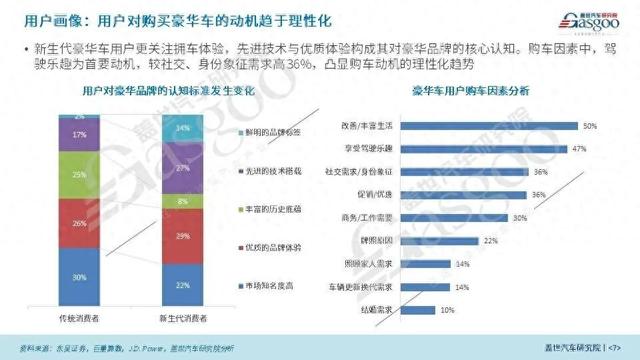
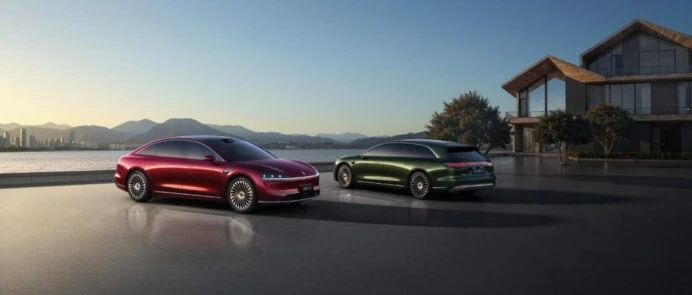
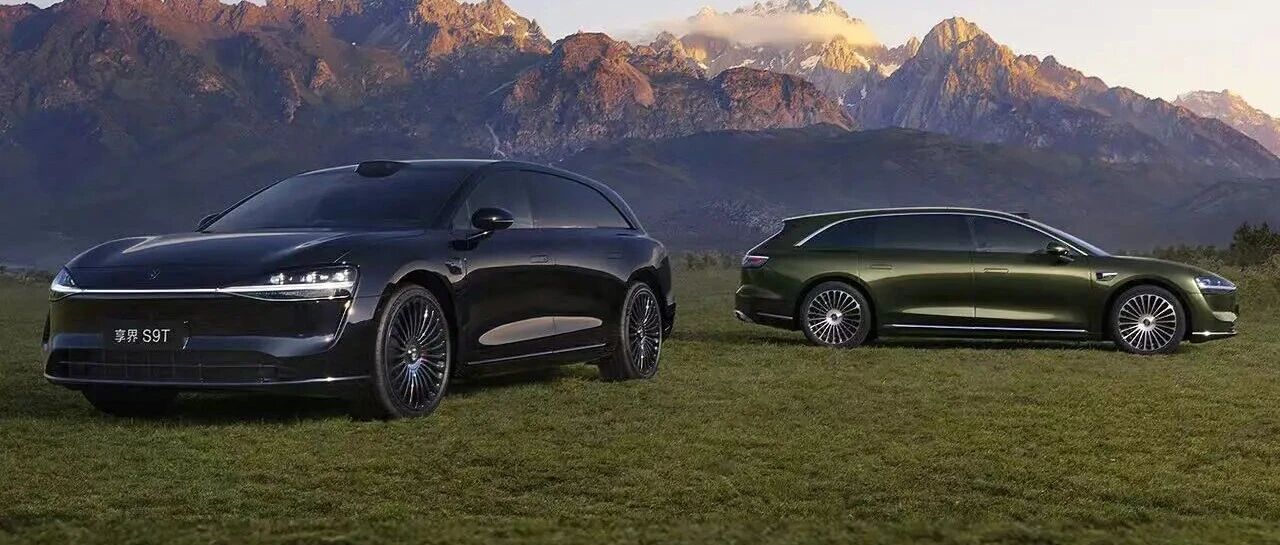
Core Insights - The automotive industry in 2025 is marked by significant transformations, including the penetration rate of new energy vehicles surpassing 50%, advancements in AI and autonomous driving, and a shift in consumer preferences towards high-value options from traditional luxury brands [1][2] Industry Transformation and Consumer Awakening - The reshaping of the Chinese luxury car market is a result of simultaneous industry transformation and consumer evolution, with the penetration rate of new energy vehicles reaching a milestone of over 50% in 2025 [1] - A report indicates that 35% of high-net-worth individuals in China now prefer new energy brands over traditional German brands (BBA), marking a historic shift in brand preference [1] Market Dynamics and Competitive Landscape - The traditional luxury market, previously dominated by BBA, is being disrupted as the Enjoy brand enters the market, achieving top sales in the new energy segment [2] - The Enjoy brand fills a significant gap in high-end intelligent new energy vehicles, as traditional luxury brands lag in adopting AI and autonomous driving technologies [2] Changing Consumer Demands - The motivations for purchasing luxury vehicles have shifted from social status symbols to driving enjoyment and practical experiences, particularly after the introduction of L3 autonomous driving [5] - Consumers are now more willing to pay for advanced technology and quality experiences rather than brand prestige, leading to a redefinition of luxury from brand heritage to value creation [5] Product Strategy and Market Positioning - Enjoy's product strategy aligns with industry trends, focusing on dual flagship models to establish a technological benchmark and cater to diverse consumer needs [7] - The Enjoy S9 and S9T models are positioned competitively within the 300,000 to 450,000 yuan luxury price range, offering full-featured luxury at entry-level prices [7] - The pricing strategy emphasizes value without relying on traditional luxury brand markups, appealing to rational consumers [7] Product Features and Innovations - The Enjoy S9 targets business elites and high-end families, while the S9T is designed for outdoor and travel needs, showcasing a dual-track strategy that enhances market coverage [8] - Both models utilize advanced technology platforms, offering superior driving assistance, smart cabin features, and impressive range capabilities, addressing modern consumer demands [10] Sales Performance and Market Penetration - Enjoy has established a positive feedback loop of sales growth, brand reputation, and channel expansion, successfully penetrating the core luxury market [12] - Over 60% of new customers come from traditional luxury brands, indicating a successful shift from being a secondary choice to a primary target for consumers [12] Strategic Partnerships and Future Growth - Enjoy is deepening its collaboration with Huawei, ensuring ongoing investment in key technology areas to support long-term growth [14] - The brand is expanding its product lineup with new SUV and MPV models to meet diverse consumer needs, capitalizing on the growing market for intelligent electric vehicles [15] Conclusion - Enjoy's rapid rise illustrates a new path for high-end automotive brands in China, focusing on technology and consumer-centric value rather than merely replicating traditional luxury models [17] - The emergence of the "SBBA" competitive landscape signifies a significant shift in market dynamics, with Enjoy poised to redefine luxury automotive standards in the country [17]
“SBBA”格局初现:豪华汽车市场的格局重塑
财联社· 2025-12-31 04:11
Core Viewpoint - The luxury automotive market in China is undergoing a significant transformation, with the emergence of new players like the Xiangjie brand, which is reshaping the competitive landscape traditionally dominated by German brands (BBA) [1][2][18] Industry Transformation and Consumer Awakening - The luxury automotive market is experiencing a reshuffle driven by industry transformation and evolving consumer preferences, with the penetration rate of new energy vehicles (NEVs) surpassing 50% in 2025 [2] - A report indicates that 35% of high-net-worth individuals in China prefer new energy vehicle brands over traditional German brands, marking a historic shift in brand preference [2] - The traditional luxury market segment of mid-to-large luxury sedans, previously dominated by BBA, is being disrupted, with Xiangjie S9T achieving top sales in this segment [2][11] Changing Consumer Demands - The motivations for purchasing luxury vehicles have shifted from social status symbols to driving enjoyment and practical experiences, reflecting a more rational consumer trend [6] - The advent of L3 autonomous driving technology has made advanced features and quality experiences central to luxury perceptions, leading consumers to prioritize value over brand prestige [6] Xiangjie's Strategic Positioning - Xiangjie’s product strategy aligns with industry trends, focusing on dual flagship models (S9 and S9T) that cater to diverse consumer needs, effectively breaking through BBA's market defenses [7] - The pricing strategy positions Xiangjie within the competitive luxury price range of 300,000 to 450,000 yuan, offering fully equipped models that challenge traditional luxury pricing models [7][10] Product Features and Market Performance - The new Xiangjie S9 targets business elites and high-end families, while the S9T is designed for outdoor and travel needs, creating a dual-track strategy that enhances market coverage [8][10] - Both models utilize advanced technology platforms, offering features such as industry-leading autonomous driving capabilities and extensive range, addressing consumer concerns about practicality and emotional value [10] Sales and Brand Recognition - Xiangjie has established a positive feedback loop of sales growth, brand reputation, and channel expansion, successfully penetrating the core luxury market [11][12] - Over 60% of new customers for Xiangjie come from traditional luxury brands, indicating a successful shift from being a secondary choice to a primary target for consumers [12] Future Growth and Strategic Partnerships - Xiangjie is committed to deepening its market presence through channel expansion and product innovation, with plans to introduce new SUV and MPV models [15] - A strategic partnership with Huawei aims to enhance technological capabilities and ensure ongoing development in key areas, with a planned investment of 20 billion yuan over three years [14][15] Conclusion - Xiangjie’s growth trajectory illustrates a new path for high-end automotive brands in China, moving from traditional luxury to a new standard defined by technology and consumer-centric value [17][18]
告别标配人生,驭见中国新中产的“人生旷野”
华尔街见闻· 2025-12-31 03:47
Core Viewpoint - The year 2025 is anticipated to mark a significant shift for China's new middle class, moving towards a more introspective lifestyle that values personal experience over societal expectations [1][2]. Group 1: Changing Consumer Behavior - Consumers are increasingly willing to pay for self-enhancing experiences rather than for the approval of others, indicating a shift towards "self-pleasure" values [2]. - Over 60% of users who switched to the brand came from traditional luxury brands like BBA, with the figure rising to over 70% for the S9 model [3]. Group 2: Demographics and Lifestyle Changes - The typical user of the brand is aged between 30-45, having moved past the need to showcase social status through consumption [4]. - Users express a desire to reclaim their "lifestyle sovereignty," seeking a balance between navigating societal pressures and maintaining personal freedom [4]. Group 3: Product Features and User Experience - The S9 model provides a luxurious and safe experience, exemplified by a user who avoided an accident due to the vehicle's advanced safety features [6][15]. - The S9T model caters to users with high demands, offering practical solutions for outdoor activities and transforming into a mobile workspace [10][12]. Group 4: Market Dynamics and Brand Positioning - The brand is positioned as a market disruptor, redefining the value of luxury vehicles and challenging the dominance of traditional luxury brands [14][22]. - The emergence of the "SBBA" market structure signifies a shift in luxury definitions, moving from traditional metrics to technology-driven assessments of value [29][30]. Group 5: Strategic Investments and Future Outlook - The company has committed 20 billion yuan to the brand, reflecting a strategic focus on long-term growth and innovation [18][19]. - The brand's success indicates a broader trend where new middle-class consumers prioritize "technological dividends" over established brand narratives [33].
重卡行业月度跟踪系列:十一月总量延续高涨,年末抢装下新能源激增-20251231
Changjiang Securities· 2025-12-31 00:13
Investment Rating - The report maintains a "Positive" investment rating for the heavy truck industry [3] Core Insights - The heavy truck industry continues to show high prosperity, driven by policies encouraging vehicle replacement and increasing demand for new energy vehicles [10][51] - The report highlights three main drivers of growth: low oil and gas price differentials, a surge in new energy vehicle sales due to year-end purchasing incentives, and strong export demand, particularly from Africa [30][48][71] Summary by Sections Overall Performance - In November 2025, wholesale heavy truck sales reached 113,000 units, a year-on-year increase of 65.3% and a month-on-month increase of 6.6% [10] - Heavy truck registration sales were 77,000 units, up 34.4% year-on-year and 9.4% month-on-month [10] - Heavy truck exports totaled 34,000 units, reflecting a year-on-year increase of 38.2% but a month-on-month decrease of 8.3% [10] Key Drivers - **Oil and Gas Price Differential**: The oil and gas price differential remains low, with liquefied natural gas priced at 4,213.7 RMB/ton and diesel at 6,883.8 RMB/ton, resulting in a differential of 2,670 RMB/ton [33] - **New Energy Vehicle Surge**: The new energy heavy truck registration reached 28,000 units in November 2025, marking a 192.6% increase year-on-year and a 40.8% increase month-on-month [51] - **Export Demand**: Heavy truck exports to Africa reached 14,111 units, a significant year-on-year increase of 99.7% [76] Market Segmentation - **By Purpose**: In November 2025, logistics vehicle registration was 60,000 units, up 39.7% year-on-year, while engineering vehicle registration was 17,000 units, up 18.6% year-on-year [13][23] - **By Energy Type**: Natural gas heavy truck registrations were 19,000 units, up 70.7% year-on-year, while new energy heavy trucks accounted for 28,000 units, with a penetration rate of 36.4% [51][38] Company Performance - The top three heavy truck manufacturers in November 2025 were China National Heavy Duty Truck Group, FAW Group, and Dongfeng Motor, with sales of 29,000, 24,000, and 17,000 units respectively [13][27] - The market shares for these companies were 25.5%, 21.0%, and 15.2%, showing varying changes compared to the previous year [27] Inventory Trends - Both enterprises and channels are increasing inventory levels, with a slight rise in inventory by 0.1 thousand units for enterprises and 0.3 thousand units for channels in November 2025 [14]