
三星电子

Search documents
英伟达今年不推GPU 30年来首见
Jing Ji Ri Bao· 2026-02-07 23:07
Core Insights - NVIDIA will not release new gaming GPUs this year due to a global shortage of storage chips caused by the AI boom, marking the first time in 30 years that the company has skipped a new GPU launch [1][2] - The planned upgrade for the GeForce RTX50 series, codenamed "Kicker," has been postponed indefinitely, with no new timeline provided for its release [1] - The delay in the Kicker launch will also push back the release of the next-generation gaming GPU, potentially named the RTX60 series, which was originally set to begin production by the end of 2027 [1] Industry Impact - The shortage of storage chips has led to increased prices and has forced NVIDIA to prioritize the supply of these chips for AI products over gaming GPUs [1] - The gaming GPU market has already seen significant price increases, with flagship models like the GeForce RTX 5080 and RTX 5090 experiencing substantial price hikes since Q4 of last year [2] - Major graphics card manufacturers, including ASUS, MSI, and Gigabyte, are on alert due to ongoing supply constraints and price surges in the gaming GPU market [2] Supply Chain Dynamics - Both gaming and AI chips utilize similar raw materials sourced from major suppliers such as Samsung, SK Hynix, and Micron, despite differences in the types of storage chips used [2] - NVIDIA's spokesperson confirmed strong demand for GeForce RTX GPUs but acknowledged the limitations in storage supply, emphasizing ongoing collaboration with suppliers to secure necessary components [2]

三星2026年目标:2nm订单增长130%!
国芯网· 2026-02-07 13:10
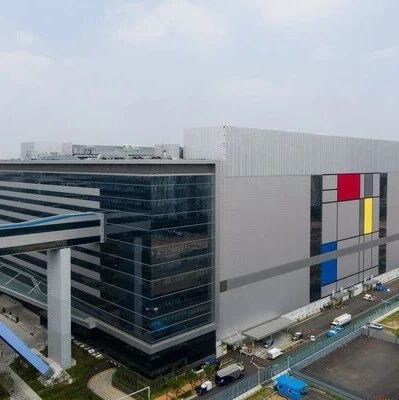
Group 1 - Samsung's foundry division has set an aggressive target to increase its 2nm GAA process order volume by 130% by 2026, indicating a strong confidence in capturing market share during a period of supply constraints faced by TSMC [2][3] - The latest data shows that Samsung's 2nm GAA process yield has reached 50%, demonstrating its capability to compete with TSMC in yield control, although there is still room for improvement [3] - Samsung's factory in Taylor, Texas, which was initially planned for 4nm production, has shifted its strategy to focus entirely on the 2nm GAA process, with testing of EUV equipment set to begin in March [3] Group 2 - Tesla has become a key customer for Samsung's 2nm technology, with a significant order valued at $16.5 billion, although Samsung still faces challenges in securing traditional clients like Qualcomm [3]

存储涨价负面效应初现
财联社· 2026-02-07 09:30
Group 1 - The rising prices of storage components are negatively impacting traditional industries, particularly in South Korea, where companies face significant increases in server costs, with prices rising from 30 million KRW to 90 million-100 million KRW [2] - The delivery times for server equipment have extended from 2-3 weeks to 2-3 months, disrupting internal project timelines for companies [2] - Hospitals in South Korea are also experiencing price increases for personal computers by 2-3 times and server prices rising by 30%-50% [2] Group 2 - Consumer electronics manufacturers, including Apple, are facing cost pressures due to rising memory prices, with Samsung increasing prices by over 80% and SK Hynix approaching 100% [3] - Apple has identified memory as a "cost pressure" in its financial discussions, indicating significant impacts on its product pricing strategy [3] - Analyst Ming-Chi Kuo notes that Apple's strong bargaining power may not reflect the broader memory demand trends among other manufacturers [3] Group 3 - The shift of major manufacturers towards high-margin products like HBM is leading to a continuous reduction in supply for consumer-grade storage chips, exacerbating the supply-demand gap and driving prices higher [4] - The cost pressures from rising memory prices are expected to extend to consumers, with potential price increases for gaming consoles like the Nintendo Switch 2 by 15% to offset memory costs [4] - PC manufacturers, such as ASUS, are adjusting product prices due to supply shortages, with expectations of relief not occurring until the second half of 2027 [4]

春季行情未完,持股过节
Huajin Securities· 2026-02-07 08:15
Group 1 - The report suggests maintaining a balanced allocation in technology growth, certain cyclical, and consumer sectors before the holiday, with potential outperformers including automotive, military, beauty care, machinery, and communication industries for the 2025 annual report performance [1][3] - The consumer sector's short-term rebound may be a valuation correction, with its sustainability under observation due to weak consumer confidence, lack of profit inflection points, and significant valuation recovery already observed [1][3][36] - Current valuations in growing sectors such as pharmaceuticals, automotive, computers, and machinery are relatively low, indicating potential for future growth [1][3] Group 2 - Historical analysis indicates that after adjustments in the spring market, leading sectors supported by policy and industry trends may regain their advantage, particularly technology growth and cyclical sectors [1][3][24] - The report highlights that sectors with strong annual report performance growth forecasts, such as automotive (471.5%), military (398.4%), beauty care (378.3%), machinery (275.6%), and communication (242.1%), are likely to perform well in the short term [1][3][32] - The consumer sector has shown a long-term downtrend since 2021, with six rebound instances averaging 21.56% in magnitude, driven by consumer confidence, low valuations, and profit growth [1][3][36]
日媒:中资占日本电视“半壁江山”
Huan Qiu Shi Bao· 2026-02-07 04:22
索尼剥离电视业务后,日本仍以独立路线维持电视整机制造的主要企业只剩松下控股。但松下也已将低 价机型生产外包,只有高端机型保持自己制造。业内人士指出,销量缩小将压缩研发的投入空间,未来 恐怕也会卷入产业整合。 电视制造业只是缩影。冰箱、洗衣机等传统白色家电领域,日企同样在经历业务出售或与海外企业重 组。而且随着中国企业成本控制与技术水平的提升,中国产品正在逐渐摆脱"价廉质低"的印象。 在东京一些电器大卖场,TCL、海信等中国制造的电视机已经开始出现在比较显眼的位置。最显眼的位 置仍是"REGZA""BRAVIA""VIERA"等日系品牌,但这些品牌背后的资本结构已发生变化。 以"REGZA"为例,该公司95%的股权由海信集团持有,东芝出资比例仅为5%。索尼电视业务将转入由 TCL集团持股51%的合资公司运营。虽然"索尼""BRAVIA"等品牌仍将保留,但在资本与运营层面,已 纳入中资体系。 报道提及,中国企业在价格方面有明显优势。在43英寸4K液晶电视这一主流规格上,中国产品价格约 为5万日元(约合2210元人民币),而日本厂商产品多在10万日元左右。同时,日企的液晶面板等关键 部件早就开始外购,技术上也难以凸 ...



“结算后定价”、“超短期合同”!“存储三巨头”正签“前所未见”的供货合同
Hua Er Jie Jian Wen· 2026-02-07 03:43
三星电子、SK海力士和美光科技等存储芯片巨头开始推行一种前所未有的合约框架:从传统的长期固 定价格协议转向短期甚至月度合同,并引入"价格追溯结算"机制,市场主导权已明显向供应商倾斜。 据韩国科技媒体etnews报道,这些制造商近期与北美大型科技客户签署的新型供应合约中,已允许在合 约期结束后根据市场价格进行付款调整。该变化主要针对迫切希望确保AI基础设施芯片供应的客户群 体,反映出在当前需求驱动下,保障供应已成为许多客户比控制价格更优先的考量。 市场有风险,投资需谨慎。本文不构成个人投资建议,也未考虑到个别用户特殊的投资目标、财务状况或需要。用户应考虑本文中的任何 意见、观点或结论是否符合其特定状况。据此投资,责任自负。 传统内存芯片供应合约通常采用固定价格模式,即使在市场波动下,年度内价格调整幅度一般不超过 10%。例如,若DRAM合约价定为100元,通常在一年内保持稳定,仅在季度协商中进行微调,浮动范 围一般在90元至110元之间。 新型合约模式已转向价格追溯补偿机制。假设以100元价格签订一年期DRAM供应合约,若到期时市场 价格上涨100%,客户需额外支付100元差价。目前三星、SK海力士和美光三大存 ...

全面优化消费环境 擦亮“吴优”消费品牌
Sou Hu Cai Jing· 2026-02-07 00:59
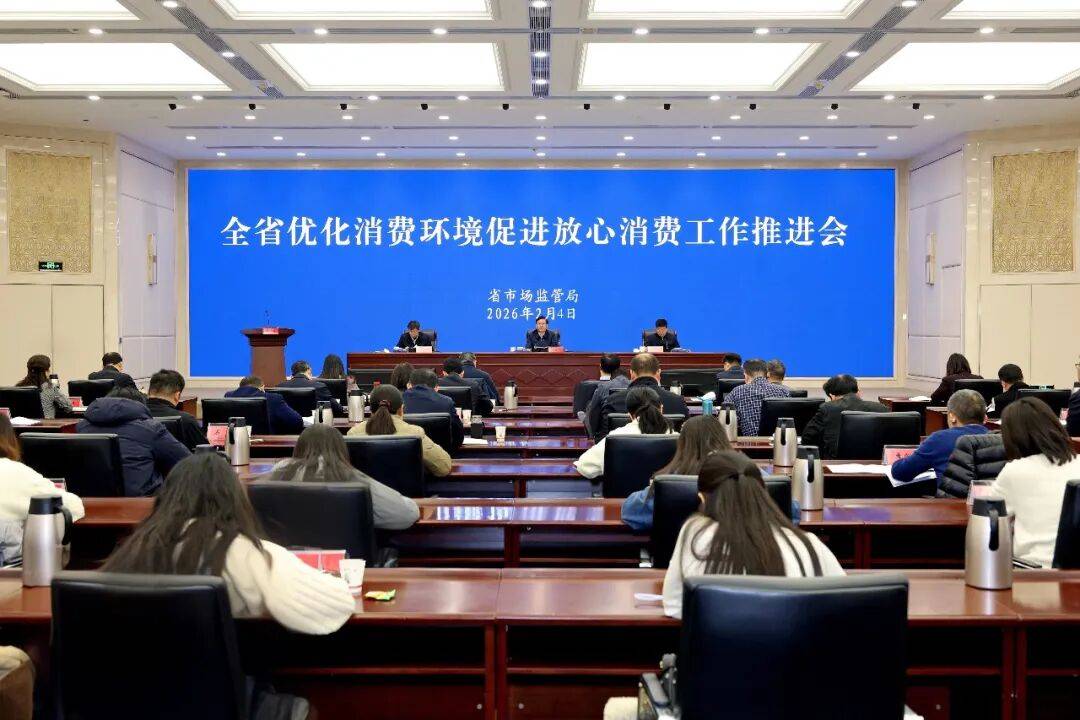
Core Viewpoint - The Suzhou Municipal Market Supervision Administration is actively enhancing the consumer environment and promoting safe consumption through various initiatives, aiming to support high-quality economic development and improve consumer satisfaction [3][4]. Group 1: Consumer Environment Optimization - Suzhou is recognized as a benchmark city for consumer environment construction, focusing on consumer rights protection and creating a safe consumption environment [3]. - The city aims to achieve a retail sales total of 909.22 billion yuan by 2025, with a year-on-year growth of 2.0% [3]. - Suzhou ranked first in the China Consumer Association's consumer satisfaction survey for the third time in four years, highlighting the effectiveness of its "Wu You" consumption brand [3]. Group 2: Systematic Governance and Policy Implementation - The city is implementing a "three-in-one" governance system that integrates consumer supply quality, order optimization, and rights protection [4]. - A three-year action plan for optimizing the consumer environment has been developed, with clear timelines and responsibilities assigned to various departments [4]. - Collaboration with enterprises and industry associations is emphasized to create a multi-party governance structure [4]. Group 3: Enhancing Consumer Experience - The "Eight Ones" working method has been introduced to improve consumer experience, including administrative guidance, information publicizing, and a consumer service station [6]. - Complaints in key tourist areas decreased by 12.16% in 2025, indicating improved consumer satisfaction [6]. - Quality improvement actions have led to multiple awards for local companies, enhancing the overall quality of consumer goods [6]. Group 4: Promoting Consumption Activities - Various promotional activities, such as the "Warm Winter Shopping Season" and "Double 12 Shopping Carnival," have been organized to stimulate consumer spending [7]. - The "3.15 Golden Autumn Shopping Festival" generated an economic benefit of 250 million yuan, showcasing the effectiveness of promotional efforts [7]. Group 5: Consumer Dispute Resolution - The "no-reason return" policy for offline shopping has been widely adopted, with over 127 service stations established and more than 226,500 returns processed, amounting to approximately 94.45 million yuan [9]. - The establishment of a multi-faceted consumer dispute resolution mechanism has led to a 77.56% success rate in mediation, recovering 14.12 million yuan for consumers [10]. Group 6: Regulatory Strengthening - The administration is enhancing regulation in the platform economy, focusing on e-commerce and live marketing, with 845 illegal activities addressed [12]. - A comprehensive governance approach is being implemented in key sectors, including food safety and consumer goods, with a dynamic compliance rate of 98.34% for food inspections [12]. Group 7: Future Directions - The Suzhou Municipal Market Supervision Administration plans to continue reforming and innovating to protect consumer rights and stimulate consumption, contributing to high-quality economic development [13].
陆家嘴财经早餐2026年2月7日星期六
Wind万得· 2026-02-07 00:10
•五部门联合治理不法"代理维权" ,剑指短视频、直播等自媒体平台乱象 • 资金抄底美股大幅反弹, 道指首次突破5万点关口 •美伊核谈破冰,双方就继续谈判达成共识 • 涨价补钱! 三大存储巨头拟推"短期合同+后结算"模式 •快手回应因直播间事故被罚1.19亿元:诚恳接受,坚决整改 1、 国务院常务会议研究促进有效投资政策措施 ,要求创新完善政策措施,加力提效用好中央预算内投资、超长期特别国债、地方政府专项债券等 资金和新型政策性金融工具。在基础设施、城市更新、公共服务、新兴产业和未来产业等重点领域,深入谋划推动一批重大项目、重大工程。 2、 中国人民银行等八部门联合发文,明确虚拟货币相关业务活动属于非法金融活动,境内一律严格禁止。 境内外任何单位和个人未经同意不得在境外发 行挂钩人民币的稳定币,境内主体及其控制的境外主体不得在境外发行虚拟货币。禁止在境内开展现实世界资产代币化相关活动;未经同意、备案等,任 何单位和个人不得赴境外开展现实世界资产代币化业务。 •国常会研究促进有效投资政策措施 ,深入谋划推动一批重大项目及工程 •虚拟货币再迎监管新规 ,央行等八部门联合发文重申境内禁止性政策 •证监会:对境内资产境 ...
韩媒:韩国企业开启“中国战略2.0”
Xin Lang Cai Jing· 2026-02-06 23:02
来源:环球时报 韩国《朝鲜日报》2月5日文章,原题:SK、LG调整战略:与中国企业合作和竞争并行曾用来形容中国 产业的"中国产品仅具价格竞争力"等说法已不再适用。中国企业如今在电动汽车、电池、显示器、钢 铁、石化等主要制造业领域全面提升质量和技术水平,已成为全球市场的重要参与者。 三星电子会长李在镕去年访华期间,先后与小米和比亚迪的高管会面。此后,其子公司三星电机等重新 定义中国电动汽车企业——不再视其为竞争对手,而是成为客户,在汽车零部件领域扩大合作。相关战 略是在智能手机和家电领域保持竞争的同时,融入中国汽车零部件和材料的供应链体系。 韩企领导层的看法转变正转化为战略调整,在与中国直接竞争困难的领域大幅缩减规模,将资源集中于 能保持技术优势的领域。 一位韩国商界人士说:"领导层的认知已进入冷静区分对华竞争与合作领域的阶段。"所谓"中国战略 2.0",并非简单重返中国市场,而是基于韩中两国产业格局变化而进行的战略性调整。(作者Cho Jaehyun,乔恒译) 韩国企业对中国企业的看法已发生巨大转变。大韩商工会议所去年对370家本土制造企业开展的调查显 示,认为"韩国企业技术能力领先于中国企业"的回答比例从2 ...
日媒:日本国内电视销量排名,中资背景企业占“半壁江山”
Huan Qiu Shi Bao· 2026-02-06 22:49
Core Viewpoint - Sony Group's decision to divest its television business to a joint venture led by Chinese companies will increase the market share of Chinese-backed brands in Japan's television market to 60% [1][2]. Group 1: Market Dynamics - Japanese television manufacturers, once dominant in the global home appliance industry, are at a critical juncture in their business model transformation [1]. - Chinese brands such as TCL and Hisense are increasingly visible in Japanese electronics stores, indicating a shift in market presence [1]. - The ownership structure of Japanese brands like REGZA has changed significantly, with Hisense holding 95% of its shares, while Toshiba only holds 5% [1]. Group 2: Pricing and Competition - Chinese products have a clear price advantage, with a 43-inch 4K LCD television priced around 50,000 yen (approximately 2,210 RMB), compared to Japanese brands priced around 100,000 yen [2]. - Japanese companies have been outsourcing key components like LCD panels, diminishing their technological edge [2]. - Chinese-backed companies now account for a significant portion of television sales in Japan, with their market share expected to reach 60% when including Sony's brand under the new joint venture [2]. Group 3: Industry Trends - The overall market for flat-screen televisions in Japan has contracted, with shipments dropping from over 25 million units in 2010 to less than a quarter of that figure [2]. - In the global market, Japanese companies are losing their presence, with Samsung, LG, Hisense, and TCL projected to dominate the rankings by 2025 [2]. - Panasonic remains the only major Japanese company manufacturing televisions independently, but it has outsourced the production of lower-end models [2]. Group 4: Broader Implications - The television manufacturing sector reflects broader trends in the white goods industry, where Japanese companies are also selling off businesses or restructuring with foreign firms [3]. - Chinese products are gradually shedding the perception of being low-quality and cheap, as they improve in cost control and technology [3].