
SHEIN

Search documents
赋能服装业焕新出海,“SHEIN链”插上数智翅膀
2 1 Shi Ji Jing Ji Bao Dao· 2026-01-14 04:20
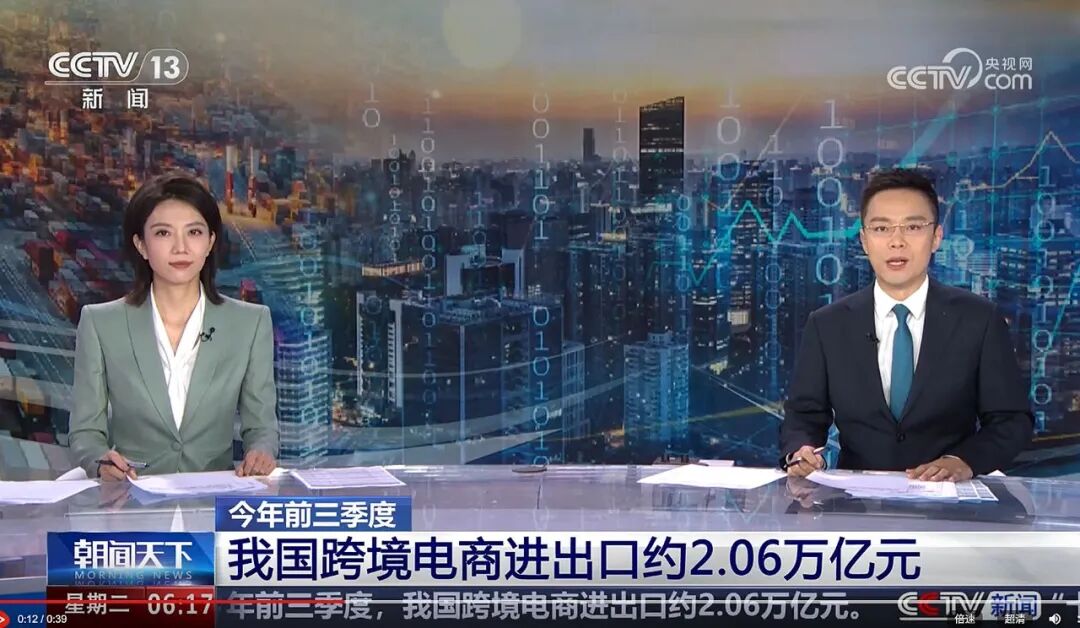
Core Viewpoint - SHEIN is reshaping the apparel industry landscape through significant investments in smart supply chain infrastructure and innovative manufacturing practices, aligning with national strategies for industrial transformation and sustainability [1][4][22]. Group 1: Industry Transformation - By 2025, China's cross-border e-commerce imports and exports are projected to reach approximately 2.06 trillion yuan, marking a 6.4% growth and positioning it as a vital force in trade development and industrial upgrading [2]. - SHEIN has become the third-largest fashion retailer globally, investing over 10 billion yuan in the Guangdong-Hong Kong-Macao Greater Bay Area to enhance its smart supply chain [4]. - The company has implemented a "small batch quick response" flexible supply chain model, allowing for market testing with initial orders of 100-200 pieces, which is driven by real-time sales data [9][10]. Group 2: Supplier Empowerment - SHEIN has developed over 180 innovative tools for suppliers, delivering 7,500 items that improve process efficiency by an average of 35%, addressing challenges in traditional sewing processes [11][12]. - The company has conducted nearly 600 training sessions for suppliers in 2025 alone, covering operational management, practical business skills, and technical enhancements, reaching approximately 37,000 suppliers [19]. - Following training, defect rates among suppliers decreased by 50% within a month, demonstrating the effectiveness of SHEIN's educational initiatives [18]. Group 3: Sustainability Initiatives - SHEIN's green transformation extends throughout its supply chain, with over 65% of its products utilizing digital heat transfer technology, saving 1.13 million tons of water [24]. - The company has implemented over 650 energy-saving measures in recent years, significantly reducing water, electricity, and gas consumption in supplier factories, equivalent to the annual water needs of 150 garment factories [24][25]. - SHEIN collaborates with various partners to explore new technologies and processes, including a joint laboratory for innovative materials and logistics solutions [24]. Group 4: Long-term Vision - SHEIN aims to create a self-evolving, symbiotic industrial ecosystem, emphasizing the importance of talent in industrial upgrading and addressing production challenges through targeted training [17][26]. - The company's long-term commitment to empowering its supply chain and fostering sustainable practices positions it to transition from a focus on scale advantages to value advantages in the textile and apparel industry [27].

资本利益论——数字经济时代的“三重五维”整合分析
Jing Ji Guan Cha Wang· 2026-01-13 10:27
Core Perspective - The article discusses the challenges faced by traditional political economy theories in the digital age, emphasizing the need for a new theoretical framework called "Triple-Five Dimensional" to analyze the contradictions of digital capital and its implications for governance in China [1][8]. Group 1: Theoretical Foundations - Capital is defined as a dynamic social relationship rather than a mere object, with its essence captured in three characteristics: relational nature, movement quality, and the essence of interests [2]. - In the digital age, the nature of capital has shifted from physical assets to data, algorithms, and computing power, leading to new control relationships between platforms, algorithms, and users [2]. - The acceleration of capital movement, facilitated by technologies like blockchain and AI, has compressed the time and space of capital circulation, resulting in risks such as the over-expansion of the virtual economy [2]. Group 2: Essence of Interests - The ultimate goal of capital movement is to achieve value growth, with the formula for surplus value evolving to include data as a key factor, highlighting the growing importance of data in the distribution of interests [3]. - The monopolistic position of platform capital leads to significant imbalances in interest distribution, exacerbating social inequality [3]. Group 3: Analytical Dimensions - The article introduces a five-dimensional model to analyze interests in the digital age, focusing on subjectivity, objectivity, process, temporality, and spatiality [4]. - The subjectivity dimension reflects the conflict between users' digital identities and their biological selves, while objectivity expands to include new asset forms like data and NFTs [4]. - The process of interest realization has transformed from linear to automated and programmable distributions, influenced by blockchain technology [4]. Group 4: Integration Framework - The "Triple-Five Dimensional" framework is an organic system that illustrates the dialectical interconstruction of relationships, movements, and interests in the digital economy [5][6]. - The monopolistic production relationships of digital platforms dictate the acceleration of capital movement and the skewed distribution of benefits towards capital [5]. - The pursuit of maximizing data value drives platforms to reinforce data monopolies and optimize algorithm efficiency [6]. Group 5: Value of the Framework - The framework reveals inherent contradictions in the digital economy, such as the coexistence of technological empowerment and labor alienation, and the tension between efficiency and fairness [7]. - It provides a comprehensive analytical tool for evaluating governance practices, particularly in the context of China's governance model, which seeks to balance efficiency, fairness, innovation, and security [7]. - Ultimately, the framework aims to establish a model for orderly capital expansion that prioritizes social equity, ecological sustainability, and data security, contributing to a new path towards digital civilization [7].
「链式革新」破局传统产业转型,SHEIN携手服装工厂的数智化征途
3 6 Ke· 2026-01-13 02:38
Core Viewpoint - The textile and apparel industry in China is undergoing a significant transformation driven by cross-border e-commerce and the need for digitalization and green transformation, with SHEIN acting as a "chain leader" to empower traditional factories through technology and innovative business models [1][19]. Group 1: Industry Transformation - The textile and apparel industry is a pillar of China's economy, with 99.8% of enterprises being small and micro-sized, facing challenges such as low digitalization, fluctuating orders, and difficulties in green transformation [1]. - SHEIN, as a leading global fashion retailer and cross-border e-commerce company, is injecting transformation momentum into traditional factories through technological innovation and ecosystem building [1][19]. - The shift from "scale expansion" to "value enhancement" is evident as factories adapt to new market demands and digital tools [1]. Group 2: Case Studies of Transformation - Chen Di's factory, which became a SHEIN supplier, successfully adapted to the "small order fast response" model, overcoming initial challenges with the help of SHEIN's support team [6][9]. - Sun He, operating in Dongguan, transitioned to digital heat transfer printing technology, which has seen a significant increase in production from 400 million meters in 2015 to 3.7 billion meters in 2023, with an annual growth rate of 37.4% [11][12]. - Yao Yuan's factory shifted from producing bulk orders for delivery service uniforms to flexible production of outdoor apparel, successfully implementing SHEIN's model to meet diverse consumer demands [15][16]. Group 3: SHEIN's Empowerment Model - SHEIN's empowerment system is not limited to technical support but extends to comprehensive training and operational guidance, enabling factories to optimize processes and improve efficiency [19][21]. - The company has developed over 180 lean tools, aiming to enhance operational efficiency by an average of 35% by the end of 2025 [21]. - SHEIN's investment in upgrading factories and training has created a ripple effect, allowing successful transformations to serve as benchmarks for other factories in the industry [21][22]. Group 4: Industry Impact and Future Outlook - The agile supply chain model represented by SHEIN is becoming a trend in manufacturing, facilitating collaboration among small factories and enhancing China's influence in the global fashion industry [22]. - The transformation stories of Chen Di, Sun He, and Yao Yuan illustrate how individual factory upgrades can lead to broader industry advancements, contributing to a more resilient and competitive textile and apparel sector [19][22].
Geo掀起涨停潮,易点天下(301171.SZ)为何受机构青睐?
Ge Long Hui· 2026-01-13 01:05
Core Insights - The recent surge in the A-share AI application sector, particularly the strong performance of Yidian Tianxia, is driven by the rapid rise of the Geo concept, which aligns with the company's early adoption of AIO solutions in August 2025 [1][3] - Geo, or Generative Engine Optimization, represents a shift in marketing strategies from traditional SEO to a model that directly outputs answers, catering to the evolving user behavior of seeking information through AI [2][6] - The global Geo market is projected to reach $11.2 billion by 2025 and potentially exceed $100 billion by 2030, indicating significant growth potential in the AI application field [2] Group 1: Geo Concept and Market Dynamics - Geo utilizes generative AI to create content that aligns closely with user intent, enhancing brand visibility in AI search scenarios [1][2] - The transition from traditional SEO to Geo reflects a fundamental change in how users access information, moving from search engines to AI models [2] - The evolution of the marketing landscape necessitates brands to adapt from being "searched" to being "recommended," with Geo serving as the core technology for this transformation [2] Group 2: Yidian Tianxia's Strategic Positioning - Yidian Tianxia's AIO solution, launched in August 2025, aligns with the principles of Geo, enabling brands to achieve proactive exposure in traffic entry points [3][4] - The company's programmatic advertising platform, zMaticoo, processes over 220 billion ad requests daily, providing essential data for Geo optimization [3][4] - Yidian Tianxia's focus on cross-border e-commerce clients allows it to leverage structured data, which is crucial for effective Geo content generation [4] Group 3: Technological Infrastructure and Market Validation - The company has developed an AI-driven marketing automation system that integrates creative generation, intelligent placement, and analytical insights, addressing traditional marketing challenges [5] - Yidian Tianxia has validated its Geo capabilities through successful partnerships with numerous DTC clients across various sectors, enhancing brand exposure and customer acquisition efficiency [5][6] - The company has established a robust ecosystem by collaborating with major e-commerce platforms and serving as a primary agent for AppLovin in Greater China [5][6] Group 4: Institutional Perspectives - Analysts from various institutions express optimism about the growth potential of companies like Yidian Tianxia, which possess data accumulation and technological capabilities [6] - The consensus is that Yidian Tianxia's experience with large e-commerce clients and its strategic positioning in the Geo landscape will enable it to benefit from the ongoing transformation in marketing [6][7] Conclusion - The recent performance of the AI application sector and Yidian Tianxia's stock reflects market recognition of the long-term value of the Geo sector, which is driven by AI technology [7] - The company's proactive strategies, extensive data resources, and comprehensive AI capabilities position it favorably to capitalize on the growth opportunities within the Geo market [7]
「链式革新」破局传统产业转型,SHEIN携手服装工厂的数智化新征途
3 6 Ke· 2026-01-12 09:24
Core Viewpoint - The textile and apparel industry in China is undergoing a significant transformation driven by the rise of cross-border e-commerce and the push for traditional industry upgrades, with SHEIN acting as a "chain leader" to empower traditional factories through technology and innovative business models [1][17]. Group 1: Industry Transformation - The textile and apparel sector, a pillar of China's economy, is experiencing a shift from "scale expansion" to "value enhancement" amid global fashion industry restructuring and domestic policy support [1]. - 99.8% of China's textile and apparel industry consists of small and micro enterprises, which face challenges such as low digitalization, fluctuating orders, and difficulties in green transformation [1][17]. - SHEIN's model promotes a flexible supply chain that allows for small batch production and rapid response to market demands, addressing the pain points of traditional factories [17][22]. Group 2: Case Studies of Transformation - Chen Di's factory, which became a SHEIN supplier, successfully adapted to the "small order fast response" model, overcoming initial challenges with support from SHEIN's empowerment team [5][7]. - Sun He, operating in Dongguan, transitioned to digital printing technology, significantly increasing production efficiency and reducing water consumption, with SHEIN's support leading to a 37.4% annual growth in digital printing output [8][22]. - Yao Yuan's factory shifted from producing bulk work uniforms to outdoor apparel, embracing SHEIN's model to meet diverse consumer demands and reduce inventory pressure, ultimately enhancing operational efficiency [12][16]. Group 3: SHEIN's Empowerment Strategy - SHEIN has developed a comprehensive empowerment system over the past decade, including over 180 lean tools that improve operational efficiency by an average of 35% [22]. - The company invests significantly in upgrading factories and training, with over 6000 million yuan allocated to assist more than 200 factories, fostering internal motivation for skill enhancement and management optimization [22]. - SHEIN's approach not only benefits individual factories but also creates a ripple effect, enabling broader industry upgrades and enhancing the competitiveness of traditional manufacturing in the global market [24][25].
撬动服装制造业升级,SHEIN的“链式赋能”密码
第一财经· 2026-01-12 06:30
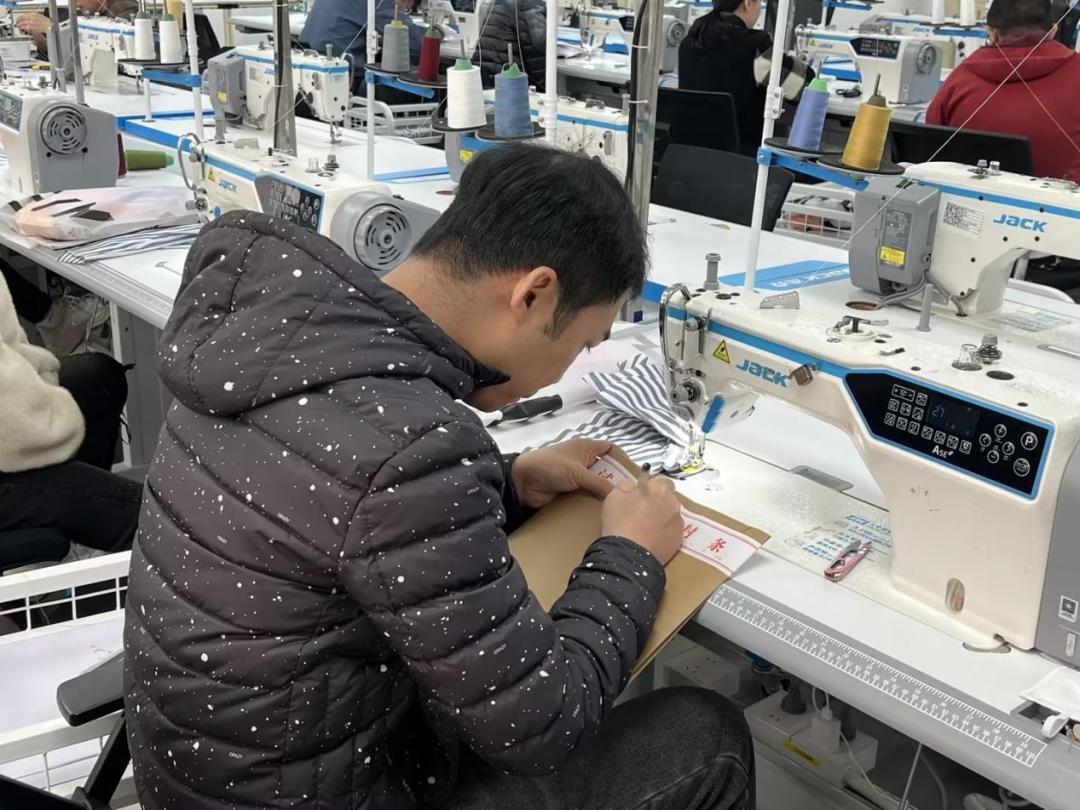
Core Viewpoint - SHEIN is revolutionizing the traditional manufacturing model in the textile and apparel industry through a digital and technology-driven approach, significantly enhancing supply chain efficiency and reducing inventory levels [1][3][6]. Group 1: Transformation of Manufacturing Processes - Traditional manufacturing faced challenges such as long order cycles, high inventory rates, and unpredictable cash flows, which SHEIN's model addresses effectively [5][6]. - The "small order quick response" model allows for production of only 100-200 pieces initially, drastically reducing inventory rates to single digits, compared to the industry average of 30% [6]. - SHEIN has developed over 180 innovative tools that enhance production efficiency by an average of 35%, with some processes seeing efficiency improvements of up to 40% [3][11]. Group 2: Supplier Empowerment and Training - Suppliers are increasingly adopting SHEIN's flexible supply chain model, transitioning from large orders to smaller, more manageable ones, which aligns with consumer demand for diversity [9][21]. - SHEIN provides extensive training and resources to suppliers, enhancing their capabilities in quick response production and quality control, which has led to significant improvements in operational efficiency [10][12]. - The collaboration with SHEIN has enabled suppliers to expand their production capabilities and adapt to new market demands, resulting in increased competitiveness [9][10]. Group 3: Digitalization and Information Flow - SHEIN's commitment to digital transformation is evident in its efforts to enhance information flow across the supply chain, making processes more transparent and efficient [11][12]. - The integration of digital tools in manufacturing processes has led to improved coordination and responsiveness, which is crucial for meeting market demands [11][12]. - The Chinese government supports this digital transformation, aiming for over 70% of key business processes in textile companies to be digitized by 2027 [11]. Group 4: Sustainability Initiatives - SHEIN is actively pursuing green transformation by integrating sustainability into its supply chain, focusing on reducing resource consumption and carbon emissions [14][15]. - The company has implemented innovative technologies that have saved significant amounts of water and reduced environmental impact, aligning with its sustainability goals [15][16]. - SHEIN's green initiatives are not limited to production but extend to logistics, with plans to utilize electric vehicles for transportation, further reducing carbon emissions [15][16]. Group 5: Ecosystem Development and Global Expansion - SHEIN's "500 City Industrial Belt Export Plan" aims to integrate cross-border e-commerce with local industrial clusters, enhancing responsiveness to global market demands [21][22]. - The company is becoming a strategic partner for international brands looking to expand their online presence, providing them with a platform for agile digital transformation [22][23]. - SHEIN's initiatives in talent development and standardization are fostering a skilled workforce, which is essential for sustaining growth and innovation in the industry [23][24].

2025年,跨境电商跑进下半场:告别低价,搏杀品牌
Sou Hu Cai Jing· 2026-01-10 11:13
Core Insights - 2025 presents significant challenges for cross-border platforms and merchants due to the end of the "small exemption" policy in the U.S. and the establishment of fixed tariffs by the EU, marking the end of the "low-price direct mail + tax exemption" model that has supported overseas trade for years [2] - Despite the dual pressures of tariffs and compliance, the growth of the "four dragons" of cross-border e-commerce has not slowed, with TikTok Shop and Temu both approaching the $100 billion GMV mark, and the industry focus shifting from North America to Europe and Latin America [2] Summary by Sections 1. Dual Pressure of Tariffs and Compliance - In 2025, cross-border merchants are under the shadow of tariff pressures, with the U.S. imposing a 10% tariff on Chinese goods starting in February, leading to the suspension of tax exemption for packages valued at $800 or less by August [2][3] - A 3C seller noted that tariff costs increased by approximately 25%, erasing price advantages in the consumer electronics sector, prompting many merchants to seek alternative markets, particularly in Europe, where demand for high-quality products is rising [3] - From January to September 2025, exports to the EU reached $20.5 billion, surpassing the total for 2024, while exports to the U.S. dropped significantly [4] 2. Compliance Challenges - The EU plans to impose a fixed tariff of €3 on small packages valued under €150 starting July 1, 2026, indicating a global shift away from the "tax-free era" [7] - New regulations require all platforms serving Chinese operators to report seller identities and transaction data quarterly, marking the entry of cross-border e-commerce into a fully compliant era [8][9] 3. Growth of the "Four Dragons" - Despite challenges, the "four dragons" of cross-border e-commerce are experiencing substantial growth, with TikTok Shop's GMV nearing $100 billion and Temu's projected GMV between $90 billion and $95 billion for 2025 [10] - TikTok Shop's active consumer base reached 400 million, with a fourth-quarter GMV exceeding $25 billion, surpassing eBay [9][10] 4. Shift to European Markets - The four dragons are increasingly focusing on the European market due to U.S. tariff policies, with Temu's monthly active users in Europe surpassing 140 million, a 74% increase year-on-year [12] - SHEIN is also shifting focus to Europe, with projected revenue growth of 30.7% in 2026, expected to exceed U.S. revenue for the first time [12] 5. Brandization as a Consensus - TikTok Shop is recognized as the third fastest-growing brand in the U.S. in 2025, with a 95% increase in large brands earning over $30 million joining the platform [13][14] - SHEIN opened its first permanent store in Paris, aiming to enhance brand image, while AliExpress launched a "super brand plan" to attract top brands [14] 6. Conclusion - The year 2025 has seen Chinese cross-border e-commerce navigating through policy, cost, and market restructuring, with a shift from low-price driven models to brand-focused and diversified market strategies [15] - AI is poised to reshape the e-commerce landscape, with OpenAI introducing instant checkout features, indicating a future where e-commerce platforms evolve into AI-driven shopping experiences [15]
2025,跨境电商跑进下半场:告别低价,搏杀品牌
Sou Hu Cai Jing· 2026-01-10 10:31
Core Insights - 2025 presents significant challenges for cross-border platforms and merchants due to the end of the "small parcel exemption" policy in the U.S. and the establishment of fixed tariffs by the EU, marking the end of the "low-cost direct mail + tax exemption" model that has supported overseas trade for years [2] - Despite the dual pressures of tariffs and compliance, the growth of the "four small dragons" in cross-border e-commerce remains robust, with TikTok Shop and Temu both approaching the $100 billion GMV milestone [2][12] - The industry is transitioning away from reliance on traffic-driven growth towards a long-term operational model centered on compliance and brand development [2] Tariff and Compliance Pressures - In 2025, cross-border merchants are under significant tariff pressure, with the U.S. imposing a 10% tariff on Chinese goods and ending the tax exemption for packages valued at $800 or less [2][3] - A 3 Euro fixed tariff will be applied to small parcels entering the EU valued under 150 Euros starting July 1, 2026, indicating a global shift away from the "tax-free era" [7] - New tax regulations require all platforms serving Chinese operators to report seller identities and transaction data quarterly, marking the entry of cross-border e-commerce into a fully compliant era [8] Growth of the "Four Small Dragons" - In 2025, TikTok Shop's active consumers reached 400 million, with GMV nearing $100 billion, making it the fifth-largest platform globally and the fastest-growing [9] - Temu's projected GMV for 2025 is between $90 billion and $95 billion, with significant growth in downloads and active users [9] - The shift in focus towards the European market is evident, with Temu's monthly active users in Europe surpassing 140 million, contributing 40% of its global GMV [12] Market Trends - The European market is emerging as a new growth engine for cross-border e-commerce, with significant increases in sales and profit margins compared to the U.S. market [4][12] - Brand recognition is becoming a consensus among platforms, with major brands increasingly joining TikTok Shop, reflecting a shift from small merchants to a more diverse ecosystem [13][14] - The introduction of competitive strategies, such as price guarantees by platforms like AliExpress, indicates a move towards brand differentiation and market positioning [14] Conclusion - The cross-border e-commerce landscape in 2025 is characterized by a re-evaluation of growth strategies in light of new tariffs and compliance pressures, with a focus on brand development and market diversification [15] - The integration of AI technologies is expected to reshape the e-commerce landscape, potentially transforming platforms into intelligent shopping assistants [15]
亚马逊的反击:GWD声势大、落地难
雷峰网· 2026-01-09 11:13
Core Viewpoint - Amazon's new GWD warehouse initiative aims to lower logistics barriers for cross-border sellers, but it faces skepticism regarding its actual effectiveness and cost advantages [2][3][5]. Group 1: GWD's Purpose and Expectations - The GWD warehouse is expected to alleviate long-standing logistics pain points for cross-border sellers by simplifying the logistics chain, allowing sellers to send goods to Shenzhen, where Amazon will handle the rest [3][5]. - The GWD model is seen as a response to the high costs and complexities faced by Chinese sellers when entering international markets, particularly in terms of inventory management and logistics [3][5]. - Compared to platforms like Temu and SHEIN, which allow low-cost testing of markets, Amazon's traditional FBA model requires larger inventory commitments, making it less accessible for smaller sellers [4]. Group 2: Challenges and Costs of GWD - Despite the expectations, industry insiders believe that the GWD does not significantly lower the actual barriers for sellers, as it operates more like a "front warehouse" system [6][7]. - The GWD initiative has high entry requirements, including a good standing U.S. account and a minimum annual sales threshold of $2.2 million, limiting access for smaller sellers [7][8]. - Cost-wise, GWD may not offer significant advantages over traditional logistics providers, as it is expected to follow a standardized pricing model rather than a low-cost competition strategy [8][9]. Group 3: Operational and Compliance Considerations - The expected delivery time for GWD is between 35 to 45 days, which may not be competitive during peak seasons due to potential congestion in inventory transfers [9][10]. - Sellers will still need to manage their own customs documentation and compliance, which adds complexity compared to fully managed models like Temu's [10][11]. - GWD is likely to be more suitable for established brands with mature supply chains, as they are better equipped to handle the compliance and logistical challenges involved [11][12].


“链主”企业牵头搞大事,SHEIN的产业赋能密码藏不住了
Guan Cha Zhe Wang· 2026-01-09 07:52
Core Viewpoint - SHEIN has emerged as a leading player in the global fashion retail market, leveraging innovative digital supply chain solutions to address traditional industry challenges such as high inventory risks and production inefficiencies [2][12]. Group 1: Industry Transformation - The improvement in China's traditional manufacturing industry is attributed to continuous training of frontline workers, innovative tools, and the digitalization of the entire production and distribution chain [1]. - SHEIN's flexible supply chain model has allowed it to surpass competitors like ZARA, H&M, and Uniqlo, becoming the third-largest fashion retailer globally, following Nike and Adidas [2]. - The company has developed over 180 innovative tools by 2025, enhancing production efficiency by an average of 35% for suppliers [5]. Group 2: Technological Innovation - SHEIN's manufacturing innovation research center has played a crucial role in developing tools that streamline production processes, such as combining multiple sewing steps into one, which can increase efficiency by up to 40% [3][5]. - The introduction of digital heat transfer printing technology has significantly reduced the time from design to production, compressing the cycle from 4-6 weeks to just 7-15 days, while also minimizing water usage [9][10]. Group 3: Supplier Empowerment - SHEIN has conducted nearly 600 training sessions for suppliers in 2025, covering approximately 37,000 instances, to enhance skills and management capabilities within the industry [6]. - The company has established a robust digital management system that provides suppliers with stable orders and clear timelines, improving their operational efficiency [13]. Group 4: Environmental Impact - SHEIN's transition to using new energy vehicles for logistics has contributed to reducing carbon emissions, showcasing the company's commitment to sustainable practices [10]. - The digital heat transfer printing technology employed by SHEIN is verified to consume zero water resources, representing a significant advancement in eco-friendly production methods [9]. Group 5: Market Expansion - The cross-border e-commerce sector, represented by SHEIN, has shown steady growth, with exports reaching approximately 1.63 trillion yuan in the first three quarters of 2025, marking a 6.6% increase year-on-year [12]. - SHEIN's "500 Cities Industrial Belt Going Abroad Plan" has expanded its reach to nearly 400 cities, fostering brand development and international market access for local businesses [14].