
361度

Search documents
2025年中国运动服价值链分析:采购原材料是运动服产品生产的主要成本
Qian Zhan Wang· 2025-07-14 06:36
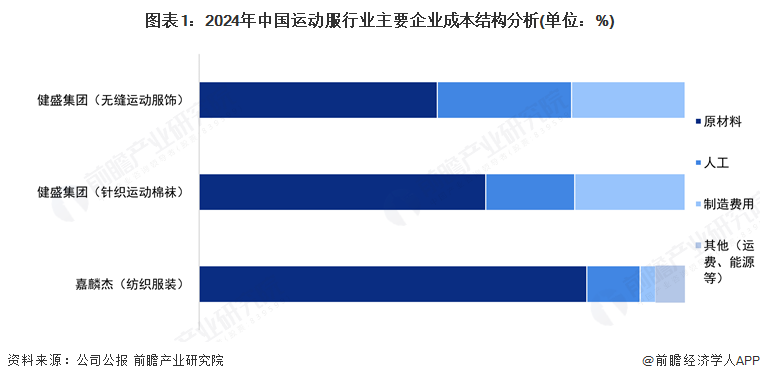
Core Insights - The article discusses the cost structure and pricing mechanisms in the Chinese sportswear industry, highlighting the trends in material costs, labor costs, and the overall value chain [1][2][6]. Cost Structure - In the production of sportswear, raw materials constitute the largest cost component, although their proportion has been declining in recent years. For instance, in 2024, the raw material cost for seamless sportswear from Jian Sheng Group is projected to be 49.01%, while for knitted cotton socks, it is 58.97%. Additionally, Jia Lin Jie reports a raw material cost proportion of 79.8% [1][2]. - Labor costs represent the second-largest expenditure, fluctuating between 10% and 30%, while manufacturing expenses range from 3% to 25% [1]. Pricing Mechanism - The pricing of sportswear in China is influenced by the supply side, manufacturing side, value-added premiums, and consumer demand elasticity. The cost prices on the supply side include material, equipment, technology, and labor costs, which are then transformed into production costs at the manufacturing level. These costs, along with supply-demand premiums, R&D costs, and corporate profits, determine the "manufacturing price" that is transmitted through distribution channels to the end market [6]. Value Chain - The value chain of the Chinese sportswear industry exhibits a "low-middle, high-both-ends" trend. The upstream consists of textile raw materials and equipment suppliers, while the midstream involves the production of various sportswear. The downstream primarily includes sales through online platforms and offline stores [8]. - The production process begins with designers creating concepts based on market demand and trends, followed by sourcing raw materials for production. While well-known brands often produce in-house, many opt to use authorized professional factories for manufacturing, which are then sold through specialized channels. High-end brands typically enjoy higher pricing and profit margins, whereas traditional textile manufacturers face tighter margins due to rising labor costs [10].

对等关税 2.0 来袭,沪指站上 3500 点,A股后续如何演绎
2025-07-14 00:36
Summary of Key Points from Conference Call Records Industry or Company Involved - The discussion primarily revolves around the A-share market in China, U.S. tariffs, and macroeconomic indicators affecting various sectors including technology, real estate, and commodities like gold and copper. Core Points and Arguments 1. **Impact of U.S. Tariffs**: The potential implementation of unexpected tariffs by the U.S. poses risks to market sentiment, particularly affecting U.S. stocks and leading to increased volatility as negotiations reach critical stages [2][2][2] 2. **Market Performance**: The A-share index has recently surpassed 3,500 points, indicating cautious optimism among investors, although the market remains in a state of consolidation [5][9][38] 3. **Economic Indicators**: June's CPI has turned positive but remains low, while PPI has seen negative growth for 33 consecutive months, necessitating a reevaluation of anti-involution policies [5][6][6] 4. **Debt and Currency Trends**: U.S. Treasury yields have returned above 4.4%, with expectations of a weak dollar in the second half of the year due to tariff impacts and economic data weakness [3][4][4] 5. **Gold Market Outlook**: After adjustments, gold is expected to enter a bullish phase, supported by ongoing purchases from the Chinese central bank [3][26][26] 6. **Sector Focus**: Investment opportunities are identified in technology growth sectors, pre-increase mid-year reports, and areas affected by anti-involution policies [10][21][38] 7. **Real Estate Policy Misinterpretations**: There are misconceptions regarding new housing policies, with a clear distinction made between new urbanization initiatives and traditional housing reform [8][8][8] 8. **Liquidity Conditions**: Financial sector liquidity has increased, benefiting markets, but signs of marginal contraction have emerged, indicating potential future challenges [11][11][11] 9. **Copper Market Dynamics**: The copper market faces short-term pressure due to tariffs, but supply-demand balance remains tight, limiting significant price drops [27][27][27] 10. **Silver Market Performance**: Silver has shown better performance recently, with potential for further price increases, making it a recommended investment over gold and copper [28][28][28] Other Important but Possibly Overlooked Content 1. **Government Debt Initiatives**: The "two heavy, two new" funding plan aims to support new urbanization through long-term special bonds, differing from previous policies [8][8][8] 2. **Market Sentiment and Future Expectations**: The overall market sentiment remains cautious, with expectations of potential resistance to further index gains due to external tariff disturbances and domestic policy outcomes [9][9][9] 3. **Sector Rotation and Investment Strategy**: Emphasis on sector rotation strategies, particularly in renewable energy, steel, and real estate, with a focus on companies that can adapt to changing policies [20][20][20] 4. **AI and Media Sector Opportunities**: The AI application sector is highlighted for its growth potential, particularly in gaming and publishing, with specific companies recommended for investment [23][24][24] This summary encapsulates the critical insights and forecasts discussed in the conference call, providing a comprehensive overview of the current market landscape and future expectations.
纺织服装行业周报:2025年中报前瞻发布,重点关注新成长方向-20250713
Shenwan Hongyuan Securities· 2025-07-13 14:41
Investment Rating - The report maintains a "Positive" outlook on the textile and apparel industry, highlighting the potential for growth driven by domestic demand recovery and new growth directions [2]. Core Insights - The textile and apparel sector has shown a mild recovery in domestic consumption, with expectations for acceleration in the second half of 2025. The report emphasizes the importance of adapting to new consumer trends and market dynamics [11][13]. - Recent trade agreements, particularly between the US and Vietnam, are expected to impact the competitive landscape, favoring manufacturers with strong local supply chains [9][10]. - The report identifies key investment opportunities in various segments, including sports and outdoor brands, home textiles, and children's apparel, suggesting a focus on companies that can leverage e-commerce and brand strength [11][12]. Summary by Sections Industry Performance - From July 4 to July 11, the SW textile and apparel index increased by 1.6%, aligning with the SW All A index. The SW apparel and home textiles index rose by 1.7%, while the SW textile manufacturing index saw a 2.3% increase [3][4]. Recent Industry Data - Retail sales for clothing, shoes, and textiles totaled 613.8 billion yuan from January to May, reflecting a year-on-year growth of 3.3%. Textile and apparel exports reached 116.67 billion USD during the same period, marking a 1.0% increase year-on-year [3][32]. - Cotton prices have shown mixed trends, with domestic cotton prices rising slightly while international prices have decreased [34]. Market Trends - The report notes a significant disparity in textile exports between Vietnam and China, with Vietnam's textile exports growing by 13.5% year-on-year in June, indicating a potential shift in market dynamics [9][11]. - The apparel market is experiencing a K-shaped recovery, with high-end and cost-effective segments performing well, while many brands in the children's and women's apparel categories continue to face challenges [11][12]. Investment Recommendations - The report recommends focusing on companies with strong brand recognition and e-commerce capabilities, such as Anta Sports, Bosideng, and others in the textile manufacturing sector like Shenzhou International and Huayi Group [11][12].



大中华区成“最差市场”:耐克为何抓不住中国年轻一代?
阿尔法工场研究院· 2025-07-13 05:29
Core Viewpoint - Nike's decline in the Chinese market is attributed to strategic misjudgments, loss of competitive focus, and the fading of market dividends, rather than merely "traffic fatigue" or a "promotional environment" [22] Group 1: Financial Performance - Nike's revenue for the fiscal year 2025 was $46.3 billion, a 10% year-over-year decline [1] - Revenue from the Greater China region was $6.586 billion, down 13% year-over-year, equating to a loss of approximately $959 million [1][2] - Overall net profit decreased by 44% to $3.2 billion [2] Group 2: Market Competition - Local brands such as Anta, Li Ning, and Xtep are experiencing strong growth, with Anta leading the industry with over 100 billion RMB in revenue [7] - Emerging brands like On and HOKA are also gaining market share, further challenging Nike's dominance [7] - Local brands have demonstrated effective market positioning, with Xtep focusing on the running segment through acquisitions [8] Group 3: Pricing and Consumer Preferences - Local brands offer comparable quality at lower prices, making them more appealing to consumers who prioritize value [10] - The shift in consumer sentiment has led to a decline in loyalty towards international brands like Nike, especially among younger consumers [23] Group 4: Product Strategy and Quality Issues - Nike's production shift to Vietnam has resulted in quality complaints from consumers, impacting brand perception [12][21] - The lengthy product development cycle due to supply chain inefficiencies has hindered Nike's responsiveness to market trends [21] Group 5: Marketing and Brand Engagement - Nike's marketing strategy relies heavily on top-tier athletes, which may not resonate with younger consumers who prefer relatable influencers [24] - The brand has been slow to engage in popular platforms like Douyin, missing opportunities to connect with the youth market [47] Group 6: Strategic Changes and Future Outlook - Nike's "Win Now" strategy aims to address current challenges, including leadership changes and a focus on local market needs [42][44] - The strategy includes simplifying product lines and increasing promotional activities to clear inventory and attract consumers [52][56] - Future success will depend on Nike's ability to understand and respond to local consumer demands more effectively than competitors [56]


阿迪达斯请“地表最强17岁球员”来中国,各大运动品牌开启“校园行”
Di Yi Cai Jing· 2025-07-11 10:39
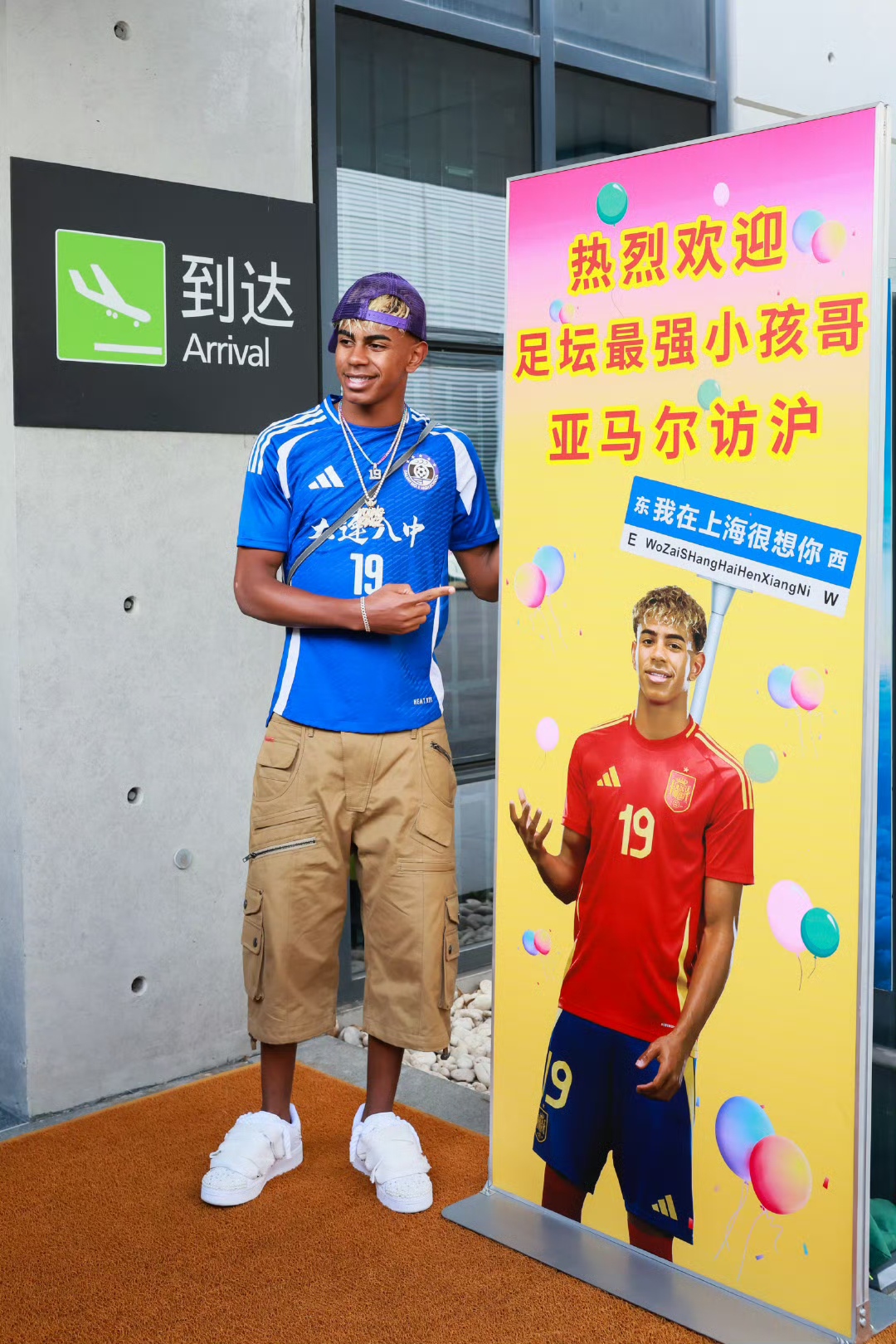
Group 1 - Lamine Yamal, a 17-year-old football prodigy, visited China for the first time to support the National Youth Campus Football League (CHFL) finals held on July 9 [1][3] - Yamal's market value has surged to €200 million following his debut with Barcelona and his contribution to Spain's victory in the 2024 European Championship [1] - The CHFL has seen over 3,000 participants annually since its inception in 1999, with 63 high school teams competing in the 2024-2025 season [3] Group 2 - Adidas has signed a four-year strategic partnership with the Chinese Student Sports Association, significantly investing in the CHFL [3][4] - The company aims to leverage its global resources to promote football culture and accelerate youth football development in China [3] - Adidas previously invited David Beckham to China for a similar initiative, highlighting the brand's commitment to youth sports [3] Group 3 - The Chinese government has implemented policies to promote youth football, including the "Implementation Opinions on the Reform and Development of Youth Football" [5][6] - The goal is to establish a robust youth football training and competition system by 2030, with a significant increase in youth football participation [5] - The policies emphasize a combination of national and market mechanisms to enhance investment in youth football [6] Group 4 - The rise of youth football events is attributed to supportive policies and initiatives aimed at improving student health through sports [10][11] - Various sports brands, including Nike and ASICS, are increasingly engaging with schools to promote sports events and competitions [11][12] - The growing interest in school sports is seen as a market opportunity for sports brands, contributing to a positive development in the sports ecosystem [12]

361°跃升2026-2029年世界泳联全球合作伙伴!展现中国民族体育品牌力量
Ge Long Hui· 2025-07-11 03:24
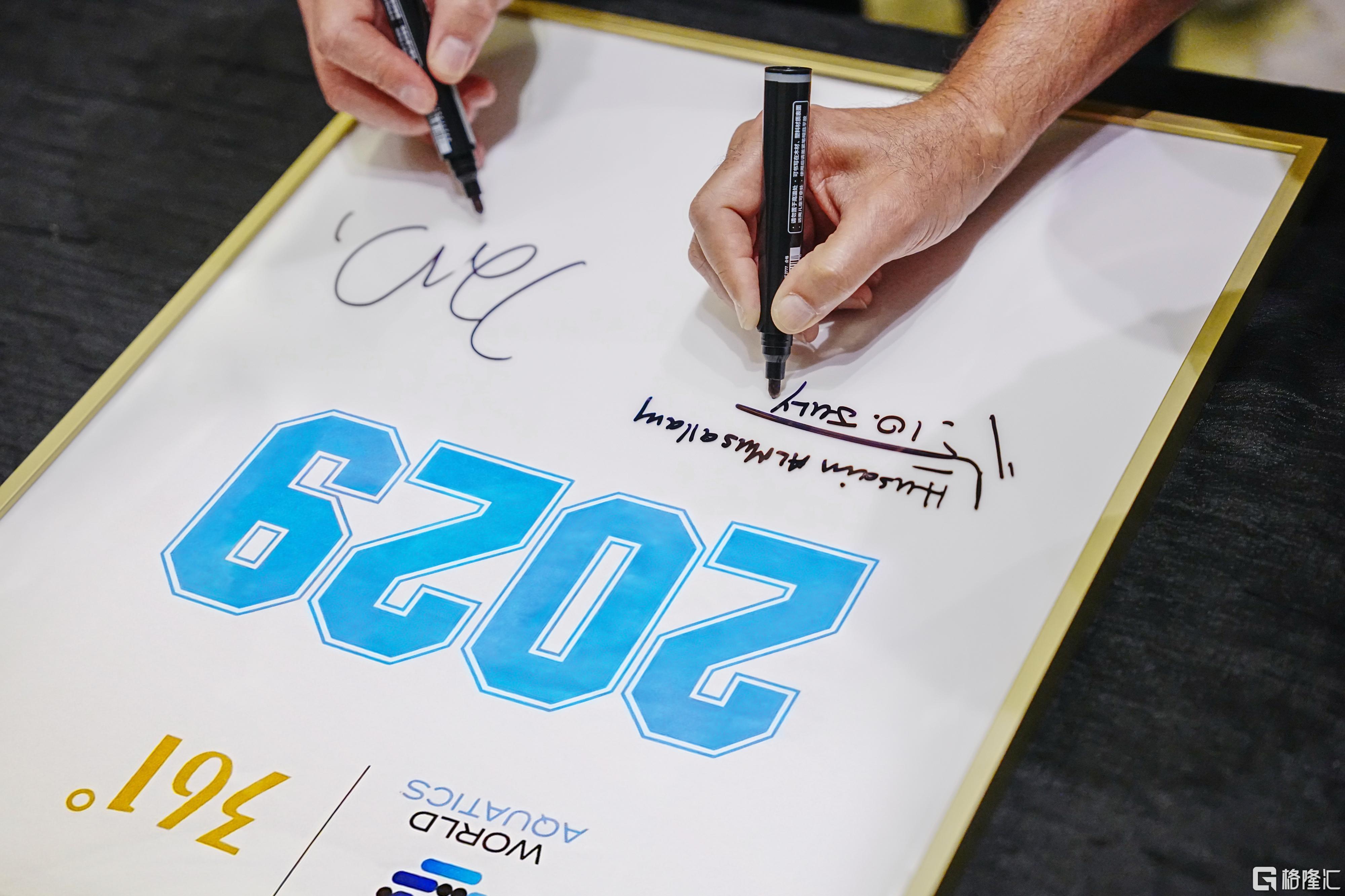
Core Points - 361° has officially become a global partner of World Aquatics from 2026 to 2029, enhancing the support for water sports events and promoting global aquatic sports development [1][4][10] - The partnership signifies a strategic upgrade, aiming to deepen the promotion of water sports and expand the cultural influence of events globally [4][8][13] - 361° will provide professional equipment support for various aquatic sports and contribute to key initiatives like the World Aquatics scholarship program [8][11] Company Overview - 361° is recognized as a leading Chinese sports brand with extensive experience in international event services, having supported major events like the Rio 2016 Olympics and multiple Asian Games [11][13] - The collaboration with World Aquatics marks a significant step in 361°'s internationalization process, enhancing brand influence and market penetration in the global sports goods industry [13] Strategic Implications - The partnership is expected to facilitate deeper cooperation in water sports, exploring broader overseas development opportunities and enhancing the brand's global presence [13] - 361° aims to leverage its technological advantages to provide comprehensive support for World Aquatics, covering major events like the 2027 Budapest and 2029 Beijing championships [13]
轻工纺服行业周报:老铺新加坡客流稳健,持续关注黄金和潮玩板块-20250710
Shanghai Securities· 2025-07-10 09:47
Investment Rating - The industry investment rating is maintained as "Overweight" [4] Core Viewpoints - The light industry sector is experiencing rapid growth in demand for trendy toys, driven by Generation Z, with products like blind boxes tapping into deep emotional values. The integration of AI technologies is expected to enhance the light manufacturing sector, supported by policies aimed at stabilizing the real estate market and boosting domestic demand [2][3] - The export chain for light industry products such as thermos cups and office furniture is showing stable overseas demand, with tariff impacts expected to be gradually absorbed. Companies with overseas production capacity and supply chain resilience are recommended for attention [3] - The home goods sector is set to benefit from an additional 150 billion yuan in special government bonds for consumer upgrades, which is expected to stimulate demand and support economic growth [4] Summary by Sections Light Industry - The trendy toy sector is witnessing significant growth, with a sixfold increase in bookings for the Bubble Mart city park in June compared to the previous year, surpassing other entertainment venues in Beijing [2] - Companies to watch include Bubble Mart, Blokus, and Miniso [2] Export Chain - The light industry export chain is expected to recover as tariff policies become clearer, with a focus on companies like Jiangxin Home, Ninebot, and Jia Yi [3] Home Goods - The third batch of consumer upgrade funds will be released in July, with manufacturing PMI showing signs of improvement, indicating a potential recovery in home goods consumption [4][7] Textile and Apparel Industry - The demand for gold is projected to grow, with domestic jewelry companies expected to see sales and performance improvements in 2025. The outdoor economy is also boosting sales in sports apparel [8][9] - Companies to focus on include Anta, Li Ning, and Bosideng, which are expanding their market presence [10][11] Manufacturing - The textile manufacturing sector is expected to grow due to increased overseas production and enhanced core competitiveness, with companies like Huali Group and Weixing Co. recommended for investment [12][13]
国潮难做,李宁开始收割打羽毛球的中产
Xin Lang Cai Jing· 2025-07-10 05:56
Group 1 - The core point of the article highlights the significant sponsorship deal between top badminton player An Se-young and Yonex, valued at 10 billion KRW (approximately 53 million RMB) over four years, setting a new record for badminton athlete sponsorships [1] - Other notable Korean players, Seo Seung-jae and Kim Won-ho, have also signed with Yonex for annual sponsorships of 2.2 billion KRW and 1.5 billion KRW respectively, both for four-year terms [1] - Li Ning attempted to secure An Se-young with an offer of 3.5 billion KRW annually, indicating a competitive landscape for athlete endorsements in badminton [1] Group 2 - The badminton market is experiencing a surge in demand, with the global market size reaching 7.148 billion RMB in 2023 and projected to grow to 10.506 billion RMB by 2029 [7] - The price of badminton shuttlecocks has doubled from approximately 95 RMB to 190 RMB per dozen, driven by increased material costs and rising demand for the sport [3][4] - The participation rate in badminton in China is high, with 250 million people engaged in the sport, making it the most popular racket sport in the country [6] Group 3 - Yonex has a dominant position in the badminton industry, signing a total of 37 athletes, including top stars like Lin Dan and Lee Chong Wei, which enhances its brand visibility and market share [11] - The company reported a record net sales of 138.2 billion JPY for the fiscal year ending March 2025, with an 18.8% year-on-year growth [12] - Over 70% of Yonex's sales come from overseas, with a significant portion from the Asian market, particularly China, due to its sponsorship of the national badminton team [13] Group 4 - Li Ning is shifting its focus back to professional sports, including badminton, after a period of emphasizing fashion and lifestyle branding, indicating a strategic pivot to regain market influence [10] - The competitive landscape is intensifying, with emerging brands challenging established players like Li Ning and Yonex, necessitating innovation and strategic adjustments to maintain market share [14]

纺织服装行业2025年中报业绩前瞻:内需温和复苏等待加速,布局新成长方向
Shenwan Hongyuan Securities· 2025-07-09 14:14
Investment Rating - The report gives an "Overweight" rating for the textile and apparel industry, indicating a positive outlook compared to the overall market performance [2][10]. Core Insights - Domestic demand is showing a mild recovery, which is expected to accelerate, while external demand is impacted by tariff shocks, leading to a divergence in industry performance [2]. - The sportswear segment is experiencing strong demand, particularly in high-performance outdoor products, with significant market growth potential [2]. - The report highlights the resilience of certain brands in the men's and women's apparel sectors, while children's clothing brands are still under pressure [2]. - The home textile sector is benefiting from government subsidies, leading to better performance for key players [2]. - The personal care and household cleaning segment is in a growth phase, driven by diversification and quality upgrades [2]. - The textile manufacturing sector faces challenges from tariff impacts but maintains global competitiveness among leading manufacturers [2]. Summary by Sections Domestic Demand - Retail sales of clothing, shoes, and textiles reached 613.8 billion yuan from January to May, with a year-on-year growth of 3.3% [2]. - The report anticipates an acceleration in retail growth due to low base effects from the previous year [2]. External Demand - Textile and apparel exports totaled 116.7 billion USD from January to May, with a year-on-year increase of 1% [2]. - Vietnam's textile exports grew by 12%, indicating a shift in supply chains due to tariff policies [2]. Sportswear Segment - The sportswear sector is leading in market performance, with brands like Anta and FILA expected to see significant revenue growth [2]. - The report predicts a 40% increase in revenue for outdoor brands in Q2 2025 [3]. Apparel Sector - Men's apparel brands like HLA are expected to show modest growth, while high-end brands may face profit declines [2]. - Women's apparel brand Geli Si is projected to outperform peers, with a significant rebound in profits [2]. Home Textiles - Key players like Luolai and Mercury are expected to see revenue growth of 3% and 15%, respectively, in Q2 2025 [3]. - The report notes that Fuanna is still undergoing operational adjustments, with expected declines in revenue and profit [2]. Personal Care and Household Cleaning - Companies like Nobon and Weijian are projected to achieve revenue growth of 28% and 20%, respectively, in Q2 2025 [2]. Textile Manufacturing - Major manufacturers like Shenzhou International are expected to see revenue growth of 15% in H1 2025, despite short-term profit pressures [2]. - The report highlights that upstream textile companies are facing order declines due to tariff impacts [2]. Investment Recommendations - The report recommends focusing on sectors with recovery potential, such as sportswear, discount retail, personal care, and home textiles [2]. - Specific stock recommendations include Anta Sports, HLA, and Luolai [2][5].


山西证券研究早观点-20250708
Shanxi Securities· 2025-07-08 02:31
Core Insights - The report highlights the strong performance of the U.S. job market, with June non-farm employment data showing an increase of 147,000 jobs and a decrease in the unemployment rate from 4.2% to 4.1% [4] - The report notes the significant growth of the jewelry brand Zhou Li Fu, which went public on the Hong Kong Stock Exchange, raising approximately HKD 1.292 billion [5][6] - The report discusses the rapid expansion of 361 Degrees, which opened 49 new stores, establishing itself as a new landmark in urban sports consumption [6][7] Market Trends - The U.S. economy is experiencing a mild cooling phase, with concerns about the job market being alleviated by strong employment data [4] - The textile and apparel sector saw a 1.36% increase, while the light industry manufacturing sector rose by 0.58% [6] - The gold and jewelry retail sector reported a year-on-year growth of 21.8% in May, indicating a robust demand for gold and jewelry products [7] Company Performance - Zhou Li Fu's revenue is projected to grow from CNY 3.102 billion in 2022 to CNY 5.718 billion in 2024, with a compound annual growth rate (CAGR) of 35.8% [5] - The net profit of Zhou Li Fu is expected to increase from CNY 575 million in 2022 to CNY 706 million in 2024, with a CAGR of 10.8% [5] - Tao Tao Vehicle's net profit for the first half of 2025 is projected to be between CNY 310 million and CNY 360 million, representing a year-on-year growth of 70.34% to 97.81% [14][16] Industry Developments - The global regulatory framework for stablecoins is advancing, with significant legislative actions in the U.S., EU, and Hong Kong [9][10] - The report emphasizes the entry of traditional financial institutions and tech giants into the stablecoin market, enhancing the ecosystem [9] - The report also highlights the potential for Real World Assets (RWA) to create new growth opportunities for stablecoins [10] Investment Recommendations - The report recommends focusing on companies with strong mid-year performance, particularly in the textile and apparel sector, such as Anta Sports and 361 Degrees [6][7] - In the gold and jewelry sector, companies like Lao Pu Gold and Chao Hong Ji are highlighted as having strong mid-year performance potential [7] - The report suggests monitoring the progress of virtual asset licensing in Hong Kong and the core application scenarios for stablecoins in the long term [12]